Compare commits
41 Commits
| Author | SHA1 | Date | |
|---|---|---|---|
 YiYi Xu YiYi Xu
|
7eb2d2208e | ||
|
Dhruv Nair
|
7aa4514260 | ||
|
yiyixu
|
d97bca56ab | ||
|
Bingxin Ke
|
c2e87869be | ||
|
Stephen
|
ca61287daa | ||
|
Beinsezii
|
f0c81562a4 | ||
|
Hyoungwon Cho
|
9d20ed37a2 | ||
|
Linoy Tsaban
|
bda1d4faf8 | ||
|
UmerHA
|
77103d71ca | ||
|
UmerHA
|
0302446819 | ||
|
Dhruv Nair
|
4d39b7483d | ||
|
Sayak Paul
|
fac761694a | ||
|
YiYi Xu
|
34c90dbb31 | ||
|
Lvkesheng Shen
|
e49c04d5d6 | ||
|
YiYi Xu
|
f238cb0736 | ||
|
Bagheera
|
d78acdedc1 | ||
|
Sayak Paul
|
6df103deba | ||
|
Sayak Paul
|
73f28708be | ||
|
Sayak Paul
|
0cbc78f04c | ||
|
Thomas Liang
|
0cc5630945 | ||
|
UmerHA
|
0b8e29289d | ||
|
Sayak Paul
|
ab38ddf64f | ||
|
YiYi Xu
|
ead82fedea | ||
|
Disty0
|
45b42d1203 | ||
|
Long(Tony) Lian
|
5199ee4f7b | ||
|
Bagheera
|
544710ef0f | ||
|
M. Tolga Cangöz
|
443aa14e41 | ||
|
Sayak Paul
|
288632adf6 | ||
|
Ernie Chu
|
5ce79cbded | ||
|
Marçal Comajoan Cara
|
d52f3e30f8 | ||
|
Sayak Paul
|
699dfb084c | ||
|
Sayak Paul
|
484c8ef399 | ||
|
estelleafl
|
0dd0528851 | ||
|
UmerHA
|
1cd4732e7f | ||
|
M. Tolga Cangöz
|
a51b6cc86a | ||
|
Dhruv Nair
|
3bce0f3da1 | ||
|
Dhruv Nair
|
9a34953823 | ||
|
Sayak Paul
|
e29f16cfaa | ||
|
M. Tolga Cangöz
|
f7dfcfd971 | ||
|
Sayak Paul
|
3c67864c5a | ||
|
Aryan
|
363699044e |
@@ -12,110 +12,96 @@ env:
|
||||
PYTEST_TIMEOUT: 600
|
||||
RUN_SLOW: yes
|
||||
RUN_NIGHTLY: yes
|
||||
PIPELINE_USAGE_CUTOFF: 5000
|
||||
SLACK_API_TOKEN: ${{ secrets.SLACK_CIFEEDBACK_BOT_TOKEN }}
|
||||
|
||||
jobs:
|
||||
run_nightly_tests:
|
||||
strategy:
|
||||
fail-fast: false
|
||||
matrix:
|
||||
config:
|
||||
- name: Nightly PyTorch CUDA tests on Ubuntu
|
||||
framework: pytorch
|
||||
runner: docker-gpu
|
||||
image: diffusers/diffusers-pytorch-cuda
|
||||
report: torch_cuda
|
||||
- name: Nightly Flax TPU tests on Ubuntu
|
||||
framework: flax
|
||||
runner: docker-tpu
|
||||
image: diffusers/diffusers-flax-tpu
|
||||
report: flax_tpu
|
||||
- name: Nightly ONNXRuntime CUDA tests on Ubuntu
|
||||
framework: onnxruntime
|
||||
runner: docker-gpu
|
||||
image: diffusers/diffusers-onnxruntime-cuda
|
||||
report: onnx_cuda
|
||||
|
||||
name: ${{ matrix.config.name }}
|
||||
|
||||
runs-on: ${{ matrix.config.runner }}
|
||||
|
||||
container:
|
||||
image: ${{ matrix.config.image }}
|
||||
options: --shm-size "16gb" --ipc host -v /mnt/hf_cache:/mnt/cache/ ${{ matrix.config.runner == 'docker-tpu' && '--privileged' || '--gpus 0'}}
|
||||
|
||||
defaults:
|
||||
run:
|
||||
shell: bash
|
||||
|
||||
setup_torch_cuda_pipeline_matrix:
|
||||
name: Setup Torch Pipelines Matrix
|
||||
runs-on: ubuntu-latest
|
||||
outputs:
|
||||
pipeline_test_matrix: ${{ steps.fetch_pipeline_matrix.outputs.pipeline_test_matrix }}
|
||||
steps:
|
||||
- name: Checkout diffusers
|
||||
uses: actions/checkout@v3
|
||||
with:
|
||||
fetch-depth: 2
|
||||
|
||||
- name: NVIDIA-SMI
|
||||
if: ${{ matrix.config.runner == 'docker-gpu' }}
|
||||
run: |
|
||||
nvidia-smi
|
||||
|
||||
- name: Set up Python
|
||||
uses: actions/setup-python@v4
|
||||
with:
|
||||
python-version: "3.8"
|
||||
- name: Install dependencies
|
||||
run: |
|
||||
pip install -e .
|
||||
pip install huggingface_hub
|
||||
- name: Fetch Pipeline Matrix
|
||||
id: fetch_pipeline_matrix
|
||||
run: |
|
||||
matrix=$(python utils/fetch_torch_cuda_pipeline_test_matrix.py)
|
||||
echo $matrix
|
||||
echo "pipeline_test_matrix=$matrix" >> $GITHUB_OUTPUT
|
||||
|
||||
- name: Pipeline Tests Artifacts
|
||||
if: ${{ always() }}
|
||||
uses: actions/upload-artifact@v2
|
||||
with:
|
||||
name: test-pipelines.json
|
||||
path: reports
|
||||
|
||||
run_nightly_tests_for_torch_pipelines:
|
||||
name: Torch Pipelines CUDA Nightly Tests
|
||||
needs: setup_torch_cuda_pipeline_matrix
|
||||
strategy:
|
||||
fail-fast: false
|
||||
matrix:
|
||||
module: ${{ fromJson(needs.setup_torch_cuda_pipeline_matrix.outputs.pipeline_test_matrix) }}
|
||||
runs-on: [single-gpu, nvidia-gpu, t4, ci]
|
||||
container:
|
||||
image: diffusers/diffusers-pytorch-cuda
|
||||
options: --shm-size "16gb" --ipc host -v /mnt/hf_cache:/mnt/cache/ --gpus 0
|
||||
steps:
|
||||
- name: Checkout diffusers
|
||||
uses: actions/checkout@v3
|
||||
with:
|
||||
fetch-depth: 2
|
||||
- name: NVIDIA-SMI
|
||||
run: nvidia-smi
|
||||
|
||||
- name: Install dependencies
|
||||
run: |
|
||||
apt-get update && apt-get install libsndfile1-dev libgl1 -y
|
||||
python -m venv /opt/venv && export PATH="/opt/venv/bin:$PATH"
|
||||
python -m uv pip install -e [quality,test]
|
||||
python -m uv pip install -U transformers@git+https://github.com/huggingface/transformers
|
||||
python -m uv pip install accelerate@git+https://github.com/huggingface/accelerate
|
||||
python -m uv pip install accelerate@git+https://github.com/huggingface/accelerate.git
|
||||
python -m uv pip install pytest-reportlog
|
||||
|
||||
|
||||
- name: Environment
|
||||
run: |
|
||||
python utils/print_env.py
|
||||
|
||||
- name: Run nightly PyTorch CUDA tests
|
||||
if: ${{ matrix.config.framework == 'pytorch' }}
|
||||
|
||||
- name: Nightly PyTorch CUDA checkpoint (pipelines) tests
|
||||
env:
|
||||
HUGGING_FACE_HUB_TOKEN: ${{ secrets.HUGGING_FACE_HUB_TOKEN }}
|
||||
# https://pytorch.org/docs/stable/notes/randomness.html#avoiding-nondeterministic-algorithms
|
||||
CUBLAS_WORKSPACE_CONFIG: :16:8
|
||||
run: |
|
||||
python -m venv /opt/venv && export PATH="/opt/venv/bin:$PATH"
|
||||
python -m pytest -n 1 --max-worker-restart=0 --dist=loadfile \
|
||||
-s -v -k "not Flax and not Onnx" \
|
||||
--make-reports=tests_${{ matrix.config.report }} \
|
||||
--report-log=${{ matrix.config.report }}.log \
|
||||
tests/
|
||||
|
||||
- name: Run nightly Flax TPU tests
|
||||
if: ${{ matrix.config.framework == 'flax' }}
|
||||
env:
|
||||
HUGGING_FACE_HUB_TOKEN: ${{ secrets.HUGGING_FACE_HUB_TOKEN }}
|
||||
run: |
|
||||
python -m venv /opt/venv && export PATH="/opt/venv/bin:$PATH"
|
||||
python -m pytest -n 0 \
|
||||
-s -v -k "Flax" \
|
||||
--make-reports=tests_${{ matrix.config.report }} \
|
||||
--report-log=${{ matrix.config.report }}.log \
|
||||
tests/
|
||||
|
||||
- name: Run nightly ONNXRuntime CUDA tests
|
||||
if: ${{ matrix.config.framework == 'onnxruntime' }}
|
||||
env:
|
||||
HUGGING_FACE_HUB_TOKEN: ${{ secrets.HUGGING_FACE_HUB_TOKEN }}
|
||||
run: |
|
||||
python -m venv /opt/venv && export PATH="/opt/venv/bin:$PATH"
|
||||
python -m pytest -n 1 --max-worker-restart=0 --dist=loadfile \
|
||||
-s -v -k "Onnx" \
|
||||
--make-reports=tests_${{ matrix.config.report }} \
|
||||
--report-log=${{ matrix.config.report }}.log \
|
||||
tests/
|
||||
|
||||
--make-reports=tests_pipeline_${{ matrix.module }}_cuda \
|
||||
--report-log=tests_pipeline_${{ matrix.module }}_cuda.log \
|
||||
tests/pipelines/${{ matrix.module }}
|
||||
|
||||
- name: Failure short reports
|
||||
if: ${{ failure() }}
|
||||
run: cat reports/tests_${{ matrix.config.report }}_failures_short.txt
|
||||
run: |
|
||||
cat reports/tests_pipeline_${{ matrix.module }}_cuda_stats.txt
|
||||
cat reports/tests_pipeline_${{ matrix.module }}_cuda_failures_short.txt
|
||||
|
||||
- name: Test suite reports artifacts
|
||||
if: ${{ always() }}
|
||||
uses: actions/upload-artifact@v2
|
||||
with:
|
||||
name: ${{ matrix.config.report }}_test_reports
|
||||
name: pipeline_${{ matrix.module }}_test_reports
|
||||
path: reports
|
||||
|
||||
- name: Generate Report and Notify Channel
|
||||
@@ -124,6 +110,248 @@ jobs:
|
||||
pip install slack_sdk tabulate
|
||||
python scripts/log_reports.py >> $GITHUB_STEP_SUMMARY
|
||||
|
||||
run_nightly_tests_for_other_torch_modules:
|
||||
name: Torch Non-Pipelines CUDA Nightly Tests
|
||||
runs-on: docker-gpu
|
||||
container:
|
||||
image: diffusers/diffusers-pytorch-cuda
|
||||
options: --shm-size "16gb" --ipc host -v /mnt/hf_cache:/mnt/cache/ --gpus 0
|
||||
defaults:
|
||||
run:
|
||||
shell: bash
|
||||
strategy:
|
||||
matrix:
|
||||
module: [models, schedulers, others, examples]
|
||||
steps:
|
||||
- name: Checkout diffusers
|
||||
uses: actions/checkout@v3
|
||||
with:
|
||||
fetch-depth: 2
|
||||
|
||||
- name: Install dependencies
|
||||
run: |
|
||||
apt-get update && apt-get install libsndfile1-dev libgl1 -y
|
||||
python -m venv /opt/venv && export PATH="/opt/venv/bin:$PATH"
|
||||
python -m uv pip install -e [quality,test]
|
||||
python -m uv pip install accelerate@git+https://github.com/huggingface/accelerate.git
|
||||
python -m uv pip install pytest-reportlog
|
||||
|
||||
- name: Environment
|
||||
run: python utils/print_env.py
|
||||
|
||||
- name: Run nightly PyTorch CUDA tests for non-pipeline modules
|
||||
if: ${{ matrix.module != 'examples'}}
|
||||
env:
|
||||
HUGGING_FACE_HUB_TOKEN: ${{ secrets.HUGGING_FACE_HUB_TOKEN }}
|
||||
# https://pytorch.org/docs/stable/notes/randomness.html#avoiding-nondeterministic-algorithms
|
||||
CUBLAS_WORKSPACE_CONFIG: :16:8
|
||||
run: |
|
||||
python -m pytest -n 1 --max-worker-restart=0 --dist=loadfile \
|
||||
-s -v -k "not Flax and not Onnx" \
|
||||
--make-reports=tests_torch_${{ matrix.module }}_cuda \
|
||||
--report-log=tests_torch_${{ matrix.module }}_cuda.log \
|
||||
tests/${{ matrix.module }}
|
||||
|
||||
- name: Run nightly example tests with Torch
|
||||
if: ${{ matrix.module == 'examples' }}
|
||||
env:
|
||||
HUGGING_FACE_HUB_TOKEN: ${{ secrets.HUGGING_FACE_HUB_TOKEN }}
|
||||
# https://pytorch.org/docs/stable/notes/randomness.html#avoiding-nondeterministic-algorithms
|
||||
CUBLAS_WORKSPACE_CONFIG: :16:8
|
||||
run: |
|
||||
python -m uv pip install peft@git+https://github.com/huggingface/peft.git
|
||||
python -m pytest -n 1 --max-worker-restart=0 --dist=loadfile \
|
||||
-s -v --make-reports=examples_torch_cuda \
|
||||
--report-log=examples_torch_cuda.log \
|
||||
examples/
|
||||
|
||||
- name: Failure short reports
|
||||
if: ${{ failure() }}
|
||||
run: |
|
||||
cat reports/tests_torch_${{ matrix.module }}_cuda_stats.txt
|
||||
cat reports/tests_torch_${{ matrix.module }}_cuda_failures_short.txt
|
||||
|
||||
- name: Test suite reports artifacts
|
||||
if: ${{ always() }}
|
||||
uses: actions/upload-artifact@v2
|
||||
with:
|
||||
name: torch_${{ matrix.module }}_cuda_test_reports
|
||||
path: reports
|
||||
|
||||
- name: Generate Report and Notify Channel
|
||||
if: always()
|
||||
run: |
|
||||
pip install slack_sdk tabulate
|
||||
python scripts/log_reports.py >> $GITHUB_STEP_SUMMARY
|
||||
|
||||
run_lora_nightly_tests:
|
||||
name: Nightly LoRA Tests with PEFT and TORCH
|
||||
runs-on: docker-gpu
|
||||
container:
|
||||
image: diffusers/diffusers-pytorch-cuda
|
||||
options: --shm-size "16gb" --ipc host -v /mnt/hf_cache:/mnt/cache/ --gpus 0
|
||||
defaults:
|
||||
run:
|
||||
shell: bash
|
||||
steps:
|
||||
- name: Checkout diffusers
|
||||
uses: actions/checkout@v3
|
||||
with:
|
||||
fetch-depth: 2
|
||||
|
||||
- name: Install dependencies
|
||||
run: |
|
||||
apt-get update && apt-get install libsndfile1-dev libgl1 -y
|
||||
python -m venv /opt/venv && export PATH="/opt/venv/bin:$PATH"
|
||||
python -m uv pip install -e [quality,test]
|
||||
python -m uv pip install accelerate@git+https://github.com/huggingface/accelerate.git
|
||||
python -m uv pip install peft@git+https://github.com/huggingface/peft.git
|
||||
python -m uv pip install pytest-reportlog
|
||||
|
||||
- name: Environment
|
||||
run: python utils/print_env.py
|
||||
|
||||
- name: Run nightly LoRA tests with PEFT and Torch
|
||||
env:
|
||||
HUGGING_FACE_HUB_TOKEN: ${{ secrets.HUGGING_FACE_HUB_TOKEN }}
|
||||
# https://pytorch.org/docs/stable/notes/randomness.html#avoiding-nondeterministic-algorithms
|
||||
CUBLAS_WORKSPACE_CONFIG: :16:8
|
||||
run: |
|
||||
python -m pytest -n 1 --max-worker-restart=0 --dist=loadfile \
|
||||
-s -v -k "not Flax and not Onnx" \
|
||||
--make-reports=tests_torch_lora_cuda \
|
||||
--report-log=tests_torch_lora_cuda.log \
|
||||
tests/lora
|
||||
|
||||
- name: Failure short reports
|
||||
if: ${{ failure() }}
|
||||
run: |
|
||||
cat reports/tests_torch_lora_cuda_stats.txt
|
||||
cat reports/tests_torch_lora_cuda_failures_short.txt
|
||||
|
||||
- name: Test suite reports artifacts
|
||||
if: ${{ always() }}
|
||||
uses: actions/upload-artifact@v2
|
||||
with:
|
||||
name: torch_lora_cuda_test_reports
|
||||
path: reports
|
||||
|
||||
- name: Generate Report and Notify Channel
|
||||
if: always()
|
||||
run: |
|
||||
pip install slack_sdk tabulate
|
||||
python scripts/log_reports.py >> $GITHUB_STEP_SUMMARY
|
||||
|
||||
run_flax_tpu_tests:
|
||||
name: Nightly Flax TPU Tests
|
||||
runs-on: docker-tpu
|
||||
container:
|
||||
image: diffusers/diffusers-flax-tpu
|
||||
options: --shm-size "16gb" --ipc host -v /mnt/hf_cache:/mnt/cache/ --privileged
|
||||
defaults:
|
||||
run:
|
||||
shell: bash
|
||||
steps:
|
||||
- name: Checkout diffusers
|
||||
uses: actions/checkout@v3
|
||||
with:
|
||||
fetch-depth: 2
|
||||
|
||||
- name: Install dependencies
|
||||
run: |
|
||||
apt-get update && apt-get install libsndfile1-dev libgl1 -y
|
||||
python -m venv /opt/venv && export PATH="/opt/venv/bin:$PATH"
|
||||
python -m uv pip install -e [quality,test]
|
||||
python -m uv pip install accelerate@git+https://github.com/huggingface/accelerate.git
|
||||
python -m uv pip install pytest-reportlog
|
||||
|
||||
- name: Environment
|
||||
run: python utils/print_env.py
|
||||
|
||||
- name: Run nightly Flax TPU tests
|
||||
env:
|
||||
HUGGING_FACE_HUB_TOKEN: ${{ secrets.HUGGING_FACE_HUB_TOKEN }}
|
||||
run: |
|
||||
python -m pytest -n 0 \
|
||||
-s -v -k "Flax" \
|
||||
--make-reports=tests_flax_tpu \
|
||||
--report-log=tests_flax_tpu.log \
|
||||
tests/
|
||||
|
||||
- name: Failure short reports
|
||||
if: ${{ failure() }}
|
||||
run: |
|
||||
cat reports/tests_flax_tpu_stats.txt
|
||||
cat reports/tests_flax_tpu_failures_short.txt
|
||||
|
||||
- name: Test suite reports artifacts
|
||||
if: ${{ always() }}
|
||||
uses: actions/upload-artifact@v2
|
||||
with:
|
||||
name: flax_tpu_test_reports
|
||||
path: reports
|
||||
|
||||
- name: Generate Report and Notify Channel
|
||||
if: always()
|
||||
run: |
|
||||
pip install slack_sdk tabulate
|
||||
python scripts/log_reports.py >> $GITHUB_STEP_SUMMARY
|
||||
|
||||
run_nightly_onnx_tests:
|
||||
name: Nightly ONNXRuntime CUDA tests on Ubuntu
|
||||
runs-on: docker-gpu
|
||||
container:
|
||||
image: diffusers/diffusers-onnxruntime-cuda
|
||||
options: --gpus 0 --shm-size "16gb" --ipc host -v /mnt/hf_cache:/mnt/cache/
|
||||
|
||||
steps:
|
||||
- name: Checkout diffusers
|
||||
uses: actions/checkout@v3
|
||||
with:
|
||||
fetch-depth: 2
|
||||
|
||||
- name: NVIDIA-SMI
|
||||
run: nvidia-smi
|
||||
|
||||
- name: Install dependencies
|
||||
run: |
|
||||
python -m venv /opt/venv && export PATH="/opt/venv/bin:$PATH"
|
||||
python -m uv pip install -e [quality,test]
|
||||
python -m uv pip install accelerate@git+https://github.com/huggingface/accelerate.git
|
||||
python -m uv pip install pytest-reportlog
|
||||
|
||||
- name: Environment
|
||||
run: python utils/print_env.py
|
||||
|
||||
- name: Run nightly ONNXRuntime CUDA tests
|
||||
env:
|
||||
HUGGING_FACE_HUB_TOKEN: ${{ secrets.HUGGING_FACE_HUB_TOKEN }}
|
||||
run: |
|
||||
python -m pytest -n 1 --max-worker-restart=0 --dist=loadfile \
|
||||
-s -v -k "Onnx" \
|
||||
--make-reports=tests_onnx_cuda \
|
||||
--report-log=tests_onnx_cuda.log \
|
||||
tests/
|
||||
|
||||
- name: Failure short reports
|
||||
if: ${{ failure() }}
|
||||
run: |
|
||||
cat reports/tests_onnx_cuda_stats.txt
|
||||
cat reports/tests_onnx_cuda_failures_short.txt
|
||||
|
||||
- name: Test suite reports artifacts
|
||||
if: ${{ always() }}
|
||||
uses: actions/upload-artifact@v2
|
||||
with:
|
||||
name: ${{ matrix.config.report }}_test_reports
|
||||
path: reports
|
||||
|
||||
- name: Generate Report and Notify Channel
|
||||
if: always()
|
||||
run: |
|
||||
pip install slack_sdk tabulate
|
||||
python scripts/log_reports.py >> $GITHUB_STEP_SUMMARY
|
||||
|
||||
run_nightly_tests_apple_m1:
|
||||
name: Nightly PyTorch MPS tests on MacOS
|
||||
runs-on: [ self-hosted, apple-m1 ]
|
||||
|
||||
@@ -35,6 +35,10 @@ jobs:
|
||||
run: |
|
||||
ruff check examples tests src utils scripts
|
||||
ruff format examples tests src utils scripts --check
|
||||
- name: Check if failure
|
||||
if: ${{ failure() }}
|
||||
run: |
|
||||
echo "Quality check failed. Please ensure the right dependency versions are installed with 'pip install -e .[quality]' and run 'make style && make quality'" >> $GITHUB_STEP_SUMMARY
|
||||
|
||||
check_repository_consistency:
|
||||
needs: check_code_quality
|
||||
@@ -54,6 +58,10 @@ jobs:
|
||||
python utils/check_copies.py
|
||||
python utils/check_dummies.py
|
||||
make deps_table_check_updated
|
||||
- name: Check if failure
|
||||
if: ${{ failure() }}
|
||||
run: |
|
||||
echo "Repo consistency check failed. Please ensure the right dependency versions are installed with 'pip install -e .[quality]' and run 'make fix-copies'" >> $GITHUB_STEP_SUMMARY
|
||||
|
||||
run_fast_tests:
|
||||
needs: [check_code_quality, check_repository_consistency]
|
||||
|
||||
@@ -43,6 +43,10 @@ jobs:
|
||||
run: |
|
||||
ruff check examples tests src utils scripts
|
||||
ruff format examples tests src utils scripts --check
|
||||
- name: Check if failure
|
||||
if: ${{ failure() }}
|
||||
run: |
|
||||
echo "Quality check failed. Please ensure the right dependency versions are installed with 'pip install -e .[quality]' and run 'make style && make quality'" >> $GITHUB_STEP_SUMMARY
|
||||
|
||||
check_repository_consistency:
|
||||
needs: check_code_quality
|
||||
@@ -62,6 +66,10 @@ jobs:
|
||||
python utils/check_copies.py
|
||||
python utils/check_dummies.py
|
||||
make deps_table_check_updated
|
||||
- name: Check if failure
|
||||
if: ${{ failure() }}
|
||||
run: |
|
||||
echo "Repo consistency check failed. Please ensure the right dependency versions are installed with 'pip install -e .[quality]' and run 'make fix-copies'" >> $GITHUB_STEP_SUMMARY
|
||||
|
||||
run_fast_tests:
|
||||
needs: [check_code_quality, check_repository_consistency]
|
||||
|
||||
@@ -88,7 +88,7 @@ accelerate config default
|
||||
|
||||
Or if your environment doesn't support an interactive shell, like a notebook, you can use:
|
||||
|
||||
```bash
|
||||
```py
|
||||
from accelerate.utils import write_basic_config
|
||||
|
||||
write_basic_config()
|
||||
|
||||
@@ -54,7 +54,7 @@ accelerate config default
|
||||
|
||||
Or if your environment doesn't support an interactive shell, like a notebook, you can use:
|
||||
|
||||
```bash
|
||||
```py
|
||||
from accelerate.utils import write_basic_config
|
||||
|
||||
write_basic_config()
|
||||
@@ -84,7 +84,7 @@ Many of the basic parameters are described in the [DreamBooth](dreambooth#script
|
||||
- `--freeze_model`: freezes the key and value parameters in the cross-attention layer; the default is `crossattn_kv`, but you can set it to `crossattn` to train all the parameters in the cross-attention layer
|
||||
- `--concepts_list`: to learn multiple concepts, provide a path to a JSON file containing the concepts
|
||||
- `--modifier_token`: a special word used to represent the learned concept
|
||||
- `--initializer_token`:
|
||||
- `--initializer_token`: a special word used to initialize the embeddings of the `modifier_token`
|
||||
|
||||
### Prior preservation loss
|
||||
|
||||
|
||||
@@ -67,7 +67,7 @@ accelerate config default
|
||||
|
||||
Or if your environment doesn't support an interactive shell, like a notebook, you can use:
|
||||
|
||||
```bash
|
||||
```py
|
||||
from accelerate.utils import write_basic_config
|
||||
|
||||
write_basic_config()
|
||||
@@ -180,7 +180,7 @@ elif args.pretrained_model_name_or_path:
|
||||
revision=args.revision,
|
||||
use_fast=False,
|
||||
)
|
||||
|
||||
|
||||
# Load scheduler and models
|
||||
noise_scheduler = DDPMScheduler.from_pretrained(args.pretrained_model_name_or_path, subfolder="scheduler")
|
||||
text_encoder = text_encoder_cls.from_pretrained(
|
||||
|
||||
@@ -51,7 +51,7 @@ accelerate config default
|
||||
|
||||
Or if your environment doesn't support an interactive shell, like a notebook, you can use:
|
||||
|
||||
```bash
|
||||
```py
|
||||
from accelerate.utils import write_basic_config
|
||||
|
||||
write_basic_config()
|
||||
@@ -89,7 +89,7 @@ The dataset preprocessing code and training loop are found in the [`main()`](htt
|
||||
|
||||
As with the script parameters, a walkthrough of the training script is provided in the [Text-to-image](text2image#training-script) training guide. Instead, this guide takes a look at the InstructPix2Pix relevant parts of the script.
|
||||
|
||||
The script begins by modifing the [number of input channels](https://github.com/huggingface/diffusers/blob/64603389da01082055a901f2883c4810d1144edb/examples/instruct_pix2pix/train_instruct_pix2pix.py#L445) in the first convolutional layer of the UNet to account for InstructPix2Pix's additional conditioning image:
|
||||
The script begins by modifying the [number of input channels](https://github.com/huggingface/diffusers/blob/64603389da01082055a901f2883c4810d1144edb/examples/instruct_pix2pix/train_instruct_pix2pix.py#L445) in the first convolutional layer of the UNet to account for InstructPix2Pix's additional conditioning image:
|
||||
|
||||
```py
|
||||
in_channels = 8
|
||||
|
||||
@@ -59,7 +59,7 @@ accelerate config default
|
||||
|
||||
Or if your environment doesn't support an interactive shell, like a notebook, you can use:
|
||||
|
||||
```bash
|
||||
```py
|
||||
from accelerate.utils import write_basic_config
|
||||
|
||||
write_basic_config()
|
||||
@@ -235,7 +235,7 @@ accelerate launch --mixed_precision="fp16" train_text_to_image_prior.py \
|
||||
--validation_prompts="A robot pokemon, 4k photo" \
|
||||
--report_to="wandb" \
|
||||
--push_to_hub \
|
||||
--output_dir="kandi2-prior-pokemon-model"
|
||||
--output_dir="kandi2-prior-pokemon-model"
|
||||
```
|
||||
|
||||
</hfoption>
|
||||
@@ -259,7 +259,7 @@ accelerate launch --mixed_precision="fp16" train_text_to_image_decoder.py \
|
||||
--validation_prompts="A robot pokemon, 4k photo" \
|
||||
--report_to="wandb" \
|
||||
--push_to_hub \
|
||||
--output_dir="kandi2-decoder-pokemon-model"
|
||||
--output_dir="kandi2-decoder-pokemon-model"
|
||||
```
|
||||
|
||||
</hfoption>
|
||||
|
||||
@@ -53,7 +53,7 @@ accelerate config default
|
||||
|
||||
Or if your environment doesn't support an interactive shell, like a notebook, you can use:
|
||||
|
||||
```bash
|
||||
```py
|
||||
from accelerate.utils import write_basic_config
|
||||
|
||||
write_basic_config()
|
||||
@@ -252,4 +252,4 @@ The SDXL training script is discussed in more detail in the [SDXL training](sdxl
|
||||
Congratulations on distilling a LCM model! To learn more about LCM, the following may be helpful:
|
||||
|
||||
- Learn how to use [LCMs for inference](../using-diffusers/lcm) for text-to-image, image-to-image, and with LoRA checkpoints.
|
||||
- Read the [SDXL in 4 steps with Latent Consistency LoRAs](https://huggingface.co/blog/lcm_lora) blog post to learn more about SDXL LCM-LoRA's for super fast inference, quality comparisons, benchmarks, and more.
|
||||
- Read the [SDXL in 4 steps with Latent Consistency LoRAs](https://huggingface.co/blog/lcm_lora) blog post to learn more about SDXL LCM-LoRA's for super fast inference, quality comparisons, benchmarks, and more.
|
||||
|
||||
@@ -59,7 +59,7 @@ accelerate config default
|
||||
|
||||
Or if your environment doesn't support an interactive shell, like a notebook, you can use:
|
||||
|
||||
```bash
|
||||
```py
|
||||
from accelerate.utils import write_basic_config
|
||||
|
||||
write_basic_config()
|
||||
|
||||
@@ -53,7 +53,7 @@ accelerate config default
|
||||
|
||||
Or if your environment doesn't support an interactive shell, like a notebook, you can use:
|
||||
|
||||
```bash
|
||||
```py
|
||||
from accelerate.utils import write_basic_config
|
||||
|
||||
write_basic_config()
|
||||
|
||||
@@ -69,7 +69,7 @@ accelerate config default
|
||||
|
||||
Or if your environment doesn't support an interactive shell, like a notebook, you can use:
|
||||
|
||||
```bash
|
||||
```py
|
||||
from accelerate.utils import write_basic_config
|
||||
|
||||
write_basic_config()
|
||||
|
||||
@@ -67,7 +67,7 @@ accelerate config default
|
||||
|
||||
Or if your environment doesn't support an interactive shell, like a notebook, you can use:
|
||||
|
||||
```bash
|
||||
```py
|
||||
from accelerate.utils import write_basic_config
|
||||
|
||||
write_basic_config()
|
||||
|
||||
@@ -51,7 +51,7 @@ accelerate config default
|
||||
|
||||
Or if your environment doesn't support an interactive shell like a notebook, you can use:
|
||||
|
||||
```bash
|
||||
```py
|
||||
from accelerate.utils import write_basic_config
|
||||
|
||||
write_basic_config()
|
||||
|
||||
@@ -53,7 +53,7 @@ accelerate config default
|
||||
|
||||
Or if your environment doesn't support an interactive shell, like a notebook, you can use:
|
||||
|
||||
```bash
|
||||
```py
|
||||
from accelerate.utils import write_basic_config
|
||||
|
||||
write_basic_config()
|
||||
@@ -173,7 +173,7 @@ pipeline = AutoPipelineForText2Image.from_pretrained("path/to/saved/model", torc
|
||||
|
||||
caption = "A cute bird pokemon holding a shield"
|
||||
images = pipeline(
|
||||
caption,
|
||||
caption,
|
||||
width=1024,
|
||||
height=1536,
|
||||
prior_timesteps=DEFAULT_STAGE_C_TIMESTEPS,
|
||||
|
||||
@@ -133,6 +133,62 @@ image
|
||||
|
||||

|
||||
|
||||
### Customize adapters strength
|
||||
For even more customization, you can control how strongly the adapter affects each part of the pipeline. For this, pass a dictionary with the control strengths (called "scales") to [`~diffusers.loaders.UNet2DConditionLoadersMixin.set_adapters`].
|
||||
|
||||
For example, here's how you can turn on the adapter for the `down` parts, but turn it off for the `mid` and `up` parts:
|
||||
```python
|
||||
pipe.enable_lora() # enable lora again, after we disabled it above
|
||||
prompt = "toy_face of a hacker with a hoodie, pixel art"
|
||||
adapter_weight_scales = { "unet": { "down": 1, "mid": 0, "up": 0} }
|
||||
pipe.set_adapters("pixel", adapter_weight_scales)
|
||||
image = pipe(prompt, num_inference_steps=30, generator=torch.manual_seed(0)).images[0]
|
||||
image
|
||||
```
|
||||
|
||||
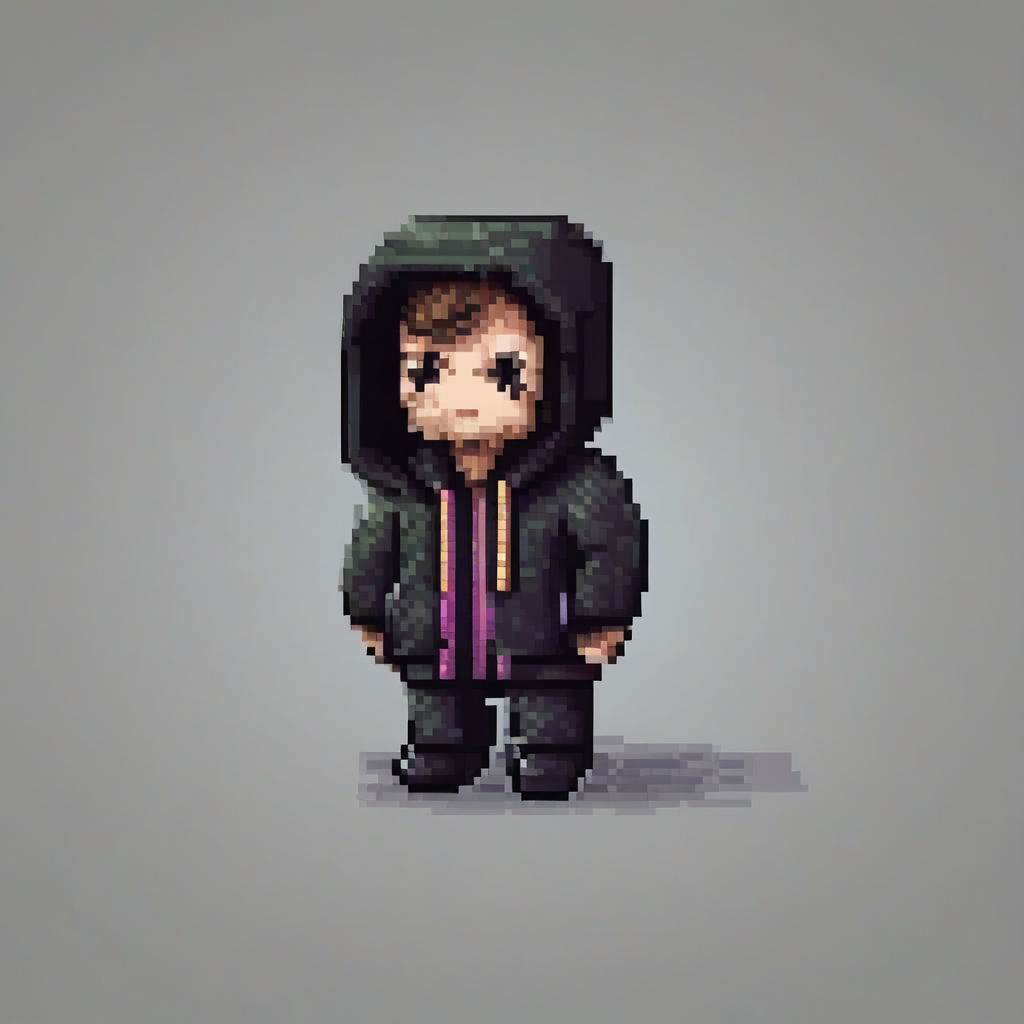
|
||||
|
||||
Let's see how turning off the `down` part and turning on the `mid` and `up` part respectively changes the image.
|
||||
```python
|
||||
adapter_weight_scales = { "unet": { "down": 0, "mid": 1, "up": 0} }
|
||||
pipe.set_adapters("pixel", adapter_weight_scales)
|
||||
image = pipe(prompt, num_inference_steps=30, generator=torch.manual_seed(0)).images[0]
|
||||
image
|
||||
```
|
||||
|
||||

|
||||
|
||||
```python
|
||||
adapter_weight_scales = { "unet": { "down": 0, "mid": 0, "up": 1} }
|
||||
pipe.set_adapters("pixel", adapter_weight_scales)
|
||||
image = pipe(prompt, num_inference_steps=30, generator=torch.manual_seed(0)).images[0]
|
||||
image
|
||||
```
|
||||
|
||||
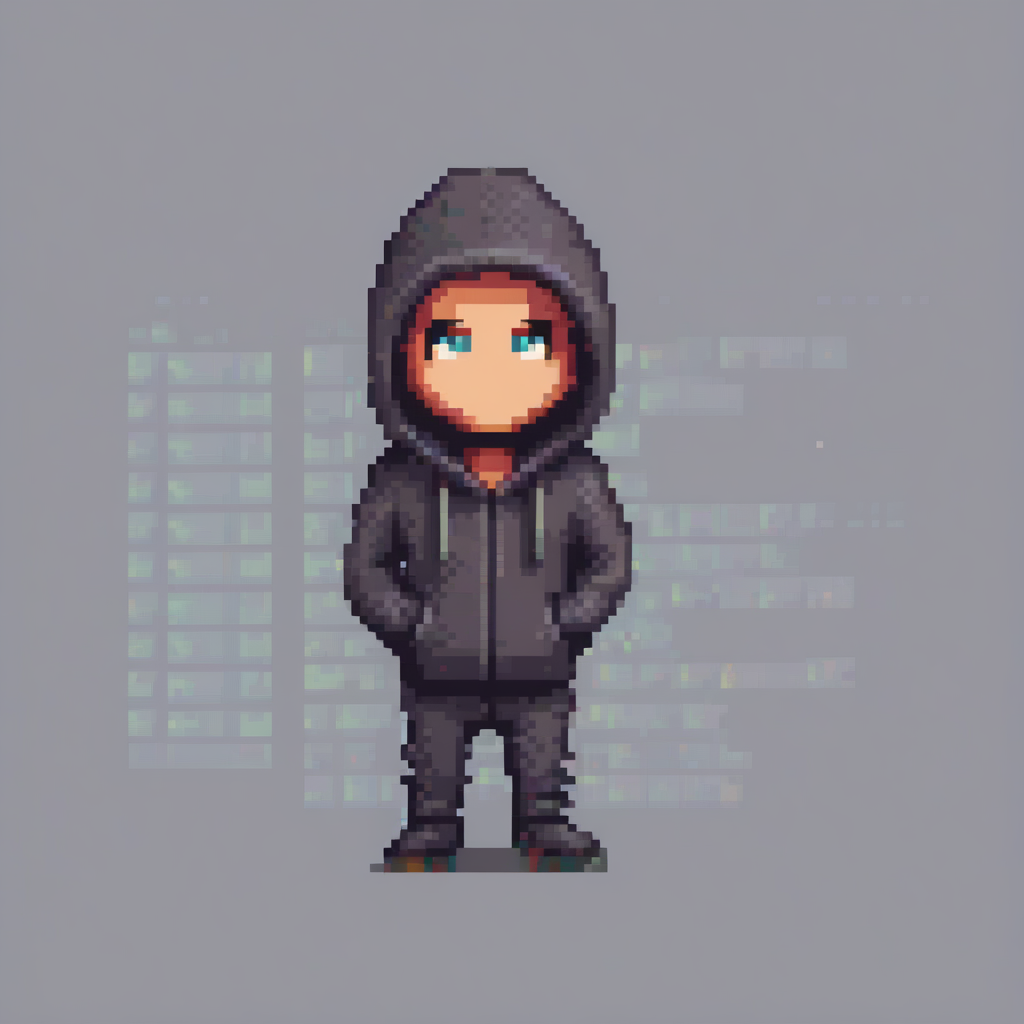
|
||||
|
||||
Looks cool!
|
||||
|
||||
This is a really powerful feature. You can use it to control the adapter strengths down to per-transformer level. And you can even use it for multiple adapters.
|
||||
```python
|
||||
adapter_weight_scales_toy = 0.5
|
||||
adapter_weight_scales_pixel = {
|
||||
"unet": {
|
||||
"down": 0.9, # all transformers in the down-part will use scale 0.9
|
||||
# "mid" # because, in this example, "mid" is not given, all transformers in the mid part will use the default scale 1.0
|
||||
"up": {
|
||||
"block_0": 0.6, # all 3 transformers in the 0th block in the up-part will use scale 0.6
|
||||
"block_1": [0.4, 0.8, 1.0], # the 3 transformers in the 1st block in the up-part will use scales 0.4, 0.8 and 1.0 respectively
|
||||
}
|
||||
}
|
||||
}
|
||||
pipe.set_adapters(["toy", "pixel"], [adapter_weight_scales_toy, adapter_weight_scales_pixel])
|
||||
image = pipe(prompt, num_inference_steps=30, generator=torch.manual_seed(0)).images[0]
|
||||
image
|
||||
```
|
||||
|
||||
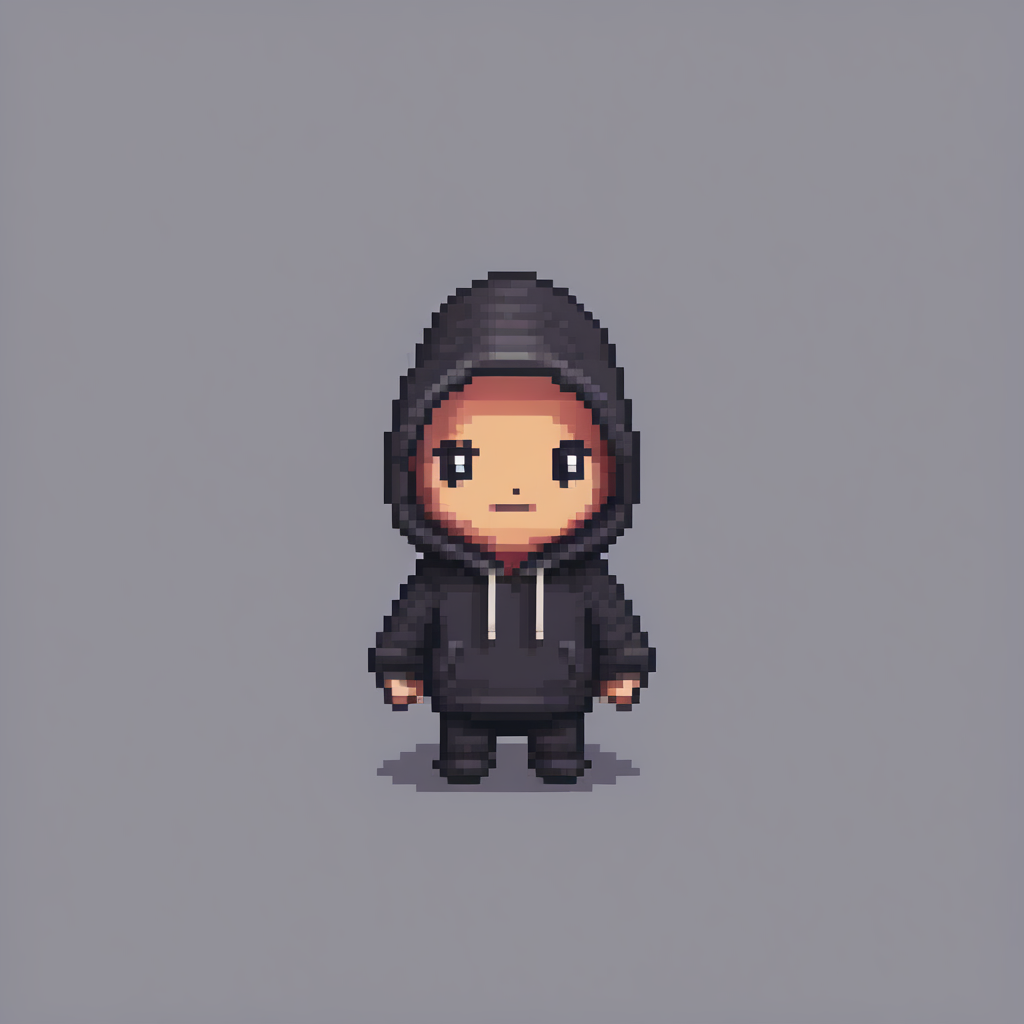
|
||||
|
||||
## Manage active adapters
|
||||
|
||||
You have attached multiple adapters in this tutorial, and if you're feeling a bit lost on what adapters have been attached to the pipeline's components, use the [`~diffusers.loaders.LoraLoaderMixin.get_active_adapters`] method to check the list of active adapters:
|
||||
|
||||
@@ -153,18 +153,43 @@ image
|
||||
<img src="https://huggingface.co/datasets/huggingface/documentation-images/resolve/main/diffusers/load_attn_proc.png" />
|
||||
</div>
|
||||
|
||||
<Tip>
|
||||
|
||||
For both [`~loaders.LoraLoaderMixin.load_lora_weights`] and [`~loaders.UNet2DConditionLoadersMixin.load_attn_procs`], you can pass the `cross_attention_kwargs={"scale": 0.5}` parameter to adjust how much of the LoRA weights to use. A value of `0` is the same as only using the base model weights, and a value of `1` is equivalent to using the fully finetuned LoRA.
|
||||
|
||||
</Tip>
|
||||
|
||||
To unload the LoRA weights, use the [`~loaders.LoraLoaderMixin.unload_lora_weights`] method to discard the LoRA weights and restore the model to its original weights:
|
||||
|
||||
```py
|
||||
pipeline.unload_lora_weights()
|
||||
```
|
||||
|
||||
### Adjust LoRA weight scale
|
||||
|
||||
For both [`~loaders.LoraLoaderMixin.load_lora_weights`] and [`~loaders.UNet2DConditionLoadersMixin.load_attn_procs`], you can pass the `cross_attention_kwargs={"scale": 0.5}` parameter to adjust how much of the LoRA weights to use. A value of `0` is the same as only using the base model weights, and a value of `1` is equivalent to using the fully finetuned LoRA.
|
||||
|
||||
For more granular control on the amount of LoRA weights used per layer, you can use [`~loaders.LoraLoaderMixin.set_adapters`] and pass a dictionary specifying by how much to scale the weights in each layer by.
|
||||
```python
|
||||
pipe = ... # create pipeline
|
||||
pipe.load_lora_weights(..., adapter_name="my_adapter")
|
||||
scales = {
|
||||
"text_encoder": 0.5,
|
||||
"text_encoder_2": 0.5, # only usable if pipe has a 2nd text encoder
|
||||
"unet": {
|
||||
"down": 0.9, # all transformers in the down-part will use scale 0.9
|
||||
# "mid" # in this example "mid" is not given, therefore all transformers in the mid part will use the default scale 1.0
|
||||
"up": {
|
||||
"block_0": 0.6, # all 3 transformers in the 0th block in the up-part will use scale 0.6
|
||||
"block_1": [0.4, 0.8, 1.0], # the 3 transformers in the 1st block in the up-part will use scales 0.4, 0.8 and 1.0 respectively
|
||||
}
|
||||
}
|
||||
}
|
||||
pipe.set_adapters("my_adapter", scales)
|
||||
```
|
||||
|
||||
This also works with multiple adapters - see [this guide](https://huggingface.co/docs/diffusers/tutorials/using_peft_for_inference#customize-adapters-strength) for how to do it.
|
||||
|
||||
<Tip warning={true}>
|
||||
|
||||
Currently, [`~loaders.LoraLoaderMixin.set_adapters`] only supports scaling attention weights. If a LoRA has other parts (e.g., resnets or down-/upsamplers), they will keep a scale of 1.0.
|
||||
|
||||
</Tip>
|
||||
|
||||
### Kohya and TheLastBen
|
||||
|
||||
Other popular LoRA trainers from the community include those by [Kohya](https://github.com/kohya-ss/sd-scripts/) and [TheLastBen](https://github.com/TheLastBen/fast-stable-diffusion). These trainers create different LoRA checkpoints than those trained by 🤗 Diffusers, but they can still be loaded in the same way.
|
||||
|
||||
+1
-1
@@ -42,7 +42,7 @@ Training examples show how to pretrain or fine-tune diffusion models for a varie
|
||||
| [**Dreambooth**](./dreambooth) | ✅ | - | [](https://colab.research.google.com/github/huggingface/notebooks/blob/main/diffusers/sd_dreambooth_training.ipynb)
|
||||
| [**ControlNet**](./controlnet) | ✅ | ✅ | -
|
||||
| [**InstructPix2Pix**](./instruct_pix2pix) | ✅ | ✅ | -
|
||||
| [**Reinforcement Learning for Control**](https://github.com/huggingface/diffusers/blob/main/examples/reinforcement_learning/run_diffusers_locomotion.py) | - | - | coming soon.
|
||||
| [**Reinforcement Learning for Control**](./reinforcement_learning) | - | - | coming soon.
|
||||
|
||||
## Community
|
||||
|
||||
|
||||
@@ -308,6 +308,6 @@ accelerate launch train_dreambooth_lora_sdxl_advanced.py \
|
||||
Check out [these recommended practices](https://huggingface.co/blog/sdxl_lora_advanced_script#additional-good-practices)
|
||||
|
||||
## Running on Colab Notebook
|
||||
Check out [this notebook](https://colab.research.google.com/github/huggingface/notebooks/blob/main/diffusers/SDXL_DreamBooth_LoRA_advanced_example.ipynb).
|
||||
Check out [this notebook](https://colab.research.google.com/github/huggingface/notebooks/blob/main/diffusers/SDXL_Dreambooth_LoRA_advanced_example.ipynb).
|
||||
to train using the advanced features (including pivotal tuning), and [this notebook](https://colab.research.google.com/github/huggingface/notebooks/blob/main/diffusers/SDXL_DreamBooth_LoRA_.ipynb) to train on a free colab, using some of the advanced features (excluding pivotal tuning)
|
||||
|
||||
|
||||
@@ -656,7 +656,6 @@ def parse_args(input_args=None):
|
||||
)
|
||||
parser.add_argument(
|
||||
"--use_dora",
|
||||
type=bool,
|
||||
action="store_true",
|
||||
default=False,
|
||||
help=(
|
||||
|
||||
@@ -85,14 +85,25 @@ This depth estimation pipeline processes a single input image through multiple d
|
||||
|
||||
```python
|
||||
import numpy as np
|
||||
import torch
|
||||
from PIL import Image
|
||||
from diffusers import DiffusionPipeline
|
||||
from diffusers.utils import load_image
|
||||
|
||||
# Original DDIM version (higher quality)
|
||||
pipe = DiffusionPipeline.from_pretrained(
|
||||
"Bingxin/Marigold",
|
||||
"prs-eth/marigold-v1-0",
|
||||
custom_pipeline="marigold_depth_estimation"
|
||||
# torch_dtype=torch.float16, # (optional) Run with half-precision (16-bit float).
|
||||
# variant="fp16", # (optional) Use with `torch_dtype=torch.float16`, to directly load fp16 checkpoint
|
||||
)
|
||||
|
||||
# (New) LCM version (faster speed)
|
||||
pipe = DiffusionPipeline.from_pretrained(
|
||||
"prs-eth/marigold-lcm-v1-0",
|
||||
custom_pipeline="marigold_depth_estimation"
|
||||
# torch_dtype=torch.float16, # (optional) Run with half-precision (16-bit float).
|
||||
# variant="fp16", # (optional) Use with `torch_dtype=torch.float16`, to directly load fp16 checkpoint
|
||||
)
|
||||
|
||||
pipe.to("cuda")
|
||||
@@ -101,12 +112,21 @@ img_path_or_url = "https://share.phys.ethz.ch/~pf/bingkedata/marigold/pipeline_e
|
||||
image: Image.Image = load_image(img_path_or_url)
|
||||
|
||||
pipeline_output = pipe(
|
||||
image, # Input image.
|
||||
image, # Input image.
|
||||
# ----- recommended setting for DDIM version -----
|
||||
# denoising_steps=10, # (optional) Number of denoising steps of each inference pass. Default: 10.
|
||||
# ensemble_size=10, # (optional) Number of inference passes in the ensemble. Default: 10.
|
||||
# ------------------------------------------------
|
||||
|
||||
# ----- recommended setting for LCM version ------
|
||||
# denoising_steps=4,
|
||||
# ensemble_size=5,
|
||||
# -------------------------------------------------
|
||||
|
||||
# processing_res=768, # (optional) Maximum resolution of processing. If set to 0: will not resize at all. Defaults to 768.
|
||||
# match_input_res=True, # (optional) Resize depth prediction to match input resolution.
|
||||
# batch_size=0, # (optional) Inference batch size, no bigger than `num_ensemble`. If set to 0, the script will automatically decide the proper batch size. Defaults to 0.
|
||||
# seed=2024, # (optional) Random seed can be set to ensure additional reproducibility. Default: None (unseeded). Note: forcing --batch_size 1 helps to increase reproducibility. To ensure full reproducibility, deterministic mode needs to be used.
|
||||
# color_map="Spectral", # (optional) Colormap used to colorize the depth map. Defaults to "Spectral". Set to `None` to skip colormap generation.
|
||||
# show_progress_bar=True, # (optional) If true, will show progress bars of the inference progress.
|
||||
)
|
||||
@@ -935,7 +955,7 @@ image = pipe(prompt, generator=generator, num_inference_steps=50).images[0]
|
||||
### Checkpoint Merger Pipeline
|
||||
Based on the AUTOMATIC1111/webui for checkpoint merging. This is a custom pipeline that merges upto 3 pretrained model checkpoints as long as they are in the HuggingFace model_index.json format.
|
||||
|
||||
The checkpoint merging is currently memory intensive as it modifies the weights of a DiffusionPipeline object in place. Expect atleast 13GB RAM Usage on Kaggle GPU kernels and
|
||||
The checkpoint merging is currently memory intensive as it modifies the weights of a DiffusionPipeline object in place. Expect at least 13GB RAM Usage on Kaggle GPU kernels and
|
||||
on colab you might run out of the 12GB memory even while merging two checkpoints.
|
||||
|
||||
Usage:-
|
||||
@@ -3743,3 +3763,80 @@ onestep_image = pipe(prompt, num_inference_steps=1).images[0]
|
||||
# Multistep sampling
|
||||
multistep_image = pipe(prompt, num_inference_steps=4).images[0]
|
||||
```
|
||||
|
||||
# Perturbed-Attention Guidance
|
||||
|
||||
[Project](https://ku-cvlab.github.io/Perturbed-Attention-Guidance/) / [arXiv](https://arxiv.org/abs/2403.17377) / [GitHub](https://github.com/KU-CVLAB/Perturbed-Attention-Guidance)
|
||||
|
||||
This implementation is based on [Diffusers](https://huggingface.co/docs/diffusers/index). StableDiffusionPAGPipeline is a modification of StableDiffusionPipeline to support Perturbed-Attention Guidance (PAG).
|
||||
|
||||
## Example Usage
|
||||
|
||||
```
|
||||
import os
|
||||
import torch
|
||||
|
||||
from accelerate.utils import set_seed
|
||||
|
||||
from diffusers import StableDiffusionPipeline
|
||||
from diffusers.utils import load_image, make_image_grid
|
||||
from diffusers.utils.torch_utils import randn_tensor
|
||||
|
||||
pipe = StableDiffusionPipeline.from_pretrained(
|
||||
"runwayml/stable-diffusion-v1-5",
|
||||
custom_pipeline="hyoungwoncho/sd_perturbed_attention_guidance",
|
||||
torch_dtype=torch.float16
|
||||
)
|
||||
|
||||
device="cuda"
|
||||
pipe = pipe.to(device)
|
||||
|
||||
pag_scale = 5.0
|
||||
pag_applied_layers_index = ['m0']
|
||||
|
||||
batch_size = 4
|
||||
seed=10
|
||||
|
||||
base_dir = "./results/"
|
||||
grid_dir = base_dir + "/pag" + str(pag_scale) + "/"
|
||||
|
||||
if not os.path.exists(grid_dir):
|
||||
os.makedirs(grid_dir)
|
||||
|
||||
set_seed(seed)
|
||||
|
||||
latent_input = randn_tensor(shape=(batch_size,4,64,64),generator=None, device=device, dtype=torch.float16)
|
||||
|
||||
output_baseline = pipe(
|
||||
"",
|
||||
width=512,
|
||||
height=512,
|
||||
num_inference_steps=50,
|
||||
guidance_scale=0.0,
|
||||
pag_scale=0.0,
|
||||
pag_applied_layers_index=pag_applied_layers_index,
|
||||
num_images_per_prompt=batch_size,
|
||||
latents=latent_input
|
||||
).images
|
||||
|
||||
output_pag = pipe(
|
||||
"",
|
||||
width=512,
|
||||
height=512,
|
||||
num_inference_steps=50,
|
||||
guidance_scale=0.0,
|
||||
pag_scale=5.0,
|
||||
pag_applied_layers_index=pag_applied_layers_index,
|
||||
num_images_per_prompt=batch_size,
|
||||
latents=latent_input
|
||||
).images
|
||||
|
||||
grid_image = make_image_grid(output_baseline + output_pag, rows=2, cols=batch_size)
|
||||
grid_image.save(grid_dir + "sample.png")
|
||||
```
|
||||
|
||||
## PAG Parameters
|
||||
|
||||
pag_scale : gudiance scale of PAG (ex: 5.0)
|
||||
|
||||
pag_applied_layers_index : index of the layer to apply perturbation (ex: ['m0'])
|
||||
|
||||
@@ -103,7 +103,7 @@ class CheckpointMergerPipeline(DiffusionPipeline):
|
||||
print(f"Combining with alpha={alpha}, interpolation mode={interp}")
|
||||
|
||||
checkpoint_count = len(pretrained_model_name_or_path_list)
|
||||
# Ignore result from model_index_json comparision of the two checkpoints
|
||||
# Ignore result from model_index_json comparison of the two checkpoints
|
||||
force = kwargs.pop("force", False)
|
||||
|
||||
# If less than 2 checkpoints, nothing to merge. If more than 3, not supported for now.
|
||||
@@ -217,7 +217,7 @@ class CheckpointMergerPipeline(DiffusionPipeline):
|
||||
]
|
||||
checkpoint_path_2 = files[0] if len(files) > 0 else None
|
||||
# For an attr if both checkpoint_path_1 and 2 are None, ignore.
|
||||
# If atleast one is present, deal with it according to interp method, of course only if the state_dict keys match.
|
||||
# If at least one is present, deal with it according to interp method, of course only if the state_dict keys match.
|
||||
if checkpoint_path_1 is None and checkpoint_path_2 is None:
|
||||
print(f"Skipping {attr}: not present in 2nd or 3d model")
|
||||
continue
|
||||
|
||||
@@ -726,7 +726,7 @@ class LatentConsistencyModelWalkPipeline(
|
||||
callback_on_step_end_tensor_inputs (`List`, *optional*):
|
||||
The list of tensor inputs for the `callback_on_step_end` function. The tensors specified in the list
|
||||
will be passed as `callback_kwargs` argument. You will only be able to include variables listed in the
|
||||
`._callback_tensor_inputs` attribute of your pipeine class.
|
||||
`._callback_tensor_inputs` attribute of your pipeline class.
|
||||
embedding_interpolation_type (`str`, *optional*, defaults to `"lerp"`):
|
||||
The type of interpolation to use for interpolating between text embeddings. Choose between `"lerp"` and `"slerp"`.
|
||||
latent_interpolation_type (`str`, *optional*, defaults to `"slerp"`):
|
||||
@@ -779,7 +779,7 @@ class LatentConsistencyModelWalkPipeline(
|
||||
else:
|
||||
batch_size = prompt_embeds.shape[0]
|
||||
if batch_size < 2:
|
||||
raise ValueError(f"`prompt` must have length of atleast 2 but found {batch_size}")
|
||||
raise ValueError(f"`prompt` must have length of at least 2 but found {batch_size}")
|
||||
if num_images_per_prompt != 1:
|
||||
raise ValueError("`num_images_per_prompt` must be `1` as no other value is supported yet")
|
||||
if prompt_embeds is not None:
|
||||
@@ -883,7 +883,7 @@ class LatentConsistencyModelWalkPipeline(
|
||||
) as batch_progress_bar:
|
||||
for batch_index in range(0, bs, process_batch_size):
|
||||
batch_inference_latents = inference_latents[batch_index : batch_index + process_batch_size]
|
||||
batch_inference_embedddings = inference_embeddings[
|
||||
batch_inference_embeddings = inference_embeddings[
|
||||
batch_index : batch_index + process_batch_size
|
||||
]
|
||||
|
||||
@@ -892,7 +892,7 @@ class LatentConsistencyModelWalkPipeline(
|
||||
)
|
||||
timesteps = self.scheduler.timesteps
|
||||
|
||||
current_bs = batch_inference_embedddings.shape[0]
|
||||
current_bs = batch_inference_embeddings.shape[0]
|
||||
w = torch.tensor(self.guidance_scale - 1).repeat(current_bs)
|
||||
w_embedding = self.get_guidance_scale_embedding(
|
||||
w, embedding_dim=self.unet.config.time_cond_proj_dim
|
||||
@@ -901,14 +901,14 @@ class LatentConsistencyModelWalkPipeline(
|
||||
# 10. Perform inference for current batch
|
||||
with self.progress_bar(total=num_inference_steps) as progress_bar:
|
||||
for index, t in enumerate(timesteps):
|
||||
batch_inference_latents = batch_inference_latents.to(batch_inference_embedddings.dtype)
|
||||
batch_inference_latents = batch_inference_latents.to(batch_inference_embeddings.dtype)
|
||||
|
||||
# model prediction (v-prediction, eps, x)
|
||||
model_pred = self.unet(
|
||||
batch_inference_latents,
|
||||
t,
|
||||
timestep_cond=w_embedding,
|
||||
encoder_hidden_states=batch_inference_embedddings,
|
||||
encoder_hidden_states=batch_inference_embeddings,
|
||||
cross_attention_kwargs=self.cross_attention_kwargs,
|
||||
return_dict=False,
|
||||
)[0]
|
||||
@@ -924,8 +924,8 @@ class LatentConsistencyModelWalkPipeline(
|
||||
callback_outputs = callback_on_step_end(self, index, t, callback_kwargs)
|
||||
|
||||
batch_inference_latents = callback_outputs.pop("latents", batch_inference_latents)
|
||||
batch_inference_embedddings = callback_outputs.pop(
|
||||
"prompt_embeds", batch_inference_embedddings
|
||||
batch_inference_embeddings = callback_outputs.pop(
|
||||
"prompt_embeds", batch_inference_embeddings
|
||||
)
|
||||
w_embedding = callback_outputs.pop("w_embedding", w_embedding)
|
||||
denoised = callback_outputs.pop("denoised", denoised)
|
||||
@@ -939,7 +939,7 @@ class LatentConsistencyModelWalkPipeline(
|
||||
step_idx = index // getattr(self.scheduler, "order", 1)
|
||||
callback(step_idx, t, batch_inference_latents)
|
||||
|
||||
denoised = denoised.to(batch_inference_embedddings.dtype)
|
||||
denoised = denoised.to(batch_inference_embeddings.dtype)
|
||||
|
||||
# Note: This is not supported because you would get black images in your latent walk if
|
||||
# NSFW concept is detected
|
||||
|
||||
@@ -530,7 +530,7 @@ class LLMGroundedDiffusionPipeline(
|
||||
)
|
||||
|
||||
if len(phrases) != len(boxes):
|
||||
ValueError(
|
||||
raise ValueError(
|
||||
"length of `phrases` and `boxes` has to be same, but"
|
||||
f" got: `phrases` {len(phrases)} != `boxes` {len(boxes)}"
|
||||
)
|
||||
|
||||
@@ -164,7 +164,7 @@ def get_prompts_tokens_with_weights(clip_tokenizer: CLIPTokenizer, prompt: str):
|
||||
text_tokens (list)
|
||||
A list contains token ids
|
||||
text_weight (list)
|
||||
A list contains the correspodent weight of token ids
|
||||
A list contains the correspondent weight of token ids
|
||||
|
||||
Example:
|
||||
import torch
|
||||
@@ -1028,7 +1028,7 @@ class SDXLLongPromptWeightingPipeline(
|
||||
# because `num_inference_steps` might be even given that every timestep
|
||||
# (except the highest one) is duplicated. If `num_inference_steps` is even it would
|
||||
# mean that we cut the timesteps in the middle of the denoising step
|
||||
# (between 1st and 2nd devirative) which leads to incorrect results. By adding 1
|
||||
# (between 1st and 2nd derivative) which leads to incorrect results. By adding 1
|
||||
# we ensure that the denoising process always ends after the 2nd derivate step of the scheduler
|
||||
num_inference_steps = num_inference_steps + 1
|
||||
|
||||
@@ -1531,7 +1531,7 @@ class SDXLLongPromptWeightingPipeline(
|
||||
callback_on_step_end_tensor_inputs (`List`, *optional*):
|
||||
The list of tensor inputs for the `callback_on_step_end` function. The tensors specified in the list
|
||||
will be passed as `callback_kwargs` argument. You will only be able to include variables listed in the
|
||||
`._callback_tensor_inputs` attribute of your pipeine class.
|
||||
`._callback_tensor_inputs` attribute of your pipeline class.
|
||||
|
||||
Examples:
|
||||
|
||||
@@ -2131,7 +2131,7 @@ class SDXLLongPromptWeightingPipeline(
|
||||
**kwargs,
|
||||
)
|
||||
|
||||
# Overrride to properly handle the loading and unloading of the additional text encoder.
|
||||
# Override to properly handle the loading and unloading of the additional text encoder.
|
||||
def load_lora_weights(self, pretrained_model_name_or_path_or_dict: Union[str, Dict[str, torch.Tensor]], **kwargs):
|
||||
# We could have accessed the unet config from `lora_state_dict()` too. We pass
|
||||
# it here explicitly to be able to tell that it's coming from an SDXL
|
||||
|
||||
@@ -18,6 +18,7 @@
|
||||
# --------------------------------------------------------------------------
|
||||
|
||||
|
||||
import logging
|
||||
import math
|
||||
from typing import Dict, Union
|
||||
|
||||
@@ -25,6 +26,7 @@ import matplotlib
|
||||
import numpy as np
|
||||
import torch
|
||||
from PIL import Image
|
||||
from PIL.Image import Resampling
|
||||
from scipy.optimize import minimize
|
||||
from torch.utils.data import DataLoader, TensorDataset
|
||||
from tqdm.auto import tqdm
|
||||
@@ -34,13 +36,14 @@ from diffusers import (
|
||||
AutoencoderKL,
|
||||
DDIMScheduler,
|
||||
DiffusionPipeline,
|
||||
LCMScheduler,
|
||||
UNet2DConditionModel,
|
||||
)
|
||||
from diffusers.utils import BaseOutput, check_min_version
|
||||
|
||||
|
||||
# Will error if the minimal version of diffusers is not installed. Remove at your own risks.
|
||||
check_min_version("0.28.0.dev0")
|
||||
check_min_version("0.25.0")
|
||||
|
||||
|
||||
class MarigoldDepthOutput(BaseOutput):
|
||||
@@ -61,6 +64,19 @@ class MarigoldDepthOutput(BaseOutput):
|
||||
uncertainty: Union[None, np.ndarray]
|
||||
|
||||
|
||||
def get_pil_resample_method(method_str: str) -> Resampling:
|
||||
resample_method_dic = {
|
||||
"bilinear": Resampling.BILINEAR,
|
||||
"bicubic": Resampling.BICUBIC,
|
||||
"nearest": Resampling.NEAREST,
|
||||
}
|
||||
resample_method = resample_method_dic.get(method_str, None)
|
||||
if resample_method is None:
|
||||
raise ValueError(f"Unknown resampling method: {resample_method}")
|
||||
else:
|
||||
return resample_method
|
||||
|
||||
|
||||
class MarigoldPipeline(DiffusionPipeline):
|
||||
"""
|
||||
Pipeline for monocular depth estimation using Marigold: https://marigoldmonodepth.github.io.
|
||||
@@ -113,7 +129,9 @@ class MarigoldPipeline(DiffusionPipeline):
|
||||
ensemble_size: int = 10,
|
||||
processing_res: int = 768,
|
||||
match_input_res: bool = True,
|
||||
resample_method: str = "bilinear",
|
||||
batch_size: int = 0,
|
||||
seed: Union[int, None] = None,
|
||||
color_map: str = "Spectral",
|
||||
show_progress_bar: bool = True,
|
||||
ensemble_kwargs: Dict = None,
|
||||
@@ -129,7 +147,9 @@ class MarigoldPipeline(DiffusionPipeline):
|
||||
If set to 0: will not resize at all.
|
||||
match_input_res (`bool`, *optional*, defaults to `True`):
|
||||
Resize depth prediction to match input resolution.
|
||||
Only valid if `limit_input_res` is not None.
|
||||
Only valid if `processing_res` > 0.
|
||||
resample_method: (`str`, *optional*, defaults to `bilinear`):
|
||||
Resampling method used to resize images and depth predictions. This can be one of `bilinear`, `bicubic` or `nearest`, defaults to: `bilinear`.
|
||||
denoising_steps (`int`, *optional*, defaults to `10`):
|
||||
Number of diffusion denoising steps (DDIM) during inference.
|
||||
ensemble_size (`int`, *optional*, defaults to `10`):
|
||||
@@ -137,6 +157,8 @@ class MarigoldPipeline(DiffusionPipeline):
|
||||
batch_size (`int`, *optional*, defaults to `0`):
|
||||
Inference batch size, no bigger than `num_ensemble`.
|
||||
If set to 0, the script will automatically decide the proper batch size.
|
||||
seed (`int`, *optional*, defaults to `None`)
|
||||
Reproducibility seed.
|
||||
show_progress_bar (`bool`, *optional*, defaults to `True`):
|
||||
Display a progress bar of diffusion denoising.
|
||||
color_map (`str`, *optional*, defaults to `"Spectral"`, pass `None` to skip colorized depth map generation):
|
||||
@@ -146,8 +168,7 @@ class MarigoldPipeline(DiffusionPipeline):
|
||||
Returns:
|
||||
`MarigoldDepthOutput`: Output class for Marigold monocular depth prediction pipeline, including:
|
||||
- **depth_np** (`np.ndarray`) Predicted depth map, with depth values in the range of [0, 1]
|
||||
- **depth_colored** (`None` or `PIL.Image.Image`) Colorized depth map, with the shape of [3, H, W] and
|
||||
values in [0, 1]. None if `color_map` is `None`
|
||||
- **depth_colored** (`PIL.Image.Image`) Colorized depth map, with the shape of [3, H, W] and values in [0, 1], None if `color_map` is `None`
|
||||
- **uncertainty** (`None` or `np.ndarray`) Uncalibrated uncertainty(MAD, median absolute deviation)
|
||||
coming from ensembling. None if `ensemble_size = 1`
|
||||
"""
|
||||
@@ -158,13 +179,21 @@ class MarigoldPipeline(DiffusionPipeline):
|
||||
if not match_input_res:
|
||||
assert processing_res is not None, "Value error: `resize_output_back` is only valid with "
|
||||
assert processing_res >= 0
|
||||
assert denoising_steps >= 1
|
||||
assert ensemble_size >= 1
|
||||
|
||||
# Check if denoising step is reasonable
|
||||
self._check_inference_step(denoising_steps)
|
||||
|
||||
resample_method: Resampling = get_pil_resample_method(resample_method)
|
||||
|
||||
# ----------------- Image Preprocess -----------------
|
||||
# Resize image
|
||||
if processing_res > 0:
|
||||
input_image = self.resize_max_res(input_image, max_edge_resolution=processing_res)
|
||||
input_image = self.resize_max_res(
|
||||
input_image,
|
||||
max_edge_resolution=processing_res,
|
||||
resample_method=resample_method,
|
||||
)
|
||||
# Convert the image to RGB, to 1.remove the alpha channel 2.convert B&W to 3-channel
|
||||
input_image = input_image.convert("RGB")
|
||||
image = np.asarray(input_image)
|
||||
@@ -203,9 +232,10 @@ class MarigoldPipeline(DiffusionPipeline):
|
||||
rgb_in=batched_img,
|
||||
num_inference_steps=denoising_steps,
|
||||
show_pbar=show_progress_bar,
|
||||
seed=seed,
|
||||
)
|
||||
depth_pred_ls.append(depth_pred_raw.detach().clone())
|
||||
depth_preds = torch.concat(depth_pred_ls, axis=0).squeeze()
|
||||
depth_pred_ls.append(depth_pred_raw.detach())
|
||||
depth_preds = torch.concat(depth_pred_ls, dim=0).squeeze()
|
||||
torch.cuda.empty_cache() # clear vram cache for ensembling
|
||||
|
||||
# ----------------- Test-time ensembling -----------------
|
||||
@@ -227,7 +257,7 @@ class MarigoldPipeline(DiffusionPipeline):
|
||||
# Resize back to original resolution
|
||||
if match_input_res:
|
||||
pred_img = Image.fromarray(depth_pred)
|
||||
pred_img = pred_img.resize(input_size)
|
||||
pred_img = pred_img.resize(input_size, resample=resample_method)
|
||||
depth_pred = np.asarray(pred_img)
|
||||
|
||||
# Clip output range
|
||||
@@ -243,12 +273,32 @@ class MarigoldPipeline(DiffusionPipeline):
|
||||
depth_colored_img = Image.fromarray(depth_colored_hwc)
|
||||
else:
|
||||
depth_colored_img = None
|
||||
|
||||
return MarigoldDepthOutput(
|
||||
depth_np=depth_pred,
|
||||
depth_colored=depth_colored_img,
|
||||
uncertainty=pred_uncert,
|
||||
)
|
||||
|
||||
def _check_inference_step(self, n_step: int):
|
||||
"""
|
||||
Check if denoising step is reasonable
|
||||
Args:
|
||||
n_step (`int`): denoising steps
|
||||
"""
|
||||
assert n_step >= 1
|
||||
|
||||
if isinstance(self.scheduler, DDIMScheduler):
|
||||
if n_step < 10:
|
||||
logging.warning(
|
||||
f"Too few denoising steps: {n_step}. Recommended to use the LCM checkpoint for few-step inference."
|
||||
)
|
||||
elif isinstance(self.scheduler, LCMScheduler):
|
||||
if not 1 <= n_step <= 4:
|
||||
logging.warning(f"Non-optimal setting of denoising steps: {n_step}. Recommended setting is 1-4 steps.")
|
||||
else:
|
||||
raise RuntimeError(f"Unsupported scheduler type: {type(self.scheduler)}")
|
||||
|
||||
def _encode_empty_text(self):
|
||||
"""
|
||||
Encode text embedding for empty prompt.
|
||||
@@ -265,7 +315,13 @@ class MarigoldPipeline(DiffusionPipeline):
|
||||
self.empty_text_embed = self.text_encoder(text_input_ids)[0].to(self.dtype)
|
||||
|
||||
@torch.no_grad()
|
||||
def single_infer(self, rgb_in: torch.Tensor, num_inference_steps: int, show_pbar: bool) -> torch.Tensor:
|
||||
def single_infer(
|
||||
self,
|
||||
rgb_in: torch.Tensor,
|
||||
num_inference_steps: int,
|
||||
seed: Union[int, None],
|
||||
show_pbar: bool,
|
||||
) -> torch.Tensor:
|
||||
"""
|
||||
Perform an individual depth prediction without ensembling.
|
||||
|
||||
@@ -286,10 +342,20 @@ class MarigoldPipeline(DiffusionPipeline):
|
||||
timesteps = self.scheduler.timesteps # [T]
|
||||
|
||||
# Encode image
|
||||
rgb_latent = self._encode_rgb(rgb_in)
|
||||
rgb_latent = self.encode_rgb(rgb_in)
|
||||
|
||||
# Initial depth map (noise)
|
||||
depth_latent = torch.randn(rgb_latent.shape, device=device, dtype=self.dtype) # [B, 4, h, w]
|
||||
if seed is None:
|
||||
rand_num_generator = None
|
||||
else:
|
||||
rand_num_generator = torch.Generator(device=device)
|
||||
rand_num_generator.manual_seed(seed)
|
||||
depth_latent = torch.randn(
|
||||
rgb_latent.shape,
|
||||
device=device,
|
||||
dtype=self.dtype,
|
||||
generator=rand_num_generator,
|
||||
) # [B, 4, h, w]
|
||||
|
||||
# Batched empty text embedding
|
||||
if self.empty_text_embed is None:
|
||||
@@ -314,9 +380,9 @@ class MarigoldPipeline(DiffusionPipeline):
|
||||
noise_pred = self.unet(unet_input, t, encoder_hidden_states=batch_empty_text_embed).sample # [B, 4, h, w]
|
||||
|
||||
# compute the previous noisy sample x_t -> x_t-1
|
||||
depth_latent = self.scheduler.step(noise_pred, t, depth_latent).prev_sample
|
||||
torch.cuda.empty_cache()
|
||||
depth = self._decode_depth(depth_latent)
|
||||
depth_latent = self.scheduler.step(noise_pred, t, depth_latent, generator=rand_num_generator).prev_sample
|
||||
|
||||
depth = self.decode_depth(depth_latent)
|
||||
|
||||
# clip prediction
|
||||
depth = torch.clip(depth, -1.0, 1.0)
|
||||
@@ -325,7 +391,7 @@ class MarigoldPipeline(DiffusionPipeline):
|
||||
|
||||
return depth
|
||||
|
||||
def _encode_rgb(self, rgb_in: torch.Tensor) -> torch.Tensor:
|
||||
def encode_rgb(self, rgb_in: torch.Tensor) -> torch.Tensor:
|
||||
"""
|
||||
Encode RGB image into latent.
|
||||
|
||||
@@ -344,7 +410,7 @@ class MarigoldPipeline(DiffusionPipeline):
|
||||
rgb_latent = mean * self.rgb_latent_scale_factor
|
||||
return rgb_latent
|
||||
|
||||
def _decode_depth(self, depth_latent: torch.Tensor) -> torch.Tensor:
|
||||
def decode_depth(self, depth_latent: torch.Tensor) -> torch.Tensor:
|
||||
"""
|
||||
Decode depth latent into depth map.
|
||||
|
||||
@@ -365,7 +431,7 @@ class MarigoldPipeline(DiffusionPipeline):
|
||||
return depth_mean
|
||||
|
||||
@staticmethod
|
||||
def resize_max_res(img: Image.Image, max_edge_resolution: int) -> Image.Image:
|
||||
def resize_max_res(img: Image.Image, max_edge_resolution: int, resample_method=Resampling.BILINEAR) -> Image.Image:
|
||||
"""
|
||||
Resize image to limit maximum edge length while keeping aspect ratio.
|
||||
|
||||
@@ -374,6 +440,8 @@ class MarigoldPipeline(DiffusionPipeline):
|
||||
Image to be resized.
|
||||
max_edge_resolution (`int`):
|
||||
Maximum edge length (pixel).
|
||||
resample_method (`PIL.Image.Resampling`):
|
||||
Resampling method used to resize images.
|
||||
|
||||
Returns:
|
||||
`Image.Image`: Resized image.
|
||||
@@ -384,7 +452,7 @@ class MarigoldPipeline(DiffusionPipeline):
|
||||
new_width = int(original_width * downscale_factor)
|
||||
new_height = int(original_height * downscale_factor)
|
||||
|
||||
resized_img = img.resize((new_width, new_height))
|
||||
resized_img = img.resize((new_width, new_height), resample=resample_method)
|
||||
return resized_img
|
||||
|
||||
@staticmethod
|
||||
|
||||
@@ -196,7 +196,7 @@ class StableDiffusionTilingPipeline(DiffusionPipeline, StableDiffusionExtrasMixi
|
||||
guidance_scale_tiles: specific weights for classifier-free guidance in each tile.
|
||||
guidance_scale_tiles: specific weights for classifier-free guidance in each tile. If None, the value provided in guidance_scale will be used.
|
||||
seed_tiles: specific seeds for the initialization latents in each tile. These will override the latents generated for the whole canvas using the standard seed parameter.
|
||||
seed_tiles_mode: either "full" "exclusive". If "full", all the latents affected by the tile be overriden. If "exclusive", only the latents that are affected exclusively by this tile (and no other tiles) will be overrriden.
|
||||
seed_tiles_mode: either "full" "exclusive". If "full", all the latents affected by the tile be overriden. If "exclusive", only the latents that are affected exclusively by this tile (and no other tiles) will be overriden.
|
||||
seed_reroll_regions: a list of tuples in the form (start row, end row, start column, end column, seed) defining regions in pixel space for which the latents will be overriden using the given seed. Takes priority over seed_tiles.
|
||||
cpu_vae: the decoder from latent space to pixel space can require too mucho GPU RAM for large images. If you find out of memory errors at the end of the generation process, try setting this parameter to True to run the decoder in CPU. Slower, but should run without memory issues.
|
||||
|
||||
@@ -325,7 +325,7 @@ class StableDiffusionTilingPipeline(DiffusionPipeline, StableDiffusionExtrasMixi
|
||||
if accepts_eta:
|
||||
extra_step_kwargs["eta"] = eta
|
||||
|
||||
# Mask for tile weights strenght
|
||||
# Mask for tile weights strength
|
||||
tile_weights = self._gaussian_weights(tile_width, tile_height, batch_size)
|
||||
|
||||
# Diffusion timesteps
|
||||
|
||||
@@ -832,7 +832,7 @@ class AnimateDiffControlNetPipeline(
|
||||
clip_skip (`int`, *optional*):
|
||||
Number of layers to be skipped from CLIP while computing the prompt embeddings. A value of 1 means that
|
||||
the output of the pre-final layer will be used for computing the prompt embeddings.
|
||||
allback_on_step_end (`Callable`, *optional*):
|
||||
callback_on_step_end (`Callable`, *optional*):
|
||||
A function that calls at the end of each denoising steps during the inference. The function is called
|
||||
with the following arguments: `callback_on_step_end(self: DiffusionPipeline, step: int, timestep: int,
|
||||
callback_kwargs: Dict)`. `callback_kwargs` will include a list of all tensors as specified by
|
||||
@@ -840,7 +840,7 @@ class AnimateDiffControlNetPipeline(
|
||||
callback_on_step_end_tensor_inputs (`List`, *optional*):
|
||||
The list of tensor inputs for the `callback_on_step_end` function. The tensors specified in the list
|
||||
will be passed as `callback_kwargs` argument. You will only be able to include variables listed in the
|
||||
`._callback_tensor_inputs` attribute of your pipeine class.
|
||||
`._callback_tensor_inputs` attribute of your pipeline class.
|
||||
|
||||
Examples:
|
||||
|
||||
|
||||
@@ -1280,7 +1280,7 @@ class DemoFusionSDXLPipeline(
|
||||
|
||||
return output_images
|
||||
|
||||
# Overrride to properly handle the loading and unloading of the additional text encoder.
|
||||
# Override to properly handle the loading and unloading of the additional text encoder.
|
||||
def load_lora_weights(self, pretrained_model_name_or_path_or_dict: Union[str, Dict[str, torch.Tensor]], **kwargs):
|
||||
# We could have accessed the unet config from `lora_state_dict()` too. We pass
|
||||
# it here explicitly to be able to tell that it's coming from an SDXL
|
||||
|
||||
@@ -887,7 +887,7 @@ class StyleAlignedSDXLPipeline(
|
||||
# because `num_inference_steps` might be even given that every timestep
|
||||
# (except the highest one) is duplicated. If `num_inference_steps` is even it would
|
||||
# mean that we cut the timesteps in the middle of the denoising step
|
||||
# (between 1st and 2nd devirative) which leads to incorrect results. By adding 1
|
||||
# (between 1st and 2nd derivative) which leads to incorrect results. By adding 1
|
||||
# we ensure that the denoising process always ends after the 2nd derivate step of the scheduler
|
||||
num_inference_steps = num_inference_steps + 1
|
||||
|
||||
|
||||
File diff suppressed because it is too large
Load Diff
@@ -26,7 +26,7 @@ from diffusers.loaders import FromSingleFileMixin, LoraLoaderMixin, TextualInver
|
||||
from diffusers.models import AutoencoderKL, UNet2DConditionModel
|
||||
from diffusers.models.lora import adjust_lora_scale_text_encoder
|
||||
from diffusers.pipelines.stable_diffusion import StableDiffusionSafetyChecker
|
||||
from diffusers.pipelines.stable_diffusion.pipeline_stable_diffusion_ldm3d import LDM3DPipelineOutput
|
||||
from diffusers.pipelines.stable_diffusion_ldm3d.pipeline_stable_diffusion_ldm3d import LDM3DPipelineOutput
|
||||
from diffusers.schedulers import DDPMScheduler, KarrasDiffusionSchedulers
|
||||
from diffusers.utils import (
|
||||
USE_PEFT_BACKEND,
|
||||
|
||||
@@ -1073,7 +1073,7 @@ class StableDiffusionXLControlNetAdapterInpaintPipeline(
|
||||
# because `num_inference_steps` might be even given that every timestep
|
||||
# (except the highest one) is duplicated. If `num_inference_steps` is even it would
|
||||
# mean that we cut the timesteps in the middle of the denoising step
|
||||
# (between 1st and 2nd devirative) which leads to incorrect results. By adding 1
|
||||
# (between 1st and 2nd derivative) which leads to incorrect results. By adding 1
|
||||
# we ensure that the denoising process always ends after the 2nd derivate step of the scheduler
|
||||
num_inference_steps = num_inference_steps + 1
|
||||
|
||||
|
||||
File diff suppressed because it is too large
Load Diff
@@ -46,6 +46,11 @@ except Exception:
|
||||
|
||||
logger = logging.get_logger(__name__) # pylint: disable=invalid-name
|
||||
|
||||
logger.warning(
|
||||
"To use instant id pipelines, please make sure you have the `insightface` library installed: `pip install insightface`."
|
||||
"Please refer to: https://huggingface.co/InstantX/InstantID for further instructions regarding inference"
|
||||
)
|
||||
|
||||
|
||||
def FeedForward(dim, mult=4):
|
||||
inner_dim = int(dim * mult)
|
||||
@@ -701,7 +706,7 @@ class StableDiffusionXLInstantIDPipeline(StableDiffusionXLControlNetPipeline):
|
||||
callback_on_step_end_tensor_inputs (`List`, *optional*):
|
||||
The list of tensor inputs for the `callback_on_step_end` function. The tensors specified in the list
|
||||
will be passed as `callback_kwargs` argument. You will only be able to include variables listed in the
|
||||
`._callback_tensor_inputs` attribute of your pipeine class.
|
||||
`._callback_tensor_inputs` attribute of your pipeline class.
|
||||
|
||||
Examples:
|
||||
|
||||
|
||||
@@ -125,7 +125,11 @@ def log_validation(vae, unet, controlnet, args, accelerator, weight_dtype, step,
|
||||
)
|
||||
|
||||
image_logs = []
|
||||
inference_ctx = contextlib.nullcontext() if is_final_validation else torch.autocast("cuda")
|
||||
inference_ctx = (
|
||||
contextlib.nullcontext()
|
||||
if (is_final_validation or torch.backends.mps.is_available())
|
||||
else torch.autocast("cuda")
|
||||
)
|
||||
|
||||
for validation_prompt, validation_image in zip(validation_prompts, validation_images):
|
||||
validation_image = Image.open(validation_image).convert("RGB")
|
||||
@@ -792,6 +796,12 @@ def main(args):
|
||||
|
||||
logging_dir = Path(args.output_dir, args.logging_dir)
|
||||
|
||||
if torch.backends.mps.is_available() and args.mixed_precision == "bf16":
|
||||
# due to pytorch#99272, MPS does not yet support bfloat16.
|
||||
raise ValueError(
|
||||
"Mixed precision training with bfloat16 is not supported on MPS. Please use fp16 (recommended) or fp32 instead."
|
||||
)
|
||||
|
||||
accelerator_project_config = ProjectConfiguration(project_dir=args.output_dir, logging_dir=logging_dir)
|
||||
|
||||
accelerator = Accelerator(
|
||||
|
||||
@@ -259,13 +259,17 @@ The authors found that by using DoRA, both the learning capacity and training st
|
||||
> This is also aligned with some of the quantitative analysis shown in the paper.
|
||||
|
||||
**Usage**
|
||||
1. To use DoRA you need to install `peft` from main:
|
||||
1. To use DoRA you need to upgrade the installation of `peft`:
|
||||
```bash
|
||||
pip install git+https://github.com/huggingface/peft.git
|
||||
pip install-U peft
|
||||
```
|
||||
2. Enable DoRA training by adding this flag
|
||||
```bash
|
||||
--use_dora
|
||||
```
|
||||
**Inference**
|
||||
The inference is the same as if you train a regular LoRA 🤗
|
||||
The inference is the same as if you train a regular LoRA 🤗
|
||||
|
||||
## Format compatibility
|
||||
|
||||
You can pass `--output_kohya_format` to additionally generate a state dictionary which should be compatible with other platforms and tools such as Automatic 1111, Comfy, Kohya, etc. The `output_dir` will contain a file named "pytorch_lora_weights_kohya.safetensors".
|
||||
@@ -14,7 +14,6 @@
|
||||
# See the License for the specific language governing permissions and
|
||||
|
||||
import argparse
|
||||
import contextlib
|
||||
import gc
|
||||
import itertools
|
||||
import json
|
||||
@@ -41,6 +40,7 @@ from peft import LoraConfig, set_peft_model_state_dict
|
||||
from peft.utils import get_peft_model_state_dict
|
||||
from PIL import Image
|
||||
from PIL.ImageOps import exif_transpose
|
||||
from safetensors.torch import load_file, save_file
|
||||
from torch.utils.data import Dataset
|
||||
from torchvision import transforms
|
||||
from torchvision.transforms.functional import crop
|
||||
@@ -62,7 +62,9 @@ from diffusers.optimization import get_scheduler
|
||||
from diffusers.training_utils import _set_state_dict_into_text_encoder, cast_training_params, compute_snr
|
||||
from diffusers.utils import (
|
||||
check_min_version,
|
||||
convert_all_state_dict_to_peft,
|
||||
convert_state_dict_to_diffusers,
|
||||
convert_state_dict_to_kohya,
|
||||
convert_unet_state_dict_to_peft,
|
||||
is_wandb_available,
|
||||
)
|
||||
@@ -205,11 +207,18 @@ def log_validation(
|
||||
generator = torch.Generator(device=accelerator.device).manual_seed(args.seed) if args.seed else None
|
||||
# Currently the context determination is a bit hand-wavy. We can improve it in the future if there's a better
|
||||
# way to condition it. Reference: https://github.com/huggingface/diffusers/pull/7126#issuecomment-1968523051
|
||||
inference_ctx = (
|
||||
contextlib.nullcontext() if "playground" in args.pretrained_model_name_or_path else torch.cuda.amp.autocast()
|
||||
)
|
||||
enable_autocast = True
|
||||
if torch.backends.mps.is_available() or (
|
||||
accelerator.mixed_precision == "fp16" or accelerator.mixed_precision == "bf16"
|
||||
):
|
||||
enable_autocast = False
|
||||
if "playground" in args.pretrained_model_name_or_path:
|
||||
enable_autocast = False
|
||||
|
||||
with inference_ctx:
|
||||
with torch.autocast(
|
||||
accelerator.device.type,
|
||||
enabled=enable_autocast,
|
||||
):
|
||||
images = [pipeline(**pipeline_args, generator=generator).images[0] for _ in range(args.num_validation_images)]
|
||||
|
||||
for tracker in accelerator.trackers:
|
||||
@@ -227,7 +236,8 @@ def log_validation(
|
||||
)
|
||||
|
||||
del pipeline
|
||||
torch.cuda.empty_cache()
|
||||
if torch.cuda.is_available():
|
||||
torch.cuda.empty_cache()
|
||||
|
||||
return images
|
||||
|
||||
@@ -396,6 +406,11 @@ def parse_args(input_args=None):
|
||||
default="lora-dreambooth-model",
|
||||
help="The output directory where the model predictions and checkpoints will be written.",
|
||||
)
|
||||
parser.add_argument(
|
||||
"--output_kohya_format",
|
||||
action="store_true",
|
||||
help="Flag to additionally generate final state dict in the Kohya format so that it becomes compatible with A111, Comfy, Kohya, etc.",
|
||||
)
|
||||
parser.add_argument("--seed", type=int, default=None, help="A seed for reproducible training.")
|
||||
parser.add_argument(
|
||||
"--resolution",
|
||||
@@ -959,6 +974,12 @@ def main(args):
|
||||
if args.do_edm_style_training and args.snr_gamma is not None:
|
||||
raise ValueError("Min-SNR formulation is not supported when conducting EDM-style training.")
|
||||
|
||||
if torch.backends.mps.is_available() and args.mixed_precision == "bf16":
|
||||
# due to pytorch#99272, MPS does not yet support bfloat16.
|
||||
raise ValueError(
|
||||
"Mixed precision training with bfloat16 is not supported on MPS. Please use fp16 (recommended) or fp32 instead."
|
||||
)
|
||||
|
||||
logging_dir = Path(args.output_dir, args.logging_dir)
|
||||
|
||||
accelerator_project_config = ProjectConfiguration(project_dir=args.output_dir, logging_dir=logging_dir)
|
||||
@@ -1001,7 +1022,8 @@ def main(args):
|
||||
cur_class_images = len(list(class_images_dir.iterdir()))
|
||||
|
||||
if cur_class_images < args.num_class_images:
|
||||
torch_dtype = torch.float16 if accelerator.device.type == "cuda" else torch.float32
|
||||
has_supported_fp16_accelerator = torch.cuda.is_available() or torch.backends.mps.is_available()
|
||||
torch_dtype = torch.float16 if has_supported_fp16_accelerator else torch.float32
|
||||
if args.prior_generation_precision == "fp32":
|
||||
torch_dtype = torch.float32
|
||||
elif args.prior_generation_precision == "fp16":
|
||||
@@ -1126,6 +1148,12 @@ def main(args):
|
||||
elif accelerator.mixed_precision == "bf16":
|
||||
weight_dtype = torch.bfloat16
|
||||
|
||||
if torch.backends.mps.is_available() and weight_dtype == torch.bfloat16:
|
||||
# due to pytorch#99272, MPS does not yet support bfloat16.
|
||||
raise ValueError(
|
||||
"Mixed precision training with bfloat16 is not supported on MPS. Please use fp16 (recommended) or fp32 instead."
|
||||
)
|
||||
|
||||
# Move unet, vae and text_encoder to device and cast to weight_dtype
|
||||
unet.to(accelerator.device, dtype=weight_dtype)
|
||||
|
||||
@@ -1270,7 +1298,7 @@ def main(args):
|
||||
|
||||
# Enable TF32 for faster training on Ampere GPUs,
|
||||
# cf https://pytorch.org/docs/stable/notes/cuda.html#tensorfloat-32-tf32-on-ampere-devices
|
||||
if args.allow_tf32:
|
||||
if args.allow_tf32 and torch.cuda.is_available():
|
||||
torch.backends.cuda.matmul.allow_tf32 = True
|
||||
|
||||
if args.scale_lr:
|
||||
@@ -1447,7 +1475,8 @@ def main(args):
|
||||
if not args.train_text_encoder and not train_dataset.custom_instance_prompts:
|
||||
del tokenizers, text_encoders
|
||||
gc.collect()
|
||||
torch.cuda.empty_cache()
|
||||
if torch.cuda.is_available():
|
||||
torch.cuda.empty_cache()
|
||||
|
||||
# If custom instance prompts are NOT provided (i.e. the instance prompt is used for all images),
|
||||
# pack the statically computed variables appropriately here. This is so that we don't
|
||||
@@ -1890,6 +1919,11 @@ def main(args):
|
||||
text_encoder_lora_layers=text_encoder_lora_layers,
|
||||
text_encoder_2_lora_layers=text_encoder_2_lora_layers,
|
||||
)
|
||||
if args.output_kohya_format:
|
||||
lora_state_dict = load_file(f"{args.output_dir}/pytorch_lora_weights.safetensors")
|
||||
peft_state_dict = convert_all_state_dict_to_peft(lora_state_dict)
|
||||
kohya_state_dict = convert_state_dict_to_kohya(peft_state_dict)
|
||||
save_file(kohya_state_dict, f"{args.output_dir}/pytorch_lora_weights_kohya.safetensors")
|
||||
|
||||
# Final inference
|
||||
# Load previous pipeline
|
||||
|
||||
@@ -71,12 +71,7 @@ TORCH_DTYPE_MAPPING = {"fp32": torch.float32, "fp16": torch.float16, "bf16": tor
|
||||
|
||||
|
||||
def log_validation(
|
||||
pipeline,
|
||||
args,
|
||||
accelerator,
|
||||
generator,
|
||||
global_step,
|
||||
is_final_validation=False,
|
||||
pipeline, args, accelerator, generator, global_step, is_final_validation=False, enable_autocast=True
|
||||
):
|
||||
logger.info(
|
||||
f"Running validation... \n Generating {args.num_validation_images} images with prompt:"
|
||||
@@ -96,7 +91,7 @@ def log_validation(
|
||||
else Image.open(image_url_or_path).convert("RGB")
|
||||
)(args.val_image_url_or_path)
|
||||
|
||||
with torch.autocast(str(accelerator.device).replace(":0", ""), enabled=accelerator.mixed_precision == "fp16"):
|
||||
with torch.autocast(accelerator.device.type, enabled=enable_autocast):
|
||||
edited_images = []
|
||||
# Run inference
|
||||
for val_img_idx in range(args.num_validation_images):
|
||||
@@ -497,6 +492,13 @@ def main():
|
||||
),
|
||||
)
|
||||
logging_dir = os.path.join(args.output_dir, args.logging_dir)
|
||||
|
||||
if torch.backends.mps.is_available() and args.mixed_precision == "bf16":
|
||||
# due to pytorch#99272, MPS does not yet support bfloat16.
|
||||
raise ValueError(
|
||||
"Mixed precision training with bfloat16 is not supported on MPS. Please use fp16 (recommended) or fp32 instead."
|
||||
)
|
||||
|
||||
accelerator_project_config = ProjectConfiguration(project_dir=args.output_dir, logging_dir=logging_dir)
|
||||
accelerator = Accelerator(
|
||||
gradient_accumulation_steps=args.gradient_accumulation_steps,
|
||||
@@ -981,6 +983,13 @@ def main():
|
||||
if accelerator.is_main_process:
|
||||
accelerator.init_trackers("instruct-pix2pix-xl", config=vars(args))
|
||||
|
||||
# Some configurations require autocast to be disabled.
|
||||
enable_autocast = True
|
||||
if torch.backends.mps.is_available() or (
|
||||
accelerator.mixed_precision == "fp16" or accelerator.mixed_precision == "bf16"
|
||||
):
|
||||
enable_autocast = False
|
||||
|
||||
# Train!
|
||||
total_batch_size = args.train_batch_size * accelerator.num_processes * args.gradient_accumulation_steps
|
||||
|
||||
@@ -1193,6 +1202,7 @@ def main():
|
||||
generator,
|
||||
global_step,
|
||||
is_final_validation=False,
|
||||
enable_autocast=enable_autocast,
|
||||
)
|
||||
|
||||
if args.use_ema:
|
||||
@@ -1242,6 +1252,7 @@ def main():
|
||||
generator,
|
||||
global_step,
|
||||
is_final_validation=True,
|
||||
enable_autocast=enable_autocast,
|
||||
)
|
||||
|
||||
accelerator.end_training()
|
||||
|
||||
@@ -0,0 +1,121 @@
|
||||
This project is an attempt to check if it's possible to apply to [ORPO](https://arxiv.org/abs/2403.07691) on a text-conditioned diffusion model to align it on preference data WITHOUT a reference model. The implementation is based on https://github.com/huggingface/trl/pull/1435/.
|
||||
|
||||
> [!WARNING]
|
||||
> We assume that MSE in the diffusion formulation approximates the log-probs as required by ORPO (hat-tip to [@kashif](https://github.com/kashif) for the idea). So, please consider this to be extremely experimental.
|
||||
|
||||
## Training
|
||||
|
||||
Here's training command you can use on a 40GB A100 to validate things on a [small preference
|
||||
dataset](https://hf.co/datasets/kashif/pickascore):
|
||||
|
||||
```bash
|
||||
accelerate launch train_diffusion_orpo_sdxl_lora.py \
|
||||
--pretrained_model_name_or_path=stabilityai/stable-diffusion-xl-base-1.0 \
|
||||
--pretrained_vae_model_name_or_path=madebyollin/sdxl-vae-fp16-fix \
|
||||
--output_dir="diffusion-sdxl-orpo" \
|
||||
--mixed_precision="fp16" \
|
||||
--dataset_name=kashif/pickascore \
|
||||
--train_batch_size=8 \
|
||||
--gradient_accumulation_steps=2 \
|
||||
--gradient_checkpointing \
|
||||
--use_8bit_adam \
|
||||
--rank=8 \
|
||||
--learning_rate=1e-5 \
|
||||
--report_to="wandb" \
|
||||
--lr_scheduler="constant" \
|
||||
--lr_warmup_steps=0 \
|
||||
--max_train_steps=2000 \
|
||||
--checkpointing_steps=500 \
|
||||
--run_validation --validation_steps=50 \
|
||||
--seed="0" \
|
||||
--report_to="wandb" \
|
||||
--push_to_hub
|
||||
```
|
||||
|
||||
We also provide a simple script to scale up the training on the [yuvalkirstain/pickapic_v2](https://huggingface.co/datasets/yuvalkirstain/pickapic_v2) dataset:
|
||||
|
||||
```bash
|
||||
accelerate launch --multi_gpu train_diffusion_orpo_sdxl_lora_wds.py \
|
||||
--pretrained_model_name_or_path=stabilityai/stable-diffusion-xl-base-1.0 \
|
||||
--pretrained_vae_model_name_or_path=madebyollin/sdxl-vae-fp16-fix \
|
||||
--dataset_path="pipe:aws s3 cp s3://diffusion-preference-opt/{00000..00644}.tar -" \
|
||||
--output_dir="diffusion-sdxl-orpo-wds" \
|
||||
--mixed_precision="fp16" \
|
||||
--gradient_accumulation_steps=1 \
|
||||
--gradient_checkpointing \
|
||||
--use_8bit_adam \
|
||||
--rank=8 \
|
||||
--dataloader_num_workers=8 \
|
||||
--learning_rate=3e-5 \
|
||||
--report_to="wandb" \
|
||||
--lr_scheduler="constant" \
|
||||
--lr_warmup_steps=0 \
|
||||
--max_train_steps=50000 \
|
||||
--checkpointing_steps=2000 \
|
||||
--run_validation --validation_steps=500 \
|
||||
--seed="0" \
|
||||
--report_to="wandb" \
|
||||
--push_to_hub
|
||||
```
|
||||
|
||||
We tested the above on a node of 8 H100s but it should also work on A100s. It requires the `webdataset` library for faster dataloading. Note that we kept the dataset shards on an S3 bucket but it should be also possible to have them stored locally.
|
||||
|
||||
You can use the code below to convert the original dataset into `webdataset` shards:
|
||||
|
||||
```python
|
||||
import os
|
||||
import io
|
||||
import ray
|
||||
import webdataset as wds
|
||||
from datasets import Dataset
|
||||
from PIL import Image
|
||||
|
||||
ray.init(num_cpus=8)
|
||||
|
||||
|
||||
def convert_to_image(im_bytes):
|
||||
return Image.open(io.BytesIO(im_bytes)).convert("RGB")
|
||||
|
||||
def main():
|
||||
dataset_path = "/pickapic_v2/data"
|
||||
wds_shards_path = "/pickapic_v2_webdataset"
|
||||
# get all .parquet files in the dataset path
|
||||
dataset_files = [
|
||||
os.path.join(dataset_path, f)
|
||||
for f in os.listdir(dataset_path)
|
||||
if f.endswith(".parquet")
|
||||
]
|
||||
|
||||
@ray.remote
|
||||
def create_shard(path):
|
||||
# get basename of the file
|
||||
basename = os.path.basename(path)
|
||||
# get the shard number data-00123-of-01034.parquet -> 00123
|
||||
shard_num = basename.split("-")[1]
|
||||
dataset = Dataset.from_parquet(path)
|
||||
# create a webdataset shard
|
||||
shard = wds.TarWriter(os.path.join(wds_shards_path, f"{shard_num}.tar"))
|
||||
|
||||
for i, example in enumerate(dataset):
|
||||
wds_example = {
|
||||
"__key__": str(i),
|
||||
"original_prompt.txt": example["caption"],
|
||||
"jpg_0.jpg": convert_to_image(example["jpg_0"]),
|
||||
"jpg_1.jpg": convert_to_image(example["jpg_1"]),
|
||||
"label_0.txt": str(example["label_0"]),
|
||||
"label_1.txt": str(example["label_1"])
|
||||
}
|
||||
shard.write(wds_example)
|
||||
shard.close()
|
||||
|
||||
futures = [create_shard.remote(path) for path in dataset_files]
|
||||
ray.get(futures)
|
||||
|
||||
|
||||
if __name__ == "__main__":
|
||||
main()
|
||||
```
|
||||
|
||||
## Inference
|
||||
|
||||
Refer to [sayakpaul/diffusion-sdxl-orpo](https://huggingface.co/sayakpaul/diffusion-sdxl-orpo) for an experimental checkpoint.
|
||||
@@ -0,0 +1,7 @@
|
||||
datasets
|
||||
accelerate
|
||||
transformers
|
||||
torchvision
|
||||
wandb
|
||||
peft
|
||||
webdataset
|
||||
File diff suppressed because it is too large
Load Diff
File diff suppressed because it is too large
Load Diff
@@ -1005,7 +1005,7 @@ class PromptDiffusionPipeline(DiffusionPipeline, TextualInversionLoaderMixin, Lo
|
||||
callback_on_step_end_tensor_inputs (`List`, *optional*):
|
||||
The list of tensor inputs for the `callback_on_step_end` function. The tensors specified in the list
|
||||
will be passed as `callback_kwargs` argument. You will only be able to include variables listed in the
|
||||
`._callback_tensor_inputs` attribute of your pipeine class.
|
||||
`._callback_tensor_inputs` attribute of your pipeline class.
|
||||
|
||||
Examples:
|
||||
|
||||
|
||||
@@ -501,6 +501,12 @@ def main(args):
|
||||
|
||||
logging_dir = Path(args.output_dir, args.logging_dir)
|
||||
|
||||
if torch.backends.mps.is_available() and args.mixed_precision == "bf16":
|
||||
# due to pytorch#99272, MPS does not yet support bfloat16.
|
||||
raise ValueError(
|
||||
"Mixed precision training with bfloat16 is not supported on MPS. Please use fp16 (recommended) or fp32 instead."
|
||||
)
|
||||
|
||||
accelerator_project_config = ProjectConfiguration(project_dir=args.output_dir, logging_dir=logging_dir)
|
||||
kwargs = DistributedDataParallelKwargs(find_unused_parameters=True)
|
||||
accelerator = Accelerator(
|
||||
@@ -973,6 +979,13 @@ def main(args):
|
||||
if accelerator.is_main_process:
|
||||
accelerator.init_trackers("text2image-fine-tune", config=vars(args))
|
||||
|
||||
# Some configurations require autocast to be disabled.
|
||||
enable_autocast = True
|
||||
if torch.backends.mps.is_available() or (
|
||||
accelerator.mixed_precision == "fp16" or accelerator.mixed_precision == "bf16"
|
||||
):
|
||||
enable_autocast = False
|
||||
|
||||
# Train!
|
||||
total_batch_size = args.train_batch_size * accelerator.num_processes * args.gradient_accumulation_steps
|
||||
|
||||
@@ -1199,7 +1212,10 @@ def main(args):
|
||||
generator = torch.Generator(device=accelerator.device).manual_seed(args.seed) if args.seed else None
|
||||
pipeline_args = {"prompt": args.validation_prompt}
|
||||
|
||||
with torch.cuda.amp.autocast():
|
||||
with torch.autocast(
|
||||
accelerator.device.type,
|
||||
enabled=enable_autocast,
|
||||
):
|
||||
images = [
|
||||
pipeline(**pipeline_args, generator=generator).images[0]
|
||||
for _ in range(args.num_validation_images)
|
||||
|
||||
@@ -590,6 +590,12 @@ def main(args):
|
||||
|
||||
accelerator_project_config = ProjectConfiguration(project_dir=args.output_dir, logging_dir=logging_dir)
|
||||
|
||||
if torch.backends.mps.is_available() and args.mixed_precision == "bf16":
|
||||
# due to pytorch#99272, MPS does not yet support bfloat16.
|
||||
raise ValueError(
|
||||
"Mixed precision training with bfloat16 is not supported on MPS. Please use fp16 (recommended) or fp32 instead."
|
||||
)
|
||||
|
||||
accelerator = Accelerator(
|
||||
gradient_accumulation_steps=args.gradient_accumulation_steps,
|
||||
mixed_precision=args.mixed_precision,
|
||||
@@ -980,6 +986,13 @@ def main(args):
|
||||
model = model._orig_mod if is_compiled_module(model) else model
|
||||
return model
|
||||
|
||||
# Some configurations require autocast to be disabled.
|
||||
enable_autocast = True
|
||||
if torch.backends.mps.is_available() or (
|
||||
accelerator.mixed_precision == "fp16" or accelerator.mixed_precision == "bf16"
|
||||
):
|
||||
enable_autocast = False
|
||||
|
||||
# Train!
|
||||
total_batch_size = args.train_batch_size * accelerator.num_processes * args.gradient_accumulation_steps
|
||||
|
||||
@@ -1213,7 +1226,10 @@ def main(args):
|
||||
generator = torch.Generator(device=accelerator.device).manual_seed(args.seed) if args.seed else None
|
||||
pipeline_args = {"prompt": args.validation_prompt}
|
||||
|
||||
with torch.cuda.amp.autocast():
|
||||
with torch.autocast(
|
||||
accelerator.device.type,
|
||||
enabled=enable_autocast,
|
||||
):
|
||||
images = [
|
||||
pipeline(**pipeline_args, generator=generator, num_inference_steps=25).images[0]
|
||||
for _ in range(args.num_validation_images)
|
||||
@@ -1268,7 +1284,7 @@ def main(args):
|
||||
if args.validation_prompt and args.num_validation_images > 0:
|
||||
pipeline = pipeline.to(accelerator.device)
|
||||
generator = torch.Generator(device=accelerator.device).manual_seed(args.seed) if args.seed else None
|
||||
with torch.cuda.amp.autocast():
|
||||
with torch.autocast(accelerator.device.type, enabled=enable_autocast):
|
||||
images = [
|
||||
pipeline(args.validation_prompt, num_inference_steps=25, generator=generator).images[0]
|
||||
for _ in range(args.num_validation_images)
|
||||
|
||||
@@ -72,7 +72,11 @@ To create the package for PyPI.
|
||||
9. Upload the final version to the actual PyPI:
|
||||
twine upload dist/* -r pypi
|
||||
|
||||
10. Prepare the release notes and publish them on GitHub once everything is looking hunky-dory.
|
||||
10. Prepare the release notes and publish them on GitHub once everything is looking hunky-dory. You can use the following
|
||||
Space to fetch all the commits applicable for the release: https://huggingface.co/spaces/lysandre/github-release. Repo should
|
||||
be `huggingface/diffusers`. `tag` should be the previous release tag (v0.26.1, for example), and `branch` should be
|
||||
the latest release branch (v0.27.0-release, for example). It denotes all commits that have happened on branch
|
||||
v0.27.0-release after the tag v0.26.1 was created.
|
||||
|
||||
11. Run `make post-release` (or, for a patch release, `make post-patch`). If you were on a branch for the release,
|
||||
you need to go back to main before executing this.
|
||||
@@ -81,9 +85,8 @@ To create the package for PyPI.
|
||||
import os
|
||||
import re
|
||||
import sys
|
||||
from distutils.core import Command
|
||||
|
||||
from setuptools import find_packages, setup
|
||||
from setuptools import Command, find_packages, setup
|
||||
|
||||
|
||||
# IMPORTANT:
|
||||
@@ -163,7 +166,7 @@ def deps_list(*pkgs):
|
||||
|
||||
class DepsTableUpdateCommand(Command):
|
||||
"""
|
||||
A custom distutils command that updates the dependency table.
|
||||
A custom command that updates the dependency table.
|
||||
usage: python setup.py deps_table_update
|
||||
"""
|
||||
|
||||
|
||||
+103
-11
@@ -11,6 +11,7 @@
|
||||
# WITHOUT WARRANTIES OR CONDITIONS OF ANY KIND, either express or implied.
|
||||
# See the License for the specific language governing permissions and
|
||||
# limitations under the License.
|
||||
import copy
|
||||
import inspect
|
||||
import os
|
||||
from pathlib import Path
|
||||
@@ -36,6 +37,7 @@ from ..utils import (
|
||||
get_adapter_name,
|
||||
get_peft_kwargs,
|
||||
is_accelerate_available,
|
||||
is_peft_version,
|
||||
is_transformers_available,
|
||||
logging,
|
||||
recurse_remove_peft_layers,
|
||||
@@ -113,7 +115,7 @@ class LoraLoaderMixin:
|
||||
# First, ensure that the checkpoint is a compatible one and can be successfully loaded.
|
||||
state_dict, network_alphas = self.lora_state_dict(pretrained_model_name_or_path_or_dict, **kwargs)
|
||||
|
||||
is_correct_format = all("lora" in key for key in state_dict.keys())
|
||||
is_correct_format = all("lora" in key or "dora_scale" in key for key in state_dict.keys())
|
||||
if not is_correct_format:
|
||||
raise ValueError("Invalid LoRA checkpoint.")
|
||||
|
||||
@@ -451,6 +453,15 @@ class LoraLoaderMixin:
|
||||
rank[key] = val.shape[1]
|
||||
|
||||
lora_config_kwargs = get_peft_kwargs(rank, network_alphas, state_dict, is_unet=True)
|
||||
if "use_dora" in lora_config_kwargs:
|
||||
if lora_config_kwargs["use_dora"]:
|
||||
if is_peft_version("<", "0.9.0"):
|
||||
raise ValueError(
|
||||
"You need `peft` 0.9.0 at least to use DoRA-enabled LoRAs. Please upgrade your installation of `peft`."
|
||||
)
|
||||
else:
|
||||
if is_peft_version("<", "0.9.0"):
|
||||
lora_config_kwargs.pop("use_dora")
|
||||
lora_config = LoraConfig(**lora_config_kwargs)
|
||||
|
||||
# adapter_name
|
||||
@@ -572,6 +583,15 @@ class LoraLoaderMixin:
|
||||
}
|
||||
|
||||
lora_config_kwargs = get_peft_kwargs(rank, network_alphas, text_encoder_lora_state_dict, is_unet=False)
|
||||
if "use_dora" in lora_config_kwargs:
|
||||
if lora_config_kwargs["use_dora"]:
|
||||
if is_peft_version("<", "0.9.0"):
|
||||
raise ValueError(
|
||||
"You need `peft` 0.9.0 at least to use DoRA-enabled LoRAs. Please upgrade your installation of `peft`."
|
||||
)
|
||||
else:
|
||||
if is_peft_version("<", "0.9.0"):
|
||||
lora_config_kwargs.pop("use_dora")
|
||||
lora_config = LoraConfig(**lora_config_kwargs)
|
||||
|
||||
# adapter_name
|
||||
@@ -654,6 +674,13 @@ class LoraLoaderMixin:
|
||||
rank[key] = val.shape[1]
|
||||
|
||||
lora_config_kwargs = get_peft_kwargs(rank, network_alphas, state_dict)
|
||||
if "use_dora" in lora_config_kwargs:
|
||||
if lora_config_kwargs["use_dora"] and is_peft_version("<", "0.9.0"):
|
||||
raise ValueError(
|
||||
"You need `peft` 0.9.0 at least to use DoRA-enabled LoRAs. Please upgrade your installation of `peft`."
|
||||
)
|
||||
else:
|
||||
lora_config_kwargs.pop("use_dora")
|
||||
lora_config = LoraConfig(**lora_config_kwargs)
|
||||
|
||||
# adapter_name
|
||||
@@ -959,7 +986,7 @@ class LoraLoaderMixin:
|
||||
self,
|
||||
adapter_names: Union[List[str], str],
|
||||
text_encoder: Optional["PreTrainedModel"] = None, # noqa: F821
|
||||
text_encoder_weights: List[float] = None,
|
||||
text_encoder_weights: Optional[Union[float, List[float], List[None]]] = None,
|
||||
):
|
||||
"""
|
||||
Sets the adapter layers for the text encoder.
|
||||
@@ -977,15 +1004,20 @@ class LoraLoaderMixin:
|
||||
raise ValueError("PEFT backend is required for this method.")
|
||||
|
||||
def process_weights(adapter_names, weights):
|
||||
if weights is None:
|
||||
weights = [1.0] * len(adapter_names)
|
||||
elif isinstance(weights, float):
|
||||
weights = [weights]
|
||||
# Expand weights into a list, one entry per adapter
|
||||
# e.g. for 2 adapters: 7 -> [7,7] ; [3, None] -> [3, None]
|
||||
if not isinstance(weights, list):
|
||||
weights = [weights] * len(adapter_names)
|
||||
|
||||
if len(adapter_names) != len(weights):
|
||||
raise ValueError(
|
||||
f"Length of adapter names {len(adapter_names)} is not equal to the length of the weights {len(weights)}"
|
||||
)
|
||||
|
||||
# Set None values to default of 1.0
|
||||
# e.g. [7,7] -> [7,7] ; [3, None] -> [3,1]
|
||||
weights = [w if w is not None else 1.0 for w in weights]
|
||||
|
||||
return weights
|
||||
|
||||
adapter_names = [adapter_names] if isinstance(adapter_names, str) else adapter_names
|
||||
@@ -1033,17 +1065,77 @@ class LoraLoaderMixin:
|
||||
def set_adapters(
|
||||
self,
|
||||
adapter_names: Union[List[str], str],
|
||||
adapter_weights: Optional[List[float]] = None,
|
||||
adapter_weights: Optional[Union[float, Dict, List[float], List[Dict]]] = None,
|
||||
):
|
||||
adapter_names = [adapter_names] if isinstance(adapter_names, str) else adapter_names
|
||||
|
||||
adapter_weights = copy.deepcopy(adapter_weights)
|
||||
|
||||
# Expand weights into a list, one entry per adapter
|
||||
if not isinstance(adapter_weights, list):
|
||||
adapter_weights = [adapter_weights] * len(adapter_names)
|
||||
|
||||
if len(adapter_names) != len(adapter_weights):
|
||||
raise ValueError(
|
||||
f"Length of adapter names {len(adapter_names)} is not equal to the length of the weights {len(adapter_weights)}"
|
||||
)
|
||||
|
||||
# Decompose weights into weights for unet, text_encoder and text_encoder_2
|
||||
unet_lora_weights, text_encoder_lora_weights, text_encoder_2_lora_weights = [], [], []
|
||||
|
||||
list_adapters = self.get_list_adapters() # eg {"unet": ["adapter1", "adapter2"], "text_encoder": ["adapter2"]}
|
||||
all_adapters = {
|
||||
adapter for adapters in list_adapters.values() for adapter in adapters
|
||||
} # eg ["adapter1", "adapter2"]
|
||||
invert_list_adapters = {
|
||||
adapter: [part for part, adapters in list_adapters.items() if adapter in adapters]
|
||||
for adapter in all_adapters
|
||||
} # eg {"adapter1": ["unet"], "adapter2": ["unet", "text_encoder"]}
|
||||
|
||||
for adapter_name, weights in zip(adapter_names, adapter_weights):
|
||||
if isinstance(weights, dict):
|
||||
unet_lora_weight = weights.pop("unet", None)
|
||||
text_encoder_lora_weight = weights.pop("text_encoder", None)
|
||||
text_encoder_2_lora_weight = weights.pop("text_encoder_2", None)
|
||||
|
||||
if len(weights) > 0:
|
||||
raise ValueError(
|
||||
f"Got invalid key '{weights.keys()}' in lora weight dict for adapter {adapter_name}."
|
||||
)
|
||||
|
||||
if text_encoder_2_lora_weight is not None and not hasattr(self, "text_encoder_2"):
|
||||
logger.warning(
|
||||
"Lora weight dict contains text_encoder_2 weights but will be ignored because pipeline does not have text_encoder_2."
|
||||
)
|
||||
|
||||
# warn if adapter doesn't have parts specified by adapter_weights
|
||||
for part_weight, part_name in zip(
|
||||
[unet_lora_weight, text_encoder_lora_weight, text_encoder_2_lora_weight],
|
||||
["unet", "text_encoder", "text_encoder_2"],
|
||||
):
|
||||
if part_weight is not None and part_name not in invert_list_adapters[adapter_name]:
|
||||
logger.warning(
|
||||
f"Lora weight dict for adapter '{adapter_name}' contains {part_name}, but this will be ignored because {adapter_name} does not contain weights for {part_name}. Valid parts for {adapter_name} are: {invert_list_adapters[adapter_name]}."
|
||||
)
|
||||
|
||||
else:
|
||||
unet_lora_weight = weights
|
||||
text_encoder_lora_weight = weights
|
||||
text_encoder_2_lora_weight = weights
|
||||
|
||||
unet_lora_weights.append(unet_lora_weight)
|
||||
text_encoder_lora_weights.append(text_encoder_lora_weight)
|
||||
text_encoder_2_lora_weights.append(text_encoder_2_lora_weight)
|
||||
|
||||
unet = getattr(self, self.unet_name) if not hasattr(self, "unet") else self.unet
|
||||
# Handle the UNET
|
||||
unet.set_adapters(adapter_names, adapter_weights)
|
||||
unet.set_adapters(adapter_names, unet_lora_weights)
|
||||
|
||||
# Handle the Text Encoder
|
||||
if hasattr(self, "text_encoder"):
|
||||
self.set_adapters_for_text_encoder(adapter_names, self.text_encoder, adapter_weights)
|
||||
self.set_adapters_for_text_encoder(adapter_names, self.text_encoder, text_encoder_lora_weights)
|
||||
if hasattr(self, "text_encoder_2"):
|
||||
self.set_adapters_for_text_encoder(adapter_names, self.text_encoder_2, adapter_weights)
|
||||
self.set_adapters_for_text_encoder(adapter_names, self.text_encoder_2, text_encoder_2_lora_weights)
|
||||
|
||||
def disable_lora(self):
|
||||
if not USE_PEFT_BACKEND:
|
||||
@@ -1243,7 +1335,7 @@ class StableDiffusionXLLoraLoaderMixin(LoraLoaderMixin):
|
||||
unet_config=self.unet.config,
|
||||
**kwargs,
|
||||
)
|
||||
is_correct_format = all("lora" in key for key in state_dict.keys())
|
||||
is_correct_format = all("lora" in key or "dora_scale" in key for key in state_dict.keys())
|
||||
if not is_correct_format:
|
||||
raise ValueError("Invalid LoRA checkpoint.")
|
||||
|
||||
|
||||
@@ -14,7 +14,7 @@
|
||||
|
||||
import re
|
||||
|
||||
from ..utils import logging
|
||||
from ..utils import is_peft_version, logging
|
||||
|
||||
|
||||
logger = logging.get_logger(__name__)
|
||||
@@ -128,6 +128,15 @@ def _convert_kohya_lora_to_diffusers(state_dict, unet_name="unet", text_encoder_
|
||||
te_state_dict = {}
|
||||
te2_state_dict = {}
|
||||
network_alphas = {}
|
||||
is_unet_dora_lora = any("dora_scale" in k and "lora_unet_" in k for k in state_dict)
|
||||
is_te_dora_lora = any("dora_scale" in k and ("lora_te_" in k or "lora_te1_" in k) for k in state_dict)
|
||||
is_te2_dora_lora = any("dora_scale" in k and "lora_te2_" in k for k in state_dict)
|
||||
|
||||
if is_unet_dora_lora or is_te_dora_lora or is_te2_dora_lora:
|
||||
if is_peft_version("<", "0.9.0"):
|
||||
raise ValueError(
|
||||
"You need `peft` 0.9.0 at least to use DoRA-enabled LoRAs. Please upgrade your installation of `peft`."
|
||||
)
|
||||
|
||||
# every down weight has a corresponding up weight and potentially an alpha weight
|
||||
lora_keys = [k for k in state_dict.keys() if k.endswith("lora_down.weight")]
|
||||
@@ -198,6 +207,12 @@ def _convert_kohya_lora_to_diffusers(state_dict, unet_name="unet", text_encoder_
|
||||
unet_state_dict[diffusers_name] = state_dict.pop(key)
|
||||
unet_state_dict[diffusers_name.replace(".down.", ".up.")] = state_dict.pop(lora_name_up)
|
||||
|
||||
if is_unet_dora_lora:
|
||||
dora_scale_key_to_replace = "_lora.down." if "_lora.down." in diffusers_name else ".lora.down."
|
||||
unet_state_dict[
|
||||
diffusers_name.replace(dora_scale_key_to_replace, ".lora_magnitude_vector.")
|
||||
] = state_dict.pop(key.replace("lora_down.weight", "dora_scale"))
|
||||
|
||||
elif lora_name.startswith(("lora_te_", "lora_te1_", "lora_te2_")):
|
||||
if lora_name.startswith(("lora_te_", "lora_te1_")):
|
||||
key_to_replace = "lora_te_" if lora_name.startswith("lora_te_") else "lora_te1_"
|
||||
@@ -229,6 +244,19 @@ def _convert_kohya_lora_to_diffusers(state_dict, unet_name="unet", text_encoder_
|
||||
te2_state_dict[diffusers_name] = state_dict.pop(key)
|
||||
te2_state_dict[diffusers_name.replace(".down.", ".up.")] = state_dict.pop(lora_name_up)
|
||||
|
||||
if (is_te_dora_lora or is_te2_dora_lora) and lora_name.startswith(("lora_te_", "lora_te1_", "lora_te2_")):
|
||||
dora_scale_key_to_replace_te = (
|
||||
"_lora.down." if "_lora.down." in diffusers_name else ".lora_linear_layer."
|
||||
)
|
||||
if lora_name.startswith(("lora_te_", "lora_te1_")):
|
||||
te_state_dict[
|
||||
diffusers_name.replace(dora_scale_key_to_replace_te, ".lora_magnitude_vector.")
|
||||
] = state_dict.pop(key.replace("lora_down.weight", "dora_scale"))
|
||||
elif lora_name.startswith("lora_te2_"):
|
||||
te2_state_dict[
|
||||
diffusers_name.replace(dora_scale_key_to_replace_te, ".lora_magnitude_vector.")
|
||||
] = state_dict.pop(key.replace("lora_down.weight", "dora_scale"))
|
||||
|
||||
# Rename the alphas so that they can be mapped appropriately.
|
||||
if lora_name_alpha in state_dict:
|
||||
alpha = state_dict.pop(lora_name_alpha).item()
|
||||
|
||||
@@ -50,6 +50,8 @@ if is_transformers_available():
|
||||
if is_accelerate_available():
|
||||
from accelerate import init_empty_weights
|
||||
|
||||
from ..models.modeling_utils import load_model_dict_into_meta
|
||||
|
||||
logger = logging.get_logger(__name__) # pylint: disable=invalid-name
|
||||
|
||||
CONFIG_URLS = {
|
||||
@@ -977,8 +979,6 @@ def create_diffusers_controlnet_model_from_ldm(
|
||||
controlnet = ControlNetModel(**diffusers_config)
|
||||
|
||||
if is_accelerate_available():
|
||||
from ..models.modeling_utils import load_model_dict_into_meta
|
||||
|
||||
unexpected_keys = load_model_dict_into_meta(
|
||||
controlnet, diffusers_format_controlnet_checkpoint, dtype=torch_dtype
|
||||
)
|
||||
@@ -1155,8 +1155,6 @@ def create_text_encoder_from_ldm_clip_checkpoint(config_name, checkpoint, local_
|
||||
text_model_dict[diffusers_key] = checkpoint[key]
|
||||
|
||||
if is_accelerate_available():
|
||||
from ..models.modeling_utils import load_model_dict_into_meta
|
||||
|
||||
unexpected_keys = load_model_dict_into_meta(text_model, text_model_dict, dtype=torch_dtype)
|
||||
if text_model._keys_to_ignore_on_load_unexpected is not None:
|
||||
for pat in text_model._keys_to_ignore_on_load_unexpected:
|
||||
@@ -1250,8 +1248,6 @@ def create_text_encoder_from_open_clip_checkpoint(
|
||||
text_model_dict[diffusers_key] = checkpoint[key]
|
||||
|
||||
if is_accelerate_available():
|
||||
from ..models.modeling_utils import load_model_dict_into_meta
|
||||
|
||||
unexpected_keys = load_model_dict_into_meta(text_model, text_model_dict, dtype=torch_dtype)
|
||||
if text_model._keys_to_ignore_on_load_unexpected is not None:
|
||||
for pat in text_model._keys_to_ignore_on_load_unexpected:
|
||||
@@ -1317,8 +1313,6 @@ def create_diffusers_unet_model_from_ldm(
|
||||
unet = UNet2DConditionModel(**unet_config)
|
||||
|
||||
if is_accelerate_available():
|
||||
from ..models.modeling_utils import load_model_dict_into_meta
|
||||
|
||||
unexpected_keys = load_model_dict_into_meta(unet, diffusers_format_unet_checkpoint, dtype=torch_dtype)
|
||||
if unet._keys_to_ignore_on_load_unexpected is not None:
|
||||
for pat in unet._keys_to_ignore_on_load_unexpected:
|
||||
@@ -1379,8 +1373,6 @@ def create_diffusers_vae_model_from_ldm(
|
||||
vae = AutoencoderKL(**vae_config)
|
||||
|
||||
if is_accelerate_available():
|
||||
from ..models.modeling_utils import load_model_dict_into_meta
|
||||
|
||||
unexpected_keys = load_model_dict_into_meta(vae, diffusers_format_vae_checkpoint, dtype=torch_dtype)
|
||||
if vae._keys_to_ignore_on_load_unexpected is not None:
|
||||
for pat in vae._keys_to_ignore_on_load_unexpected:
|
||||
|
||||
@@ -47,6 +47,7 @@ from .single_file_utils import (
|
||||
infer_stable_cascade_single_file_config,
|
||||
load_single_file_model_checkpoint,
|
||||
)
|
||||
from .unet_loader_utils import _maybe_expand_lora_scales
|
||||
from .utils import AttnProcsLayers
|
||||
|
||||
|
||||
@@ -564,7 +565,7 @@ class UNet2DConditionLoadersMixin:
|
||||
def set_adapters(
|
||||
self,
|
||||
adapter_names: Union[List[str], str],
|
||||
weights: Optional[Union[List[float], float]] = None,
|
||||
weights: Optional[Union[float, Dict, List[float], List[Dict], List[None]]] = None,
|
||||
):
|
||||
"""
|
||||
Set the currently active adapters for use in the UNet.
|
||||
@@ -597,9 +598,9 @@ class UNet2DConditionLoadersMixin:
|
||||
|
||||
adapter_names = [adapter_names] if isinstance(adapter_names, str) else adapter_names
|
||||
|
||||
if weights is None:
|
||||
weights = [1.0] * len(adapter_names)
|
||||
elif isinstance(weights, float):
|
||||
# Expand weights into a list, one entry per adapter
|
||||
# examples for e.g. 2 adapters: [{...}, 7] -> [7,7] ; None -> [None, None]
|
||||
if not isinstance(weights, list):
|
||||
weights = [weights] * len(adapter_names)
|
||||
|
||||
if len(adapter_names) != len(weights):
|
||||
@@ -607,6 +608,13 @@ class UNet2DConditionLoadersMixin:
|
||||
f"Length of adapter names {len(adapter_names)} is not equal to the length of their weights {len(weights)}."
|
||||
)
|
||||
|
||||
# Set None values to default of 1.0
|
||||
# e.g. [{...}, 7] -> [{...}, 7] ; [None, None] -> [1.0, 1.0]
|
||||
weights = [w if w is not None else 1.0 for w in weights]
|
||||
|
||||
# e.g. [{...}, 7] -> [{expanded dict...}, 7]
|
||||
weights = _maybe_expand_lora_scales(self, weights)
|
||||
|
||||
set_weights_and_activate_adapters(self, adapter_names, weights)
|
||||
|
||||
def disable_lora(self):
|
||||
|
||||
@@ -0,0 +1,154 @@
|
||||
# Copyright 2024 The HuggingFace Team. All rights reserved.
|
||||
#
|
||||
# Licensed under the Apache License, Version 2.0 (the "License");
|
||||
# you may not use this file except in compliance with the License.
|
||||
# You may obtain a copy of the License at
|
||||
#
|
||||
# http://www.apache.org/licenses/LICENSE-2.0
|
||||
#
|
||||
# Unless required by applicable law or agreed to in writing, software
|
||||
# distributed under the License is distributed on an "AS IS" BASIS,
|
||||
# WITHOUT WARRANTIES OR CONDITIONS OF ANY KIND, either express or implied.
|
||||
# See the License for the specific language governing permissions and
|
||||
# limitations under the License.
|
||||
import copy
|
||||
from typing import TYPE_CHECKING, Dict, List, Union
|
||||
|
||||
from ..utils import logging
|
||||
|
||||
|
||||
if TYPE_CHECKING:
|
||||
# import here to avoid circular imports
|
||||
from ..models import UNet2DConditionModel
|
||||
|
||||
logger = logging.get_logger(__name__) # pylint: disable=invalid-name
|
||||
|
||||
|
||||
def _translate_into_actual_layer_name(name):
|
||||
"""Translate user-friendly name (e.g. 'mid') into actual layer name (e.g. 'mid_block.attentions.0')"""
|
||||
if name == "mid":
|
||||
return "mid_block.attentions.0"
|
||||
|
||||
updown, block, attn = name.split(".")
|
||||
|
||||
updown = updown.replace("down", "down_blocks").replace("up", "up_blocks")
|
||||
block = block.replace("block_", "")
|
||||
attn = "attentions." + attn
|
||||
|
||||
return ".".join((updown, block, attn))
|
||||
|
||||
|
||||
def _maybe_expand_lora_scales(unet: "UNet2DConditionModel", weight_scales: List[Union[float, Dict]]):
|
||||
blocks_with_transformer = {
|
||||
"down": [i for i, block in enumerate(unet.down_blocks) if hasattr(block, "attentions")],
|
||||
"up": [i for i, block in enumerate(unet.up_blocks) if hasattr(block, "attentions")],
|
||||
}
|
||||
transformer_per_block = {"down": unet.config.layers_per_block, "up": unet.config.layers_per_block + 1}
|
||||
|
||||
expanded_weight_scales = [
|
||||
_maybe_expand_lora_scales_for_one_adapter(
|
||||
weight_for_adapter, blocks_with_transformer, transformer_per_block, unet.state_dict()
|
||||
)
|
||||
for weight_for_adapter in weight_scales
|
||||
]
|
||||
|
||||
return expanded_weight_scales
|
||||
|
||||
|
||||
def _maybe_expand_lora_scales_for_one_adapter(
|
||||
scales: Union[float, Dict],
|
||||
blocks_with_transformer: Dict[str, int],
|
||||
transformer_per_block: Dict[str, int],
|
||||
state_dict: None,
|
||||
):
|
||||
"""
|
||||
Expands the inputs into a more granular dictionary. See the example below for more details.
|
||||
|
||||
Parameters:
|
||||
scales (`Union[float, Dict]`):
|
||||
Scales dict to expand.
|
||||
blocks_with_transformer (`Dict[str, int]`):
|
||||
Dict with keys 'up' and 'down', showing which blocks have transformer layers
|
||||
transformer_per_block (`Dict[str, int]`):
|
||||
Dict with keys 'up' and 'down', showing how many transformer layers each block has
|
||||
|
||||
E.g. turns
|
||||
```python
|
||||
scales = {
|
||||
'down': 2,
|
||||
'mid': 3,
|
||||
'up': {
|
||||
'block_0': 4,
|
||||
'block_1': [5, 6, 7]
|
||||
}
|
||||
}
|
||||
blocks_with_transformer = {
|
||||
'down': [1,2],
|
||||
'up': [0,1]
|
||||
}
|
||||
transformer_per_block = {
|
||||
'down': 2,
|
||||
'up': 3
|
||||
}
|
||||
```
|
||||
into
|
||||
```python
|
||||
{
|
||||
'down.block_1.0': 2,
|
||||
'down.block_1.1': 2,
|
||||
'down.block_2.0': 2,
|
||||
'down.block_2.1': 2,
|
||||
'mid': 3,
|
||||
'up.block_0.0': 4,
|
||||
'up.block_0.1': 4,
|
||||
'up.block_0.2': 4,
|
||||
'up.block_1.0': 5,
|
||||
'up.block_1.1': 6,
|
||||
'up.block_1.2': 7,
|
||||
}
|
||||
```
|
||||
"""
|
||||
if sorted(blocks_with_transformer.keys()) != ["down", "up"]:
|
||||
raise ValueError("blocks_with_transformer needs to be a dict with keys `'down' and `'up'`")
|
||||
|
||||
if sorted(transformer_per_block.keys()) != ["down", "up"]:
|
||||
raise ValueError("transformer_per_block needs to be a dict with keys `'down' and `'up'`")
|
||||
|
||||
if not isinstance(scales, dict):
|
||||
# don't expand if scales is a single number
|
||||
return scales
|
||||
|
||||
scales = copy.deepcopy(scales)
|
||||
|
||||
if "mid" not in scales:
|
||||
scales["mid"] = 1
|
||||
|
||||
for updown in ["up", "down"]:
|
||||
if updown not in scales:
|
||||
scales[updown] = 1
|
||||
|
||||
# eg {"down": 1} to {"down": {"block_1": 1, "block_2": 1}}}
|
||||
if not isinstance(scales[updown], dict):
|
||||
scales[updown] = {f"block_{i}": scales[updown] for i in blocks_with_transformer[updown]}
|
||||
|
||||
# eg {"down": "block_1": 1}} to {"down": "block_1": [1, 1]}}
|
||||
for i in blocks_with_transformer[updown]:
|
||||
block = f"block_{i}"
|
||||
if not isinstance(scales[updown][block], list):
|
||||
scales[updown][block] = [scales[updown][block] for _ in range(transformer_per_block[updown])]
|
||||
|
||||
# eg {"down": "block_1": [1, 1]}} to {"down.block_1.0": 1, "down.block_1.1": 1}
|
||||
for i in blocks_with_transformer[updown]:
|
||||
block = f"block_{i}"
|
||||
for tf_idx, value in enumerate(scales[updown][block]):
|
||||
scales[f"{updown}.{block}.{tf_idx}"] = value
|
||||
|
||||
del scales[updown]
|
||||
|
||||
for layer in scales.keys():
|
||||
if not any(_translate_into_actual_layer_name(layer) in module for module in state_dict.keys()):
|
||||
raise ValueError(
|
||||
f"Can't set lora scale for layer {layer}. It either doesn't exist in this unet or it has no attentions."
|
||||
)
|
||||
|
||||
return {_translate_into_actual_layer_name(name): weight for name, weight in scales.items()}
|
||||
@@ -63,7 +63,8 @@ class ConsistencyDecoderVAE(ModelMixin, ConfigMixin):
|
||||
... "runwayml/stable-diffusion-v1-5", vae=vae, torch_dtype=torch.float16
|
||||
... ).to("cuda")
|
||||
|
||||
>>> pipe("horse", generator=torch.manual_seed(0)).images
|
||||
>>> image = pipe("horse", generator=torch.manual_seed(0)).images[0]
|
||||
>>> image
|
||||
```
|
||||
"""
|
||||
|
||||
@@ -72,6 +73,7 @@ class ConsistencyDecoderVAE(ModelMixin, ConfigMixin):
|
||||
self,
|
||||
scaling_factor: float = 0.18215,
|
||||
latent_channels: int = 4,
|
||||
sample_size: int = 32,
|
||||
encoder_act_fn: str = "silu",
|
||||
encoder_block_out_channels: Tuple[int, ...] = (128, 256, 512, 512),
|
||||
encoder_double_z: bool = True,
|
||||
@@ -153,6 +155,16 @@ class ConsistencyDecoderVAE(ModelMixin, ConfigMixin):
|
||||
self.use_slicing = False
|
||||
self.use_tiling = False
|
||||
|
||||
# only relevant if vae tiling is enabled
|
||||
self.tile_sample_min_size = self.config.sample_size
|
||||
sample_size = (
|
||||
self.config.sample_size[0]
|
||||
if isinstance(self.config.sample_size, (list, tuple))
|
||||
else self.config.sample_size
|
||||
)
|
||||
self.tile_latent_min_size = int(sample_size / (2 ** (len(self.config.block_out_channels) - 1)))
|
||||
self.tile_overlap_factor = 0.25
|
||||
|
||||
# Copied from diffusers.models.autoencoders.autoencoder_kl.AutoencoderKL.enable_tiling
|
||||
def enable_tiling(self, use_tiling: bool = True):
|
||||
r"""
|
||||
@@ -272,7 +284,7 @@ class ConsistencyDecoderVAE(ModelMixin, ConfigMixin):
|
||||
Args:
|
||||
x (`torch.FloatTensor`): Input batch of images.
|
||||
return_dict (`bool`, *optional*, defaults to `True`):
|
||||
Whether to return a [`~models.consistecy_decoder_vae.ConsistencyDecoderOoutput`] instead of a plain
|
||||
Whether to return a [`~models.consistency_decoder_vae.ConsistencyDecoderVAEOutput`] instead of a plain
|
||||
tuple.
|
||||
|
||||
Returns:
|
||||
@@ -305,6 +317,19 @@ class ConsistencyDecoderVAE(ModelMixin, ConfigMixin):
|
||||
return_dict: bool = True,
|
||||
num_inference_steps: int = 2,
|
||||
) -> Union[DecoderOutput, Tuple[torch.FloatTensor]]:
|
||||
"""
|
||||
Decodes the input latent vector `z` using the consistency decoder VAE model.
|
||||
|
||||
Args:
|
||||
z (torch.FloatTensor): The input latent vector.
|
||||
generator (Optional[torch.Generator]): The random number generator. Default is None.
|
||||
return_dict (bool): Whether to return the output as a dictionary. Default is True.
|
||||
num_inference_steps (int): The number of inference steps. Default is 2.
|
||||
|
||||
Returns:
|
||||
Union[DecoderOutput, Tuple[torch.FloatTensor]]: The decoded output.
|
||||
|
||||
"""
|
||||
z = (z * self.config.scaling_factor - self.means) / self.stds
|
||||
|
||||
scale_factor = 2 ** (len(self.config.block_out_channels) - 1)
|
||||
@@ -345,7 +370,9 @@ class ConsistencyDecoderVAE(ModelMixin, ConfigMixin):
|
||||
b[:, :, :, x] = a[:, :, :, -blend_extent + x] * (1 - x / blend_extent) + b[:, :, :, x] * (x / blend_extent)
|
||||
return b
|
||||
|
||||
def tiled_encode(self, x: torch.FloatTensor, return_dict: bool = True) -> ConsistencyDecoderVAEOutput:
|
||||
def tiled_encode(
|
||||
self, x: torch.FloatTensor, return_dict: bool = True
|
||||
) -> Union[ConsistencyDecoderVAEOutput, Tuple]:
|
||||
r"""Encode a batch of images using a tiled encoder.
|
||||
|
||||
When this option is enabled, the VAE will split the input tensor into tiles to compute encoding in several
|
||||
|
||||
@@ -663,7 +663,7 @@ class AnimateDiffPipeline(
|
||||
callback_on_step_end_tensor_inputs (`List`, *optional*):
|
||||
The list of tensor inputs for the `callback_on_step_end` function. The tensors specified in the list
|
||||
will be passed as `callback_kwargs` argument. You will only be able to include variables listed in the
|
||||
`._callback_tensor_inputs` attribute of your pipeine class.
|
||||
`._callback_tensor_inputs` attribute of your pipeline class.
|
||||
|
||||
Examples:
|
||||
|
||||
@@ -792,7 +792,7 @@ class AnimateDiffPipeline(
|
||||
num_warmup_steps = len(timesteps) - num_inference_steps * self.scheduler.order
|
||||
|
||||
# 8. Denoising loop
|
||||
with self.progress_bar(total=num_inference_steps) as progress_bar:
|
||||
with self.progress_bar(total=self._num_timesteps) as progress_bar:
|
||||
for i, t in enumerate(timesteps):
|
||||
# expand the latents if we are doing classifier free guidance
|
||||
latent_model_input = torch.cat([latents] * 2) if self.do_classifier_free_guidance else latents
|
||||
|
||||
@@ -823,7 +823,7 @@ class AnimateDiffVideoToVideoPipeline(
|
||||
callback_on_step_end_tensor_inputs (`List`, *optional*):
|
||||
The list of tensor inputs for the `callback_on_step_end` function. The tensors specified in the list
|
||||
will be passed as `callback_kwargs` argument. You will only be able to include variables listed in the
|
||||
`._callback_tensor_inputs` attribute of your pipeine class.
|
||||
`._callback_tensor_inputs` attribute of your pipeline class.
|
||||
|
||||
Examples:
|
||||
|
||||
@@ -944,7 +944,7 @@ class AnimateDiffVideoToVideoPipeline(
|
||||
num_warmup_steps = len(timesteps) - num_inference_steps * self.scheduler.order
|
||||
|
||||
# 8. Denoising loop
|
||||
with self.progress_bar(total=num_inference_steps) as progress_bar:
|
||||
with self.progress_bar(total=self._num_timesteps) as progress_bar:
|
||||
for i, t in enumerate(timesteps):
|
||||
# expand the latents if we are doing classifier free guidance
|
||||
latent_model_input = torch.cat([latents] * 2) if self.do_classifier_free_guidance else latents
|
||||
|
||||
@@ -661,9 +661,9 @@ class StableDiffusionControlNetPipeline(
|
||||
raise ValueError(
|
||||
f"For multiple controlnets: `image` must have the same length as the number of controlnets, but got {len(image)} images and {len(self.controlnet.nets)} ControlNets."
|
||||
)
|
||||
|
||||
for image_ in image:
|
||||
self.check_image(image_, prompt, prompt_embeds)
|
||||
else:
|
||||
for image_ in image:
|
||||
self.check_image(image_, prompt, prompt_embeds)
|
||||
else:
|
||||
assert False
|
||||
|
||||
@@ -1002,7 +1002,7 @@ class StableDiffusionControlNetPipeline(
|
||||
callback_on_step_end_tensor_inputs (`List`, *optional*):
|
||||
The list of tensor inputs for the `callback_on_step_end` function. The tensors specified in the list
|
||||
will be passed as `callback_kwargs` argument. You will only be able to include variables listed in the
|
||||
`._callback_tensor_inputs` attribute of your pipeine class.
|
||||
`._callback_tensor_inputs` attribute of your pipeline class.
|
||||
|
||||
Examples:
|
||||
|
||||
|
||||
@@ -1012,7 +1012,7 @@ class StableDiffusionControlNetImg2ImgPipeline(
|
||||
callback_on_step_end_tensor_inputs (`List`, *optional*):
|
||||
The list of tensor inputs for the `callback_on_step_end` function. The tensors specified in the list
|
||||
will be passed as `callback_kwargs` argument. You will only be able to include variables listed in the
|
||||
`._callback_tensor_inputs` attribute of your pipeine class.
|
||||
`._callback_tensor_inputs` attribute of your pipeline class.
|
||||
|
||||
Examples:
|
||||
|
||||
|
||||
@@ -1241,7 +1241,7 @@ class StableDiffusionControlNetInpaintPipeline(
|
||||
callback_on_step_end_tensor_inputs (`List`, *optional*):
|
||||
The list of tensor inputs for the `callback_on_step_end` function. The tensors specified in the list
|
||||
will be passed as `callback_kwargs` argument. You will only be able to include variables listed in the
|
||||
`._callback_tensor_inputs` attribute of your pipeine class.
|
||||
`._callback_tensor_inputs` attribute of your pipeline class.
|
||||
|
||||
Examples:
|
||||
|
||||
|
||||
@@ -1022,7 +1022,7 @@ class StableDiffusionXLControlNetInpaintPipeline(
|
||||
# because `num_inference_steps` might be even given that every timestep
|
||||
# (except the highest one) is duplicated. If `num_inference_steps` is even it would
|
||||
# mean that we cut the timesteps in the middle of the denoising step
|
||||
# (between 1st and 2nd devirative) which leads to incorrect results. By adding 1
|
||||
# (between 1st and 2nd derivative) which leads to incorrect results. By adding 1
|
||||
# we ensure that the denoising process always ends after the 2nd derivate step of the scheduler
|
||||
num_inference_steps = num_inference_steps + 1
|
||||
|
||||
@@ -1313,7 +1313,7 @@ class StableDiffusionXLControlNetInpaintPipeline(
|
||||
callback_on_step_end_tensor_inputs (`List`, *optional*):
|
||||
The list of tensor inputs for the `callback_on_step_end` function. The tensors specified in the list
|
||||
will be passed as `callback_kwargs` argument. You will only be able to include variables listed in the
|
||||
`._callback_tensor_inputs` attribute of your pipeine class.
|
||||
`._callback_tensor_inputs` attribute of your pipeline class.
|
||||
|
||||
Examples:
|
||||
|
||||
@@ -1601,10 +1601,7 @@ class StableDiffusionXLControlNetInpaintPipeline(
|
||||
1.0 - float(i / len(timesteps) < s or (i + 1) / len(timesteps) > e)
|
||||
for s, e in zip(control_guidance_start, control_guidance_end)
|
||||
]
|
||||
if isinstance(self.controlnet, MultiControlNetModel):
|
||||
controlnet_keep.append(keeps)
|
||||
else:
|
||||
controlnet_keep.append(keeps[0])
|
||||
controlnet_keep.append(keeps if isinstance(controlnet, MultiControlNetModel) else keeps[0])
|
||||
|
||||
# 9. Prepare extra step kwargs. TODO: Logic should ideally just be moved out of the pipeline
|
||||
height, width = latents.shape[-2:]
|
||||
|
||||
@@ -1102,7 +1102,7 @@ class StableDiffusionXLControlNetPipeline(
|
||||
callback_on_step_end_tensor_inputs (`List`, *optional*):
|
||||
The list of tensor inputs for the `callback_on_step_end` function. The tensors specified in the list
|
||||
will be passed as `callback_kwargs` argument. You will only be able to include variables listed in the
|
||||
`._callback_tensor_inputs` attribute of your pipeine class.
|
||||
`._callback_tensor_inputs` attribute of your pipeline class.
|
||||
|
||||
Examples:
|
||||
|
||||
|
||||
@@ -1251,7 +1251,7 @@ class StableDiffusionXLControlNetImg2ImgPipeline(
|
||||
callback_on_step_end_tensor_inputs (`List`, *optional*):
|
||||
The list of tensor inputs for the `callback_on_step_end` function. The tensors specified in the list
|
||||
will be passed as `callback_kwargs` argument. You will only be able to include variables listed in the
|
||||
`._callback_tensor_inputs` attribute of your pipeine class.
|
||||
`._callback_tensor_inputs` attribute of your pipeline class.
|
||||
|
||||
Examples:
|
||||
|
||||
|
||||
@@ -146,39 +146,40 @@ class FreeInitMixin:
|
||||
):
|
||||
if free_init_iteration == 0:
|
||||
self._free_init_initial_noise = latents.detach().clone()
|
||||
return latents, self.scheduler.timesteps
|
||||
else:
|
||||
latent_shape = latents.shape
|
||||
|
||||
latent_shape = latents.shape
|
||||
free_init_filter_shape = (1, *latent_shape[1:])
|
||||
free_init_freq_filter = self._get_free_init_freq_filter(
|
||||
shape=free_init_filter_shape,
|
||||
device=device,
|
||||
filter_type=self._free_init_method,
|
||||
order=self._free_init_order,
|
||||
spatial_stop_frequency=self._free_init_spatial_stop_frequency,
|
||||
temporal_stop_frequency=self._free_init_temporal_stop_frequency,
|
||||
)
|
||||
|
||||
free_init_filter_shape = (1, *latent_shape[1:])
|
||||
free_init_freq_filter = self._get_free_init_freq_filter(
|
||||
shape=free_init_filter_shape,
|
||||
device=device,
|
||||
filter_type=self._free_init_method,
|
||||
order=self._free_init_order,
|
||||
spatial_stop_frequency=self._free_init_spatial_stop_frequency,
|
||||
temporal_stop_frequency=self._free_init_temporal_stop_frequency,
|
||||
)
|
||||
current_diffuse_timestep = self.scheduler.config.num_train_timesteps - 1
|
||||
diffuse_timesteps = torch.full((latent_shape[0],), current_diffuse_timestep).long()
|
||||
|
||||
current_diffuse_timestep = self.scheduler.config.num_train_timesteps - 1
|
||||
diffuse_timesteps = torch.full((latent_shape[0],), current_diffuse_timestep).long()
|
||||
z_t = self.scheduler.add_noise(
|
||||
original_samples=latents, noise=self._free_init_initial_noise, timesteps=diffuse_timesteps.to(device)
|
||||
).to(dtype=torch.float32)
|
||||
|
||||
z_t = self.scheduler.add_noise(
|
||||
original_samples=latents, noise=self._free_init_initial_noise, timesteps=diffuse_timesteps.to(device)
|
||||
).to(dtype=torch.float32)
|
||||
|
||||
z_rand = randn_tensor(
|
||||
shape=latent_shape,
|
||||
generator=generator,
|
||||
device=device,
|
||||
dtype=torch.float32,
|
||||
)
|
||||
latents = self._apply_freq_filter(z_t, z_rand, low_pass_filter=free_init_freq_filter)
|
||||
latents = latents.to(dtype)
|
||||
z_rand = randn_tensor(
|
||||
shape=latent_shape,
|
||||
generator=generator,
|
||||
device=device,
|
||||
dtype=torch.float32,
|
||||
)
|
||||
latents = self._apply_freq_filter(z_t, z_rand, low_pass_filter=free_init_freq_filter)
|
||||
latents = latents.to(dtype)
|
||||
|
||||
# Coarse-to-Fine Sampling for faster inference (can lead to lower quality)
|
||||
if self._free_init_use_fast_sampling:
|
||||
num_inference_steps = int(num_inference_steps / self._free_init_num_iters * (free_init_iteration + 1))
|
||||
num_inference_steps = max(
|
||||
1, int(num_inference_steps / self._free_init_num_iters * (free_init_iteration + 1))
|
||||
)
|
||||
self.scheduler.set_timesteps(num_inference_steps, device=device)
|
||||
|
||||
return latents, self.scheduler.timesteps
|
||||
|
||||
@@ -178,7 +178,7 @@ class KandinskyV22CombinedPipeline(DiffusionPipeline):
|
||||
def enable_xformers_memory_efficient_attention(self, attention_op: Optional[Callable] = None):
|
||||
self.decoder_pipe.enable_xformers_memory_efficient_attention(attention_op)
|
||||
|
||||
def enable_sequential_cpu_offload(self, gpu_id=0):
|
||||
def enable_sequential_cpu_offload(self, gpu_id: Optional[int] = None, device: Union[torch.device, str] = "cuda"):
|
||||
r"""
|
||||
Offloads all models to CPU using accelerate, significantly reducing memory usage. When called, unet,
|
||||
text_encoder, vae and safety checker have their state dicts saved to CPU and then are moved to a
|
||||
@@ -186,8 +186,8 @@ class KandinskyV22CombinedPipeline(DiffusionPipeline):
|
||||
Note that offloading happens on a submodule basis. Memory savings are higher than with
|
||||
`enable_model_cpu_offload`, but performance is lower.
|
||||
"""
|
||||
self.prior_pipe.enable_sequential_cpu_offload(gpu_id=gpu_id)
|
||||
self.decoder_pipe.enable_sequential_cpu_offload(gpu_id=gpu_id)
|
||||
self.prior_pipe.enable_sequential_cpu_offload(gpu_id=gpu_id, device=device)
|
||||
self.decoder_pipe.enable_sequential_cpu_offload(gpu_id=gpu_id, device=device)
|
||||
|
||||
def progress_bar(self, iterable=None, total=None):
|
||||
self.prior_pipe.progress_bar(iterable=iterable, total=total)
|
||||
@@ -405,17 +405,17 @@ class KandinskyV22Img2ImgCombinedPipeline(DiffusionPipeline):
|
||||
def enable_xformers_memory_efficient_attention(self, attention_op: Optional[Callable] = None):
|
||||
self.decoder_pipe.enable_xformers_memory_efficient_attention(attention_op)
|
||||
|
||||
def enable_model_cpu_offload(self, gpu_id=0):
|
||||
def enable_model_cpu_offload(self, gpu_id: Optional[int] = None, device: Union[torch.device, str] = "cuda"):
|
||||
r"""
|
||||
Offloads all models to CPU using accelerate, reducing memory usage with a low impact on performance. Compared
|
||||
to `enable_sequential_cpu_offload`, this method moves one whole model at a time to the GPU when its `forward`
|
||||
method is called, and the model remains in GPU until the next model runs. Memory savings are lower than with
|
||||
`enable_sequential_cpu_offload`, but performance is much better due to the iterative execution of the `unet`.
|
||||
"""
|
||||
self.prior_pipe.enable_model_cpu_offload()
|
||||
self.decoder_pipe.enable_model_cpu_offload()
|
||||
self.prior_pipe.enable_model_cpu_offload(gpu_id=gpu_id, device=device)
|
||||
self.decoder_pipe.enable_model_cpu_offload(gpu_id=gpu_id, device=device)
|
||||
|
||||
def enable_sequential_cpu_offload(self, gpu_id=0):
|
||||
def enable_sequential_cpu_offload(self, gpu_id: Optional[int] = None, device: Union[torch.device, str] = "cuda"):
|
||||
r"""
|
||||
Offloads all models to CPU using accelerate, significantly reducing memory usage. When called, unet,
|
||||
text_encoder, vae and safety checker have their state dicts saved to CPU and then are moved to a
|
||||
@@ -423,8 +423,8 @@ class KandinskyV22Img2ImgCombinedPipeline(DiffusionPipeline):
|
||||
Note that offloading happens on a submodule basis. Memory savings are higher than with
|
||||
`enable_model_cpu_offload`, but performance is lower.
|
||||
"""
|
||||
self.prior_pipe.enable_sequential_cpu_offload(gpu_id=gpu_id)
|
||||
self.decoder_pipe.enable_sequential_cpu_offload(gpu_id=gpu_id)
|
||||
self.prior_pipe.enable_sequential_cpu_offload(gpu_id=gpu_id, device=device)
|
||||
self.decoder_pipe.enable_sequential_cpu_offload(gpu_id=gpu_id, device=device)
|
||||
|
||||
def progress_bar(self, iterable=None, total=None):
|
||||
self.prior_pipe.progress_bar(iterable=iterable, total=total)
|
||||
@@ -653,7 +653,7 @@ class KandinskyV22InpaintCombinedPipeline(DiffusionPipeline):
|
||||
def enable_xformers_memory_efficient_attention(self, attention_op: Optional[Callable] = None):
|
||||
self.decoder_pipe.enable_xformers_memory_efficient_attention(attention_op)
|
||||
|
||||
def enable_sequential_cpu_offload(self, gpu_id=0):
|
||||
def enable_sequential_cpu_offload(self, gpu_id: Optional[int] = None, device: Union[torch.device, str] = "cuda"):
|
||||
r"""
|
||||
Offloads all models to CPU using accelerate, significantly reducing memory usage. When called, unet,
|
||||
text_encoder, vae and safety checker have their state dicts saved to CPU and then are moved to a
|
||||
@@ -661,8 +661,8 @@ class KandinskyV22InpaintCombinedPipeline(DiffusionPipeline):
|
||||
Note that offloading happens on a submodule basis. Memory savings are higher than with
|
||||
`enable_model_cpu_offload`, but performance is lower.
|
||||
"""
|
||||
self.prior_pipe.enable_sequential_cpu_offload(gpu_id=gpu_id)
|
||||
self.decoder_pipe.enable_sequential_cpu_offload(gpu_id=gpu_id)
|
||||
self.prior_pipe.enable_sequential_cpu_offload(gpu_id=gpu_id, device=device)
|
||||
self.decoder_pipe.enable_sequential_cpu_offload(gpu_id=gpu_id, device=device)
|
||||
|
||||
def progress_bar(self, iterable=None, total=None):
|
||||
self.prior_pipe.progress_bar(iterable=iterable, total=total)
|
||||
|
||||
@@ -13,14 +13,12 @@
|
||||
# limitations under the License.
|
||||
|
||||
import inspect
|
||||
import math
|
||||
from dataclasses import dataclass
|
||||
from typing import Any, Callable, Dict, List, Optional, Tuple, Union
|
||||
from typing import Any, Callable, Dict, List, Optional, Union
|
||||
|
||||
import numpy as np
|
||||
import PIL
|
||||
import torch
|
||||
import torch.fft as fft
|
||||
from transformers import CLIPImageProcessor, CLIPTextModel, CLIPTokenizer, CLIPVisionModelWithProjection
|
||||
|
||||
from ...image_processor import PipelineImageInput, VaeImageProcessor
|
||||
@@ -130,71 +128,6 @@ def prepare_mask_coef_by_statistics(num_frames: int, cond_frame: int, motion_sca
|
||||
return coef
|
||||
|
||||
|
||||
def _get_freeinit_freq_filter(
|
||||
shape: Tuple[int, ...],
|
||||
device: Union[str, torch.dtype],
|
||||
filter_type: str,
|
||||
order: float,
|
||||
spatial_stop_frequency: float,
|
||||
temporal_stop_frequency: float,
|
||||
) -> torch.Tensor:
|
||||
r"""Returns the FreeInit filter based on filter type and other input conditions."""
|
||||
|
||||
time, height, width = shape[-3], shape[-2], shape[-1]
|
||||
mask = torch.zeros(shape)
|
||||
|
||||
if spatial_stop_frequency == 0 or temporal_stop_frequency == 0:
|
||||
return mask
|
||||
|
||||
if filter_type == "butterworth":
|
||||
|
||||
def retrieve_mask(x):
|
||||
return 1 / (1 + (x / spatial_stop_frequency**2) ** order)
|
||||
elif filter_type == "gaussian":
|
||||
|
||||
def retrieve_mask(x):
|
||||
return math.exp(-1 / (2 * spatial_stop_frequency**2) * x)
|
||||
elif filter_type == "ideal":
|
||||
|
||||
def retrieve_mask(x):
|
||||
return 1 if x <= spatial_stop_frequency * 2 else 0
|
||||
else:
|
||||
raise NotImplementedError("`filter_type` must be one of gaussian, butterworth or ideal")
|
||||
|
||||
for t in range(time):
|
||||
for h in range(height):
|
||||
for w in range(width):
|
||||
d_square = (
|
||||
((spatial_stop_frequency / temporal_stop_frequency) * (2 * t / time - 1)) ** 2
|
||||
+ (2 * h / height - 1) ** 2
|
||||
+ (2 * w / width - 1) ** 2
|
||||
)
|
||||
mask[..., t, h, w] = retrieve_mask(d_square)
|
||||
|
||||
return mask.to(device)
|
||||
|
||||
|
||||
def _freq_mix_3d(x: torch.Tensor, noise: torch.Tensor, LPF: torch.Tensor) -> torch.Tensor:
|
||||
r"""Noise reinitialization."""
|
||||
# FFT
|
||||
x_freq = fft.fftn(x, dim=(-3, -2, -1))
|
||||
x_freq = fft.fftshift(x_freq, dim=(-3, -2, -1))
|
||||
noise_freq = fft.fftn(noise, dim=(-3, -2, -1))
|
||||
noise_freq = fft.fftshift(noise_freq, dim=(-3, -2, -1))
|
||||
|
||||
# frequency mix
|
||||
HPF = 1 - LPF
|
||||
x_freq_low = x_freq * LPF
|
||||
noise_freq_high = noise_freq * HPF
|
||||
x_freq_mixed = x_freq_low + noise_freq_high # mix in freq domain
|
||||
|
||||
# IFFT
|
||||
x_freq_mixed = fft.ifftshift(x_freq_mixed, dim=(-3, -2, -1))
|
||||
x_mixed = fft.ifftn(x_freq_mixed, dim=(-3, -2, -1)).real
|
||||
|
||||
return x_mixed
|
||||
|
||||
|
||||
@dataclass
|
||||
class PIAPipelineOutput(BaseOutput):
|
||||
r"""
|
||||
@@ -202,9 +135,9 @@ class PIAPipelineOutput(BaseOutput):
|
||||
|
||||
Args:
|
||||
frames (`torch.Tensor`, `np.ndarray`, or List[List[PIL.Image.Image]]):
|
||||
Nested list of length `batch_size` with denoised PIL image sequences of length `num_frames`,
|
||||
NumPy array of shape `(batch_size, num_frames, channels, height, width,
|
||||
Torch tensor of shape `(batch_size, num_frames, channels, height, width)`.
|
||||
Nested list of length `batch_size` with denoised PIL image sequences of length `num_frames`,
|
||||
NumPy array of shape `(batch_size, num_frames, channels, height, width,
|
||||
Torch tensor of shape `(batch_size, num_frames, channels, height, width)`.
|
||||
"""
|
||||
|
||||
frames: Union[torch.Tensor, np.ndarray, List[List[PIL.Image.Image]]]
|
||||
@@ -788,7 +721,8 @@ class PIAPipeline(
|
||||
The input image to be used for video generation.
|
||||
prompt (`str` or `List[str]`, *optional*):
|
||||
The prompt or prompts to guide image generation. If not defined, you need to pass `prompt_embeds`.
|
||||
strength (`float`, *optional*, defaults to 1.0): Indicates extent to transform the reference `image`. Must be between 0 and 1.
|
||||
strength (`float`, *optional*, defaults to 1.0):
|
||||
Indicates extent to transform the reference `image`. Must be between 0 and 1.
|
||||
height (`int`, *optional*, defaults to `self.unet.config.sample_size * self.vae_scale_factor`):
|
||||
The height in pixels of the generated video.
|
||||
width (`int`, *optional*, defaults to `self.unet.config.sample_size * self.vae_scale_factor`):
|
||||
@@ -855,7 +789,7 @@ class PIAPipeline(
|
||||
callback_on_step_end_tensor_inputs (`List`, *optional*):
|
||||
The list of tensor inputs for the `callback_on_step_end` function. The tensors specified in the list
|
||||
will be passed as `callback_kwargs` argument. You will only be able to include variables listed in the
|
||||
`._callback_tensor_inputs` attribute of your pipeine class.
|
||||
`._callback_tensor_inputs` attribute of your pipeline class.
|
||||
|
||||
Examples:
|
||||
|
||||
@@ -979,8 +913,10 @@ class PIAPipeline(
|
||||
latents, free_init_iter, num_inference_steps, device, latents.dtype, generator
|
||||
)
|
||||
|
||||
self._num_timesteps = len(timesteps)
|
||||
num_warmup_steps = len(timesteps) - num_inference_steps * self.scheduler.order
|
||||
with self.progress_bar(total=num_inference_steps) as progress_bar:
|
||||
|
||||
with self.progress_bar(total=self._num_timesteps) as progress_bar:
|
||||
for i, t in enumerate(timesteps):
|
||||
# expand the latents if we are doing classifier free guidance
|
||||
latent_model_input = torch.cat([latents] * 2) if self.do_classifier_free_guidance else latents
|
||||
|
||||
@@ -371,9 +371,7 @@ class DiffusionPipeline(ConfigMixin, PushToHubMixin):
|
||||
if not is_accelerate_available() or is_accelerate_version("<", "0.14.0"):
|
||||
return False
|
||||
|
||||
return hasattr(module, "_hf_hook") and not isinstance(
|
||||
module._hf_hook, (accelerate.hooks.CpuOffload, accelerate.hooks.AlignDevicesHook)
|
||||
)
|
||||
return hasattr(module, "_hf_hook") and isinstance(module._hf_hook, accelerate.hooks.AlignDevicesHook)
|
||||
|
||||
def module_is_offloaded(module):
|
||||
if not is_accelerate_available() or is_accelerate_version("<", "0.17.0.dev0"):
|
||||
@@ -939,6 +937,16 @@ class DiffusionPipeline(ConfigMixin, PushToHubMixin):
|
||||
return torch.device(module._hf_hook.execution_device)
|
||||
return self.device
|
||||
|
||||
def remove_all_hooks(self):
|
||||
r"""
|
||||
Removes all hooks that were added when using `enable_sequential_cpu_offload` or `enable_model_cpu_offload`.
|
||||
"""
|
||||
for _, model in self.components.items():
|
||||
if isinstance(model, torch.nn.Module) and hasattr(model, "_hf_hook"):
|
||||
is_sequential_cpu_offload = isinstance(getattr(model, "_hf_hook"), accelerate.hooks.AlignDevicesHook)
|
||||
accelerate.hooks.remove_hook_from_module(model, recurse=is_sequential_cpu_offload)
|
||||
self._all_hooks = []
|
||||
|
||||
def enable_model_cpu_offload(self, gpu_id: Optional[int] = None, device: Union[torch.device, str] = "cuda"):
|
||||
r"""
|
||||
Offloads all models to CPU using accelerate, reducing memory usage with a low impact on performance. Compared
|
||||
@@ -963,6 +971,8 @@ class DiffusionPipeline(ConfigMixin, PushToHubMixin):
|
||||
else:
|
||||
raise ImportError("`enable_model_cpu_offload` requires `accelerate v0.17.0` or higher.")
|
||||
|
||||
self.remove_all_hooks()
|
||||
|
||||
torch_device = torch.device(device)
|
||||
device_index = torch_device.index
|
||||
|
||||
@@ -979,15 +989,13 @@ class DiffusionPipeline(ConfigMixin, PushToHubMixin):
|
||||
device = torch.device(f"{device_type}:{self._offload_gpu_id}")
|
||||
self._offload_device = device
|
||||
|
||||
if self.device.type != "cpu":
|
||||
self.to("cpu", silence_dtype_warnings=True)
|
||||
device_mod = getattr(torch, self.device.type, None)
|
||||
if hasattr(device_mod, "empty_cache") and device_mod.is_available():
|
||||
device_mod.empty_cache() # otherwise we don't see the memory savings (but they probably exist)
|
||||
self.to("cpu", silence_dtype_warnings=True)
|
||||
device_mod = getattr(torch, device.type, None)
|
||||
if hasattr(device_mod, "empty_cache") and device_mod.is_available():
|
||||
device_mod.empty_cache() # otherwise we don't see the memory savings (but they probably exist)
|
||||
|
||||
all_model_components = {k: v for k, v in self.components.items() if isinstance(v, torch.nn.Module)}
|
||||
|
||||
self._all_hooks = []
|
||||
hook = None
|
||||
for model_str in self.model_cpu_offload_seq.split("->"):
|
||||
model = all_model_components.pop(model_str, None)
|
||||
@@ -1021,11 +1029,6 @@ class DiffusionPipeline(ConfigMixin, PushToHubMixin):
|
||||
# `enable_model_cpu_offload` has not be called, so silently do nothing
|
||||
return
|
||||
|
||||
for hook in self._all_hooks:
|
||||
# offload model and remove hook from model
|
||||
hook.offload()
|
||||
hook.remove()
|
||||
|
||||
# make sure the model is in the same state as before calling it
|
||||
self.enable_model_cpu_offload(device=getattr(self, "_offload_device", "cuda"))
|
||||
|
||||
@@ -1048,6 +1051,7 @@ class DiffusionPipeline(ConfigMixin, PushToHubMixin):
|
||||
from accelerate import cpu_offload
|
||||
else:
|
||||
raise ImportError("`enable_sequential_cpu_offload` requires `accelerate v0.14.0` or higher")
|
||||
self.remove_all_hooks()
|
||||
|
||||
torch_device = torch.device(device)
|
||||
device_index = torch_device.index
|
||||
|
||||
@@ -117,25 +117,25 @@ class StableCascadeCombinedPipeline(DiffusionPipeline):
|
||||
def enable_xformers_memory_efficient_attention(self, attention_op: Optional[Callable] = None):
|
||||
self.decoder_pipe.enable_xformers_memory_efficient_attention(attention_op)
|
||||
|
||||
def enable_model_cpu_offload(self, gpu_id=0):
|
||||
def enable_model_cpu_offload(self, gpu_id: Optional[int] = None, device: Union[torch.device, str] = "cuda"):
|
||||
r"""
|
||||
Offloads all models to CPU using accelerate, reducing memory usage with a low impact on performance. Compared
|
||||
to `enable_sequential_cpu_offload`, this method moves one whole model at a time to the GPU when its `forward`
|
||||
method is called, and the model remains in GPU until the next model runs. Memory savings are lower than with
|
||||
`enable_sequential_cpu_offload`, but performance is much better due to the iterative execution of the `unet`.
|
||||
"""
|
||||
self.prior_pipe.enable_model_cpu_offload(gpu_id=gpu_id)
|
||||
self.decoder_pipe.enable_model_cpu_offload(gpu_id=gpu_id)
|
||||
self.prior_pipe.enable_model_cpu_offload(gpu_id=gpu_id, device=device)
|
||||
self.decoder_pipe.enable_model_cpu_offload(gpu_id=gpu_id, device=device)
|
||||
|
||||
def enable_sequential_cpu_offload(self, gpu_id=0):
|
||||
def enable_sequential_cpu_offload(self, gpu_id: Optional[int] = None, device: Union[torch.device, str] = "cuda"):
|
||||
r"""
|
||||
Offloads all models (`unet`, `text_encoder`, `vae`, and `safety checker` state dicts) to CPU using 🤗
|
||||
Accelerate, significantly reducing memory usage. Models are moved to a `torch.device('meta')` and loaded on a
|
||||
GPU only when their specific submodule's `forward` method is called. Offloading happens on a submodule basis.
|
||||
Memory savings are higher than using `enable_model_cpu_offload`, but performance is lower.
|
||||
"""
|
||||
self.prior_pipe.enable_sequential_cpu_offload(gpu_id=gpu_id)
|
||||
self.decoder_pipe.enable_sequential_cpu_offload(gpu_id=gpu_id)
|
||||
self.prior_pipe.enable_sequential_cpu_offload(gpu_id=gpu_id, device=device)
|
||||
self.decoder_pipe.enable_sequential_cpu_offload(gpu_id=gpu_id, device=device)
|
||||
|
||||
def progress_bar(self, iterable=None, total=None):
|
||||
self.prior_pipe.progress_bar(iterable=iterable, total=total)
|
||||
@@ -242,7 +242,7 @@ class StableCascadeCombinedPipeline(DiffusionPipeline):
|
||||
prior_callback_on_step_end_tensor_inputs (`List`, *optional*):
|
||||
The list of tensor inputs for the `prior_callback_on_step_end` function. The tensors specified in the
|
||||
list will be passed as `callback_kwargs` argument. You will only be able to include variables listed in
|
||||
the `._callback_tensor_inputs` attribute of your pipeine class.
|
||||
the `._callback_tensor_inputs` attribute of your pipeline class.
|
||||
callback_on_step_end (`Callable`, *optional*):
|
||||
A function that calls at the end of each denoising steps during the inference. The function is called
|
||||
with the following arguments: `callback_on_step_end(self: DiffusionPipeline, step: int, timestep: int,
|
||||
@@ -251,7 +251,7 @@ class StableCascadeCombinedPipeline(DiffusionPipeline):
|
||||
callback_on_step_end_tensor_inputs (`List`, *optional*):
|
||||
The list of tensor inputs for the `callback_on_step_end` function. The tensors specified in the list
|
||||
will be passed as `callback_kwargs` argument. You will only be able to include variables listed in the
|
||||
`._callback_tensor_inputs` attribute of your pipeine class.
|
||||
`._callback_tensor_inputs` attribute of your pipeline class.
|
||||
|
||||
Examples:
|
||||
|
||||
|
||||
@@ -469,7 +469,7 @@ class StableDiffusionGLIGENPipeline(DiffusionPipeline, StableDiffusionMixin):
|
||||
)
|
||||
|
||||
if len(gligen_phrases) != len(gligen_boxes):
|
||||
ValueError(
|
||||
raise ValueError(
|
||||
"length of `gligen_phrases` and `gligen_boxes` has to be same, but"
|
||||
f" got: `gligen_phrases` {len(gligen_phrases)} != `gligen_boxes` {len(gligen_boxes)}"
|
||||
)
|
||||
|
||||
+235
-19
@@ -13,7 +13,7 @@
|
||||
|
||||
import copy
|
||||
import inspect
|
||||
from typing import Any, Callable, Dict, List, Optional, Union
|
||||
from typing import Any, Callable, Dict, List, Optional, Tuple, Union
|
||||
|
||||
import torch
|
||||
from transformers import CLIPImageProcessor, CLIPTextModel, CLIPTokenizer, CLIPVisionModelWithProjection
|
||||
@@ -59,6 +59,66 @@ EXAMPLE_DOC_STRING = """
|
||||
"""
|
||||
|
||||
|
||||
# Copied from diffusers.pipelines.stable_diffusion.pipeline_stable_diffusion.rescale_noise_cfg
|
||||
def rescale_noise_cfg(noise_cfg, noise_pred_text, guidance_rescale=0.0):
|
||||
"""
|
||||
Rescale `noise_cfg` according to `guidance_rescale`. Based on findings of [Common Diffusion Noise Schedules and
|
||||
Sample Steps are Flawed](https://arxiv.org/pdf/2305.08891.pdf). See Section 3.4
|
||||
"""
|
||||
std_text = noise_pred_text.std(dim=list(range(1, noise_pred_text.ndim)), keepdim=True)
|
||||
std_cfg = noise_cfg.std(dim=list(range(1, noise_cfg.ndim)), keepdim=True)
|
||||
# rescale the results from guidance (fixes overexposure)
|
||||
noise_pred_rescaled = noise_cfg * (std_text / std_cfg)
|
||||
# mix with the original results from guidance by factor guidance_rescale to avoid "plain looking" images
|
||||
noise_cfg = guidance_rescale * noise_pred_rescaled + (1 - guidance_rescale) * noise_cfg
|
||||
return noise_cfg
|
||||
|
||||
|
||||
# Copied from diffusers.pipelines.stable_diffusion.pipeline_stable_diffusion.retrieve_timesteps
|
||||
def retrieve_timesteps(
|
||||
scheduler,
|
||||
num_inference_steps: Optional[int] = None,
|
||||
device: Optional[Union[str, torch.device]] = None,
|
||||
timesteps: Optional[List[int]] = None,
|
||||
**kwargs,
|
||||
):
|
||||
"""
|
||||
Calls the scheduler's `set_timesteps` method and retrieves timesteps from the scheduler after the call. Handles
|
||||
custom timesteps. Any kwargs will be supplied to `scheduler.set_timesteps`.
|
||||
|
||||
Args:
|
||||
scheduler (`SchedulerMixin`):
|
||||
The scheduler to get timesteps from.
|
||||
num_inference_steps (`int`):
|
||||
The number of diffusion steps used when generating samples with a pre-trained model. If used,
|
||||
`timesteps` must be `None`.
|
||||
device (`str` or `torch.device`, *optional*):
|
||||
The device to which the timesteps should be moved to. If `None`, the timesteps are not moved.
|
||||
timesteps (`List[int]`, *optional*):
|
||||
Custom timesteps used to support arbitrary spacing between timesteps. If `None`, then the default
|
||||
timestep spacing strategy of the scheduler is used. If `timesteps` is passed, `num_inference_steps`
|
||||
must be `None`.
|
||||
|
||||
Returns:
|
||||
`Tuple[torch.Tensor, int]`: A tuple where the first element is the timestep schedule from the scheduler and the
|
||||
second element is the number of inference steps.
|
||||
"""
|
||||
if timesteps is not None:
|
||||
accepts_timesteps = "timesteps" in set(inspect.signature(scheduler.set_timesteps).parameters.keys())
|
||||
if not accepts_timesteps:
|
||||
raise ValueError(
|
||||
f"The current scheduler class {scheduler.__class__}'s `set_timesteps` does not support custom"
|
||||
f" timestep schedules. Please check whether you are using the correct scheduler."
|
||||
)
|
||||
scheduler.set_timesteps(timesteps=timesteps, device=device, **kwargs)
|
||||
timesteps = scheduler.timesteps
|
||||
num_inference_steps = len(timesteps)
|
||||
else:
|
||||
scheduler.set_timesteps(num_inference_steps, device=device, **kwargs)
|
||||
timesteps = scheduler.timesteps
|
||||
return timesteps, num_inference_steps
|
||||
|
||||
|
||||
class StableDiffusionPanoramaPipeline(
|
||||
DiffusionPipeline, StableDiffusionMixin, TextualInversionLoaderMixin, LoraLoaderMixin, IPAdapterMixin
|
||||
):
|
||||
@@ -97,6 +157,7 @@ class StableDiffusionPanoramaPipeline(
|
||||
model_cpu_offload_seq = "text_encoder->unet->vae"
|
||||
_optional_components = ["safety_checker", "feature_extractor", "image_encoder"]
|
||||
_exclude_from_cpu_offload = ["safety_checker"]
|
||||
_callback_tensor_inputs = ["latents", "prompt_embeds", "negative_prompt_embeds"]
|
||||
|
||||
def __init__(
|
||||
self,
|
||||
@@ -461,10 +522,23 @@ class StableDiffusionPanoramaPipeline(
|
||||
image = image.cpu().permute(0, 2, 3, 1).float().numpy()
|
||||
return image
|
||||
|
||||
def decode_latents_with_padding(self, latents, padding=8):
|
||||
# Add padding to latents for circular inference
|
||||
# padding is the number of latents to add on each side
|
||||
# it would slightly increase the memory usage, but remove the boundary artifacts
|
||||
def decode_latents_with_padding(self, latents: torch.Tensor, padding: int = 8) -> torch.Tensor:
|
||||
"""
|
||||
Decode the given latents with padding for circular inference.
|
||||
|
||||
Args:
|
||||
latents (torch.Tensor): The input latents to decode.
|
||||
padding (int, optional): The number of latents to add on each side for padding. Defaults to 8.
|
||||
|
||||
Returns:
|
||||
torch.Tensor: The decoded image with padding removed.
|
||||
|
||||
Notes:
|
||||
- The padding is added to remove boundary artifacts and improve the output quality.
|
||||
- This would slightly increase the memory usage.
|
||||
- The padding pixels are then removed from the decoded image.
|
||||
|
||||
"""
|
||||
latents = 1 / self.vae.config.scaling_factor * latents
|
||||
latents_left = latents[..., :padding]
|
||||
latents_right = latents[..., -padding:]
|
||||
@@ -580,9 +654,62 @@ class StableDiffusionPanoramaPipeline(
|
||||
latents = latents * self.scheduler.init_noise_sigma
|
||||
return latents
|
||||
|
||||
def get_views(self, panorama_height, panorama_width, window_size=64, stride=8, circular_padding=False):
|
||||
# Here, we define the mappings F_i (see Eq. 7 in the MultiDiffusion paper https://arxiv.org/abs/2302.08113)
|
||||
# if panorama's height/width < window_size, num_blocks of height/width should return 1
|
||||
# Copied from diffusers.pipelines.latent_consistency_models.pipeline_latent_consistency_text2img.LatentConsistencyModelPipeline.get_guidance_scale_embedding
|
||||
def get_guidance_scale_embedding(
|
||||
self, w: torch.Tensor, embedding_dim: int = 512, dtype: torch.dtype = torch.float32
|
||||
) -> torch.FloatTensor:
|
||||
"""
|
||||
See https://github.com/google-research/vdm/blob/dc27b98a554f65cdc654b800da5aa1846545d41b/model_vdm.py#L298
|
||||
|
||||
Args:
|
||||
w (`torch.Tensor`):
|
||||
Generate embedding vectors with a specified guidance scale to subsequently enrich timestep embeddings.
|
||||
embedding_dim (`int`, *optional*, defaults to 512):
|
||||
Dimension of the embeddings to generate.
|
||||
dtype (`torch.dtype`, *optional*, defaults to `torch.float32`):
|
||||
Data type of the generated embeddings.
|
||||
|
||||
Returns:
|
||||
`torch.FloatTensor`: Embedding vectors with shape `(len(w), embedding_dim)`.
|
||||
"""
|
||||
assert len(w.shape) == 1
|
||||
w = w * 1000.0
|
||||
|
||||
half_dim = embedding_dim // 2
|
||||
emb = torch.log(torch.tensor(10000.0)) / (half_dim - 1)
|
||||
emb = torch.exp(torch.arange(half_dim, dtype=dtype) * -emb)
|
||||
emb = w.to(dtype)[:, None] * emb[None, :]
|
||||
emb = torch.cat([torch.sin(emb), torch.cos(emb)], dim=1)
|
||||
if embedding_dim % 2 == 1: # zero pad
|
||||
emb = torch.nn.functional.pad(emb, (0, 1))
|
||||
assert emb.shape == (w.shape[0], embedding_dim)
|
||||
return emb
|
||||
|
||||
def get_views(
|
||||
self,
|
||||
panorama_height: int,
|
||||
panorama_width: int,
|
||||
window_size: int = 64,
|
||||
stride: int = 8,
|
||||
circular_padding: bool = False,
|
||||
) -> List[Tuple[int, int, int, int]]:
|
||||
"""
|
||||
Generates a list of views based on the given parameters.
|
||||
Here, we define the mappings F_i (see Eq. 7 in the MultiDiffusion paper https://arxiv.org/abs/2302.08113).
|
||||
If panorama's height/width < window_size, num_blocks of height/width should return 1.
|
||||
|
||||
Args:
|
||||
panorama_height (int): The height of the panorama.
|
||||
panorama_width (int): The width of the panorama.
|
||||
window_size (int, optional): The size of the window. Defaults to 64.
|
||||
stride (int, optional): The stride value. Defaults to 8.
|
||||
circular_padding (bool, optional): Whether to apply circular padding. Defaults to False.
|
||||
|
||||
Returns:
|
||||
List[Tuple[int, int, int, int]]: A list of tuples representing the views. Each tuple contains
|
||||
four integers representing the start and end coordinates of the window in the panorama.
|
||||
|
||||
"""
|
||||
panorama_height /= 8
|
||||
panorama_width /= 8
|
||||
num_blocks_height = (panorama_height - window_size) // stride + 1 if panorama_height > window_size else 1
|
||||
@@ -600,6 +727,34 @@ class StableDiffusionPanoramaPipeline(
|
||||
views.append((h_start, h_end, w_start, w_end))
|
||||
return views
|
||||
|
||||
@property
|
||||
def guidance_scale(self):
|
||||
return self._guidance_scale
|
||||
|
||||
@property
|
||||
def guidance_rescale(self):
|
||||
return self._guidance_rescale
|
||||
|
||||
@property
|
||||
def cross_attention_kwargs(self):
|
||||
return self._cross_attention_kwargs
|
||||
|
||||
@property
|
||||
def clip_skip(self):
|
||||
return self._clip_skip
|
||||
|
||||
@property
|
||||
def do_classifier_free_guidance(self):
|
||||
return False
|
||||
|
||||
@property
|
||||
def num_timesteps(self):
|
||||
return self._num_timesteps
|
||||
|
||||
@property
|
||||
def interrupt(self):
|
||||
return self._interrupt
|
||||
|
||||
@torch.no_grad()
|
||||
@replace_example_docstring(EXAMPLE_DOC_STRING)
|
||||
def __call__(
|
||||
@@ -608,6 +763,7 @@ class StableDiffusionPanoramaPipeline(
|
||||
height: Optional[int] = 512,
|
||||
width: Optional[int] = 2048,
|
||||
num_inference_steps: int = 50,
|
||||
timesteps: List[int] = None,
|
||||
guidance_scale: float = 7.5,
|
||||
view_batch_size: int = 1,
|
||||
negative_prompt: Optional[Union[str, List[str]]] = None,
|
||||
@@ -621,11 +777,13 @@ class StableDiffusionPanoramaPipeline(
|
||||
ip_adapter_image_embeds: Optional[List[torch.FloatTensor]] = None,
|
||||
output_type: Optional[str] = "pil",
|
||||
return_dict: bool = True,
|
||||
callback: Optional[Callable[[int, int, torch.FloatTensor], None]] = None,
|
||||
callback_steps: Optional[int] = 1,
|
||||
cross_attention_kwargs: Optional[Dict[str, Any]] = None,
|
||||
guidance_rescale: float = 0.0,
|
||||
circular_padding: bool = False,
|
||||
clip_skip: Optional[int] = None,
|
||||
callback_on_step_end: Optional[Callable[[int, int, Dict], None]] = None,
|
||||
callback_on_step_end_tensor_inputs: List[str] = ["latents"],
|
||||
**kwargs: Any,
|
||||
):
|
||||
r"""
|
||||
The call function to the pipeline for generation.
|
||||
@@ -641,6 +799,9 @@ class StableDiffusionPanoramaPipeline(
|
||||
num_inference_steps (`int`, *optional*, defaults to 50):
|
||||
The number of denoising steps. More denoising steps usually lead to a higher quality image at the
|
||||
expense of slower inference.
|
||||
timesteps (`List[int]`, *optional*):
|
||||
The timesteps at which to generate the images. If not specified, then the default
|
||||
timestep spacing strategy of the scheduler is used.
|
||||
guidance_scale (`float`, *optional*, defaults to 7.5):
|
||||
A higher guidance scale value encourages the model to generate images closely linked to the text
|
||||
`prompt` at the expense of lower image quality. Guidance scale is enabled when `guidance_scale > 1`.
|
||||
@@ -680,16 +841,12 @@ class StableDiffusionPanoramaPipeline(
|
||||
return_dict (`bool`, *optional*, defaults to `True`):
|
||||
Whether or not to return a [`~pipelines.stable_diffusion.StableDiffusionPipelineOutput`] instead of a
|
||||
plain tuple.
|
||||
callback (`Callable`, *optional*):
|
||||
A function that calls every `callback_steps` steps during inference. The function is called with the
|
||||
following arguments: `callback(step: int, timestep: int, latents: torch.FloatTensor)`.
|
||||
callback_steps (`int`, *optional*, defaults to 1):
|
||||
The frequency at which the `callback` function is called. If not specified, the callback is called at
|
||||
every step.
|
||||
cross_attention_kwargs (`dict`, *optional*):
|
||||
A kwargs dictionary that if specified is passed along to the `AttentionProcessor` as defined under
|
||||
`self.processor` in
|
||||
[diffusers.models.attention_processor](https://github.com/huggingface/diffusers/blob/main/src/diffusers/models/attention_processor.py).
|
||||
guidance_rescale (`float`, *optional*, defaults to 0.0):
|
||||
A rescaling factor for the guidance embeddings. A value of 0.0 means no rescaling is applied.
|
||||
circular_padding (`bool`, *optional*, defaults to `False`):
|
||||
If set to `True`, circular padding is applied to ensure there are no stitching artifacts. Circular
|
||||
padding allows the model to seamlessly generate a transition from the rightmost part of the image to
|
||||
@@ -697,6 +854,15 @@ class StableDiffusionPanoramaPipeline(
|
||||
clip_skip (`int`, *optional*):
|
||||
Number of layers to be skipped from CLIP while computing the prompt embeddings. A value of 1 means that
|
||||
the output of the pre-final layer will be used for computing the prompt embeddings.
|
||||
callback_on_step_end (`Callable`, *optional*):
|
||||
A function that calls at the end of each denoising steps during the inference. The function is called
|
||||
with the following arguments: `callback_on_step_end(self: DiffusionPipeline, step: int, timestep: int,
|
||||
callback_kwargs: Dict)`. `callback_kwargs` will include a list of all tensors as specified by
|
||||
`callback_on_step_end_tensor_inputs`.
|
||||
callback_on_step_end_tensor_inputs (`List[str]`, *optional*):
|
||||
The list of tensor inputs for the `callback_on_step_end` function. The tensors specified in the list
|
||||
will be passed as `callback_kwargs` argument. You will only be able to include variables listed in the
|
||||
`._callback_tensor_inputs` attribute of your pipeline class.
|
||||
Examples:
|
||||
|
||||
Returns:
|
||||
@@ -706,6 +872,22 @@ class StableDiffusionPanoramaPipeline(
|
||||
second element is a list of `bool`s indicating whether the corresponding generated image contains
|
||||
"not-safe-for-work" (nsfw) content.
|
||||
"""
|
||||
callback = kwargs.pop("callback", None)
|
||||
callback_steps = kwargs.pop("callback_steps", None)
|
||||
|
||||
if callback is not None:
|
||||
deprecate(
|
||||
"callback",
|
||||
"1.0.0",
|
||||
"Passing `callback` as an input argument to `__call__` is deprecated, consider using `callback_on_step_end`",
|
||||
)
|
||||
if callback_steps is not None:
|
||||
deprecate(
|
||||
"callback_steps",
|
||||
"1.0.0",
|
||||
"Passing `callback_steps` as an input argument to `__call__` is deprecated, consider using `callback_on_step_end`",
|
||||
)
|
||||
|
||||
# 0. Default height and width to unet
|
||||
height = height or self.unet.config.sample_size * self.vae_scale_factor
|
||||
width = width or self.unet.config.sample_size * self.vae_scale_factor
|
||||
@@ -721,8 +903,15 @@ class StableDiffusionPanoramaPipeline(
|
||||
negative_prompt_embeds,
|
||||
ip_adapter_image,
|
||||
ip_adapter_image_embeds,
|
||||
callback_on_step_end_tensor_inputs,
|
||||
)
|
||||
|
||||
self._guidance_scale = guidance_scale
|
||||
self._guidance_rescale = guidance_rescale
|
||||
self._clip_skip = clip_skip
|
||||
self._cross_attention_kwargs = cross_attention_kwargs
|
||||
self._interrupt = False
|
||||
|
||||
# 2. Define call parameters
|
||||
if prompt is not None and isinstance(prompt, str):
|
||||
batch_size = 1
|
||||
@@ -768,8 +957,7 @@ class StableDiffusionPanoramaPipeline(
|
||||
prompt_embeds = torch.cat([negative_prompt_embeds, prompt_embeds])
|
||||
|
||||
# 4. Prepare timesteps
|
||||
self.scheduler.set_timesteps(num_inference_steps, device=device)
|
||||
timesteps = self.scheduler.timesteps
|
||||
timesteps, num_inference_steps = retrieve_timesteps(self.scheduler, num_inference_steps, device, timesteps)
|
||||
|
||||
# 5. Prepare latent variables
|
||||
num_channels_latents = self.unet.config.in_channels
|
||||
@@ -802,12 +990,23 @@ class StableDiffusionPanoramaPipeline(
|
||||
else None
|
||||
)
|
||||
|
||||
# 7.2 Optionally get Guidance Scale Embedding
|
||||
timestep_cond = None
|
||||
if self.unet.config.time_cond_proj_dim is not None:
|
||||
guidance_scale_tensor = torch.tensor(self.guidance_scale - 1).repeat(batch_size * num_images_per_prompt)
|
||||
timestep_cond = self.get_guidance_scale_embedding(
|
||||
guidance_scale_tensor, embedding_dim=self.unet.config.time_cond_proj_dim
|
||||
).to(device=device, dtype=latents.dtype)
|
||||
|
||||
# 8. Denoising loop
|
||||
# Each denoising step also includes refinement of the latents with respect to the
|
||||
# views.
|
||||
num_warmup_steps = len(timesteps) - num_inference_steps * self.scheduler.order
|
||||
self._num_timesteps = len(timesteps)
|
||||
with self.progress_bar(total=num_inference_steps) as progress_bar:
|
||||
for i, t in enumerate(timesteps):
|
||||
if self.interrupt:
|
||||
continue
|
||||
count.zero_()
|
||||
value.zero_()
|
||||
|
||||
@@ -863,6 +1062,7 @@ class StableDiffusionPanoramaPipeline(
|
||||
latent_model_input,
|
||||
t,
|
||||
encoder_hidden_states=prompt_embeds_input,
|
||||
timestep_cond=timestep_cond,
|
||||
cross_attention_kwargs=cross_attention_kwargs,
|
||||
added_cond_kwargs=added_cond_kwargs,
|
||||
).sample
|
||||
@@ -872,6 +1072,12 @@ class StableDiffusionPanoramaPipeline(
|
||||
noise_pred_uncond, noise_pred_text = noise_pred[::2], noise_pred[1::2]
|
||||
noise_pred = noise_pred_uncond + guidance_scale * (noise_pred_text - noise_pred_uncond)
|
||||
|
||||
if self.do_classifier_free_guidance and self.guidance_rescale > 0.0:
|
||||
# Based on 3.4. in https://arxiv.org/pdf/2305.08891.pdf
|
||||
noise_pred = rescale_noise_cfg(
|
||||
noise_pred, noise_pred_text, guidance_rescale=self.guidance_rescale
|
||||
)
|
||||
|
||||
# compute the previous noisy sample x_t -> x_t-1
|
||||
latents_denoised_batch = self.scheduler.step(
|
||||
noise_pred, t, latents_for_view, **extra_step_kwargs
|
||||
@@ -901,6 +1107,16 @@ class StableDiffusionPanoramaPipeline(
|
||||
# take the MultiDiffusion step. Eq. 5 in MultiDiffusion paper: https://arxiv.org/abs/2302.08113
|
||||
latents = torch.where(count > 0, value / count, value)
|
||||
|
||||
if callback_on_step_end is not None:
|
||||
callback_kwargs = {}
|
||||
for k in callback_on_step_end_tensor_inputs:
|
||||
callback_kwargs[k] = locals()[k]
|
||||
callback_outputs = callback_on_step_end(self, i, t, callback_kwargs)
|
||||
|
||||
latents = callback_outputs.pop("latents", latents)
|
||||
prompt_embeds = callback_outputs.pop("prompt_embeds", prompt_embeds)
|
||||
negative_prompt_embeds = callback_outputs.pop("negative_prompt_embeds", negative_prompt_embeds)
|
||||
|
||||
# call the callback, if provided
|
||||
if i == len(timesteps) - 1 or ((i + 1) > num_warmup_steps and (i + 1) % self.scheduler.order == 0):
|
||||
progress_bar.update()
|
||||
@@ -908,7 +1124,7 @@ class StableDiffusionPanoramaPipeline(
|
||||
step_idx = i // getattr(self.scheduler, "order", 1)
|
||||
callback(step_idx, t, latents)
|
||||
|
||||
if not output_type == "latent":
|
||||
if output_type != "latent":
|
||||
if circular_padding:
|
||||
image = self.decode_latents_with_padding(latents)
|
||||
else:
|
||||
|
||||
@@ -401,6 +401,40 @@ class StableDiffusionSAGPipeline(DiffusionPipeline, StableDiffusionMixin, Textua
|
||||
|
||||
return image_embeds, uncond_image_embeds
|
||||
|
||||
def prepare_ip_adapter_image_embeds(
|
||||
self, ip_adapter_image, ip_adapter_image_embeds, device, num_images_per_prompt, do_classifier_free_guidance
|
||||
):
|
||||
if ip_adapter_image_embeds is None:
|
||||
if not isinstance(ip_adapter_image, list):
|
||||
ip_adapter_image = [ip_adapter_image]
|
||||
|
||||
if len(ip_adapter_image) != len(self.unet.encoder_hid_proj.image_projection_layers):
|
||||
raise ValueError(
|
||||
f"`ip_adapter_image` must have same length as the number of IP Adapters. Got {len(ip_adapter_image)} images and {len(self.unet.encoder_hid_proj.image_projection_layers)} IP Adapters."
|
||||
)
|
||||
|
||||
image_embeds = []
|
||||
for single_ip_adapter_image, image_proj_layer in zip(
|
||||
ip_adapter_image, self.unet.encoder_hid_proj.image_projection_layers
|
||||
):
|
||||
output_hidden_state = not isinstance(image_proj_layer, ImageProjection)
|
||||
single_image_embeds, single_negative_image_embeds = self.encode_image(
|
||||
single_ip_adapter_image, device, 1, output_hidden_state
|
||||
)
|
||||
single_image_embeds = torch.stack([single_image_embeds] * num_images_per_prompt, dim=0)
|
||||
single_negative_image_embeds = torch.stack(
|
||||
[single_negative_image_embeds] * num_images_per_prompt, dim=0
|
||||
)
|
||||
|
||||
if do_classifier_free_guidance:
|
||||
single_image_embeds = torch.cat([single_negative_image_embeds, single_image_embeds])
|
||||
single_image_embeds = single_image_embeds.to(device)
|
||||
|
||||
image_embeds.append(single_image_embeds)
|
||||
else:
|
||||
image_embeds = ip_adapter_image_embeds
|
||||
return image_embeds
|
||||
|
||||
# Copied from diffusers.pipelines.stable_diffusion.pipeline_stable_diffusion.StableDiffusionPipeline.run_safety_checker
|
||||
def run_safety_checker(self, image, device, dtype):
|
||||
if self.safety_checker is None:
|
||||
@@ -535,6 +569,7 @@ class StableDiffusionSAGPipeline(DiffusionPipeline, StableDiffusionMixin, Textua
|
||||
prompt_embeds: Optional[torch.FloatTensor] = None,
|
||||
negative_prompt_embeds: Optional[torch.FloatTensor] = None,
|
||||
ip_adapter_image: Optional[PipelineImageInput] = None,
|
||||
ip_adapter_image_embeds: Optional[List[torch.FloatTensor]] = None,
|
||||
output_type: Optional[str] = "pil",
|
||||
return_dict: bool = True,
|
||||
callback: Optional[Callable[[int, int, torch.FloatTensor], None]] = None,
|
||||
@@ -583,6 +618,9 @@ class StableDiffusionSAGPipeline(DiffusionPipeline, StableDiffusionMixin, Textua
|
||||
not provided, `negative_prompt_embeds` are generated from the `negative_prompt` input argument.
|
||||
ip_adapter_image: (`PipelineImageInput`, *optional*):
|
||||
Optional image input to work with IP Adapters.
|
||||
ip_adapter_image_embeds (`List[torch.FloatTensor]`, *optional*):
|
||||
Pre-generated image embeddings for IP-Adapter. If not
|
||||
provided, embeddings are computed from the `ip_adapter_image` input argument.
|
||||
output_type (`str`, *optional*, defaults to `"pil"`):
|
||||
The output format of the generated image. Choose between `PIL.Image` or `np.array`.
|
||||
return_dict (`bool`, *optional*, defaults to `True`):
|
||||
@@ -636,13 +674,24 @@ class StableDiffusionSAGPipeline(DiffusionPipeline, StableDiffusionMixin, Textua
|
||||
# `sag_scale = 0` means no self-attention guidance
|
||||
do_self_attention_guidance = sag_scale > 0.0
|
||||
|
||||
if ip_adapter_image is not None:
|
||||
output_hidden_state = False if isinstance(self.unet.encoder_hid_proj, ImageProjection) else True
|
||||
image_embeds, negative_image_embeds = self.encode_image(
|
||||
ip_adapter_image, device, num_images_per_prompt, output_hidden_state
|
||||
if ip_adapter_image is not None or ip_adapter_image_embeds is not None:
|
||||
ip_adapter_image_embeds = self.prepare_ip_adapter_image_embeds(
|
||||
ip_adapter_image,
|
||||
ip_adapter_image_embeds,
|
||||
device,
|
||||
batch_size * num_images_per_prompt,
|
||||
do_classifier_free_guidance,
|
||||
)
|
||||
|
||||
if do_classifier_free_guidance:
|
||||
image_embeds = torch.cat([negative_image_embeds, image_embeds])
|
||||
image_embeds = []
|
||||
negative_image_embeds = []
|
||||
for tmp_image_embeds in ip_adapter_image_embeds:
|
||||
single_negative_image_embeds, single_image_embeds = tmp_image_embeds.chunk(2)
|
||||
image_embeds.append(single_image_embeds)
|
||||
negative_image_embeds.append(single_negative_image_embeds)
|
||||
else:
|
||||
image_embeds = ip_adapter_image_embeds
|
||||
|
||||
# 3. Encode input prompt
|
||||
prompt_embeds, negative_prompt_embeds = self.encode_prompt(
|
||||
@@ -687,8 +736,18 @@ class StableDiffusionSAGPipeline(DiffusionPipeline, StableDiffusionMixin, Textua
|
||||
extra_step_kwargs = self.prepare_extra_step_kwargs(generator, eta)
|
||||
|
||||
# 6.1 Add image embeds for IP-Adapter
|
||||
added_cond_kwargs = {"image_embeds": image_embeds} if ip_adapter_image is not None else None
|
||||
added_uncond_kwargs = {"image_embeds": negative_image_embeds} if ip_adapter_image is not None else None
|
||||
added_cond_kwargs = (
|
||||
{"image_embeds": image_embeds}
|
||||
if ip_adapter_image is not None or ip_adapter_image_embeds is not None
|
||||
else None
|
||||
)
|
||||
|
||||
if do_classifier_free_guidance:
|
||||
added_uncond_kwargs = (
|
||||
{"image_embeds": negative_image_embeds}
|
||||
if ip_adapter_image is not None or ip_adapter_image_embeds is not None
|
||||
else None
|
||||
)
|
||||
|
||||
# 7. Denoising loop
|
||||
store_processor = CrossAttnStoreProcessor()
|
||||
|
||||
@@ -1193,7 +1193,16 @@ class StableDiffusionXLPipeline(
|
||||
noise_pred = rescale_noise_cfg(noise_pred, noise_pred_text, guidance_rescale=self.guidance_rescale)
|
||||
|
||||
# compute the previous noisy sample x_t -> x_t-1
|
||||
latents_dtype = latents.dtype
|
||||
latents = self.scheduler.step(noise_pred, t, latents, **extra_step_kwargs, return_dict=False)[0]
|
||||
if latents.dtype != latents_dtype:
|
||||
if torch.backends.mps.is_available():
|
||||
# some platforms (eg. apple mps) misbehave due to a pytorch bug: https://github.com/pytorch/pytorch/pull/99272
|
||||
latents = latents.to(latents_dtype)
|
||||
else:
|
||||
raise ValueError(
|
||||
"For the given accelerator, there seems to be an unexpected problem in type-casting. Please file an issue on the PyTorch GitHub repository. See also: https://github.com/huggingface/diffusers/pull/7446/."
|
||||
)
|
||||
|
||||
if callback_on_step_end is not None:
|
||||
callback_kwargs = {}
|
||||
@@ -1228,6 +1237,14 @@ class StableDiffusionXLPipeline(
|
||||
if needs_upcasting:
|
||||
self.upcast_vae()
|
||||
latents = latents.to(next(iter(self.vae.post_quant_conv.parameters())).dtype)
|
||||
elif latents.dtype != self.vae.dtype:
|
||||
if torch.backends.mps.is_available():
|
||||
# some platforms (eg. apple mps) misbehave due to a pytorch bug: https://github.com/pytorch/pytorch/pull/99272
|
||||
self.vae = self.vae.to(latents.dtype)
|
||||
else:
|
||||
raise ValueError(
|
||||
"For the given accelerator, there seems to be an unexpected problem in type-casting. Please file an issue on the PyTorch GitHub repository. See also: https://github.com/huggingface/diffusers/pull/7446/."
|
||||
)
|
||||
|
||||
# unscale/denormalize the latents
|
||||
# denormalize with the mean and std if available and not None
|
||||
|
||||
+18
-1
@@ -647,7 +647,7 @@ class StableDiffusionXLImg2ImgPipeline(
|
||||
# because `num_inference_steps` might be even given that every timestep
|
||||
# (except the highest one) is duplicated. If `num_inference_steps` is even it would
|
||||
# mean that we cut the timesteps in the middle of the denoising step
|
||||
# (between 1st and 2nd devirative) which leads to incorrect results. By adding 1
|
||||
# (between 1st and 2nd derivative) which leads to incorrect results. By adding 1
|
||||
# we ensure that the denoising process always ends after the 2nd derivate step of the scheduler
|
||||
num_inference_steps = num_inference_steps + 1
|
||||
|
||||
@@ -1370,7 +1370,16 @@ class StableDiffusionXLImg2ImgPipeline(
|
||||
noise_pred = rescale_noise_cfg(noise_pred, noise_pred_text, guidance_rescale=self.guidance_rescale)
|
||||
|
||||
# compute the previous noisy sample x_t -> x_t-1
|
||||
latents_dtype = latents.dtype
|
||||
latents = self.scheduler.step(noise_pred, t, latents, **extra_step_kwargs, return_dict=False)[0]
|
||||
if latents.dtype != latents_dtype:
|
||||
if torch.backends.mps.is_available():
|
||||
# some platforms (eg. apple mps) misbehave due to a pytorch bug: https://github.com/pytorch/pytorch/pull/99272
|
||||
latents = latents.to(latents_dtype)
|
||||
else:
|
||||
raise ValueError(
|
||||
"For the given accelerator, there seems to be an unexpected problem in type-casting. Please file an issue on the PyTorch GitHub repository. See also: https://github.com/huggingface/diffusers/pull/7446/."
|
||||
)
|
||||
|
||||
if callback_on_step_end is not None:
|
||||
callback_kwargs = {}
|
||||
@@ -1405,6 +1414,14 @@ class StableDiffusionXLImg2ImgPipeline(
|
||||
if needs_upcasting:
|
||||
self.upcast_vae()
|
||||
latents = latents.to(next(iter(self.vae.post_quant_conv.parameters())).dtype)
|
||||
elif latents.dtype != self.vae.dtype:
|
||||
if torch.backends.mps.is_available():
|
||||
# some platforms (eg. apple mps) misbehave due to a pytorch bug: https://github.com/pytorch/pytorch/pull/99272
|
||||
self.vae = self.vae.to(latents.dtype)
|
||||
else:
|
||||
raise ValueError(
|
||||
"For the given accelerator, there seems to be an unexpected problem in type-casting. Please file an issue on the PyTorch GitHub repository. See also: https://github.com/huggingface/diffusers/pull/7446/."
|
||||
)
|
||||
|
||||
# unscale/denormalize the latents
|
||||
# denormalize with the mean and std if available and not None
|
||||
|
||||
+18
-1
@@ -1027,7 +1027,7 @@ class StableDiffusionXLInpaintPipeline(
|
||||
# because `num_inference_steps` might be even given that every timestep
|
||||
# (except the highest one) is duplicated. If `num_inference_steps` is even it would
|
||||
# mean that we cut the timesteps in the middle of the denoising step
|
||||
# (between 1st and 2nd devirative) which leads to incorrect results. By adding 1
|
||||
# (between 1st and 2nd derivative) which leads to incorrect results. By adding 1
|
||||
# we ensure that the denoising process always ends after the 2nd derivate step of the scheduler
|
||||
num_inference_steps = num_inference_steps + 1
|
||||
|
||||
@@ -1720,7 +1720,16 @@ class StableDiffusionXLInpaintPipeline(
|
||||
noise_pred = rescale_noise_cfg(noise_pred, noise_pred_text, guidance_rescale=self.guidance_rescale)
|
||||
|
||||
# compute the previous noisy sample x_t -> x_t-1
|
||||
latents_dtype = latents.dtype
|
||||
latents = self.scheduler.step(noise_pred, t, latents, **extra_step_kwargs, return_dict=False)[0]
|
||||
if latents.dtype != latents_dtype:
|
||||
if torch.backends.mps.is_available():
|
||||
# some platforms (eg. apple mps) misbehave due to a pytorch bug: https://github.com/pytorch/pytorch/pull/99272
|
||||
latents = latents.to(latents_dtype)
|
||||
else:
|
||||
raise ValueError(
|
||||
"For the given accelerator, there seems to be an unexpected problem in type-casting. Please file an issue on the PyTorch GitHub repository. See also: https://github.com/huggingface/diffusers/pull/7446/."
|
||||
)
|
||||
|
||||
if num_channels_unet == 4:
|
||||
init_latents_proper = image_latents
|
||||
@@ -1772,6 +1781,14 @@ class StableDiffusionXLInpaintPipeline(
|
||||
if needs_upcasting:
|
||||
self.upcast_vae()
|
||||
latents = latents.to(next(iter(self.vae.post_quant_conv.parameters())).dtype)
|
||||
elif latents.dtype != self.vae.dtype:
|
||||
if torch.backends.mps.is_available():
|
||||
# some platforms (eg. apple mps) misbehave due to a pytorch bug: https://github.com/pytorch/pytorch/pull/99272
|
||||
self.vae = self.vae.to(latents.dtype)
|
||||
else:
|
||||
raise ValueError(
|
||||
"For the given accelerator, there seems to be an unexpected problem in type-casting. Please file an issue on the PyTorch GitHub repository. See also: https://github.com/huggingface/diffusers/pull/7446/."
|
||||
)
|
||||
|
||||
# unscale/denormalize the latents
|
||||
# denormalize with the mean and std if available and not None
|
||||
|
||||
+17
@@ -918,7 +918,16 @@ class StableDiffusionXLInstructPix2PixPipeline(
|
||||
noise_pred = rescale_noise_cfg(noise_pred, noise_pred_text, guidance_rescale=guidance_rescale)
|
||||
|
||||
# compute the previous noisy sample x_t -> x_t-1
|
||||
latents_dtype = latents.dtype
|
||||
latents = self.scheduler.step(noise_pred, t, latents, **extra_step_kwargs, return_dict=False)[0]
|
||||
if latents.dtype != latents_dtype:
|
||||
if torch.backends.mps.is_available():
|
||||
# some platforms (eg. apple mps) misbehave due to a pytorch bug: https://github.com/pytorch/pytorch/pull/99272
|
||||
latents = latents.to(latents_dtype)
|
||||
else:
|
||||
raise ValueError(
|
||||
"For the given accelerator, there seems to be an unexpected problem in type-casting. Please file an issue on the PyTorch GitHub repository. See also: https://github.com/huggingface/diffusers/pull/7446/."
|
||||
)
|
||||
|
||||
# call the callback, if provided
|
||||
if i == len(timesteps) - 1 or ((i + 1) > num_warmup_steps and (i + 1) % self.scheduler.order == 0):
|
||||
@@ -937,6 +946,14 @@ class StableDiffusionXLInstructPix2PixPipeline(
|
||||
if needs_upcasting:
|
||||
self.upcast_vae()
|
||||
latents = latents.to(next(iter(self.vae.post_quant_conv.parameters())).dtype)
|
||||
elif latents.dtype != self.vae.dtype:
|
||||
if torch.backends.mps.is_available():
|
||||
# some platforms (eg. apple mps) misbehave due to a pytorch bug: https://github.com/pytorch/pytorch/pull/99272
|
||||
self.vae = self.vae.to(latents.dtype)
|
||||
else:
|
||||
raise ValueError(
|
||||
"For the given accelerator, there seems to be an unexpected problem in type-casting. Please file an issue on the PyTorch GitHub repository. See also: https://github.com/huggingface/diffusers/pull/7446/."
|
||||
)
|
||||
|
||||
# unscale/denormalize the latents
|
||||
# denormalize with the mean and std if available and not None
|
||||
|
||||
@@ -112,25 +112,25 @@ class WuerstchenCombinedPipeline(DiffusionPipeline):
|
||||
def enable_xformers_memory_efficient_attention(self, attention_op: Optional[Callable] = None):
|
||||
self.decoder_pipe.enable_xformers_memory_efficient_attention(attention_op)
|
||||
|
||||
def enable_model_cpu_offload(self, gpu_id=0):
|
||||
def enable_model_cpu_offload(self, gpu_id: Optional[int] = None, device: Union[torch.device, str] = "cuda"):
|
||||
r"""
|
||||
Offloads all models to CPU using accelerate, reducing memory usage with a low impact on performance. Compared
|
||||
to `enable_sequential_cpu_offload`, this method moves one whole model at a time to the GPU when its `forward`
|
||||
method is called, and the model remains in GPU until the next model runs. Memory savings are lower than with
|
||||
`enable_sequential_cpu_offload`, but performance is much better due to the iterative execution of the `unet`.
|
||||
"""
|
||||
self.prior_pipe.enable_model_cpu_offload(gpu_id=gpu_id)
|
||||
self.decoder_pipe.enable_model_cpu_offload(gpu_id=gpu_id)
|
||||
self.prior_pipe.enable_model_cpu_offload(gpu_id=gpu_id, device=device)
|
||||
self.decoder_pipe.enable_model_cpu_offload(gpu_id=gpu_id, device=device)
|
||||
|
||||
def enable_sequential_cpu_offload(self, gpu_id=0):
|
||||
def enable_sequential_cpu_offload(self, gpu_id: Optional[int] = None, device: Union[torch.device, str] = "cuda"):
|
||||
r"""
|
||||
Offloads all models (`unet`, `text_encoder`, `vae`, and `safety checker` state dicts) to CPU using 🤗
|
||||
Accelerate, significantly reducing memory usage. Models are moved to a `torch.device('meta')` and loaded on a
|
||||
GPU only when their specific submodule's `forward` method is called. Offloading happens on a submodule basis.
|
||||
Memory savings are higher than using `enable_model_cpu_offload`, but performance is lower.
|
||||
"""
|
||||
self.prior_pipe.enable_sequential_cpu_offload(gpu_id=gpu_id)
|
||||
self.decoder_pipe.enable_sequential_cpu_offload(gpu_id=gpu_id)
|
||||
self.prior_pipe.enable_sequential_cpu_offload(gpu_id=gpu_id, device=device)
|
||||
self.decoder_pipe.enable_sequential_cpu_offload(gpu_id=gpu_id, device=device)
|
||||
|
||||
def progress_bar(self, iterable=None, total=None):
|
||||
self.prior_pipe.progress_bar(iterable=iterable, total=total)
|
||||
|
||||
@@ -127,6 +127,9 @@ class UniPCMultistepScheduler(SchedulerMixin, ConfigMixin):
|
||||
Sample Steps are Flawed](https://huggingface.co/papers/2305.08891) for more information.
|
||||
steps_offset (`int`, defaults to 0):
|
||||
An offset added to the inference steps, as required by some model families.
|
||||
final_sigmas_type (`str`, defaults to `"zero"`):
|
||||
The final `sigma` value for the noise schedule during the sampling process. If `"sigma_min"`, the final sigma
|
||||
is the same as the last sigma in the training schedule. If `zero`, the final sigma is set to 0.
|
||||
"""
|
||||
|
||||
_compatibles = [e.name for e in KarrasDiffusionSchedulers]
|
||||
@@ -153,6 +156,7 @@ class UniPCMultistepScheduler(SchedulerMixin, ConfigMixin):
|
||||
use_karras_sigmas: Optional[bool] = False,
|
||||
timestep_spacing: str = "linspace",
|
||||
steps_offset: int = 0,
|
||||
final_sigmas_type: Optional[str] = "zero", # "zero", "sigma_min"
|
||||
):
|
||||
if trained_betas is not None:
|
||||
self.betas = torch.tensor(trained_betas, dtype=torch.float32)
|
||||
@@ -265,10 +269,25 @@ class UniPCMultistepScheduler(SchedulerMixin, ConfigMixin):
|
||||
sigmas = np.flip(sigmas).copy()
|
||||
sigmas = self._convert_to_karras(in_sigmas=sigmas, num_inference_steps=num_inference_steps)
|
||||
timesteps = np.array([self._sigma_to_t(sigma, log_sigmas) for sigma in sigmas]).round()
|
||||
sigmas = np.concatenate([sigmas, sigmas[-1:]]).astype(np.float32)
|
||||
if self.config.final_sigmas_type == "sigma_min":
|
||||
sigma_last = sigmas[-1]
|
||||
elif self.config.final_sigmas_type == "zero":
|
||||
sigma_last = 0
|
||||
else:
|
||||
raise ValueError(
|
||||
f"`final_sigmas_type` must be one of 'zero', or 'sigma_min', but got {self.config.final_sigmas_type}"
|
||||
)
|
||||
sigmas = np.concatenate([sigmas, [sigma_last]]).astype(np.float32)
|
||||
else:
|
||||
sigmas = np.interp(timesteps, np.arange(0, len(sigmas)), sigmas)
|
||||
sigma_last = ((1 - self.alphas_cumprod[0]) / self.alphas_cumprod[0]) ** 0.5
|
||||
if self.config.final_sigmas_type == "sigma_min":
|
||||
sigma_last = ((1 - self.alphas_cumprod[0]) / self.alphas_cumprod[0]) ** 0.5
|
||||
elif self.config.final_sigmas_type == "zero":
|
||||
sigma_last = 0
|
||||
else:
|
||||
raise ValueError(
|
||||
f"`final_sigmas_type` must be one of 'zero', or 'sigma_min', but got {self.config.final_sigmas_type}"
|
||||
)
|
||||
sigmas = np.concatenate([sigmas, [sigma_last]]).astype(np.float32)
|
||||
|
||||
self.sigmas = torch.from_numpy(sigmas)
|
||||
|
||||
@@ -69,6 +69,7 @@ from .import_utils import (
|
||||
is_note_seq_available,
|
||||
is_onnx_available,
|
||||
is_peft_available,
|
||||
is_peft_version,
|
||||
is_scipy_available,
|
||||
is_tensorboard_available,
|
||||
is_torch_available,
|
||||
|
||||
@@ -628,6 +628,20 @@ def is_accelerate_version(operation: str, version: str):
|
||||
return compare_versions(parse(_accelerate_version), operation, version)
|
||||
|
||||
|
||||
def is_peft_version(operation: str, version: str):
|
||||
"""
|
||||
Args:
|
||||
Compares the current PEFT version to a given reference with an operation.
|
||||
operation (`str`):
|
||||
A string representation of an operator, such as `">"` or `"<="`
|
||||
version (`str`):
|
||||
A version string
|
||||
"""
|
||||
if not _peft_version:
|
||||
return False
|
||||
return compare_versions(parse(_peft_version), operation, version)
|
||||
|
||||
|
||||
def is_k_diffusion_version(operation: str, version: str):
|
||||
"""
|
||||
Args:
|
||||
|
||||
@@ -171,6 +171,7 @@ def get_peft_kwargs(rank_dict, network_alpha_dict, peft_state_dict, is_unet=True
|
||||
|
||||
# layer names without the Diffusers specific
|
||||
target_modules = list({name.split(".lora")[0] for name in peft_state_dict.keys()})
|
||||
use_dora = any("lora_magnitude_vector" in k for k in peft_state_dict)
|
||||
|
||||
lora_config_kwargs = {
|
||||
"r": r,
|
||||
@@ -178,6 +179,7 @@ def get_peft_kwargs(rank_dict, network_alpha_dict, peft_state_dict, is_unet=True
|
||||
"rank_pattern": rank_pattern,
|
||||
"alpha_pattern": alpha_pattern,
|
||||
"target_modules": target_modules,
|
||||
"use_dora": use_dora,
|
||||
}
|
||||
return lora_config_kwargs
|
||||
|
||||
@@ -228,16 +230,26 @@ def delete_adapter_layers(model, adapter_name):
|
||||
def set_weights_and_activate_adapters(model, adapter_names, weights):
|
||||
from peft.tuners.tuners_utils import BaseTunerLayer
|
||||
|
||||
def get_module_weight(weight_for_adapter, module_name):
|
||||
if not isinstance(weight_for_adapter, dict):
|
||||
# If weight_for_adapter is a single number, always return it.
|
||||
return weight_for_adapter
|
||||
|
||||
for layer_name, weight_ in weight_for_adapter.items():
|
||||
if layer_name in module_name:
|
||||
return weight_
|
||||
raise RuntimeError(f"No LoRA weight found for module {module_name}.")
|
||||
|
||||
# iterate over each adapter, make it active and set the corresponding scaling weight
|
||||
for adapter_name, weight in zip(adapter_names, weights):
|
||||
for module in model.modules():
|
||||
for module_name, module in model.named_modules():
|
||||
if isinstance(module, BaseTunerLayer):
|
||||
# For backward compatbility with previous PEFT versions
|
||||
if hasattr(module, "set_adapter"):
|
||||
module.set_adapter(adapter_name)
|
||||
else:
|
||||
module.active_adapter = adapter_name
|
||||
module.set_scale(adapter_name, weight)
|
||||
module.set_scale(adapter_name, get_module_weight(weight, module_name))
|
||||
|
||||
# set multiple active adapters
|
||||
for module in model.modules():
|
||||
|
||||
@@ -47,6 +47,7 @@ UNET_TO_DIFFUSERS = {
|
||||
".to_v_lora.up": ".to_v.lora_B",
|
||||
".lora.up": ".lora_B",
|
||||
".lora.down": ".lora_A",
|
||||
".to_out.lora_magnitude_vector": ".to_out.0.lora_magnitude_vector",
|
||||
}
|
||||
|
||||
|
||||
@@ -104,6 +105,10 @@ DIFFUSERS_OLD_TO_DIFFUSERS = {
|
||||
".to_v_lora.down": ".v_proj.lora_linear_layer.down",
|
||||
".to_out_lora.up": ".out_proj.lora_linear_layer.up",
|
||||
".to_out_lora.down": ".out_proj.lora_linear_layer.down",
|
||||
".to_k.lora_magnitude_vector": ".k_proj.lora_magnitude_vector",
|
||||
".to_v.lora_magnitude_vector": ".v_proj.lora_magnitude_vector",
|
||||
".to_q.lora_magnitude_vector": ".q_proj.lora_magnitude_vector",
|
||||
".to_out.lora_magnitude_vector": ".out_proj.lora_magnitude_vector",
|
||||
}
|
||||
|
||||
PEFT_TO_KOHYA_SS = {
|
||||
@@ -315,6 +320,9 @@ def convert_state_dict_to_kohya(state_dict, original_type=None, **kwargs):
|
||||
kohya_key = kohya_key.replace("text_encoder.", "lora_te1.")
|
||||
elif "unet" in kohya_key:
|
||||
kohya_key = kohya_key.replace("unet", "lora_unet")
|
||||
elif "lora_magnitude_vector" in kohya_key:
|
||||
kohya_key = kohya_key.replace("lora_magnitude_vector", "dora_scale")
|
||||
|
||||
kohya_key = kohya_key.replace(".", "_", kohya_key.count(".") - 2)
|
||||
kohya_key = kohya_key.replace(peft_adapter_name, "") # Kohya doesn't take names
|
||||
kohya_ss_state_dict[kohya_key] = weight
|
||||
|
||||
@@ -14,7 +14,6 @@ import time
|
||||
import unittest
|
||||
import urllib.parse
|
||||
from contextlib import contextmanager
|
||||
from distutils.util import strtobool
|
||||
from io import BytesIO, StringIO
|
||||
from pathlib import Path
|
||||
from typing import Callable, Dict, List, Optional, Union
|
||||
@@ -106,10 +105,21 @@ def numpy_cosine_similarity_distance(a, b):
|
||||
return distance
|
||||
|
||||
|
||||
def print_tensor_test(tensor, filename="test_corrections.txt", expected_tensor_name="expected_slice"):
|
||||
def print_tensor_test(
|
||||
tensor,
|
||||
limit_to_slices=None,
|
||||
max_torch_print=None,
|
||||
filename="test_corrections.txt",
|
||||
expected_tensor_name="expected_slice",
|
||||
):
|
||||
if max_torch_print:
|
||||
torch.set_printoptions(threshold=10_000)
|
||||
|
||||
test_name = os.environ.get("PYTEST_CURRENT_TEST")
|
||||
if not torch.is_tensor(tensor):
|
||||
tensor = torch.from_numpy(tensor)
|
||||
if limit_to_slices:
|
||||
tensor = tensor[0, -3:, -3:, -1]
|
||||
|
||||
tensor_str = str(tensor.detach().cpu().flatten().to(torch.float32)).replace("\n", "")
|
||||
# format is usually:
|
||||
@@ -118,7 +128,7 @@ def print_tensor_test(tensor, filename="test_corrections.txt", expected_tensor_n
|
||||
test_file, test_class, test_fn = test_name.split("::")
|
||||
test_fn = test_fn.split()[0]
|
||||
with open(filename, "a") as f:
|
||||
print(";".join([test_file, test_class, test_fn, output_str]), file=f)
|
||||
print("::".join([test_file, test_class, test_fn, output_str]), file=f)
|
||||
|
||||
|
||||
def get_tests_dir(append_path=None):
|
||||
@@ -142,6 +152,22 @@ def get_tests_dir(append_path=None):
|
||||
return tests_dir
|
||||
|
||||
|
||||
# Taken from the following PR:
|
||||
# https://github.com/huggingface/accelerate/pull/1964
|
||||
def str_to_bool(value) -> int:
|
||||
"""
|
||||
Converts a string representation of truth to `True` (1) or `False` (0).
|
||||
True values are `y`, `yes`, `t`, `true`, `on`, and `1`; False value are `n`, `no`, `f`, `false`, `off`, and `0`;
|
||||
"""
|
||||
value = value.lower()
|
||||
if value in ("y", "yes", "t", "true", "on", "1"):
|
||||
return 1
|
||||
elif value in ("n", "no", "f", "false", "off", "0"):
|
||||
return 0
|
||||
else:
|
||||
raise ValueError(f"invalid truth value {value}")
|
||||
|
||||
|
||||
def parse_flag_from_env(key, default=False):
|
||||
try:
|
||||
value = os.environ[key]
|
||||
@@ -151,7 +177,7 @@ def parse_flag_from_env(key, default=False):
|
||||
else:
|
||||
# KEY is set, convert it to True or False.
|
||||
try:
|
||||
_value = strtobool(value)
|
||||
_value = str_to_bool(value)
|
||||
except ValueError:
|
||||
# More values are supported, but let's keep the message simple.
|
||||
raise ValueError(f"If set, {key} must be yes or no.")
|
||||
@@ -324,10 +350,15 @@ def deprecate_after_peft_backend(test_case):
|
||||
return unittest.skipUnless(not USE_PEFT_BACKEND, "test skipped in favor of PEFT backend")(test_case)
|
||||
|
||||
|
||||
def get_python_version():
|
||||
sys_info = sys.version_info
|
||||
major, minor = sys_info.major, sys_info.minor
|
||||
return major, minor
|
||||
|
||||
|
||||
def require_python39_or_higher(test_case):
|
||||
def python39_available():
|
||||
sys_info = sys.version_info
|
||||
major, minor = sys_info.major, sys_info.minor
|
||||
major, minor = get_python_version()
|
||||
return major == 3 and minor >= 9
|
||||
|
||||
return unittest.skipUnless(python39_available(), "test requires Python 3.9 or higher")(test_case)
|
||||
|
||||
File diff suppressed because it is too large
Load Diff
@@ -81,6 +81,11 @@ class StableDiffusionLoRATests(PeftLoraLoaderMixinTests, unittest.TestCase):
|
||||
"latent_channels": 4,
|
||||
}
|
||||
|
||||
def setUp(self):
|
||||
super().setUp()
|
||||
gc.collect()
|
||||
torch.cuda.empty_cache()
|
||||
|
||||
def tearDown(self):
|
||||
super().tearDown()
|
||||
gc.collect()
|
||||
@@ -150,6 +155,11 @@ class StableDiffusionLoRATests(PeftLoraLoaderMixinTests, unittest.TestCase):
|
||||
@require_torch_gpu
|
||||
@require_peft_backend
|
||||
class LoraIntegrationTests(unittest.TestCase):
|
||||
def setUp(self):
|
||||
super().setUp()
|
||||
gc.collect()
|
||||
torch.cuda.empty_cache()
|
||||
|
||||
def tearDown(self):
|
||||
super().tearDown()
|
||||
gc.collect()
|
||||
|
||||
@@ -90,6 +90,11 @@ class StableDiffusionXLLoRATests(PeftLoraLoaderMixinTests, unittest.TestCase):
|
||||
"sample_size": 128,
|
||||
}
|
||||
|
||||
def setUp(self):
|
||||
super().setUp()
|
||||
gc.collect()
|
||||
torch.cuda.empty_cache()
|
||||
|
||||
def tearDown(self):
|
||||
super().tearDown()
|
||||
gc.collect()
|
||||
@@ -100,6 +105,11 @@ class StableDiffusionXLLoRATests(PeftLoraLoaderMixinTests, unittest.TestCase):
|
||||
@require_torch_gpu
|
||||
@require_peft_backend
|
||||
class LoraSDXLIntegrationTests(unittest.TestCase):
|
||||
def setUp(self):
|
||||
super().setUp()
|
||||
gc.collect()
|
||||
torch.cuda.empty_cache()
|
||||
|
||||
def tearDown(self):
|
||||
super().tearDown()
|
||||
gc.collect()
|
||||
@@ -630,3 +640,21 @@ class LoraSDXLIntegrationTests(unittest.TestCase):
|
||||
expected_slice_scale = np.array([0.5456, 0.5466, 0.5487, 0.5458, 0.5469, 0.5454, 0.5446, 0.5479, 0.5487])
|
||||
max_diff = numpy_cosine_similarity_distance(expected_slice_scale, predicted_slice)
|
||||
assert max_diff < 1e-3
|
||||
|
||||
@nightly
|
||||
def test_integration_logits_for_dora_lora(self):
|
||||
pipeline = StableDiffusionXLPipeline.from_pretrained("stabilityai/stable-diffusion-xl-base-1.0")
|
||||
pipeline.load_lora_weights("hf-internal-testing/dora-trained-on-kohya")
|
||||
pipeline.enable_model_cpu_offload()
|
||||
|
||||
images = pipeline(
|
||||
"photo of ohwx dog",
|
||||
num_inference_steps=10,
|
||||
generator=torch.manual_seed(0),
|
||||
output_type="np",
|
||||
).images
|
||||
|
||||
predicted_slice = images[0, -3:, -3:, -1].flatten()
|
||||
expected_slice_scale = np.array([0.3932, 0.3742, 0.4429, 0.3737, 0.3504, 0.433, 0.3948, 0.3769, 0.4516])
|
||||
max_diff = numpy_cosine_similarity_distance(expected_slice_scale, predicted_slice)
|
||||
assert max_diff < 1e-3
|
||||
|
||||
+254
-3
@@ -15,6 +15,7 @@
|
||||
import os
|
||||
import tempfile
|
||||
import unittest
|
||||
from itertools import product
|
||||
|
||||
import numpy as np
|
||||
import torch
|
||||
@@ -31,6 +32,7 @@ from diffusers.utils.testing_utils import (
|
||||
floats_tensor,
|
||||
require_peft_backend,
|
||||
require_peft_version_greater,
|
||||
skip_mps,
|
||||
torch_device,
|
||||
)
|
||||
|
||||
@@ -72,8 +74,8 @@ class PeftLoraLoaderMixinTests:
|
||||
unet_kwargs = None
|
||||
vae_kwargs = None
|
||||
|
||||
def get_dummy_components(self, scheduler_cls=None):
|
||||
scheduler_cls = self.scheduler_cls if scheduler_cls is None else LCMScheduler
|
||||
def get_dummy_components(self, scheduler_cls=None, use_dora=False):
|
||||
scheduler_cls = self.scheduler_cls if scheduler_cls is None else scheduler_cls
|
||||
rank = 4
|
||||
|
||||
torch.manual_seed(0)
|
||||
@@ -96,10 +98,15 @@ class PeftLoraLoaderMixinTests:
|
||||
lora_alpha=rank,
|
||||
target_modules=["q_proj", "k_proj", "v_proj", "out_proj"],
|
||||
init_lora_weights=False,
|
||||
use_dora=use_dora,
|
||||
)
|
||||
|
||||
unet_lora_config = LoraConfig(
|
||||
r=rank, lora_alpha=rank, target_modules=["to_q", "to_k", "to_v", "to_out.0"], init_lora_weights=False
|
||||
r=rank,
|
||||
lora_alpha=rank,
|
||||
target_modules=["to_q", "to_k", "to_v", "to_out.0"],
|
||||
init_lora_weights=False,
|
||||
use_dora=use_dora,
|
||||
)
|
||||
|
||||
if self.has_two_text_encoders:
|
||||
@@ -756,6 +763,218 @@ class PeftLoraLoaderMixinTests:
|
||||
"output with no lora and output with lora disabled should give same results",
|
||||
)
|
||||
|
||||
def test_simple_inference_with_text_unet_block_scale(self):
|
||||
"""
|
||||
Tests a simple inference with lora attached to text encoder and unet, attaches
|
||||
one adapter and set differnt weights for different blocks (i.e. block lora)
|
||||
"""
|
||||
for scheduler_cls in [DDIMScheduler, LCMScheduler]:
|
||||
components, text_lora_config, unet_lora_config = self.get_dummy_components(scheduler_cls)
|
||||
pipe = self.pipeline_class(**components)
|
||||
pipe = pipe.to(torch_device)
|
||||
pipe.set_progress_bar_config(disable=None)
|
||||
_, _, inputs = self.get_dummy_inputs(with_generator=False)
|
||||
|
||||
output_no_lora = pipe(**inputs, generator=torch.manual_seed(0)).images
|
||||
|
||||
pipe.text_encoder.add_adapter(text_lora_config, "adapter-1")
|
||||
pipe.unet.add_adapter(unet_lora_config, "adapter-1")
|
||||
|
||||
self.assertTrue(check_if_lora_correctly_set(pipe.text_encoder), "Lora not correctly set in text encoder")
|
||||
self.assertTrue(check_if_lora_correctly_set(pipe.unet), "Lora not correctly set in Unet")
|
||||
|
||||
if self.has_two_text_encoders:
|
||||
pipe.text_encoder_2.add_adapter(text_lora_config, "adapter-1")
|
||||
self.assertTrue(
|
||||
check_if_lora_correctly_set(pipe.text_encoder_2), "Lora not correctly set in text encoder 2"
|
||||
)
|
||||
|
||||
weights_1 = {"text_encoder": 2, "unet": {"down": 5}}
|
||||
pipe.set_adapters("adapter-1", weights_1)
|
||||
output_weights_1 = pipe(**inputs, generator=torch.manual_seed(0)).images
|
||||
|
||||
weights_2 = {"unet": {"up": 5}}
|
||||
pipe.set_adapters("adapter-1", weights_2)
|
||||
output_weights_2 = pipe(**inputs, generator=torch.manual_seed(0)).images
|
||||
|
||||
self.assertFalse(
|
||||
np.allclose(output_weights_1, output_weights_2, atol=1e-3, rtol=1e-3),
|
||||
"LoRA weights 1 and 2 should give different results",
|
||||
)
|
||||
self.assertFalse(
|
||||
np.allclose(output_no_lora, output_weights_1, atol=1e-3, rtol=1e-3),
|
||||
"No adapter and LoRA weights 1 should give different results",
|
||||
)
|
||||
self.assertFalse(
|
||||
np.allclose(output_no_lora, output_weights_2, atol=1e-3, rtol=1e-3),
|
||||
"No adapter and LoRA weights 2 should give different results",
|
||||
)
|
||||
|
||||
pipe.disable_lora()
|
||||
output_disabled = pipe(**inputs, generator=torch.manual_seed(0)).images
|
||||
|
||||
self.assertTrue(
|
||||
np.allclose(output_no_lora, output_disabled, atol=1e-3, rtol=1e-3),
|
||||
"output with no lora and output with lora disabled should give same results",
|
||||
)
|
||||
|
||||
def test_simple_inference_with_text_unet_multi_adapter_block_lora(self):
|
||||
"""
|
||||
Tests a simple inference with lora attached to text encoder and unet, attaches
|
||||
multiple adapters and set differnt weights for different blocks (i.e. block lora)
|
||||
"""
|
||||
for scheduler_cls in [DDIMScheduler, LCMScheduler]:
|
||||
components, text_lora_config, unet_lora_config = self.get_dummy_components(scheduler_cls)
|
||||
pipe = self.pipeline_class(**components)
|
||||
pipe = pipe.to(torch_device)
|
||||
pipe.set_progress_bar_config(disable=None)
|
||||
_, _, inputs = self.get_dummy_inputs(with_generator=False)
|
||||
|
||||
output_no_lora = pipe(**inputs, generator=torch.manual_seed(0)).images
|
||||
|
||||
pipe.text_encoder.add_adapter(text_lora_config, "adapter-1")
|
||||
pipe.text_encoder.add_adapter(text_lora_config, "adapter-2")
|
||||
|
||||
pipe.unet.add_adapter(unet_lora_config, "adapter-1")
|
||||
pipe.unet.add_adapter(unet_lora_config, "adapter-2")
|
||||
|
||||
self.assertTrue(check_if_lora_correctly_set(pipe.text_encoder), "Lora not correctly set in text encoder")
|
||||
self.assertTrue(check_if_lora_correctly_set(pipe.unet), "Lora not correctly set in Unet")
|
||||
|
||||
if self.has_two_text_encoders:
|
||||
pipe.text_encoder_2.add_adapter(text_lora_config, "adapter-1")
|
||||
pipe.text_encoder_2.add_adapter(text_lora_config, "adapter-2")
|
||||
self.assertTrue(
|
||||
check_if_lora_correctly_set(pipe.text_encoder_2), "Lora not correctly set in text encoder 2"
|
||||
)
|
||||
|
||||
scales_1 = {"text_encoder": 2, "unet": {"down": 5}}
|
||||
scales_2 = {"unet": {"down": 5, "mid": 5}}
|
||||
pipe.set_adapters("adapter-1", scales_1)
|
||||
|
||||
output_adapter_1 = pipe(**inputs, generator=torch.manual_seed(0)).images
|
||||
|
||||
pipe.set_adapters("adapter-2", scales_2)
|
||||
output_adapter_2 = pipe(**inputs, generator=torch.manual_seed(0)).images
|
||||
|
||||
pipe.set_adapters(["adapter-1", "adapter-2"], [scales_1, scales_2])
|
||||
|
||||
output_adapter_mixed = pipe(**inputs, generator=torch.manual_seed(0)).images
|
||||
|
||||
# Fuse and unfuse should lead to the same results
|
||||
self.assertFalse(
|
||||
np.allclose(output_adapter_1, output_adapter_2, atol=1e-3, rtol=1e-3),
|
||||
"Adapter 1 and 2 should give different results",
|
||||
)
|
||||
|
||||
self.assertFalse(
|
||||
np.allclose(output_adapter_1, output_adapter_mixed, atol=1e-3, rtol=1e-3),
|
||||
"Adapter 1 and mixed adapters should give different results",
|
||||
)
|
||||
|
||||
self.assertFalse(
|
||||
np.allclose(output_adapter_2, output_adapter_mixed, atol=1e-3, rtol=1e-3),
|
||||
"Adapter 2 and mixed adapters should give different results",
|
||||
)
|
||||
|
||||
pipe.disable_lora()
|
||||
|
||||
output_disabled = pipe(**inputs, generator=torch.manual_seed(0)).images
|
||||
|
||||
self.assertTrue(
|
||||
np.allclose(output_no_lora, output_disabled, atol=1e-3, rtol=1e-3),
|
||||
"output with no lora and output with lora disabled should give same results",
|
||||
)
|
||||
|
||||
# a mismatching number of adapter_names and adapter_weights should raise an error
|
||||
with self.assertRaises(ValueError):
|
||||
pipe.set_adapters(["adapter-1", "adapter-2"], [scales_1])
|
||||
|
||||
def test_simple_inference_with_text_unet_block_scale_for_all_dict_options(self):
|
||||
"""Tests that any valid combination of lora block scales can be used in pipe.set_adapter"""
|
||||
|
||||
def updown_options(blocks_with_tf, layers_per_block, value):
|
||||
"""
|
||||
Generate every possible combination for how a lora weight dict for the up/down part can be.
|
||||
E.g. 2, {"block_1": 2}, {"block_1": [2,2,2]}, {"block_1": 2, "block_2": [2,2,2]}, ...
|
||||
"""
|
||||
num_val = value
|
||||
list_val = [value] * layers_per_block
|
||||
|
||||
node_opts = [None, num_val, list_val]
|
||||
node_opts_foreach_block = [node_opts] * len(blocks_with_tf)
|
||||
|
||||
updown_opts = [num_val]
|
||||
for nodes in product(*node_opts_foreach_block):
|
||||
if all(n is None for n in nodes):
|
||||
continue
|
||||
opt = {}
|
||||
for b, n in zip(blocks_with_tf, nodes):
|
||||
if n is not None:
|
||||
opt["block_" + str(b)] = n
|
||||
updown_opts.append(opt)
|
||||
return updown_opts
|
||||
|
||||
def all_possible_dict_opts(unet, value):
|
||||
"""
|
||||
Generate every possible combination for how a lora weight dict can be.
|
||||
E.g. 2, {"unet: {"down": 2}}, {"unet: {"down": [2,2,2]}}, {"unet: {"mid": 2, "up": [2,2,2]}}, ...
|
||||
"""
|
||||
|
||||
down_blocks_with_tf = [i for i, d in enumerate(unet.down_blocks) if hasattr(d, "attentions")]
|
||||
up_blocks_with_tf = [i for i, u in enumerate(unet.up_blocks) if hasattr(u, "attentions")]
|
||||
|
||||
layers_per_block = unet.config.layers_per_block
|
||||
|
||||
text_encoder_opts = [None, value]
|
||||
text_encoder_2_opts = [None, value]
|
||||
mid_opts = [None, value]
|
||||
down_opts = [None] + updown_options(down_blocks_with_tf, layers_per_block, value)
|
||||
up_opts = [None] + updown_options(up_blocks_with_tf, layers_per_block + 1, value)
|
||||
|
||||
opts = []
|
||||
|
||||
for t1, t2, d, m, u in product(text_encoder_opts, text_encoder_2_opts, down_opts, mid_opts, up_opts):
|
||||
if all(o is None for o in (t1, t2, d, m, u)):
|
||||
continue
|
||||
opt = {}
|
||||
if t1 is not None:
|
||||
opt["text_encoder"] = t1
|
||||
if t2 is not None:
|
||||
opt["text_encoder_2"] = t2
|
||||
if all(o is None for o in (d, m, u)):
|
||||
# no unet scaling
|
||||
continue
|
||||
opt["unet"] = {}
|
||||
if d is not None:
|
||||
opt["unet"]["down"] = d
|
||||
if m is not None:
|
||||
opt["unet"]["mid"] = m
|
||||
if u is not None:
|
||||
opt["unet"]["up"] = u
|
||||
opts.append(opt)
|
||||
|
||||
return opts
|
||||
|
||||
components, text_lora_config, unet_lora_config = self.get_dummy_components(self.scheduler_cls)
|
||||
pipe = self.pipeline_class(**components)
|
||||
pipe = pipe.to(torch_device)
|
||||
pipe.set_progress_bar_config(disable=None)
|
||||
_, _, inputs = self.get_dummy_inputs(with_generator=False)
|
||||
|
||||
pipe.text_encoder.add_adapter(text_lora_config, "adapter-1")
|
||||
pipe.unet.add_adapter(unet_lora_config, "adapter-1")
|
||||
|
||||
if self.has_two_text_encoders:
|
||||
pipe.text_encoder_2.add_adapter(text_lora_config, "adapter-1")
|
||||
|
||||
for scale_dict in all_possible_dict_opts(pipe.unet, value=1234):
|
||||
# test if lora block scales can be set with this scale_dict
|
||||
if not self.has_two_text_encoders and "text_encoder_2" in scale_dict:
|
||||
del scale_dict["text_encoder_2"]
|
||||
|
||||
pipe.set_adapters("adapter-1", scale_dict) # test will fail if this line throws an error
|
||||
|
||||
def test_simple_inference_with_text_unet_multi_adapter_delete_adapter(self):
|
||||
"""
|
||||
Tests a simple inference with lora attached to text encoder and unet, attaches
|
||||
@@ -918,6 +1137,7 @@ class PeftLoraLoaderMixinTests:
|
||||
"output with no lora and output with lora disabled should give same results",
|
||||
)
|
||||
|
||||
@skip_mps
|
||||
def test_lora_fuse_nan(self):
|
||||
for scheduler_cls in [DDIMScheduler, LCMScheduler]:
|
||||
components, text_lora_config, unet_lora_config = self.get_dummy_components(scheduler_cls)
|
||||
@@ -1074,6 +1294,37 @@ class PeftLoraLoaderMixinTests:
|
||||
"Fused lora should not change the output",
|
||||
)
|
||||
|
||||
@require_peft_version_greater(peft_version="0.9.0")
|
||||
def test_simple_inference_with_dora(self):
|
||||
for scheduler_cls in [DDIMScheduler, LCMScheduler]:
|
||||
components, text_lora_config, unet_lora_config = self.get_dummy_components(scheduler_cls, use_dora=True)
|
||||
pipe = self.pipeline_class(**components)
|
||||
pipe = pipe.to(torch_device)
|
||||
pipe.set_progress_bar_config(disable=None)
|
||||
_, _, inputs = self.get_dummy_inputs(with_generator=False)
|
||||
|
||||
output_no_dora_lora = pipe(**inputs, generator=torch.manual_seed(0)).images
|
||||
self.assertTrue(output_no_dora_lora.shape == (1, 64, 64, 3))
|
||||
|
||||
pipe.text_encoder.add_adapter(text_lora_config)
|
||||
pipe.unet.add_adapter(unet_lora_config)
|
||||
|
||||
self.assertTrue(check_if_lora_correctly_set(pipe.text_encoder), "Lora not correctly set in text encoder")
|
||||
self.assertTrue(check_if_lora_correctly_set(pipe.unet), "Lora not correctly set in Unet")
|
||||
|
||||
if self.has_two_text_encoders:
|
||||
pipe.text_encoder_2.add_adapter(text_lora_config)
|
||||
self.assertTrue(
|
||||
check_if_lora_correctly_set(pipe.text_encoder_2), "Lora not correctly set in text encoder 2"
|
||||
)
|
||||
|
||||
output_dora_lora = pipe(**inputs, generator=torch.manual_seed(0)).images
|
||||
|
||||
self.assertFalse(
|
||||
np.allclose(output_dora_lora, output_no_dora_lora, atol=1e-3, rtol=1e-3),
|
||||
"DoRA lora should change the output",
|
||||
)
|
||||
|
||||
@unittest.skip("This is failing for now - need to investigate")
|
||||
def test_simple_inference_with_text_unet_lora_unfused_torch_compile(self):
|
||||
"""
|
||||
|
||||
@@ -392,7 +392,7 @@ class ConsistencyDecoderVAETests(ModelTesterMixin, unittest.TestCase):
|
||||
...
|
||||
|
||||
|
||||
class AutoncoderKLTemporalDecoderFastTests(ModelTesterMixin, unittest.TestCase):
|
||||
class AutoencoderKLTemporalDecoderFastTests(ModelTesterMixin, unittest.TestCase):
|
||||
model_class = AutoencoderKLTemporalDecoder
|
||||
main_input_name = "sample"
|
||||
base_precision = 1e-2
|
||||
@@ -1017,6 +1017,12 @@ class AsymmetricAutoencoderKLIntegrationTests(unittest.TestCase):
|
||||
|
||||
@slow
|
||||
class ConsistencyDecoderVAEIntegrationTests(unittest.TestCase):
|
||||
def setUp(self):
|
||||
# clean up the VRAM before each test
|
||||
super().setUp()
|
||||
gc.collect()
|
||||
torch.cuda.empty_cache()
|
||||
|
||||
def tearDown(self):
|
||||
# clean up the VRAM after each test
|
||||
super().tearDown()
|
||||
@@ -1116,3 +1122,36 @@ class ConsistencyDecoderVAEIntegrationTests(unittest.TestCase):
|
||||
)
|
||||
|
||||
assert torch_all_close(actual_output, expected_output, atol=5e-3)
|
||||
|
||||
def test_vae_tiling(self):
|
||||
vae = ConsistencyDecoderVAE.from_pretrained("openai/consistency-decoder", torch_dtype=torch.float16)
|
||||
pipe = StableDiffusionPipeline.from_pretrained(
|
||||
"runwayml/stable-diffusion-v1-5", vae=vae, safety_checker=None, torch_dtype=torch.float16
|
||||
)
|
||||
pipe.to(torch_device)
|
||||
pipe.set_progress_bar_config(disable=None)
|
||||
|
||||
out_1 = pipe(
|
||||
"horse",
|
||||
num_inference_steps=2,
|
||||
output_type="pt",
|
||||
generator=torch.Generator("cpu").manual_seed(0),
|
||||
).images[0]
|
||||
|
||||
# make sure tiled vae decode yields the same result
|
||||
pipe.enable_vae_tiling()
|
||||
out_2 = pipe(
|
||||
"horse",
|
||||
num_inference_steps=2,
|
||||
output_type="pt",
|
||||
generator=torch.Generator("cpu").manual_seed(0),
|
||||
).images[0]
|
||||
|
||||
assert torch_all_close(out_1, out_2, atol=5e-3)
|
||||
|
||||
# test that tiled decode works with various shapes
|
||||
shapes = [(1, 4, 73, 97), (1, 4, 97, 73), (1, 4, 49, 65), (1, 4, 65, 49)]
|
||||
with torch.no_grad():
|
||||
for shape in shapes:
|
||||
image = torch.zeros(shape, device=torch_device)
|
||||
pipe.vae.decode(image)
|
||||
|
||||
@@ -34,6 +34,7 @@ from diffusers.training_utils import EMAModel
|
||||
from diffusers.utils import is_xformers_available, logging
|
||||
from diffusers.utils.testing_utils import (
|
||||
CaptureLogger,
|
||||
get_python_version,
|
||||
require_python39_or_higher,
|
||||
require_torch_2,
|
||||
require_torch_accelerator_with_training,
|
||||
@@ -431,6 +432,10 @@ class ModelTesterMixin:
|
||||
|
||||
@require_python39_or_higher
|
||||
@require_torch_2
|
||||
@unittest.skipIf(
|
||||
get_python_version == (3, 12),
|
||||
reason="Torch Dynamo isn't yet supported for Python 3.12.",
|
||||
)
|
||||
def test_from_save_pretrained_dynamo(self):
|
||||
init_dict, _ = self.prepare_init_args_and_inputs_for_common()
|
||||
inputs = [init_dict, self.model_class]
|
||||
|
||||
@@ -15,12 +15,12 @@
|
||||
|
||||
import os
|
||||
import unittest
|
||||
from distutils.util import strtobool
|
||||
|
||||
import pytest
|
||||
|
||||
from diffusers import __version__
|
||||
from diffusers.utils import deprecate
|
||||
from diffusers.utils.testing_utils import str_to_bool
|
||||
|
||||
|
||||
# Used to test the hub
|
||||
@@ -191,7 +191,7 @@ def parse_flag_from_env(key, default=False):
|
||||
else:
|
||||
# KEY is set, convert it to True or False.
|
||||
try:
|
||||
_value = strtobool(value)
|
||||
_value = str_to_bool(value)
|
||||
except ValueError:
|
||||
# More values are supported, but let's keep the message simple.
|
||||
raise ValueError(f"If set, {key} must be yes or no.")
|
||||
|
||||
@@ -131,6 +131,42 @@ class AnimateDiffPipelineFastTests(
|
||||
def test_attention_slicing_forward_pass(self):
|
||||
pass
|
||||
|
||||
def test_ip_adapter_single(self):
|
||||
expected_pipe_slice = None
|
||||
if torch_device == "cpu":
|
||||
expected_pipe_slice = np.array(
|
||||
[
|
||||
0.5541,
|
||||
0.5802,
|
||||
0.5074,
|
||||
0.4583,
|
||||
0.4729,
|
||||
0.5374,
|
||||
0.4051,
|
||||
0.4495,
|
||||
0.4480,
|
||||
0.5292,
|
||||
0.6322,
|
||||
0.6265,
|
||||
0.5455,
|
||||
0.4771,
|
||||
0.5795,
|
||||
0.5845,
|
||||
0.4172,
|
||||
0.6066,
|
||||
0.6535,
|
||||
0.4113,
|
||||
0.6833,
|
||||
0.5736,
|
||||
0.3589,
|
||||
0.5730,
|
||||
0.4205,
|
||||
0.3786,
|
||||
0.5323,
|
||||
]
|
||||
)
|
||||
return super().test_ip_adapter_single(expected_pipe_slice=expected_pipe_slice)
|
||||
|
||||
def test_inference_batch_single_identical(
|
||||
self,
|
||||
batch_size=2,
|
||||
@@ -299,10 +335,19 @@ class AnimateDiffPipelineFastTests(
|
||||
max_diff = np.abs(to_np(output_with_offload) - to_np(output_without_offload)).max()
|
||||
self.assertLess(max_diff, 1e-4, "XFormers attention should not affect the inference results")
|
||||
|
||||
def test_vae_slicing(self):
|
||||
return super().test_vae_slicing(image_count=2)
|
||||
|
||||
|
||||
@slow
|
||||
@require_torch_gpu
|
||||
class AnimateDiffPipelineSlowTests(unittest.TestCase):
|
||||
def setUp(self):
|
||||
# clean up the VRAM before each test
|
||||
super().setUp()
|
||||
gc.collect()
|
||||
torch.cuda.empty_cache()
|
||||
|
||||
def tearDown(self):
|
||||
# clean up the VRAM after each test
|
||||
super().tearDown()
|
||||
|
||||
@@ -135,6 +135,34 @@ class AnimateDiffVideoToVideoPipelineFastTests(IPAdapterTesterMixin, PipelineTes
|
||||
def test_attention_slicing_forward_pass(self):
|
||||
pass
|
||||
|
||||
def test_ip_adapter_single(self):
|
||||
expected_pipe_slice = None
|
||||
|
||||
if torch_device == "cpu":
|
||||
expected_pipe_slice = np.array(
|
||||
[
|
||||
0.4947,
|
||||
0.4780,
|
||||
0.4340,
|
||||
0.4666,
|
||||
0.4028,
|
||||
0.4645,
|
||||
0.4915,
|
||||
0.4101,
|
||||
0.4308,
|
||||
0.4581,
|
||||
0.3582,
|
||||
0.4953,
|
||||
0.4466,
|
||||
0.5348,
|
||||
0.5863,
|
||||
0.5299,
|
||||
0.5213,
|
||||
0.5017,
|
||||
]
|
||||
)
|
||||
return super().test_ip_adapter_single(expected_pipe_slice=expected_pipe_slice)
|
||||
|
||||
def test_inference_batch_single_identical(
|
||||
self,
|
||||
batch_size=2,
|
||||
|
||||
@@ -371,6 +371,11 @@ class AudioLDMPipelineFastTests(PipelineTesterMixin, unittest.TestCase):
|
||||
|
||||
@nightly
|
||||
class AudioLDMPipelineSlowTests(unittest.TestCase):
|
||||
def setUp(self):
|
||||
super().setUp()
|
||||
gc.collect()
|
||||
torch.cuda.empty_cache()
|
||||
|
||||
def tearDown(self):
|
||||
super().tearDown()
|
||||
gc.collect()
|
||||
@@ -411,6 +416,11 @@ class AudioLDMPipelineSlowTests(unittest.TestCase):
|
||||
|
||||
@nightly
|
||||
class AudioLDMPipelineNightlyTests(unittest.TestCase):
|
||||
def setUp(self):
|
||||
super().setUp()
|
||||
gc.collect()
|
||||
torch.cuda.empty_cache()
|
||||
|
||||
def tearDown(self):
|
||||
super().tearDown()
|
||||
gc.collect()
|
||||
|
||||
@@ -493,6 +493,11 @@ class AudioLDM2PipelineFastTests(PipelineTesterMixin, unittest.TestCase):
|
||||
|
||||
@nightly
|
||||
class AudioLDM2PipelineSlowTests(unittest.TestCase):
|
||||
def setUp(self):
|
||||
super().setUp()
|
||||
gc.collect()
|
||||
torch.cuda.empty_cache()
|
||||
|
||||
def tearDown(self):
|
||||
super().tearDown()
|
||||
gc.collect()
|
||||
|
||||
@@ -170,6 +170,11 @@ class ConsistencyModelPipelineFastTests(PipelineTesterMixin, unittest.TestCase):
|
||||
@nightly
|
||||
@require_torch_gpu
|
||||
class ConsistencyModelPipelineSlowTests(unittest.TestCase):
|
||||
def setUp(self):
|
||||
super().setUp()
|
||||
gc.collect()
|
||||
torch.cuda.empty_cache()
|
||||
|
||||
def tearDown(self):
|
||||
super().tearDown()
|
||||
gc.collect()
|
||||
|
||||
@@ -35,6 +35,7 @@ from diffusers.pipelines.controlnet.pipeline_controlnet import MultiControlNetMo
|
||||
from diffusers.utils.import_utils import is_xformers_available
|
||||
from diffusers.utils.testing_utils import (
|
||||
enable_full_determinism,
|
||||
get_python_version,
|
||||
load_image,
|
||||
load_numpy,
|
||||
numpy_cosine_similarity_distance,
|
||||
@@ -220,6 +221,12 @@ class ControlNetPipelineFastTests(
|
||||
def test_attention_slicing_forward_pass(self):
|
||||
return self._test_attention_slicing_forward_pass(expected_max_diff=2e-3)
|
||||
|
||||
def test_ip_adapter_single(self):
|
||||
expected_pipe_slice = None
|
||||
if torch_device == "cpu":
|
||||
expected_pipe_slice = np.array([0.5234, 0.3333, 0.1745, 0.7605, 0.6224, 0.4637, 0.6989, 0.7526, 0.4665])
|
||||
return super().test_ip_adapter_single(expected_pipe_slice=expected_pipe_slice)
|
||||
|
||||
@unittest.skipIf(
|
||||
torch_device != "cuda" or not is_xformers_available(),
|
||||
reason="XFormers attention is only available with CUDA and `xformers` installed",
|
||||
@@ -454,6 +461,12 @@ class StableDiffusionMultiControlNetPipelineFastTests(
|
||||
def test_inference_batch_single_identical(self):
|
||||
self._test_inference_batch_single_identical(expected_max_diff=2e-3)
|
||||
|
||||
def test_ip_adapter_single(self):
|
||||
expected_pipe_slice = None
|
||||
if torch_device == "cpu":
|
||||
expected_pipe_slice = np.array([0.2422, 0.3425, 0.4048, 0.5351, 0.3503, 0.2419, 0.4645, 0.4570, 0.3804])
|
||||
return super().test_ip_adapter_single(expected_pipe_slice=expected_pipe_slice)
|
||||
|
||||
def test_save_pretrained_raise_not_implemented_exception(self):
|
||||
components = self.get_dummy_components()
|
||||
pipe = self.pipeline_class(**components)
|
||||
@@ -493,6 +506,15 @@ class StableDiffusionMultiControlNetPipelineFastTests(
|
||||
|
||||
assert np.abs(image - output_1.images).max() < 1e-3
|
||||
|
||||
# multiple prompts, multiple image conditioning
|
||||
inputs = self.get_dummy_inputs(device)
|
||||
inputs["prompt"] = [inputs["prompt"], inputs["prompt"], inputs["prompt"], inputs["prompt"]]
|
||||
inputs["image"] = [inputs["image"], inputs["image"], inputs["image"], inputs["image"]]
|
||||
output_2 = sd_pipe(**inputs)
|
||||
image = output_2.images
|
||||
|
||||
assert image.shape == (4, 64, 64, 3)
|
||||
|
||||
|
||||
class StableDiffusionMultiControlNetOneModelPipelineFastTests(
|
||||
IPAdapterTesterMixin, PipelineTesterMixin, PipelineKarrasSchedulerTesterMixin, unittest.TestCase
|
||||
@@ -658,6 +680,12 @@ class StableDiffusionMultiControlNetOneModelPipelineFastTests(
|
||||
def test_inference_batch_single_identical(self):
|
||||
self._test_inference_batch_single_identical(expected_max_diff=2e-3)
|
||||
|
||||
def test_ip_adapter_single(self):
|
||||
expected_pipe_slice = None
|
||||
if torch_device == "cpu":
|
||||
expected_pipe_slice = np.array([0.5264, 0.3203, 0.1602, 0.8235, 0.6332, 0.4593, 0.7226, 0.7777, 0.4780])
|
||||
return super().test_ip_adapter_single(expected_pipe_slice=expected_pipe_slice)
|
||||
|
||||
def test_save_pretrained_raise_not_implemented_exception(self):
|
||||
components = self.get_dummy_components()
|
||||
pipe = self.pipeline_class(**components)
|
||||
@@ -674,6 +702,11 @@ class StableDiffusionMultiControlNetOneModelPipelineFastTests(
|
||||
@slow
|
||||
@require_torch_gpu
|
||||
class ControlNetPipelineSlowTests(unittest.TestCase):
|
||||
def setUp(self):
|
||||
super().setUp()
|
||||
gc.collect()
|
||||
torch.cuda.empty_cache()
|
||||
|
||||
def tearDown(self):
|
||||
super().tearDown()
|
||||
gc.collect()
|
||||
@@ -992,6 +1025,10 @@ class ControlNetPipelineSlowTests(unittest.TestCase):
|
||||
|
||||
@require_python39_or_higher
|
||||
@require_torch_2
|
||||
@unittest.skipIf(
|
||||
get_python_version == (3, 12),
|
||||
reason="Torch Dynamo isn't yet supported for Python 3.12.",
|
||||
)
|
||||
def test_stable_diffusion_compile(self):
|
||||
run_test_in_subprocess(test_case=self, target_func=_test_stable_diffusion_compile, inputs=None)
|
||||
|
||||
@@ -1121,6 +1158,11 @@ class ControlNetPipelineSlowTests(unittest.TestCase):
|
||||
@slow
|
||||
@require_torch_gpu
|
||||
class StableDiffusionMultiControlNetPipelineSlowTests(unittest.TestCase):
|
||||
def setUp(self):
|
||||
super().setUp()
|
||||
gc.collect()
|
||||
torch.cuda.empty_cache()
|
||||
|
||||
def tearDown(self):
|
||||
super().tearDown()
|
||||
gc.collect()
|
||||
|
||||
@@ -174,6 +174,12 @@ class ControlNetImg2ImgPipelineFastTests(
|
||||
def test_attention_slicing_forward_pass(self):
|
||||
return self._test_attention_slicing_forward_pass(expected_max_diff=2e-3)
|
||||
|
||||
def test_ip_adapter_single(self):
|
||||
expected_pipe_slice = None
|
||||
if torch_device == "cpu":
|
||||
expected_pipe_slice = np.array([0.7096, 0.5149, 0.3571, 0.5897, 0.4715, 0.4052, 0.6098, 0.6886, 0.4213])
|
||||
return super().test_ip_adapter_single(expected_pipe_slice=expected_pipe_slice)
|
||||
|
||||
@unittest.skipIf(
|
||||
torch_device != "cuda" or not is_xformers_available(),
|
||||
reason="XFormers attention is only available with CUDA and `xformers` installed",
|
||||
@@ -366,6 +372,12 @@ class StableDiffusionMultiControlNetPipelineFastTests(
|
||||
def test_inference_batch_single_identical(self):
|
||||
self._test_inference_batch_single_identical(expected_max_diff=2e-3)
|
||||
|
||||
def test_ip_adapter_single(self):
|
||||
expected_pipe_slice = None
|
||||
if torch_device == "cpu":
|
||||
expected_pipe_slice = np.array([0.5293, 0.7339, 0.6642, 0.3950, 0.5212, 0.5175, 0.7002, 0.5907, 0.5182])
|
||||
return super().test_ip_adapter_single(expected_pipe_slice=expected_pipe_slice)
|
||||
|
||||
def test_save_pretrained_raise_not_implemented_exception(self):
|
||||
components = self.get_dummy_components()
|
||||
pipe = self.pipeline_class(**components)
|
||||
@@ -382,6 +394,11 @@ class StableDiffusionMultiControlNetPipelineFastTests(
|
||||
@slow
|
||||
@require_torch_gpu
|
||||
class ControlNetImg2ImgPipelineSlowTests(unittest.TestCase):
|
||||
def setUp(self):
|
||||
super().setUp()
|
||||
gc.collect()
|
||||
torch.cuda.empty_cache()
|
||||
|
||||
def tearDown(self):
|
||||
super().tearDown()
|
||||
gc.collect()
|
||||
|
||||
@@ -445,6 +445,11 @@ class MultiControlNetInpaintPipelineFastTests(
|
||||
@slow
|
||||
@require_torch_gpu
|
||||
class ControlNetInpaintPipelineSlowTests(unittest.TestCase):
|
||||
def setUp(self):
|
||||
super().setUp()
|
||||
gc.collect()
|
||||
torch.cuda.empty_cache()
|
||||
|
||||
def tearDown(self):
|
||||
super().tearDown()
|
||||
gc.collect()
|
||||
|
||||
@@ -191,6 +191,15 @@ class StableDiffusionXLControlNetPipelineFastTests(
|
||||
def test_attention_slicing_forward_pass(self):
|
||||
return self._test_attention_slicing_forward_pass(expected_max_diff=2e-3)
|
||||
|
||||
def test_ip_adapter_single(self, from_ssd1b=False, expected_pipe_slice=None):
|
||||
if not from_ssd1b:
|
||||
expected_pipe_slice = None
|
||||
if torch_device == "cpu":
|
||||
expected_pipe_slice = np.array(
|
||||
[0.7331, 0.5907, 0.5667, 0.6029, 0.5679, 0.5968, 0.4033, 0.4761, 0.5090]
|
||||
)
|
||||
return super().test_ip_adapter_single(expected_pipe_slice=expected_pipe_slice)
|
||||
|
||||
@unittest.skipIf(
|
||||
torch_device != "cuda" or not is_xformers_available(),
|
||||
reason="XFormers attention is only available with CUDA and `xformers` installed",
|
||||
@@ -884,6 +893,11 @@ class StableDiffusionXLMultiControlNetOneModelPipelineFastTests(
|
||||
@slow
|
||||
@require_torch_gpu
|
||||
class ControlNetSDXLPipelineSlowTests(unittest.TestCase):
|
||||
def setUp(self):
|
||||
super().setUp()
|
||||
gc.collect()
|
||||
torch.cuda.empty_cache()
|
||||
|
||||
def tearDown(self):
|
||||
super().tearDown()
|
||||
gc.collect()
|
||||
@@ -1042,6 +1056,12 @@ class StableDiffusionSSD1BControlNetPipelineFastTests(StableDiffusionXLControlNe
|
||||
# make sure that it's equal
|
||||
assert np.abs(image_slice.flatten() - expected_slice).max() < 1e-4
|
||||
|
||||
def test_ip_adapter_single(self):
|
||||
expected_pipe_slice = None
|
||||
if torch_device == "cpu":
|
||||
expected_pipe_slice = np.array([0.6832, 0.5703, 0.5460, 0.6300, 0.5856, 0.6034, 0.4494, 0.4613, 0.5036])
|
||||
return super().test_ip_adapter_single(from_ssd1b=True, expected_pipe_slice=expected_pipe_slice)
|
||||
|
||||
def test_controlnet_sdxl_lcm(self):
|
||||
device = "cpu" # ensure determinism for the device-dependent torch.Generator
|
||||
|
||||
|
||||
@@ -170,6 +170,12 @@ class ControlNetPipelineSDXLImg2ImgFastTests(
|
||||
|
||||
return inputs
|
||||
|
||||
def test_ip_adapter_single(self):
|
||||
expected_pipe_slice = None
|
||||
if torch_device == "cpu":
|
||||
expected_pipe_slice = np.array([0.6265, 0.5441, 0.5384, 0.5446, 0.5810, 0.5908, 0.5414, 0.5428, 0.5353])
|
||||
return super().test_ip_adapter_single(expected_pipe_slice=expected_pipe_slice)
|
||||
|
||||
def test_stable_diffusion_xl_controlnet_img2img(self):
|
||||
device = "cpu" # ensure determinism for the device-dependent torch.Generator
|
||||
components = self.get_dummy_components()
|
||||
|
||||
@@ -118,6 +118,12 @@ class DanceDiffusionPipelineFastTests(PipelineTesterMixin, unittest.TestCase):
|
||||
@nightly
|
||||
@require_torch_gpu
|
||||
class PipelineIntegrationTests(unittest.TestCase):
|
||||
def setUp(self):
|
||||
# clean up the VRAM before each test
|
||||
super().setUp()
|
||||
gc.collect()
|
||||
torch.cuda.empty_cache()
|
||||
|
||||
def tearDown(self):
|
||||
# clean up the VRAM after each test
|
||||
super().tearDown()
|
||||
|
||||
@@ -115,6 +115,10 @@ class IFImg2ImgPipelineSlowTests(unittest.TestCase):
|
||||
pipe.unet.set_attn_processor(AttnAddedKVProcessor())
|
||||
pipe.enable_model_cpu_offload()
|
||||
|
||||
torch.cuda.reset_max_memory_allocated()
|
||||
torch.cuda.empty_cache()
|
||||
torch.cuda.reset_peak_memory_stats()
|
||||
|
||||
image = floats_tensor((1, 3, 64, 64), rng=random.Random(0)).to(torch_device)
|
||||
generator = torch.Generator(device="cpu").manual_seed(0)
|
||||
output = pipe(
|
||||
|
||||
@@ -113,6 +113,10 @@ class IFImg2ImgSuperResolutionPipelineSlowTests(unittest.TestCase):
|
||||
pipe.unet.set_attn_processor(AttnAddedKVProcessor())
|
||||
pipe.enable_model_cpu_offload()
|
||||
|
||||
torch.cuda.reset_max_memory_allocated()
|
||||
torch.cuda.empty_cache()
|
||||
torch.cuda.reset_peak_memory_stats()
|
||||
|
||||
generator = torch.Generator(device="cpu").manual_seed(0)
|
||||
|
||||
original_image = floats_tensor((1, 3, 256, 256), rng=random.Random(0)).to(torch_device)
|
||||
|
||||
Some files were not shown because too many files have changed in this diff Show More
Reference in New Issue
Block a user