Compare commits
1 Commits
| Author | SHA1 | Date | |
|---|---|---|---|
 Dhruv Nair Dhruv Nair
|
9262dab7e7 |
@@ -72,8 +72,6 @@
|
||||
title: Overview
|
||||
- local: using-diffusers/sdxl
|
||||
title: Stable Diffusion XL
|
||||
- local: using-diffusers/lcm
|
||||
title: Latent Consistency Models
|
||||
- local: using-diffusers/kandinsky
|
||||
title: Kandinsky
|
||||
- local: using-diffusers/controlnet
|
||||
@@ -202,8 +200,6 @@
|
||||
title: AsymmetricAutoencoderKL
|
||||
- local: api/models/autoencoder_tiny
|
||||
title: Tiny AutoEncoder
|
||||
- local: api/models/consistency_decoder_vae
|
||||
title: ConsistencyDecoderVAE
|
||||
- local: api/models/transformer2d
|
||||
title: Transformer2D
|
||||
- local: api/models/transformer_temporal
|
||||
@@ -348,8 +344,6 @@
|
||||
title: Overview
|
||||
- local: api/schedulers/cm_stochastic_iterative
|
||||
title: CMStochasticIterativeScheduler
|
||||
- local: api/schedulers/consistency_decoder
|
||||
title: ConsistencyDecoderScheduler
|
||||
- local: api/schedulers/ddim_inverse
|
||||
title: DDIMInverseScheduler
|
||||
- local: api/schedulers/ddim
|
||||
|
||||
@@ -1,18 +0,0 @@
|
||||
# Consistency Decoder
|
||||
|
||||
Consistency decoder can be used to decode the latents from the denoising UNet in the [`StableDiffusionPipeline`]. This decoder was introduced in the [DALL-E 3 technical report](https://openai.com/dall-e-3).
|
||||
|
||||
The original codebase can be found at [openai/consistencydecoder](https://github.com/openai/consistencydecoder).
|
||||
|
||||
<Tip warning={true}>
|
||||
|
||||
Inference is only supported for 2 iterations as of now.
|
||||
|
||||
</Tip>
|
||||
|
||||
The pipeline could not have been contributed without the help of [madebyollin](https://github.com/madebyollin) and [mrsteyk](https://github.com/mrsteyk) from [this issue](https://github.com/openai/consistencydecoder/issues/1).
|
||||
|
||||
## ConsistencyDecoderVAE
|
||||
[[autodoc]] ConsistencyDecoderVAE
|
||||
- all
|
||||
- decode
|
||||
@@ -1,9 +0,0 @@
|
||||
# ConsistencyDecoderScheduler
|
||||
|
||||
This scheduler is a part of the [`ConsistencyDecoderPipeline`] and was introduced in [DALL-E 3](https://openai.com/dall-e-3).
|
||||
|
||||
The original codebase can be found at [openai/consistency_models](https://github.com/openai/consistency_models).
|
||||
|
||||
|
||||
## ConsistencyDecoderScheduler
|
||||
[[autodoc]] schedulers.scheduling_consistency_decoder.ConsistencyDecoderScheduler
|
||||
@@ -1,154 +0,0 @@
|
||||
<!--Copyright 2023 The HuggingFace Team. All rights reserved.
|
||||
|
||||
Licensed under the Apache License, Version 2.0 (the "License"); you may not use this file except in compliance with
|
||||
the License. You may obtain a copy of the License at
|
||||
|
||||
http://www.apache.org/licenses/LICENSE-2.0
|
||||
|
||||
Unless required by applicable law or agreed to in writing, software distributed under the License is distributed on
|
||||
an "AS IS" BASIS, WITHOUT WARRANTIES OR CONDITIONS OF ANY KIND, either express or implied. See the License for the
|
||||
specific language governing permissions and limitations under the License.
|
||||
-->
|
||||
|
||||
# Performing inference with LCM
|
||||
|
||||
Latent Consistency Models (LCM) enable quality image generation in typically 2-4 steps making it possible to use diffusion models in almost real-time settings.
|
||||
|
||||
From the [official website](https://latent-consistency-models.github.io/):
|
||||
|
||||
> LCMs can be distilled from any pre-trained Stable Diffusion (SD) in only 4,000 training steps (~32 A100 GPU Hours) for generating high quality 768 x 768 resolution images in 2~4 steps or even one step, significantly accelerating text-to-image generation. We employ LCM to distill the Dreamshaper-V7 version of SD in just 4,000 training iterations.
|
||||
|
||||
For a more technical overview of LCMs, refer to [the paper](https://huggingface.co/papers/2310.04378).
|
||||
|
||||
This guide shows how to perform inference with LCMs for text-to-image and image-to-image generation tasks. It will also cover performing inference with LoRA checkpoints.
|
||||
|
||||
## Text-to-image
|
||||
|
||||
You'll use the [`StableDiffusionXLPipeline`] here changing the `unet`. The UNet was distilled from the SDXL UNet using the framework introduced in LCM. Another important component is the scheduler: [`LCMScheduler`]. Together with the distilled UNet and the scheduler, LCM enables a fast inference workflow overcoming the slow iterative nature of diffusion models.
|
||||
|
||||
```python
|
||||
from diffusers import DiffusionPipeline, UNet2DConditionModel, LCMScheduler
|
||||
import torch
|
||||
|
||||
unet = UNet2DConditionModel.from_pretrained(
|
||||
"latent-consistency/lcm-sdxl",
|
||||
torch_dtype=torch.float16,
|
||||
variant="fp16",
|
||||
)
|
||||
pipe = DiffusionPipeline.from_pretrained(
|
||||
"stabilityai/stable-diffusion-xl-base-1.0", unet=unet, torch_dtype=torch.float16
|
||||
).to("cuda")
|
||||
pipe.scheduler = LCMScheduler.from_config(pipe.scheduler.config)
|
||||
|
||||
prompt = "Self-portrait oil painting, a beautiful cyborg with golden hair, 8k"
|
||||
|
||||
generator = torch.manual_seed(0)
|
||||
image = pipe(
|
||||
prompt=prompt, num_inference_steps=4, generator=generator, guidance_scale=8.0
|
||||
).images[0]
|
||||
```
|
||||
|
||||

|
||||
|
||||
Notice that we use only 4 steps for generation which is way less than what's typically used for standard SDXL.
|
||||
|
||||
Some details to keep in mind:
|
||||
|
||||
* To perform classifier-free guidance, batch size is usually doubled inside the pipeline. LCM, however, applies guidance using guidance embeddings, so the batch size does not have to be doubled in this case. This leads to a faster inference time, with the drawback that negative prompts don't have any effect on the denoising process.
|
||||
* The UNet was trained using the [3., 13.] guidance scale range. So, that is the ideal range for `guidance_scale`. However, disabling `guidance_scale` using a value of 1.0 is also effective in most cases.
|
||||
|
||||
## Image-to-image
|
||||
|
||||
The findings above apply to image-to-image tasks too. Let's look at how we can perform image-to-image generation with LCMs:
|
||||
|
||||
```python
|
||||
from diffusers import AutoPipelineForImage2Image, UNet2DConditionModel, LCMScheduler
|
||||
from diffusers.utils import load_image
|
||||
import torch
|
||||
|
||||
unet = UNet2DConditionModel.from_pretrained(
|
||||
"latent-consistency/lcm-sdxl",
|
||||
torch_dtype=torch.float16,
|
||||
variant="fp16",
|
||||
)
|
||||
pipe = AutoPipelineForImage2Image.from_pretrained(
|
||||
"stabilityai/stable-diffusion-xl-base-1.0", unet=unet, torch_dtype=torch.float16
|
||||
).to("cuda")
|
||||
pipe.scheduler = LCMScheduler.from_config(pipe.scheduler.config)
|
||||
|
||||
prompt = "High altitude snowy mountains"
|
||||
image = load_image(
|
||||
"https://huggingface.co/datasets/sayakpaul/sample-datasets/resolve/main/snowy_mountains.jpeg"
|
||||
)
|
||||
|
||||
generator = torch.manual_seed(0)
|
||||
image = pipe(
|
||||
prompt=prompt,
|
||||
image=image,
|
||||
num_inference_steps=4,
|
||||
generator=generator,
|
||||
guidance_scale=8.0,
|
||||
).images[0]
|
||||
```
|
||||

|
||||
|
||||
## LoRA
|
||||
|
||||
It is possible to generalize the LCM framework to use with [LoRA](../training/lora.md). It effectively eliminates the need to conduct expensive fine-tuning runs as LoRA training concerns just a few number of parameters compared to full fine-tuning. During inference, the [`LCMScheduler`] comes to the advantage as it enables very few-steps inference without compromising the quality.
|
||||
|
||||
We recommend to disable `guidance_scale` by setting it 0. The model is trained to follow prompts accurately
|
||||
even without using guidance scale. You can however, still use guidance scale in which case we recommend
|
||||
using values between 1.0 and 2.0.
|
||||
|
||||
### Text-to-image
|
||||
|
||||
```python
|
||||
from diffusers import DiffusionPipeline, LCMScheduler
|
||||
import torch
|
||||
|
||||
model_id = "stabilityai/stable-diffusion-xl-base-1.0"
|
||||
lcm_lora_id = "latent-consistency/lcm-lora-sdxl"
|
||||
|
||||
pipe = DiffusionPipeline.from_pretrained(model_id, variant="fp16", torch_dtype=torch.float16).to("cuda")
|
||||
|
||||
pipe.load_lora_weights(lcm_lora_id)
|
||||
pipe.scheduler = LCMScheduler.from_config(pipe.scheduler.config)
|
||||
|
||||
prompt = "close-up photography of old man standing in the rain at night, in a street lit by lamps, leica 35mm summilux"
|
||||
image = pipe(
|
||||
prompt=prompt,
|
||||
num_inference_steps=4,
|
||||
guidance_scale=0, # set guidance scale to 0 to disable it
|
||||
).images[0]
|
||||
```
|
||||
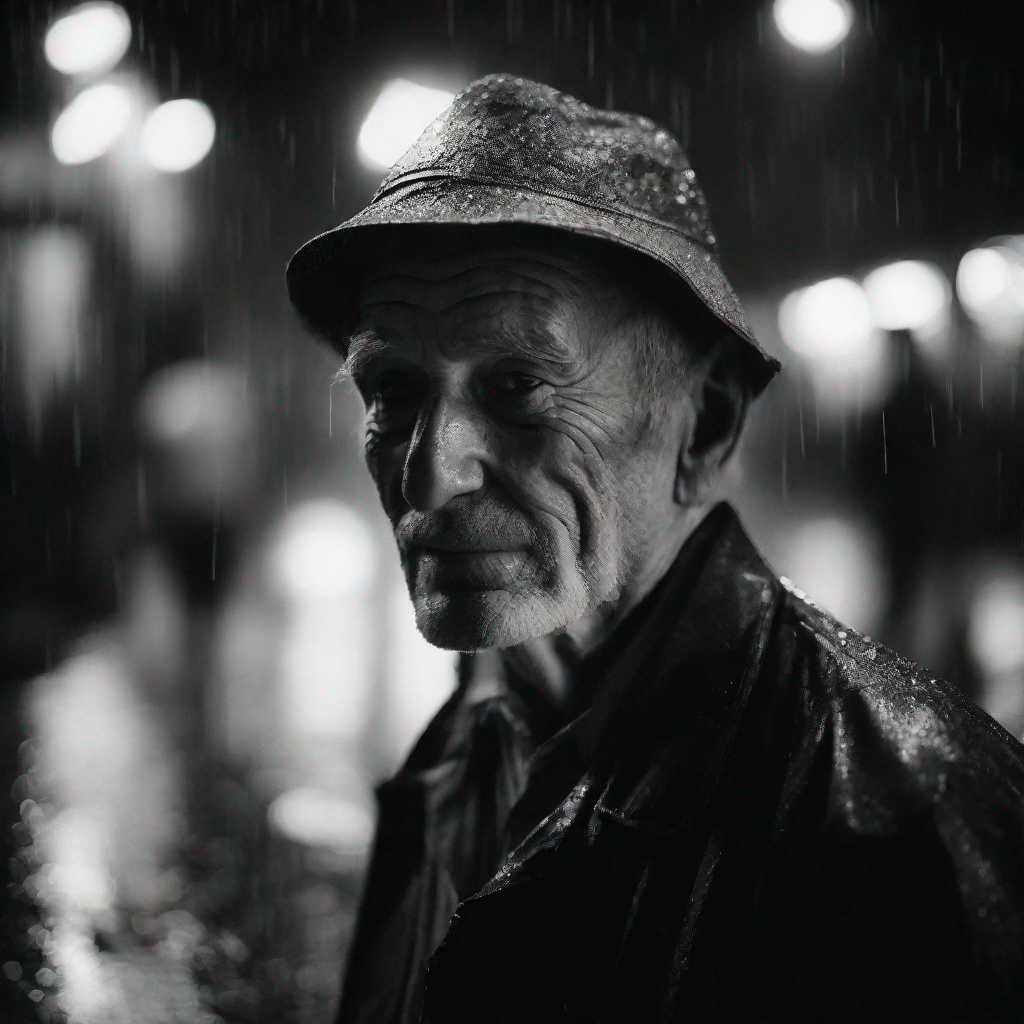
|
||||
|
||||
### Image-to-image
|
||||
|
||||
Extending LCM LoRA to image-to-image is possible:
|
||||
|
||||
```python
|
||||
from diffusers import StableDiffusionXLImg2ImgPipeline, LCMScheduler
|
||||
from diffusers.utils import load_image
|
||||
import torch
|
||||
|
||||
model_id = "stabilityai/stable-diffusion-xl-base-1.0"
|
||||
lcm_lora_id = "latent-consistency/lcm-lora-sdxl"
|
||||
|
||||
pipe = StableDiffusionXLImg2ImgPipeline.from_pretrained(model_id, variant="fp16", torch_dtype=torch.float16).to("cuda")
|
||||
|
||||
pipe.load_lora_weights(lcm_lora_id)
|
||||
pipe.scheduler = LCMScheduler.from_config(pipe.scheduler.config)
|
||||
|
||||
prompt = "close-up photography of old man standing in the rain at night, in a street lit by lamps, leica 35mm summilux"
|
||||
|
||||
image = load_image("https://huggingface.co/datasets/huggingface/documentation-images/resolve/main/diffusers/lcm/lora_lcm.png")
|
||||
|
||||
image = pipe(
|
||||
prompt=prompt,
|
||||
image=image,
|
||||
num_inference_steps=4,
|
||||
guidance_scale=0, # set guidance scale to 0 to disable it
|
||||
).images[0]
|
||||
```
|
||||

|
||||
@@ -56,7 +56,7 @@ if is_wandb_available():
|
||||
import wandb
|
||||
|
||||
# Will error if the minimal version of diffusers is not installed. Remove at your own risks.
|
||||
check_min_version("0.23.0")
|
||||
check_min_version("0.23.0.dev0")
|
||||
|
||||
logger = get_logger(__name__)
|
||||
|
||||
|
||||
@@ -59,7 +59,7 @@ if is_wandb_available():
|
||||
import wandb
|
||||
|
||||
# Will error if the minimal version of diffusers is not installed. Remove at your own risks.
|
||||
check_min_version("0.23.0")
|
||||
check_min_version("0.23.0.dev0")
|
||||
|
||||
logger = logging.getLogger(__name__)
|
||||
|
||||
|
||||
@@ -58,7 +58,7 @@ if is_wandb_available():
|
||||
import wandb
|
||||
|
||||
# Will error if the minimal version of diffusers is not installed. Remove at your own risks.
|
||||
check_min_version("0.23.0")
|
||||
check_min_version("0.23.0.dev0")
|
||||
|
||||
logger = get_logger(__name__)
|
||||
|
||||
|
||||
@@ -62,7 +62,7 @@ from diffusers.utils.import_utils import is_xformers_available
|
||||
|
||||
|
||||
# Will error if the minimal version of diffusers is not installed. Remove at your own risks.
|
||||
check_min_version("0.23.0")
|
||||
check_min_version("0.23.0.dev0")
|
||||
|
||||
logger = get_logger(__name__)
|
||||
|
||||
|
||||
@@ -61,7 +61,7 @@ if is_wandb_available():
|
||||
import wandb
|
||||
|
||||
# Will error if the minimal version of diffusers is not installed. Remove at your own risks.
|
||||
check_min_version("0.23.0")
|
||||
check_min_version("0.23.0.dev0")
|
||||
|
||||
logger = get_logger(__name__)
|
||||
|
||||
|
||||
@@ -35,7 +35,7 @@ from diffusers.utils import check_min_version
|
||||
|
||||
|
||||
# Will error if the minimal version of diffusers is not installed. Remove at your own risks.
|
||||
check_min_version("0.23.0")
|
||||
check_min_version("0.23.0.dev0")
|
||||
|
||||
# Cache compiled models across invocations of this script.
|
||||
cc.initialize_cache(os.path.expanduser("~/.cache/jax/compilation_cache"))
|
||||
|
||||
@@ -68,7 +68,7 @@ from diffusers.utils.import_utils import is_xformers_available
|
||||
|
||||
|
||||
# Will error if the minimal version of diffusers is not installed. Remove at your own risks.
|
||||
check_min_version("0.23.0")
|
||||
check_min_version("0.23.0.dev0")
|
||||
|
||||
logger = get_logger(__name__)
|
||||
|
||||
|
||||
@@ -58,7 +58,7 @@ from diffusers.utils.import_utils import is_xformers_available
|
||||
|
||||
|
||||
# Will error if the minimal version of diffusers is not installed. Remove at your own risks.
|
||||
check_min_version("0.23.0")
|
||||
check_min_version("0.23.0.dev0")
|
||||
|
||||
logger = get_logger(__name__)
|
||||
|
||||
|
||||
@@ -52,7 +52,7 @@ from diffusers.utils.import_utils import is_xformers_available
|
||||
|
||||
|
||||
# Will error if the minimal version of diffusers is not installed. Remove at your own risks.
|
||||
check_min_version("0.23.0")
|
||||
check_min_version("0.23.0.dev0")
|
||||
|
||||
logger = get_logger(__name__, log_level="INFO")
|
||||
|
||||
|
||||
@@ -55,7 +55,7 @@ from diffusers.utils.import_utils import is_xformers_available
|
||||
|
||||
|
||||
# Will error if the minimal version of diffusers is not installed. Remove at your own risks.
|
||||
check_min_version("0.23.0")
|
||||
check_min_version("0.23.0.dev0")
|
||||
|
||||
logger = get_logger(__name__, log_level="INFO")
|
||||
|
||||
|
||||
@@ -52,7 +52,7 @@ if is_wandb_available():
|
||||
|
||||
|
||||
# Will error if the minimal version of diffusers is not installed. Remove at your own risks.
|
||||
check_min_version("0.23.0")
|
||||
check_min_version("0.23.0.dev0")
|
||||
|
||||
logger = get_logger(__name__, log_level="INFO")
|
||||
|
||||
|
||||
@@ -46,7 +46,7 @@ from diffusers.utils import check_min_version, is_wandb_available
|
||||
|
||||
|
||||
# Will error if the minimal version of diffusers is not installed. Remove at your own risks.
|
||||
check_min_version("0.23.0")
|
||||
check_min_version("0.23.0.dev0")
|
||||
|
||||
logger = get_logger(__name__, log_level="INFO")
|
||||
|
||||
|
||||
@@ -46,7 +46,7 @@ from diffusers.utils import check_min_version, is_wandb_available
|
||||
|
||||
|
||||
# Will error if the minimal version of diffusers is not installed. Remove at your own risks.
|
||||
check_min_version("0.23.0")
|
||||
check_min_version("0.23.0.dev0")
|
||||
|
||||
logger = get_logger(__name__, log_level="INFO")
|
||||
|
||||
|
||||
@@ -51,7 +51,7 @@ if is_wandb_available():
|
||||
|
||||
|
||||
# Will error if the minimal version of diffusers is not installed. Remove at your own risks.
|
||||
check_min_version("0.23.0")
|
||||
check_min_version("0.23.0.dev0")
|
||||
|
||||
logger = get_logger(__name__, log_level="INFO")
|
||||
|
||||
|
||||
@@ -58,7 +58,7 @@ if is_wandb_available():
|
||||
import wandb
|
||||
|
||||
# Will error if the minimal version of diffusers is not installed. Remove at your own risks.
|
||||
check_min_version("0.23.0")
|
||||
check_min_version("0.23.0.dev0")
|
||||
|
||||
logger = get_logger(__name__)
|
||||
|
||||
|
||||
@@ -53,7 +53,7 @@ if is_wandb_available():
|
||||
|
||||
|
||||
# Will error if the minimal version of diffusers is not installed. Remove at your own risks.
|
||||
check_min_version("0.23.0")
|
||||
check_min_version("0.23.0.dev0")
|
||||
|
||||
logger = get_logger(__name__, log_level="INFO")
|
||||
|
||||
|
||||
@@ -33,7 +33,7 @@ from diffusers.utils import check_min_version
|
||||
|
||||
|
||||
# Will error if the minimal version of diffusers is not installed. Remove at your own risks.
|
||||
check_min_version("0.23.0")
|
||||
check_min_version("0.23.0.dev0")
|
||||
|
||||
logger = logging.getLogger(__name__)
|
||||
|
||||
|
||||
@@ -49,7 +49,7 @@ from diffusers.utils.import_utils import is_xformers_available
|
||||
|
||||
|
||||
# Will error if the minimal version of diffusers is not installed. Remove at your own risks.
|
||||
check_min_version("0.23.0")
|
||||
check_min_version("0.23.0.dev0")
|
||||
|
||||
logger = get_logger(__name__, log_level="INFO")
|
||||
|
||||
|
||||
@@ -58,7 +58,7 @@ from diffusers.utils.import_utils import is_xformers_available
|
||||
|
||||
|
||||
# Will error if the minimal version of diffusers is not installed. Remove at your own risks.
|
||||
check_min_version("0.23.0")
|
||||
check_min_version("0.23.0.dev0")
|
||||
|
||||
logger = get_logger(__name__)
|
||||
|
||||
|
||||
@@ -57,7 +57,7 @@ from diffusers.utils.import_utils import is_xformers_available
|
||||
|
||||
|
||||
# Will error if the minimal version of diffusers is not installed. Remove at your own risks.
|
||||
check_min_version("0.23.0")
|
||||
check_min_version("0.23.0.dev0")
|
||||
|
||||
logger = get_logger(__name__)
|
||||
|
||||
|
||||
@@ -79,7 +79,7 @@ else:
|
||||
|
||||
|
||||
# Will error if the minimal version of diffusers is not installed. Remove at your own risks.
|
||||
check_min_version("0.23.0")
|
||||
check_min_version("0.23.0.dev0")
|
||||
|
||||
logger = get_logger(__name__)
|
||||
|
||||
|
||||
@@ -56,7 +56,7 @@ else:
|
||||
# ------------------------------------------------------------------------------
|
||||
|
||||
# Will error if the minimal version of diffusers is not installed. Remove at your own risks.
|
||||
check_min_version("0.23.0")
|
||||
check_min_version("0.23.0.dev0")
|
||||
|
||||
logger = logging.getLogger(__name__)
|
||||
|
||||
|
||||
@@ -29,7 +29,7 @@ from diffusers.utils.import_utils import is_xformers_available
|
||||
|
||||
|
||||
# Will error if the minimal version of diffusers is not installed. Remove at your own risks.
|
||||
check_min_version("0.23.0")
|
||||
check_min_version("0.23.0.dev0")
|
||||
|
||||
logger = get_logger(__name__, log_level="INFO")
|
||||
|
||||
|
||||
@@ -50,7 +50,7 @@ if is_wandb_available():
|
||||
|
||||
|
||||
# Will error if the minimal version of diffusers is not installed. Remove at your own risks.
|
||||
check_min_version("0.23.0")
|
||||
check_min_version("0.23.0.dev0")
|
||||
|
||||
logger = get_logger(__name__, log_level="INFO")
|
||||
|
||||
|
||||
@@ -51,7 +51,7 @@ if is_wandb_available():
|
||||
|
||||
|
||||
# Will error if the minimal version of diffusers is not installed. Remove at your own risks.
|
||||
check_min_version("0.23.0")
|
||||
check_min_version("0.23.0.dev0")
|
||||
|
||||
logger = get_logger(__name__, log_level="INFO")
|
||||
|
||||
|
||||
File diff suppressed because it is too large
Load Diff
@@ -112,12 +112,10 @@ _deps = [
|
||||
"numpy",
|
||||
"omegaconf",
|
||||
"parameterized",
|
||||
"peft<=0.6.2",
|
||||
"protobuf>=3.20.3,<4",
|
||||
"pytest",
|
||||
"pytest-timeout",
|
||||
"pytest-xdist",
|
||||
"python>=3.8.0",
|
||||
"ruff==0.0.280",
|
||||
"safetensors>=0.3.1",
|
||||
"sentencepiece>=0.1.91,!=0.1.92",
|
||||
@@ -246,7 +244,7 @@ install_requires = [
|
||||
|
||||
setup(
|
||||
name="diffusers",
|
||||
version="0.23.1", # expected format is one of x.y.z.dev0, or x.y.z.rc1 or x.y.z (no to dashes, yes to dots)
|
||||
version="0.23.0.dev0", # expected format is one of x.y.z.dev0, or x.y.z.rc1 or x.y.z (no to dashes, yes to dots)
|
||||
description="State-of-the-art diffusion in PyTorch and JAX.",
|
||||
long_description=open("README.md", "r", encoding="utf-8").read(),
|
||||
long_description_content_type="text/markdown",
|
||||
|
||||
@@ -1,4 +1,4 @@
|
||||
__version__ = "0.23.1"
|
||||
__version__ = "0.23.0.dev0"
|
||||
|
||||
from typing import TYPE_CHECKING
|
||||
|
||||
@@ -77,7 +77,6 @@ else:
|
||||
"AsymmetricAutoencoderKL",
|
||||
"AutoencoderKL",
|
||||
"AutoencoderTiny",
|
||||
"ConsistencyDecoderVAE",
|
||||
"ControlNetModel",
|
||||
"ModelMixin",
|
||||
"MotionAdapter",
|
||||
@@ -444,7 +443,6 @@ if TYPE_CHECKING or DIFFUSERS_SLOW_IMPORT:
|
||||
AsymmetricAutoencoderKL,
|
||||
AutoencoderKL,
|
||||
AutoencoderTiny,
|
||||
ConsistencyDecoderVAE,
|
||||
ControlNetModel,
|
||||
ModelMixin,
|
||||
MotionAdapter,
|
||||
|
||||
@@ -23,9 +23,21 @@ from .utils.versions import require_version, require_version_core
|
||||
# order specific notes:
|
||||
# - tqdm must be checked before tokenizers
|
||||
|
||||
pkgs_to_check_at_runtime = "python requests filelock numpy".split()
|
||||
pkgs_to_check_at_runtime = "python tqdm regex requests packaging filelock numpy tokenizers".split()
|
||||
if sys.version_info < (3, 7):
|
||||
pkgs_to_check_at_runtime.append("dataclasses")
|
||||
if sys.version_info < (3, 8):
|
||||
pkgs_to_check_at_runtime.append("importlib_metadata")
|
||||
|
||||
for pkg in pkgs_to_check_at_runtime:
|
||||
if pkg in deps:
|
||||
if pkg == "tokenizers":
|
||||
# must be loaded here, or else tqdm check may fail
|
||||
from .utils import is_tokenizers_available
|
||||
|
||||
if not is_tokenizers_available():
|
||||
continue # not required, check version only if installed
|
||||
|
||||
require_version_core(deps[pkg])
|
||||
else:
|
||||
raise ValueError(f"can't find {pkg} in {deps.keys()}, check dependency_versions_table.py")
|
||||
|
||||
@@ -25,12 +25,10 @@ deps = {
|
||||
"numpy": "numpy",
|
||||
"omegaconf": "omegaconf",
|
||||
"parameterized": "parameterized",
|
||||
"peft": "peft<=0.6.2",
|
||||
"protobuf": "protobuf>=3.20.3,<4",
|
||||
"pytest": "pytest",
|
||||
"pytest-timeout": "pytest-timeout",
|
||||
"pytest-xdist": "pytest-xdist",
|
||||
"python": "python>=3.8.0",
|
||||
"ruff": "ruff==0.0.280",
|
||||
"safetensors": "safetensors>=0.3.1",
|
||||
"sentencepiece": "sentencepiece>=0.1.91,!=0.1.92",
|
||||
|
||||
@@ -1411,11 +1411,6 @@ class LoraLoaderMixin:
|
||||
filter(lambda x: all(substring not in x for substring in unallowed_substrings), targeted_files)
|
||||
)
|
||||
|
||||
if any(f.endswith(LORA_WEIGHT_NAME) for f in targeted_files):
|
||||
targeted_files = list(filter(lambda x: x.endswith(LORA_WEIGHT_NAME), targeted_files))
|
||||
elif any(f.endswith(LORA_WEIGHT_NAME_SAFE) for f in targeted_files):
|
||||
targeted_files = list(filter(lambda x: x.endswith(LORA_WEIGHT_NAME_SAFE), targeted_files))
|
||||
|
||||
if len(targeted_files) > 1:
|
||||
raise ValueError(
|
||||
f"Provided path contains more than one weights file in the {file_extension} format. Either specify `weight_name` in `load_lora_weights` or make sure there's only one `.safetensors` or `.bin` file in {pretrained_model_name_or_path_or_dict}."
|
||||
|
||||
@@ -24,7 +24,6 @@ if is_torch_available():
|
||||
_import_structure["autoencoder_asym_kl"] = ["AsymmetricAutoencoderKL"]
|
||||
_import_structure["autoencoder_kl"] = ["AutoencoderKL"]
|
||||
_import_structure["autoencoder_tiny"] = ["AutoencoderTiny"]
|
||||
_import_structure["consistency_decoder_vae"] = ["ConsistencyDecoderVAE"]
|
||||
_import_structure["controlnet"] = ["ControlNetModel"]
|
||||
_import_structure["dual_transformer_2d"] = ["DualTransformer2DModel"]
|
||||
_import_structure["modeling_utils"] = ["ModelMixin"]
|
||||
@@ -51,7 +50,6 @@ if TYPE_CHECKING or DIFFUSERS_SLOW_IMPORT:
|
||||
from .autoencoder_asym_kl import AsymmetricAutoencoderKL
|
||||
from .autoencoder_kl import AutoencoderKL
|
||||
from .autoencoder_tiny import AutoencoderTiny
|
||||
from .consistency_decoder_vae import ConsistencyDecoderVAE
|
||||
from .controlnet import ControlNetModel
|
||||
from .dual_transformer_2d import DualTransformer2DModel
|
||||
from .modeling_utils import ModelMixin
|
||||
|
||||
@@ -138,7 +138,6 @@ class AsymmetricAutoencoderKL(ModelMixin, ConfigMixin):
|
||||
def decode(
|
||||
self,
|
||||
z: torch.FloatTensor,
|
||||
generator: Optional[torch.Generator] = None,
|
||||
image: Optional[torch.FloatTensor] = None,
|
||||
mask: Optional[torch.FloatTensor] = None,
|
||||
return_dict: bool = True,
|
||||
|
||||
@@ -294,9 +294,7 @@ class AutoencoderKL(ModelMixin, ConfigMixin, FromOriginalVAEMixin):
|
||||
return DecoderOutput(sample=dec)
|
||||
|
||||
@apply_forward_hook
|
||||
def decode(
|
||||
self, z: torch.FloatTensor, return_dict: bool = True, generator=None
|
||||
) -> Union[DecoderOutput, torch.FloatTensor]:
|
||||
def decode(self, z: torch.FloatTensor, return_dict: bool = True) -> Union[DecoderOutput, torch.FloatTensor]:
|
||||
"""
|
||||
Decode a batch of images.
|
||||
|
||||
|
||||
@@ -14,7 +14,7 @@
|
||||
|
||||
|
||||
from dataclasses import dataclass
|
||||
from typing import Optional, Tuple, Union
|
||||
from typing import Tuple, Union
|
||||
|
||||
import torch
|
||||
|
||||
@@ -307,9 +307,7 @@ class AutoencoderTiny(ModelMixin, ConfigMixin):
|
||||
return AutoencoderTinyOutput(latents=output)
|
||||
|
||||
@apply_forward_hook
|
||||
def decode(
|
||||
self, x: torch.FloatTensor, generator: Optional[torch.Generator] = None, return_dict: bool = True
|
||||
) -> Union[DecoderOutput, Tuple[torch.FloatTensor]]:
|
||||
def decode(self, x: torch.FloatTensor, return_dict: bool = True) -> Union[DecoderOutput, Tuple[torch.FloatTensor]]:
|
||||
if self.use_slicing and x.shape[0] > 1:
|
||||
output = [self._tiled_decode(x_slice) if self.use_tiling else self.decoder(x) for x_slice in x.split(1)]
|
||||
output = torch.cat(output)
|
||||
|
||||
@@ -1,430 +0,0 @@
|
||||
# Copyright 2023 The HuggingFace Team. All rights reserved.
|
||||
#
|
||||
# Licensed under the Apache License, Version 2.0 (the "License");
|
||||
# you may not use this file except in compliance with the License.
|
||||
# You may obtain a copy of the License at
|
||||
#
|
||||
# http://www.apache.org/licenses/LICENSE-2.0
|
||||
#
|
||||
# Unless required by applicable law or agreed to in writing, software
|
||||
# distributed under the License is distributed on an "AS IS" BASIS,
|
||||
# WITHOUT WARRANTIES OR CONDITIONS OF ANY KIND, either express or implied.
|
||||
# See the License for the specific language governing permissions and
|
||||
# limitations under the License.
|
||||
from dataclasses import dataclass
|
||||
from typing import Dict, Optional, Tuple, Union
|
||||
|
||||
import torch
|
||||
import torch.nn.functional as F
|
||||
from torch import nn
|
||||
|
||||
from ..configuration_utils import ConfigMixin, register_to_config
|
||||
from ..schedulers import ConsistencyDecoderScheduler
|
||||
from ..utils import BaseOutput
|
||||
from ..utils.accelerate_utils import apply_forward_hook
|
||||
from ..utils.torch_utils import randn_tensor
|
||||
from .attention_processor import (
|
||||
ADDED_KV_ATTENTION_PROCESSORS,
|
||||
CROSS_ATTENTION_PROCESSORS,
|
||||
AttentionProcessor,
|
||||
AttnAddedKVProcessor,
|
||||
AttnProcessor,
|
||||
)
|
||||
from .modeling_utils import ModelMixin
|
||||
from .unet_2d import UNet2DModel
|
||||
from .vae import DecoderOutput, DiagonalGaussianDistribution, Encoder
|
||||
|
||||
|
||||
@dataclass
|
||||
class ConsistencyDecoderVAEOutput(BaseOutput):
|
||||
"""
|
||||
Output of encoding method.
|
||||
|
||||
Args:
|
||||
latent_dist (`DiagonalGaussianDistribution`):
|
||||
Encoded outputs of `Encoder` represented as the mean and logvar of `DiagonalGaussianDistribution`.
|
||||
`DiagonalGaussianDistribution` allows for sampling latents from the distribution.
|
||||
"""
|
||||
|
||||
latent_dist: "DiagonalGaussianDistribution"
|
||||
|
||||
|
||||
class ConsistencyDecoderVAE(ModelMixin, ConfigMixin):
|
||||
r"""
|
||||
The consistency decoder used with DALL-E 3.
|
||||
|
||||
Examples:
|
||||
```py
|
||||
>>> import torch
|
||||
>>> from diffusers import DiffusionPipeline, ConsistencyDecoderVAE
|
||||
|
||||
>>> vae = ConsistencyDecoderVAE.from_pretrained("openai/consistency-decoder", torch_dtype=pipe.torch_dtype)
|
||||
>>> pipe = StableDiffusionPipeline.from_pretrained(
|
||||
... "runwayml/stable-diffusion-v1-5", vae=vae, torch_dtype=torch.float16
|
||||
... ).to("cuda")
|
||||
|
||||
>>> pipe("horse", generator=torch.manual_seed(0)).images
|
||||
```
|
||||
"""
|
||||
|
||||
@register_to_config
|
||||
def __init__(
|
||||
self,
|
||||
scaling_factor=0.18215,
|
||||
latent_channels=4,
|
||||
encoder_act_fn="silu",
|
||||
encoder_block_out_channels=(128, 256, 512, 512),
|
||||
encoder_double_z=True,
|
||||
encoder_down_block_types=(
|
||||
"DownEncoderBlock2D",
|
||||
"DownEncoderBlock2D",
|
||||
"DownEncoderBlock2D",
|
||||
"DownEncoderBlock2D",
|
||||
),
|
||||
encoder_in_channels=3,
|
||||
encoder_layers_per_block=2,
|
||||
encoder_norm_num_groups=32,
|
||||
encoder_out_channels=4,
|
||||
decoder_add_attention=False,
|
||||
decoder_block_out_channels=(320, 640, 1024, 1024),
|
||||
decoder_down_block_types=(
|
||||
"ResnetDownsampleBlock2D",
|
||||
"ResnetDownsampleBlock2D",
|
||||
"ResnetDownsampleBlock2D",
|
||||
"ResnetDownsampleBlock2D",
|
||||
),
|
||||
decoder_downsample_padding=1,
|
||||
decoder_in_channels=7,
|
||||
decoder_layers_per_block=3,
|
||||
decoder_norm_eps=1e-05,
|
||||
decoder_norm_num_groups=32,
|
||||
decoder_num_train_timesteps=1024,
|
||||
decoder_out_channels=6,
|
||||
decoder_resnet_time_scale_shift="scale_shift",
|
||||
decoder_time_embedding_type="learned",
|
||||
decoder_up_block_types=(
|
||||
"ResnetUpsampleBlock2D",
|
||||
"ResnetUpsampleBlock2D",
|
||||
"ResnetUpsampleBlock2D",
|
||||
"ResnetUpsampleBlock2D",
|
||||
),
|
||||
):
|
||||
super().__init__()
|
||||
self.encoder = Encoder(
|
||||
act_fn=encoder_act_fn,
|
||||
block_out_channels=encoder_block_out_channels,
|
||||
double_z=encoder_double_z,
|
||||
down_block_types=encoder_down_block_types,
|
||||
in_channels=encoder_in_channels,
|
||||
layers_per_block=encoder_layers_per_block,
|
||||
norm_num_groups=encoder_norm_num_groups,
|
||||
out_channels=encoder_out_channels,
|
||||
)
|
||||
|
||||
self.decoder_unet = UNet2DModel(
|
||||
add_attention=decoder_add_attention,
|
||||
block_out_channels=decoder_block_out_channels,
|
||||
down_block_types=decoder_down_block_types,
|
||||
downsample_padding=decoder_downsample_padding,
|
||||
in_channels=decoder_in_channels,
|
||||
layers_per_block=decoder_layers_per_block,
|
||||
norm_eps=decoder_norm_eps,
|
||||
norm_num_groups=decoder_norm_num_groups,
|
||||
num_train_timesteps=decoder_num_train_timesteps,
|
||||
out_channels=decoder_out_channels,
|
||||
resnet_time_scale_shift=decoder_resnet_time_scale_shift,
|
||||
time_embedding_type=decoder_time_embedding_type,
|
||||
up_block_types=decoder_up_block_types,
|
||||
)
|
||||
self.decoder_scheduler = ConsistencyDecoderScheduler()
|
||||
self.register_to_config(block_out_channels=encoder_block_out_channels)
|
||||
self.register_buffer(
|
||||
"means",
|
||||
torch.tensor([0.38862467, 0.02253063, 0.07381133, -0.0171294])[None, :, None, None],
|
||||
persistent=False,
|
||||
)
|
||||
self.register_buffer(
|
||||
"stds", torch.tensor([0.9654121, 1.0440036, 0.76147926, 0.77022034])[None, :, None, None], persistent=False
|
||||
)
|
||||
|
||||
self.quant_conv = nn.Conv2d(2 * latent_channels, 2 * latent_channels, 1)
|
||||
|
||||
self.use_slicing = False
|
||||
self.use_tiling = False
|
||||
|
||||
# Copied from diffusers.models.autoencoder_kl.AutoencoderKL.enable_tiling
|
||||
def enable_tiling(self, use_tiling: bool = True):
|
||||
r"""
|
||||
Enable tiled VAE decoding. When this option is enabled, the VAE will split the input tensor into tiles to
|
||||
compute decoding and encoding in several steps. This is useful for saving a large amount of memory and to allow
|
||||
processing larger images.
|
||||
"""
|
||||
self.use_tiling = use_tiling
|
||||
|
||||
# Copied from diffusers.models.autoencoder_kl.AutoencoderKL.disable_tiling
|
||||
def disable_tiling(self):
|
||||
r"""
|
||||
Disable tiled VAE decoding. If `enable_tiling` was previously enabled, this method will go back to computing
|
||||
decoding in one step.
|
||||
"""
|
||||
self.enable_tiling(False)
|
||||
|
||||
# Copied from diffusers.models.autoencoder_kl.AutoencoderKL.enable_slicing
|
||||
def enable_slicing(self):
|
||||
r"""
|
||||
Enable sliced VAE decoding. When this option is enabled, the VAE will split the input tensor in slices to
|
||||
compute decoding in several steps. This is useful to save some memory and allow larger batch sizes.
|
||||
"""
|
||||
self.use_slicing = True
|
||||
|
||||
# Copied from diffusers.models.autoencoder_kl.AutoencoderKL.disable_slicing
|
||||
def disable_slicing(self):
|
||||
r"""
|
||||
Disable sliced VAE decoding. If `enable_slicing` was previously enabled, this method will go back to computing
|
||||
decoding in one step.
|
||||
"""
|
||||
self.use_slicing = False
|
||||
|
||||
@property
|
||||
# Copied from diffusers.models.unet_2d_condition.UNet2DConditionModel.attn_processors
|
||||
def attn_processors(self) -> Dict[str, AttentionProcessor]:
|
||||
r"""
|
||||
Returns:
|
||||
`dict` of attention processors: A dictionary containing all attention processors used in the model with
|
||||
indexed by its weight name.
|
||||
"""
|
||||
# set recursively
|
||||
processors = {}
|
||||
|
||||
def fn_recursive_add_processors(name: str, module: torch.nn.Module, processors: Dict[str, AttentionProcessor]):
|
||||
if hasattr(module, "get_processor"):
|
||||
processors[f"{name}.processor"] = module.get_processor(return_deprecated_lora=True)
|
||||
|
||||
for sub_name, child in module.named_children():
|
||||
fn_recursive_add_processors(f"{name}.{sub_name}", child, processors)
|
||||
|
||||
return processors
|
||||
|
||||
for name, module in self.named_children():
|
||||
fn_recursive_add_processors(name, module, processors)
|
||||
|
||||
return processors
|
||||
|
||||
# Copied from diffusers.models.unet_2d_condition.UNet2DConditionModel.set_attn_processor
|
||||
def set_attn_processor(
|
||||
self, processor: Union[AttentionProcessor, Dict[str, AttentionProcessor]], _remove_lora=False
|
||||
):
|
||||
r"""
|
||||
Sets the attention processor to use to compute attention.
|
||||
|
||||
Parameters:
|
||||
processor (`dict` of `AttentionProcessor` or only `AttentionProcessor`):
|
||||
The instantiated processor class or a dictionary of processor classes that will be set as the processor
|
||||
for **all** `Attention` layers.
|
||||
|
||||
If `processor` is a dict, the key needs to define the path to the corresponding cross attention
|
||||
processor. This is strongly recommended when setting trainable attention processors.
|
||||
|
||||
"""
|
||||
count = len(self.attn_processors.keys())
|
||||
|
||||
if isinstance(processor, dict) and len(processor) != count:
|
||||
raise ValueError(
|
||||
f"A dict of processors was passed, but the number of processors {len(processor)} does not match the"
|
||||
f" number of attention layers: {count}. Please make sure to pass {count} processor classes."
|
||||
)
|
||||
|
||||
def fn_recursive_attn_processor(name: str, module: torch.nn.Module, processor):
|
||||
if hasattr(module, "set_processor"):
|
||||
if not isinstance(processor, dict):
|
||||
module.set_processor(processor, _remove_lora=_remove_lora)
|
||||
else:
|
||||
module.set_processor(processor.pop(f"{name}.processor"), _remove_lora=_remove_lora)
|
||||
|
||||
for sub_name, child in module.named_children():
|
||||
fn_recursive_attn_processor(f"{name}.{sub_name}", child, processor)
|
||||
|
||||
for name, module in self.named_children():
|
||||
fn_recursive_attn_processor(name, module, processor)
|
||||
|
||||
# Copied from diffusers.models.unet_2d_condition.UNet2DConditionModel.set_default_attn_processor
|
||||
def set_default_attn_processor(self):
|
||||
"""
|
||||
Disables custom attention processors and sets the default attention implementation.
|
||||
"""
|
||||
if all(proc.__class__ in ADDED_KV_ATTENTION_PROCESSORS for proc in self.attn_processors.values()):
|
||||
processor = AttnAddedKVProcessor()
|
||||
elif all(proc.__class__ in CROSS_ATTENTION_PROCESSORS for proc in self.attn_processors.values()):
|
||||
processor = AttnProcessor()
|
||||
else:
|
||||
raise ValueError(
|
||||
f"Cannot call `set_default_attn_processor` when attention processors are of type {next(iter(self.attn_processors.values()))}"
|
||||
)
|
||||
|
||||
self.set_attn_processor(processor, _remove_lora=True)
|
||||
|
||||
@apply_forward_hook
|
||||
def encode(
|
||||
self, x: torch.FloatTensor, return_dict: bool = True
|
||||
) -> Union[ConsistencyDecoderVAEOutput, Tuple[DiagonalGaussianDistribution]]:
|
||||
"""
|
||||
Encode a batch of images into latents.
|
||||
|
||||
Args:
|
||||
x (`torch.FloatTensor`): Input batch of images.
|
||||
return_dict (`bool`, *optional*, defaults to `True`):
|
||||
Whether to return a [`~models.consistecy_decoder_vae.ConsistencyDecoderOoutput`] instead of a plain
|
||||
tuple.
|
||||
|
||||
Returns:
|
||||
The latent representations of the encoded images. If `return_dict` is True, a
|
||||
[`~models.consistency_decoder_vae.ConsistencyDecoderVAEOutput`] is returned, otherwise a plain `tuple`
|
||||
is returned.
|
||||
"""
|
||||
if self.use_tiling and (x.shape[-1] > self.tile_sample_min_size or x.shape[-2] > self.tile_sample_min_size):
|
||||
return self.tiled_encode(x, return_dict=return_dict)
|
||||
|
||||
if self.use_slicing and x.shape[0] > 1:
|
||||
encoded_slices = [self.encoder(x_slice) for x_slice in x.split(1)]
|
||||
h = torch.cat(encoded_slices)
|
||||
else:
|
||||
h = self.encoder(x)
|
||||
|
||||
moments = self.quant_conv(h)
|
||||
posterior = DiagonalGaussianDistribution(moments)
|
||||
|
||||
if not return_dict:
|
||||
return (posterior,)
|
||||
|
||||
return ConsistencyDecoderVAEOutput(latent_dist=posterior)
|
||||
|
||||
@apply_forward_hook
|
||||
def decode(
|
||||
self,
|
||||
z: torch.FloatTensor,
|
||||
generator: Optional[torch.Generator] = None,
|
||||
return_dict: bool = True,
|
||||
num_inference_steps=2,
|
||||
) -> Union[DecoderOutput, torch.FloatTensor]:
|
||||
z = (z * self.config.scaling_factor - self.means) / self.stds
|
||||
|
||||
scale_factor = 2 ** (len(self.config.block_out_channels) - 1)
|
||||
z = F.interpolate(z, mode="nearest", scale_factor=scale_factor)
|
||||
|
||||
batch_size, _, height, width = z.shape
|
||||
|
||||
self.decoder_scheduler.set_timesteps(num_inference_steps, device=self.device)
|
||||
|
||||
x_t = self.decoder_scheduler.init_noise_sigma * randn_tensor(
|
||||
(batch_size, 3, height, width), generator=generator, dtype=z.dtype, device=z.device
|
||||
)
|
||||
|
||||
for t in self.decoder_scheduler.timesteps:
|
||||
model_input = torch.concat([self.decoder_scheduler.scale_model_input(x_t, t), z], dim=1)
|
||||
model_output = self.decoder_unet(model_input, t).sample[:, :3, :, :]
|
||||
prev_sample = self.decoder_scheduler.step(model_output, t, x_t, generator).prev_sample
|
||||
x_t = prev_sample
|
||||
|
||||
x_0 = x_t
|
||||
|
||||
if not return_dict:
|
||||
return (x_0,)
|
||||
|
||||
return DecoderOutput(sample=x_0)
|
||||
|
||||
# Copied from diffusers.models.autoencoder_kl.AutoencoderKL.blend_v
|
||||
def blend_v(self, a, b, blend_extent):
|
||||
blend_extent = min(a.shape[2], b.shape[2], blend_extent)
|
||||
for y in range(blend_extent):
|
||||
b[:, :, y, :] = a[:, :, -blend_extent + y, :] * (1 - y / blend_extent) + b[:, :, y, :] * (y / blend_extent)
|
||||
return b
|
||||
|
||||
# Copied from diffusers.models.autoencoder_kl.AutoencoderKL.blend_h
|
||||
def blend_h(self, a, b, blend_extent):
|
||||
blend_extent = min(a.shape[3], b.shape[3], blend_extent)
|
||||
for x in range(blend_extent):
|
||||
b[:, :, :, x] = a[:, :, :, -blend_extent + x] * (1 - x / blend_extent) + b[:, :, :, x] * (x / blend_extent)
|
||||
return b
|
||||
|
||||
def tiled_encode(self, x: torch.FloatTensor, return_dict: bool = True) -> ConsistencyDecoderVAEOutput:
|
||||
r"""Encode a batch of images using a tiled encoder.
|
||||
|
||||
When this option is enabled, the VAE will split the input tensor into tiles to compute encoding in several
|
||||
steps. This is useful to keep memory use constant regardless of image size. The end result of tiled encoding is
|
||||
different from non-tiled encoding because each tile uses a different encoder. To avoid tiling artifacts, the
|
||||
tiles overlap and are blended together to form a smooth output. You may still see tile-sized changes in the
|
||||
output, but they should be much less noticeable.
|
||||
|
||||
Args:
|
||||
x (`torch.FloatTensor`): Input batch of images.
|
||||
return_dict (`bool`, *optional*, defaults to `True`):
|
||||
Whether or not to return a [`~models.consistency_decoder_vae.ConsistencyDecoderVAEOutput`] instead of a
|
||||
plain tuple.
|
||||
|
||||
Returns:
|
||||
[`~models.consistency_decoder_vae.ConsistencyDecoderVAEOutput`] or `tuple`:
|
||||
If return_dict is True, a [`~models.consistency_decoder_vae.ConsistencyDecoderVAEOutput`] is returned,
|
||||
otherwise a plain `tuple` is returned.
|
||||
"""
|
||||
overlap_size = int(self.tile_sample_min_size * (1 - self.tile_overlap_factor))
|
||||
blend_extent = int(self.tile_latent_min_size * self.tile_overlap_factor)
|
||||
row_limit = self.tile_latent_min_size - blend_extent
|
||||
|
||||
# Split the image into 512x512 tiles and encode them separately.
|
||||
rows = []
|
||||
for i in range(0, x.shape[2], overlap_size):
|
||||
row = []
|
||||
for j in range(0, x.shape[3], overlap_size):
|
||||
tile = x[:, :, i : i + self.tile_sample_min_size, j : j + self.tile_sample_min_size]
|
||||
tile = self.encoder(tile)
|
||||
tile = self.quant_conv(tile)
|
||||
row.append(tile)
|
||||
rows.append(row)
|
||||
result_rows = []
|
||||
for i, row in enumerate(rows):
|
||||
result_row = []
|
||||
for j, tile in enumerate(row):
|
||||
# blend the above tile and the left tile
|
||||
# to the current tile and add the current tile to the result row
|
||||
if i > 0:
|
||||
tile = self.blend_v(rows[i - 1][j], tile, blend_extent)
|
||||
if j > 0:
|
||||
tile = self.blend_h(row[j - 1], tile, blend_extent)
|
||||
result_row.append(tile[:, :, :row_limit, :row_limit])
|
||||
result_rows.append(torch.cat(result_row, dim=3))
|
||||
|
||||
moments = torch.cat(result_rows, dim=2)
|
||||
posterior = DiagonalGaussianDistribution(moments)
|
||||
|
||||
if not return_dict:
|
||||
return (posterior,)
|
||||
|
||||
return ConsistencyDecoderVAEOutput(latent_dist=posterior)
|
||||
|
||||
def forward(
|
||||
self,
|
||||
sample: torch.FloatTensor,
|
||||
sample_posterior: bool = False,
|
||||
return_dict: bool = True,
|
||||
generator: Optional[torch.Generator] = None,
|
||||
) -> Union[DecoderOutput, torch.FloatTensor]:
|
||||
r"""
|
||||
Args:
|
||||
sample (`torch.FloatTensor`): Input sample.
|
||||
sample_posterior (`bool`, *optional*, defaults to `False`):
|
||||
Whether to sample from the posterior.
|
||||
return_dict (`bool`, *optional*, defaults to `True`):
|
||||
Whether or not to return a [`DecoderOutput`] instead of a plain tuple.
|
||||
"""
|
||||
x = sample
|
||||
posterior = self.encode(x).latent_dist
|
||||
if sample_posterior:
|
||||
z = posterior.sample(generator=generator)
|
||||
else:
|
||||
z = posterior.mode()
|
||||
dec = self.decode(z, generator=generator).sample
|
||||
|
||||
if not return_dict:
|
||||
return (dec,)
|
||||
|
||||
return DecoderOutput(sample=dec)
|
||||
@@ -117,7 +117,6 @@ class UNet2DModel(ModelMixin, ConfigMixin):
|
||||
add_attention: bool = True,
|
||||
class_embed_type: Optional[str] = None,
|
||||
num_class_embeds: Optional[int] = None,
|
||||
num_train_timesteps: Optional[int] = None,
|
||||
):
|
||||
super().__init__()
|
||||
|
||||
@@ -145,9 +144,6 @@ class UNet2DModel(ModelMixin, ConfigMixin):
|
||||
elif time_embedding_type == "positional":
|
||||
self.time_proj = Timesteps(block_out_channels[0], flip_sin_to_cos, freq_shift)
|
||||
timestep_input_dim = block_out_channels[0]
|
||||
elif time_embedding_type == "learned":
|
||||
self.time_proj = nn.Embedding(num_train_timesteps, block_out_channels[0])
|
||||
timestep_input_dim = block_out_channels[0]
|
||||
|
||||
self.time_embedding = TimestepEmbedding(timestep_input_dim, time_embed_dim)
|
||||
|
||||
|
||||
@@ -588,34 +588,6 @@ class AltDiffusionPipeline(DiffusionPipeline, TextualInversionLoaderMixin, LoraL
|
||||
"""Disables the FreeU mechanism if enabled."""
|
||||
self.unet.disable_freeu()
|
||||
|
||||
def get_guidance_scale_embedding(self, w, embedding_dim=512, dtype=torch.float32):
|
||||
"""
|
||||
See https://github.com/google-research/vdm/blob/dc27b98a554f65cdc654b800da5aa1846545d41b/model_vdm.py#L298
|
||||
|
||||
Args:
|
||||
timesteps (`torch.Tensor`):
|
||||
generate embedding vectors at these timesteps
|
||||
embedding_dim (`int`, *optional*, defaults to 512):
|
||||
dimension of the embeddings to generate
|
||||
dtype:
|
||||
data type of the generated embeddings
|
||||
|
||||
Returns:
|
||||
`torch.FloatTensor`: Embedding vectors with shape `(len(timesteps), embedding_dim)`
|
||||
"""
|
||||
assert len(w.shape) == 1
|
||||
w = w * 1000.0
|
||||
|
||||
half_dim = embedding_dim // 2
|
||||
emb = torch.log(torch.tensor(10000.0)) / (half_dim - 1)
|
||||
emb = torch.exp(torch.arange(half_dim, dtype=dtype) * -emb)
|
||||
emb = w.to(dtype)[:, None] * emb[None, :]
|
||||
emb = torch.cat([torch.sin(emb), torch.cos(emb)], dim=1)
|
||||
if embedding_dim % 2 == 1: # zero pad
|
||||
emb = torch.nn.functional.pad(emb, (0, 1))
|
||||
assert emb.shape == (w.shape[0], embedding_dim)
|
||||
return emb
|
||||
|
||||
@property
|
||||
def guidance_scale(self):
|
||||
return self._guidance_scale
|
||||
@@ -633,7 +605,7 @@ class AltDiffusionPipeline(DiffusionPipeline, TextualInversionLoaderMixin, LoraL
|
||||
# corresponds to doing no classifier free guidance.
|
||||
@property
|
||||
def do_classifier_free_guidance(self):
|
||||
return self._guidance_scale > 1 and self.unet.config.time_cond_proj_dim is None
|
||||
return self._guidance_scale > 1
|
||||
|
||||
@property
|
||||
def cross_attention_kwargs(self):
|
||||
@@ -832,14 +804,6 @@ class AltDiffusionPipeline(DiffusionPipeline, TextualInversionLoaderMixin, LoraL
|
||||
# 6. Prepare extra step kwargs. TODO: Logic should ideally just be moved out of the pipeline
|
||||
extra_step_kwargs = self.prepare_extra_step_kwargs(generator, eta)
|
||||
|
||||
# 6.5 Optionally get Guidance Scale Embedding
|
||||
timestep_cond = None
|
||||
if self.unet.config.time_cond_proj_dim is not None:
|
||||
guidance_scale_tensor = torch.tensor(self.guidance_scale - 1).repeat(batch_size * num_images_per_prompt)
|
||||
timestep_cond = self.get_guidance_scale_embedding(
|
||||
guidance_scale_tensor, embedding_dim=self.unet.config.time_cond_proj_dim
|
||||
).to(device=device, dtype=latents.dtype)
|
||||
|
||||
# 7. Denoising loop
|
||||
num_warmup_steps = len(timesteps) - num_inference_steps * self.scheduler.order
|
||||
self._num_timesteps = len(timesteps)
|
||||
@@ -854,7 +818,6 @@ class AltDiffusionPipeline(DiffusionPipeline, TextualInversionLoaderMixin, LoraL
|
||||
latent_model_input,
|
||||
t,
|
||||
encoder_hidden_states=prompt_embeds,
|
||||
timestep_cond=timestep_cond,
|
||||
cross_attention_kwargs=self.cross_attention_kwargs,
|
||||
return_dict=False,
|
||||
)[0]
|
||||
@@ -889,9 +852,7 @@ class AltDiffusionPipeline(DiffusionPipeline, TextualInversionLoaderMixin, LoraL
|
||||
callback(step_idx, t, latents)
|
||||
|
||||
if not output_type == "latent":
|
||||
image = self.vae.decode(latents / self.vae.config.scaling_factor, return_dict=False, generator=generator)[
|
||||
0
|
||||
]
|
||||
image = self.vae.decode(latents / self.vae.config.scaling_factor, return_dict=False)[0]
|
||||
image, has_nsfw_concept = self.run_safety_checker(image, device, prompt_embeds.dtype)
|
||||
else:
|
||||
image = latents
|
||||
|
||||
@@ -646,34 +646,6 @@ class AltDiffusionImg2ImgPipeline(
|
||||
"""Disables the FreeU mechanism if enabled."""
|
||||
self.unet.disable_freeu()
|
||||
|
||||
def get_guidance_scale_embedding(self, w, embedding_dim=512, dtype=torch.float32):
|
||||
"""
|
||||
See https://github.com/google-research/vdm/blob/dc27b98a554f65cdc654b800da5aa1846545d41b/model_vdm.py#L298
|
||||
|
||||
Args:
|
||||
timesteps (`torch.Tensor`):
|
||||
generate embedding vectors at these timesteps
|
||||
embedding_dim (`int`, *optional*, defaults to 512):
|
||||
dimension of the embeddings to generate
|
||||
dtype:
|
||||
data type of the generated embeddings
|
||||
|
||||
Returns:
|
||||
`torch.FloatTensor`: Embedding vectors with shape `(len(timesteps), embedding_dim)`
|
||||
"""
|
||||
assert len(w.shape) == 1
|
||||
w = w * 1000.0
|
||||
|
||||
half_dim = embedding_dim // 2
|
||||
emb = torch.log(torch.tensor(10000.0)) / (half_dim - 1)
|
||||
emb = torch.exp(torch.arange(half_dim, dtype=dtype) * -emb)
|
||||
emb = w.to(dtype)[:, None] * emb[None, :]
|
||||
emb = torch.cat([torch.sin(emb), torch.cos(emb)], dim=1)
|
||||
if embedding_dim % 2 == 1: # zero pad
|
||||
emb = torch.nn.functional.pad(emb, (0, 1))
|
||||
assert emb.shape == (w.shape[0], embedding_dim)
|
||||
return emb
|
||||
|
||||
@property
|
||||
def guidance_scale(self):
|
||||
return self._guidance_scale
|
||||
@@ -687,7 +659,7 @@ class AltDiffusionImg2ImgPipeline(
|
||||
# corresponds to doing no classifier free guidance.
|
||||
@property
|
||||
def do_classifier_free_guidance(self):
|
||||
return self._guidance_scale > 1 and self.unet.config.time_cond_proj_dim is None
|
||||
return self._guidance_scale > 1
|
||||
|
||||
@property
|
||||
def cross_attention_kwargs(self):
|
||||
@@ -877,14 +849,6 @@ class AltDiffusionImg2ImgPipeline(
|
||||
# 7. Prepare extra step kwargs. TODO: Logic should ideally just be moved out of the pipeline
|
||||
extra_step_kwargs = self.prepare_extra_step_kwargs(generator, eta)
|
||||
|
||||
# 7.5 Optionally get Guidance Scale Embedding
|
||||
timestep_cond = None
|
||||
if self.unet.config.time_cond_proj_dim is not None:
|
||||
guidance_scale_tensor = torch.tensor(self.guidance_scale - 1).repeat(batch_size * num_images_per_prompt)
|
||||
timestep_cond = self.get_guidance_scale_embedding(
|
||||
guidance_scale_tensor, embedding_dim=self.unet.config.time_cond_proj_dim
|
||||
).to(device=device, dtype=latents.dtype)
|
||||
|
||||
# 8. Denoising loop
|
||||
num_warmup_steps = len(timesteps) - num_inference_steps * self.scheduler.order
|
||||
self._num_timesteps = len(timesteps)
|
||||
@@ -899,7 +863,6 @@ class AltDiffusionImg2ImgPipeline(
|
||||
latent_model_input,
|
||||
t,
|
||||
encoder_hidden_states=prompt_embeds,
|
||||
timestep_cond=timestep_cond,
|
||||
cross_attention_kwargs=self.cross_attention_kwargs,
|
||||
return_dict=False,
|
||||
)[0]
|
||||
@@ -930,9 +893,7 @@ class AltDiffusionImg2ImgPipeline(
|
||||
callback(step_idx, t, latents)
|
||||
|
||||
if not output_type == "latent":
|
||||
image = self.vae.decode(latents / self.vae.config.scaling_factor, return_dict=False, generator=generator)[
|
||||
0
|
||||
]
|
||||
image = self.vae.decode(latents / self.vae.config.scaling_factor, return_dict=False)[0]
|
||||
image, has_nsfw_concept = self.run_safety_checker(image, device, prompt_embeds.dtype)
|
||||
else:
|
||||
image = latents
|
||||
|
||||
@@ -6,9 +6,7 @@ from ...utils import (
|
||||
)
|
||||
|
||||
|
||||
_import_structure = {
|
||||
"pipeline_consistency_models": ["ConsistencyModelPipeline"],
|
||||
}
|
||||
_import_structure = {"pipeline_consistency_models": ["ConsistencyModelPipeline"]}
|
||||
|
||||
if TYPE_CHECKING or DIFFUSERS_SLOW_IMPORT:
|
||||
from .pipeline_consistency_models import ConsistencyModelPipeline
|
||||
|
||||
@@ -1,17 +1,3 @@
|
||||
# Copyright 2023 The HuggingFace Team. All rights reserved.
|
||||
#
|
||||
# Licensed under the Apache License, Version 2.0 (the "License");
|
||||
# you may not use this file except in compliance with the License.
|
||||
# You may obtain a copy of the License at
|
||||
#
|
||||
# http://www.apache.org/licenses/LICENSE-2.0
|
||||
#
|
||||
# Unless required by applicable law or agreed to in writing, software
|
||||
# distributed under the License is distributed on an "AS IS" BASIS,
|
||||
# WITHOUT WARRANTIES OR CONDITIONS OF ANY KIND, either express or implied.
|
||||
# See the License for the specific language governing permissions and
|
||||
# limitations under the License.
|
||||
|
||||
from typing import Callable, List, Optional, Union
|
||||
|
||||
import torch
|
||||
|
||||
@@ -1058,9 +1058,7 @@ class StableDiffusionControlNetPipeline(
|
||||
torch.cuda.empty_cache()
|
||||
|
||||
if not output_type == "latent":
|
||||
image = self.vae.decode(latents / self.vae.config.scaling_factor, return_dict=False, generator=generator)[
|
||||
0
|
||||
]
|
||||
image = self.vae.decode(latents / self.vae.config.scaling_factor, return_dict=False)[0]
|
||||
image, has_nsfw_concept = self.run_safety_checker(image, device, prompt_embeds.dtype)
|
||||
else:
|
||||
image = latents
|
||||
|
||||
@@ -1138,9 +1138,7 @@ class StableDiffusionControlNetImg2ImgPipeline(
|
||||
torch.cuda.empty_cache()
|
||||
|
||||
if not output_type == "latent":
|
||||
image = self.vae.decode(latents / self.vae.config.scaling_factor, return_dict=False, generator=generator)[
|
||||
0
|
||||
]
|
||||
image = self.vae.decode(latents / self.vae.config.scaling_factor, return_dict=False)[0]
|
||||
image, has_nsfw_concept = self.run_safety_checker(image, device, prompt_embeds.dtype)
|
||||
else:
|
||||
image = latents
|
||||
|
||||
@@ -1405,9 +1405,7 @@ class StableDiffusionControlNetInpaintPipeline(
|
||||
torch.cuda.empty_cache()
|
||||
|
||||
if not output_type == "latent":
|
||||
image = self.vae.decode(latents / self.vae.config.scaling_factor, return_dict=False, generator=generator)[
|
||||
0
|
||||
]
|
||||
image = self.vae.decode(latents / self.vae.config.scaling_factor, return_dict=False)[0]
|
||||
image, has_nsfw_concept = self.run_safety_checker(image, device, prompt_embeds.dtype)
|
||||
else:
|
||||
image = latents
|
||||
|
||||
@@ -576,35 +576,6 @@ class StableDiffusionPipeline(DiffusionPipeline, TextualInversionLoaderMixin, Lo
|
||||
"""Disables the FreeU mechanism if enabled."""
|
||||
self.unet.disable_freeu()
|
||||
|
||||
# Copied from diffusers.pipelines.latent_consistency_models.pipeline_latent_consistency_text2img.LatentConsistencyModelPipeline.get_guidance_scale_embedding
|
||||
def get_guidance_scale_embedding(self, w, embedding_dim=512, dtype=torch.float32):
|
||||
"""
|
||||
See https://github.com/google-research/vdm/blob/dc27b98a554f65cdc654b800da5aa1846545d41b/model_vdm.py#L298
|
||||
|
||||
Args:
|
||||
timesteps (`torch.Tensor`):
|
||||
generate embedding vectors at these timesteps
|
||||
embedding_dim (`int`, *optional*, defaults to 512):
|
||||
dimension of the embeddings to generate
|
||||
dtype:
|
||||
data type of the generated embeddings
|
||||
|
||||
Returns:
|
||||
`torch.FloatTensor`: Embedding vectors with shape `(len(timesteps), embedding_dim)`
|
||||
"""
|
||||
assert len(w.shape) == 1
|
||||
w = w * 1000.0
|
||||
|
||||
half_dim = embedding_dim // 2
|
||||
emb = torch.log(torch.tensor(10000.0)) / (half_dim - 1)
|
||||
emb = torch.exp(torch.arange(half_dim, dtype=dtype) * -emb)
|
||||
emb = w.to(dtype)[:, None] * emb[None, :]
|
||||
emb = torch.cat([torch.sin(emb), torch.cos(emb)], dim=1)
|
||||
if embedding_dim % 2 == 1: # zero pad
|
||||
emb = torch.nn.functional.pad(emb, (0, 1))
|
||||
assert emb.shape == (w.shape[0], embedding_dim)
|
||||
return emb
|
||||
|
||||
@property
|
||||
def guidance_scale(self):
|
||||
return self._guidance_scale
|
||||
@@ -622,7 +593,7 @@ class StableDiffusionPipeline(DiffusionPipeline, TextualInversionLoaderMixin, Lo
|
||||
# corresponds to doing no classifier free guidance.
|
||||
@property
|
||||
def do_classifier_free_guidance(self):
|
||||
return self._guidance_scale > 1 and self.unet.config.time_cond_proj_dim is None
|
||||
return self._guidance_scale > 1
|
||||
|
||||
@property
|
||||
def cross_attention_kwargs(self):
|
||||
@@ -819,14 +790,6 @@ class StableDiffusionPipeline(DiffusionPipeline, TextualInversionLoaderMixin, Lo
|
||||
# 6. Prepare extra step kwargs. TODO: Logic should ideally just be moved out of the pipeline
|
||||
extra_step_kwargs = self.prepare_extra_step_kwargs(generator, eta)
|
||||
|
||||
# 6.5 Optionally get Guidance Scale Embedding
|
||||
timestep_cond = None
|
||||
if self.unet.config.time_cond_proj_dim is not None:
|
||||
guidance_scale_tensor = torch.tensor(self.guidance_scale - 1).repeat(batch_size * num_images_per_prompt)
|
||||
timestep_cond = self.get_guidance_scale_embedding(
|
||||
guidance_scale_tensor, embedding_dim=self.unet.config.time_cond_proj_dim
|
||||
).to(device=device, dtype=latents.dtype)
|
||||
|
||||
# 7. Denoising loop
|
||||
num_warmup_steps = len(timesteps) - num_inference_steps * self.scheduler.order
|
||||
self._num_timesteps = len(timesteps)
|
||||
@@ -841,7 +804,6 @@ class StableDiffusionPipeline(DiffusionPipeline, TextualInversionLoaderMixin, Lo
|
||||
latent_model_input,
|
||||
t,
|
||||
encoder_hidden_states=prompt_embeds,
|
||||
timestep_cond=timestep_cond,
|
||||
cross_attention_kwargs=self.cross_attention_kwargs,
|
||||
return_dict=False,
|
||||
)[0]
|
||||
@@ -876,9 +838,7 @@ class StableDiffusionPipeline(DiffusionPipeline, TextualInversionLoaderMixin, Lo
|
||||
callback(step_idx, t, latents)
|
||||
|
||||
if not output_type == "latent":
|
||||
image = self.vae.decode(latents / self.vae.config.scaling_factor, return_dict=False, generator=generator)[
|
||||
0
|
||||
]
|
||||
image = self.vae.decode(latents / self.vae.config.scaling_factor, return_dict=False)[0]
|
||||
image, has_nsfw_concept = self.run_safety_checker(image, device, prompt_embeds.dtype)
|
||||
else:
|
||||
image = latents
|
||||
|
||||
@@ -640,35 +640,6 @@ class StableDiffusionImg2ImgPipeline(
|
||||
"""Disables the FreeU mechanism if enabled."""
|
||||
self.unet.disable_freeu()
|
||||
|
||||
# Copied from diffusers.pipelines.latent_consistency_models.pipeline_latent_consistency_text2img.LatentConsistencyModelPipeline.get_guidance_scale_embedding
|
||||
def get_guidance_scale_embedding(self, w, embedding_dim=512, dtype=torch.float32):
|
||||
"""
|
||||
See https://github.com/google-research/vdm/blob/dc27b98a554f65cdc654b800da5aa1846545d41b/model_vdm.py#L298
|
||||
|
||||
Args:
|
||||
timesteps (`torch.Tensor`):
|
||||
generate embedding vectors at these timesteps
|
||||
embedding_dim (`int`, *optional*, defaults to 512):
|
||||
dimension of the embeddings to generate
|
||||
dtype:
|
||||
data type of the generated embeddings
|
||||
|
||||
Returns:
|
||||
`torch.FloatTensor`: Embedding vectors with shape `(len(timesteps), embedding_dim)`
|
||||
"""
|
||||
assert len(w.shape) == 1
|
||||
w = w * 1000.0
|
||||
|
||||
half_dim = embedding_dim // 2
|
||||
emb = torch.log(torch.tensor(10000.0)) / (half_dim - 1)
|
||||
emb = torch.exp(torch.arange(half_dim, dtype=dtype) * -emb)
|
||||
emb = w.to(dtype)[:, None] * emb[None, :]
|
||||
emb = torch.cat([torch.sin(emb), torch.cos(emb)], dim=1)
|
||||
if embedding_dim % 2 == 1: # zero pad
|
||||
emb = torch.nn.functional.pad(emb, (0, 1))
|
||||
assert emb.shape == (w.shape[0], embedding_dim)
|
||||
return emb
|
||||
|
||||
@property
|
||||
def guidance_scale(self):
|
||||
return self._guidance_scale
|
||||
@@ -682,7 +653,7 @@ class StableDiffusionImg2ImgPipeline(
|
||||
# corresponds to doing no classifier free guidance.
|
||||
@property
|
||||
def do_classifier_free_guidance(self):
|
||||
return self._guidance_scale > 1 and self.unet.config.time_cond_proj_dim is None
|
||||
return self._guidance_scale > 1
|
||||
|
||||
@property
|
||||
def cross_attention_kwargs(self):
|
||||
@@ -870,14 +841,6 @@ class StableDiffusionImg2ImgPipeline(
|
||||
# 7. Prepare extra step kwargs. TODO: Logic should ideally just be moved out of the pipeline
|
||||
extra_step_kwargs = self.prepare_extra_step_kwargs(generator, eta)
|
||||
|
||||
# 7.5 Optionally get Guidance Scale Embedding
|
||||
timestep_cond = None
|
||||
if self.unet.config.time_cond_proj_dim is not None:
|
||||
guidance_scale_tensor = torch.tensor(self.guidance_scale - 1).repeat(batch_size * num_images_per_prompt)
|
||||
timestep_cond = self.get_guidance_scale_embedding(
|
||||
guidance_scale_tensor, embedding_dim=self.unet.config.time_cond_proj_dim
|
||||
).to(device=device, dtype=latents.dtype)
|
||||
|
||||
# 8. Denoising loop
|
||||
num_warmup_steps = len(timesteps) - num_inference_steps * self.scheduler.order
|
||||
self._num_timesteps = len(timesteps)
|
||||
@@ -892,7 +855,6 @@ class StableDiffusionImg2ImgPipeline(
|
||||
latent_model_input,
|
||||
t,
|
||||
encoder_hidden_states=prompt_embeds,
|
||||
timestep_cond=timestep_cond,
|
||||
cross_attention_kwargs=self.cross_attention_kwargs,
|
||||
return_dict=False,
|
||||
)[0]
|
||||
@@ -923,9 +885,7 @@ class StableDiffusionImg2ImgPipeline(
|
||||
callback(step_idx, t, latents)
|
||||
|
||||
if not output_type == "latent":
|
||||
image = self.vae.decode(latents / self.vae.config.scaling_factor, return_dict=False, generator=generator)[
|
||||
0
|
||||
]
|
||||
image = self.vae.decode(latents / self.vae.config.scaling_factor, return_dict=False)[0]
|
||||
image, has_nsfw_concept = self.run_safety_checker(image, device, prompt_embeds.dtype)
|
||||
else:
|
||||
image = latents
|
||||
|
||||
@@ -765,35 +765,6 @@ class StableDiffusionInpaintPipeline(
|
||||
"""Disables the FreeU mechanism if enabled."""
|
||||
self.unet.disable_freeu()
|
||||
|
||||
# Copied from diffusers.pipelines.latent_consistency_models.pipeline_latent_consistency_text2img.LatentConsistencyModelPipeline.get_guidance_scale_embedding
|
||||
def get_guidance_scale_embedding(self, w, embedding_dim=512, dtype=torch.float32):
|
||||
"""
|
||||
See https://github.com/google-research/vdm/blob/dc27b98a554f65cdc654b800da5aa1846545d41b/model_vdm.py#L298
|
||||
|
||||
Args:
|
||||
timesteps (`torch.Tensor`):
|
||||
generate embedding vectors at these timesteps
|
||||
embedding_dim (`int`, *optional*, defaults to 512):
|
||||
dimension of the embeddings to generate
|
||||
dtype:
|
||||
data type of the generated embeddings
|
||||
|
||||
Returns:
|
||||
`torch.FloatTensor`: Embedding vectors with shape `(len(timesteps), embedding_dim)`
|
||||
"""
|
||||
assert len(w.shape) == 1
|
||||
w = w * 1000.0
|
||||
|
||||
half_dim = embedding_dim // 2
|
||||
emb = torch.log(torch.tensor(10000.0)) / (half_dim - 1)
|
||||
emb = torch.exp(torch.arange(half_dim, dtype=dtype) * -emb)
|
||||
emb = w.to(dtype)[:, None] * emb[None, :]
|
||||
emb = torch.cat([torch.sin(emb), torch.cos(emb)], dim=1)
|
||||
if embedding_dim % 2 == 1: # zero pad
|
||||
emb = torch.nn.functional.pad(emb, (0, 1))
|
||||
assert emb.shape == (w.shape[0], embedding_dim)
|
||||
return emb
|
||||
|
||||
@property
|
||||
def guidance_scale(self):
|
||||
return self._guidance_scale
|
||||
@@ -807,7 +778,7 @@ class StableDiffusionInpaintPipeline(
|
||||
# corresponds to doing no classifier free guidance.
|
||||
@property
|
||||
def do_classifier_free_guidance(self):
|
||||
return self._guidance_scale > 1 and self.unet.config.time_cond_proj_dim is None
|
||||
return self._guidance_scale > 1
|
||||
|
||||
@property
|
||||
def cross_attention_kwargs(self):
|
||||
@@ -1116,14 +1087,6 @@ class StableDiffusionInpaintPipeline(
|
||||
# 9. Prepare extra step kwargs. TODO: Logic should ideally just be moved out of the pipeline
|
||||
extra_step_kwargs = self.prepare_extra_step_kwargs(generator, eta)
|
||||
|
||||
# 9.5 Optionally get Guidance Scale Embedding
|
||||
timestep_cond = None
|
||||
if self.unet.config.time_cond_proj_dim is not None:
|
||||
guidance_scale_tensor = torch.tensor(self.guidance_scale - 1).repeat(batch_size * num_images_per_prompt)
|
||||
timestep_cond = self.get_guidance_scale_embedding(
|
||||
guidance_scale_tensor, embedding_dim=self.unet.config.time_cond_proj_dim
|
||||
).to(device=device, dtype=latents.dtype)
|
||||
|
||||
# 10. Denoising loop
|
||||
num_warmup_steps = len(timesteps) - num_inference_steps * self.scheduler.order
|
||||
self._num_timesteps = len(timesteps)
|
||||
@@ -1143,7 +1106,6 @@ class StableDiffusionInpaintPipeline(
|
||||
latent_model_input,
|
||||
t,
|
||||
encoder_hidden_states=prompt_embeds,
|
||||
timestep_cond=timestep_cond,
|
||||
cross_attention_kwargs=self.cross_attention_kwargs,
|
||||
return_dict=False,
|
||||
)[0]
|
||||
@@ -1197,9 +1159,7 @@ class StableDiffusionInpaintPipeline(
|
||||
init_image = self._encode_vae_image(init_image, generator=generator)
|
||||
mask_condition = mask_condition.to(device=device, dtype=masked_image_latents.dtype)
|
||||
condition_kwargs = {"image": init_image_condition, "mask": mask_condition}
|
||||
image = self.vae.decode(
|
||||
latents / self.vae.config.scaling_factor, return_dict=False, generator=generator, **condition_kwargs
|
||||
)[0]
|
||||
image = self.vae.decode(latents / self.vae.config.scaling_factor, return_dict=False, **condition_kwargs)[0]
|
||||
image, has_nsfw_concept = self.run_safety_checker(image, device, prompt_embeds.dtype)
|
||||
else:
|
||||
image = latents
|
||||
|
||||
@@ -636,35 +636,6 @@ class StableDiffusionXLPipeline(
|
||||
"""Disables the FreeU mechanism if enabled."""
|
||||
self.unet.disable_freeu()
|
||||
|
||||
# Copied from diffusers.pipelines.latent_consistency_models.pipeline_latent_consistency_text2img.LatentConsistencyModelPipeline.get_guidance_scale_embedding
|
||||
def get_guidance_scale_embedding(self, w, embedding_dim=512, dtype=torch.float32):
|
||||
"""
|
||||
See https://github.com/google-research/vdm/blob/dc27b98a554f65cdc654b800da5aa1846545d41b/model_vdm.py#L298
|
||||
|
||||
Args:
|
||||
timesteps (`torch.Tensor`):
|
||||
generate embedding vectors at these timesteps
|
||||
embedding_dim (`int`, *optional*, defaults to 512):
|
||||
dimension of the embeddings to generate
|
||||
dtype:
|
||||
data type of the generated embeddings
|
||||
|
||||
Returns:
|
||||
`torch.FloatTensor`: Embedding vectors with shape `(len(timesteps), embedding_dim)`
|
||||
"""
|
||||
assert len(w.shape) == 1
|
||||
w = w * 1000.0
|
||||
|
||||
half_dim = embedding_dim // 2
|
||||
emb = torch.log(torch.tensor(10000.0)) / (half_dim - 1)
|
||||
emb = torch.exp(torch.arange(half_dim, dtype=dtype) * -emb)
|
||||
emb = w.to(dtype)[:, None] * emb[None, :]
|
||||
emb = torch.cat([torch.sin(emb), torch.cos(emb)], dim=1)
|
||||
if embedding_dim % 2 == 1: # zero pad
|
||||
emb = torch.nn.functional.pad(emb, (0, 1))
|
||||
assert emb.shape == (w.shape[0], embedding_dim)
|
||||
return emb
|
||||
|
||||
@property
|
||||
def guidance_scale(self):
|
||||
return self._guidance_scale
|
||||
@@ -682,7 +653,7 @@ class StableDiffusionXLPipeline(
|
||||
# corresponds to doing no classifier free guidance.
|
||||
@property
|
||||
def do_classifier_free_guidance(self):
|
||||
return self._guidance_scale > 1 and self.unet.config.time_cond_proj_dim is None
|
||||
return self._guidance_scale > 1
|
||||
|
||||
@property
|
||||
def cross_attention_kwargs(self):
|
||||
@@ -1018,14 +989,6 @@ class StableDiffusionXLPipeline(
|
||||
num_inference_steps = len(list(filter(lambda ts: ts >= discrete_timestep_cutoff, timesteps)))
|
||||
timesteps = timesteps[:num_inference_steps]
|
||||
|
||||
# 9. Optionally get Guidance Scale Embedding
|
||||
timestep_cond = None
|
||||
if self.unet.config.time_cond_proj_dim is not None:
|
||||
guidance_scale_tensor = torch.tensor(self.guidance_scale - 1).repeat(batch_size * num_images_per_prompt)
|
||||
timestep_cond = self.get_guidance_scale_embedding(
|
||||
guidance_scale_tensor, embedding_dim=self.unet.config.time_cond_proj_dim
|
||||
).to(device=device, dtype=latents.dtype)
|
||||
|
||||
self._num_timesteps = len(timesteps)
|
||||
with self.progress_bar(total=num_inference_steps) as progress_bar:
|
||||
for i, t in enumerate(timesteps):
|
||||
@@ -1040,7 +1003,6 @@ class StableDiffusionXLPipeline(
|
||||
latent_model_input,
|
||||
t,
|
||||
encoder_hidden_states=prompt_embeds,
|
||||
timestep_cond=timestep_cond,
|
||||
cross_attention_kwargs=self.cross_attention_kwargs,
|
||||
added_cond_kwargs=added_cond_kwargs,
|
||||
return_dict=False,
|
||||
|
||||
+1
-40
@@ -763,35 +763,6 @@ class StableDiffusionXLImg2ImgPipeline(
|
||||
"""Disables the FreeU mechanism if enabled."""
|
||||
self.unet.disable_freeu()
|
||||
|
||||
# Copied from diffusers.pipelines.latent_consistency_models.pipeline_latent_consistency_text2img.LatentConsistencyModelPipeline.get_guidance_scale_embedding
|
||||
def get_guidance_scale_embedding(self, w, embedding_dim=512, dtype=torch.float32):
|
||||
"""
|
||||
See https://github.com/google-research/vdm/blob/dc27b98a554f65cdc654b800da5aa1846545d41b/model_vdm.py#L298
|
||||
|
||||
Args:
|
||||
timesteps (`torch.Tensor`):
|
||||
generate embedding vectors at these timesteps
|
||||
embedding_dim (`int`, *optional*, defaults to 512):
|
||||
dimension of the embeddings to generate
|
||||
dtype:
|
||||
data type of the generated embeddings
|
||||
|
||||
Returns:
|
||||
`torch.FloatTensor`: Embedding vectors with shape `(len(timesteps), embedding_dim)`
|
||||
"""
|
||||
assert len(w.shape) == 1
|
||||
w = w * 1000.0
|
||||
|
||||
half_dim = embedding_dim // 2
|
||||
emb = torch.log(torch.tensor(10000.0)) / (half_dim - 1)
|
||||
emb = torch.exp(torch.arange(half_dim, dtype=dtype) * -emb)
|
||||
emb = w.to(dtype)[:, None] * emb[None, :]
|
||||
emb = torch.cat([torch.sin(emb), torch.cos(emb)], dim=1)
|
||||
if embedding_dim % 2 == 1: # zero pad
|
||||
emb = torch.nn.functional.pad(emb, (0, 1))
|
||||
assert emb.shape == (w.shape[0], embedding_dim)
|
||||
return emb
|
||||
|
||||
@property
|
||||
def guidance_scale(self):
|
||||
return self._guidance_scale
|
||||
@@ -809,7 +780,7 @@ class StableDiffusionXLImg2ImgPipeline(
|
||||
# corresponds to doing no classifier free guidance.
|
||||
@property
|
||||
def do_classifier_free_guidance(self):
|
||||
return self._guidance_scale > 1 and self.unet.config.time_cond_proj_dim is None
|
||||
return self._guidance_scale > 1
|
||||
|
||||
@property
|
||||
def cross_attention_kwargs(self):
|
||||
@@ -1185,15 +1156,6 @@ class StableDiffusionXLImg2ImgPipeline(
|
||||
)
|
||||
num_inference_steps = len(list(filter(lambda ts: ts >= discrete_timestep_cutoff, timesteps)))
|
||||
timesteps = timesteps[:num_inference_steps]
|
||||
|
||||
# 9.2 Optionally get Guidance Scale Embedding
|
||||
timestep_cond = None
|
||||
if self.unet.config.time_cond_proj_dim is not None:
|
||||
guidance_scale_tensor = torch.tensor(self.guidance_scale - 1).repeat(batch_size * num_images_per_prompt)
|
||||
timestep_cond = self.get_guidance_scale_embedding(
|
||||
guidance_scale_tensor, embedding_dim=self.unet.config.time_cond_proj_dim
|
||||
).to(device=device, dtype=latents.dtype)
|
||||
|
||||
self._num_timesteps = len(timesteps)
|
||||
with self.progress_bar(total=num_inference_steps) as progress_bar:
|
||||
for i, t in enumerate(timesteps):
|
||||
@@ -1208,7 +1170,6 @@ class StableDiffusionXLImg2ImgPipeline(
|
||||
latent_model_input,
|
||||
t,
|
||||
encoder_hidden_states=prompt_embeds,
|
||||
timestep_cond=timestep_cond,
|
||||
cross_attention_kwargs=self.cross_attention_kwargs,
|
||||
added_cond_kwargs=added_cond_kwargs,
|
||||
return_dict=False,
|
||||
|
||||
+1
-39
@@ -982,35 +982,6 @@ class StableDiffusionXLInpaintPipeline(
|
||||
"""Disables the FreeU mechanism if enabled."""
|
||||
self.unet.disable_freeu()
|
||||
|
||||
# Copied from diffusers.pipelines.latent_consistency_models.pipeline_latent_consistency_text2img.LatentConsistencyModelPipeline.get_guidance_scale_embedding
|
||||
def get_guidance_scale_embedding(self, w, embedding_dim=512, dtype=torch.float32):
|
||||
"""
|
||||
See https://github.com/google-research/vdm/blob/dc27b98a554f65cdc654b800da5aa1846545d41b/model_vdm.py#L298
|
||||
|
||||
Args:
|
||||
timesteps (`torch.Tensor`):
|
||||
generate embedding vectors at these timesteps
|
||||
embedding_dim (`int`, *optional*, defaults to 512):
|
||||
dimension of the embeddings to generate
|
||||
dtype:
|
||||
data type of the generated embeddings
|
||||
|
||||
Returns:
|
||||
`torch.FloatTensor`: Embedding vectors with shape `(len(timesteps), embedding_dim)`
|
||||
"""
|
||||
assert len(w.shape) == 1
|
||||
w = w * 1000.0
|
||||
|
||||
half_dim = embedding_dim // 2
|
||||
emb = torch.log(torch.tensor(10000.0)) / (half_dim - 1)
|
||||
emb = torch.exp(torch.arange(half_dim, dtype=dtype) * -emb)
|
||||
emb = w.to(dtype)[:, None] * emb[None, :]
|
||||
emb = torch.cat([torch.sin(emb), torch.cos(emb)], dim=1)
|
||||
if embedding_dim % 2 == 1: # zero pad
|
||||
emb = torch.nn.functional.pad(emb, (0, 1))
|
||||
assert emb.shape == (w.shape[0], embedding_dim)
|
||||
return emb
|
||||
|
||||
@property
|
||||
def guidance_scale(self):
|
||||
return self._guidance_scale
|
||||
@@ -1028,7 +999,7 @@ class StableDiffusionXLInpaintPipeline(
|
||||
# corresponds to doing no classifier free guidance.
|
||||
@property
|
||||
def do_classifier_free_guidance(self):
|
||||
return self._guidance_scale > 1 and self.unet.config.time_cond_proj_dim is None
|
||||
return self._guidance_scale > 1
|
||||
|
||||
@property
|
||||
def cross_attention_kwargs(self):
|
||||
@@ -1493,14 +1464,6 @@ class StableDiffusionXLInpaintPipeline(
|
||||
num_inference_steps = len(list(filter(lambda ts: ts >= discrete_timestep_cutoff, timesteps)))
|
||||
timesteps = timesteps[:num_inference_steps]
|
||||
|
||||
# 11.1 Optionally get Guidance Scale Embedding
|
||||
timestep_cond = None
|
||||
if self.unet.config.time_cond_proj_dim is not None:
|
||||
guidance_scale_tensor = torch.tensor(self.guidance_scale - 1).repeat(batch_size * num_images_per_prompt)
|
||||
timestep_cond = self.get_guidance_scale_embedding(
|
||||
guidance_scale_tensor, embedding_dim=self.unet.config.time_cond_proj_dim
|
||||
).to(device=device, dtype=latents.dtype)
|
||||
|
||||
self._num_timesteps = len(timesteps)
|
||||
with self.progress_bar(total=num_inference_steps) as progress_bar:
|
||||
for i, t in enumerate(timesteps):
|
||||
@@ -1519,7 +1482,6 @@ class StableDiffusionXLInpaintPipeline(
|
||||
latent_model_input,
|
||||
t,
|
||||
encoder_hidden_states=prompt_embeds,
|
||||
timestep_cond=timestep_cond,
|
||||
cross_attention_kwargs=self.cross_attention_kwargs,
|
||||
added_cond_kwargs=added_cond_kwargs,
|
||||
return_dict=False,
|
||||
|
||||
@@ -38,7 +38,6 @@ except OptionalDependencyNotAvailable:
|
||||
_dummy_modules.update(get_objects_from_module(dummy_pt_objects))
|
||||
|
||||
else:
|
||||
_import_structure["scheduling_consistency_decoder"] = ["ConsistencyDecoderScheduler"]
|
||||
_import_structure["scheduling_consistency_models"] = ["CMStochasticIterativeScheduler"]
|
||||
_import_structure["scheduling_ddim"] = ["DDIMScheduler"]
|
||||
_import_structure["scheduling_ddim_inverse"] = ["DDIMInverseScheduler"]
|
||||
@@ -129,7 +128,6 @@ if TYPE_CHECKING or DIFFUSERS_SLOW_IMPORT:
|
||||
except OptionalDependencyNotAvailable:
|
||||
from ..utils.dummy_pt_objects import * # noqa F403
|
||||
else:
|
||||
from .scheduling_consistency_decoder import ConsistencyDecoderScheduler
|
||||
from .scheduling_consistency_models import CMStochasticIterativeScheduler
|
||||
from .scheduling_ddim import DDIMScheduler
|
||||
from .scheduling_ddim_inverse import DDIMInverseScheduler
|
||||
|
||||
@@ -1,180 +0,0 @@
|
||||
import math
|
||||
from dataclasses import dataclass
|
||||
from typing import Optional, Tuple, Union
|
||||
|
||||
import torch
|
||||
|
||||
from ..configuration_utils import ConfigMixin, register_to_config
|
||||
from ..utils import BaseOutput
|
||||
from ..utils.torch_utils import randn_tensor
|
||||
from .scheduling_utils import SchedulerMixin
|
||||
|
||||
|
||||
# Copied from diffusers.schedulers.scheduling_ddpm.betas_for_alpha_bar
|
||||
def betas_for_alpha_bar(
|
||||
num_diffusion_timesteps,
|
||||
max_beta=0.999,
|
||||
alpha_transform_type="cosine",
|
||||
):
|
||||
"""
|
||||
Create a beta schedule that discretizes the given alpha_t_bar function, which defines the cumulative product of
|
||||
(1-beta) over time from t = [0,1].
|
||||
|
||||
Contains a function alpha_bar that takes an argument t and transforms it to the cumulative product of (1-beta) up
|
||||
to that part of the diffusion process.
|
||||
|
||||
|
||||
Args:
|
||||
num_diffusion_timesteps (`int`): the number of betas to produce.
|
||||
max_beta (`float`): the maximum beta to use; use values lower than 1 to
|
||||
prevent singularities.
|
||||
alpha_transform_type (`str`, *optional*, default to `cosine`): the type of noise schedule for alpha_bar.
|
||||
Choose from `cosine` or `exp`
|
||||
|
||||
Returns:
|
||||
betas (`np.ndarray`): the betas used by the scheduler to step the model outputs
|
||||
"""
|
||||
if alpha_transform_type == "cosine":
|
||||
|
||||
def alpha_bar_fn(t):
|
||||
return math.cos((t + 0.008) / 1.008 * math.pi / 2) ** 2
|
||||
|
||||
elif alpha_transform_type == "exp":
|
||||
|
||||
def alpha_bar_fn(t):
|
||||
return math.exp(t * -12.0)
|
||||
|
||||
else:
|
||||
raise ValueError(f"Unsupported alpha_tranform_type: {alpha_transform_type}")
|
||||
|
||||
betas = []
|
||||
for i in range(num_diffusion_timesteps):
|
||||
t1 = i / num_diffusion_timesteps
|
||||
t2 = (i + 1) / num_diffusion_timesteps
|
||||
betas.append(min(1 - alpha_bar_fn(t2) / alpha_bar_fn(t1), max_beta))
|
||||
return torch.tensor(betas, dtype=torch.float32)
|
||||
|
||||
|
||||
@dataclass
|
||||
class ConsistencyDecoderSchedulerOutput(BaseOutput):
|
||||
"""
|
||||
Output class for the scheduler's `step` function.
|
||||
|
||||
Args:
|
||||
prev_sample (`torch.FloatTensor` of shape `(batch_size, num_channels, height, width)` for images):
|
||||
Computed sample `(x_{t-1})` of previous timestep. `prev_sample` should be used as next model input in the
|
||||
denoising loop.
|
||||
"""
|
||||
|
||||
prev_sample: torch.FloatTensor
|
||||
|
||||
|
||||
class ConsistencyDecoderScheduler(SchedulerMixin, ConfigMixin):
|
||||
order = 1
|
||||
|
||||
@register_to_config
|
||||
def __init__(
|
||||
self,
|
||||
num_train_timesteps: int = 1024,
|
||||
sigma_data: float = 0.5,
|
||||
):
|
||||
betas = betas_for_alpha_bar(num_train_timesteps)
|
||||
|
||||
alphas = 1.0 - betas
|
||||
alphas_cumprod = torch.cumprod(alphas, dim=0)
|
||||
|
||||
self.sqrt_alphas_cumprod = torch.sqrt(alphas_cumprod)
|
||||
self.sqrt_one_minus_alphas_cumprod = torch.sqrt(1.0 - alphas_cumprod)
|
||||
|
||||
sigmas = torch.sqrt(1.0 / alphas_cumprod - 1)
|
||||
|
||||
sqrt_recip_alphas_cumprod = torch.sqrt(1.0 / alphas_cumprod)
|
||||
|
||||
self.c_skip = sqrt_recip_alphas_cumprod * sigma_data**2 / (sigmas**2 + sigma_data**2)
|
||||
self.c_out = sigmas * sigma_data / (sigmas**2 + sigma_data**2) ** 0.5
|
||||
self.c_in = sqrt_recip_alphas_cumprod / (sigmas**2 + sigma_data**2) ** 0.5
|
||||
|
||||
def set_timesteps(
|
||||
self,
|
||||
num_inference_steps: Optional[int] = None,
|
||||
device: Union[str, torch.device] = None,
|
||||
):
|
||||
if num_inference_steps != 2:
|
||||
raise ValueError("Currently more than 2 inference steps are not supported.")
|
||||
|
||||
self.timesteps = torch.tensor([1008, 512], dtype=torch.long, device=device)
|
||||
self.sqrt_alphas_cumprod = self.sqrt_alphas_cumprod.to(device)
|
||||
self.sqrt_one_minus_alphas_cumprod = self.sqrt_one_minus_alphas_cumprod.to(device)
|
||||
self.c_skip = self.c_skip.to(device)
|
||||
self.c_out = self.c_out.to(device)
|
||||
self.c_in = self.c_in.to(device)
|
||||
|
||||
@property
|
||||
def init_noise_sigma(self):
|
||||
return self.sqrt_one_minus_alphas_cumprod[self.timesteps[0]]
|
||||
|
||||
def scale_model_input(self, sample: torch.FloatTensor, timestep: Optional[int] = None) -> torch.FloatTensor:
|
||||
"""
|
||||
Ensures interchangeability with schedulers that need to scale the denoising model input depending on the
|
||||
current timestep.
|
||||
|
||||
Args:
|
||||
sample (`torch.FloatTensor`):
|
||||
The input sample.
|
||||
timestep (`int`, *optional*):
|
||||
The current timestep in the diffusion chain.
|
||||
|
||||
Returns:
|
||||
`torch.FloatTensor`:
|
||||
A scaled input sample.
|
||||
"""
|
||||
return sample * self.c_in[timestep]
|
||||
|
||||
def step(
|
||||
self,
|
||||
model_output: torch.FloatTensor,
|
||||
timestep: Union[float, torch.FloatTensor],
|
||||
sample: torch.FloatTensor,
|
||||
generator: Optional[torch.Generator] = None,
|
||||
return_dict: bool = True,
|
||||
) -> Union[ConsistencyDecoderSchedulerOutput, Tuple]:
|
||||
"""
|
||||
Predict the sample from the previous timestep by reversing the SDE. This function propagates the diffusion
|
||||
process from the learned model outputs (most often the predicted noise).
|
||||
|
||||
Args:
|
||||
model_output (`torch.FloatTensor`):
|
||||
The direct output from the learned diffusion model.
|
||||
timestep (`float`):
|
||||
The current timestep in the diffusion chain.
|
||||
sample (`torch.FloatTensor`):
|
||||
A current instance of a sample created by the diffusion process.
|
||||
generator (`torch.Generator`, *optional*):
|
||||
A random number generator.
|
||||
return_dict (`bool`, *optional*, defaults to `True`):
|
||||
Whether or not to return a
|
||||
[`~schedulers.scheduling_consistency_models.ConsistencyDecoderSchedulerOutput`] or `tuple`.
|
||||
|
||||
Returns:
|
||||
[`~schedulers.scheduling_consistency_models.ConsistencyDecoderSchedulerOutput`] or `tuple`:
|
||||
If return_dict is `True`,
|
||||
[`~schedulers.scheduling_consistency_models.ConsistencyDecoderSchedulerOutput`] is returned, otherwise
|
||||
a tuple is returned where the first element is the sample tensor.
|
||||
"""
|
||||
x_0 = self.c_out[timestep] * model_output + self.c_skip[timestep] * sample
|
||||
|
||||
timestep_idx = torch.where(self.timesteps == timestep)[0]
|
||||
|
||||
if timestep_idx == len(self.timesteps) - 1:
|
||||
prev_sample = x_0
|
||||
else:
|
||||
noise = randn_tensor(x_0.shape, generator=generator, dtype=x_0.dtype, device=x_0.device)
|
||||
prev_sample = (
|
||||
self.sqrt_alphas_cumprod[self.timesteps[timestep_idx + 1]].to(x_0.dtype) * x_0
|
||||
+ self.sqrt_one_minus_alphas_cumprod[self.timesteps[timestep_idx + 1]].to(x_0.dtype) * noise
|
||||
)
|
||||
|
||||
if not return_dict:
|
||||
return (prev_sample,)
|
||||
|
||||
return ConsistencyDecoderSchedulerOutput(prev_sample=prev_sample)
|
||||
@@ -18,7 +18,6 @@ from huggingface_hub.constants import HUGGINGFACE_HUB_CACHE, hf_cache_home
|
||||
from packaging import version
|
||||
|
||||
from .import_utils import is_peft_available, is_transformers_available
|
||||
from ..dependency_versions_check import dep_version_check
|
||||
|
||||
|
||||
default_cache_path = HUGGINGFACE_HUB_CACHE
|
||||
@@ -51,6 +50,3 @@ _required_transformers_version = is_transformers_available() and version.parse(
|
||||
) > version.parse(MIN_TRANSFORMERS_VERSION)
|
||||
|
||||
USE_PEFT_BACKEND = _required_peft_version and _required_transformers_version
|
||||
|
||||
if USE_PEFT_BACKEND:
|
||||
dep_version_check("peft")
|
||||
|
||||
@@ -47,21 +47,6 @@ class AutoencoderTiny(metaclass=DummyObject):
|
||||
requires_backends(cls, ["torch"])
|
||||
|
||||
|
||||
class ConsistencyDecoderVAE(metaclass=DummyObject):
|
||||
_backends = ["torch"]
|
||||
|
||||
def __init__(self, *args, **kwargs):
|
||||
requires_backends(self, ["torch"])
|
||||
|
||||
@classmethod
|
||||
def from_config(cls, *args, **kwargs):
|
||||
requires_backends(cls, ["torch"])
|
||||
|
||||
@classmethod
|
||||
def from_pretrained(cls, *args, **kwargs):
|
||||
requires_backends(cls, ["torch"])
|
||||
|
||||
|
||||
class ControlNetModel(metaclass=DummyObject):
|
||||
_backends = ["torch"]
|
||||
|
||||
|
||||
@@ -1,117 +0,0 @@
|
||||
# Copyright 2020 The HuggingFace Team. All rights reserved.
|
||||
#
|
||||
# Licensed under the Apache License, Version 2.0 (the "License");
|
||||
# you may not use this file except in compliance with the License.
|
||||
# You may obtain a copy of the License at
|
||||
#
|
||||
# http://www.apache.org/licenses/LICENSE-2.0
|
||||
#
|
||||
# Unless required by applicable law or agreed to in writing, software
|
||||
# distributed under the License is distributed on an "AS IS" BASIS,
|
||||
# WITHOUT WARRANTIES OR CONDITIONS OF ANY KIND, either express or implied.
|
||||
# See the License for the specific language governing permissions and
|
||||
# limitations under the License.
|
||||
"""
|
||||
Utilities for working with package versions
|
||||
"""
|
||||
|
||||
import importlib.metadata
|
||||
import operator
|
||||
import re
|
||||
import sys
|
||||
from typing import Optional
|
||||
|
||||
from packaging import version
|
||||
|
||||
|
||||
ops = {
|
||||
"<": operator.lt,
|
||||
"<=": operator.le,
|
||||
"==": operator.eq,
|
||||
"!=": operator.ne,
|
||||
">=": operator.ge,
|
||||
">": operator.gt,
|
||||
}
|
||||
|
||||
|
||||
def _compare_versions(op, got_ver, want_ver, requirement, pkg, hint):
|
||||
if got_ver is None or want_ver is None:
|
||||
raise ValueError(
|
||||
f"Unable to compare versions for {requirement}: need={want_ver} found={got_ver}. This is unusual. Consider"
|
||||
f" reinstalling {pkg}."
|
||||
)
|
||||
if not ops[op](version.parse(got_ver), version.parse(want_ver)):
|
||||
raise ImportError(
|
||||
f"{requirement} is required for a normal functioning of this module, but found {pkg}=={got_ver}.{hint}"
|
||||
)
|
||||
|
||||
|
||||
def require_version(requirement: str, hint: Optional[str] = None) -> None:
|
||||
"""
|
||||
Perform a runtime check of the dependency versions, using the exact same syntax used by pip.
|
||||
|
||||
The installed module version comes from the *site-packages* dir via *importlib.metadata*.
|
||||
|
||||
Args:
|
||||
requirement (`str`): pip style definition, e.g., "tokenizers==0.9.4", "tqdm>=4.27", "numpy"
|
||||
hint (`str`, *optional*): what suggestion to print in case of requirements not being met
|
||||
|
||||
Example:
|
||||
|
||||
```python
|
||||
require_version("pandas>1.1.2")
|
||||
require_version("numpy>1.18.5", "this is important to have for whatever reason")
|
||||
```"""
|
||||
|
||||
hint = f"\n{hint}" if hint is not None else ""
|
||||
|
||||
# non-versioned check
|
||||
if re.match(r"^[\w_\-\d]+$", requirement):
|
||||
pkg, op, want_ver = requirement, None, None
|
||||
else:
|
||||
match = re.findall(r"^([^!=<>\s]+)([\s!=<>]{1,2}.+)", requirement)
|
||||
if not match:
|
||||
raise ValueError(
|
||||
"requirement needs to be in the pip package format, .e.g., package_a==1.23, or package_b>=1.23, but"
|
||||
f" got {requirement}"
|
||||
)
|
||||
pkg, want_full = match[0]
|
||||
want_range = want_full.split(",") # there could be multiple requirements
|
||||
wanted = {}
|
||||
for w in want_range:
|
||||
match = re.findall(r"^([\s!=<>]{1,2})(.+)", w)
|
||||
if not match:
|
||||
raise ValueError(
|
||||
"requirement needs to be in the pip package format, .e.g., package_a==1.23, or package_b>=1.23,"
|
||||
f" but got {requirement}"
|
||||
)
|
||||
op, want_ver = match[0]
|
||||
wanted[op] = want_ver
|
||||
if op not in ops:
|
||||
raise ValueError(f"{requirement}: need one of {list(ops.keys())}, but got {op}")
|
||||
|
||||
# special case
|
||||
if pkg == "python":
|
||||
got_ver = ".".join([str(x) for x in sys.version_info[:3]])
|
||||
for op, want_ver in wanted.items():
|
||||
_compare_versions(op, got_ver, want_ver, requirement, pkg, hint)
|
||||
return
|
||||
|
||||
# check if any version is installed
|
||||
try:
|
||||
got_ver = importlib.metadata.version(pkg)
|
||||
except importlib.metadata.PackageNotFoundError:
|
||||
raise importlib.metadata.PackageNotFoundError(
|
||||
f"The '{requirement}' distribution was not found and is required by this application. {hint}"
|
||||
)
|
||||
|
||||
# check that the right version is installed if version number or a range was provided
|
||||
if want_ver is not None:
|
||||
for op, want_ver in wanted.items():
|
||||
_compare_versions(op, got_ver, want_ver, requirement, pkg, hint)
|
||||
|
||||
|
||||
def require_version_core(requirement):
|
||||
"""require_version wrapper which emits a core-specific hint on failure"""
|
||||
hint = "Try: pip install transformers -U or pip install -e '.[dev]' if you're working with git main"
|
||||
return require_version(requirement, hint)
|
||||
@@ -309,6 +309,17 @@ class LoraLoaderMixinTests(unittest.TestCase):
|
||||
image = sd_pipe(**inputs).images
|
||||
assert image.shape == (1, 64, 64, 3)
|
||||
|
||||
# run lora xformers attention
|
||||
attn_processors, _ = create_unet_lora_layers(sd_pipe.unet)
|
||||
attn_processors = {
|
||||
k: LoRAXFormersAttnProcessor(hidden_size=v.hidden_size, cross_attention_dim=v.cross_attention_dim)
|
||||
for k, v in attn_processors.items()
|
||||
}
|
||||
attn_processors = {k: v.to("cuda") for k, v in attn_processors.items()}
|
||||
sd_pipe.unet.set_attn_processor(attn_processors)
|
||||
image = sd_pipe(**inputs).images
|
||||
assert image.shape == (1, 64, 64, 3)
|
||||
|
||||
@unittest.skipIf(not torch.cuda.is_available(), reason="xformers requires cuda")
|
||||
def test_stable_diffusion_attn_processors(self):
|
||||
# disable_full_determinism()
|
||||
@@ -341,17 +352,6 @@ class LoraLoaderMixinTests(unittest.TestCase):
|
||||
image = sd_pipe(**inputs).images
|
||||
assert image.shape == (1, 64, 64, 3)
|
||||
|
||||
# run lora xformers attention
|
||||
attn_processors, _ = create_unet_lora_layers(sd_pipe.unet)
|
||||
attn_processors = {
|
||||
k: LoRAXFormersAttnProcessor(hidden_size=v.hidden_size, cross_attention_dim=v.cross_attention_dim)
|
||||
for k, v in attn_processors.items()
|
||||
}
|
||||
attn_processors = {k: v.to("cuda") for k, v in attn_processors.items()}
|
||||
sd_pipe.unet.set_attn_processor(attn_processors)
|
||||
image = sd_pipe(**inputs).images
|
||||
assert image.shape == (1, 64, 64, 3)
|
||||
|
||||
# enable_full_determinism()
|
||||
|
||||
def test_stable_diffusion_lora(self):
|
||||
@@ -605,7 +605,10 @@ class LoraLoaderMixinTests(unittest.TestCase):
|
||||
orig_image_slice, orig_image_slice_two, atol=1e-3
|
||||
), "Unloading LoRA parameters should lead to results similar to what was obtained with the pipeline without any LoRA parameters."
|
||||
|
||||
@unittest.skipIf(torch_device != "cuda", "This test is supposed to run on GPU")
|
||||
@unittest.skipIf(
|
||||
torch_device != "cuda" or not is_xformers_available(),
|
||||
reason="This test is supposed to run on GPU with xformers",
|
||||
)
|
||||
def test_lora_unet_attn_processors_with_xformers(self):
|
||||
with tempfile.TemporaryDirectory() as tmpdirname:
|
||||
self.create_lora_weight_file(tmpdirname)
|
||||
@@ -642,7 +645,10 @@ class LoraLoaderMixinTests(unittest.TestCase):
|
||||
if isinstance(module, Attention):
|
||||
self.assertIsInstance(module.processor, XFormersAttnProcessor)
|
||||
|
||||
@unittest.skipIf(torch_device != "cuda", "This test is supposed to run on GPU")
|
||||
@unittest.skipIf(
|
||||
torch_device != "cuda" or not is_xformers_available(),
|
||||
reason="This test is supposed to run on GPU with xformers",
|
||||
)
|
||||
def test_lora_save_load_with_xformers(self):
|
||||
pipeline_components, lora_components = self.get_dummy_components()
|
||||
sd_pipe = StableDiffusionPipeline(**pipeline_components)
|
||||
|
||||
+520
-676
File diff suppressed because it is too large
Load Diff
@@ -196,15 +196,11 @@ class UNetTesterMixin:
|
||||
class ModelTesterMixin:
|
||||
main_input_name = None # overwrite in model specific tester class
|
||||
base_precision = 1e-3
|
||||
forward_requires_fresh_args = False
|
||||
|
||||
def test_from_save_pretrained(self, expected_max_diff=5e-5):
|
||||
if self.forward_requires_fresh_args:
|
||||
model = self.model_class(**self.init_dict)
|
||||
else:
|
||||
init_dict, inputs_dict = self.prepare_init_args_and_inputs_for_common()
|
||||
model = self.model_class(**init_dict)
|
||||
init_dict, inputs_dict = self.prepare_init_args_and_inputs_for_common()
|
||||
|
||||
model = self.model_class(**init_dict)
|
||||
if hasattr(model, "set_default_attn_processor"):
|
||||
model.set_default_attn_processor()
|
||||
model.to(torch_device)
|
||||
@@ -218,18 +214,11 @@ class ModelTesterMixin:
|
||||
new_model.to(torch_device)
|
||||
|
||||
with torch.no_grad():
|
||||
if self.forward_requires_fresh_args:
|
||||
image = model(**self.inputs_dict(0))
|
||||
else:
|
||||
image = model(**inputs_dict)
|
||||
|
||||
image = model(**inputs_dict)
|
||||
if isinstance(image, dict):
|
||||
image = image.to_tuple()[0]
|
||||
|
||||
if self.forward_requires_fresh_args:
|
||||
new_image = new_model(**self.inputs_dict(0))
|
||||
else:
|
||||
new_image = new_model(**inputs_dict)
|
||||
new_image = new_model(**inputs_dict)
|
||||
|
||||
if isinstance(new_image, dict):
|
||||
new_image = new_image.to_tuple()[0]
|
||||
@@ -286,11 +275,8 @@ class ModelTesterMixin:
|
||||
)
|
||||
def test_set_xformers_attn_processor_for_determinism(self):
|
||||
torch.use_deterministic_algorithms(False)
|
||||
if self.forward_requires_fresh_args:
|
||||
model = self.model_class(**self.init_dict)
|
||||
else:
|
||||
init_dict, inputs_dict = self.prepare_init_args_and_inputs_for_common()
|
||||
model = self.model_class(**init_dict)
|
||||
init_dict, inputs_dict = self.prepare_init_args_and_inputs_for_common()
|
||||
model = self.model_class(**init_dict)
|
||||
model.to(torch_device)
|
||||
|
||||
if not hasattr(model, "set_attn_processor"):
|
||||
@@ -300,26 +286,17 @@ class ModelTesterMixin:
|
||||
model.set_default_attn_processor()
|
||||
assert all(type(proc) == AttnProcessor for proc in model.attn_processors.values())
|
||||
with torch.no_grad():
|
||||
if self.forward_requires_fresh_args:
|
||||
output = model(**self.inputs_dict(0))[0]
|
||||
else:
|
||||
output = model(**inputs_dict)[0]
|
||||
output = model(**inputs_dict)[0]
|
||||
|
||||
model.enable_xformers_memory_efficient_attention()
|
||||
assert all(type(proc) == XFormersAttnProcessor for proc in model.attn_processors.values())
|
||||
with torch.no_grad():
|
||||
if self.forward_requires_fresh_args:
|
||||
output_2 = model(**self.inputs_dict(0))[0]
|
||||
else:
|
||||
output_2 = model(**inputs_dict)[0]
|
||||
output_2 = model(**inputs_dict)[0]
|
||||
|
||||
model.set_attn_processor(XFormersAttnProcessor())
|
||||
assert all(type(proc) == XFormersAttnProcessor for proc in model.attn_processors.values())
|
||||
with torch.no_grad():
|
||||
if self.forward_requires_fresh_args:
|
||||
output_3 = model(**self.inputs_dict(0))[0]
|
||||
else:
|
||||
output_3 = model(**inputs_dict)[0]
|
||||
output_3 = model(**inputs_dict)[0]
|
||||
|
||||
torch.use_deterministic_algorithms(True)
|
||||
|
||||
@@ -330,12 +307,8 @@ class ModelTesterMixin:
|
||||
@require_torch_gpu
|
||||
def test_set_attn_processor_for_determinism(self):
|
||||
torch.use_deterministic_algorithms(False)
|
||||
if self.forward_requires_fresh_args:
|
||||
model = self.model_class(**self.init_dict)
|
||||
else:
|
||||
init_dict, inputs_dict = self.prepare_init_args_and_inputs_for_common()
|
||||
model = self.model_class(**init_dict)
|
||||
|
||||
init_dict, inputs_dict = self.prepare_init_args_and_inputs_for_common()
|
||||
model = self.model_class(**init_dict)
|
||||
model.to(torch_device)
|
||||
|
||||
if not hasattr(model, "set_attn_processor"):
|
||||
@@ -344,34 +317,22 @@ class ModelTesterMixin:
|
||||
|
||||
assert all(type(proc) == AttnProcessor2_0 for proc in model.attn_processors.values())
|
||||
with torch.no_grad():
|
||||
if self.forward_requires_fresh_args:
|
||||
output_1 = model(**self.inputs_dict(0))[0]
|
||||
else:
|
||||
output_1 = model(**inputs_dict)[0]
|
||||
output_1 = model(**inputs_dict)[0]
|
||||
|
||||
model.set_default_attn_processor()
|
||||
assert all(type(proc) == AttnProcessor for proc in model.attn_processors.values())
|
||||
with torch.no_grad():
|
||||
if self.forward_requires_fresh_args:
|
||||
output_2 = model(**self.inputs_dict(0))[0]
|
||||
else:
|
||||
output_2 = model(**inputs_dict)[0]
|
||||
output_2 = model(**inputs_dict)[0]
|
||||
|
||||
model.set_attn_processor(AttnProcessor2_0())
|
||||
assert all(type(proc) == AttnProcessor2_0 for proc in model.attn_processors.values())
|
||||
with torch.no_grad():
|
||||
if self.forward_requires_fresh_args:
|
||||
output_4 = model(**self.inputs_dict(0))[0]
|
||||
else:
|
||||
output_4 = model(**inputs_dict)[0]
|
||||
output_4 = model(**inputs_dict)[0]
|
||||
|
||||
model.set_attn_processor(AttnProcessor())
|
||||
assert all(type(proc) == AttnProcessor for proc in model.attn_processors.values())
|
||||
with torch.no_grad():
|
||||
if self.forward_requires_fresh_args:
|
||||
output_5 = model(**self.inputs_dict(0))[0]
|
||||
else:
|
||||
output_5 = model(**inputs_dict)[0]
|
||||
output_5 = model(**inputs_dict)[0]
|
||||
|
||||
torch.use_deterministic_algorithms(True)
|
||||
|
||||
@@ -381,12 +342,9 @@ class ModelTesterMixin:
|
||||
assert torch.allclose(output_2, output_5, atol=self.base_precision)
|
||||
|
||||
def test_from_save_pretrained_variant(self, expected_max_diff=5e-5):
|
||||
if self.forward_requires_fresh_args:
|
||||
model = self.model_class(**self.init_dict)
|
||||
else:
|
||||
init_dict, inputs_dict = self.prepare_init_args_and_inputs_for_common()
|
||||
model = self.model_class(**init_dict)
|
||||
init_dict, inputs_dict = self.prepare_init_args_and_inputs_for_common()
|
||||
|
||||
model = self.model_class(**init_dict)
|
||||
if hasattr(model, "set_default_attn_processor"):
|
||||
model.set_default_attn_processor()
|
||||
|
||||
@@ -409,17 +367,11 @@ class ModelTesterMixin:
|
||||
new_model.to(torch_device)
|
||||
|
||||
with torch.no_grad():
|
||||
if self.forward_requires_fresh_args:
|
||||
image = model(**self.inputs_dict(0))
|
||||
else:
|
||||
image = model(**inputs_dict)
|
||||
image = model(**inputs_dict)
|
||||
if isinstance(image, dict):
|
||||
image = image.to_tuple()[0]
|
||||
|
||||
if self.forward_requires_fresh_args:
|
||||
new_image = new_model(**self.inputs_dict(0))
|
||||
else:
|
||||
new_image = new_model(**inputs_dict)
|
||||
new_image = new_model(**inputs_dict)
|
||||
|
||||
if isinstance(new_image, dict):
|
||||
new_image = new_image.to_tuple()[0]
|
||||
@@ -453,26 +405,17 @@ class ModelTesterMixin:
|
||||
assert new_model.dtype == dtype
|
||||
|
||||
def test_determinism(self, expected_max_diff=1e-5):
|
||||
if self.forward_requires_fresh_args:
|
||||
model = self.model_class(**self.init_dict)
|
||||
else:
|
||||
init_dict, inputs_dict = self.prepare_init_args_and_inputs_for_common()
|
||||
model = self.model_class(**init_dict)
|
||||
init_dict, inputs_dict = self.prepare_init_args_and_inputs_for_common()
|
||||
model = self.model_class(**init_dict)
|
||||
model.to(torch_device)
|
||||
model.eval()
|
||||
|
||||
with torch.no_grad():
|
||||
if self.forward_requires_fresh_args:
|
||||
first = model(**self.inputs_dict(0))
|
||||
else:
|
||||
first = model(**inputs_dict)
|
||||
first = model(**inputs_dict)
|
||||
if isinstance(first, dict):
|
||||
first = first.to_tuple()[0]
|
||||
|
||||
if self.forward_requires_fresh_args:
|
||||
second = model(**self.inputs_dict(0))
|
||||
else:
|
||||
second = model(**inputs_dict)
|
||||
second = model(**inputs_dict)
|
||||
if isinstance(second, dict):
|
||||
second = second.to_tuple()[0]
|
||||
|
||||
@@ -605,22 +548,15 @@ class ModelTesterMixin:
|
||||
),
|
||||
)
|
||||
|
||||
if self.forward_requires_fresh_args:
|
||||
model = self.model_class(**self.init_dict)
|
||||
else:
|
||||
init_dict, inputs_dict = self.prepare_init_args_and_inputs_for_common()
|
||||
model = self.model_class(**init_dict)
|
||||
init_dict, inputs_dict = self.prepare_init_args_and_inputs_for_common()
|
||||
|
||||
model = self.model_class(**init_dict)
|
||||
model.to(torch_device)
|
||||
model.eval()
|
||||
|
||||
with torch.no_grad():
|
||||
if self.forward_requires_fresh_args:
|
||||
outputs_dict = model(**self.inputs_dict(0))
|
||||
outputs_tuple = model(**self.inputs_dict(0), return_dict=False)
|
||||
else:
|
||||
outputs_dict = model(**inputs_dict)
|
||||
outputs_tuple = model(**inputs_dict, return_dict=False)
|
||||
outputs_dict = model(**inputs_dict)
|
||||
outputs_tuple = model(**inputs_dict, return_dict=False)
|
||||
|
||||
recursive_check(outputs_tuple, outputs_dict)
|
||||
|
||||
|
||||
@@ -16,19 +16,11 @@
|
||||
import gc
|
||||
import unittest
|
||||
|
||||
import numpy as np
|
||||
import torch
|
||||
from parameterized import parameterized
|
||||
|
||||
from diffusers import (
|
||||
AsymmetricAutoencoderKL,
|
||||
AutoencoderKL,
|
||||
AutoencoderTiny,
|
||||
ConsistencyDecoderVAE,
|
||||
StableDiffusionPipeline,
|
||||
)
|
||||
from diffusers import AsymmetricAutoencoderKL, AutoencoderKL, AutoencoderTiny
|
||||
from diffusers.utils.import_utils import is_xformers_available
|
||||
from diffusers.utils.loading_utils import load_image
|
||||
from diffusers.utils.testing_utils import (
|
||||
enable_full_determinism,
|
||||
floats_tensor,
|
||||
@@ -38,7 +30,6 @@ from diffusers.utils.testing_utils import (
|
||||
torch_all_close,
|
||||
torch_device,
|
||||
)
|
||||
from diffusers.utils.torch_utils import randn_tensor
|
||||
|
||||
from .test_modeling_common import ModelTesterMixin, UNetTesterMixin
|
||||
|
||||
@@ -278,70 +269,6 @@ class AutoencoderTinyTests(ModelTesterMixin, unittest.TestCase):
|
||||
pass
|
||||
|
||||
|
||||
class ConsistencyDecoderVAETests(ModelTesterMixin, unittest.TestCase):
|
||||
model_class = ConsistencyDecoderVAE
|
||||
main_input_name = "sample"
|
||||
base_precision = 1e-2
|
||||
forward_requires_fresh_args = True
|
||||
|
||||
def inputs_dict(self, seed=None):
|
||||
generator = torch.Generator("cpu")
|
||||
if seed is not None:
|
||||
generator.manual_seed(0)
|
||||
image = randn_tensor((4, 3, 32, 32), generator=generator, device=torch.device(torch_device))
|
||||
|
||||
return {"sample": image, "generator": generator}
|
||||
|
||||
@property
|
||||
def input_shape(self):
|
||||
return (3, 32, 32)
|
||||
|
||||
@property
|
||||
def output_shape(self):
|
||||
return (3, 32, 32)
|
||||
|
||||
@property
|
||||
def init_dict(self):
|
||||
return {
|
||||
"encoder_block_out_channels": [32, 64],
|
||||
"encoder_in_channels": 3,
|
||||
"encoder_out_channels": 4,
|
||||
"encoder_down_block_types": ["DownEncoderBlock2D", "DownEncoderBlock2D"],
|
||||
"decoder_add_attention": False,
|
||||
"decoder_block_out_channels": [32, 64],
|
||||
"decoder_down_block_types": [
|
||||
"ResnetDownsampleBlock2D",
|
||||
"ResnetDownsampleBlock2D",
|
||||
],
|
||||
"decoder_downsample_padding": 1,
|
||||
"decoder_in_channels": 7,
|
||||
"decoder_layers_per_block": 1,
|
||||
"decoder_norm_eps": 1e-05,
|
||||
"decoder_norm_num_groups": 32,
|
||||
"decoder_num_train_timesteps": 1024,
|
||||
"decoder_out_channels": 6,
|
||||
"decoder_resnet_time_scale_shift": "scale_shift",
|
||||
"decoder_time_embedding_type": "learned",
|
||||
"decoder_up_block_types": [
|
||||
"ResnetUpsampleBlock2D",
|
||||
"ResnetUpsampleBlock2D",
|
||||
],
|
||||
"scaling_factor": 1,
|
||||
"latent_channels": 4,
|
||||
}
|
||||
|
||||
def prepare_init_args_and_inputs_for_common(self):
|
||||
return self.init_dict, self.inputs_dict()
|
||||
|
||||
@unittest.skip
|
||||
def test_training(self):
|
||||
...
|
||||
|
||||
@unittest.skip
|
||||
def test_ema_training(self):
|
||||
...
|
||||
|
||||
|
||||
@slow
|
||||
class AutoencoderTinyIntegrationTests(unittest.TestCase):
|
||||
def tearDown(self):
|
||||
@@ -794,94 +721,3 @@ class AsymmetricAutoencoderKLIntegrationTests(unittest.TestCase):
|
||||
|
||||
tolerance = 3e-3 if torch_device != "mps" else 1e-2
|
||||
assert torch_all_close(output_slice, expected_output_slice, atol=tolerance)
|
||||
|
||||
|
||||
@slow
|
||||
class ConsistencyDecoderVAEIntegrationTests(unittest.TestCase):
|
||||
def tearDown(self):
|
||||
# clean up the VRAM after each test
|
||||
super().tearDown()
|
||||
gc.collect()
|
||||
torch.cuda.empty_cache()
|
||||
|
||||
def test_encode_decode(self):
|
||||
vae = ConsistencyDecoderVAE.from_pretrained("openai/consistency-decoder") # TODO - update
|
||||
vae.to(torch_device)
|
||||
|
||||
image = load_image(
|
||||
"https://huggingface.co/datasets/hf-internal-testing/diffusers-images/resolve/main"
|
||||
"/img2img/sketch-mountains-input.jpg"
|
||||
).resize((256, 256))
|
||||
image = torch.from_numpy(np.array(image).transpose(2, 0, 1).astype(np.float32) / 127.5 - 1)[
|
||||
None, :, :, :
|
||||
].cuda()
|
||||
|
||||
latent = vae.encode(image).latent_dist.mean
|
||||
|
||||
sample = vae.decode(latent, generator=torch.Generator("cpu").manual_seed(0)).sample
|
||||
|
||||
actual_output = sample[0, :2, :2, :2].flatten().cpu()
|
||||
expected_output = torch.tensor([-0.0141, -0.0014, 0.0115, 0.0086, 0.1051, 0.1053, 0.1031, 0.1024])
|
||||
|
||||
assert torch_all_close(actual_output, expected_output, atol=5e-3)
|
||||
|
||||
def test_sd(self):
|
||||
vae = ConsistencyDecoderVAE.from_pretrained("openai/consistency-decoder") # TODO - update
|
||||
pipe = StableDiffusionPipeline.from_pretrained("runwayml/stable-diffusion-v1-5", vae=vae, safety_checker=None)
|
||||
pipe.to(torch_device)
|
||||
|
||||
out = pipe(
|
||||
"horse", num_inference_steps=2, output_type="pt", generator=torch.Generator("cpu").manual_seed(0)
|
||||
).images[0]
|
||||
|
||||
actual_output = out[:2, :2, :2].flatten().cpu()
|
||||
expected_output = torch.tensor([0.7686, 0.8228, 0.6489, 0.7455, 0.8661, 0.8797, 0.8241, 0.8759])
|
||||
|
||||
assert torch_all_close(actual_output, expected_output, atol=5e-3)
|
||||
|
||||
def test_encode_decode_f16(self):
|
||||
vae = ConsistencyDecoderVAE.from_pretrained(
|
||||
"openai/consistency-decoder", torch_dtype=torch.float16
|
||||
) # TODO - update
|
||||
vae.to(torch_device)
|
||||
|
||||
image = load_image(
|
||||
"https://huggingface.co/datasets/hf-internal-testing/diffusers-images/resolve/main"
|
||||
"/img2img/sketch-mountains-input.jpg"
|
||||
).resize((256, 256))
|
||||
image = (
|
||||
torch.from_numpy(np.array(image).transpose(2, 0, 1).astype(np.float32) / 127.5 - 1)[None, :, :, :]
|
||||
.half()
|
||||
.cuda()
|
||||
)
|
||||
|
||||
latent = vae.encode(image).latent_dist.mean
|
||||
|
||||
sample = vae.decode(latent, generator=torch.Generator("cpu").manual_seed(0)).sample
|
||||
|
||||
actual_output = sample[0, :2, :2, :2].flatten().cpu()
|
||||
expected_output = torch.tensor(
|
||||
[-0.0111, -0.0125, -0.0017, -0.0007, 0.1257, 0.1465, 0.1450, 0.1471], dtype=torch.float16
|
||||
)
|
||||
|
||||
assert torch_all_close(actual_output, expected_output, atol=5e-3)
|
||||
|
||||
def test_sd_f16(self):
|
||||
vae = ConsistencyDecoderVAE.from_pretrained(
|
||||
"openai/consistency-decoder", torch_dtype=torch.float16
|
||||
) # TODO - update
|
||||
pipe = StableDiffusionPipeline.from_pretrained(
|
||||
"runwayml/stable-diffusion-v1-5", torch_dtype=torch.float16, vae=vae, safety_checker=None
|
||||
)
|
||||
pipe.to(torch_device)
|
||||
|
||||
out = pipe(
|
||||
"horse", num_inference_steps=2, output_type="pt", generator=torch.Generator("cpu").manual_seed(0)
|
||||
).images[0]
|
||||
|
||||
actual_output = out[:2, :2, :2].flatten().cpu()
|
||||
expected_output = torch.tensor(
|
||||
[0.0000, 0.0249, 0.0000, 0.0000, 0.1709, 0.2773, 0.0471, 0.1035], dtype=torch.float16
|
||||
)
|
||||
|
||||
assert torch_all_close(actual_output, expected_output, atol=5e-3)
|
||||
|
||||
@@ -31,7 +31,6 @@ from diffusers import (
|
||||
DPMSolverMultistepScheduler,
|
||||
EulerAncestralDiscreteScheduler,
|
||||
EulerDiscreteScheduler,
|
||||
LCMScheduler,
|
||||
LMSDiscreteScheduler,
|
||||
PNDMScheduler,
|
||||
StableDiffusionPipeline,
|
||||
@@ -42,7 +41,6 @@ from diffusers.models.attention_processor import AttnProcessor
|
||||
from diffusers.utils.testing_utils import (
|
||||
CaptureLogger,
|
||||
enable_full_determinism,
|
||||
load_image,
|
||||
load_numpy,
|
||||
nightly,
|
||||
numpy_cosine_similarity_distance,
|
||||
@@ -109,13 +107,12 @@ class StableDiffusionPipelineFastTests(
|
||||
image_latents_params = TEXT_TO_IMAGE_IMAGE_PARAMS
|
||||
callback_cfg_params = TEXT_TO_IMAGE_CALLBACK_CFG_PARAMS
|
||||
|
||||
def get_dummy_components(self, time_cond_proj_dim=None):
|
||||
def get_dummy_components(self):
|
||||
torch.manual_seed(0)
|
||||
unet = UNet2DConditionModel(
|
||||
block_out_channels=(4, 8),
|
||||
layers_per_block=1,
|
||||
sample_size=32,
|
||||
time_cond_proj_dim=time_cond_proj_dim,
|
||||
in_channels=4,
|
||||
out_channels=4,
|
||||
down_block_types=("DownBlock2D", "CrossAttnDownBlock2D"),
|
||||
@@ -199,26 +196,6 @@ class StableDiffusionPipelineFastTests(
|
||||
|
||||
assert np.abs(image_slice.flatten() - expected_slice).max() < 1e-2
|
||||
|
||||
def test_stable_diffusion_lcm(self):
|
||||
device = "cpu" # ensure determinism for the device-dependent torch.Generator
|
||||
|
||||
components = self.get_dummy_components(time_cond_proj_dim=256)
|
||||
sd_pipe = StableDiffusionPipeline(**components)
|
||||
sd_pipe.scheduler = LCMScheduler.from_config(sd_pipe.scheduler.config)
|
||||
sd_pipe = sd_pipe.to(torch_device)
|
||||
sd_pipe.set_progress_bar_config(disable=None)
|
||||
|
||||
inputs = self.get_dummy_inputs(device)
|
||||
output = sd_pipe(**inputs)
|
||||
image = output.images
|
||||
|
||||
image_slice = image[0, -3:, -3:, -1]
|
||||
|
||||
assert image.shape == (1, 64, 64, 3)
|
||||
expected_slice = np.array([0.3454, 0.5349, 0.5185, 0.2808, 0.4509, 0.4612, 0.4655, 0.3601, 0.4315])
|
||||
|
||||
assert np.abs(image_slice.flatten() - expected_slice).max() < 1e-2
|
||||
|
||||
def test_stable_diffusion_prompt_embeds(self):
|
||||
components = self.get_dummy_components()
|
||||
sd_pipe = StableDiffusionPipeline(**components)
|
||||
@@ -1089,29 +1066,6 @@ class StableDiffusionPipelineSlowTests(unittest.TestCase):
|
||||
inputs["seed"] = seed
|
||||
run_test_in_subprocess(test_case=self, target_func=_test_stable_diffusion_compile, inputs=inputs)
|
||||
|
||||
def test_stable_diffusion_lcm(self):
|
||||
unet = UNet2DConditionModel.from_pretrained("SimianLuo/LCM_Dreamshaper_v7", subfolder="unet")
|
||||
sd_pipe = StableDiffusionPipeline.from_pretrained("Lykon/dreamshaper-7", unet=unet).to(torch_device)
|
||||
sd_pipe.scheduler = LCMScheduler.from_config(sd_pipe.scheduler.config)
|
||||
sd_pipe.set_progress_bar_config(disable=None)
|
||||
|
||||
inputs = self.get_inputs(torch_device)
|
||||
inputs["num_inference_steps"] = 6
|
||||
inputs["output_type"] = "pil"
|
||||
|
||||
image = sd_pipe(**inputs).images[0]
|
||||
|
||||
expected_image = load_image(
|
||||
"https://huggingface.co/datasets/hf-internal-testing/diffusers-images/resolve/main/lcm_full/stable_diffusion_lcm.png"
|
||||
)
|
||||
|
||||
image = sd_pipe.image_processor.pil_to_numpy(image)
|
||||
expected_image = sd_pipe.image_processor.pil_to_numpy(expected_image)
|
||||
|
||||
max_diff = numpy_cosine_similarity_distance(image.flatten(), expected_image.flatten())
|
||||
|
||||
assert max_diff < 1e-2
|
||||
|
||||
|
||||
@slow
|
||||
@require_torch_gpu
|
||||
|
||||
@@ -36,6 +36,7 @@ from diffusers.utils.testing_utils import (
|
||||
load_numpy,
|
||||
nightly,
|
||||
numpy_cosine_similarity_distance,
|
||||
print_tensor_test,
|
||||
require_torch_gpu,
|
||||
slow,
|
||||
torch_device,
|
||||
@@ -201,6 +202,7 @@ class StableDiffusionImageVariationPipelineSlowTests(unittest.TestCase):
|
||||
|
||||
assert image.shape == (1, 512, 512, 3)
|
||||
expected_slice = np.array([0.8449, 0.9079, 0.7571, 0.7873, 0.8348, 0.7010, 0.6694, 0.6873, 0.6138])
|
||||
print_tensor_test(image_slice)
|
||||
|
||||
max_diff = numpy_cosine_similarity_distance(image_slice, expected_slice)
|
||||
assert max_diff < 1e-4
|
||||
|
||||
@@ -28,7 +28,6 @@ from diffusers import (
|
||||
DDIMScheduler,
|
||||
DPMSolverMultistepScheduler,
|
||||
HeunDiscreteScheduler,
|
||||
LCMScheduler,
|
||||
LMSDiscreteScheduler,
|
||||
PNDMScheduler,
|
||||
StableDiffusionImg2ImgPipeline,
|
||||
@@ -104,12 +103,11 @@ class StableDiffusionImg2ImgPipelineFastTests(
|
||||
image_latents_params = IMAGE_TO_IMAGE_IMAGE_PARAMS
|
||||
callback_cfg_params = TEXT_TO_IMAGE_CALLBACK_CFG_PARAMS
|
||||
|
||||
def get_dummy_components(self, time_cond_proj_dim=None):
|
||||
def get_dummy_components(self):
|
||||
torch.manual_seed(0)
|
||||
unet = UNet2DConditionModel(
|
||||
block_out_channels=(32, 64),
|
||||
layers_per_block=2,
|
||||
time_cond_proj_dim=time_cond_proj_dim,
|
||||
sample_size=32,
|
||||
in_channels=4,
|
||||
out_channels=4,
|
||||
@@ -189,23 +187,6 @@ class StableDiffusionImg2ImgPipelineFastTests(
|
||||
|
||||
assert np.abs(image_slice.flatten() - expected_slice).max() < 1e-3
|
||||
|
||||
def test_stable_diffusion_img2img_default_case_lcm(self):
|
||||
device = "cpu" # ensure determinism for the device-dependent torch.Generator
|
||||
components = self.get_dummy_components(time_cond_proj_dim=256)
|
||||
sd_pipe = StableDiffusionImg2ImgPipeline(**components)
|
||||
sd_pipe.scheduler = LCMScheduler.from_config(sd_pipe.scheduler.config)
|
||||
sd_pipe = sd_pipe.to(device)
|
||||
sd_pipe.set_progress_bar_config(disable=None)
|
||||
|
||||
inputs = self.get_dummy_inputs(device)
|
||||
image = sd_pipe(**inputs).images
|
||||
image_slice = image[0, -3:, -3:, -1]
|
||||
|
||||
assert image.shape == (1, 32, 32, 3)
|
||||
expected_slice = np.array([0.5709, 0.4614, 0.4587, 0.5978, 0.5298, 0.6910, 0.6240, 0.5212, 0.5454])
|
||||
|
||||
assert np.abs(image_slice.flatten() - expected_slice).max() < 1e-3
|
||||
|
||||
def test_stable_diffusion_img2img_negative_prompt(self):
|
||||
device = "cpu" # ensure determinism for the device-dependent torch.Generator
|
||||
components = self.get_dummy_components()
|
||||
|
||||
@@ -29,7 +29,6 @@ from diffusers import (
|
||||
AutoencoderKL,
|
||||
DDIMScheduler,
|
||||
DPMSolverMultistepScheduler,
|
||||
LCMScheduler,
|
||||
LMSDiscreteScheduler,
|
||||
PNDMScheduler,
|
||||
StableDiffusionInpaintPipeline,
|
||||
@@ -107,11 +106,10 @@ class StableDiffusionInpaintPipelineFastTests(
|
||||
image_latents_params = frozenset([])
|
||||
callback_cfg_params = TEXT_TO_IMAGE_CALLBACK_CFG_PARAMS.union({"mask", "masked_image_latents"})
|
||||
|
||||
def get_dummy_components(self, time_cond_proj_dim=None):
|
||||
def get_dummy_components(self):
|
||||
torch.manual_seed(0)
|
||||
unet = UNet2DConditionModel(
|
||||
block_out_channels=(32, 64),
|
||||
time_cond_proj_dim=time_cond_proj_dim,
|
||||
layers_per_block=2,
|
||||
sample_size=32,
|
||||
in_channels=9,
|
||||
@@ -208,23 +206,6 @@ class StableDiffusionInpaintPipelineFastTests(
|
||||
|
||||
assert np.abs(image_slice.flatten() - expected_slice).max() < 1e-2
|
||||
|
||||
def test_stable_diffusion_inpaint_lcm(self):
|
||||
device = "cpu" # ensure determinism for the device-dependent torch.Generator
|
||||
components = self.get_dummy_components(time_cond_proj_dim=256)
|
||||
sd_pipe = StableDiffusionInpaintPipeline(**components)
|
||||
sd_pipe.scheduler = LCMScheduler.from_config(sd_pipe.scheduler.config)
|
||||
sd_pipe = sd_pipe.to(device)
|
||||
sd_pipe.set_progress_bar_config(disable=None)
|
||||
|
||||
inputs = self.get_dummy_inputs(device)
|
||||
image = sd_pipe(**inputs).images
|
||||
image_slice = image[0, -3:, -3:, -1]
|
||||
|
||||
assert image.shape == (1, 64, 64, 3)
|
||||
expected_slice = np.array([0.4931, 0.5988, 0.4569, 0.5556, 0.6650, 0.5087, 0.5966, 0.5358, 0.5269])
|
||||
|
||||
assert np.abs(image_slice.flatten() - expected_slice).max() < 1e-2
|
||||
|
||||
def test_stable_diffusion_inpaint_image_tensor(self):
|
||||
device = "cpu" # ensure determinism for the device-dependent torch.Generator
|
||||
components = self.get_dummy_components()
|
||||
@@ -307,12 +288,11 @@ class StableDiffusionSimpleInpaintPipelineFastTests(StableDiffusionInpaintPipeli
|
||||
image_params = frozenset([])
|
||||
# TO-DO: update image_params once pipeline is refactored with VaeImageProcessor.preprocess
|
||||
|
||||
def get_dummy_components(self, time_cond_proj_dim=None):
|
||||
def get_dummy_components(self):
|
||||
torch.manual_seed(0)
|
||||
unet = UNet2DConditionModel(
|
||||
block_out_channels=(32, 64),
|
||||
layers_per_block=2,
|
||||
time_cond_proj_dim=time_cond_proj_dim,
|
||||
sample_size=32,
|
||||
in_channels=4,
|
||||
out_channels=4,
|
||||
@@ -401,23 +381,6 @@ class StableDiffusionSimpleInpaintPipelineFastTests(StableDiffusionInpaintPipeli
|
||||
|
||||
assert np.abs(image_slice.flatten() - expected_slice).max() < 1e-2
|
||||
|
||||
def test_stable_diffusion_inpaint_lcm(self):
|
||||
device = "cpu" # ensure determinism for the device-dependent torch.Generator
|
||||
components = self.get_dummy_components(time_cond_proj_dim=256)
|
||||
sd_pipe = StableDiffusionInpaintPipeline(**components)
|
||||
sd_pipe.scheduler = LCMScheduler.from_config(sd_pipe.scheduler.config)
|
||||
sd_pipe = sd_pipe.to(device)
|
||||
sd_pipe.set_progress_bar_config(disable=None)
|
||||
|
||||
inputs = self.get_dummy_inputs(device)
|
||||
image = sd_pipe(**inputs).images
|
||||
image_slice = image[0, -3:, -3:, -1]
|
||||
|
||||
assert image.shape == (1, 64, 64, 3)
|
||||
expected_slice = np.array([0.6240, 0.5355, 0.5649, 0.5378, 0.5374, 0.6242, 0.5132, 0.5347, 0.5396])
|
||||
|
||||
assert np.abs(image_slice.flatten() - expected_slice).max() < 1e-2
|
||||
|
||||
def test_stable_diffusion_inpaint_2_images(self):
|
||||
device = "cpu" # ensure determinism for the device-dependent torch.Generator
|
||||
components = self.get_dummy_components()
|
||||
|
||||
@@ -27,20 +27,12 @@ from diffusers import (
|
||||
DPMSolverMultistepScheduler,
|
||||
EulerDiscreteScheduler,
|
||||
HeunDiscreteScheduler,
|
||||
LCMScheduler,
|
||||
StableDiffusionXLImg2ImgPipeline,
|
||||
StableDiffusionXLPipeline,
|
||||
UNet2DConditionModel,
|
||||
UniPCMultistepScheduler,
|
||||
)
|
||||
from diffusers.utils.testing_utils import (
|
||||
enable_full_determinism,
|
||||
load_image,
|
||||
numpy_cosine_similarity_distance,
|
||||
require_torch_gpu,
|
||||
slow,
|
||||
torch_device,
|
||||
)
|
||||
from diffusers.utils.testing_utils import enable_full_determinism, require_torch_gpu, slow, torch_device
|
||||
|
||||
from ..pipeline_params import (
|
||||
TEXT_TO_IMAGE_BATCH_PARAMS,
|
||||
@@ -64,12 +56,11 @@ class StableDiffusionXLPipelineFastTests(
|
||||
image_latents_params = TEXT_TO_IMAGE_IMAGE_PARAMS
|
||||
callback_cfg_params = TEXT_TO_IMAGE_CALLBACK_CFG_PARAMS.union({"add_text_embeds", "add_time_ids"})
|
||||
|
||||
def get_dummy_components(self, time_cond_proj_dim=None):
|
||||
def get_dummy_components(self):
|
||||
torch.manual_seed(0)
|
||||
unet = UNet2DConditionModel(
|
||||
block_out_channels=(2, 4),
|
||||
layers_per_block=2,
|
||||
time_cond_proj_dim=time_cond_proj_dim,
|
||||
sample_size=32,
|
||||
in_channels=4,
|
||||
out_channels=4,
|
||||
@@ -164,23 +155,6 @@ class StableDiffusionXLPipelineFastTests(
|
||||
|
||||
assert np.abs(image_slice.flatten() - expected_slice).max() < 1e-2
|
||||
|
||||
def test_stable_diffusion_xl_euler_lcm(self):
|
||||
device = "cpu" # ensure determinism for the device-dependent torch.Generator
|
||||
components = self.get_dummy_components(time_cond_proj_dim=256)
|
||||
sd_pipe = StableDiffusionXLPipeline(**components)
|
||||
sd_pipe.scheduler = LCMScheduler.from_config(sd_pipe.scheduler.config)
|
||||
sd_pipe = sd_pipe.to(device)
|
||||
sd_pipe.set_progress_bar_config(disable=None)
|
||||
|
||||
inputs = self.get_dummy_inputs(device)
|
||||
image = sd_pipe(**inputs).images
|
||||
image_slice = image[0, -3:, -3:, -1]
|
||||
|
||||
assert image.shape == (1, 64, 64, 3)
|
||||
expected_slice = np.array([0.4917, 0.6555, 0.4348, 0.5219, 0.7324, 0.4855, 0.5168, 0.5447, 0.5156])
|
||||
|
||||
assert np.abs(image_slice.flatten() - expected_slice).max() < 1e-2
|
||||
|
||||
def test_stable_diffusion_xl_prompt_embeds(self):
|
||||
components = self.get_dummy_components()
|
||||
sd_pipe = StableDiffusionXLPipeline(**components)
|
||||
@@ -916,32 +890,3 @@ class StableDiffusionXLPipelineFastTests(
|
||||
image_slices.append(image[0, -3:, -3:, -1].flatten())
|
||||
|
||||
assert np.abs(image_slices[0] - image_slices[1]).max() < 1e-3
|
||||
|
||||
|
||||
@slow
|
||||
class StableDiffusionXLPipelineIntegrationTests(unittest.TestCase):
|
||||
def test_stable_diffusion_lcm(self):
|
||||
torch.manual_seed(0)
|
||||
unet = UNet2DConditionModel.from_pretrained(
|
||||
"latent-consistency/lcm-ssd-1b", torch_dtype=torch.float16, variant="fp16"
|
||||
)
|
||||
sd_pipe = StableDiffusionXLPipeline.from_pretrained(
|
||||
"segmind/SSD-1B", unet=unet, torch_dtype=torch.float16, variant="fp16"
|
||||
).to(torch_device)
|
||||
sd_pipe.scheduler = LCMScheduler.from_config(sd_pipe.scheduler.config)
|
||||
sd_pipe.set_progress_bar_config(disable=None)
|
||||
|
||||
prompt = "a red car standing on the side of the street"
|
||||
|
||||
image = sd_pipe(prompt, num_inference_steps=4, guidance_scale=8.0).images[0]
|
||||
|
||||
expected_image = load_image(
|
||||
"https://huggingface.co/datasets/hf-internal-testing/diffusers-images/resolve/main/lcm_full/stable_diffusion_ssd_1b_lcm.png"
|
||||
)
|
||||
|
||||
image = sd_pipe.image_processor.pil_to_numpy(image)
|
||||
expected_image = sd_pipe.image_processor.pil_to_numpy(expected_image)
|
||||
|
||||
max_diff = numpy_cosine_similarity_distance(image.flatten(), expected_image.flatten())
|
||||
|
||||
assert max_diff < 1e-2
|
||||
|
||||
@@ -24,7 +24,6 @@ from diffusers import (
|
||||
AutoencoderKL,
|
||||
AutoencoderTiny,
|
||||
EulerDiscreteScheduler,
|
||||
LCMScheduler,
|
||||
StableDiffusionXLImg2ImgPipeline,
|
||||
UNet2DConditionModel,
|
||||
)
|
||||
@@ -58,7 +57,7 @@ class StableDiffusionXLImg2ImgPipelineFastTests(PipelineLatentTesterMixin, Pipel
|
||||
{"add_text_embeds", "add_time_ids", "add_neg_time_ids"}
|
||||
)
|
||||
|
||||
def get_dummy_components(self, skip_first_text_encoder=False, time_cond_proj_dim=None):
|
||||
def get_dummy_components(self, skip_first_text_encoder=False):
|
||||
torch.manual_seed(0)
|
||||
unet = UNet2DConditionModel(
|
||||
block_out_channels=(32, 64),
|
||||
@@ -66,7 +65,6 @@ class StableDiffusionXLImg2ImgPipelineFastTests(PipelineLatentTesterMixin, Pipel
|
||||
sample_size=32,
|
||||
in_channels=4,
|
||||
out_channels=4,
|
||||
time_cond_proj_dim=time_cond_proj_dim,
|
||||
down_block_types=("DownBlock2D", "CrossAttnDownBlock2D"),
|
||||
up_block_types=("CrossAttnUpBlock2D", "UpBlock2D"),
|
||||
# SD2-specific config below
|
||||
@@ -174,24 +172,6 @@ class StableDiffusionXLImg2ImgPipelineFastTests(PipelineLatentTesterMixin, Pipel
|
||||
|
||||
assert np.abs(image_slice.flatten() - expected_slice).max() < 1e-2
|
||||
|
||||
def test_stable_diffusion_xl_img2img_euler_lcm(self):
|
||||
device = "cpu" # ensure determinism for the device-dependent torch.Generator
|
||||
components = self.get_dummy_components(time_cond_proj_dim=256)
|
||||
sd_pipe = StableDiffusionXLImg2ImgPipeline(**components)
|
||||
sd_pipe.scheduler = LCMScheduler.from_config(sd_pipe.config)
|
||||
sd_pipe = sd_pipe.to(device)
|
||||
sd_pipe.set_progress_bar_config(disable=None)
|
||||
|
||||
inputs = self.get_dummy_inputs(device)
|
||||
image = sd_pipe(**inputs).images
|
||||
image_slice = image[0, -3:, -3:, -1]
|
||||
|
||||
assert image.shape == (1, 32, 32, 3)
|
||||
|
||||
expected_slice = np.array([0.5604, 0.4352, 0.4717, 0.5844, 0.5101, 0.6704, 0.6290, 0.5460, 0.5286])
|
||||
|
||||
assert np.abs(image_slice.flatten() - expected_slice).max() < 1e-2
|
||||
|
||||
def test_attention_slicing_forward_pass(self):
|
||||
super().test_attention_slicing_forward_pass(expected_max_diff=3e-3)
|
||||
|
||||
|
||||
@@ -28,7 +28,6 @@ from diffusers import (
|
||||
DPMSolverMultistepScheduler,
|
||||
EulerDiscreteScheduler,
|
||||
HeunDiscreteScheduler,
|
||||
LCMScheduler,
|
||||
StableDiffusionXLInpaintPipeline,
|
||||
UNet2DConditionModel,
|
||||
UniPCMultistepScheduler,
|
||||
@@ -62,7 +61,7 @@ class StableDiffusionXLInpaintPipelineFastTests(PipelineLatentTesterMixin, Pipel
|
||||
}
|
||||
)
|
||||
|
||||
def get_dummy_components(self, skip_first_text_encoder=False, time_cond_proj_dim=None):
|
||||
def get_dummy_components(self, skip_first_text_encoder=False):
|
||||
torch.manual_seed(0)
|
||||
unet = UNet2DConditionModel(
|
||||
block_out_channels=(32, 64),
|
||||
@@ -70,7 +69,6 @@ class StableDiffusionXLInpaintPipelineFastTests(PipelineLatentTesterMixin, Pipel
|
||||
sample_size=32,
|
||||
in_channels=4,
|
||||
out_channels=4,
|
||||
time_cond_proj_dim=time_cond_proj_dim,
|
||||
down_block_types=("DownBlock2D", "CrossAttnDownBlock2D"),
|
||||
up_block_types=("CrossAttnUpBlock2D", "UpBlock2D"),
|
||||
# SD2-specific config below
|
||||
@@ -211,24 +209,6 @@ class StableDiffusionXLInpaintPipelineFastTests(PipelineLatentTesterMixin, Pipel
|
||||
|
||||
assert np.abs(image_slice.flatten() - expected_slice).max() < 1e-2
|
||||
|
||||
def test_stable_diffusion_xl_inpaint_euler_lcm(self):
|
||||
device = "cpu" # ensure determinism for the device-dependent torch.Generator
|
||||
components = self.get_dummy_components(time_cond_proj_dim=256)
|
||||
sd_pipe = StableDiffusionXLInpaintPipeline(**components)
|
||||
sd_pipe.scheduler = LCMScheduler.from_config(sd_pipe.config)
|
||||
sd_pipe = sd_pipe.to(device)
|
||||
sd_pipe.set_progress_bar_config(disable=None)
|
||||
|
||||
inputs = self.get_dummy_inputs(device)
|
||||
image = sd_pipe(**inputs).images
|
||||
image_slice = image[0, -3:, -3:, -1]
|
||||
|
||||
assert image.shape == (1, 64, 64, 3)
|
||||
|
||||
expected_slice = np.array([0.6611, 0.5569, 0.5531, 0.5471, 0.5918, 0.6393, 0.5074, 0.5468, 0.5185])
|
||||
|
||||
assert np.abs(image_slice.flatten() - expected_slice).max() < 1e-2
|
||||
|
||||
def test_attention_slicing_forward_pass(self):
|
||||
super().test_attention_slicing_forward_pass(expected_max_diff=3e-3)
|
||||
|
||||
|
||||
Reference in New Issue
Block a user