Compare commits
75 Commits
| Author | SHA1 | Date | |
|---|---|---|---|
 YiYi Xu YiYi Xu
|
7eb2d2208e | ||
|
Dhruv Nair
|
7aa4514260 | ||
|
yiyixu
|
d97bca56ab | ||
|
Bingxin Ke
|
c2e87869be | ||
|
Stephen
|
ca61287daa | ||
|
Beinsezii
|
f0c81562a4 | ||
|
Hyoungwon Cho
|
9d20ed37a2 | ||
|
Linoy Tsaban
|
bda1d4faf8 | ||
|
UmerHA
|
77103d71ca | ||
|
UmerHA
|
0302446819 | ||
|
Dhruv Nair
|
4d39b7483d | ||
|
Sayak Paul
|
fac761694a | ||
|
YiYi Xu
|
34c90dbb31 | ||
|
Lvkesheng Shen
|
e49c04d5d6 | ||
|
YiYi Xu
|
f238cb0736 | ||
|
Bagheera
|
d78acdedc1 | ||
|
Sayak Paul
|
6df103deba | ||
|
Sayak Paul
|
73f28708be | ||
|
Sayak Paul
|
0cbc78f04c | ||
|
Thomas Liang
|
0cc5630945 | ||
|
UmerHA
|
0b8e29289d | ||
|
Sayak Paul
|
ab38ddf64f | ||
|
YiYi Xu
|
ead82fedea | ||
|
Disty0
|
45b42d1203 | ||
|
Long(Tony) Lian
|
5199ee4f7b | ||
|
Bagheera
|
544710ef0f | ||
|
M. Tolga Cangöz
|
443aa14e41 | ||
|
Sayak Paul
|
288632adf6 | ||
|
Ernie Chu
|
5ce79cbded | ||
|
Marçal Comajoan Cara
|
d52f3e30f8 | ||
|
Sayak Paul
|
699dfb084c | ||
|
Sayak Paul
|
484c8ef399 | ||
|
estelleafl
|
0dd0528851 | ||
|
UmerHA
|
1cd4732e7f | ||
|
M. Tolga Cangöz
|
a51b6cc86a | ||
|
Dhruv Nair
|
3bce0f3da1 | ||
|
Dhruv Nair
|
9a34953823 | ||
|
Sayak Paul
|
e29f16cfaa | ||
|
M. Tolga Cangöz
|
f7dfcfd971 | ||
|
Sayak Paul
|
3c67864c5a | ||
|
Aryan
|
363699044e | ||
|
Sayak Paul
|
9613576191 | ||
|
YiYi Xu
|
e4356d6488 | ||
|
Sayak Paul
|
82441460ef | ||
|
sayakpaul
|
3e1097cb63 | ||
|
sayakpaul
|
78990dd960 | ||
|
Yuanhao Zhai
|
405a1facd2 | ||
|
M. Tolga Cangöz
|
3028089e5e | ||
|
Sayak Paul
|
b536f39818 | ||
|
Sayak Paul
|
e25e525fde | ||
|
Sayak Paul
|
de9adb907c | ||
|
Sayak Paul
|
bf861e65dc | ||
|
Dhruv Nair
|
4da810b943 | ||
|
Stephen
|
161c6e14b6 | ||
|
laksjdjf
|
a6c9015c4e | ||
|
PJC
|
e6a5f99e5c | ||
|
Dhruv Nair
|
80ff4ba63e | ||
|
Sayak Paul
|
b09a2aa308 | ||
|
YiYi Xu
|
63b6846849 | ||
|
lawfordp2017
|
139f707e6e | ||
|
Aryan
|
e4546fd5bb | ||
|
Dhruv Nair
|
d44e31aec2 | ||
|
Sayak Paul
|
ce9825b56b | ||
|
M. Tolga Cangöz
|
85f9d92883 | ||
|
M. Tolga Cangöz
|
916d9812a8 | ||
|
M. Tolga Cangöz
|
e6a8492242 | ||
|
Beinsezii
|
ad0308b3f1 | ||
|
M. Tolga Cangöz
|
e97a633b63 | ||
|
Sayak Paul
|
01ac37b331 | ||
|
M. Tolga Cangöz
|
6a05b274cc | ||
|
Anatoly Belikov
|
98d46a3f08 | ||
|
Dhruv Nair
|
4330a747d4 | ||
|
Sayak Paul
|
76de6a09fb | ||
|
Sayak Paul
|
25caf24ef9 | ||
|
Abubakar Abid
|
8db3c9bc9f |
@@ -12,110 +12,96 @@ env:
|
||||
PYTEST_TIMEOUT: 600
|
||||
RUN_SLOW: yes
|
||||
RUN_NIGHTLY: yes
|
||||
PIPELINE_USAGE_CUTOFF: 5000
|
||||
SLACK_API_TOKEN: ${{ secrets.SLACK_CIFEEDBACK_BOT_TOKEN }}
|
||||
|
||||
jobs:
|
||||
run_nightly_tests:
|
||||
strategy:
|
||||
fail-fast: false
|
||||
matrix:
|
||||
config:
|
||||
- name: Nightly PyTorch CUDA tests on Ubuntu
|
||||
framework: pytorch
|
||||
runner: docker-gpu
|
||||
image: diffusers/diffusers-pytorch-cuda
|
||||
report: torch_cuda
|
||||
- name: Nightly Flax TPU tests on Ubuntu
|
||||
framework: flax
|
||||
runner: docker-tpu
|
||||
image: diffusers/diffusers-flax-tpu
|
||||
report: flax_tpu
|
||||
- name: Nightly ONNXRuntime CUDA tests on Ubuntu
|
||||
framework: onnxruntime
|
||||
runner: docker-gpu
|
||||
image: diffusers/diffusers-onnxruntime-cuda
|
||||
report: onnx_cuda
|
||||
|
||||
name: ${{ matrix.config.name }}
|
||||
|
||||
runs-on: ${{ matrix.config.runner }}
|
||||
|
||||
container:
|
||||
image: ${{ matrix.config.image }}
|
||||
options: --shm-size "16gb" --ipc host -v /mnt/hf_cache:/mnt/cache/ ${{ matrix.config.runner == 'docker-tpu' && '--privileged' || '--gpus 0'}}
|
||||
|
||||
defaults:
|
||||
run:
|
||||
shell: bash
|
||||
|
||||
setup_torch_cuda_pipeline_matrix:
|
||||
name: Setup Torch Pipelines Matrix
|
||||
runs-on: ubuntu-latest
|
||||
outputs:
|
||||
pipeline_test_matrix: ${{ steps.fetch_pipeline_matrix.outputs.pipeline_test_matrix }}
|
||||
steps:
|
||||
- name: Checkout diffusers
|
||||
uses: actions/checkout@v3
|
||||
with:
|
||||
fetch-depth: 2
|
||||
|
||||
- name: NVIDIA-SMI
|
||||
if: ${{ matrix.config.runner == 'docker-gpu' }}
|
||||
run: |
|
||||
nvidia-smi
|
||||
|
||||
- name: Set up Python
|
||||
uses: actions/setup-python@v4
|
||||
with:
|
||||
python-version: "3.8"
|
||||
- name: Install dependencies
|
||||
run: |
|
||||
pip install -e .
|
||||
pip install huggingface_hub
|
||||
- name: Fetch Pipeline Matrix
|
||||
id: fetch_pipeline_matrix
|
||||
run: |
|
||||
matrix=$(python utils/fetch_torch_cuda_pipeline_test_matrix.py)
|
||||
echo $matrix
|
||||
echo "pipeline_test_matrix=$matrix" >> $GITHUB_OUTPUT
|
||||
|
||||
- name: Pipeline Tests Artifacts
|
||||
if: ${{ always() }}
|
||||
uses: actions/upload-artifact@v2
|
||||
with:
|
||||
name: test-pipelines.json
|
||||
path: reports
|
||||
|
||||
run_nightly_tests_for_torch_pipelines:
|
||||
name: Torch Pipelines CUDA Nightly Tests
|
||||
needs: setup_torch_cuda_pipeline_matrix
|
||||
strategy:
|
||||
fail-fast: false
|
||||
matrix:
|
||||
module: ${{ fromJson(needs.setup_torch_cuda_pipeline_matrix.outputs.pipeline_test_matrix) }}
|
||||
runs-on: [single-gpu, nvidia-gpu, t4, ci]
|
||||
container:
|
||||
image: diffusers/diffusers-pytorch-cuda
|
||||
options: --shm-size "16gb" --ipc host -v /mnt/hf_cache:/mnt/cache/ --gpus 0
|
||||
steps:
|
||||
- name: Checkout diffusers
|
||||
uses: actions/checkout@v3
|
||||
with:
|
||||
fetch-depth: 2
|
||||
- name: NVIDIA-SMI
|
||||
run: nvidia-smi
|
||||
|
||||
- name: Install dependencies
|
||||
run: |
|
||||
apt-get update && apt-get install libsndfile1-dev libgl1 -y
|
||||
python -m venv /opt/venv && export PATH="/opt/venv/bin:$PATH"
|
||||
python -m uv pip install -e [quality,test]
|
||||
python -m uv pip install -U transformers@git+https://github.com/huggingface/transformers
|
||||
python -m uv pip install accelerate@git+https://github.com/huggingface/accelerate
|
||||
python -m uv pip install accelerate@git+https://github.com/huggingface/accelerate.git
|
||||
python -m uv pip install pytest-reportlog
|
||||
|
||||
|
||||
- name: Environment
|
||||
run: |
|
||||
python utils/print_env.py
|
||||
|
||||
- name: Run nightly PyTorch CUDA tests
|
||||
if: ${{ matrix.config.framework == 'pytorch' }}
|
||||
|
||||
- name: Nightly PyTorch CUDA checkpoint (pipelines) tests
|
||||
env:
|
||||
HUGGING_FACE_HUB_TOKEN: ${{ secrets.HUGGING_FACE_HUB_TOKEN }}
|
||||
# https://pytorch.org/docs/stable/notes/randomness.html#avoiding-nondeterministic-algorithms
|
||||
CUBLAS_WORKSPACE_CONFIG: :16:8
|
||||
run: |
|
||||
python -m venv /opt/venv && export PATH="/opt/venv/bin:$PATH"
|
||||
python -m pytest -n 1 --max-worker-restart=0 --dist=loadfile \
|
||||
-s -v -k "not Flax and not Onnx" \
|
||||
--make-reports=tests_${{ matrix.config.report }} \
|
||||
--report-log=${{ matrix.config.report }}.log \
|
||||
tests/
|
||||
|
||||
- name: Run nightly Flax TPU tests
|
||||
if: ${{ matrix.config.framework == 'flax' }}
|
||||
env:
|
||||
HUGGING_FACE_HUB_TOKEN: ${{ secrets.HUGGING_FACE_HUB_TOKEN }}
|
||||
run: |
|
||||
python -m venv /opt/venv && export PATH="/opt/venv/bin:$PATH"
|
||||
python -m pytest -n 0 \
|
||||
-s -v -k "Flax" \
|
||||
--make-reports=tests_${{ matrix.config.report }} \
|
||||
--report-log=${{ matrix.config.report }}.log \
|
||||
tests/
|
||||
|
||||
- name: Run nightly ONNXRuntime CUDA tests
|
||||
if: ${{ matrix.config.framework == 'onnxruntime' }}
|
||||
env:
|
||||
HUGGING_FACE_HUB_TOKEN: ${{ secrets.HUGGING_FACE_HUB_TOKEN }}
|
||||
run: |
|
||||
python -m venv /opt/venv && export PATH="/opt/venv/bin:$PATH"
|
||||
python -m pytest -n 1 --max-worker-restart=0 --dist=loadfile \
|
||||
-s -v -k "Onnx" \
|
||||
--make-reports=tests_${{ matrix.config.report }} \
|
||||
--report-log=${{ matrix.config.report }}.log \
|
||||
tests/
|
||||
|
||||
--make-reports=tests_pipeline_${{ matrix.module }}_cuda \
|
||||
--report-log=tests_pipeline_${{ matrix.module }}_cuda.log \
|
||||
tests/pipelines/${{ matrix.module }}
|
||||
|
||||
- name: Failure short reports
|
||||
if: ${{ failure() }}
|
||||
run: cat reports/tests_${{ matrix.config.report }}_failures_short.txt
|
||||
run: |
|
||||
cat reports/tests_pipeline_${{ matrix.module }}_cuda_stats.txt
|
||||
cat reports/tests_pipeline_${{ matrix.module }}_cuda_failures_short.txt
|
||||
|
||||
- name: Test suite reports artifacts
|
||||
if: ${{ always() }}
|
||||
uses: actions/upload-artifact@v2
|
||||
with:
|
||||
name: ${{ matrix.config.report }}_test_reports
|
||||
name: pipeline_${{ matrix.module }}_test_reports
|
||||
path: reports
|
||||
|
||||
- name: Generate Report and Notify Channel
|
||||
@@ -124,6 +110,248 @@ jobs:
|
||||
pip install slack_sdk tabulate
|
||||
python scripts/log_reports.py >> $GITHUB_STEP_SUMMARY
|
||||
|
||||
run_nightly_tests_for_other_torch_modules:
|
||||
name: Torch Non-Pipelines CUDA Nightly Tests
|
||||
runs-on: docker-gpu
|
||||
container:
|
||||
image: diffusers/diffusers-pytorch-cuda
|
||||
options: --shm-size "16gb" --ipc host -v /mnt/hf_cache:/mnt/cache/ --gpus 0
|
||||
defaults:
|
||||
run:
|
||||
shell: bash
|
||||
strategy:
|
||||
matrix:
|
||||
module: [models, schedulers, others, examples]
|
||||
steps:
|
||||
- name: Checkout diffusers
|
||||
uses: actions/checkout@v3
|
||||
with:
|
||||
fetch-depth: 2
|
||||
|
||||
- name: Install dependencies
|
||||
run: |
|
||||
apt-get update && apt-get install libsndfile1-dev libgl1 -y
|
||||
python -m venv /opt/venv && export PATH="/opt/venv/bin:$PATH"
|
||||
python -m uv pip install -e [quality,test]
|
||||
python -m uv pip install accelerate@git+https://github.com/huggingface/accelerate.git
|
||||
python -m uv pip install pytest-reportlog
|
||||
|
||||
- name: Environment
|
||||
run: python utils/print_env.py
|
||||
|
||||
- name: Run nightly PyTorch CUDA tests for non-pipeline modules
|
||||
if: ${{ matrix.module != 'examples'}}
|
||||
env:
|
||||
HUGGING_FACE_HUB_TOKEN: ${{ secrets.HUGGING_FACE_HUB_TOKEN }}
|
||||
# https://pytorch.org/docs/stable/notes/randomness.html#avoiding-nondeterministic-algorithms
|
||||
CUBLAS_WORKSPACE_CONFIG: :16:8
|
||||
run: |
|
||||
python -m pytest -n 1 --max-worker-restart=0 --dist=loadfile \
|
||||
-s -v -k "not Flax and not Onnx" \
|
||||
--make-reports=tests_torch_${{ matrix.module }}_cuda \
|
||||
--report-log=tests_torch_${{ matrix.module }}_cuda.log \
|
||||
tests/${{ matrix.module }}
|
||||
|
||||
- name: Run nightly example tests with Torch
|
||||
if: ${{ matrix.module == 'examples' }}
|
||||
env:
|
||||
HUGGING_FACE_HUB_TOKEN: ${{ secrets.HUGGING_FACE_HUB_TOKEN }}
|
||||
# https://pytorch.org/docs/stable/notes/randomness.html#avoiding-nondeterministic-algorithms
|
||||
CUBLAS_WORKSPACE_CONFIG: :16:8
|
||||
run: |
|
||||
python -m uv pip install peft@git+https://github.com/huggingface/peft.git
|
||||
python -m pytest -n 1 --max-worker-restart=0 --dist=loadfile \
|
||||
-s -v --make-reports=examples_torch_cuda \
|
||||
--report-log=examples_torch_cuda.log \
|
||||
examples/
|
||||
|
||||
- name: Failure short reports
|
||||
if: ${{ failure() }}
|
||||
run: |
|
||||
cat reports/tests_torch_${{ matrix.module }}_cuda_stats.txt
|
||||
cat reports/tests_torch_${{ matrix.module }}_cuda_failures_short.txt
|
||||
|
||||
- name: Test suite reports artifacts
|
||||
if: ${{ always() }}
|
||||
uses: actions/upload-artifact@v2
|
||||
with:
|
||||
name: torch_${{ matrix.module }}_cuda_test_reports
|
||||
path: reports
|
||||
|
||||
- name: Generate Report and Notify Channel
|
||||
if: always()
|
||||
run: |
|
||||
pip install slack_sdk tabulate
|
||||
python scripts/log_reports.py >> $GITHUB_STEP_SUMMARY
|
||||
|
||||
run_lora_nightly_tests:
|
||||
name: Nightly LoRA Tests with PEFT and TORCH
|
||||
runs-on: docker-gpu
|
||||
container:
|
||||
image: diffusers/diffusers-pytorch-cuda
|
||||
options: --shm-size "16gb" --ipc host -v /mnt/hf_cache:/mnt/cache/ --gpus 0
|
||||
defaults:
|
||||
run:
|
||||
shell: bash
|
||||
steps:
|
||||
- name: Checkout diffusers
|
||||
uses: actions/checkout@v3
|
||||
with:
|
||||
fetch-depth: 2
|
||||
|
||||
- name: Install dependencies
|
||||
run: |
|
||||
apt-get update && apt-get install libsndfile1-dev libgl1 -y
|
||||
python -m venv /opt/venv && export PATH="/opt/venv/bin:$PATH"
|
||||
python -m uv pip install -e [quality,test]
|
||||
python -m uv pip install accelerate@git+https://github.com/huggingface/accelerate.git
|
||||
python -m uv pip install peft@git+https://github.com/huggingface/peft.git
|
||||
python -m uv pip install pytest-reportlog
|
||||
|
||||
- name: Environment
|
||||
run: python utils/print_env.py
|
||||
|
||||
- name: Run nightly LoRA tests with PEFT and Torch
|
||||
env:
|
||||
HUGGING_FACE_HUB_TOKEN: ${{ secrets.HUGGING_FACE_HUB_TOKEN }}
|
||||
# https://pytorch.org/docs/stable/notes/randomness.html#avoiding-nondeterministic-algorithms
|
||||
CUBLAS_WORKSPACE_CONFIG: :16:8
|
||||
run: |
|
||||
python -m pytest -n 1 --max-worker-restart=0 --dist=loadfile \
|
||||
-s -v -k "not Flax and not Onnx" \
|
||||
--make-reports=tests_torch_lora_cuda \
|
||||
--report-log=tests_torch_lora_cuda.log \
|
||||
tests/lora
|
||||
|
||||
- name: Failure short reports
|
||||
if: ${{ failure() }}
|
||||
run: |
|
||||
cat reports/tests_torch_lora_cuda_stats.txt
|
||||
cat reports/tests_torch_lora_cuda_failures_short.txt
|
||||
|
||||
- name: Test suite reports artifacts
|
||||
if: ${{ always() }}
|
||||
uses: actions/upload-artifact@v2
|
||||
with:
|
||||
name: torch_lora_cuda_test_reports
|
||||
path: reports
|
||||
|
||||
- name: Generate Report and Notify Channel
|
||||
if: always()
|
||||
run: |
|
||||
pip install slack_sdk tabulate
|
||||
python scripts/log_reports.py >> $GITHUB_STEP_SUMMARY
|
||||
|
||||
run_flax_tpu_tests:
|
||||
name: Nightly Flax TPU Tests
|
||||
runs-on: docker-tpu
|
||||
container:
|
||||
image: diffusers/diffusers-flax-tpu
|
||||
options: --shm-size "16gb" --ipc host -v /mnt/hf_cache:/mnt/cache/ --privileged
|
||||
defaults:
|
||||
run:
|
||||
shell: bash
|
||||
steps:
|
||||
- name: Checkout diffusers
|
||||
uses: actions/checkout@v3
|
||||
with:
|
||||
fetch-depth: 2
|
||||
|
||||
- name: Install dependencies
|
||||
run: |
|
||||
apt-get update && apt-get install libsndfile1-dev libgl1 -y
|
||||
python -m venv /opt/venv && export PATH="/opt/venv/bin:$PATH"
|
||||
python -m uv pip install -e [quality,test]
|
||||
python -m uv pip install accelerate@git+https://github.com/huggingface/accelerate.git
|
||||
python -m uv pip install pytest-reportlog
|
||||
|
||||
- name: Environment
|
||||
run: python utils/print_env.py
|
||||
|
||||
- name: Run nightly Flax TPU tests
|
||||
env:
|
||||
HUGGING_FACE_HUB_TOKEN: ${{ secrets.HUGGING_FACE_HUB_TOKEN }}
|
||||
run: |
|
||||
python -m pytest -n 0 \
|
||||
-s -v -k "Flax" \
|
||||
--make-reports=tests_flax_tpu \
|
||||
--report-log=tests_flax_tpu.log \
|
||||
tests/
|
||||
|
||||
- name: Failure short reports
|
||||
if: ${{ failure() }}
|
||||
run: |
|
||||
cat reports/tests_flax_tpu_stats.txt
|
||||
cat reports/tests_flax_tpu_failures_short.txt
|
||||
|
||||
- name: Test suite reports artifacts
|
||||
if: ${{ always() }}
|
||||
uses: actions/upload-artifact@v2
|
||||
with:
|
||||
name: flax_tpu_test_reports
|
||||
path: reports
|
||||
|
||||
- name: Generate Report and Notify Channel
|
||||
if: always()
|
||||
run: |
|
||||
pip install slack_sdk tabulate
|
||||
python scripts/log_reports.py >> $GITHUB_STEP_SUMMARY
|
||||
|
||||
run_nightly_onnx_tests:
|
||||
name: Nightly ONNXRuntime CUDA tests on Ubuntu
|
||||
runs-on: docker-gpu
|
||||
container:
|
||||
image: diffusers/diffusers-onnxruntime-cuda
|
||||
options: --gpus 0 --shm-size "16gb" --ipc host -v /mnt/hf_cache:/mnt/cache/
|
||||
|
||||
steps:
|
||||
- name: Checkout diffusers
|
||||
uses: actions/checkout@v3
|
||||
with:
|
||||
fetch-depth: 2
|
||||
|
||||
- name: NVIDIA-SMI
|
||||
run: nvidia-smi
|
||||
|
||||
- name: Install dependencies
|
||||
run: |
|
||||
python -m venv /opt/venv && export PATH="/opt/venv/bin:$PATH"
|
||||
python -m uv pip install -e [quality,test]
|
||||
python -m uv pip install accelerate@git+https://github.com/huggingface/accelerate.git
|
||||
python -m uv pip install pytest-reportlog
|
||||
|
||||
- name: Environment
|
||||
run: python utils/print_env.py
|
||||
|
||||
- name: Run nightly ONNXRuntime CUDA tests
|
||||
env:
|
||||
HUGGING_FACE_HUB_TOKEN: ${{ secrets.HUGGING_FACE_HUB_TOKEN }}
|
||||
run: |
|
||||
python -m pytest -n 1 --max-worker-restart=0 --dist=loadfile \
|
||||
-s -v -k "Onnx" \
|
||||
--make-reports=tests_onnx_cuda \
|
||||
--report-log=tests_onnx_cuda.log \
|
||||
tests/
|
||||
|
||||
- name: Failure short reports
|
||||
if: ${{ failure() }}
|
||||
run: |
|
||||
cat reports/tests_onnx_cuda_stats.txt
|
||||
cat reports/tests_onnx_cuda_failures_short.txt
|
||||
|
||||
- name: Test suite reports artifacts
|
||||
if: ${{ always() }}
|
||||
uses: actions/upload-artifact@v2
|
||||
with:
|
||||
name: ${{ matrix.config.report }}_test_reports
|
||||
path: reports
|
||||
|
||||
- name: Generate Report and Notify Channel
|
||||
if: always()
|
||||
run: |
|
||||
pip install slack_sdk tabulate
|
||||
python scripts/log_reports.py >> $GITHUB_STEP_SUMMARY
|
||||
|
||||
run_nightly_tests_apple_m1:
|
||||
name: Nightly PyTorch MPS tests on MacOS
|
||||
runs-on: [ self-hosted, apple-m1 ]
|
||||
|
||||
@@ -35,6 +35,10 @@ jobs:
|
||||
run: |
|
||||
ruff check examples tests src utils scripts
|
||||
ruff format examples tests src utils scripts --check
|
||||
- name: Check if failure
|
||||
if: ${{ failure() }}
|
||||
run: |
|
||||
echo "Quality check failed. Please ensure the right dependency versions are installed with 'pip install -e .[quality]' and run 'make style && make quality'" >> $GITHUB_STEP_SUMMARY
|
||||
|
||||
check_repository_consistency:
|
||||
needs: check_code_quality
|
||||
@@ -54,6 +58,10 @@ jobs:
|
||||
python utils/check_copies.py
|
||||
python utils/check_dummies.py
|
||||
make deps_table_check_updated
|
||||
- name: Check if failure
|
||||
if: ${{ failure() }}
|
||||
run: |
|
||||
echo "Repo consistency check failed. Please ensure the right dependency versions are installed with 'pip install -e .[quality]' and run 'make fix-copies'" >> $GITHUB_STEP_SUMMARY
|
||||
|
||||
run_fast_tests:
|
||||
needs: [check_code_quality, check_repository_consistency]
|
||||
@@ -105,4 +113,4 @@ jobs:
|
||||
python -m pytest -n 1 --max-worker-restart=0 --dist=loadfile \
|
||||
-s -v \
|
||||
--make-reports=tests_${{ matrix.config.report }} \
|
||||
tests/lora/test_lora_layers_peft.py
|
||||
tests/lora/
|
||||
|
||||
@@ -43,6 +43,10 @@ jobs:
|
||||
run: |
|
||||
ruff check examples tests src utils scripts
|
||||
ruff format examples tests src utils scripts --check
|
||||
- name: Check if failure
|
||||
if: ${{ failure() }}
|
||||
run: |
|
||||
echo "Quality check failed. Please ensure the right dependency versions are installed with 'pip install -e .[quality]' and run 'make style && make quality'" >> $GITHUB_STEP_SUMMARY
|
||||
|
||||
check_repository_consistency:
|
||||
needs: check_code_quality
|
||||
@@ -62,6 +66,10 @@ jobs:
|
||||
python utils/check_copies.py
|
||||
python utils/check_dummies.py
|
||||
make deps_table_check_updated
|
||||
- name: Check if failure
|
||||
if: ${{ failure() }}
|
||||
run: |
|
||||
echo "Repo consistency check failed. Please ensure the right dependency versions are installed with 'pip install -e .[quality]' and run 'make fix-copies'" >> $GITHUB_STEP_SUMMARY
|
||||
|
||||
run_fast_tests:
|
||||
needs: [check_code_quality, check_repository_consistency]
|
||||
|
||||
@@ -21,10 +21,7 @@ env:
|
||||
jobs:
|
||||
setup_torch_cuda_pipeline_matrix:
|
||||
name: Setup Torch Pipelines CUDA Slow Tests Matrix
|
||||
runs-on: [single-gpu, nvidia-gpu, t4, ci]
|
||||
container:
|
||||
image: diffusers/diffusers-pytorch-cpu # this is a CPU image, but we need it to fetch the matrix
|
||||
options: --shm-size "16gb" --ipc host
|
||||
runs-on: ubuntu-latest
|
||||
outputs:
|
||||
pipeline_test_matrix: ${{ steps.fetch_pipeline_matrix.outputs.pipeline_test_matrix }}
|
||||
steps:
|
||||
@@ -32,24 +29,20 @@ jobs:
|
||||
uses: actions/checkout@v3
|
||||
with:
|
||||
fetch-depth: 2
|
||||
- name: Set up Python
|
||||
uses: actions/setup-python@v4
|
||||
with:
|
||||
python-version: "3.8"
|
||||
- name: Install dependencies
|
||||
run: |
|
||||
apt-get update && apt-get install libsndfile1-dev libgl1 -y
|
||||
python -m venv /opt/venv && export PATH="/opt/venv/bin:$PATH"
|
||||
python -m uv pip install -e [quality,test]
|
||||
python -m uv pip install accelerate@git+https://github.com/huggingface/accelerate.git
|
||||
|
||||
- name: Environment
|
||||
run: |
|
||||
python utils/print_env.py
|
||||
|
||||
pip install -e .
|
||||
pip install huggingface_hub
|
||||
- name: Fetch Pipeline Matrix
|
||||
id: fetch_pipeline_matrix
|
||||
run: |
|
||||
matrix=$(python utils/fetch_torch_cuda_pipeline_test_matrix.py)
|
||||
echo $matrix
|
||||
echo "pipeline_test_matrix=$matrix" >> $GITHUB_OUTPUT
|
||||
|
||||
- name: Pipeline Tests Artifacts
|
||||
if: ${{ always() }}
|
||||
uses: actions/upload-artifact@v2
|
||||
|
||||
@@ -52,7 +52,9 @@ jobs:
|
||||
- name: Install dependencies
|
||||
run: |
|
||||
python -m pip install --upgrade pip
|
||||
pip install -U setuptools wheel twine torch
|
||||
pip install -U setuptools wheel twine
|
||||
pip install -U torch --index-url https://download.pytorch.org/whl/cpu
|
||||
pip install -U transformers
|
||||
|
||||
- name: Build the dist files
|
||||
run: python setup.py bdist_wheel && python setup.py sdist
|
||||
|
||||
@@ -19,6 +19,16 @@ authors:
|
||||
family-names: Rasul
|
||||
- given-names: Mishig
|
||||
family-names: Davaadorj
|
||||
- given-names: Dhruv
|
||||
family-names: Nair
|
||||
- given-names: Sayak
|
||||
family-names: Paul
|
||||
- given-names: Steven
|
||||
family-names: Liu
|
||||
- given-names: William
|
||||
family-names: Berman
|
||||
- given-names: Yiyi
|
||||
family-names: Xu
|
||||
- given-names: Thomas
|
||||
family-names: Wolf
|
||||
repository-code: 'https://github.com/huggingface/diffusers'
|
||||
|
||||
@@ -238,7 +238,7 @@ We also want to thank @heejkoo for the very helpful overview of papers, code and
|
||||
|
||||
```bibtex
|
||||
@misc{von-platen-etal-2022-diffusers,
|
||||
author = {Patrick von Platen and Suraj Patil and Anton Lozhkov and Pedro Cuenca and Nathan Lambert and Kashif Rasul and Mishig Davaadorj and Thomas Wolf},
|
||||
author = {Patrick von Platen and Suraj Patil and Anton Lozhkov and Pedro Cuenca and Nathan Lambert and Kashif Rasul and Mishig Davaadorj and Dhruv Nair and Sayak Paul and William Berman and Yiyi Xu and Steven Liu and Thomas Wolf},
|
||||
title = {Diffusers: State-of-the-art diffusion models},
|
||||
year = {2022},
|
||||
publisher = {GitHub},
|
||||
|
||||
@@ -400,14 +400,14 @@
|
||||
title: DPMSolverSDEScheduler
|
||||
- local: api/schedulers/singlestep_dpm_solver
|
||||
title: DPMSolverSinglestepScheduler
|
||||
- local: api/schedulers/edm_multistep_dpm_solver
|
||||
title: EDMDPMSolverMultistepScheduler
|
||||
- local: api/schedulers/edm_euler
|
||||
title: EDMEulerScheduler
|
||||
- local: api/schedulers/euler_ancestral
|
||||
title: EulerAncestralDiscreteScheduler
|
||||
- local: api/schedulers/euler
|
||||
title: EulerDiscreteScheduler
|
||||
- local: api/schedulers/edm_euler
|
||||
title: EDMEulerScheduler
|
||||
- local: api/schedulers/edm_multistep_dpm_solver
|
||||
title: EDMDPMSolverMultistepScheduler
|
||||
- local: api/schedulers/heun
|
||||
title: HeunDiscreteScheduler
|
||||
- local: api/schedulers/ipndm
|
||||
|
||||
@@ -408,6 +408,29 @@ Make sure to check out the Schedulers [guide](../../using-diffusers/schedulers)
|
||||
|
||||
</Tip>
|
||||
|
||||
<table>
|
||||
<tr>
|
||||
<th align=center>Without FreeInit enabled</th>
|
||||
<th align=center>With FreeInit enabled</th>
|
||||
</tr>
|
||||
<tr>
|
||||
<td align=center>
|
||||
panda playing a guitar
|
||||
<br />
|
||||
<img src="https://huggingface.co/datasets/huggingface/documentation-images/resolve/main/diffusers/animatediff-no-freeinit.gif"
|
||||
alt="panda playing a guitar"
|
||||
style="width: 300px;" />
|
||||
</td>
|
||||
<td align=center>
|
||||
panda playing a guitar
|
||||
<br/>
|
||||
<img src="https://huggingface.co/datasets/huggingface/documentation-images/resolve/main/diffusers/animatediff-freeinit.gif"
|
||||
alt="panda playing a guitar"
|
||||
style="width: 300px;" />
|
||||
</td>
|
||||
</tr>
|
||||
</table>
|
||||
|
||||
## Using AnimateLCM
|
||||
|
||||
[AnimateLCM](https://animatelcm.github.io/) is a motion module checkpoint and an [LCM LoRA](https://huggingface.co/docs/diffusers/using-diffusers/inference_with_lcm_lora) that have been created using a consistency learning strategy that decouples the distillation of the image generation priors and the motion generation priors.
|
||||
|
||||
@@ -172,3 +172,41 @@ inpaint = StableDiffusionInpaintPipeline(**text2img.components)
|
||||
|
||||
# now you can use text2img(...), img2img(...), inpaint(...) just like the call methods of each respective pipeline
|
||||
```
|
||||
|
||||
### Create web demos using `gradio`
|
||||
|
||||
The Stable Diffusion pipelines are automatically supported in [Gradio](https://github.com/gradio-app/gradio/), a library that makes creating beautiful and user-friendly machine learning apps on the web a breeze. First, make sure you have Gradio installed:
|
||||
|
||||
```
|
||||
pip install -U gradio
|
||||
```
|
||||
|
||||
Then, create a web demo around any Stable Diffusion-based pipeline. For example, you can create an image generation pipeline in a single line of code with Gradio's [`Interface.from_pipeline`](https://www.gradio.app/docs/interface#interface-from-pipeline) function:
|
||||
|
||||
```py
|
||||
from diffusers import StableDiffusionPipeline
|
||||
import gradio as gr
|
||||
|
||||
pipe = StableDiffusionPipeline.from_pretrained("CompVis/stable-diffusion-v1-4")
|
||||
|
||||
gr.Interface.from_pipeline(pipe).launch()
|
||||
```
|
||||
|
||||
which opens an intuitive drag-and-drop interface in your browser:
|
||||
|
||||
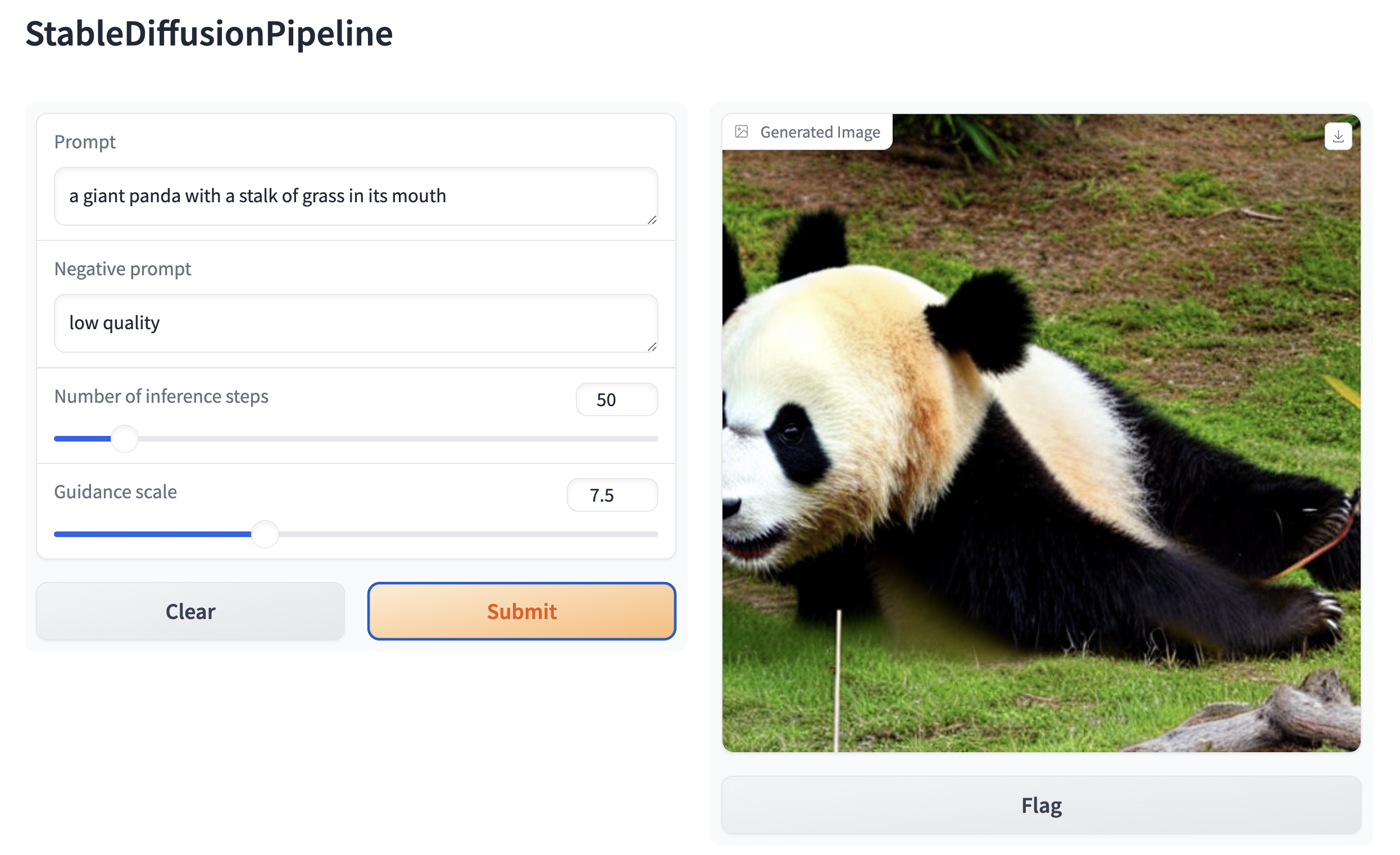
|
||||
|
||||
Similarly, you could create a demo for an image-to-image pipeline with:
|
||||
|
||||
```py
|
||||
from diffusers import StableDiffusionImg2ImgPipeline
|
||||
import gradio as gr
|
||||
|
||||
|
||||
pipe = StableDiffusionImg2ImgPipeline.from_pretrained("runwayml/stable-diffusion-v1-5")
|
||||
|
||||
gr.Interface.from_pipeline(pipe).launch()
|
||||
```
|
||||
|
||||
By default, the web demo runs on a local server. If you'd like to share it with others, you can generate a temporary public
|
||||
link by setting `share=True` in `launch()`. Or, you can host your demo on [Hugging Face Spaces](https://huggingface.co/spaces)https://huggingface.co/spaces for a permanent link.
|
||||
@@ -88,7 +88,7 @@ accelerate config default
|
||||
|
||||
Or if your environment doesn't support an interactive shell, like a notebook, you can use:
|
||||
|
||||
```bash
|
||||
```py
|
||||
from accelerate.utils import write_basic_config
|
||||
|
||||
write_basic_config()
|
||||
|
||||
@@ -54,7 +54,7 @@ accelerate config default
|
||||
|
||||
Or if your environment doesn't support an interactive shell, like a notebook, you can use:
|
||||
|
||||
```bash
|
||||
```py
|
||||
from accelerate.utils import write_basic_config
|
||||
|
||||
write_basic_config()
|
||||
@@ -84,7 +84,7 @@ Many of the basic parameters are described in the [DreamBooth](dreambooth#script
|
||||
- `--freeze_model`: freezes the key and value parameters in the cross-attention layer; the default is `crossattn_kv`, but you can set it to `crossattn` to train all the parameters in the cross-attention layer
|
||||
- `--concepts_list`: to learn multiple concepts, provide a path to a JSON file containing the concepts
|
||||
- `--modifier_token`: a special word used to represent the learned concept
|
||||
- `--initializer_token`:
|
||||
- `--initializer_token`: a special word used to initialize the embeddings of the `modifier_token`
|
||||
|
||||
### Prior preservation loss
|
||||
|
||||
|
||||
@@ -67,7 +67,7 @@ accelerate config default
|
||||
|
||||
Or if your environment doesn't support an interactive shell, like a notebook, you can use:
|
||||
|
||||
```bash
|
||||
```py
|
||||
from accelerate.utils import write_basic_config
|
||||
|
||||
write_basic_config()
|
||||
@@ -180,7 +180,7 @@ elif args.pretrained_model_name_or_path:
|
||||
revision=args.revision,
|
||||
use_fast=False,
|
||||
)
|
||||
|
||||
|
||||
# Load scheduler and models
|
||||
noise_scheduler = DDPMScheduler.from_pretrained(args.pretrained_model_name_or_path, subfolder="scheduler")
|
||||
text_encoder = text_encoder_cls.from_pretrained(
|
||||
|
||||
@@ -51,7 +51,7 @@ accelerate config default
|
||||
|
||||
Or if your environment doesn't support an interactive shell, like a notebook, you can use:
|
||||
|
||||
```bash
|
||||
```py
|
||||
from accelerate.utils import write_basic_config
|
||||
|
||||
write_basic_config()
|
||||
@@ -89,7 +89,7 @@ The dataset preprocessing code and training loop are found in the [`main()`](htt
|
||||
|
||||
As with the script parameters, a walkthrough of the training script is provided in the [Text-to-image](text2image#training-script) training guide. Instead, this guide takes a look at the InstructPix2Pix relevant parts of the script.
|
||||
|
||||
The script begins by modifing the [number of input channels](https://github.com/huggingface/diffusers/blob/64603389da01082055a901f2883c4810d1144edb/examples/instruct_pix2pix/train_instruct_pix2pix.py#L445) in the first convolutional layer of the UNet to account for InstructPix2Pix's additional conditioning image:
|
||||
The script begins by modifying the [number of input channels](https://github.com/huggingface/diffusers/blob/64603389da01082055a901f2883c4810d1144edb/examples/instruct_pix2pix/train_instruct_pix2pix.py#L445) in the first convolutional layer of the UNet to account for InstructPix2Pix's additional conditioning image:
|
||||
|
||||
```py
|
||||
in_channels = 8
|
||||
|
||||
@@ -59,7 +59,7 @@ accelerate config default
|
||||
|
||||
Or if your environment doesn't support an interactive shell, like a notebook, you can use:
|
||||
|
||||
```bash
|
||||
```py
|
||||
from accelerate.utils import write_basic_config
|
||||
|
||||
write_basic_config()
|
||||
@@ -235,7 +235,7 @@ accelerate launch --mixed_precision="fp16" train_text_to_image_prior.py \
|
||||
--validation_prompts="A robot pokemon, 4k photo" \
|
||||
--report_to="wandb" \
|
||||
--push_to_hub \
|
||||
--output_dir="kandi2-prior-pokemon-model"
|
||||
--output_dir="kandi2-prior-pokemon-model"
|
||||
```
|
||||
|
||||
</hfoption>
|
||||
@@ -259,7 +259,7 @@ accelerate launch --mixed_precision="fp16" train_text_to_image_decoder.py \
|
||||
--validation_prompts="A robot pokemon, 4k photo" \
|
||||
--report_to="wandb" \
|
||||
--push_to_hub \
|
||||
--output_dir="kandi2-decoder-pokemon-model"
|
||||
--output_dir="kandi2-decoder-pokemon-model"
|
||||
```
|
||||
|
||||
</hfoption>
|
||||
|
||||
@@ -53,7 +53,7 @@ accelerate config default
|
||||
|
||||
Or if your environment doesn't support an interactive shell, like a notebook, you can use:
|
||||
|
||||
```bash
|
||||
```py
|
||||
from accelerate.utils import write_basic_config
|
||||
|
||||
write_basic_config()
|
||||
@@ -252,4 +252,4 @@ The SDXL training script is discussed in more detail in the [SDXL training](sdxl
|
||||
Congratulations on distilling a LCM model! To learn more about LCM, the following may be helpful:
|
||||
|
||||
- Learn how to use [LCMs for inference](../using-diffusers/lcm) for text-to-image, image-to-image, and with LoRA checkpoints.
|
||||
- Read the [SDXL in 4 steps with Latent Consistency LoRAs](https://huggingface.co/blog/lcm_lora) blog post to learn more about SDXL LCM-LoRA's for super fast inference, quality comparisons, benchmarks, and more.
|
||||
- Read the [SDXL in 4 steps with Latent Consistency LoRAs](https://huggingface.co/blog/lcm_lora) blog post to learn more about SDXL LCM-LoRA's for super fast inference, quality comparisons, benchmarks, and more.
|
||||
|
||||
@@ -59,7 +59,7 @@ accelerate config default
|
||||
|
||||
Or if your environment doesn't support an interactive shell, like a notebook, you can use:
|
||||
|
||||
```bash
|
||||
```py
|
||||
from accelerate.utils import write_basic_config
|
||||
|
||||
write_basic_config()
|
||||
|
||||
@@ -53,7 +53,7 @@ accelerate config default
|
||||
|
||||
Or if your environment doesn't support an interactive shell, like a notebook, you can use:
|
||||
|
||||
```bash
|
||||
```py
|
||||
from accelerate.utils import write_basic_config
|
||||
|
||||
write_basic_config()
|
||||
|
||||
@@ -69,7 +69,7 @@ accelerate config default
|
||||
|
||||
Or if your environment doesn't support an interactive shell, like a notebook, you can use:
|
||||
|
||||
```bash
|
||||
```py
|
||||
from accelerate.utils import write_basic_config
|
||||
|
||||
write_basic_config()
|
||||
|
||||
@@ -67,7 +67,7 @@ accelerate config default
|
||||
|
||||
Or if your environment doesn't support an interactive shell, like a notebook, you can use:
|
||||
|
||||
```bash
|
||||
```py
|
||||
from accelerate.utils import write_basic_config
|
||||
|
||||
write_basic_config()
|
||||
|
||||
@@ -51,7 +51,7 @@ accelerate config default
|
||||
|
||||
Or if your environment doesn't support an interactive shell like a notebook, you can use:
|
||||
|
||||
```bash
|
||||
```py
|
||||
from accelerate.utils import write_basic_config
|
||||
|
||||
write_basic_config()
|
||||
|
||||
@@ -53,7 +53,7 @@ accelerate config default
|
||||
|
||||
Or if your environment doesn't support an interactive shell, like a notebook, you can use:
|
||||
|
||||
```bash
|
||||
```py
|
||||
from accelerate.utils import write_basic_config
|
||||
|
||||
write_basic_config()
|
||||
@@ -173,7 +173,7 @@ pipeline = AutoPipelineForText2Image.from_pretrained("path/to/saved/model", torc
|
||||
|
||||
caption = "A cute bird pokemon holding a shield"
|
||||
images = pipeline(
|
||||
caption,
|
||||
caption,
|
||||
width=1024,
|
||||
height=1536,
|
||||
prior_timesteps=DEFAULT_STAGE_C_TIMESTEPS,
|
||||
|
||||
@@ -45,7 +45,7 @@ Make sure to include the token `toy_face` in the prompt and then you can perform
|
||||
```python
|
||||
prompt = "toy_face of a hacker with a hoodie"
|
||||
|
||||
lora_scale= 0.9
|
||||
lora_scale = 0.9
|
||||
image = pipe(
|
||||
prompt, num_inference_steps=30, cross_attention_kwargs={"scale": lora_scale}, generator=torch.manual_seed(0)
|
||||
).images[0]
|
||||
@@ -114,7 +114,7 @@ To return to only using one adapter, use the [`~diffusers.loaders.UNet2DConditio
|
||||
pipe.set_adapters("toy")
|
||||
|
||||
prompt = "toy_face of a hacker with a hoodie"
|
||||
lora_scale= 0.9
|
||||
lora_scale = 0.9
|
||||
image = pipe(
|
||||
prompt, num_inference_steps=30, cross_attention_kwargs={"scale": lora_scale}, generator=torch.manual_seed(0)
|
||||
).images[0]
|
||||
@@ -127,11 +127,68 @@ Or to disable all adapters entirely, use the [`~diffusers.loaders.UNet2DConditio
|
||||
pipe.disable_lora()
|
||||
|
||||
prompt = "toy_face of a hacker with a hoodie"
|
||||
lora_scale= 0.9
|
||||
image = pipe(prompt, num_inference_steps=30, generator=torch.manual_seed(0)).images[0]
|
||||
image
|
||||
```
|
||||
|
||||
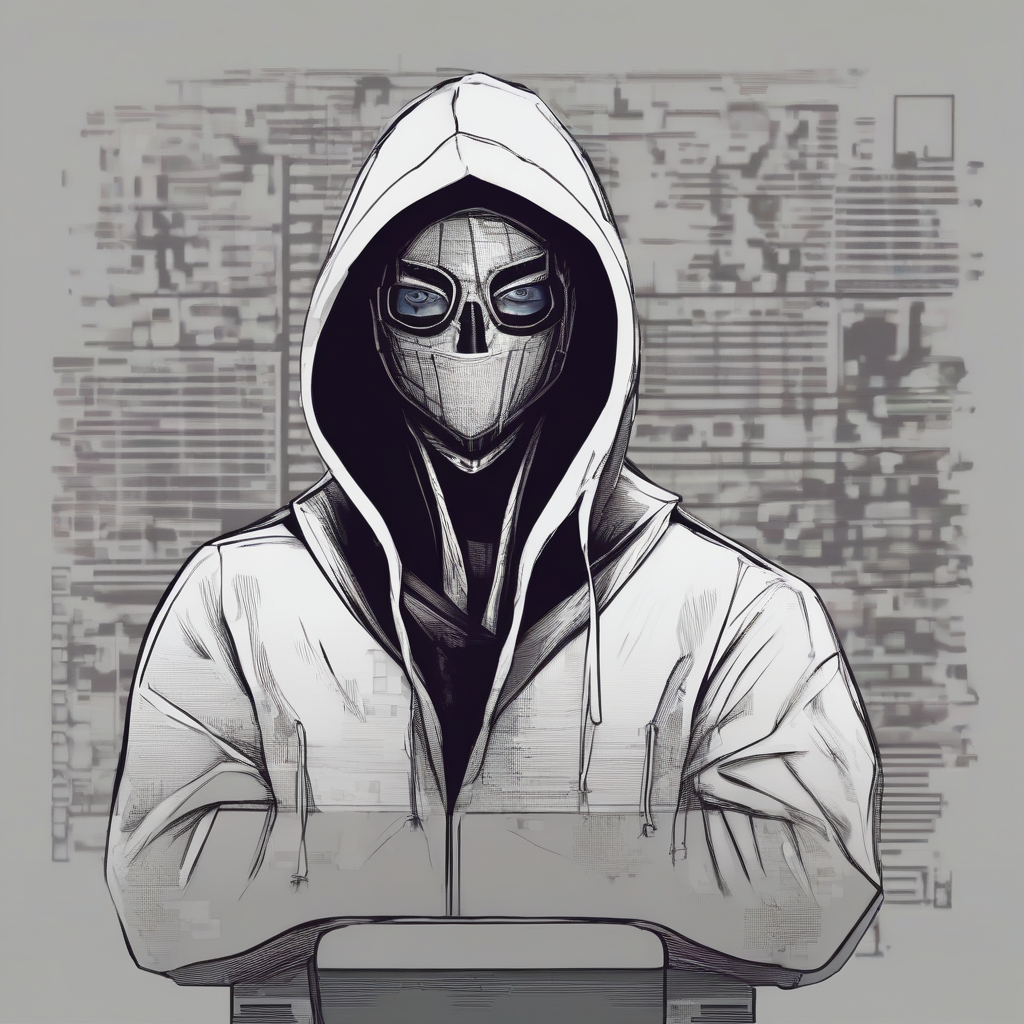
|
||||
|
||||
### Customize adapters strength
|
||||
For even more customization, you can control how strongly the adapter affects each part of the pipeline. For this, pass a dictionary with the control strengths (called "scales") to [`~diffusers.loaders.UNet2DConditionLoadersMixin.set_adapters`].
|
||||
|
||||
For example, here's how you can turn on the adapter for the `down` parts, but turn it off for the `mid` and `up` parts:
|
||||
```python
|
||||
pipe.enable_lora() # enable lora again, after we disabled it above
|
||||
prompt = "toy_face of a hacker with a hoodie, pixel art"
|
||||
adapter_weight_scales = { "unet": { "down": 1, "mid": 0, "up": 0} }
|
||||
pipe.set_adapters("pixel", adapter_weight_scales)
|
||||
image = pipe(prompt, num_inference_steps=30, generator=torch.manual_seed(0)).images[0]
|
||||
image
|
||||
```
|
||||
|
||||
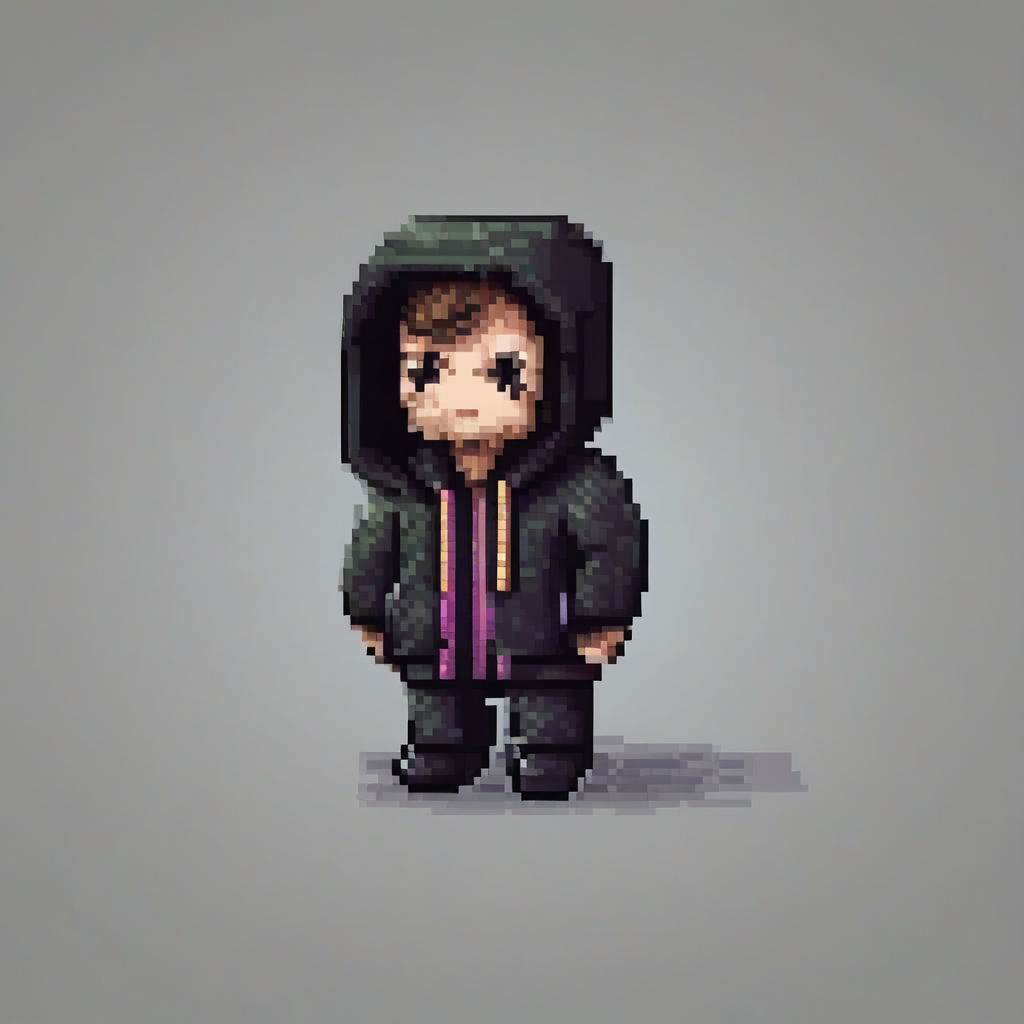
|
||||
|
||||
Let's see how turning off the `down` part and turning on the `mid` and `up` part respectively changes the image.
|
||||
```python
|
||||
adapter_weight_scales = { "unet": { "down": 0, "mid": 1, "up": 0} }
|
||||
pipe.set_adapters("pixel", adapter_weight_scales)
|
||||
image = pipe(prompt, num_inference_steps=30, generator=torch.manual_seed(0)).images[0]
|
||||
image
|
||||
```
|
||||
|
||||
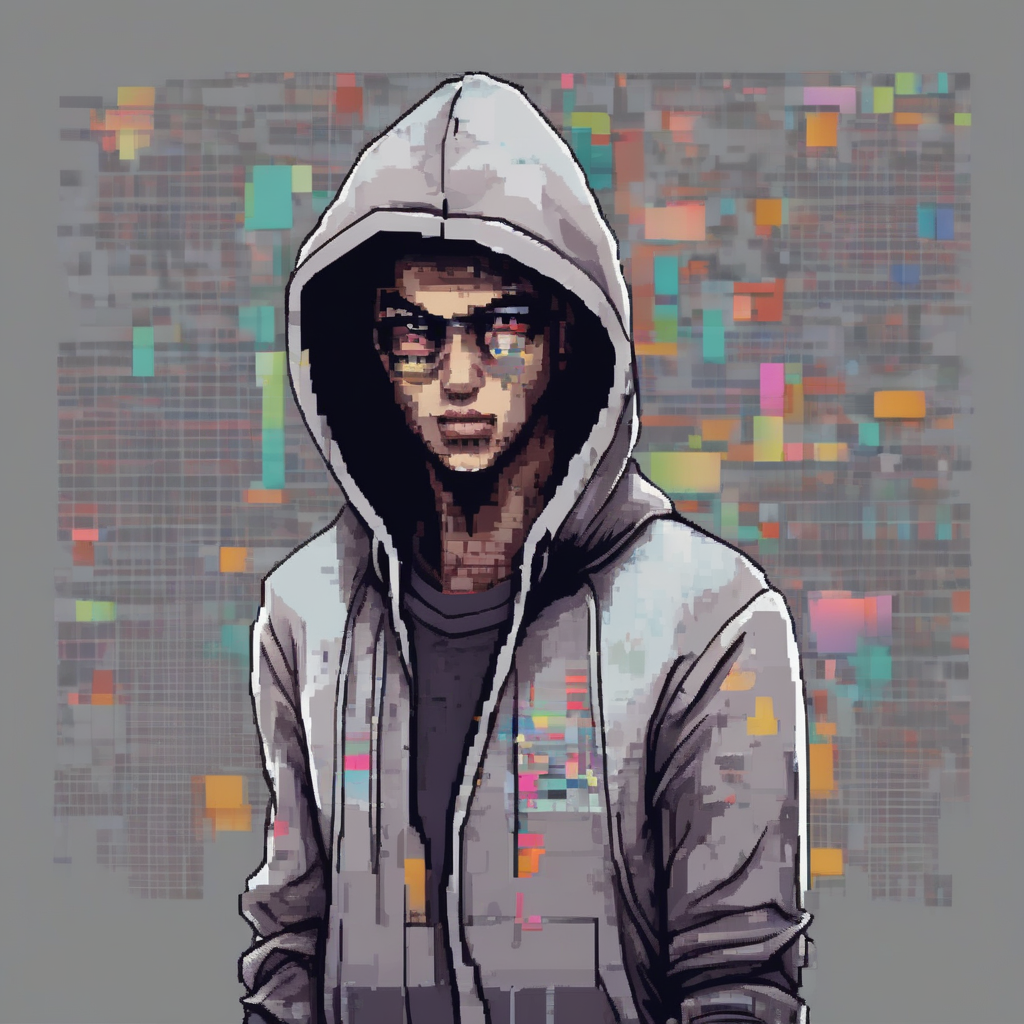
|
||||
|
||||
```python
|
||||
adapter_weight_scales = { "unet": { "down": 0, "mid": 0, "up": 1} }
|
||||
pipe.set_adapters("pixel", adapter_weight_scales)
|
||||
image = pipe(prompt, num_inference_steps=30, generator=torch.manual_seed(0)).images[0]
|
||||
image
|
||||
```
|
||||
|
||||
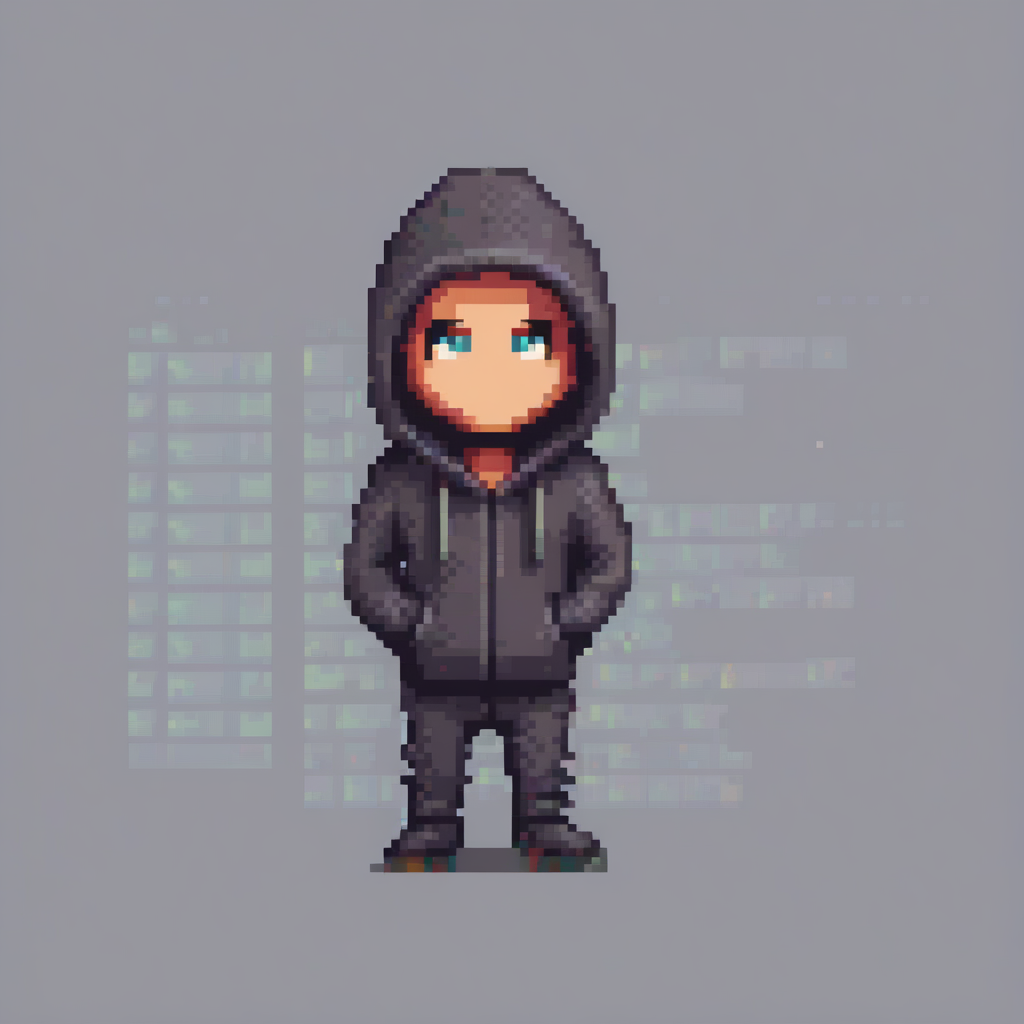
|
||||
|
||||
Looks cool!
|
||||
|
||||
This is a really powerful feature. You can use it to control the adapter strengths down to per-transformer level. And you can even use it for multiple adapters.
|
||||
```python
|
||||
adapter_weight_scales_toy = 0.5
|
||||
adapter_weight_scales_pixel = {
|
||||
"unet": {
|
||||
"down": 0.9, # all transformers in the down-part will use scale 0.9
|
||||
# "mid" # because, in this example, "mid" is not given, all transformers in the mid part will use the default scale 1.0
|
||||
"up": {
|
||||
"block_0": 0.6, # all 3 transformers in the 0th block in the up-part will use scale 0.6
|
||||
"block_1": [0.4, 0.8, 1.0], # the 3 transformers in the 1st block in the up-part will use scales 0.4, 0.8 and 1.0 respectively
|
||||
}
|
||||
}
|
||||
}
|
||||
pipe.set_adapters(["toy", "pixel"], [adapter_weight_scales_toy, adapter_weight_scales_pixel])
|
||||
image = pipe(prompt, num_inference_steps=30, generator=torch.manual_seed(0)).images[0]
|
||||
image
|
||||
```
|
||||
|
||||
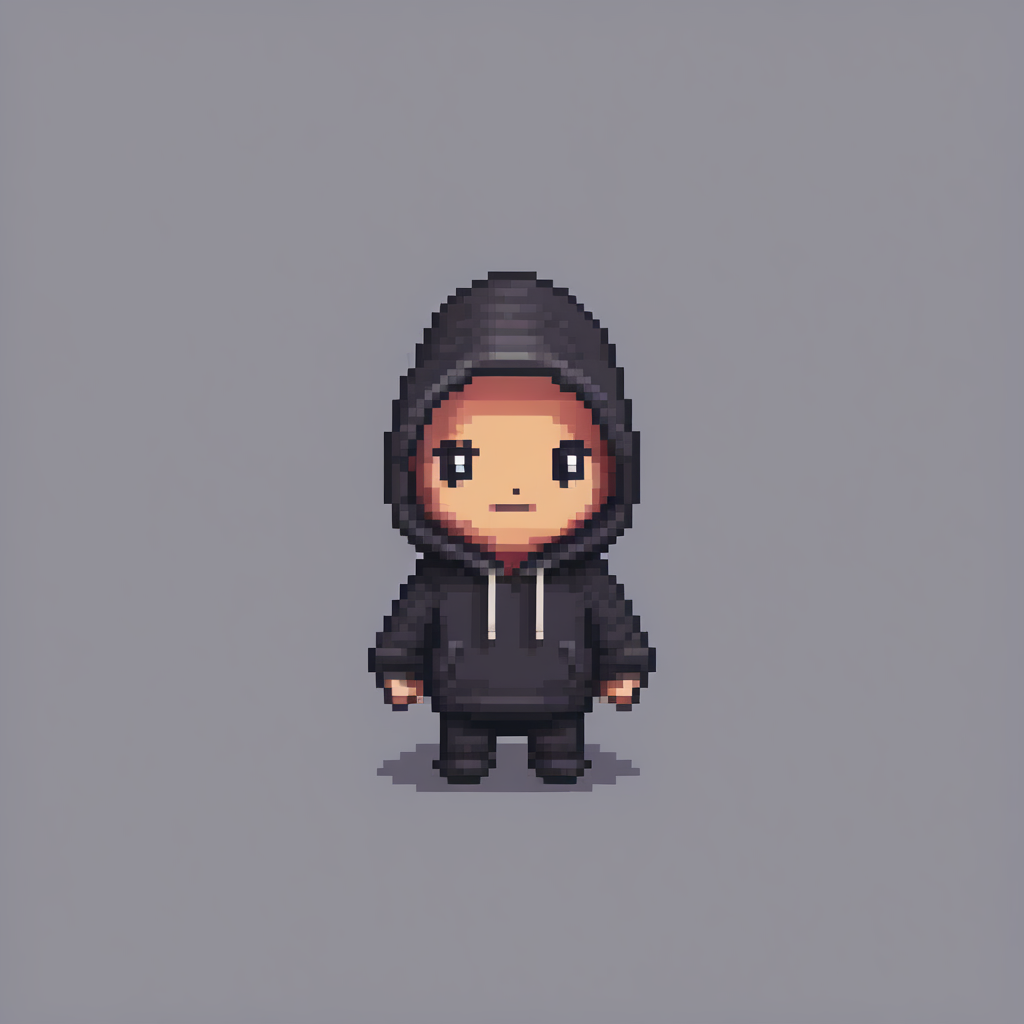
|
||||
|
||||
## Manage active adapters
|
||||
|
||||
You have attached multiple adapters in this tutorial, and if you're feeling a bit lost on what adapters have been attached to the pipeline's components, use the [`~diffusers.loaders.LoraLoaderMixin.get_active_adapters`] method to check the list of active adapters:
|
||||
|
||||
@@ -239,5 +239,7 @@ pipeline.to("cuda")
|
||||
prompt = "柴犬、カラフルアート"
|
||||
|
||||
image = pipeline(prompt=prompt).images[0]
|
||||
```
|
||||
|
||||
```
|
||||
> [!TIP]
|
||||
> When using `trust_remote_code=True`, it is also strongly encouraged to pass a commit hash as a `revision` to make sure the author of the models did not update the code with some malicious new lines (unless you fully trust the authors of the models).
|
||||
@@ -60,6 +60,23 @@ repo_id = "runwayml/stable-diffusion-v1-5"
|
||||
pipe = StableDiffusionImg2ImgPipeline.from_pretrained(repo_id)
|
||||
```
|
||||
|
||||
You can use the Space below to gauge the memory requirements of a pipeline you want to load beforehand without downloading the pipeline checkpoints:
|
||||
|
||||
<div class="block dark:hidden">
|
||||
<iframe
|
||||
src="https://diffusers-compute-pipeline-size.hf.space?__theme=light"
|
||||
width="850"
|
||||
height="1600"
|
||||
></iframe>
|
||||
</div>
|
||||
<div class="hidden dark:block">
|
||||
<iframe
|
||||
src="https://diffusers-compute-pipeline-size.hf.space?__theme=dark"
|
||||
width="850"
|
||||
height="1600"
|
||||
></iframe>
|
||||
</div>
|
||||
|
||||
### Local pipeline
|
||||
|
||||
To load a diffusion pipeline locally, use [`git-lfs`](https://git-lfs.github.com/) to manually download the checkpoint (in this case, [`runwayml/stable-diffusion-v1-5`](https://huggingface.co/runwayml/stable-diffusion-v1-5)) to your local disk. This creates a local folder, `./stable-diffusion-v1-5`, on your disk:
|
||||
|
||||
@@ -153,18 +153,43 @@ image
|
||||
<img src="https://huggingface.co/datasets/huggingface/documentation-images/resolve/main/diffusers/load_attn_proc.png" />
|
||||
</div>
|
||||
|
||||
<Tip>
|
||||
|
||||
For both [`~loaders.LoraLoaderMixin.load_lora_weights`] and [`~loaders.UNet2DConditionLoadersMixin.load_attn_procs`], you can pass the `cross_attention_kwargs={"scale": 0.5}` parameter to adjust how much of the LoRA weights to use. A value of `0` is the same as only using the base model weights, and a value of `1` is equivalent to using the fully finetuned LoRA.
|
||||
|
||||
</Tip>
|
||||
|
||||
To unload the LoRA weights, use the [`~loaders.LoraLoaderMixin.unload_lora_weights`] method to discard the LoRA weights and restore the model to its original weights:
|
||||
|
||||
```py
|
||||
pipeline.unload_lora_weights()
|
||||
```
|
||||
|
||||
### Adjust LoRA weight scale
|
||||
|
||||
For both [`~loaders.LoraLoaderMixin.load_lora_weights`] and [`~loaders.UNet2DConditionLoadersMixin.load_attn_procs`], you can pass the `cross_attention_kwargs={"scale": 0.5}` parameter to adjust how much of the LoRA weights to use. A value of `0` is the same as only using the base model weights, and a value of `1` is equivalent to using the fully finetuned LoRA.
|
||||
|
||||
For more granular control on the amount of LoRA weights used per layer, you can use [`~loaders.LoraLoaderMixin.set_adapters`] and pass a dictionary specifying by how much to scale the weights in each layer by.
|
||||
```python
|
||||
pipe = ... # create pipeline
|
||||
pipe.load_lora_weights(..., adapter_name="my_adapter")
|
||||
scales = {
|
||||
"text_encoder": 0.5,
|
||||
"text_encoder_2": 0.5, # only usable if pipe has a 2nd text encoder
|
||||
"unet": {
|
||||
"down": 0.9, # all transformers in the down-part will use scale 0.9
|
||||
# "mid" # in this example "mid" is not given, therefore all transformers in the mid part will use the default scale 1.0
|
||||
"up": {
|
||||
"block_0": 0.6, # all 3 transformers in the 0th block in the up-part will use scale 0.6
|
||||
"block_1": [0.4, 0.8, 1.0], # the 3 transformers in the 1st block in the up-part will use scales 0.4, 0.8 and 1.0 respectively
|
||||
}
|
||||
}
|
||||
}
|
||||
pipe.set_adapters("my_adapter", scales)
|
||||
```
|
||||
|
||||
This also works with multiple adapters - see [this guide](https://huggingface.co/docs/diffusers/tutorials/using_peft_for_inference#customize-adapters-strength) for how to do it.
|
||||
|
||||
<Tip warning={true}>
|
||||
|
||||
Currently, [`~loaders.LoraLoaderMixin.set_adapters`] only supports scaling attention weights. If a LoRA has other parts (e.g., resnets or down-/upsamplers), they will keep a scale of 1.0.
|
||||
|
||||
</Tip>
|
||||
|
||||
### Kohya and TheLastBen
|
||||
|
||||
Other popular LoRA trainers from the community include those by [Kohya](https://github.com/kohya-ss/sd-scripts/) and [TheLastBen](https://github.com/TheLastBen/fast-stable-diffusion). These trainers create different LoRA checkpoints than those trained by 🤗 Diffusers, but they can still be loaded in the same way.
|
||||
|
||||
@@ -21,7 +21,7 @@ This guide will show you how to use SVD to generate short videos from images.
|
||||
Before you begin, make sure you have the following libraries installed:
|
||||
|
||||
```py
|
||||
!pip install -q -U diffusers transformers accelerate
|
||||
!pip install -q -U diffusers transformers accelerate
|
||||
```
|
||||
|
||||
The are two variants of this model, [SVD](https://huggingface.co/stabilityai/stable-video-diffusion-img2vid) and [SVD-XT](https://huggingface.co/stabilityai/stable-video-diffusion-img2vid-xt). The SVD checkpoint is trained to generate 14 frames and the SVD-XT checkpoint is further finetuned to generate 25 frames.
|
||||
@@ -86,7 +86,7 @@ Video generation is very memory intensive because you're essentially generating
|
||||
+ frames = pipe(image, decode_chunk_size=2, generator=generator, num_frames=25).frames[0]
|
||||
```
|
||||
|
||||
Using all these tricks togethere should lower the memory requirement to less than 8GB VRAM.
|
||||
Using all these tricks together should lower the memory requirement to less than 8GB VRAM.
|
||||
|
||||
## Micro-conditioning
|
||||
|
||||
|
||||
@@ -12,7 +12,7 @@ specific language governing permissions and limitations under the License.
|
||||
|
||||
# 메모리와 속도
|
||||
|
||||
메모리 또는 속도에 대해 🤗 Diffusers *추론*을 최적화하기 위한 몇 가지 기술과 아이디어를 제시합니다.
|
||||
메모리 또는 속도에 대해 🤗 Diffusers *추론*을 최적화하기 위한 몇 가지 기술과 아이디어를 제시합니다.
|
||||
일반적으로, memory-efficient attention을 위해 [xFormers](https://github.com/facebookresearch/xformers) 사용을 추천하기 때문에, 추천하는 [설치 방법](xformers)을 보고 설치해 보세요.
|
||||
|
||||
다음 설정이 성능과 메모리에 미치는 영향에 대해 설명합니다.
|
||||
@@ -27,7 +27,7 @@ specific language governing permissions and limitations under the License.
|
||||
| memory-efficient attention | 2.63s | x3.61 |
|
||||
|
||||
<em>
|
||||
NVIDIA TITAN RTX에서 50 DDIM 스텝의 "a photo of an astronaut riding a horse on mars" 프롬프트로 512x512 크기의 단일 이미지를 생성하였습니다.
|
||||
NVIDIA TITAN RTX에서 50 DDIM 스텝의 "a photo of an astronaut riding a horse on mars" 프롬프트로 512x512 크기의 단일 이미지를 생성하였습니다.
|
||||
</em>
|
||||
|
||||
## cuDNN auto-tuner 활성화하기
|
||||
@@ -44,11 +44,11 @@ torch.backends.cudnn.benchmark = True
|
||||
|
||||
### fp32 대신 tf32 사용하기 (Ampere 및 이후 CUDA 장치들에서)
|
||||
|
||||
Ampere 및 이후 CUDA 장치에서 행렬곱 및 컨볼루션은 TensorFloat32(TF32) 모드를 사용하여 더 빠르지만 약간 덜 정확할 수 있습니다.
|
||||
기본적으로 PyTorch는 컨볼루션에 대해 TF32 모드를 활성화하지만 행렬 곱셈은 활성화하지 않습니다.
|
||||
네트워크에 완전한 float32 정밀도가 필요한 경우가 아니면 행렬 곱셈에 대해서도 이 설정을 활성화하는 것이 좋습니다.
|
||||
이는 일반적으로 무시할 수 있는 수치의 정확도 손실이 있지만, 계산 속도를 크게 높일 수 있습니다.
|
||||
그것에 대해 [여기](https://huggingface.co/docs/transformers/v4.18.0/en/performance#tf32)서 더 읽을 수 있습니다.
|
||||
Ampere 및 이후 CUDA 장치에서 행렬곱 및 컨볼루션은 TensorFloat32(TF32) 모드를 사용하여 더 빠르지만 약간 덜 정확할 수 있습니다.
|
||||
기본적으로 PyTorch는 컨볼루션에 대해 TF32 모드를 활성화하지만 행렬 곱셈은 활성화하지 않습니다.
|
||||
네트워크에 완전한 float32 정밀도가 필요한 경우가 아니면 행렬 곱셈에 대해서도 이 설정을 활성화하는 것이 좋습니다.
|
||||
이는 일반적으로 무시할 수 있는 수치의 정확도 손실이 있지만, 계산 속도를 크게 높일 수 있습니다.
|
||||
그것에 대해 [여기](https://huggingface.co/docs/transformers/v4.18.0/en/performance#tf32)서 더 읽을 수 있습니다.
|
||||
추론하기 전에 다음을 추가하기만 하면 됩니다:
|
||||
|
||||
```python
|
||||
@@ -59,13 +59,13 @@ torch.backends.cuda.matmul.allow_tf32 = True
|
||||
|
||||
## 반정밀도 가중치
|
||||
|
||||
더 많은 GPU 메모리를 절약하고 더 빠른 속도를 얻기 위해 모델 가중치를 반정밀도(half precision)로 직접 불러오고 실행할 수 있습니다.
|
||||
더 많은 GPU 메모리를 절약하고 더 빠른 속도를 얻기 위해 모델 가중치를 반정밀도(half precision)로 직접 불러오고 실행할 수 있습니다.
|
||||
여기에는 `fp16`이라는 브랜치에 저장된 float16 버전의 가중치를 불러오고, 그 때 `float16` 유형을 사용하도록 PyTorch에 지시하는 작업이 포함됩니다.
|
||||
|
||||
```Python
|
||||
pipe = StableDiffusionPipeline.from_pretrained(
|
||||
"runwayml/stable-diffusion-v1-5",
|
||||
|
||||
|
||||
torch_dtype=torch.float16,
|
||||
)
|
||||
pipe = pipe.to("cuda")
|
||||
@@ -75,7 +75,7 @@ image = pipe(prompt).images[0]
|
||||
```
|
||||
|
||||
<Tip warning={true}>
|
||||
어떤 파이프라인에서도 [`torch.autocast`](https://pytorch.org/docs/stable/amp.html#torch.autocast) 를 사용하는 것은 검은색 이미지를 생성할 수 있고, 순수한 float16 정밀도를 사용하는 것보다 항상 느리기 때문에 사용하지 않는 것이 좋습니다.
|
||||
어떤 파이프라인에서도 [`torch.autocast`](https://pytorch.org/docs/stable/amp.html#torch.autocast) 를 사용하는 것은 검은색 이미지를 생성할 수 있고, 순수한 float16 정밀도를 사용하는 것보다 항상 느리기 때문에 사용하지 않는 것이 좋습니다.
|
||||
</Tip>
|
||||
|
||||
## 추가 메모리 절약을 위한 슬라이스 어텐션
|
||||
@@ -95,7 +95,7 @@ from diffusers import StableDiffusionPipeline
|
||||
|
||||
pipe = StableDiffusionPipeline.from_pretrained(
|
||||
"runwayml/stable-diffusion-v1-5",
|
||||
|
||||
|
||||
torch_dtype=torch.float16,
|
||||
)
|
||||
pipe = pipe.to("cuda")
|
||||
@@ -122,7 +122,7 @@ from diffusers import StableDiffusionPipeline
|
||||
|
||||
pipe = StableDiffusionPipeline.from_pretrained(
|
||||
"runwayml/stable-diffusion-v1-5",
|
||||
|
||||
|
||||
torch_dtype=torch.float16,
|
||||
)
|
||||
pipe = pipe.to("cuda")
|
||||
@@ -148,7 +148,7 @@ from diffusers import StableDiffusionPipeline
|
||||
|
||||
pipe = StableDiffusionPipeline.from_pretrained(
|
||||
"runwayml/stable-diffusion-v1-5",
|
||||
|
||||
|
||||
torch_dtype=torch.float16,
|
||||
)
|
||||
|
||||
@@ -165,7 +165,7 @@ image = pipe(prompt).images[0]
|
||||
또 다른 최적화 방법인 <a href="#model_offloading">모델 오프로딩</a>을 사용하는 것을 고려하십시오. 이는 훨씬 빠르지만 메모리 절약이 크지는 않습니다.
|
||||
</Tip>
|
||||
|
||||
또한 ttention slicing과 연결해서 최소 메모리(< 2GB)로도 동작할 수 있습니다.
|
||||
또한 ttention slicing과 연결해서 최소 메모리(< 2GB)로도 동작할 수 있습니다.
|
||||
|
||||
|
||||
```Python
|
||||
@@ -174,7 +174,7 @@ from diffusers import StableDiffusionPipeline
|
||||
|
||||
pipe = StableDiffusionPipeline.from_pretrained(
|
||||
"runwayml/stable-diffusion-v1-5",
|
||||
|
||||
|
||||
torch_dtype=torch.float16,
|
||||
)
|
||||
|
||||
@@ -204,7 +204,7 @@ import torch
|
||||
from diffusers import StableDiffusionPipeline
|
||||
|
||||
pipe = StableDiffusionPipeline.from_pretrained(
|
||||
"runwayml/stable-diffusion-v1-5",
|
||||
"runwayml/stable-diffusion-v1-5",
|
||||
torch_dtype=torch.float16,
|
||||
)
|
||||
|
||||
@@ -355,7 +355,7 @@ unet_traced = torch.jit.load("unet_traced.pt")
|
||||
class TracedUNet(torch.nn.Module):
|
||||
def __init__(self):
|
||||
super().__init__()
|
||||
self.in_channels = pipe.unet.in_channels
|
||||
self.in_channels = pipe.unet.config.in_channels
|
||||
self.device = pipe.unet.device
|
||||
|
||||
def forward(self, latent_model_input, t, encoder_hidden_states):
|
||||
@@ -387,7 +387,7 @@ with torch.inference_mode():
|
||||
| A100-SXM4-40GB | 18.6it/s | 29.it/s |
|
||||
| A100-SXM-80GB | 18.7it/s | 29.5it/s |
|
||||
|
||||
이를 활용하려면 다음을 만족해야 합니다:
|
||||
이를 활용하려면 다음을 만족해야 합니다:
|
||||
- PyTorch > 1.12
|
||||
- Cuda 사용 가능
|
||||
- [xformers 라이브러리를 설치함](xformers)
|
||||
|
||||
@@ -14,7 +14,7 @@ specific language governing permissions and limitations under the License.
|
||||
|
||||
[[open-in-colab]]
|
||||
|
||||
🧨 Diffusers는 사용자 친화적이며 유연한 도구 상자로, 사용사례에 맞게 diffusion 시스템을 구축 할 수 있도록 설계되었습니다. 이 도구 상자의 핵심은 모델과 스케줄러입니다. [`DiffusionPipeline`]은 편의를 위해 이러한 구성 요소를 번들로 제공하지만, 파이프라인을 분리하고 모델과 스케줄러를 개별적으로 사용해 새로운 diffusion 시스템을 만들 수도 있습니다.
|
||||
🧨 Diffusers는 사용자 친화적이며 유연한 도구 상자로, 사용사례에 맞게 diffusion 시스템을 구축 할 수 있도록 설계되었습니다. 이 도구 상자의 핵심은 모델과 스케줄러입니다. [`DiffusionPipeline`]은 편의를 위해 이러한 구성 요소를 번들로 제공하지만, 파이프라인을 분리하고 모델과 스케줄러를 개별적으로 사용해 새로운 diffusion 시스템을 만들 수도 있습니다.
|
||||
|
||||
이 튜토리얼에서는 기본 파이프라인부터 시작해 Stable Diffusion 파이프라인까지 진행하며 모델과 스케줄러를 사용해 추론을 위한 diffusion 시스템을 조립하는 방법을 배웁니다.
|
||||
|
||||
@@ -36,7 +36,7 @@ specific language governing permissions and limitations under the License.
|
||||
|
||||
정말 쉽습니다. 그런데 파이프라인은 어떻게 이렇게 할 수 있었을까요? 파이프라인을 세분화하여 내부에서 어떤 일이 일어나고 있는지 살펴보겠습니다.
|
||||
|
||||
위 예시에서 파이프라인에는 [`UNet2DModel`] 모델과 [`DDPMScheduler`]가 포함되어 있습니다. 파이프라인은 원하는 출력 크기의 랜덤 노이즈를 받아 모델을 여러번 통과시켜 이미지의 노이즈를 제거합니다. 각 timestep에서 모델은 *noise residual*을 예측하고 스케줄러는 이를 사용하여 노이즈가 적은 이미지를 예측합니다. 파이프라인은 지정된 추론 스텝수에 도달할 때까지 이 과정을 반복합니다.
|
||||
위 예시에서 파이프라인에는 [`UNet2DModel`] 모델과 [`DDPMScheduler`]가 포함되어 있습니다. 파이프라인은 원하는 출력 크기의 랜덤 노이즈를 받아 모델을 여러번 통과시켜 이미지의 노이즈를 제거합니다. 각 timestep에서 모델은 *noise residual*을 예측하고 스케줄러는 이를 사용하여 노이즈가 적은 이미지를 예측합니다. 파이프라인은 지정된 추론 스텝수에 도달할 때까지 이 과정을 반복합니다.
|
||||
|
||||
모델과 스케줄러를 별도로 사용하여 파이프라인을 다시 생성하기 위해 자체적인 노이즈 제거 프로세스를 작성해 보겠습니다.
|
||||
|
||||
@@ -210,7 +210,7 @@ Stable Diffusion 은 text-to-image *latent diffusion* 모델입니다. latent di
|
||||
|
||||
```py
|
||||
>>> latents = torch.randn(
|
||||
... (batch_size, unet.in_channels, height // 8, width // 8),
|
||||
... (batch_size, unet.config.in_channels, height // 8, width // 8),
|
||||
... generator=generator,
|
||||
... device=torch_device,
|
||||
... )
|
||||
|
||||
+1
-1
@@ -42,7 +42,7 @@ Training examples show how to pretrain or fine-tune diffusion models for a varie
|
||||
| [**Dreambooth**](./dreambooth) | ✅ | - | [](https://colab.research.google.com/github/huggingface/notebooks/blob/main/diffusers/sd_dreambooth_training.ipynb)
|
||||
| [**ControlNet**](./controlnet) | ✅ | ✅ | -
|
||||
| [**InstructPix2Pix**](./instruct_pix2pix) | ✅ | ✅ | -
|
||||
| [**Reinforcement Learning for Control**](https://github.com/huggingface/diffusers/blob/main/examples/reinforcement_learning/run_diffusers_locomotion.py) | - | - | coming soon.
|
||||
| [**Reinforcement Learning for Control**](./reinforcement_learning) | - | - | coming soon.
|
||||
|
||||
## Community
|
||||
|
||||
|
||||
@@ -308,6 +308,6 @@ accelerate launch train_dreambooth_lora_sdxl_advanced.py \
|
||||
Check out [these recommended practices](https://huggingface.co/blog/sdxl_lora_advanced_script#additional-good-practices)
|
||||
|
||||
## Running on Colab Notebook
|
||||
Check out [this notebook](https://colab.research.google.com/github/huggingface/notebooks/blob/main/diffusers/SDXL_DreamBooth_LoRA_advanced_example.ipynb).
|
||||
Check out [this notebook](https://colab.research.google.com/github/huggingface/notebooks/blob/main/diffusers/SDXL_Dreambooth_LoRA_advanced_example.ipynb).
|
||||
to train using the advanced features (including pivotal tuning), and [this notebook](https://colab.research.google.com/github/huggingface/notebooks/blob/main/diffusers/SDXL_DreamBooth_LoRA_.ipynb) to train on a free colab, using some of the advanced features (excluding pivotal tuning)
|
||||
|
||||
|
||||
@@ -70,7 +70,7 @@ from diffusers.utils.import_utils import is_xformers_available
|
||||
|
||||
|
||||
# Will error if the minimal version of diffusers is not installed. Remove at your own risks.
|
||||
check_min_version("0.27.0.dev0")
|
||||
check_min_version("0.28.0.dev0")
|
||||
|
||||
logger = get_logger(__name__)
|
||||
|
||||
@@ -656,7 +656,6 @@ def parse_args(input_args=None):
|
||||
)
|
||||
parser.add_argument(
|
||||
"--use_dora",
|
||||
type=bool,
|
||||
action="store_true",
|
||||
default=False,
|
||||
help=(
|
||||
|
||||
@@ -78,7 +78,7 @@ from diffusers.utils.torch_utils import is_compiled_module
|
||||
|
||||
|
||||
# Will error if the minimal version of diffusers is not installed. Remove at your own risks.
|
||||
check_min_version("0.27.0.dev0")
|
||||
check_min_version("0.28.0.dev0")
|
||||
|
||||
logger = get_logger(__name__)
|
||||
|
||||
|
||||
@@ -1,10 +1,12 @@
|
||||
# Community Examples
|
||||
# Community Pipeline Examples
|
||||
|
||||
> **For more information about community pipelines, please have a look at [this issue](https://github.com/huggingface/diffusers/issues/841).**
|
||||
|
||||
**Community** examples consist of both inference and training examples that have been added by the community.
|
||||
Please have a look at the following table to get an overview of all community examples. Click on the **Code Example** to get a copy-and-paste ready code example that you can try out.
|
||||
If a community doesn't work as expected, please open an issue and ping the author on it.
|
||||
**Community pipeline** examples consist pipelines that have been added by the community.
|
||||
Please have a look at the following tables to get an overview of all community examples. Click on the **Code Example** to get a copy-and-paste ready code example that you can try out.
|
||||
If a community pipeline doesn't work as expected, please open an issue and ping the author on it.
|
||||
|
||||
Please also check out our [Community Scripts](https://github.com/huggingface/diffusers/blob/main/examples/community/README_community_scripts.md) examples for tips and tricks that you can use with diffusers without having to run a community pipeline.
|
||||
|
||||
| Example | Description | Code Example | Colab | Author |
|
||||
|:--------------------------------------------------------------------------------------------------------------------------------------|:---------------------------------------------------------------------------------------------------------------------------------------------------------------------------------------------------------------------------------------------------------------------------------------------------------------------------------------------------------------------------------------------------------------------------------------------------------------------------------------------------------|:------------------------------------------------------------------------------------------|:-------------------------------------------------------------------------------------------------------------------------------------------------------------------------------------------------------------------|--------------------------------------------------------------:|
|
||||
@@ -83,14 +85,25 @@ This depth estimation pipeline processes a single input image through multiple d
|
||||
|
||||
```python
|
||||
import numpy as np
|
||||
import torch
|
||||
from PIL import Image
|
||||
from diffusers import DiffusionPipeline
|
||||
from diffusers.utils import load_image
|
||||
|
||||
# Original DDIM version (higher quality)
|
||||
pipe = DiffusionPipeline.from_pretrained(
|
||||
"Bingxin/Marigold",
|
||||
"prs-eth/marigold-v1-0",
|
||||
custom_pipeline="marigold_depth_estimation"
|
||||
# torch_dtype=torch.float16, # (optional) Run with half-precision (16-bit float).
|
||||
# variant="fp16", # (optional) Use with `torch_dtype=torch.float16`, to directly load fp16 checkpoint
|
||||
)
|
||||
|
||||
# (New) LCM version (faster speed)
|
||||
pipe = DiffusionPipeline.from_pretrained(
|
||||
"prs-eth/marigold-lcm-v1-0",
|
||||
custom_pipeline="marigold_depth_estimation"
|
||||
# torch_dtype=torch.float16, # (optional) Run with half-precision (16-bit float).
|
||||
# variant="fp16", # (optional) Use with `torch_dtype=torch.float16`, to directly load fp16 checkpoint
|
||||
)
|
||||
|
||||
pipe.to("cuda")
|
||||
@@ -99,12 +112,21 @@ img_path_or_url = "https://share.phys.ethz.ch/~pf/bingkedata/marigold/pipeline_e
|
||||
image: Image.Image = load_image(img_path_or_url)
|
||||
|
||||
pipeline_output = pipe(
|
||||
image, # Input image.
|
||||
image, # Input image.
|
||||
# ----- recommended setting for DDIM version -----
|
||||
# denoising_steps=10, # (optional) Number of denoising steps of each inference pass. Default: 10.
|
||||
# ensemble_size=10, # (optional) Number of inference passes in the ensemble. Default: 10.
|
||||
# ------------------------------------------------
|
||||
|
||||
# ----- recommended setting for LCM version ------
|
||||
# denoising_steps=4,
|
||||
# ensemble_size=5,
|
||||
# -------------------------------------------------
|
||||
|
||||
# processing_res=768, # (optional) Maximum resolution of processing. If set to 0: will not resize at all. Defaults to 768.
|
||||
# match_input_res=True, # (optional) Resize depth prediction to match input resolution.
|
||||
# batch_size=0, # (optional) Inference batch size, no bigger than `num_ensemble`. If set to 0, the script will automatically decide the proper batch size. Defaults to 0.
|
||||
# seed=2024, # (optional) Random seed can be set to ensure additional reproducibility. Default: None (unseeded). Note: forcing --batch_size 1 helps to increase reproducibility. To ensure full reproducibility, deterministic mode needs to be used.
|
||||
# color_map="Spectral", # (optional) Colormap used to colorize the depth map. Defaults to "Spectral". Set to `None` to skip colormap generation.
|
||||
# show_progress_bar=True, # (optional) If true, will show progress bars of the inference progress.
|
||||
)
|
||||
@@ -933,7 +955,7 @@ image = pipe(prompt, generator=generator, num_inference_steps=50).images[0]
|
||||
### Checkpoint Merger Pipeline
|
||||
Based on the AUTOMATIC1111/webui for checkpoint merging. This is a custom pipeline that merges upto 3 pretrained model checkpoints as long as they are in the HuggingFace model_index.json format.
|
||||
|
||||
The checkpoint merging is currently memory intensive as it modifies the weights of a DiffusionPipeline object in place. Expect atleast 13GB RAM Usage on Kaggle GPU kernels and
|
||||
The checkpoint merging is currently memory intensive as it modifies the weights of a DiffusionPipeline object in place. Expect at least 13GB RAM Usage on Kaggle GPU kernels and
|
||||
on colab you might run out of the 12GB memory even while merging two checkpoints.
|
||||
|
||||
Usage:-
|
||||
@@ -1887,7 +1909,7 @@ In the above code, the `prompt2` is appended to the `prompt`, which is more than
|
||||
|
||||
For more results, checkout [PR #6114](https://github.com/huggingface/diffusers/pull/6114).
|
||||
|
||||
## Example Images Mixing (with CoCa)
|
||||
### Example Images Mixing (with CoCa)
|
||||
```python
|
||||
import requests
|
||||
from io import BytesIO
|
||||
@@ -2934,7 +2956,7 @@ pipe(prompt =prompt, rp_args = rp_args)
|
||||
|
||||
The Pipeline supports `compel` syntax. Input prompts using the `compel` structure will be automatically applied and processed.
|
||||
|
||||
## Diffusion Posterior Sampling Pipeline
|
||||
### Diffusion Posterior Sampling Pipeline
|
||||
* Reference paper
|
||||
```
|
||||
@article{chung2022diffusion,
|
||||
@@ -3741,3 +3763,80 @@ onestep_image = pipe(prompt, num_inference_steps=1).images[0]
|
||||
# Multistep sampling
|
||||
multistep_image = pipe(prompt, num_inference_steps=4).images[0]
|
||||
```
|
||||
|
||||
# Perturbed-Attention Guidance
|
||||
|
||||
[Project](https://ku-cvlab.github.io/Perturbed-Attention-Guidance/) / [arXiv](https://arxiv.org/abs/2403.17377) / [GitHub](https://github.com/KU-CVLAB/Perturbed-Attention-Guidance)
|
||||
|
||||
This implementation is based on [Diffusers](https://huggingface.co/docs/diffusers/index). StableDiffusionPAGPipeline is a modification of StableDiffusionPipeline to support Perturbed-Attention Guidance (PAG).
|
||||
|
||||
## Example Usage
|
||||
|
||||
```
|
||||
import os
|
||||
import torch
|
||||
|
||||
from accelerate.utils import set_seed
|
||||
|
||||
from diffusers import StableDiffusionPipeline
|
||||
from diffusers.utils import load_image, make_image_grid
|
||||
from diffusers.utils.torch_utils import randn_tensor
|
||||
|
||||
pipe = StableDiffusionPipeline.from_pretrained(
|
||||
"runwayml/stable-diffusion-v1-5",
|
||||
custom_pipeline="hyoungwoncho/sd_perturbed_attention_guidance",
|
||||
torch_dtype=torch.float16
|
||||
)
|
||||
|
||||
device="cuda"
|
||||
pipe = pipe.to(device)
|
||||
|
||||
pag_scale = 5.0
|
||||
pag_applied_layers_index = ['m0']
|
||||
|
||||
batch_size = 4
|
||||
seed=10
|
||||
|
||||
base_dir = "./results/"
|
||||
grid_dir = base_dir + "/pag" + str(pag_scale) + "/"
|
||||
|
||||
if not os.path.exists(grid_dir):
|
||||
os.makedirs(grid_dir)
|
||||
|
||||
set_seed(seed)
|
||||
|
||||
latent_input = randn_tensor(shape=(batch_size,4,64,64),generator=None, device=device, dtype=torch.float16)
|
||||
|
||||
output_baseline = pipe(
|
||||
"",
|
||||
width=512,
|
||||
height=512,
|
||||
num_inference_steps=50,
|
||||
guidance_scale=0.0,
|
||||
pag_scale=0.0,
|
||||
pag_applied_layers_index=pag_applied_layers_index,
|
||||
num_images_per_prompt=batch_size,
|
||||
latents=latent_input
|
||||
).images
|
||||
|
||||
output_pag = pipe(
|
||||
"",
|
||||
width=512,
|
||||
height=512,
|
||||
num_inference_steps=50,
|
||||
guidance_scale=0.0,
|
||||
pag_scale=5.0,
|
||||
pag_applied_layers_index=pag_applied_layers_index,
|
||||
num_images_per_prompt=batch_size,
|
||||
latents=latent_input
|
||||
).images
|
||||
|
||||
grid_image = make_image_grid(output_baseline + output_pag, rows=2, cols=batch_size)
|
||||
grid_image.save(grid_dir + "sample.png")
|
||||
```
|
||||
|
||||
## PAG Parameters
|
||||
|
||||
pag_scale : gudiance scale of PAG (ex: 5.0)
|
||||
|
||||
pag_applied_layers_index : index of the layer to apply perturbation (ex: ['m0'])
|
||||
|
||||
@@ -0,0 +1,232 @@
|
||||
# Community Scripts
|
||||
|
||||
**Community scripts** consist of inference examples using Diffusers pipelines that have been added by the community.
|
||||
Please have a look at the following table to get an overview of all community examples. Click on the **Code Example** to get a copy-and-paste code example that you can try out.
|
||||
If a community script doesn't work as expected, please open an issue and ping the author on it.
|
||||
|
||||
| Example | Description | Code Example | Colab | Author |
|
||||
|:--------------------------------------------------------------------------------------------------------------------------------------|:---------------------------------------------------------------------------------------------------------------------------------------------------------------------------------------------------------------------------------------------------------------------------------------------------------------------------------------------------------------------------------------------------------------------------------------------------------------------------------------------------------|:------------------------------------------------------------------------------------------|:-------------------------------------------------------------------------------------------------------------------------------------------------------------------------------------------------------------------|--------------------------------------------------------------:|
|
||||
| Using IP-Adapter with negative noise | Using negative noise with IP-adapter to better control the generation (see the [original post](https://github.com/huggingface/diffusers/discussions/7167) on the forum for more details) | [IP-Adapter Negative Noise](#ip-adapter-negative-noise) | | [Álvaro Somoza](https://github.com/asomoza)|
|
||||
| asymmetric tiling |configure seamless image tiling independently for the X and Y axes | [Asymmetric Tiling](#asymmetric-tiling ) | | [alexisrolland](https://github.com/alexisrolland)|
|
||||
|
||||
|
||||
## Example usages
|
||||
|
||||
### IP Adapter Negative Noise
|
||||
|
||||
Diffusers pipelines are fully integrated with IP-Adapter, which allows you to prompt the diffusion model with an image. However, it does not support negative image prompts (there is no `negative_ip_adapter_image` argument) the same way it supports negative text prompts. When you pass an `ip_adapter_image,` it will create a zero-filled tensor as a negative image. This script shows you how to create a negative noise from `ip_adapter_image` and use it to significantly improve the generation quality while preserving the composition of images.
|
||||
|
||||
[cubiq](https://github.com/cubiq) initially developed this feature in his [repository](https://github.com/cubiq/ComfyUI_IPAdapter_plus). The community script was contributed by [asomoza](https://github.com/Somoza). You can find more details about this experimentation [this discussion](https://github.com/huggingface/diffusers/discussions/7167)
|
||||
|
||||
IP-Adapter without negative noise
|
||||
|source|result|
|
||||
|---|---|
|
||||
|||
|
||||
|
||||
IP-Adapter with negative noise
|
||||
|source|result|
|
||||
|---|---|
|
||||
|||
|
||||
|
||||
```python
|
||||
import torch
|
||||
|
||||
from diffusers import AutoencoderKL, DPMSolverMultistepScheduler, StableDiffusionXLPipeline
|
||||
from diffusers.models import ImageProjection
|
||||
from diffusers.utils import load_image
|
||||
|
||||
|
||||
def encode_image(
|
||||
image_encoder,
|
||||
feature_extractor,
|
||||
image,
|
||||
device,
|
||||
num_images_per_prompt,
|
||||
output_hidden_states=None,
|
||||
negative_image=None,
|
||||
):
|
||||
dtype = next(image_encoder.parameters()).dtype
|
||||
|
||||
if not isinstance(image, torch.Tensor):
|
||||
image = feature_extractor(image, return_tensors="pt").pixel_values
|
||||
|
||||
image = image.to(device=device, dtype=dtype)
|
||||
if output_hidden_states:
|
||||
image_enc_hidden_states = image_encoder(image, output_hidden_states=True).hidden_states[-2]
|
||||
image_enc_hidden_states = image_enc_hidden_states.repeat_interleave(num_images_per_prompt, dim=0)
|
||||
|
||||
if negative_image is None:
|
||||
uncond_image_enc_hidden_states = image_encoder(
|
||||
torch.zeros_like(image), output_hidden_states=True
|
||||
).hidden_states[-2]
|
||||
else:
|
||||
if not isinstance(negative_image, torch.Tensor):
|
||||
negative_image = feature_extractor(negative_image, return_tensors="pt").pixel_values
|
||||
negative_image = negative_image.to(device=device, dtype=dtype)
|
||||
uncond_image_enc_hidden_states = image_encoder(negative_image, output_hidden_states=True).hidden_states[-2]
|
||||
|
||||
uncond_image_enc_hidden_states = uncond_image_enc_hidden_states.repeat_interleave(num_images_per_prompt, dim=0)
|
||||
return image_enc_hidden_states, uncond_image_enc_hidden_states
|
||||
else:
|
||||
image_embeds = image_encoder(image).image_embeds
|
||||
image_embeds = image_embeds.repeat_interleave(num_images_per_prompt, dim=0)
|
||||
uncond_image_embeds = torch.zeros_like(image_embeds)
|
||||
|
||||
return image_embeds, uncond_image_embeds
|
||||
|
||||
|
||||
@torch.no_grad()
|
||||
def prepare_ip_adapter_image_embeds(
|
||||
unet,
|
||||
image_encoder,
|
||||
feature_extractor,
|
||||
ip_adapter_image,
|
||||
do_classifier_free_guidance,
|
||||
device,
|
||||
num_images_per_prompt,
|
||||
ip_adapter_negative_image=None,
|
||||
):
|
||||
if not isinstance(ip_adapter_image, list):
|
||||
ip_adapter_image = [ip_adapter_image]
|
||||
|
||||
if len(ip_adapter_image) != len(unet.encoder_hid_proj.image_projection_layers):
|
||||
raise ValueError(
|
||||
f"`ip_adapter_image` must have same length as the number of IP Adapters. Got {len(ip_adapter_image)} images and {len(unet.encoder_hid_proj.image_projection_layers)} IP Adapters."
|
||||
)
|
||||
|
||||
image_embeds = []
|
||||
for single_ip_adapter_image, image_proj_layer in zip(
|
||||
ip_adapter_image, unet.encoder_hid_proj.image_projection_layers
|
||||
):
|
||||
output_hidden_state = not isinstance(image_proj_layer, ImageProjection)
|
||||
single_image_embeds, single_negative_image_embeds = encode_image(
|
||||
image_encoder,
|
||||
feature_extractor,
|
||||
single_ip_adapter_image,
|
||||
device,
|
||||
1,
|
||||
output_hidden_state,
|
||||
negative_image=ip_adapter_negative_image,
|
||||
)
|
||||
single_image_embeds = torch.stack([single_image_embeds] * num_images_per_prompt, dim=0)
|
||||
single_negative_image_embeds = torch.stack([single_negative_image_embeds] * num_images_per_prompt, dim=0)
|
||||
|
||||
if do_classifier_free_guidance:
|
||||
single_image_embeds = torch.cat([single_negative_image_embeds, single_image_embeds])
|
||||
single_image_embeds = single_image_embeds.to(device)
|
||||
|
||||
image_embeds.append(single_image_embeds)
|
||||
|
||||
return image_embeds
|
||||
|
||||
|
||||
vae = AutoencoderKL.from_pretrained(
|
||||
"madebyollin/sdxl-vae-fp16-fix",
|
||||
torch_dtype=torch.float16,
|
||||
).to("cuda")
|
||||
|
||||
pipeline = StableDiffusionXLPipeline.from_pretrained(
|
||||
"RunDiffusion/Juggernaut-XL-v9",
|
||||
torch_dtype=torch.float16,
|
||||
vae=vae,
|
||||
variant="fp16",
|
||||
).to("cuda")
|
||||
|
||||
pipeline.scheduler = DPMSolverMultistepScheduler.from_config(pipeline.scheduler.config)
|
||||
pipeline.scheduler.config.use_karras_sigmas = True
|
||||
|
||||
pipeline.load_ip_adapter(
|
||||
"h94/IP-Adapter",
|
||||
subfolder="sdxl_models",
|
||||
weight_name="ip-adapter-plus_sdxl_vit-h.safetensors",
|
||||
image_encoder_folder="models/image_encoder",
|
||||
)
|
||||
pipeline.set_ip_adapter_scale(0.7)
|
||||
|
||||
ip_image = load_image("source.png")
|
||||
negative_ip_image = load_image("noise.png")
|
||||
|
||||
image_embeds = prepare_ip_adapter_image_embeds(
|
||||
unet=pipeline.unet,
|
||||
image_encoder=pipeline.image_encoder,
|
||||
feature_extractor=pipeline.feature_extractor,
|
||||
ip_adapter_image=[[ip_image]],
|
||||
do_classifier_free_guidance=True,
|
||||
device="cuda",
|
||||
num_images_per_prompt=1,
|
||||
ip_adapter_negative_image=negative_ip_image,
|
||||
)
|
||||
|
||||
|
||||
prompt = "cinematic photo of a cyborg in the city, 4k, high quality, intricate, highly detailed"
|
||||
negative_prompt = "blurry, smooth, plastic"
|
||||
|
||||
image = pipeline(
|
||||
prompt=prompt,
|
||||
negative_prompt=negative_prompt,
|
||||
ip_adapter_image_embeds=image_embeds,
|
||||
guidance_scale=6.0,
|
||||
num_inference_steps=25,
|
||||
generator=torch.Generator(device="cpu").manual_seed(1556265306),
|
||||
).images[0]
|
||||
|
||||
image.save("result.png")
|
||||
```
|
||||
|
||||
### Asymmetric Tiling
|
||||
Stable Diffusion is not trained to generate seamless textures. However, you can use this simple script to add tiling to your generation. This script is contributed by [alexisrolland](https://github.com/alexisrolland). See more details in the [this issue](https://github.com/huggingface/diffusers/issues/556)
|
||||
|
||||
|
||||
|Generated|Tiled|
|
||||
|---|---|
|
||||
|||
|
||||
|
||||
|
||||
```py
|
||||
import torch
|
||||
from typing import Optional
|
||||
from diffusers import StableDiffusionPipeline
|
||||
from diffusers.models.lora import LoRACompatibleConv
|
||||
|
||||
def seamless_tiling(pipeline, x_axis, y_axis):
|
||||
def asymmetric_conv2d_convforward(self, input: torch.Tensor, weight: torch.Tensor, bias: Optional[torch.Tensor] = None):
|
||||
self.paddingX = (self._reversed_padding_repeated_twice[0], self._reversed_padding_repeated_twice[1], 0, 0)
|
||||
self.paddingY = (0, 0, self._reversed_padding_repeated_twice[2], self._reversed_padding_repeated_twice[3])
|
||||
working = torch.nn.functional.pad(input, self.paddingX, mode=x_mode)
|
||||
working = torch.nn.functional.pad(working, self.paddingY, mode=y_mode)
|
||||
return torch.nn.functional.conv2d(working, weight, bias, self.stride, torch.nn.modules.utils._pair(0), self.dilation, self.groups)
|
||||
x_mode = 'circular' if x_axis else 'constant'
|
||||
y_mode = 'circular' if y_axis else 'constant'
|
||||
targets = [pipeline.vae, pipeline.text_encoder, pipeline.unet]
|
||||
convolution_layers = []
|
||||
for target in targets:
|
||||
for module in target.modules():
|
||||
if isinstance(module, torch.nn.Conv2d):
|
||||
convolution_layers.append(module)
|
||||
for layer in convolution_layers:
|
||||
if isinstance(layer, LoRACompatibleConv) and layer.lora_layer is None:
|
||||
layer.lora_layer = lambda * x: 0
|
||||
layer._conv_forward = asymmetric_conv2d_convforward.__get__(layer, torch.nn.Conv2d)
|
||||
return pipeline
|
||||
|
||||
pipeline = StableDiffusionPipeline.from_pretrained("runwayml/stable-diffusion-v1-5", torch_dtype=torch.float16, use_safetensors=True)
|
||||
pipeline.enable_model_cpu_offload()
|
||||
prompt = ["texture of a red brick wall"]
|
||||
seed = 123456
|
||||
generator = torch.Generator(device='cuda').manual_seed(seed)
|
||||
|
||||
pipeline = seamless_tiling(pipeline=pipeline, x_axis=True, y_axis=True)
|
||||
image = pipeline(
|
||||
prompt=prompt,
|
||||
width=512,
|
||||
height=512,
|
||||
num_inference_steps=20,
|
||||
guidance_scale=7,
|
||||
num_images_per_prompt=1,
|
||||
generator=generator
|
||||
).images[0]
|
||||
seamless_tiling(pipeline=pipeline, x_axis=False, y_axis=False)
|
||||
|
||||
torch.cuda.empty_cache()
|
||||
image.save('image.png')
|
||||
```
|
||||
@@ -103,7 +103,7 @@ class CheckpointMergerPipeline(DiffusionPipeline):
|
||||
print(f"Combining with alpha={alpha}, interpolation mode={interp}")
|
||||
|
||||
checkpoint_count = len(pretrained_model_name_or_path_list)
|
||||
# Ignore result from model_index_json comparision of the two checkpoints
|
||||
# Ignore result from model_index_json comparison of the two checkpoints
|
||||
force = kwargs.pop("force", False)
|
||||
|
||||
# If less than 2 checkpoints, nothing to merge. If more than 3, not supported for now.
|
||||
@@ -217,7 +217,7 @@ class CheckpointMergerPipeline(DiffusionPipeline):
|
||||
]
|
||||
checkpoint_path_2 = files[0] if len(files) > 0 else None
|
||||
# For an attr if both checkpoint_path_1 and 2 are None, ignore.
|
||||
# If atleast one is present, deal with it according to interp method, of course only if the state_dict keys match.
|
||||
# If at least one is present, deal with it according to interp method, of course only if the state_dict keys match.
|
||||
if checkpoint_path_1 is None and checkpoint_path_2 is None:
|
||||
print(f"Skipping {attr}: not present in 2nd or 3d model")
|
||||
continue
|
||||
|
||||
@@ -1,7 +1,8 @@
|
||||
"""
|
||||
modeled after the textual_inversion.py / train_dreambooth.py and the work
|
||||
of justinpinkney here: https://github.com/justinpinkney/stable-diffusion/blob/main/notebooks/imagic.ipynb
|
||||
modeled after the textual_inversion.py / train_dreambooth.py and the work
|
||||
of justinpinkney here: https://github.com/justinpinkney/stable-diffusion/blob/main/notebooks/imagic.ipynb
|
||||
"""
|
||||
|
||||
import inspect
|
||||
import warnings
|
||||
from typing import List, Optional, Union
|
||||
|
||||
@@ -440,7 +440,7 @@ def betas_for_alpha_bar(
|
||||
return math.exp(t * -12.0)
|
||||
|
||||
else:
|
||||
raise ValueError(f"Unsupported alpha_tranform_type: {alpha_transform_type}")
|
||||
raise ValueError(f"Unsupported alpha_transform_type: {alpha_transform_type}")
|
||||
|
||||
betas = []
|
||||
for i in range(num_diffusion_timesteps):
|
||||
|
||||
@@ -726,7 +726,7 @@ class LatentConsistencyModelWalkPipeline(
|
||||
callback_on_step_end_tensor_inputs (`List`, *optional*):
|
||||
The list of tensor inputs for the `callback_on_step_end` function. The tensors specified in the list
|
||||
will be passed as `callback_kwargs` argument. You will only be able to include variables listed in the
|
||||
`._callback_tensor_inputs` attribute of your pipeine class.
|
||||
`._callback_tensor_inputs` attribute of your pipeline class.
|
||||
embedding_interpolation_type (`str`, *optional*, defaults to `"lerp"`):
|
||||
The type of interpolation to use for interpolating between text embeddings. Choose between `"lerp"` and `"slerp"`.
|
||||
latent_interpolation_type (`str`, *optional*, defaults to `"slerp"`):
|
||||
@@ -779,7 +779,7 @@ class LatentConsistencyModelWalkPipeline(
|
||||
else:
|
||||
batch_size = prompt_embeds.shape[0]
|
||||
if batch_size < 2:
|
||||
raise ValueError(f"`prompt` must have length of atleast 2 but found {batch_size}")
|
||||
raise ValueError(f"`prompt` must have length of at least 2 but found {batch_size}")
|
||||
if num_images_per_prompt != 1:
|
||||
raise ValueError("`num_images_per_prompt` must be `1` as no other value is supported yet")
|
||||
if prompt_embeds is not None:
|
||||
@@ -883,7 +883,7 @@ class LatentConsistencyModelWalkPipeline(
|
||||
) as batch_progress_bar:
|
||||
for batch_index in range(0, bs, process_batch_size):
|
||||
batch_inference_latents = inference_latents[batch_index : batch_index + process_batch_size]
|
||||
batch_inference_embedddings = inference_embeddings[
|
||||
batch_inference_embeddings = inference_embeddings[
|
||||
batch_index : batch_index + process_batch_size
|
||||
]
|
||||
|
||||
@@ -892,7 +892,7 @@ class LatentConsistencyModelWalkPipeline(
|
||||
)
|
||||
timesteps = self.scheduler.timesteps
|
||||
|
||||
current_bs = batch_inference_embedddings.shape[0]
|
||||
current_bs = batch_inference_embeddings.shape[0]
|
||||
w = torch.tensor(self.guidance_scale - 1).repeat(current_bs)
|
||||
w_embedding = self.get_guidance_scale_embedding(
|
||||
w, embedding_dim=self.unet.config.time_cond_proj_dim
|
||||
@@ -901,14 +901,14 @@ class LatentConsistencyModelWalkPipeline(
|
||||
# 10. Perform inference for current batch
|
||||
with self.progress_bar(total=num_inference_steps) as progress_bar:
|
||||
for index, t in enumerate(timesteps):
|
||||
batch_inference_latents = batch_inference_latents.to(batch_inference_embedddings.dtype)
|
||||
batch_inference_latents = batch_inference_latents.to(batch_inference_embeddings.dtype)
|
||||
|
||||
# model prediction (v-prediction, eps, x)
|
||||
model_pred = self.unet(
|
||||
batch_inference_latents,
|
||||
t,
|
||||
timestep_cond=w_embedding,
|
||||
encoder_hidden_states=batch_inference_embedddings,
|
||||
encoder_hidden_states=batch_inference_embeddings,
|
||||
cross_attention_kwargs=self.cross_attention_kwargs,
|
||||
return_dict=False,
|
||||
)[0]
|
||||
@@ -924,8 +924,8 @@ class LatentConsistencyModelWalkPipeline(
|
||||
callback_outputs = callback_on_step_end(self, index, t, callback_kwargs)
|
||||
|
||||
batch_inference_latents = callback_outputs.pop("latents", batch_inference_latents)
|
||||
batch_inference_embedddings = callback_outputs.pop(
|
||||
"prompt_embeds", batch_inference_embedddings
|
||||
batch_inference_embeddings = callback_outputs.pop(
|
||||
"prompt_embeds", batch_inference_embeddings
|
||||
)
|
||||
w_embedding = callback_outputs.pop("w_embedding", w_embedding)
|
||||
denoised = callback_outputs.pop("denoised", denoised)
|
||||
@@ -939,7 +939,7 @@ class LatentConsistencyModelWalkPipeline(
|
||||
step_idx = index // getattr(self.scheduler, "order", 1)
|
||||
callback(step_idx, t, batch_inference_latents)
|
||||
|
||||
denoised = denoised.to(batch_inference_embedddings.dtype)
|
||||
denoised = denoised.to(batch_inference_embeddings.dtype)
|
||||
|
||||
# Note: This is not supported because you would get black images in your latent walk if
|
||||
# NSFW concept is detected
|
||||
|
||||
@@ -348,7 +348,7 @@ def betas_for_alpha_bar(
|
||||
return math.exp(t * -12.0)
|
||||
|
||||
else:
|
||||
raise ValueError(f"Unsupported alpha_tranform_type: {alpha_transform_type}")
|
||||
raise ValueError(f"Unsupported alpha_transform_type: {alpha_transform_type}")
|
||||
|
||||
betas = []
|
||||
for i in range(num_diffusion_timesteps):
|
||||
|
||||
@@ -530,7 +530,7 @@ class LLMGroundedDiffusionPipeline(
|
||||
)
|
||||
|
||||
if len(phrases) != len(boxes):
|
||||
ValueError(
|
||||
raise ValueError(
|
||||
"length of `phrases` and `boxes` has to be same, but"
|
||||
f" got: `phrases` {len(phrases)} != `boxes` {len(boxes)}"
|
||||
)
|
||||
|
||||
@@ -164,7 +164,7 @@ def get_prompts_tokens_with_weights(clip_tokenizer: CLIPTokenizer, prompt: str):
|
||||
text_tokens (list)
|
||||
A list contains token ids
|
||||
text_weight (list)
|
||||
A list contains the correspodent weight of token ids
|
||||
A list contains the correspondent weight of token ids
|
||||
|
||||
Example:
|
||||
import torch
|
||||
@@ -1028,7 +1028,7 @@ class SDXLLongPromptWeightingPipeline(
|
||||
# because `num_inference_steps` might be even given that every timestep
|
||||
# (except the highest one) is duplicated. If `num_inference_steps` is even it would
|
||||
# mean that we cut the timesteps in the middle of the denoising step
|
||||
# (between 1st and 2nd devirative) which leads to incorrect results. By adding 1
|
||||
# (between 1st and 2nd derivative) which leads to incorrect results. By adding 1
|
||||
# we ensure that the denoising process always ends after the 2nd derivate step of the scheduler
|
||||
num_inference_steps = num_inference_steps + 1
|
||||
|
||||
@@ -1531,7 +1531,7 @@ class SDXLLongPromptWeightingPipeline(
|
||||
callback_on_step_end_tensor_inputs (`List`, *optional*):
|
||||
The list of tensor inputs for the `callback_on_step_end` function. The tensors specified in the list
|
||||
will be passed as `callback_kwargs` argument. You will only be able to include variables listed in the
|
||||
`._callback_tensor_inputs` attribute of your pipeine class.
|
||||
`._callback_tensor_inputs` attribute of your pipeline class.
|
||||
|
||||
Examples:
|
||||
|
||||
@@ -2131,7 +2131,7 @@ class SDXLLongPromptWeightingPipeline(
|
||||
**kwargs,
|
||||
)
|
||||
|
||||
# Overrride to properly handle the loading and unloading of the additional text encoder.
|
||||
# Override to properly handle the loading and unloading of the additional text encoder.
|
||||
def load_lora_weights(self, pretrained_model_name_or_path_or_dict: Union[str, Dict[str, torch.Tensor]], **kwargs):
|
||||
# We could have accessed the unet config from `lora_state_dict()` too. We pass
|
||||
# it here explicitly to be able to tell that it's coming from an SDXL
|
||||
|
||||
@@ -18,6 +18,7 @@
|
||||
# --------------------------------------------------------------------------
|
||||
|
||||
|
||||
import logging
|
||||
import math
|
||||
from typing import Dict, Union
|
||||
|
||||
@@ -25,6 +26,7 @@ import matplotlib
|
||||
import numpy as np
|
||||
import torch
|
||||
from PIL import Image
|
||||
from PIL.Image import Resampling
|
||||
from scipy.optimize import minimize
|
||||
from torch.utils.data import DataLoader, TensorDataset
|
||||
from tqdm.auto import tqdm
|
||||
@@ -34,13 +36,14 @@ from diffusers import (
|
||||
AutoencoderKL,
|
||||
DDIMScheduler,
|
||||
DiffusionPipeline,
|
||||
LCMScheduler,
|
||||
UNet2DConditionModel,
|
||||
)
|
||||
from diffusers.utils import BaseOutput, check_min_version
|
||||
|
||||
|
||||
# Will error if the minimal version of diffusers is not installed. Remove at your own risks.
|
||||
check_min_version("0.27.0.dev0")
|
||||
check_min_version("0.25.0")
|
||||
|
||||
|
||||
class MarigoldDepthOutput(BaseOutput):
|
||||
@@ -61,6 +64,19 @@ class MarigoldDepthOutput(BaseOutput):
|
||||
uncertainty: Union[None, np.ndarray]
|
||||
|
||||
|
||||
def get_pil_resample_method(method_str: str) -> Resampling:
|
||||
resample_method_dic = {
|
||||
"bilinear": Resampling.BILINEAR,
|
||||
"bicubic": Resampling.BICUBIC,
|
||||
"nearest": Resampling.NEAREST,
|
||||
}
|
||||
resample_method = resample_method_dic.get(method_str, None)
|
||||
if resample_method is None:
|
||||
raise ValueError(f"Unknown resampling method: {resample_method}")
|
||||
else:
|
||||
return resample_method
|
||||
|
||||
|
||||
class MarigoldPipeline(DiffusionPipeline):
|
||||
"""
|
||||
Pipeline for monocular depth estimation using Marigold: https://marigoldmonodepth.github.io.
|
||||
@@ -113,7 +129,9 @@ class MarigoldPipeline(DiffusionPipeline):
|
||||
ensemble_size: int = 10,
|
||||
processing_res: int = 768,
|
||||
match_input_res: bool = True,
|
||||
resample_method: str = "bilinear",
|
||||
batch_size: int = 0,
|
||||
seed: Union[int, None] = None,
|
||||
color_map: str = "Spectral",
|
||||
show_progress_bar: bool = True,
|
||||
ensemble_kwargs: Dict = None,
|
||||
@@ -129,7 +147,9 @@ class MarigoldPipeline(DiffusionPipeline):
|
||||
If set to 0: will not resize at all.
|
||||
match_input_res (`bool`, *optional*, defaults to `True`):
|
||||
Resize depth prediction to match input resolution.
|
||||
Only valid if `limit_input_res` is not None.
|
||||
Only valid if `processing_res` > 0.
|
||||
resample_method: (`str`, *optional*, defaults to `bilinear`):
|
||||
Resampling method used to resize images and depth predictions. This can be one of `bilinear`, `bicubic` or `nearest`, defaults to: `bilinear`.
|
||||
denoising_steps (`int`, *optional*, defaults to `10`):
|
||||
Number of diffusion denoising steps (DDIM) during inference.
|
||||
ensemble_size (`int`, *optional*, defaults to `10`):
|
||||
@@ -137,6 +157,8 @@ class MarigoldPipeline(DiffusionPipeline):
|
||||
batch_size (`int`, *optional*, defaults to `0`):
|
||||
Inference batch size, no bigger than `num_ensemble`.
|
||||
If set to 0, the script will automatically decide the proper batch size.
|
||||
seed (`int`, *optional*, defaults to `None`)
|
||||
Reproducibility seed.
|
||||
show_progress_bar (`bool`, *optional*, defaults to `True`):
|
||||
Display a progress bar of diffusion denoising.
|
||||
color_map (`str`, *optional*, defaults to `"Spectral"`, pass `None` to skip colorized depth map generation):
|
||||
@@ -146,8 +168,7 @@ class MarigoldPipeline(DiffusionPipeline):
|
||||
Returns:
|
||||
`MarigoldDepthOutput`: Output class for Marigold monocular depth prediction pipeline, including:
|
||||
- **depth_np** (`np.ndarray`) Predicted depth map, with depth values in the range of [0, 1]
|
||||
- **depth_colored** (`None` or `PIL.Image.Image`) Colorized depth map, with the shape of [3, H, W] and
|
||||
values in [0, 1]. None if `color_map` is `None`
|
||||
- **depth_colored** (`PIL.Image.Image`) Colorized depth map, with the shape of [3, H, W] and values in [0, 1], None if `color_map` is `None`
|
||||
- **uncertainty** (`None` or `np.ndarray`) Uncalibrated uncertainty(MAD, median absolute deviation)
|
||||
coming from ensembling. None if `ensemble_size = 1`
|
||||
"""
|
||||
@@ -158,13 +179,21 @@ class MarigoldPipeline(DiffusionPipeline):
|
||||
if not match_input_res:
|
||||
assert processing_res is not None, "Value error: `resize_output_back` is only valid with "
|
||||
assert processing_res >= 0
|
||||
assert denoising_steps >= 1
|
||||
assert ensemble_size >= 1
|
||||
|
||||
# Check if denoising step is reasonable
|
||||
self._check_inference_step(denoising_steps)
|
||||
|
||||
resample_method: Resampling = get_pil_resample_method(resample_method)
|
||||
|
||||
# ----------------- Image Preprocess -----------------
|
||||
# Resize image
|
||||
if processing_res > 0:
|
||||
input_image = self.resize_max_res(input_image, max_edge_resolution=processing_res)
|
||||
input_image = self.resize_max_res(
|
||||
input_image,
|
||||
max_edge_resolution=processing_res,
|
||||
resample_method=resample_method,
|
||||
)
|
||||
# Convert the image to RGB, to 1.remove the alpha channel 2.convert B&W to 3-channel
|
||||
input_image = input_image.convert("RGB")
|
||||
image = np.asarray(input_image)
|
||||
@@ -203,9 +232,10 @@ class MarigoldPipeline(DiffusionPipeline):
|
||||
rgb_in=batched_img,
|
||||
num_inference_steps=denoising_steps,
|
||||
show_pbar=show_progress_bar,
|
||||
seed=seed,
|
||||
)
|
||||
depth_pred_ls.append(depth_pred_raw.detach().clone())
|
||||
depth_preds = torch.concat(depth_pred_ls, axis=0).squeeze()
|
||||
depth_pred_ls.append(depth_pred_raw.detach())
|
||||
depth_preds = torch.concat(depth_pred_ls, dim=0).squeeze()
|
||||
torch.cuda.empty_cache() # clear vram cache for ensembling
|
||||
|
||||
# ----------------- Test-time ensembling -----------------
|
||||
@@ -227,7 +257,7 @@ class MarigoldPipeline(DiffusionPipeline):
|
||||
# Resize back to original resolution
|
||||
if match_input_res:
|
||||
pred_img = Image.fromarray(depth_pred)
|
||||
pred_img = pred_img.resize(input_size)
|
||||
pred_img = pred_img.resize(input_size, resample=resample_method)
|
||||
depth_pred = np.asarray(pred_img)
|
||||
|
||||
# Clip output range
|
||||
@@ -243,12 +273,32 @@ class MarigoldPipeline(DiffusionPipeline):
|
||||
depth_colored_img = Image.fromarray(depth_colored_hwc)
|
||||
else:
|
||||
depth_colored_img = None
|
||||
|
||||
return MarigoldDepthOutput(
|
||||
depth_np=depth_pred,
|
||||
depth_colored=depth_colored_img,
|
||||
uncertainty=pred_uncert,
|
||||
)
|
||||
|
||||
def _check_inference_step(self, n_step: int):
|
||||
"""
|
||||
Check if denoising step is reasonable
|
||||
Args:
|
||||
n_step (`int`): denoising steps
|
||||
"""
|
||||
assert n_step >= 1
|
||||
|
||||
if isinstance(self.scheduler, DDIMScheduler):
|
||||
if n_step < 10:
|
||||
logging.warning(
|
||||
f"Too few denoising steps: {n_step}. Recommended to use the LCM checkpoint for few-step inference."
|
||||
)
|
||||
elif isinstance(self.scheduler, LCMScheduler):
|
||||
if not 1 <= n_step <= 4:
|
||||
logging.warning(f"Non-optimal setting of denoising steps: {n_step}. Recommended setting is 1-4 steps.")
|
||||
else:
|
||||
raise RuntimeError(f"Unsupported scheduler type: {type(self.scheduler)}")
|
||||
|
||||
def _encode_empty_text(self):
|
||||
"""
|
||||
Encode text embedding for empty prompt.
|
||||
@@ -265,7 +315,13 @@ class MarigoldPipeline(DiffusionPipeline):
|
||||
self.empty_text_embed = self.text_encoder(text_input_ids)[0].to(self.dtype)
|
||||
|
||||
@torch.no_grad()
|
||||
def single_infer(self, rgb_in: torch.Tensor, num_inference_steps: int, show_pbar: bool) -> torch.Tensor:
|
||||
def single_infer(
|
||||
self,
|
||||
rgb_in: torch.Tensor,
|
||||
num_inference_steps: int,
|
||||
seed: Union[int, None],
|
||||
show_pbar: bool,
|
||||
) -> torch.Tensor:
|
||||
"""
|
||||
Perform an individual depth prediction without ensembling.
|
||||
|
||||
@@ -286,10 +342,20 @@ class MarigoldPipeline(DiffusionPipeline):
|
||||
timesteps = self.scheduler.timesteps # [T]
|
||||
|
||||
# Encode image
|
||||
rgb_latent = self._encode_rgb(rgb_in)
|
||||
rgb_latent = self.encode_rgb(rgb_in)
|
||||
|
||||
# Initial depth map (noise)
|
||||
depth_latent = torch.randn(rgb_latent.shape, device=device, dtype=self.dtype) # [B, 4, h, w]
|
||||
if seed is None:
|
||||
rand_num_generator = None
|
||||
else:
|
||||
rand_num_generator = torch.Generator(device=device)
|
||||
rand_num_generator.manual_seed(seed)
|
||||
depth_latent = torch.randn(
|
||||
rgb_latent.shape,
|
||||
device=device,
|
||||
dtype=self.dtype,
|
||||
generator=rand_num_generator,
|
||||
) # [B, 4, h, w]
|
||||
|
||||
# Batched empty text embedding
|
||||
if self.empty_text_embed is None:
|
||||
@@ -314,9 +380,9 @@ class MarigoldPipeline(DiffusionPipeline):
|
||||
noise_pred = self.unet(unet_input, t, encoder_hidden_states=batch_empty_text_embed).sample # [B, 4, h, w]
|
||||
|
||||
# compute the previous noisy sample x_t -> x_t-1
|
||||
depth_latent = self.scheduler.step(noise_pred, t, depth_latent).prev_sample
|
||||
torch.cuda.empty_cache()
|
||||
depth = self._decode_depth(depth_latent)
|
||||
depth_latent = self.scheduler.step(noise_pred, t, depth_latent, generator=rand_num_generator).prev_sample
|
||||
|
||||
depth = self.decode_depth(depth_latent)
|
||||
|
||||
# clip prediction
|
||||
depth = torch.clip(depth, -1.0, 1.0)
|
||||
@@ -325,7 +391,7 @@ class MarigoldPipeline(DiffusionPipeline):
|
||||
|
||||
return depth
|
||||
|
||||
def _encode_rgb(self, rgb_in: torch.Tensor) -> torch.Tensor:
|
||||
def encode_rgb(self, rgb_in: torch.Tensor) -> torch.Tensor:
|
||||
"""
|
||||
Encode RGB image into latent.
|
||||
|
||||
@@ -344,7 +410,7 @@ class MarigoldPipeline(DiffusionPipeline):
|
||||
rgb_latent = mean * self.rgb_latent_scale_factor
|
||||
return rgb_latent
|
||||
|
||||
def _decode_depth(self, depth_latent: torch.Tensor) -> torch.Tensor:
|
||||
def decode_depth(self, depth_latent: torch.Tensor) -> torch.Tensor:
|
||||
"""
|
||||
Decode depth latent into depth map.
|
||||
|
||||
@@ -365,7 +431,7 @@ class MarigoldPipeline(DiffusionPipeline):
|
||||
return depth_mean
|
||||
|
||||
@staticmethod
|
||||
def resize_max_res(img: Image.Image, max_edge_resolution: int) -> Image.Image:
|
||||
def resize_max_res(img: Image.Image, max_edge_resolution: int, resample_method=Resampling.BILINEAR) -> Image.Image:
|
||||
"""
|
||||
Resize image to limit maximum edge length while keeping aspect ratio.
|
||||
|
||||
@@ -374,6 +440,8 @@ class MarigoldPipeline(DiffusionPipeline):
|
||||
Image to be resized.
|
||||
max_edge_resolution (`int`):
|
||||
Maximum edge length (pixel).
|
||||
resample_method (`PIL.Image.Resampling`):
|
||||
Resampling method used to resize images.
|
||||
|
||||
Returns:
|
||||
`Image.Image`: Resized image.
|
||||
@@ -384,7 +452,7 @@ class MarigoldPipeline(DiffusionPipeline):
|
||||
new_width = int(original_width * downscale_factor)
|
||||
new_height = int(original_height * downscale_factor)
|
||||
|
||||
resized_img = img.resize((new_width, new_height))
|
||||
resized_img = img.resize((new_width, new_height), resample=resample_method)
|
||||
return resized_img
|
||||
|
||||
@staticmethod
|
||||
|
||||
@@ -196,7 +196,7 @@ class StableDiffusionTilingPipeline(DiffusionPipeline, StableDiffusionExtrasMixi
|
||||
guidance_scale_tiles: specific weights for classifier-free guidance in each tile.
|
||||
guidance_scale_tiles: specific weights for classifier-free guidance in each tile. If None, the value provided in guidance_scale will be used.
|
||||
seed_tiles: specific seeds for the initialization latents in each tile. These will override the latents generated for the whole canvas using the standard seed parameter.
|
||||
seed_tiles_mode: either "full" "exclusive". If "full", all the latents affected by the tile be overriden. If "exclusive", only the latents that are affected exclusively by this tile (and no other tiles) will be overrriden.
|
||||
seed_tiles_mode: either "full" "exclusive". If "full", all the latents affected by the tile be overriden. If "exclusive", only the latents that are affected exclusively by this tile (and no other tiles) will be overriden.
|
||||
seed_reroll_regions: a list of tuples in the form (start row, end row, start column, end column, seed) defining regions in pixel space for which the latents will be overriden using the given seed. Takes priority over seed_tiles.
|
||||
cpu_vae: the decoder from latent space to pixel space can require too mucho GPU RAM for large images. If you find out of memory errors at the end of the generation process, try setting this parameter to True to run the decoder in CPU. Slower, but should run without memory issues.
|
||||
|
||||
@@ -325,7 +325,7 @@ class StableDiffusionTilingPipeline(DiffusionPipeline, StableDiffusionExtrasMixi
|
||||
if accepts_eta:
|
||||
extra_step_kwargs["eta"] = eta
|
||||
|
||||
# Mask for tile weights strenght
|
||||
# Mask for tile weights strength
|
||||
tile_weights = self._gaussian_weights(tile_width, tile_height, batch_size)
|
||||
|
||||
# Diffusion timesteps
|
||||
|
||||
@@ -832,7 +832,7 @@ class AnimateDiffControlNetPipeline(
|
||||
clip_skip (`int`, *optional*):
|
||||
Number of layers to be skipped from CLIP while computing the prompt embeddings. A value of 1 means that
|
||||
the output of the pre-final layer will be used for computing the prompt embeddings.
|
||||
allback_on_step_end (`Callable`, *optional*):
|
||||
callback_on_step_end (`Callable`, *optional*):
|
||||
A function that calls at the end of each denoising steps during the inference. The function is called
|
||||
with the following arguments: `callback_on_step_end(self: DiffusionPipeline, step: int, timestep: int,
|
||||
callback_kwargs: Dict)`. `callback_kwargs` will include a list of all tensors as specified by
|
||||
@@ -840,7 +840,7 @@ class AnimateDiffControlNetPipeline(
|
||||
callback_on_step_end_tensor_inputs (`List`, *optional*):
|
||||
The list of tensor inputs for the `callback_on_step_end` function. The tensors specified in the list
|
||||
will be passed as `callback_kwargs` argument. You will only be able to include variables listed in the
|
||||
`._callback_tensor_inputs` attribute of your pipeine class.
|
||||
`._callback_tensor_inputs` attribute of your pipeline class.
|
||||
|
||||
Examples:
|
||||
|
||||
|
||||
@@ -1280,7 +1280,7 @@ class DemoFusionSDXLPipeline(
|
||||
|
||||
return output_images
|
||||
|
||||
# Overrride to properly handle the loading and unloading of the additional text encoder.
|
||||
# Override to properly handle the loading and unloading of the additional text encoder.
|
||||
def load_lora_weights(self, pretrained_model_name_or_path_or_dict: Union[str, Dict[str, torch.Tensor]], **kwargs):
|
||||
# We could have accessed the unet config from `lora_state_dict()` too. We pass
|
||||
# it here explicitly to be able to tell that it's coming from an SDXL
|
||||
|
||||
@@ -887,7 +887,7 @@ class StyleAlignedSDXLPipeline(
|
||||
# because `num_inference_steps` might be even given that every timestep
|
||||
# (except the highest one) is duplicated. If `num_inference_steps` is even it would
|
||||
# mean that we cut the timesteps in the middle of the denoising step
|
||||
# (between 1st and 2nd devirative) which leads to incorrect results. By adding 1
|
||||
# (between 1st and 2nd derivative) which leads to incorrect results. By adding 1
|
||||
# we ensure that the denoising process always ends after the 2nd derivate step of the scheduler
|
||||
num_inference_steps = num_inference_steps + 1
|
||||
|
||||
|
||||
File diff suppressed because it is too large
Load Diff
@@ -26,7 +26,7 @@ from diffusers.loaders import FromSingleFileMixin, LoraLoaderMixin, TextualInver
|
||||
from diffusers.models import AutoencoderKL, UNet2DConditionModel
|
||||
from diffusers.models.lora import adjust_lora_scale_text_encoder
|
||||
from diffusers.pipelines.stable_diffusion import StableDiffusionSafetyChecker
|
||||
from diffusers.pipelines.stable_diffusion.pipeline_stable_diffusion_ldm3d import LDM3DPipelineOutput
|
||||
from diffusers.pipelines.stable_diffusion_ldm3d.pipeline_stable_diffusion_ldm3d import LDM3DPipelineOutput
|
||||
from diffusers.schedulers import DDPMScheduler, KarrasDiffusionSchedulers
|
||||
from diffusers.utils import (
|
||||
USE_PEFT_BACKEND,
|
||||
|
||||
@@ -206,7 +206,7 @@ def prepare_mask_and_masked_image(image, mask, height, width, return_image: bool
|
||||
dimensions: ``batch x channels x height x width``.
|
||||
"""
|
||||
|
||||
# checkpoint. TOD(Yiyi) - need to clean this up later
|
||||
# checkpoint. #TODO(Yiyi) - need to clean this up later
|
||||
if image is None:
|
||||
raise ValueError("`image` input cannot be undefined.")
|
||||
|
||||
@@ -277,7 +277,7 @@ def prepare_mask_and_masked_image(image, mask, height, width, return_image: bool
|
||||
# images are in latent space and thus can't
|
||||
# be masked set masked_image to None
|
||||
# we assume that the checkpoint is not an inpainting
|
||||
# checkpoint. TOD(Yiyi) - need to clean this up later
|
||||
# checkpoint. #TODO(Yiyi) - need to clean this up later
|
||||
masked_image = None
|
||||
else:
|
||||
masked_image = image * (mask < 0.5)
|
||||
@@ -1073,7 +1073,7 @@ class StableDiffusionXLControlNetAdapterInpaintPipeline(
|
||||
# because `num_inference_steps` might be even given that every timestep
|
||||
# (except the highest one) is duplicated. If `num_inference_steps` is even it would
|
||||
# mean that we cut the timesteps in the middle of the denoising step
|
||||
# (between 1st and 2nd devirative) which leads to incorrect results. By adding 1
|
||||
# (between 1st and 2nd derivative) which leads to incorrect results. By adding 1
|
||||
# we ensure that the denoising process always ends after the 2nd derivate step of the scheduler
|
||||
num_inference_steps = num_inference_steps + 1
|
||||
|
||||
|
||||
File diff suppressed because it is too large
Load Diff
@@ -46,6 +46,11 @@ except Exception:
|
||||
|
||||
logger = logging.get_logger(__name__) # pylint: disable=invalid-name
|
||||
|
||||
logger.warning(
|
||||
"To use instant id pipelines, please make sure you have the `insightface` library installed: `pip install insightface`."
|
||||
"Please refer to: https://huggingface.co/InstantX/InstantID for further instructions regarding inference"
|
||||
)
|
||||
|
||||
|
||||
def FeedForward(dim, mult=4):
|
||||
inner_dim = int(dim * mult)
|
||||
@@ -701,7 +706,7 @@ class StableDiffusionXLInstantIDPipeline(StableDiffusionXLControlNetPipeline):
|
||||
callback_on_step_end_tensor_inputs (`List`, *optional*):
|
||||
The list of tensor inputs for the `callback_on_step_end` function. The tensors specified in the list
|
||||
will be passed as `callback_kwargs` argument. You will only be able to include variables listed in the
|
||||
`._callback_tensor_inputs` attribute of your pipeine class.
|
||||
`._callback_tensor_inputs` attribute of your pipeline class.
|
||||
|
||||
Examples:
|
||||
|
||||
|
||||
@@ -81,7 +81,7 @@ def betas_for_alpha_bar(
|
||||
return math.exp(t * -12.0)
|
||||
|
||||
else:
|
||||
raise ValueError(f"Unsupported alpha_tranform_type: {alpha_transform_type}")
|
||||
raise ValueError(f"Unsupported alpha_transform_type: {alpha_transform_type}")
|
||||
|
||||
betas = []
|
||||
for i in range(num_diffusion_timesteps):
|
||||
|
||||
@@ -1,6 +1,7 @@
|
||||
"""
|
||||
modified based on diffusion library from Huggingface: https://github.com/huggingface/diffusers/blob/main/src/diffusers/pipelines/stable_diffusion/pipeline_stable_diffusion.py
|
||||
modified based on diffusion library from Huggingface: https://github.com/huggingface/diffusers/blob/main/src/diffusers/pipelines/stable_diffusion/pipeline_stable_diffusion.py
|
||||
"""
|
||||
|
||||
import inspect
|
||||
from typing import Callable, List, Optional, Union
|
||||
|
||||
|
||||
@@ -224,7 +224,7 @@ class StableDiffusionIPEXPipeline(
|
||||
# 5. Prepare latent variables
|
||||
latents = self.prepare_latents(
|
||||
batch_size * num_images_per_prompt,
|
||||
self.unet.in_channels,
|
||||
self.unet.config.in_channels,
|
||||
height,
|
||||
width,
|
||||
prompt_embeds.dtype,
|
||||
@@ -679,7 +679,7 @@ class StableDiffusionIPEXPipeline(
|
||||
timesteps = self.scheduler.timesteps
|
||||
|
||||
# 5. Prepare latent variables
|
||||
num_channels_latents = self.unet.in_channels
|
||||
num_channels_latents = self.unet.config.in_channels
|
||||
latents = self.prepare_latents(
|
||||
batch_size * num_images_per_prompt,
|
||||
num_channels_latents,
|
||||
|
||||
@@ -917,7 +917,7 @@ class TensorRTStableDiffusionPipeline(StableDiffusionPipeline):
|
||||
text_embeddings = self.__encode_prompt(prompt, negative_prompt)
|
||||
|
||||
# Pre-initialize latents
|
||||
num_channels_latents = self.unet.in_channels
|
||||
num_channels_latents = self.unet.config.in_channels
|
||||
latents = self.prepare_latents(
|
||||
batch_size,
|
||||
num_channels_latents,
|
||||
|
||||
@@ -35,7 +35,6 @@ def slerp(val, low, high):
|
||||
|
||||
|
||||
class UnCLIPTextInterpolationPipeline(DiffusionPipeline):
|
||||
|
||||
"""
|
||||
Pipeline for prompt-to-prompt interpolation on CLIP text embeddings and using the UnCLIP / Dall-E to decode them to images.
|
||||
|
||||
@@ -49,7 +48,7 @@ class UnCLIPTextInterpolationPipeline(DiffusionPipeline):
|
||||
Tokenizer of class
|
||||
[CLIPTokenizer](https://huggingface.co/docs/transformers/v4.21.0/en/model_doc/clip#transformers.CLIPTokenizer).
|
||||
prior ([`PriorTransformer`]):
|
||||
The canonincal unCLIP prior to approximate the image embedding from the text embedding.
|
||||
The canonical unCLIP prior to approximate the image embedding from the text embedding.
|
||||
text_proj ([`UnCLIPTextProjModel`]):
|
||||
Utility class to prepare and combine the embeddings before they are passed to the decoder.
|
||||
decoder ([`UNet2DConditionModel`]):
|
||||
|
||||
@@ -72,7 +72,7 @@ if is_wandb_available():
|
||||
import wandb
|
||||
|
||||
# Will error if the minimal version of diffusers is not installed. Remove at your own risks.
|
||||
check_min_version("0.27.0.dev0")
|
||||
check_min_version("0.28.0.dev0")
|
||||
|
||||
logger = get_logger(__name__)
|
||||
|
||||
|
||||
@@ -65,7 +65,7 @@ if is_wandb_available():
|
||||
import wandb
|
||||
|
||||
# Will error if the minimal version of diffusers is not installed. Remove at your own risks.
|
||||
check_min_version("0.27.0.dev0")
|
||||
check_min_version("0.28.0.dev0")
|
||||
|
||||
logger = get_logger(__name__)
|
||||
|
||||
|
||||
@@ -78,7 +78,7 @@ if is_wandb_available():
|
||||
import wandb
|
||||
|
||||
# Will error if the minimal version of diffusers is not installed. Remove at your own risks.
|
||||
check_min_version("0.27.0.dev0")
|
||||
check_min_version("0.28.0.dev0")
|
||||
|
||||
logger = get_logger(__name__)
|
||||
|
||||
|
||||
@@ -71,7 +71,7 @@ if is_wandb_available():
|
||||
import wandb
|
||||
|
||||
# Will error if the minimal version of diffusers is not installed. Remove at your own risks.
|
||||
check_min_version("0.27.0.dev0")
|
||||
check_min_version("0.28.0.dev0")
|
||||
|
||||
logger = get_logger(__name__)
|
||||
|
||||
|
||||
@@ -77,7 +77,7 @@ if is_wandb_available():
|
||||
import wandb
|
||||
|
||||
# Will error if the minimal version of diffusers is not installed. Remove at your own risks.
|
||||
check_min_version("0.27.0.dev0")
|
||||
check_min_version("0.28.0.dev0")
|
||||
|
||||
logger = get_logger(__name__)
|
||||
|
||||
|
||||
@@ -60,7 +60,7 @@ if is_wandb_available():
|
||||
import wandb
|
||||
|
||||
# Will error if the minimal version of diffusers is not installed. Remove at your own risks.
|
||||
check_min_version("0.27.0.dev0")
|
||||
check_min_version("0.28.0.dev0")
|
||||
|
||||
logger = get_logger(__name__)
|
||||
|
||||
|
||||
@@ -60,7 +60,7 @@ if is_wandb_available():
|
||||
import wandb
|
||||
|
||||
# Will error if the minimal version of diffusers is not installed. Remove at your own risks.
|
||||
check_min_version("0.27.0.dev0")
|
||||
check_min_version("0.28.0.dev0")
|
||||
|
||||
logger = logging.getLogger(__name__)
|
||||
|
||||
|
||||
@@ -61,7 +61,7 @@ if is_wandb_available():
|
||||
import wandb
|
||||
|
||||
# Will error if the minimal version of diffusers is not installed. Remove at your own risks.
|
||||
check_min_version("0.27.0.dev0")
|
||||
check_min_version("0.28.0.dev0")
|
||||
|
||||
logger = get_logger(__name__)
|
||||
|
||||
@@ -125,7 +125,11 @@ def log_validation(vae, unet, controlnet, args, accelerator, weight_dtype, step,
|
||||
)
|
||||
|
||||
image_logs = []
|
||||
inference_ctx = contextlib.nullcontext() if is_final_validation else torch.autocast("cuda")
|
||||
inference_ctx = (
|
||||
contextlib.nullcontext()
|
||||
if (is_final_validation or torch.backends.mps.is_available())
|
||||
else torch.autocast("cuda")
|
||||
)
|
||||
|
||||
for validation_prompt, validation_image in zip(validation_prompts, validation_images):
|
||||
validation_image = Image.open(validation_image).convert("RGB")
|
||||
@@ -792,6 +796,12 @@ def main(args):
|
||||
|
||||
logging_dir = Path(args.output_dir, args.logging_dir)
|
||||
|
||||
if torch.backends.mps.is_available() and args.mixed_precision == "bf16":
|
||||
# due to pytorch#99272, MPS does not yet support bfloat16.
|
||||
raise ValueError(
|
||||
"Mixed precision training with bfloat16 is not supported on MPS. Please use fp16 (recommended) or fp32 instead."
|
||||
)
|
||||
|
||||
accelerator_project_config = ProjectConfiguration(project_dir=args.output_dir, logging_dir=logging_dir)
|
||||
|
||||
accelerator = Accelerator(
|
||||
|
||||
@@ -63,7 +63,7 @@ from diffusers.utils.import_utils import is_xformers_available
|
||||
|
||||
|
||||
# Will error if the minimal version of diffusers is not installed. Remove at your own risks.
|
||||
check_min_version("0.27.0.dev0")
|
||||
check_min_version("0.28.0.dev0")
|
||||
|
||||
logger = get_logger(__name__)
|
||||
|
||||
|
||||
@@ -259,13 +259,17 @@ The authors found that by using DoRA, both the learning capacity and training st
|
||||
> This is also aligned with some of the quantitative analysis shown in the paper.
|
||||
|
||||
**Usage**
|
||||
1. To use DoRA you need to install `peft` from main:
|
||||
1. To use DoRA you need to upgrade the installation of `peft`:
|
||||
```bash
|
||||
pip install git+https://github.com/huggingface/peft.git
|
||||
pip install-U peft
|
||||
```
|
||||
2. Enable DoRA training by adding this flag
|
||||
```bash
|
||||
--use_dora
|
||||
```
|
||||
**Inference**
|
||||
The inference is the same as if you train a regular LoRA 🤗
|
||||
The inference is the same as if you train a regular LoRA 🤗
|
||||
|
||||
## Format compatibility
|
||||
|
||||
You can pass `--output_kohya_format` to additionally generate a state dictionary which should be compatible with other platforms and tools such as Automatic 1111, Comfy, Kohya, etc. The `output_dir` will contain a file named "pytorch_lora_weights_kohya.safetensors".
|
||||
@@ -63,7 +63,7 @@ if is_wandb_available():
|
||||
import wandb
|
||||
|
||||
# Will error if the minimal version of diffusers is not installed. Remove at your own risks.
|
||||
check_min_version("0.27.0.dev0")
|
||||
check_min_version("0.28.0.dev0")
|
||||
|
||||
logger = get_logger(__name__)
|
||||
|
||||
|
||||
@@ -35,7 +35,7 @@ from diffusers.utils import check_min_version
|
||||
|
||||
|
||||
# Will error if the minimal version of diffusers is not installed. Remove at your own risks.
|
||||
check_min_version("0.27.0.dev0")
|
||||
check_min_version("0.28.0.dev0")
|
||||
|
||||
# Cache compiled models across invocations of this script.
|
||||
cc.initialize_cache(os.path.expanduser("~/.cache/jax/compilation_cache"))
|
||||
|
||||
@@ -70,7 +70,7 @@ if is_wandb_available():
|
||||
import wandb
|
||||
|
||||
# Will error if the minimal version of diffusers is not installed. Remove at your own risks.
|
||||
check_min_version("0.27.0.dev0")
|
||||
check_min_version("0.28.0.dev0")
|
||||
|
||||
logger = get_logger(__name__)
|
||||
|
||||
|
||||
@@ -14,7 +14,6 @@
|
||||
# See the License for the specific language governing permissions and
|
||||
|
||||
import argparse
|
||||
import contextlib
|
||||
import gc
|
||||
import itertools
|
||||
import json
|
||||
@@ -41,6 +40,7 @@ from peft import LoraConfig, set_peft_model_state_dict
|
||||
from peft.utils import get_peft_model_state_dict
|
||||
from PIL import Image
|
||||
from PIL.ImageOps import exif_transpose
|
||||
from safetensors.torch import load_file, save_file
|
||||
from torch.utils.data import Dataset
|
||||
from torchvision import transforms
|
||||
from torchvision.transforms.functional import crop
|
||||
@@ -62,7 +62,9 @@ from diffusers.optimization import get_scheduler
|
||||
from diffusers.training_utils import _set_state_dict_into_text_encoder, cast_training_params, compute_snr
|
||||
from diffusers.utils import (
|
||||
check_min_version,
|
||||
convert_all_state_dict_to_peft,
|
||||
convert_state_dict_to_diffusers,
|
||||
convert_state_dict_to_kohya,
|
||||
convert_unet_state_dict_to_peft,
|
||||
is_wandb_available,
|
||||
)
|
||||
@@ -75,7 +77,7 @@ if is_wandb_available():
|
||||
import wandb
|
||||
|
||||
# Will error if the minimal version of diffusers is not installed. Remove at your own risks.
|
||||
check_min_version("0.27.0.dev0")
|
||||
check_min_version("0.28.0.dev0")
|
||||
|
||||
logger = get_logger(__name__)
|
||||
|
||||
@@ -205,11 +207,18 @@ def log_validation(
|
||||
generator = torch.Generator(device=accelerator.device).manual_seed(args.seed) if args.seed else None
|
||||
# Currently the context determination is a bit hand-wavy. We can improve it in the future if there's a better
|
||||
# way to condition it. Reference: https://github.com/huggingface/diffusers/pull/7126#issuecomment-1968523051
|
||||
inference_ctx = (
|
||||
contextlib.nullcontext() if "playground" in args.pretrained_model_name_or_path else torch.cuda.amp.autocast()
|
||||
)
|
||||
enable_autocast = True
|
||||
if torch.backends.mps.is_available() or (
|
||||
accelerator.mixed_precision == "fp16" or accelerator.mixed_precision == "bf16"
|
||||
):
|
||||
enable_autocast = False
|
||||
if "playground" in args.pretrained_model_name_or_path:
|
||||
enable_autocast = False
|
||||
|
||||
with inference_ctx:
|
||||
with torch.autocast(
|
||||
accelerator.device.type,
|
||||
enabled=enable_autocast,
|
||||
):
|
||||
images = [pipeline(**pipeline_args, generator=generator).images[0] for _ in range(args.num_validation_images)]
|
||||
|
||||
for tracker in accelerator.trackers:
|
||||
@@ -227,7 +236,8 @@ def log_validation(
|
||||
)
|
||||
|
||||
del pipeline
|
||||
torch.cuda.empty_cache()
|
||||
if torch.cuda.is_available():
|
||||
torch.cuda.empty_cache()
|
||||
|
||||
return images
|
||||
|
||||
@@ -396,6 +406,11 @@ def parse_args(input_args=None):
|
||||
default="lora-dreambooth-model",
|
||||
help="The output directory where the model predictions and checkpoints will be written.",
|
||||
)
|
||||
parser.add_argument(
|
||||
"--output_kohya_format",
|
||||
action="store_true",
|
||||
help="Flag to additionally generate final state dict in the Kohya format so that it becomes compatible with A111, Comfy, Kohya, etc.",
|
||||
)
|
||||
parser.add_argument("--seed", type=int, default=None, help="A seed for reproducible training.")
|
||||
parser.add_argument(
|
||||
"--resolution",
|
||||
@@ -959,6 +974,12 @@ def main(args):
|
||||
if args.do_edm_style_training and args.snr_gamma is not None:
|
||||
raise ValueError("Min-SNR formulation is not supported when conducting EDM-style training.")
|
||||
|
||||
if torch.backends.mps.is_available() and args.mixed_precision == "bf16":
|
||||
# due to pytorch#99272, MPS does not yet support bfloat16.
|
||||
raise ValueError(
|
||||
"Mixed precision training with bfloat16 is not supported on MPS. Please use fp16 (recommended) or fp32 instead."
|
||||
)
|
||||
|
||||
logging_dir = Path(args.output_dir, args.logging_dir)
|
||||
|
||||
accelerator_project_config = ProjectConfiguration(project_dir=args.output_dir, logging_dir=logging_dir)
|
||||
@@ -1001,7 +1022,8 @@ def main(args):
|
||||
cur_class_images = len(list(class_images_dir.iterdir()))
|
||||
|
||||
if cur_class_images < args.num_class_images:
|
||||
torch_dtype = torch.float16 if accelerator.device.type == "cuda" else torch.float32
|
||||
has_supported_fp16_accelerator = torch.cuda.is_available() or torch.backends.mps.is_available()
|
||||
torch_dtype = torch.float16 if has_supported_fp16_accelerator else torch.float32
|
||||
if args.prior_generation_precision == "fp32":
|
||||
torch_dtype = torch.float32
|
||||
elif args.prior_generation_precision == "fp16":
|
||||
@@ -1126,6 +1148,12 @@ def main(args):
|
||||
elif accelerator.mixed_precision == "bf16":
|
||||
weight_dtype = torch.bfloat16
|
||||
|
||||
if torch.backends.mps.is_available() and weight_dtype == torch.bfloat16:
|
||||
# due to pytorch#99272, MPS does not yet support bfloat16.
|
||||
raise ValueError(
|
||||
"Mixed precision training with bfloat16 is not supported on MPS. Please use fp16 (recommended) or fp32 instead."
|
||||
)
|
||||
|
||||
# Move unet, vae and text_encoder to device and cast to weight_dtype
|
||||
unet.to(accelerator.device, dtype=weight_dtype)
|
||||
|
||||
@@ -1270,7 +1298,7 @@ def main(args):
|
||||
|
||||
# Enable TF32 for faster training on Ampere GPUs,
|
||||
# cf https://pytorch.org/docs/stable/notes/cuda.html#tensorfloat-32-tf32-on-ampere-devices
|
||||
if args.allow_tf32:
|
||||
if args.allow_tf32 and torch.cuda.is_available():
|
||||
torch.backends.cuda.matmul.allow_tf32 = True
|
||||
|
||||
if args.scale_lr:
|
||||
@@ -1447,7 +1475,8 @@ def main(args):
|
||||
if not args.train_text_encoder and not train_dataset.custom_instance_prompts:
|
||||
del tokenizers, text_encoders
|
||||
gc.collect()
|
||||
torch.cuda.empty_cache()
|
||||
if torch.cuda.is_available():
|
||||
torch.cuda.empty_cache()
|
||||
|
||||
# If custom instance prompts are NOT provided (i.e. the instance prompt is used for all images),
|
||||
# pack the statically computed variables appropriately here. This is so that we don't
|
||||
@@ -1890,6 +1919,11 @@ def main(args):
|
||||
text_encoder_lora_layers=text_encoder_lora_layers,
|
||||
text_encoder_2_lora_layers=text_encoder_2_lora_layers,
|
||||
)
|
||||
if args.output_kohya_format:
|
||||
lora_state_dict = load_file(f"{args.output_dir}/pytorch_lora_weights.safetensors")
|
||||
peft_state_dict = convert_all_state_dict_to_peft(lora_state_dict)
|
||||
kohya_state_dict = convert_state_dict_to_kohya(peft_state_dict)
|
||||
save_file(kohya_state_dict, f"{args.output_dir}/pytorch_lora_weights_kohya.safetensors")
|
||||
|
||||
# Final inference
|
||||
# Load previous pipeline
|
||||
|
||||
@@ -53,7 +53,7 @@ from diffusers.utils.torch_utils import is_compiled_module
|
||||
|
||||
|
||||
# Will error if the minimal version of diffusers is not installed. Remove at your own risks.
|
||||
check_min_version("0.27.0.dev0")
|
||||
check_min_version("0.28.0.dev0")
|
||||
|
||||
logger = get_logger(__name__, log_level="INFO")
|
||||
|
||||
|
||||
@@ -59,7 +59,7 @@ if is_wandb_available():
|
||||
import wandb
|
||||
|
||||
# Will error if the minimal version of diffusers is not installed. Remove at your own risks.
|
||||
check_min_version("0.27.0.dev0")
|
||||
check_min_version("0.28.0.dev0")
|
||||
|
||||
logger = get_logger(__name__, log_level="INFO")
|
||||
|
||||
@@ -71,12 +71,7 @@ TORCH_DTYPE_MAPPING = {"fp32": torch.float32, "fp16": torch.float16, "bf16": tor
|
||||
|
||||
|
||||
def log_validation(
|
||||
pipeline,
|
||||
args,
|
||||
accelerator,
|
||||
generator,
|
||||
global_step,
|
||||
is_final_validation=False,
|
||||
pipeline, args, accelerator, generator, global_step, is_final_validation=False, enable_autocast=True
|
||||
):
|
||||
logger.info(
|
||||
f"Running validation... \n Generating {args.num_validation_images} images with prompt:"
|
||||
@@ -96,7 +91,7 @@ def log_validation(
|
||||
else Image.open(image_url_or_path).convert("RGB")
|
||||
)(args.val_image_url_or_path)
|
||||
|
||||
with torch.autocast(str(accelerator.device).replace(":0", ""), enabled=accelerator.mixed_precision == "fp16"):
|
||||
with torch.autocast(accelerator.device.type, enabled=enable_autocast):
|
||||
edited_images = []
|
||||
# Run inference
|
||||
for val_img_idx in range(args.num_validation_images):
|
||||
@@ -497,6 +492,13 @@ def main():
|
||||
),
|
||||
)
|
||||
logging_dir = os.path.join(args.output_dir, args.logging_dir)
|
||||
|
||||
if torch.backends.mps.is_available() and args.mixed_precision == "bf16":
|
||||
# due to pytorch#99272, MPS does not yet support bfloat16.
|
||||
raise ValueError(
|
||||
"Mixed precision training with bfloat16 is not supported on MPS. Please use fp16 (recommended) or fp32 instead."
|
||||
)
|
||||
|
||||
accelerator_project_config = ProjectConfiguration(project_dir=args.output_dir, logging_dir=logging_dir)
|
||||
accelerator = Accelerator(
|
||||
gradient_accumulation_steps=args.gradient_accumulation_steps,
|
||||
@@ -981,6 +983,13 @@ def main():
|
||||
if accelerator.is_main_process:
|
||||
accelerator.init_trackers("instruct-pix2pix-xl", config=vars(args))
|
||||
|
||||
# Some configurations require autocast to be disabled.
|
||||
enable_autocast = True
|
||||
if torch.backends.mps.is_available() or (
|
||||
accelerator.mixed_precision == "fp16" or accelerator.mixed_precision == "bf16"
|
||||
):
|
||||
enable_autocast = False
|
||||
|
||||
# Train!
|
||||
total_batch_size = args.train_batch_size * accelerator.num_processes * args.gradient_accumulation_steps
|
||||
|
||||
@@ -1193,6 +1202,7 @@ def main():
|
||||
generator,
|
||||
global_step,
|
||||
is_final_validation=False,
|
||||
enable_autocast=enable_autocast,
|
||||
)
|
||||
|
||||
if args.use_ema:
|
||||
@@ -1242,6 +1252,7 @@ def main():
|
||||
generator,
|
||||
global_step,
|
||||
is_final_validation=True,
|
||||
enable_autocast=enable_autocast,
|
||||
)
|
||||
|
||||
accelerator.end_training()
|
||||
|
||||
@@ -52,7 +52,7 @@ if is_wandb_available():
|
||||
|
||||
|
||||
# Will error if the minimal version of diffusers is not installed. Remove at your own risks.
|
||||
check_min_version("0.27.0.dev0")
|
||||
check_min_version("0.28.0.dev0")
|
||||
|
||||
logger = get_logger(__name__, log_level="INFO")
|
||||
|
||||
|
||||
@@ -46,7 +46,7 @@ from diffusers.utils import check_min_version, is_wandb_available
|
||||
|
||||
|
||||
# Will error if the minimal version of diffusers is not installed. Remove at your own risks.
|
||||
check_min_version("0.27.0.dev0")
|
||||
check_min_version("0.28.0.dev0")
|
||||
|
||||
logger = get_logger(__name__, log_level="INFO")
|
||||
|
||||
|
||||
@@ -46,7 +46,7 @@ from diffusers.utils import check_min_version, is_wandb_available
|
||||
|
||||
|
||||
# Will error if the minimal version of diffusers is not installed. Remove at your own risks.
|
||||
check_min_version("0.27.0.dev0")
|
||||
check_min_version("0.28.0.dev0")
|
||||
|
||||
logger = get_logger(__name__, log_level="INFO")
|
||||
|
||||
|
||||
@@ -51,7 +51,7 @@ if is_wandb_available():
|
||||
|
||||
|
||||
# Will error if the minimal version of diffusers is not installed. Remove at your own risks.
|
||||
check_min_version("0.27.0.dev0")
|
||||
check_min_version("0.28.0.dev0")
|
||||
|
||||
logger = get_logger(__name__, log_level="INFO")
|
||||
|
||||
|
||||
@@ -0,0 +1,121 @@
|
||||
This project is an attempt to check if it's possible to apply to [ORPO](https://arxiv.org/abs/2403.07691) on a text-conditioned diffusion model to align it on preference data WITHOUT a reference model. The implementation is based on https://github.com/huggingface/trl/pull/1435/.
|
||||
|
||||
> [!WARNING]
|
||||
> We assume that MSE in the diffusion formulation approximates the log-probs as required by ORPO (hat-tip to [@kashif](https://github.com/kashif) for the idea). So, please consider this to be extremely experimental.
|
||||
|
||||
## Training
|
||||
|
||||
Here's training command you can use on a 40GB A100 to validate things on a [small preference
|
||||
dataset](https://hf.co/datasets/kashif/pickascore):
|
||||
|
||||
```bash
|
||||
accelerate launch train_diffusion_orpo_sdxl_lora.py \
|
||||
--pretrained_model_name_or_path=stabilityai/stable-diffusion-xl-base-1.0 \
|
||||
--pretrained_vae_model_name_or_path=madebyollin/sdxl-vae-fp16-fix \
|
||||
--output_dir="diffusion-sdxl-orpo" \
|
||||
--mixed_precision="fp16" \
|
||||
--dataset_name=kashif/pickascore \
|
||||
--train_batch_size=8 \
|
||||
--gradient_accumulation_steps=2 \
|
||||
--gradient_checkpointing \
|
||||
--use_8bit_adam \
|
||||
--rank=8 \
|
||||
--learning_rate=1e-5 \
|
||||
--report_to="wandb" \
|
||||
--lr_scheduler="constant" \
|
||||
--lr_warmup_steps=0 \
|
||||
--max_train_steps=2000 \
|
||||
--checkpointing_steps=500 \
|
||||
--run_validation --validation_steps=50 \
|
||||
--seed="0" \
|
||||
--report_to="wandb" \
|
||||
--push_to_hub
|
||||
```
|
||||
|
||||
We also provide a simple script to scale up the training on the [yuvalkirstain/pickapic_v2](https://huggingface.co/datasets/yuvalkirstain/pickapic_v2) dataset:
|
||||
|
||||
```bash
|
||||
accelerate launch --multi_gpu train_diffusion_orpo_sdxl_lora_wds.py \
|
||||
--pretrained_model_name_or_path=stabilityai/stable-diffusion-xl-base-1.0 \
|
||||
--pretrained_vae_model_name_or_path=madebyollin/sdxl-vae-fp16-fix \
|
||||
--dataset_path="pipe:aws s3 cp s3://diffusion-preference-opt/{00000..00644}.tar -" \
|
||||
--output_dir="diffusion-sdxl-orpo-wds" \
|
||||
--mixed_precision="fp16" \
|
||||
--gradient_accumulation_steps=1 \
|
||||
--gradient_checkpointing \
|
||||
--use_8bit_adam \
|
||||
--rank=8 \
|
||||
--dataloader_num_workers=8 \
|
||||
--learning_rate=3e-5 \
|
||||
--report_to="wandb" \
|
||||
--lr_scheduler="constant" \
|
||||
--lr_warmup_steps=0 \
|
||||
--max_train_steps=50000 \
|
||||
--checkpointing_steps=2000 \
|
||||
--run_validation --validation_steps=500 \
|
||||
--seed="0" \
|
||||
--report_to="wandb" \
|
||||
--push_to_hub
|
||||
```
|
||||
|
||||
We tested the above on a node of 8 H100s but it should also work on A100s. It requires the `webdataset` library for faster dataloading. Note that we kept the dataset shards on an S3 bucket but it should be also possible to have them stored locally.
|
||||
|
||||
You can use the code below to convert the original dataset into `webdataset` shards:
|
||||
|
||||
```python
|
||||
import os
|
||||
import io
|
||||
import ray
|
||||
import webdataset as wds
|
||||
from datasets import Dataset
|
||||
from PIL import Image
|
||||
|
||||
ray.init(num_cpus=8)
|
||||
|
||||
|
||||
def convert_to_image(im_bytes):
|
||||
return Image.open(io.BytesIO(im_bytes)).convert("RGB")
|
||||
|
||||
def main():
|
||||
dataset_path = "/pickapic_v2/data"
|
||||
wds_shards_path = "/pickapic_v2_webdataset"
|
||||
# get all .parquet files in the dataset path
|
||||
dataset_files = [
|
||||
os.path.join(dataset_path, f)
|
||||
for f in os.listdir(dataset_path)
|
||||
if f.endswith(".parquet")
|
||||
]
|
||||
|
||||
@ray.remote
|
||||
def create_shard(path):
|
||||
# get basename of the file
|
||||
basename = os.path.basename(path)
|
||||
# get the shard number data-00123-of-01034.parquet -> 00123
|
||||
shard_num = basename.split("-")[1]
|
||||
dataset = Dataset.from_parquet(path)
|
||||
# create a webdataset shard
|
||||
shard = wds.TarWriter(os.path.join(wds_shards_path, f"{shard_num}.tar"))
|
||||
|
||||
for i, example in enumerate(dataset):
|
||||
wds_example = {
|
||||
"__key__": str(i),
|
||||
"original_prompt.txt": example["caption"],
|
||||
"jpg_0.jpg": convert_to_image(example["jpg_0"]),
|
||||
"jpg_1.jpg": convert_to_image(example["jpg_1"]),
|
||||
"label_0.txt": str(example["label_0"]),
|
||||
"label_1.txt": str(example["label_1"])
|
||||
}
|
||||
shard.write(wds_example)
|
||||
shard.close()
|
||||
|
||||
futures = [create_shard.remote(path) for path in dataset_files]
|
||||
ray.get(futures)
|
||||
|
||||
|
||||
if __name__ == "__main__":
|
||||
main()
|
||||
```
|
||||
|
||||
## Inference
|
||||
|
||||
Refer to [sayakpaul/diffusion-sdxl-orpo](https://huggingface.co/sayakpaul/diffusion-sdxl-orpo) for an experimental checkpoint.
|
||||
@@ -0,0 +1,7 @@
|
||||
datasets
|
||||
accelerate
|
||||
transformers
|
||||
torchvision
|
||||
wandb
|
||||
peft
|
||||
webdataset
|
||||
File diff suppressed because it is too large
Load Diff
File diff suppressed because it is too large
Load Diff
@@ -23,6 +23,7 @@ TODO:
|
||||
6. Integrate to training x
|
||||
7. Test
|
||||
"""
|
||||
|
||||
import copy
|
||||
import random
|
||||
|
||||
|
||||
+1
-1
@@ -12,7 +12,7 @@
|
||||
# WITHOUT WARRANTIES OR CONDITIONS OF ANY KIND, either express or implied.
|
||||
# See the License for the specific language governing permissions and
|
||||
# limitations under the License.
|
||||
""" Conversion script for stable diffusion checkpoints which _only_ contain a controlnet. """
|
||||
"""Conversion script for stable diffusion checkpoints which _only_ contain a controlnet."""
|
||||
|
||||
import argparse
|
||||
import re
|
||||
|
||||
@@ -1005,7 +1005,7 @@ class PromptDiffusionPipeline(DiffusionPipeline, TextualInversionLoaderMixin, Lo
|
||||
callback_on_step_end_tensor_inputs (`List`, *optional*):
|
||||
The list of tensor inputs for the `callback_on_step_end` function. The tensors specified in the list
|
||||
will be passed as `callback_kwargs` argument. You will only be able to include variables listed in the
|
||||
`._callback_tensor_inputs` attribute of your pipeine class.
|
||||
`._callback_tensor_inputs` attribute of your pipeline class.
|
||||
|
||||
Examples:
|
||||
|
||||
|
||||
@@ -60,7 +60,7 @@ if is_wandb_available():
|
||||
import wandb
|
||||
|
||||
# Will error if the minimal version of diffusers is not installed. Remove at your own risks.
|
||||
check_min_version("0.27.0.dev0")
|
||||
check_min_version("0.28.0.dev0")
|
||||
|
||||
logger = get_logger(__name__)
|
||||
|
||||
|
||||
@@ -56,7 +56,7 @@ if is_wandb_available():
|
||||
|
||||
|
||||
# Will error if the minimal version of diffusers is not installed. Remove at your own risks.
|
||||
check_min_version("0.27.0.dev0")
|
||||
check_min_version("0.28.0.dev0")
|
||||
|
||||
logger = get_logger(__name__, log_level="INFO")
|
||||
|
||||
|
||||
@@ -49,7 +49,7 @@ from diffusers.utils import check_min_version
|
||||
|
||||
|
||||
# Will error if the minimal version of diffusers is not installed. Remove at your own risks.
|
||||
check_min_version("0.27.0.dev0")
|
||||
check_min_version("0.28.0.dev0")
|
||||
|
||||
logger = logging.getLogger(__name__)
|
||||
|
||||
|
||||
@@ -52,7 +52,7 @@ from diffusers.utils.torch_utils import is_compiled_module
|
||||
|
||||
|
||||
# Will error if the minimal version of diffusers is not installed. Remove at your own risks.
|
||||
check_min_version("0.27.0.dev0")
|
||||
check_min_version("0.28.0.dev0")
|
||||
|
||||
logger = get_logger(__name__, log_level="INFO")
|
||||
|
||||
|
||||
@@ -64,7 +64,7 @@ from diffusers.utils.torch_utils import is_compiled_module
|
||||
|
||||
|
||||
# Will error if the minimal version of diffusers is not installed. Remove at your own risks.
|
||||
check_min_version("0.27.0.dev0")
|
||||
check_min_version("0.28.0.dev0")
|
||||
|
||||
logger = get_logger(__name__)
|
||||
|
||||
@@ -501,6 +501,12 @@ def main(args):
|
||||
|
||||
logging_dir = Path(args.output_dir, args.logging_dir)
|
||||
|
||||
if torch.backends.mps.is_available() and args.mixed_precision == "bf16":
|
||||
# due to pytorch#99272, MPS does not yet support bfloat16.
|
||||
raise ValueError(
|
||||
"Mixed precision training with bfloat16 is not supported on MPS. Please use fp16 (recommended) or fp32 instead."
|
||||
)
|
||||
|
||||
accelerator_project_config = ProjectConfiguration(project_dir=args.output_dir, logging_dir=logging_dir)
|
||||
kwargs = DistributedDataParallelKwargs(find_unused_parameters=True)
|
||||
accelerator = Accelerator(
|
||||
@@ -973,6 +979,13 @@ def main(args):
|
||||
if accelerator.is_main_process:
|
||||
accelerator.init_trackers("text2image-fine-tune", config=vars(args))
|
||||
|
||||
# Some configurations require autocast to be disabled.
|
||||
enable_autocast = True
|
||||
if torch.backends.mps.is_available() or (
|
||||
accelerator.mixed_precision == "fp16" or accelerator.mixed_precision == "bf16"
|
||||
):
|
||||
enable_autocast = False
|
||||
|
||||
# Train!
|
||||
total_batch_size = args.train_batch_size * accelerator.num_processes * args.gradient_accumulation_steps
|
||||
|
||||
@@ -1199,7 +1212,10 @@ def main(args):
|
||||
generator = torch.Generator(device=accelerator.device).manual_seed(args.seed) if args.seed else None
|
||||
pipeline_args = {"prompt": args.validation_prompt}
|
||||
|
||||
with torch.cuda.amp.autocast():
|
||||
with torch.autocast(
|
||||
accelerator.device.type,
|
||||
enabled=enable_autocast,
|
||||
):
|
||||
images = [
|
||||
pipeline(**pipeline_args, generator=generator).images[0]
|
||||
for _ in range(args.num_validation_images)
|
||||
|
||||
@@ -54,7 +54,7 @@ from diffusers.utils.torch_utils import is_compiled_module
|
||||
|
||||
|
||||
# Will error if the minimal version of diffusers is not installed. Remove at your own risks.
|
||||
check_min_version("0.27.0.dev0")
|
||||
check_min_version("0.28.0.dev0")
|
||||
|
||||
logger = get_logger(__name__)
|
||||
|
||||
@@ -590,6 +590,12 @@ def main(args):
|
||||
|
||||
accelerator_project_config = ProjectConfiguration(project_dir=args.output_dir, logging_dir=logging_dir)
|
||||
|
||||
if torch.backends.mps.is_available() and args.mixed_precision == "bf16":
|
||||
# due to pytorch#99272, MPS does not yet support bfloat16.
|
||||
raise ValueError(
|
||||
"Mixed precision training with bfloat16 is not supported on MPS. Please use fp16 (recommended) or fp32 instead."
|
||||
)
|
||||
|
||||
accelerator = Accelerator(
|
||||
gradient_accumulation_steps=args.gradient_accumulation_steps,
|
||||
mixed_precision=args.mixed_precision,
|
||||
@@ -911,6 +917,7 @@ def main(args):
|
||||
)
|
||||
precomputed_dataset = precomputed_dataset.with_transform(preprocess_train)
|
||||
|
||||
del compute_vae_encodings_fn, compute_embeddings_fn, text_encoder_one, text_encoder_two
|
||||
del text_encoders, tokenizers, vae
|
||||
gc.collect()
|
||||
torch.cuda.empty_cache()
|
||||
@@ -979,6 +986,13 @@ def main(args):
|
||||
model = model._orig_mod if is_compiled_module(model) else model
|
||||
return model
|
||||
|
||||
# Some configurations require autocast to be disabled.
|
||||
enable_autocast = True
|
||||
if torch.backends.mps.is_available() or (
|
||||
accelerator.mixed_precision == "fp16" or accelerator.mixed_precision == "bf16"
|
||||
):
|
||||
enable_autocast = False
|
||||
|
||||
# Train!
|
||||
total_batch_size = args.train_batch_size * accelerator.num_processes * args.gradient_accumulation_steps
|
||||
|
||||
@@ -1212,7 +1226,10 @@ def main(args):
|
||||
generator = torch.Generator(device=accelerator.device).manual_seed(args.seed) if args.seed else None
|
||||
pipeline_args = {"prompt": args.validation_prompt}
|
||||
|
||||
with torch.cuda.amp.autocast():
|
||||
with torch.autocast(
|
||||
accelerator.device.type,
|
||||
enabled=enable_autocast,
|
||||
):
|
||||
images = [
|
||||
pipeline(**pipeline_args, generator=generator, num_inference_steps=25).images[0]
|
||||
for _ in range(args.num_validation_images)
|
||||
@@ -1267,7 +1284,7 @@ def main(args):
|
||||
if args.validation_prompt and args.num_validation_images > 0:
|
||||
pipeline = pipeline.to(accelerator.device)
|
||||
generator = torch.Generator(device=accelerator.device).manual_seed(args.seed) if args.seed else None
|
||||
with torch.cuda.amp.autocast():
|
||||
with torch.autocast(accelerator.device.type, enabled=enable_autocast):
|
||||
images = [
|
||||
pipeline(args.validation_prompt, num_inference_steps=25, generator=generator).images[0]
|
||||
for _ in range(args.num_validation_images)
|
||||
|
||||
@@ -80,7 +80,7 @@ else:
|
||||
|
||||
|
||||
# Will error if the minimal version of diffusers is not installed. Remove at your own risks.
|
||||
check_min_version("0.27.0.dev0")
|
||||
check_min_version("0.28.0.dev0")
|
||||
|
||||
logger = get_logger(__name__)
|
||||
|
||||
|
||||
@@ -56,7 +56,7 @@ else:
|
||||
# ------------------------------------------------------------------------------
|
||||
|
||||
# Will error if the minimal version of diffusers is not installed. Remove at your own risks.
|
||||
check_min_version("0.27.0.dev0")
|
||||
check_min_version("0.28.0.dev0")
|
||||
|
||||
logger = logging.getLogger(__name__)
|
||||
|
||||
|
||||
@@ -76,7 +76,7 @@ else:
|
||||
|
||||
|
||||
# Will error if the minimal version of diffusers is not installed. Remove at your own risks.
|
||||
check_min_version("0.27.0.dev0")
|
||||
check_min_version("0.28.0.dev0")
|
||||
|
||||
logger = get_logger(__name__)
|
||||
|
||||
|
||||
@@ -29,7 +29,7 @@ from diffusers.utils.import_utils import is_xformers_available
|
||||
|
||||
|
||||
# Will error if the minimal version of diffusers is not installed. Remove at your own risks.
|
||||
check_min_version("0.27.0.dev0")
|
||||
check_min_version("0.28.0.dev0")
|
||||
|
||||
logger = get_logger(__name__, log_level="INFO")
|
||||
|
||||
|
||||
@@ -50,7 +50,7 @@ if is_wandb_available():
|
||||
|
||||
|
||||
# Will error if the minimal version of diffusers is not installed. Remove at your own risks.
|
||||
check_min_version("0.27.0.dev0")
|
||||
check_min_version("0.28.0.dev0")
|
||||
|
||||
logger = get_logger(__name__, log_level="INFO")
|
||||
|
||||
|
||||
@@ -51,7 +51,7 @@ if is_wandb_available():
|
||||
|
||||
|
||||
# Will error if the minimal version of diffusers is not installed. Remove at your own risks.
|
||||
check_min_version("0.27.0.dev0")
|
||||
check_min_version("0.28.0.dev0")
|
||||
|
||||
logger = get_logger(__name__, log_level="INFO")
|
||||
|
||||
|
||||
@@ -12,7 +12,7 @@
|
||||
# WITHOUT WARRANTIES OR CONDITIONS OF ANY KIND, either express or implied.
|
||||
# See the License for the specific language governing permissions and
|
||||
# limitations under the License.
|
||||
""" Conversion script for the LDM checkpoints. """
|
||||
"""Conversion script for the LDM checkpoints."""
|
||||
|
||||
import argparse
|
||||
import json
|
||||
|
||||
@@ -12,7 +12,7 @@
|
||||
# WITHOUT WARRANTIES OR CONDITIONS OF ANY KIND, either express or implied.
|
||||
# See the License for the specific language governing permissions and
|
||||
# limitations under the License.
|
||||
""" Conversion script for the LDM checkpoints. """
|
||||
"""Conversion script for the LDM checkpoints."""
|
||||
|
||||
import argparse
|
||||
|
||||
|
||||
@@ -1195,9 +1195,9 @@ def superres_check_against_original(dump_path, unet_checkpoint_path):
|
||||
if_II_model = IFStageIII(device="cuda", dir_or_name=orig_path, model_kwargs={"precision": "fp32"}).model
|
||||
|
||||
batch_size = 1
|
||||
channels = model.in_channels // 2
|
||||
height = model.sample_size
|
||||
width = model.sample_size
|
||||
channels = model.config.in_channels // 2
|
||||
height = model.config.sample_size
|
||||
width = model.config.sample_size
|
||||
height = 1024
|
||||
width = 1024
|
||||
|
||||
|
||||
@@ -12,7 +12,7 @@
|
||||
# WITHOUT WARRANTIES OR CONDITIONS OF ANY KIND, either express or implied.
|
||||
# See the License for the specific language governing permissions and
|
||||
# limitations under the License.
|
||||
""" Conversion script for the LDM checkpoints. """
|
||||
"""Conversion script for the LDM checkpoints."""
|
||||
|
||||
import argparse
|
||||
import json
|
||||
|
||||
Some files were not shown because too many files have changed in this diff Show More
Reference in New Issue
Block a user