Compare commits
18 Commits
| Author | SHA1 | Date | |
|---|---|---|---|
 Dhruv Nair Dhruv Nair
|
16fe810b3e | ||
|
Dhruv Nair
|
79e7fb3a16 | ||
|
Dhruv Nair
|
c15d9936c1 | ||
|
Beinsezii
|
9bafef34bd | ||
|
Sayak Paul
|
64603389da | ||
|
Patrick von Platen
|
f05d75c076 | ||
|
Sayak Paul
|
aec3de8bdb | ||
|
Sayak Paul
|
d61889fc17 | ||
|
YiYi Xu
|
2b23ec82e8 | ||
|
Chi
|
080081bded | ||
|
Sayak Paul
|
dd9a5caf61 | ||
|
M. Tolga Cangöz
|
a35e72b032 | ||
|
dg845
|
beb8f216ed | ||
|
Ryan Dick
|
7ad70cee74 | ||
|
Sayak Paul
|
60c5eb5877 | ||
|
YiYi Xu
|
d122206466 | ||
|
Sayak Paul
|
c84982a804 | ||
|
Dhruv Nair
|
84e7bb875d |
@@ -28,5 +28,6 @@ jobs:
|
||||
pip install pytest
|
||||
- name: Check for soft dependencies
|
||||
run: |
|
||||
python utils/print_env.py
|
||||
python -c "from diffusers import UNet2DConditionModel; print(type(UNet2DConditionModel))"
|
||||
pytest tests/others/test_dependencies.py
|
||||
|
||||
@@ -76,6 +76,8 @@
|
||||
title: Kandinsky
|
||||
- local: using-diffusers/controlnet
|
||||
title: ControlNet
|
||||
- local: using-diffusers/callback
|
||||
title: Callback
|
||||
- local: using-diffusers/shap-e
|
||||
title: Shap-E
|
||||
- local: using-diffusers/diffedit
|
||||
@@ -266,6 +268,8 @@
|
||||
title: Parallel Sampling of Diffusion Models
|
||||
- local: api/pipelines/pix2pix_zero
|
||||
title: Pix2Pix Zero
|
||||
- local: api/pipelines/pixart
|
||||
title: PixArt
|
||||
- local: api/pipelines/pndm
|
||||
title: PNDM
|
||||
- local: api/pipelines/repaint
|
||||
|
||||
@@ -20,12 +20,16 @@ The abstract of the paper is the following:
|
||||
|
||||
With the advance of text-to-image models (e.g., Stable Diffusion) and corresponding personalization techniques such as DreamBooth and LoRA, everyone can manifest their imagination into high-quality images at an affordable cost. Subsequently, there is a great demand for image animation techniques to further combine generated static images with motion dynamics. In this report, we propose a practical framework to animate most of the existing personalized text-to-image models once and for all, saving efforts in model-specific tuning. At the core of the proposed framework is to insert a newly initialized motion modeling module into the frozen text-to-image model and train it on video clips to distill reasonable motion priors. Once trained, by simply injecting this motion modeling module, all personalized versions derived from the same base T2I readily become text-driven models that produce diverse and personalized animated images. We conduct our evaluation on several public representative personalized text-to-image models across anime pictures and realistic photographs, and demonstrate that our proposed framework helps these models generate temporally smooth animation clips while preserving the domain and diversity of their outputs. Code and pre-trained weights will be publicly available at this https URL .
|
||||
|
||||
## Available Pipelines:
|
||||
## Available Pipelines
|
||||
|
||||
| Pipeline | Tasks | Demo
|
||||
|---|---|:---:|
|
||||
| [AnimateDiffPipeline](https://github.com/huggingface/diffusers/blob/main/src/diffusers/pipelines/animatediff/pipeline_animatediff.py) | *Text-to-Video Generation with AnimateDiff* |
|
||||
|
||||
## Available checkpoints
|
||||
|
||||
Motion Adapter checkpoints can be found under [guoyww](https://huggingface.co/guoyww/). These checkpoints are meant to work with any model based on Stable Diffusion 1.4/1.5
|
||||
|
||||
## Usage example
|
||||
|
||||
AnimateDiff works with a MotionAdapter checkpoint and a Stable Diffusion model checkpoint. The MotionAdapter is a collection of Motion Modules that are responsible for adding coherent motion across image frames. These modules are applied after the Resnet and Attention blocks in Stable Diffusion UNet.
|
||||
@@ -88,7 +92,128 @@ AnimateDiff tends to work better with finetuned Stable Diffusion models. If you
|
||||
|
||||
</Tip>
|
||||
|
||||
## Using Motion LoRAs
|
||||
|
||||
Motion LoRAs are a collection of LoRAs that work with the `guoyww/animatediff-motion-adapter-v1-5-2` checkpoint. These LoRAs are responsible for adding specific types of motion to the animations.
|
||||
|
||||
```python
|
||||
import torch
|
||||
from diffusers import MotionAdapter, AnimateDiffPipeline, DDIMScheduler
|
||||
from diffusers.utils import export_to_gif
|
||||
|
||||
# Load the motion adapter
|
||||
adapter = MotionAdapter.from_pretrained("guoyww/animatediff-motion-adapter-v1-5-2")
|
||||
# load SD 1.5 based finetuned model
|
||||
model_id = "SG161222/Realistic_Vision_V5.1_noVAE"
|
||||
pipe = AnimateDiffPipeline.from_pretrained(model_id, motion_adapter=adapter)
|
||||
pipe.load_lora_weights("guoyww/animatediff-motion-lora-zoom-out", adapter_name="zoom-out")
|
||||
|
||||
scheduler = DDIMScheduler.from_pretrained(
|
||||
model_id, subfolder="scheduler", clip_sample=False, timestep_spacing="linspace", steps_offset=1
|
||||
)
|
||||
pipe.scheduler = scheduler
|
||||
|
||||
# enable memory savings
|
||||
pipe.enable_vae_slicing()
|
||||
pipe.enable_model_cpu_offload()
|
||||
|
||||
output = pipe(
|
||||
prompt=(
|
||||
"masterpiece, bestquality, highlydetailed, ultradetailed, sunset, "
|
||||
"orange sky, warm lighting, fishing boats, ocean waves seagulls, "
|
||||
"rippling water, wharf, silhouette, serene atmosphere, dusk, evening glow, "
|
||||
"golden hour, coastal landscape, seaside scenery"
|
||||
),
|
||||
negative_prompt="bad quality, worse quality",
|
||||
num_frames=16,
|
||||
guidance_scale=7.5,
|
||||
num_inference_steps=25,
|
||||
generator=torch.Generator("cpu").manual_seed(42),
|
||||
)
|
||||
frames = output.frames[0]
|
||||
export_to_gif(frames, "animation.gif")
|
||||
```
|
||||
|
||||
<table>
|
||||
<tr>
|
||||
<td><center>
|
||||
masterpiece, bestquality, sunset.
|
||||
<br>
|
||||
<img src="https://huggingface.co/datasets/huggingface/documentation-images/resolve/main/diffusers/animatediff-zoom-out-lora.gif"
|
||||
alt="masterpiece, bestquality, sunset"
|
||||
style="width: 300px;" />
|
||||
</center></td>
|
||||
</tr>
|
||||
</table>
|
||||
|
||||
## Using Motion LoRAs with PEFT
|
||||
|
||||
You can also leverage the [PEFT](https://github.com/huggingface/peft) backend to combine Motion LoRA's and create more complex animations.
|
||||
|
||||
First install PEFT with
|
||||
|
||||
```shell
|
||||
pip install peft
|
||||
```
|
||||
|
||||
Then you can use the following code to combine Motion LoRAs.
|
||||
|
||||
```python
|
||||
import torch
|
||||
from diffusers import MotionAdapter, AnimateDiffPipeline, DDIMScheduler
|
||||
from diffusers.utils import export_to_gif
|
||||
|
||||
# Load the motion adapter
|
||||
adapter = MotionAdapter.from_pretrained("guoyww/animatediff-motion-adapter-v1-5-2")
|
||||
# load SD 1.5 based finetuned model
|
||||
model_id = "SG161222/Realistic_Vision_V5.1_noVAE"
|
||||
pipe = AnimateDiffPipeline.from_pretrained(model_id, motion_adapter=adapter)
|
||||
|
||||
pipe.load_lora_weights("diffusers/animatediff-motion-lora-zoom-out", adapter_name="zoom-out")
|
||||
pipe.load_lora_weights("diffusers/animatediff-motion-lora-pan-left", adapter_name="pan-left")
|
||||
pipe.set_adapters(["zoom-out", "pan-left"], adapter_weights=[1.0, 1.0])
|
||||
|
||||
scheduler = DDIMScheduler.from_pretrained(
|
||||
model_id, subfolder="scheduler", clip_sample=False, timestep_spacing="linspace", steps_offset=1
|
||||
)
|
||||
pipe.scheduler = scheduler
|
||||
|
||||
# enable memory savings
|
||||
pipe.enable_vae_slicing()
|
||||
pipe.enable_model_cpu_offload()
|
||||
|
||||
output = pipe(
|
||||
prompt=(
|
||||
"masterpiece, bestquality, highlydetailed, ultradetailed, sunset, "
|
||||
"orange sky, warm lighting, fishing boats, ocean waves seagulls, "
|
||||
"rippling water, wharf, silhouette, serene atmosphere, dusk, evening glow, "
|
||||
"golden hour, coastal landscape, seaside scenery"
|
||||
),
|
||||
negative_prompt="bad quality, worse quality",
|
||||
num_frames=16,
|
||||
guidance_scale=7.5,
|
||||
num_inference_steps=25,
|
||||
generator=torch.Generator("cpu").manual_seed(42),
|
||||
)
|
||||
frames = output.frames[0]
|
||||
export_to_gif(frames, "animation.gif")
|
||||
```
|
||||
|
||||
<table>
|
||||
<tr>
|
||||
<td><center>
|
||||
masterpiece, bestquality, sunset.
|
||||
<br>
|
||||
<img src="https://huggingface.co/datasets/huggingface/documentation-images/resolve/main/diffusers/animatediff-zoom-out-pan-left-lora.gif"
|
||||
alt="masterpiece, bestquality, sunset"
|
||||
style="width: 300px;" />
|
||||
</center></td>
|
||||
</tr>
|
||||
</table>
|
||||
|
||||
|
||||
## AnimateDiffPipeline
|
||||
|
||||
[[autodoc]] AnimateDiffPipeline
|
||||
- all
|
||||
- __call__
|
||||
@@ -103,6 +228,3 @@ AnimateDiff tends to work better with finetuned Stable Diffusion models. If you
|
||||
|
||||
[[autodoc]] pipelines.animatediff.AnimateDiffPipelineOutput
|
||||
|
||||
## Available checkpoints
|
||||
|
||||
Motion Adapter checkpoints can be found under [guoyww](https://huggingface.co/guoyww/). These checkpoints are meant to work with any model based on Stable Diffusion 1.4/1.5
|
||||
|
||||
@@ -8,47 +8,8 @@ The abstract of the [paper](https://arxiv.org/pdf/2310.04378.pdf) is as follows:
|
||||
|
||||
A demo for the [SimianLuo/LCM_Dreamshaper_v7](https://huggingface.co/SimianLuo/LCM_Dreamshaper_v7) checkpoint can be found [here](https://huggingface.co/spaces/SimianLuo/Latent_Consistency_Model).
|
||||
|
||||
This pipeline was contributed by [luosiallen](https://luosiallen.github.io/) and [dg845](https://github.com/dg845).
|
||||
The pipelines were contributed by [luosiallen](https://luosiallen.github.io/), [nagolinc](https://github.com/nagolinc), and [dg845](https://github.com/dg845).
|
||||
|
||||
## text-to-image
|
||||
|
||||
```python
|
||||
import torch
|
||||
from diffusers import DiffusionPipeline
|
||||
|
||||
pipe = DiffusionPipeline.from_pretrained("SimianLuo/LCM_Dreamshaper_v7", torch_dtype=torch.float32)
|
||||
|
||||
# To save GPU memory, torch.float16 can be used, but it may compromise image quality.
|
||||
pipe.to(torch_device="cuda", torch_dtype=torch.float32)
|
||||
|
||||
prompt = "Self-portrait oil painting, a beautiful cyborg with golden hair, 8k"
|
||||
|
||||
# Can be set to 1~50 steps. LCM support fast inference even <= 4 steps. Recommend: 1~8 steps.
|
||||
num_inference_steps = 4
|
||||
|
||||
images = pipe(prompt=prompt, num_inference_steps=num_inference_steps, guidance_scale=8.0).images
|
||||
```
|
||||
|
||||
## image-to-image
|
||||
|
||||
```python
|
||||
import torch
|
||||
from diffusers import AutoPipelineForImage2Image
|
||||
import PIL
|
||||
|
||||
pipe = AutoPipelineForImage2Image.from_pretrained("SimianLuo/LCM_Dreamshaper_v7", torch_dtype=torch.float32)
|
||||
|
||||
# To save GPU memory, torch.float16 can be used, but it may compromise image quality.
|
||||
pipe.to(torch_device="cuda", torch_dtype=torch.float32)
|
||||
|
||||
prompt = "High altitude snowy mountains"
|
||||
image = PIL.Image.open("./snowy_mountains.png")
|
||||
|
||||
# Can be set to 1~50 steps. LCM support fast inference even <= 4 steps. Recommend: 1~8 steps.
|
||||
num_inference_steps = 4
|
||||
|
||||
images = pipe(prompt=prompt, image=image, num_inference_steps=num_inference_steps, guidance_scale=8.0).images
|
||||
```
|
||||
|
||||
## LatentConsistencyModelPipeline
|
||||
|
||||
@@ -62,6 +23,8 @@ images = pipe(prompt=prompt, image=image, num_inference_steps=num_inference_step
|
||||
- enable_vae_tiling
|
||||
- disable_vae_tiling
|
||||
|
||||
## LatentConsistencyModelImg2ImgPipeline
|
||||
|
||||
[[autodoc]] LatentConsistencyModelImg2ImgPipeline
|
||||
- all
|
||||
- __call__
|
||||
|
||||
@@ -0,0 +1,36 @@
|
||||
<!--Copyright 2023 The HuggingFace Team. All rights reserved.
|
||||
|
||||
Licensed under the Apache License, Version 2.0 (the "License"); you may not use this file except in compliance with
|
||||
the License. You may obtain a copy of the License at
|
||||
|
||||
http://www.apache.org/licenses/LICENSE-2.0
|
||||
|
||||
Unless required by applicable law or agreed to in writing, software distributed under the License is distributed on
|
||||
an "AS IS" BASIS, WITHOUT WARRANTIES OR CONDITIONS OF ANY KIND, either express or implied. See the License for the
|
||||
specific language governing permissions and limitations under the License.
|
||||
-->
|
||||
|
||||
# PixArt
|
||||
|
||||
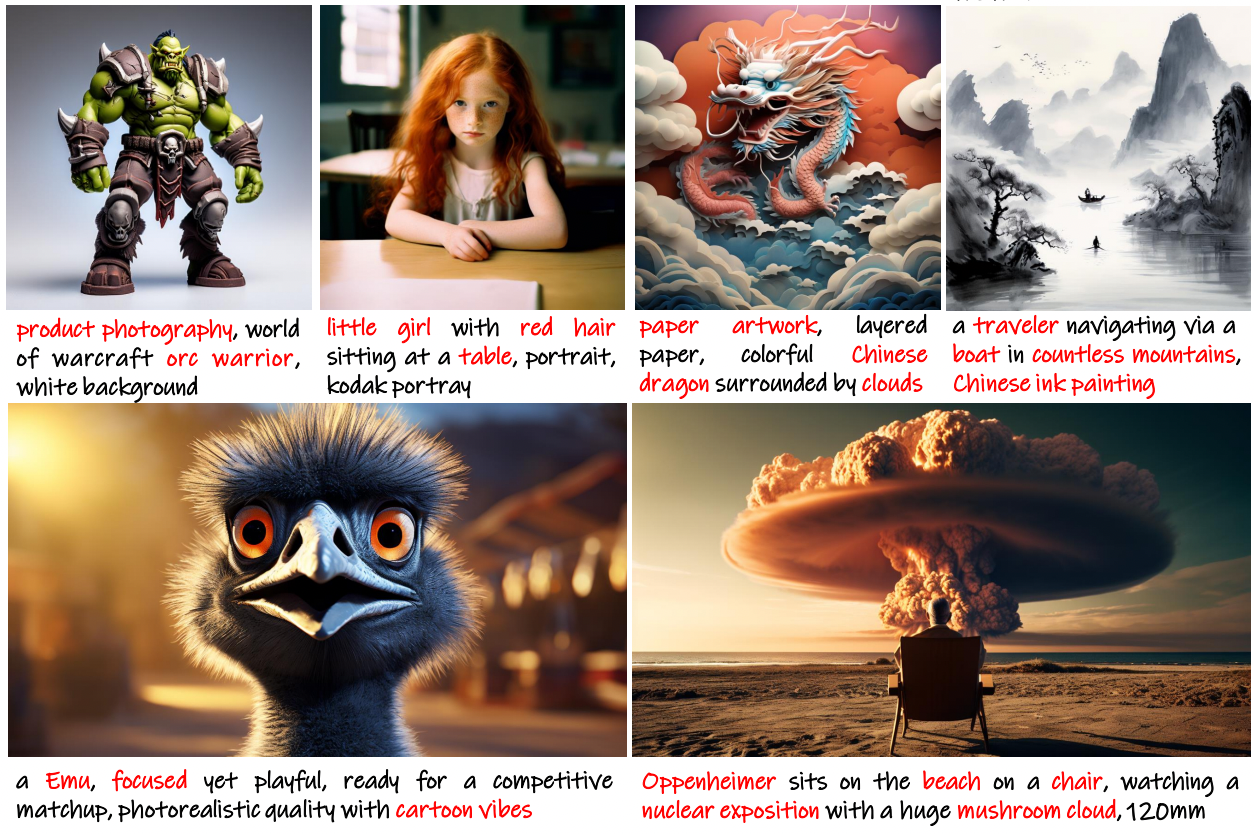
|
||||
|
||||
[PixArt-α: Fast Training of Diffusion Transformer for Photorealistic Text-to-Image Synthesis](https://huggingface.co/papers/2310.00426) is Junsong Chen, Jincheng Yu, Chongjian Ge, Lewei Yao, Enze Xie, Yue Wu, Zhongdao Wang, James Kwok, Ping Luo, Huchuan Lu, and Zhenguo Li.
|
||||
|
||||
The abstract from the paper is:
|
||||
|
||||
*The most advanced text-to-image (T2I) models require significant training costs (e.g., millions of GPU hours), seriously hindering the fundamental innovation for the AIGC community while increasing CO2 emissions. This paper introduces PIXART-α, a Transformer-based T2I diffusion model whose image generation quality is competitive with state-of-the-art image generators (e.g., Imagen, SDXL, and even Midjourney), reaching near-commercial application standards. Additionally, it supports high-resolution image synthesis up to 1024px resolution with low training cost, as shown in Figure 1 and 2. To achieve this goal, three core designs are proposed: (1) Training strategy decomposition: We devise three distinct training steps that separately optimize pixel dependency, text-image alignment, and image aesthetic quality; (2) Efficient T2I Transformer: We incorporate cross-attention modules into Diffusion Transformer (DiT) to inject text conditions and streamline the computation-intensive class-condition branch; (3) High-informative data: We emphasize the significance of concept density in text-image pairs and leverage a large Vision-Language model to auto-label dense pseudo-captions to assist text-image alignment learning. As a result, PIXART-α's training speed markedly surpasses existing large-scale T2I models, e.g., PIXART-α only takes 10.8% of Stable Diffusion v1.5's training time (675 vs. 6,250 A100 GPU days), saving nearly $300,000 ($26,000 vs. $320,000) and reducing 90% CO2 emissions. Moreover, compared with a larger SOTA model, RAPHAEL, our training cost is merely 1%. Extensive experiments demonstrate that PIXART-α excels in image quality, artistry, and semantic control. We hope PIXART-α will provide new insights to the AIGC community and startups to accelerate building their own high-quality yet low-cost generative models from scratch.*
|
||||
|
||||
You can find the original codebase at [PixArt-alpha/PixArt-alpha](https://github.com/PixArt-alpha/PixArt-alpha) and all the available checkpoints at [PixArt-alpha](https://huggingface.co/PixArt-alpha).
|
||||
|
||||
Some notes about this pipeline:
|
||||
|
||||
* It uses a Transformer backbone (instead of a UNet) for denoising. As such it has a similar architecture as [DiT](./dit.md).
|
||||
* It was trained using text conditions computed from T5. This aspect makes the pipeline better at following complex text prompts with intricate details.
|
||||
* It is good at producing high-resolution images at different aspect ratios. To get the best results, the authors recommend some size brackets which can be found [here](https://github.com/PixArt-alpha/PixArt-alpha/blob/08fbbd281ec96866109bdd2cdb75f2f58fb17610/diffusion/data/datasets/utils.py).
|
||||
* It rivals the quality of state-of-the-art text-to-image generation systems (as of this writing) such as Stable Diffusion XL, Imagen, and DALL-E 2, while being more efficient than them.
|
||||
|
||||
## PixArtAlphaPipeline
|
||||
|
||||
[[autodoc]] PixArtAlphaPipeline
|
||||
- all
|
||||
- __call__
|
||||
@@ -1,3 +1,15 @@
|
||||
<!--Copyright 2023 The HuggingFace Team. All rights reserved.
|
||||
|
||||
Licensed under the Apache License, Version 2.0 (the "License"); you may not use this file except in compliance with
|
||||
the License. You may obtain a copy of the License at
|
||||
|
||||
http://www.apache.org/licenses/LICENSE-2.0
|
||||
|
||||
Unless required by applicable law or agreed to in writing, software distributed under the License is distributed on
|
||||
an "AS IS" BASIS, WITHOUT WARRANTIES OR CONDITIONS OF ANY KIND, either express or implied. See the License for the
|
||||
specific language governing permissions and limitations under the License.
|
||||
-->
|
||||
|
||||
# Distributed inference with multiple GPUs
|
||||
|
||||
On distributed setups, you can run inference across multiple GPUs with 🤗 [Accelerate](https://huggingface.co/docs/accelerate/index) or [PyTorch Distributed](https://pytorch.org/tutorials/beginner/dist_overview.html), which is useful for generating with multiple prompts in parallel.
|
||||
@@ -13,6 +25,7 @@ To begin, create a Python file and initialize an [`accelerate.PartialState`] to
|
||||
Now use the [`~accelerate.PartialState.split_between_processes`] utility as a context manager to automatically distribute the prompts between the number of processes.
|
||||
|
||||
```py
|
||||
import torch
|
||||
from accelerate import PartialState
|
||||
from diffusers import DiffusionPipeline
|
||||
|
||||
@@ -92,4 +105,4 @@ Once you've completed the inference script, use the `--nproc_per_node` argument
|
||||
|
||||
```bash
|
||||
torchrun run_distributed.py --nproc_per_node=2
|
||||
```
|
||||
```
|
||||
|
||||
@@ -0,0 +1,60 @@
|
||||
<!--Copyright 2023 The HuggingFace Team. All rights reserved.
|
||||
|
||||
Licensed under the Apache License, Version 2.0 (the "License"); you may not use this file except in compliance with
|
||||
the License. You may obtain a copy of the License at
|
||||
|
||||
http://www.apache.org/licenses/LICENSE-2.0
|
||||
|
||||
Unless required by applicable law or agreed to in writing, software distributed under the License is distributed on
|
||||
an "AS IS" BASIS, WITHOUT WARRANTIES OR CONDITIONS OF ANY KIND, either express or implied. See the License for the
|
||||
specific language governing permissions and limitations under the License.
|
||||
-->
|
||||
|
||||
# Using callback
|
||||
|
||||
[[open-in-colab]]
|
||||
|
||||
Most 🤗 Diffusers pipeline now accept a `callback_on_step_end` argument that allows you to change the default behavior of denoising loop with custom defined functions. Here is an example of a callback function we can write to disable classifier free guidance after 40% of inference steps to save compute with minimum tradeoff in performance.
|
||||
|
||||
```python
|
||||
def callback_dynamic_cfg(pipe, step_index, timestep, callback_kwargs):
|
||||
# adjust the batch_size of prompt_embeds according to guidance_scale
|
||||
if step_index == int(pipe.num_timestep * 0.4):
|
||||
prompt_embeds = callback_kwargs["prompt_embeds"]
|
||||
prompt_embeds =prompt_embeds.chunk(2)[-1]
|
||||
|
||||
# update guidance_scale and prompt_embeds
|
||||
pipe._guidance_scale = 0.0
|
||||
callback_kwargs["prompt_embeds"] = prompt_embeds
|
||||
return callback_kwargs
|
||||
```
|
||||
|
||||
Your callback function has below arguments:
|
||||
* `pipe` is the pipeline instance, which provides access to useful properties such as `num_timestep` and `guidance_scale`. You can modify these properties by updating the underlying attributes. In this example, we disable CFG by setting `pipe._guidance_scale` to be `0`.
|
||||
* `step_index` and `timestep` tell you where you are in the denoising loop. In our example, we use `step_index` to decide when to turn off CFG.
|
||||
* `callback_kwargs` is a dict that contains tensor variables you can modify during the denoising loop. It only includes variables specified in the `callback_on_step_end_tensor_inputs` argument passed to the pipeline's `__call__` method. Different pipelines may use different sets of variables so please check the pipeline class's `_callback_tensor_inputs` attribute for the list of variables that you can modify. Common variables include `latents` and `prompt_embeds`. In our example, we need to adjust the batch size of `prompt_embeds` after setting `guidance_scale` to be `0` in order for it to work properly.
|
||||
|
||||
You can pass the callback function as `callback_on_step_end` argument to the pipeline along with `callback_on_step_end_tensor_inputs`.
|
||||
|
||||
```
|
||||
import torch
|
||||
from diffusers import StableDiffusionPipeline
|
||||
|
||||
pipe = StableDiffusionPipeline.from_pretrained("runwayml/stable-diffusion-v1-5", torch_dtype=torch.float16)
|
||||
pipe = pipe.to("cuda")
|
||||
|
||||
prompt = "a photo of an astronaut riding a horse on mars"
|
||||
|
||||
generator = torch.Generator(device="cuda").manual_seed(1)
|
||||
out= pipe(prompt, generator=generator, callback_on_step_end = callback_custom_cfg, callback_on_step_end_tensor_inputs=['prompt_embeds'])
|
||||
|
||||
out.images[0].save("out_custom_cfg.png")
|
||||
```
|
||||
|
||||
Your callback function will be executed at the end of each denoising step and modify pipeline attributes and tensor variables for the next denoising step. We successfully added the "dynamic CFG" feature to the stable diffusion pipeline without having to modify the code at all.
|
||||
|
||||
<Tip>
|
||||
|
||||
Currently we only support `callback_on_step_end`. If you have a solid use case and require a callback function with a different execution point, please open an [feature request](https://github.com/huggingface/diffusers/issues/new/choose) so we can add it!
|
||||
|
||||
</Tip>
|
||||
@@ -34,15 +34,15 @@ Next, configure the following parameters in the [`DDIMScheduler`]:
|
||||
2. `timestep_spacing="trailing"`, starts sampling from the last timestep
|
||||
|
||||
```py
|
||||
>>> from diffusers import DiffusionPipeline, DDIMScheduler
|
||||
from diffusers import DiffusionPipeline, DDIMScheduler
|
||||
|
||||
pipeline = DiffusionPipeline.from_pretrained("ptx0/pseudo-journey-v2", use_safetensors=True)
|
||||
|
||||
>>> pipeline = DiffusionPipeline.from_pretrained("ptx0/pseudo-journey-v2", use_safetensors=True)
|
||||
# switch the scheduler in the pipeline to use the DDIMScheduler
|
||||
|
||||
>>> pipeline.scheduler = DDIMScheduler.from_config(
|
||||
... pipeline.scheduler.config, rescale_betas_zero_snr=True, timestep_spacing="trailing"
|
||||
... )
|
||||
>>> pipeline.to("cuda")
|
||||
pipeline.scheduler = DDIMScheduler.from_config(
|
||||
pipeline.scheduler.config, rescale_betas_zero_snr=True, timestep_spacing="trailing"
|
||||
)
|
||||
pipeline.to("cuda")
|
||||
```
|
||||
|
||||
Finally, in your call to the pipeline, set `guidance_rescale` to prevent overexposure:
|
||||
@@ -50,6 +50,7 @@ Finally, in your call to the pipeline, set `guidance_rescale` to prevent overexp
|
||||
```py
|
||||
prompt = "A lion in galaxies, spirals, nebulae, stars, smoke, iridescent, intricate detail, octane render, 8k"
|
||||
image = pipeline(prompt, guidance_rescale=0.7).images[0]
|
||||
image
|
||||
```
|
||||
|
||||
<div class="flex justify-center">
|
||||
|
||||
@@ -23,7 +23,7 @@ However, the skip connection can sometimes introduce unnatural image details. [F
|
||||
|
||||
FreeU is applied during inference and it does not require any additional training. The technique works for different tasks such as text-to-image, image-to-image, and text-to-video.
|
||||
|
||||
In this guide, you will apply FreeU to the [`StableDiffusionPipeline`], [`StableDiffusionXLPipeline`], and [`TextToVideoSDPipeline`].
|
||||
In this guide, you will apply FreeU to the [`StableDiffusionPipeline`], [`StableDiffusionXLPipeline`], and [`TextToVideoSDPipeline`]. You need to install Diffusers from source to run the examples below.
|
||||
|
||||
## StableDiffusionPipeline
|
||||
|
||||
@@ -58,6 +58,7 @@ And then run inference:
|
||||
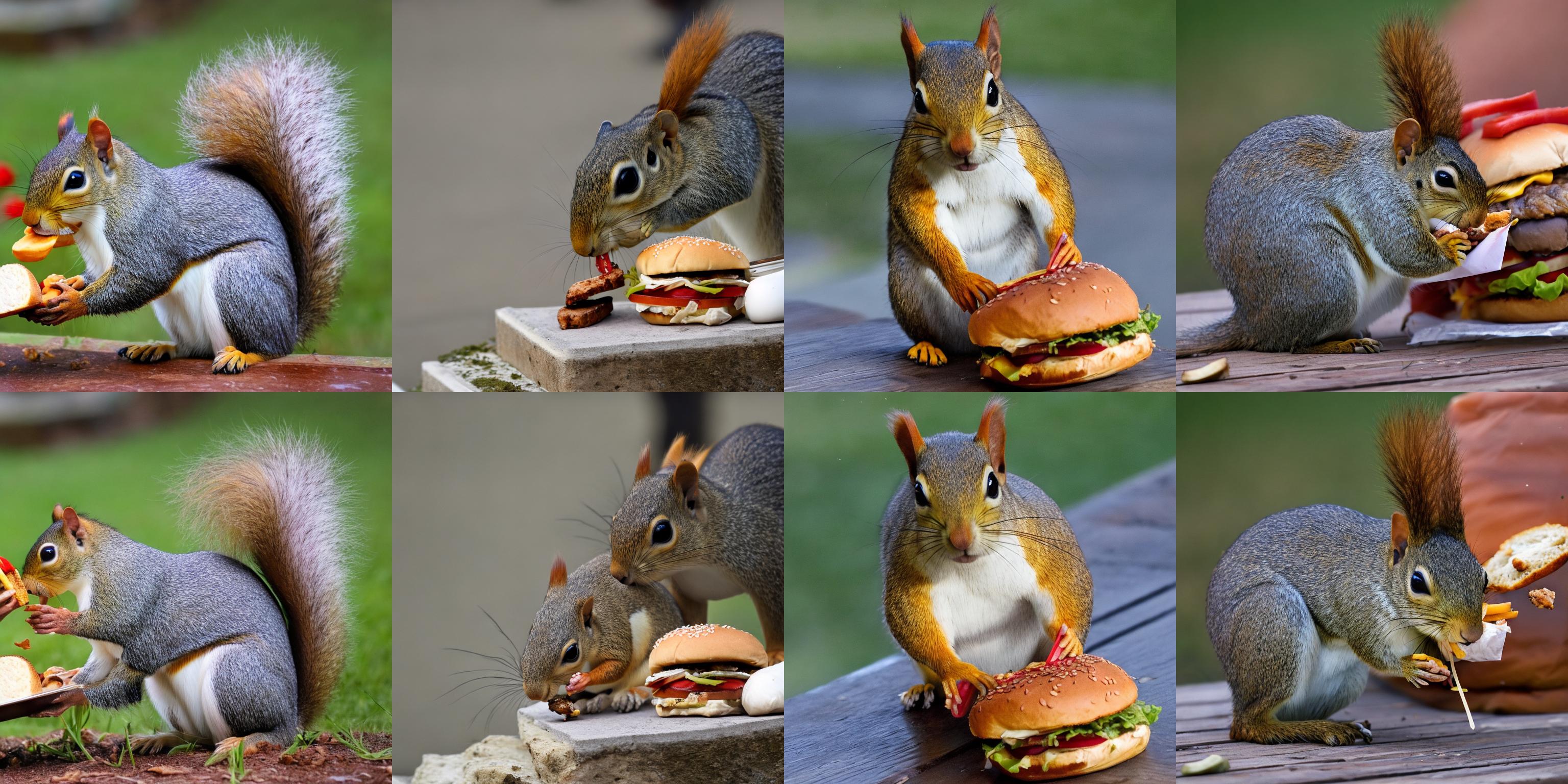
prompt = "A squirrel eating a burger"
|
||||
seed = 2023
|
||||
image = pipeline(prompt, generator=torch.manual_seed(seed)).images[0]
|
||||
image
|
||||
```
|
||||
|
||||
The figure below compares non-FreeU and FreeU results respectively for the same hyperparameters used above (`prompt` and `seed`):
|
||||
@@ -80,9 +81,9 @@ seed = 2023
|
||||
|
||||
pipeline.enable_freeu(s1=0.9, s2=0.2, b1=1.1, b2=1.2)
|
||||
image = pipeline(prompt, generator=torch.manual_seed(seed)).images[0]
|
||||
image
|
||||
```
|
||||
|
||||
|
||||
|
||||
|
||||
## Stable Diffusion XL
|
||||
@@ -100,13 +101,13 @@ pipeline = DiffusionPipeline.from_pretrained(
|
||||
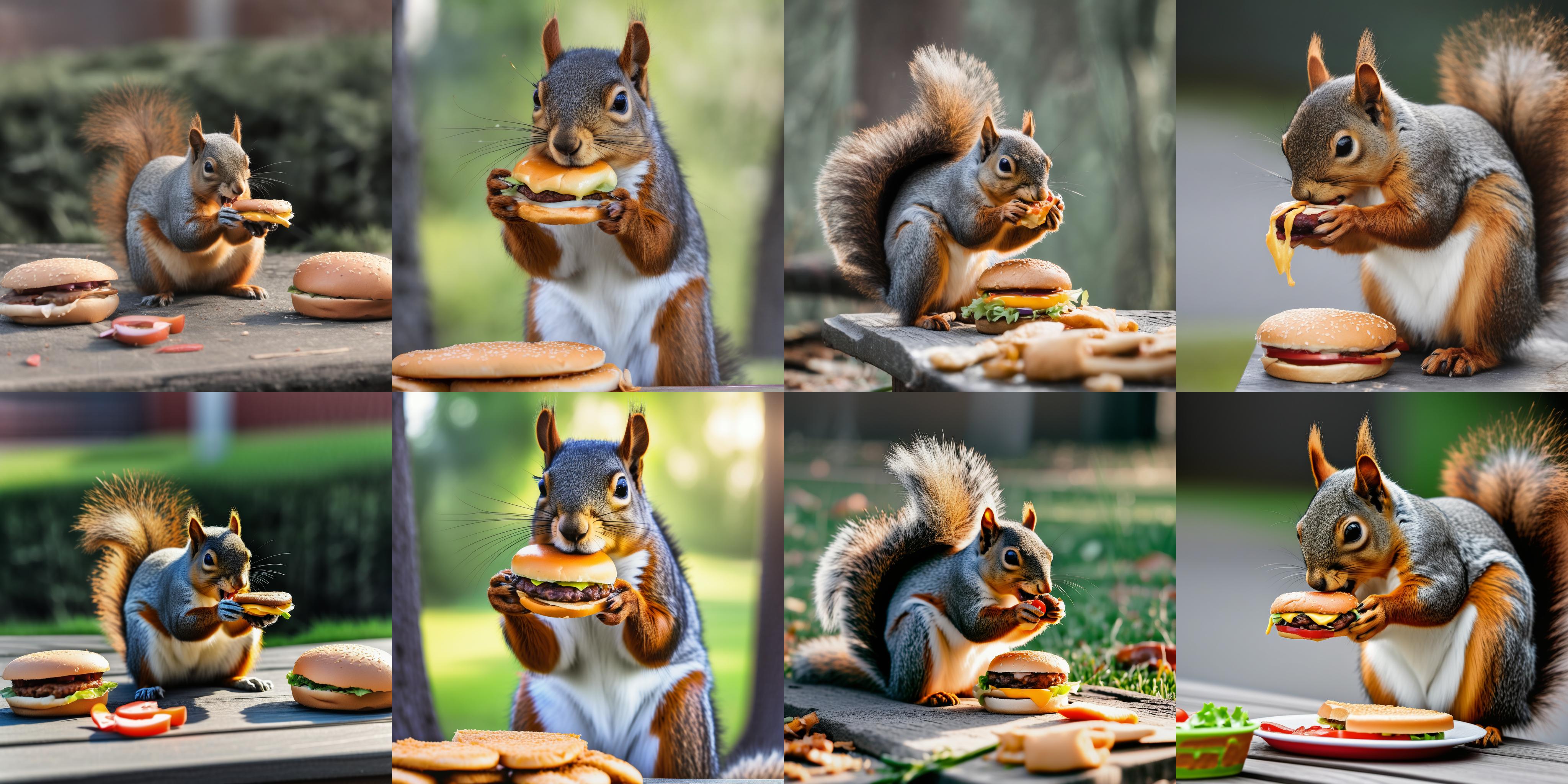
prompt = "A squirrel eating a burger"
|
||||
seed = 2023
|
||||
|
||||
# Comes from
|
||||
# Comes from
|
||||
# https://wandb.ai/nasirk24/UNET-FreeU-SDXL/reports/FreeU-SDXL-Optimal-Parameters--Vmlldzo1NDg4NTUw
|
||||
pipeline.enable_freeu(s1=0.6, s2=0.4, b1=1.1, b2=1.2)
|
||||
image = pipeline(prompt, generator=torch.manual_seed(seed)).images[0]
|
||||
image
|
||||
```
|
||||
|
||||
|
||||
|
||||
|
||||
## Text-to-video generation
|
||||
@@ -119,8 +120,7 @@ from diffusers.utils import export_to_video
|
||||
import torch
|
||||
|
||||
model_id = "cerspense/zeroscope_v2_576w"
|
||||
pipe = DiffusionPipeline.from_pretrained("cerspense/zeroscope_v2_576w", torch_dtype=torch.float16).to("cuda")
|
||||
pipe = pipe.to("cuda")
|
||||
pipe = DiffusionPipeline.from_pretrained(model_id, torch_dtype=torch.float16).to("cuda")
|
||||
|
||||
prompt = "an astronaut riding a horse on mars"
|
||||
seed = 2023
|
||||
@@ -132,4 +132,4 @@ video_frames = pipe(prompt, height=320, width=576, num_frames=30, generator=torc
|
||||
export_to_video(video_frames, "astronaut_rides_horse.mp4")
|
||||
```
|
||||
|
||||
Thanks to [kadirnar](https://github.com/kadirnar/) for helping to integrate the feature, and to [justindujardin](https://github.com/justindujardin) for the helpful discussions.
|
||||
Thanks to [kadirnar](https://github.com/kadirnar/) for helping to integrate the feature, and to [justindujardin](https://github.com/justindujardin) for the helpful discussions.
|
||||
|
||||
@@ -16,7 +16,7 @@ specific language governing permissions and limitations under the License.
|
||||
|
||||
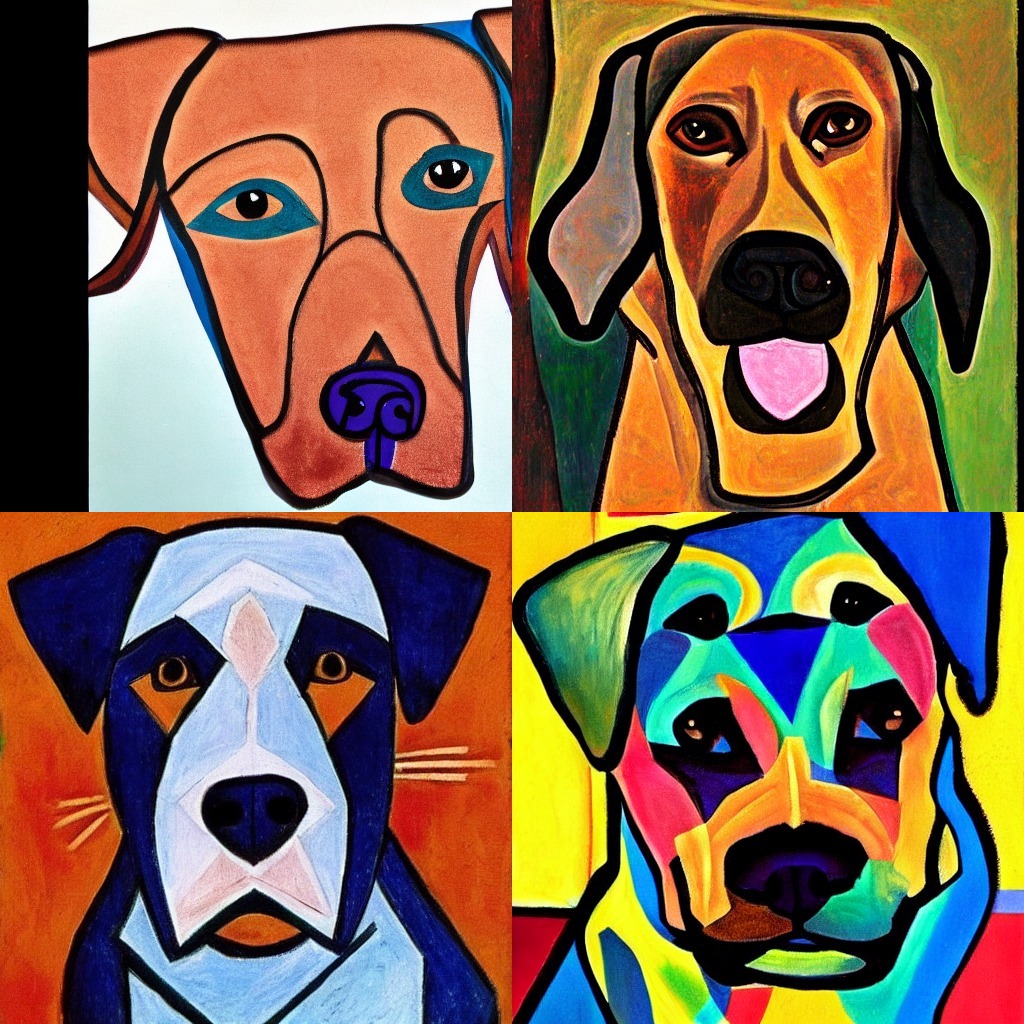
A common way to improve the quality of generated images is with *deterministic batch generation*, generate a batch of images and select one image to improve with a more detailed prompt in a second round of inference. The key is to pass a list of [`torch.Generator`](https://pytorch.org/docs/stable/generated/torch.Generator.html#generator)'s to the pipeline for batched image generation, and tie each `Generator` to a seed so you can reuse it for an image.
|
||||
|
||||
Let's use [`runwayml/stable-diffusion-v1-5`](runwayml/stable-diffusion-v1-5) for example, and generate several versions of the following prompt:
|
||||
Let's use [`runwayml/stable-diffusion-v1-5`](https://huggingface.co/runwayml/stable-diffusion-v1-5) for example, and generate several versions of the following prompt:
|
||||
|
||||
```py
|
||||
prompt = "Labrador in the style of Vermeer"
|
||||
@@ -25,27 +25,27 @@ prompt = "Labrador in the style of Vermeer"
|
||||
Instantiate a pipeline with [`DiffusionPipeline.from_pretrained`] and place it on a GPU (if available):
|
||||
|
||||
```python
|
||||
>>> from diffusers import DiffusionPipeline
|
||||
import torch
|
||||
from diffusers import DiffusionPipeline
|
||||
from diffusers.utils import make_image_grid
|
||||
|
||||
>>> pipe = DiffusionPipeline.from_pretrained(
|
||||
... "runwayml/stable-diffusion-v1-5", torch_dtype=torch.float16, use_safetensors=True
|
||||
... )
|
||||
>>> pipe = pipe.to("cuda")
|
||||
pipe = DiffusionPipeline.from_pretrained(
|
||||
"runwayml/stable-diffusion-v1-5", torch_dtype=torch.float16, use_safetensors=True
|
||||
)
|
||||
pipe = pipe.to("cuda")
|
||||
```
|
||||
|
||||
Now, define four different `Generator`'s and assign each `Generator` a seed (`0` to `3`) so you can reuse a `Generator` later for a specific image:
|
||||
Now, define four different `Generator`s and assign each `Generator` a seed (`0` to `3`) so you can reuse a `Generator` later for a specific image:
|
||||
|
||||
```python
|
||||
>>> import torch
|
||||
|
||||
>>> generator = [torch.Generator(device="cuda").manual_seed(i) for i in range(4)]
|
||||
generator = [torch.Generator(device="cuda").manual_seed(i) for i in range(4)]
|
||||
```
|
||||
|
||||
Generate the images and have a look:
|
||||
|
||||
```python
|
||||
>>> images = pipe(prompt, generator=generator, num_images_per_prompt=4).images
|
||||
>>> images
|
||||
images = pipe(prompt, generator=generator, num_images_per_prompt=4).images
|
||||
make_image_grid(images, rows=2, cols=2)
|
||||
```
|
||||
|
||||
|
||||
@@ -60,8 +60,8 @@ generator = [torch.Generator(device="cuda").manual_seed(0) for i in range(4)]
|
||||
Create four generators with seed `0`, and generate another batch of images, all of which should look like the first image from the previous round!
|
||||
|
||||
```python
|
||||
>>> images = pipe(prompt, generator=generator).images
|
||||
>>> images
|
||||
images = pipe(prompt, generator=generator).images
|
||||
make_image_grid(images, rows=2, cols=2)
|
||||
```
|
||||
|
||||
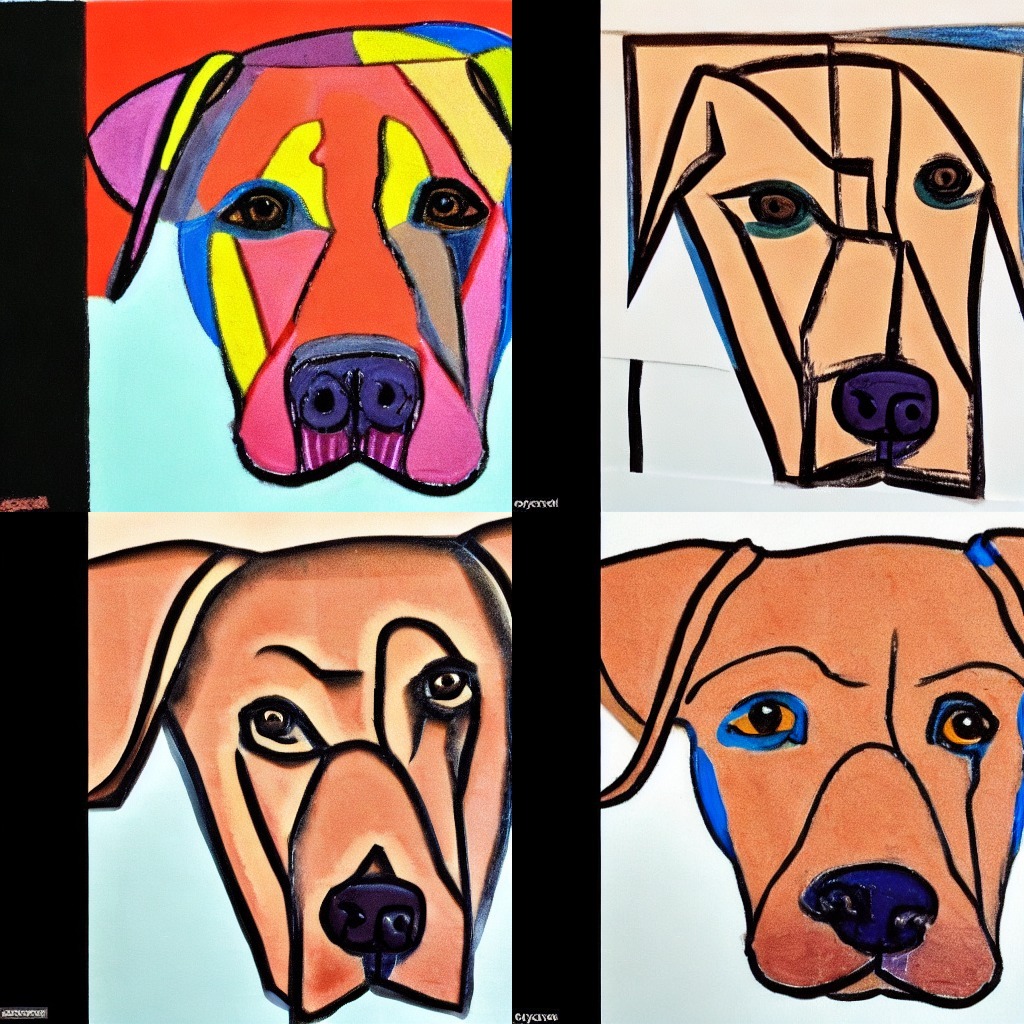
|
||||
|
||||
@@ -18,26 +18,12 @@ The [`StableDiffusionPipeline`] supports textual inversion, a technique that ena
|
||||
|
||||
This guide will show you how to run inference with textual inversion using a pre-learned concept from the Stable Diffusion Conceptualizer. If you're interested in teaching a model new concepts with textual inversion, take a look at the [Textual Inversion](../training/text_inversion) training guide.
|
||||
|
||||
Login to your Hugging Face account:
|
||||
|
||||
```py
|
||||
from huggingface_hub import notebook_login
|
||||
|
||||
notebook_login()
|
||||
```
|
||||
|
||||
Import the necessary libraries:
|
||||
|
||||
```py
|
||||
import os
|
||||
import torch
|
||||
|
||||
import PIL
|
||||
from PIL import Image
|
||||
|
||||
from diffusers import StableDiffusionPipeline
|
||||
from diffusers.utils import make_image_grid
|
||||
from transformers import CLIPFeatureExtractor, CLIPTextModel, CLIPTokenizer
|
||||
```
|
||||
|
||||
## Stable Diffusion 1 and 2
|
||||
@@ -64,7 +50,7 @@ Create a prompt with the pre-learned concept by using the special placeholder to
|
||||
```py
|
||||
prompt = "a grafitti in a favela wall with a <cat-toy> on it"
|
||||
|
||||
num_samples = 2
|
||||
num_samples_per_row = 2
|
||||
num_rows = 2
|
||||
```
|
||||
|
||||
@@ -73,10 +59,10 @@ Then run the pipeline (feel free to adjust the parameters like `num_inference_st
|
||||
```py
|
||||
all_images = []
|
||||
for _ in range(num_rows):
|
||||
images = pipe(prompt, num_images_per_prompt=num_samples, num_inference_steps=50, guidance_scale=7.5).images
|
||||
images = pipeline(prompt, num_images_per_prompt=num_samples_per_row, num_inference_steps=50, guidance_scale=7.5).images
|
||||
all_images.extend(images)
|
||||
|
||||
grid = make_image_grid(all_images, num_samples, num_rows)
|
||||
grid = make_image_grid(all_images, num_rows, num_samples_per_row)
|
||||
grid
|
||||
```
|
||||
|
||||
@@ -84,7 +70,6 @@ grid
|
||||
<img src="https://huggingface.co/datasets/huggingface/documentation-images/resolve/main/diffusers/textual_inversion_inference.png">
|
||||
</div>
|
||||
|
||||
|
||||
## Stable Diffusion XL
|
||||
|
||||
Stable Diffusion XL (SDXL) can also use textual inversion vectors for inference. In contrast to Stable Diffusion 1 and 2, SDXL has two text encoders so you'll need two textual inversion embeddings - one for each text encoder model.
|
||||
@@ -109,9 +94,9 @@ state_dict
|
||||
[ 0.0475, -0.0508, -0.0145, ..., 0.0070, -0.0089, -0.0163]],
|
||||
```
|
||||
|
||||
There are two tensors, `"clip-g"` and `"clip-l"`.
|
||||
`"clip-g"` corresponds to the bigger text encoder in SDXL and refers to
|
||||
`pipe.text_encoder_2` and `"clip-l"` refers to `pipe.text_encoder`.
|
||||
There are two tensors, `"clip_g"` and `"clip_l"`.
|
||||
`"clip_g"` corresponds to the bigger text encoder in SDXL and refers to
|
||||
`pipe.text_encoder_2` and `"clip_l"` refers to `pipe.text_encoder`.
|
||||
|
||||
Now you can load each tensor separately by passing them along with the correct text encoder and tokenizer
|
||||
to [`~loaders.TextualInversionLoaderMixin.load_textual_inversion`]:
|
||||
@@ -129,4 +114,5 @@ pipe.load_textual_inversion(state_dict["clip_l"], token="unaestheticXLv31", text
|
||||
# the embedding should be used as a negative embedding, so we pass it as a negative prompt
|
||||
generator = torch.Generator().manual_seed(33)
|
||||
image = pipe("a woman standing in front of a mountain", negative_prompt="unaestheticXLv31", generator=generator).images[0]
|
||||
image
|
||||
```
|
||||
|
||||
@@ -41,6 +41,7 @@ import torch
|
||||
|
||||
pipe = StableDiffusionPipeline.from_pretrained("CompVis/stable-diffusion-v1-4", use_safetensors=True)
|
||||
pipe.scheduler = UniPCMultistepScheduler.from_config(pipe.scheduler.config)
|
||||
pipe.to("cuda")
|
||||
|
||||
prompt = "a red cat playing with a ball"
|
||||
|
||||
@@ -165,7 +166,9 @@ import torch
|
||||
from diffusers import StableDiffusionPipeline
|
||||
from compel import Compel, DiffusersTextualInversionManager
|
||||
|
||||
pipe = StableDiffusionPipeline.from_pretrained("runwayml/stable-diffusion-v1-5", torch_dtype=torch.float16, use_safetensors=True, variant="fp16").to("cuda")
|
||||
pipe = StableDiffusionPipeline.from_pretrained(
|
||||
"runwayml/stable-diffusion-v1-5", torch_dtype=torch.float16,
|
||||
use_safetensors=True, variant="fp16").to("cuda")
|
||||
pipe.load_textual_inversion("sd-concepts-library/midjourney-style")
|
||||
```
|
||||
|
||||
@@ -173,7 +176,7 @@ Compel provides a `DiffusersTextualInversionManager` class to simplify prompt we
|
||||
|
||||
```py
|
||||
textual_inversion_manager = DiffusersTextualInversionManager(pipe)
|
||||
compel = Compel(
|
||||
compel_proc = Compel(
|
||||
tokenizer=pipe.tokenizer,
|
||||
text_encoder=pipe.text_encoder,
|
||||
textual_inversion_manager=textual_inversion_manager)
|
||||
@@ -225,6 +228,8 @@ Stable Diffusion XL (SDXL) has two tokenizers and text encoders so it's usage is
|
||||
```py
|
||||
from compel import Compel, ReturnedEmbeddingsType
|
||||
from diffusers import DiffusionPipeline
|
||||
from diffusers.utils import make_image_grid
|
||||
import torch
|
||||
|
||||
pipeline = DiffusionPipeline.from_pretrained(
|
||||
"stabilityai/stable-diffusion-xl-base-1.0",
|
||||
@@ -251,6 +256,7 @@ conditioning, pooled = compel(prompt)
|
||||
# generate image
|
||||
generator = [torch.Generator().manual_seed(33) for _ in range(len(prompt))]
|
||||
images = pipeline(prompt_embeds=conditioning, pooled_prompt_embeds=pooled, generator=generator, num_inference_steps=30).images
|
||||
make_image_grid(images, rows=1, cols=2)
|
||||
```
|
||||
|
||||
<div class="flex gap-4">
|
||||
@@ -262,4 +268,4 @@ images = pipeline(prompt_embeds=conditioning, pooled_prompt_embeds=pooled, gener
|
||||
<img class="rounded-xl" src="https://huggingface.co/datasets/hf-internal-testing/diffusers-images/resolve/main/compel/sdxl_ball2.png"/>
|
||||
<figcaption class="mt-2 text-center text-sm text-gray-500">"a red cat playing with a (ball)0.6"</figcaption>
|
||||
</div>
|
||||
</div>
|
||||
</div>
|
||||
|
||||
@@ -56,7 +56,7 @@ if is_wandb_available():
|
||||
import wandb
|
||||
|
||||
# Will error if the minimal version of diffusers is not installed. Remove at your own risks.
|
||||
check_min_version("0.22.0.dev0")
|
||||
check_min_version("0.23.0.dev0")
|
||||
|
||||
logger = get_logger(__name__)
|
||||
|
||||
|
||||
@@ -59,7 +59,7 @@ if is_wandb_available():
|
||||
import wandb
|
||||
|
||||
# Will error if the minimal version of diffusers is not installed. Remove at your own risks.
|
||||
check_min_version("0.22.0.dev0")
|
||||
check_min_version("0.23.0.dev0")
|
||||
|
||||
logger = logging.getLogger(__name__)
|
||||
|
||||
|
||||
@@ -58,7 +58,7 @@ if is_wandb_available():
|
||||
import wandb
|
||||
|
||||
# Will error if the minimal version of diffusers is not installed. Remove at your own risks.
|
||||
check_min_version("0.22.0.dev0")
|
||||
check_min_version("0.23.0.dev0")
|
||||
|
||||
logger = get_logger(__name__)
|
||||
|
||||
|
||||
@@ -62,7 +62,7 @@ from diffusers.utils.import_utils import is_xformers_available
|
||||
|
||||
|
||||
# Will error if the minimal version of diffusers is not installed. Remove at your own risks.
|
||||
check_min_version("0.22.0.dev0")
|
||||
check_min_version("0.23.0.dev0")
|
||||
|
||||
logger = get_logger(__name__)
|
||||
|
||||
|
||||
@@ -61,7 +61,7 @@ if is_wandb_available():
|
||||
import wandb
|
||||
|
||||
# Will error if the minimal version of diffusers is not installed. Remove at your own risks.
|
||||
check_min_version("0.22.0.dev0")
|
||||
check_min_version("0.23.0.dev0")
|
||||
|
||||
logger = get_logger(__name__)
|
||||
|
||||
|
||||
@@ -35,7 +35,7 @@ from diffusers.utils import check_min_version
|
||||
|
||||
|
||||
# Will error if the minimal version of diffusers is not installed. Remove at your own risks.
|
||||
check_min_version("0.22.0.dev0")
|
||||
check_min_version("0.23.0.dev0")
|
||||
|
||||
# Cache compiled models across invocations of this script.
|
||||
cc.initialize_cache(os.path.expanduser("~/.cache/jax/compilation_cache"))
|
||||
|
||||
@@ -68,7 +68,7 @@ from diffusers.utils.import_utils import is_xformers_available
|
||||
|
||||
|
||||
# Will error if the minimal version of diffusers is not installed. Remove at your own risks.
|
||||
check_min_version("0.22.0.dev0")
|
||||
check_min_version("0.23.0.dev0")
|
||||
|
||||
logger = get_logger(__name__)
|
||||
|
||||
|
||||
@@ -58,7 +58,7 @@ from diffusers.utils.import_utils import is_xformers_available
|
||||
|
||||
|
||||
# Will error if the minimal version of diffusers is not installed. Remove at your own risks.
|
||||
check_min_version("0.22.0.dev0")
|
||||
check_min_version("0.23.0.dev0")
|
||||
|
||||
logger = get_logger(__name__)
|
||||
|
||||
|
||||
@@ -52,7 +52,7 @@ from diffusers.utils.import_utils import is_xformers_available
|
||||
|
||||
|
||||
# Will error if the minimal version of diffusers is not installed. Remove at your own risks.
|
||||
check_min_version("0.22.0.dev0")
|
||||
check_min_version("0.23.0.dev0")
|
||||
|
||||
logger = get_logger(__name__, log_level="INFO")
|
||||
|
||||
|
||||
@@ -55,7 +55,7 @@ from diffusers.utils.import_utils import is_xformers_available
|
||||
|
||||
|
||||
# Will error if the minimal version of diffusers is not installed. Remove at your own risks.
|
||||
check_min_version("0.22.0.dev0")
|
||||
check_min_version("0.23.0.dev0")
|
||||
|
||||
logger = get_logger(__name__, log_level="INFO")
|
||||
|
||||
|
||||
@@ -52,7 +52,7 @@ if is_wandb_available():
|
||||
|
||||
|
||||
# Will error if the minimal version of diffusers is not installed. Remove at your own risks.
|
||||
check_min_version("0.21.0.dev0")
|
||||
check_min_version("0.23.0.dev0")
|
||||
|
||||
logger = get_logger(__name__, log_level="INFO")
|
||||
|
||||
|
||||
@@ -46,7 +46,7 @@ from diffusers.utils import check_min_version, is_wandb_available
|
||||
|
||||
|
||||
# Will error if the minimal version of diffusers is not installed. Remove at your own risks.
|
||||
check_min_version("0.21.0.dev0")
|
||||
check_min_version("0.23.0.dev0")
|
||||
|
||||
logger = get_logger(__name__, log_level="INFO")
|
||||
|
||||
|
||||
@@ -46,7 +46,7 @@ from diffusers.utils import check_min_version, is_wandb_available
|
||||
|
||||
|
||||
# Will error if the minimal version of diffusers is not installed. Remove at your own risks.
|
||||
check_min_version("0.21.0.dev0")
|
||||
check_min_version("0.23.0.dev0")
|
||||
|
||||
logger = get_logger(__name__, log_level="INFO")
|
||||
|
||||
|
||||
@@ -51,7 +51,7 @@ if is_wandb_available():
|
||||
|
||||
|
||||
# Will error if the minimal version of diffusers is not installed. Remove at your own risks.
|
||||
check_min_version("0.21.0.dev0")
|
||||
check_min_version("0.23.0.dev0")
|
||||
|
||||
logger = get_logger(__name__, log_level="INFO")
|
||||
|
||||
|
||||
@@ -58,7 +58,7 @@ if is_wandb_available():
|
||||
import wandb
|
||||
|
||||
# Will error if the minimal version of diffusers is not installed. Remove at your own risks.
|
||||
check_min_version("0.22.0.dev0")
|
||||
check_min_version("0.23.0.dev0")
|
||||
|
||||
logger = get_logger(__name__)
|
||||
|
||||
|
||||
@@ -53,7 +53,7 @@ if is_wandb_available():
|
||||
|
||||
|
||||
# Will error if the minimal version of diffusers is not installed. Remove at your own risks.
|
||||
check_min_version("0.22.0.dev0")
|
||||
check_min_version("0.23.0.dev0")
|
||||
|
||||
logger = get_logger(__name__, log_level="INFO")
|
||||
|
||||
|
||||
@@ -33,7 +33,7 @@ from diffusers.utils import check_min_version
|
||||
|
||||
|
||||
# Will error if the minimal version of diffusers is not installed. Remove at your own risks.
|
||||
check_min_version("0.22.0.dev0")
|
||||
check_min_version("0.23.0.dev0")
|
||||
|
||||
logger = logging.getLogger(__name__)
|
||||
|
||||
|
||||
@@ -49,7 +49,7 @@ from diffusers.utils.import_utils import is_xformers_available
|
||||
|
||||
|
||||
# Will error if the minimal version of diffusers is not installed. Remove at your own risks.
|
||||
check_min_version("0.22.0.dev0")
|
||||
check_min_version("0.23.0.dev0")
|
||||
|
||||
logger = get_logger(__name__, log_level="INFO")
|
||||
|
||||
|
||||
@@ -58,7 +58,7 @@ from diffusers.utils.import_utils import is_xformers_available
|
||||
|
||||
|
||||
# Will error if the minimal version of diffusers is not installed. Remove at your own risks.
|
||||
check_min_version("0.22.0.dev0")
|
||||
check_min_version("0.23.0.dev0")
|
||||
|
||||
logger = get_logger(__name__)
|
||||
|
||||
|
||||
@@ -57,7 +57,7 @@ from diffusers.utils.import_utils import is_xformers_available
|
||||
|
||||
|
||||
# Will error if the minimal version of diffusers is not installed. Remove at your own risks.
|
||||
check_min_version("0.22.0.dev0")
|
||||
check_min_version("0.23.0.dev0")
|
||||
|
||||
logger = get_logger(__name__)
|
||||
|
||||
|
||||
@@ -79,7 +79,7 @@ else:
|
||||
|
||||
|
||||
# Will error if the minimal version of diffusers is not installed. Remove at your own risks.
|
||||
check_min_version("0.22.0.dev0")
|
||||
check_min_version("0.23.0.dev0")
|
||||
|
||||
logger = get_logger(__name__)
|
||||
|
||||
|
||||
@@ -56,7 +56,7 @@ else:
|
||||
# ------------------------------------------------------------------------------
|
||||
|
||||
# Will error if the minimal version of diffusers is not installed. Remove at your own risks.
|
||||
check_min_version("0.22.0.dev0")
|
||||
check_min_version("0.23.0.dev0")
|
||||
|
||||
logger = logging.getLogger(__name__)
|
||||
|
||||
|
||||
@@ -29,7 +29,7 @@ from diffusers.utils.import_utils import is_xformers_available
|
||||
|
||||
|
||||
# Will error if the minimal version of diffusers is not installed. Remove at your own risks.
|
||||
check_min_version("0.22.0.dev0")
|
||||
check_min_version("0.23.0.dev0")
|
||||
|
||||
logger = get_logger(__name__, log_level="INFO")
|
||||
|
||||
|
||||
@@ -50,7 +50,7 @@ if is_wandb_available():
|
||||
|
||||
|
||||
# Will error if the minimal version of diffusers is not installed. Remove at your own risks.
|
||||
check_min_version("0.22.0")
|
||||
check_min_version("0.23.0.dev0")
|
||||
|
||||
logger = get_logger(__name__, log_level="INFO")
|
||||
|
||||
|
||||
@@ -51,7 +51,7 @@ if is_wandb_available():
|
||||
|
||||
|
||||
# Will error if the minimal version of diffusers is not installed. Remove at your own risks.
|
||||
check_min_version("0.22.0")
|
||||
check_min_version("0.23.0.dev0")
|
||||
|
||||
logger = get_logger(__name__, log_level="INFO")
|
||||
|
||||
|
||||
@@ -0,0 +1,198 @@
|
||||
import argparse
|
||||
import os
|
||||
|
||||
import torch
|
||||
from transformers import T5EncoderModel, T5Tokenizer
|
||||
|
||||
from diffusers import AutoencoderKL, DPMSolverMultistepScheduler, PixArtAlphaPipeline, Transformer2DModel
|
||||
|
||||
|
||||
ckpt_id = "PixArt-alpha/PixArt-alpha"
|
||||
# https://github.com/PixArt-alpha/PixArt-alpha/blob/0f55e922376d8b797edd44d25d0e7464b260dcab/scripts/inference.py#L125
|
||||
interpolation_scale = {512: 1, 1024: 2}
|
||||
|
||||
|
||||
def main(args):
|
||||
all_state_dict = torch.load(args.orig_ckpt_path)
|
||||
state_dict = all_state_dict.pop("state_dict")
|
||||
converted_state_dict = {}
|
||||
|
||||
# Patch embeddings.
|
||||
converted_state_dict["pos_embed.proj.weight"] = state_dict.pop("x_embedder.proj.weight")
|
||||
converted_state_dict["pos_embed.proj.bias"] = state_dict.pop("x_embedder.proj.bias")
|
||||
|
||||
# Caption projection.
|
||||
converted_state_dict["caption_projection.y_embedding"] = state_dict.pop("y_embedder.y_embedding")
|
||||
converted_state_dict["caption_projection.linear_1.weight"] = state_dict.pop("y_embedder.y_proj.fc1.weight")
|
||||
converted_state_dict["caption_projection.linear_1.bias"] = state_dict.pop("y_embedder.y_proj.fc1.bias")
|
||||
converted_state_dict["caption_projection.linear_2.weight"] = state_dict.pop("y_embedder.y_proj.fc2.weight")
|
||||
converted_state_dict["caption_projection.linear_2.bias"] = state_dict.pop("y_embedder.y_proj.fc2.bias")
|
||||
|
||||
# AdaLN-single LN
|
||||
converted_state_dict["adaln_single.emb.timestep_embedder.linear_1.weight"] = state_dict.pop(
|
||||
"t_embedder.mlp.0.weight"
|
||||
)
|
||||
converted_state_dict["adaln_single.emb.timestep_embedder.linear_1.bias"] = state_dict.pop("t_embedder.mlp.0.bias")
|
||||
converted_state_dict["adaln_single.emb.timestep_embedder.linear_2.weight"] = state_dict.pop(
|
||||
"t_embedder.mlp.2.weight"
|
||||
)
|
||||
converted_state_dict["adaln_single.emb.timestep_embedder.linear_2.bias"] = state_dict.pop("t_embedder.mlp.2.bias")
|
||||
|
||||
if args.image_size == 1024:
|
||||
# Resolution.
|
||||
converted_state_dict["adaln_single.emb.resolution_embedder.linear_1.weight"] = state_dict.pop(
|
||||
"csize_embedder.mlp.0.weight"
|
||||
)
|
||||
converted_state_dict["adaln_single.emb.resolution_embedder.linear_1.bias"] = state_dict.pop(
|
||||
"csize_embedder.mlp.0.bias"
|
||||
)
|
||||
converted_state_dict["adaln_single.emb.resolution_embedder.linear_2.weight"] = state_dict.pop(
|
||||
"csize_embedder.mlp.2.weight"
|
||||
)
|
||||
converted_state_dict["adaln_single.emb.resolution_embedder.linear_2.bias"] = state_dict.pop(
|
||||
"csize_embedder.mlp.2.bias"
|
||||
)
|
||||
# Aspect ratio.
|
||||
converted_state_dict["adaln_single.emb.aspect_ratio_embedder.linear_1.weight"] = state_dict.pop(
|
||||
"ar_embedder.mlp.0.weight"
|
||||
)
|
||||
converted_state_dict["adaln_single.emb.aspect_ratio_embedder.linear_1.bias"] = state_dict.pop(
|
||||
"ar_embedder.mlp.0.bias"
|
||||
)
|
||||
converted_state_dict["adaln_single.emb.aspect_ratio_embedder.linear_2.weight"] = state_dict.pop(
|
||||
"ar_embedder.mlp.2.weight"
|
||||
)
|
||||
converted_state_dict["adaln_single.emb.aspect_ratio_embedder.linear_2.bias"] = state_dict.pop(
|
||||
"ar_embedder.mlp.2.bias"
|
||||
)
|
||||
# Shared norm.
|
||||
converted_state_dict["adaln_single.linear.weight"] = state_dict.pop("t_block.1.weight")
|
||||
converted_state_dict["adaln_single.linear.bias"] = state_dict.pop("t_block.1.bias")
|
||||
|
||||
for depth in range(28):
|
||||
# Transformer blocks.
|
||||
converted_state_dict[f"transformer_blocks.{depth}.scale_shift_table"] = state_dict.pop(
|
||||
f"blocks.{depth}.scale_shift_table"
|
||||
)
|
||||
|
||||
# Attention is all you need 🤘
|
||||
|
||||
# Self attention.
|
||||
q, k, v = torch.chunk(state_dict.pop(f"blocks.{depth}.attn.qkv.weight"), 3, dim=0)
|
||||
q_bias, k_bias, v_bias = torch.chunk(state_dict.pop(f"blocks.{depth}.attn.qkv.bias"), 3, dim=0)
|
||||
converted_state_dict[f"transformer_blocks.{depth}.attn1.to_q.weight"] = q
|
||||
converted_state_dict[f"transformer_blocks.{depth}.attn1.to_q.bias"] = q_bias
|
||||
converted_state_dict[f"transformer_blocks.{depth}.attn1.to_k.weight"] = k
|
||||
converted_state_dict[f"transformer_blocks.{depth}.attn1.to_k.bias"] = k_bias
|
||||
converted_state_dict[f"transformer_blocks.{depth}.attn1.to_v.weight"] = v
|
||||
converted_state_dict[f"transformer_blocks.{depth}.attn1.to_v.bias"] = v_bias
|
||||
# Projection.
|
||||
converted_state_dict[f"transformer_blocks.{depth}.attn1.to_out.0.weight"] = state_dict.pop(
|
||||
f"blocks.{depth}.attn.proj.weight"
|
||||
)
|
||||
converted_state_dict[f"transformer_blocks.{depth}.attn1.to_out.0.bias"] = state_dict.pop(
|
||||
f"blocks.{depth}.attn.proj.bias"
|
||||
)
|
||||
|
||||
# Feed-forward.
|
||||
converted_state_dict[f"transformer_blocks.{depth}.ff.net.0.proj.weight"] = state_dict.pop(
|
||||
f"blocks.{depth}.mlp.fc1.weight"
|
||||
)
|
||||
converted_state_dict[f"transformer_blocks.{depth}.ff.net.0.proj.bias"] = state_dict.pop(
|
||||
f"blocks.{depth}.mlp.fc1.bias"
|
||||
)
|
||||
converted_state_dict[f"transformer_blocks.{depth}.ff.net.2.weight"] = state_dict.pop(
|
||||
f"blocks.{depth}.mlp.fc2.weight"
|
||||
)
|
||||
converted_state_dict[f"transformer_blocks.{depth}.ff.net.2.bias"] = state_dict.pop(
|
||||
f"blocks.{depth}.mlp.fc2.bias"
|
||||
)
|
||||
|
||||
# Cross-attention.
|
||||
q = state_dict.pop(f"blocks.{depth}.cross_attn.q_linear.weight")
|
||||
q_bias = state_dict.pop(f"blocks.{depth}.cross_attn.q_linear.bias")
|
||||
k, v = torch.chunk(state_dict.pop(f"blocks.{depth}.cross_attn.kv_linear.weight"), 2, dim=0)
|
||||
k_bias, v_bias = torch.chunk(state_dict.pop(f"blocks.{depth}.cross_attn.kv_linear.bias"), 2, dim=0)
|
||||
|
||||
converted_state_dict[f"transformer_blocks.{depth}.attn2.to_q.weight"] = q
|
||||
converted_state_dict[f"transformer_blocks.{depth}.attn2.to_q.bias"] = q_bias
|
||||
converted_state_dict[f"transformer_blocks.{depth}.attn2.to_k.weight"] = k
|
||||
converted_state_dict[f"transformer_blocks.{depth}.attn2.to_k.bias"] = k_bias
|
||||
converted_state_dict[f"transformer_blocks.{depth}.attn2.to_v.weight"] = v
|
||||
converted_state_dict[f"transformer_blocks.{depth}.attn2.to_v.bias"] = v_bias
|
||||
|
||||
converted_state_dict[f"transformer_blocks.{depth}.attn2.to_out.0.weight"] = state_dict.pop(
|
||||
f"blocks.{depth}.cross_attn.proj.weight"
|
||||
)
|
||||
converted_state_dict[f"transformer_blocks.{depth}.attn2.to_out.0.bias"] = state_dict.pop(
|
||||
f"blocks.{depth}.cross_attn.proj.bias"
|
||||
)
|
||||
|
||||
# Final block.
|
||||
converted_state_dict["proj_out.weight"] = state_dict.pop("final_layer.linear.weight")
|
||||
converted_state_dict["proj_out.bias"] = state_dict.pop("final_layer.linear.bias")
|
||||
converted_state_dict["scale_shift_table"] = state_dict.pop("final_layer.scale_shift_table")
|
||||
|
||||
# DiT XL/2
|
||||
transformer = Transformer2DModel(
|
||||
sample_size=args.image_size // 8,
|
||||
num_layers=28,
|
||||
attention_head_dim=72,
|
||||
in_channels=4,
|
||||
out_channels=8,
|
||||
patch_size=2,
|
||||
attention_bias=True,
|
||||
num_attention_heads=16,
|
||||
cross_attention_dim=1152,
|
||||
activation_fn="gelu-approximate",
|
||||
num_embeds_ada_norm=1000,
|
||||
norm_type="ada_norm_single",
|
||||
norm_elementwise_affine=False,
|
||||
norm_eps=1e-6,
|
||||
caption_channels=4096,
|
||||
)
|
||||
transformer.load_state_dict(converted_state_dict, strict=True)
|
||||
|
||||
assert transformer.pos_embed.pos_embed is not None
|
||||
state_dict.pop("pos_embed")
|
||||
assert len(state_dict) == 0, f"State dict is not empty, {state_dict.keys()}"
|
||||
|
||||
num_model_params = sum(p.numel() for p in transformer.parameters())
|
||||
print(f"Total number of transformer parameters: {num_model_params}")
|
||||
|
||||
if args.only_transformer:
|
||||
transformer.save_pretrained(os.path.join(args.dump_path, "transformer"))
|
||||
else:
|
||||
scheduler = DPMSolverMultistepScheduler()
|
||||
|
||||
vae = AutoencoderKL.from_pretrained(ckpt_id, subfolder="sd-vae-ft-ema")
|
||||
|
||||
tokenizer = T5Tokenizer.from_pretrained(ckpt_id, subfolder="t5-v1_1-xxl")
|
||||
text_encoder = T5EncoderModel.from_pretrained(ckpt_id, subfolder="t5-v1_1-xxl")
|
||||
|
||||
pipeline = PixArtAlphaPipeline(
|
||||
tokenizer=tokenizer, text_encoder=text_encoder, transformer=transformer, vae=vae, scheduler=scheduler
|
||||
)
|
||||
|
||||
pipeline.save_pretrained(args.dump_path)
|
||||
|
||||
|
||||
if __name__ == "__main__":
|
||||
parser = argparse.ArgumentParser()
|
||||
|
||||
parser.add_argument(
|
||||
"--orig_ckpt_path", default=None, type=str, required=False, help="Path to the checkpoint to convert."
|
||||
)
|
||||
parser.add_argument(
|
||||
"--image_size",
|
||||
default=1024,
|
||||
type=int,
|
||||
choices=[512, 1024],
|
||||
required=False,
|
||||
help="Image size of pretrained model, either 512 or 1024.",
|
||||
)
|
||||
parser.add_argument("--dump_path", default=None, type=str, required=True, help="Path to the output pipeline.")
|
||||
parser.add_argument("--only_transformer", default=True, type=bool, required=True)
|
||||
|
||||
args = parser.parse_args()
|
||||
main(args)
|
||||
@@ -244,7 +244,7 @@ install_requires = [
|
||||
|
||||
setup(
|
||||
name="diffusers",
|
||||
version="0.22.0.dev0", # expected format is one of x.y.z.dev0, or x.y.z.rc1 or x.y.z (no to dashes, yes to dots)
|
||||
version="0.23.0.dev0", # expected format is one of x.y.z.dev0, or x.y.z.rc1 or x.y.z (no to dashes, yes to dots)
|
||||
description="State-of-the-art diffusion in PyTorch and JAX.",
|
||||
long_description=open("README.md", "r", encoding="utf-8").read(),
|
||||
long_description_content_type="text/markdown",
|
||||
|
||||
@@ -1,4 +1,4 @@
|
||||
__version__ = "0.22.0.dev0"
|
||||
__version__ = "0.23.0.dev0"
|
||||
|
||||
from typing import TYPE_CHECKING
|
||||
|
||||
@@ -235,6 +235,7 @@ else:
|
||||
"LDMTextToImagePipeline",
|
||||
"MusicLDMPipeline",
|
||||
"PaintByExamplePipeline",
|
||||
"PixArtAlphaPipeline",
|
||||
"SemanticStableDiffusionPipeline",
|
||||
"ShapEImg2ImgPipeline",
|
||||
"ShapEPipeline",
|
||||
@@ -252,7 +253,6 @@ else:
|
||||
"StableDiffusionInpaintPipeline",
|
||||
"StableDiffusionInpaintPipelineLegacy",
|
||||
"StableDiffusionInstructPix2PixPipeline",
|
||||
"StableDiffusionIPAdapterPipeline",
|
||||
"StableDiffusionLatentUpscalePipeline",
|
||||
"StableDiffusionLDM3DPipeline",
|
||||
"StableDiffusionModelEditingPipeline",
|
||||
@@ -580,6 +580,7 @@ if TYPE_CHECKING or DIFFUSERS_SLOW_IMPORT:
|
||||
LDMTextToImagePipeline,
|
||||
MusicLDMPipeline,
|
||||
PaintByExamplePipeline,
|
||||
PixArtAlphaPipeline,
|
||||
SemanticStableDiffusionPipeline,
|
||||
ShapEImg2ImgPipeline,
|
||||
ShapEPipeline,
|
||||
@@ -597,7 +598,6 @@ if TYPE_CHECKING or DIFFUSERS_SLOW_IMPORT:
|
||||
StableDiffusionInpaintPipeline,
|
||||
StableDiffusionInpaintPipelineLegacy,
|
||||
StableDiffusionInstructPix2PixPipeline,
|
||||
StableDiffusionIPAdapterPipeline,
|
||||
StableDiffusionLatentUpscalePipeline,
|
||||
StableDiffusionLDM3DPipeline,
|
||||
StableDiffusionModelEditingPipeline,
|
||||
|
||||
@@ -456,9 +456,8 @@ class AdapterResnetBlock(nn.Module):
|
||||
This method takes input tensor x and applies a convolutional layer, ReLU activation, and another convolutional
|
||||
layer on the input tensor. It returns addition with the input tensor.
|
||||
"""
|
||||
h = x
|
||||
h = self.block1(h)
|
||||
h = self.act(h)
|
||||
|
||||
h = self.act(self.block1(x))
|
||||
h = self.block2(h)
|
||||
|
||||
return h + x
|
||||
@@ -578,9 +577,8 @@ class LightAdapterResnetBlock(nn.Module):
|
||||
This function takes input tensor x and processes it through one convolutional layer, ReLU activation, and
|
||||
another convolutional layer and adds it to input tensor.
|
||||
"""
|
||||
h = x
|
||||
h = self.block1(h)
|
||||
h = self.act(h)
|
||||
|
||||
h = self.act(self.block1(x))
|
||||
h = self.block2(h)
|
||||
|
||||
return h + x
|
||||
|
||||
@@ -117,7 +117,8 @@ class BasicTransformerBlock(nn.Module):
|
||||
double_self_attention: bool = False,
|
||||
upcast_attention: bool = False,
|
||||
norm_elementwise_affine: bool = True,
|
||||
norm_type: str = "layer_norm",
|
||||
norm_type: str = "layer_norm", # 'layer_norm', 'ada_norm', 'ada_norm_zero', 'ada_norm_single'
|
||||
norm_eps: float = 1e-5,
|
||||
final_dropout: bool = False,
|
||||
attention_type: str = "default",
|
||||
positional_embeddings: Optional[str] = None,
|
||||
@@ -128,6 +129,8 @@ class BasicTransformerBlock(nn.Module):
|
||||
|
||||
self.use_ada_layer_norm_zero = (num_embeds_ada_norm is not None) and norm_type == "ada_norm_zero"
|
||||
self.use_ada_layer_norm = (num_embeds_ada_norm is not None) and norm_type == "ada_norm"
|
||||
self.use_ada_layer_norm_single = norm_type == "ada_norm_single"
|
||||
self.use_layer_norm = norm_type == "layer_norm"
|
||||
|
||||
if norm_type in ("ada_norm", "ada_norm_zero") and num_embeds_ada_norm is None:
|
||||
raise ValueError(
|
||||
@@ -152,7 +155,8 @@ class BasicTransformerBlock(nn.Module):
|
||||
elif self.use_ada_layer_norm_zero:
|
||||
self.norm1 = AdaLayerNormZero(dim, num_embeds_ada_norm)
|
||||
else:
|
||||
self.norm1 = nn.LayerNorm(dim, elementwise_affine=norm_elementwise_affine)
|
||||
self.norm1 = nn.LayerNorm(dim, elementwise_affine=norm_elementwise_affine, eps=norm_eps)
|
||||
|
||||
self.attn1 = Attention(
|
||||
query_dim=dim,
|
||||
heads=num_attention_heads,
|
||||
@@ -171,7 +175,7 @@ class BasicTransformerBlock(nn.Module):
|
||||
self.norm2 = (
|
||||
AdaLayerNorm(dim, num_embeds_ada_norm)
|
||||
if self.use_ada_layer_norm
|
||||
else nn.LayerNorm(dim, elementwise_affine=norm_elementwise_affine)
|
||||
else nn.LayerNorm(dim, elementwise_affine=norm_elementwise_affine, eps=norm_eps)
|
||||
)
|
||||
self.attn2 = Attention(
|
||||
query_dim=dim,
|
||||
@@ -187,13 +191,19 @@ class BasicTransformerBlock(nn.Module):
|
||||
self.attn2 = None
|
||||
|
||||
# 3. Feed-forward
|
||||
self.norm3 = nn.LayerNorm(dim, elementwise_affine=norm_elementwise_affine)
|
||||
if not self.use_ada_layer_norm_single:
|
||||
self.norm3 = nn.LayerNorm(dim, elementwise_affine=norm_elementwise_affine, eps=norm_eps)
|
||||
|
||||
self.ff = FeedForward(dim, dropout=dropout, activation_fn=activation_fn, final_dropout=final_dropout)
|
||||
|
||||
# 4. Fuser
|
||||
if attention_type == "gated" or attention_type == "gated-text-image":
|
||||
self.fuser = GatedSelfAttentionDense(dim, cross_attention_dim, num_attention_heads, attention_head_dim)
|
||||
|
||||
# 5. Scale-shift for PixArt-Alpha.
|
||||
if self.use_ada_layer_norm_single:
|
||||
self.scale_shift_table = nn.Parameter(torch.randn(6, dim) / dim**0.5)
|
||||
|
||||
# let chunk size default to None
|
||||
self._chunk_size = None
|
||||
self._chunk_dim = 0
|
||||
@@ -215,14 +225,25 @@ class BasicTransformerBlock(nn.Module):
|
||||
) -> torch.FloatTensor:
|
||||
# Notice that normalization is always applied before the real computation in the following blocks.
|
||||
# 0. Self-Attention
|
||||
batch_size = hidden_states.shape[0]
|
||||
|
||||
if self.use_ada_layer_norm:
|
||||
norm_hidden_states = self.norm1(hidden_states, timestep)
|
||||
elif self.use_ada_layer_norm_zero:
|
||||
norm_hidden_states, gate_msa, shift_mlp, scale_mlp, gate_mlp = self.norm1(
|
||||
hidden_states, timestep, class_labels, hidden_dtype=hidden_states.dtype
|
||||
)
|
||||
else:
|
||||
elif self.use_layer_norm:
|
||||
norm_hidden_states = self.norm1(hidden_states)
|
||||
elif self.use_ada_layer_norm_single:
|
||||
shift_msa, scale_msa, gate_msa, shift_mlp, scale_mlp, gate_mlp = (
|
||||
self.scale_shift_table[None] + timestep.reshape(batch_size, 6, -1)
|
||||
).chunk(6, dim=1)
|
||||
norm_hidden_states = self.norm1(hidden_states)
|
||||
norm_hidden_states = norm_hidden_states * (1 + scale_msa) + shift_msa
|
||||
norm_hidden_states = norm_hidden_states.squeeze(1)
|
||||
else:
|
||||
raise ValueError("Incorrect norm used")
|
||||
|
||||
if self.pos_embed is not None:
|
||||
norm_hidden_states = self.pos_embed(norm_hidden_states)
|
||||
@@ -242,19 +263,31 @@ class BasicTransformerBlock(nn.Module):
|
||||
)
|
||||
if self.use_ada_layer_norm_zero:
|
||||
attn_output = gate_msa.unsqueeze(1) * attn_output
|
||||
elif self.use_ada_layer_norm_single:
|
||||
attn_output = gate_msa * attn_output
|
||||
|
||||
hidden_states = attn_output + hidden_states
|
||||
if hidden_states.ndim == 4:
|
||||
hidden_states = hidden_states.squeeze(1)
|
||||
|
||||
# 2.5 GLIGEN Control
|
||||
if gligen_kwargs is not None:
|
||||
hidden_states = self.fuser(hidden_states, gligen_kwargs["objs"])
|
||||
# 2.5 ends
|
||||
|
||||
# 3. Cross-Attention
|
||||
if self.attn2 is not None:
|
||||
norm_hidden_states = (
|
||||
self.norm2(hidden_states, timestep) if self.use_ada_layer_norm else self.norm2(hidden_states)
|
||||
)
|
||||
if self.pos_embed is not None:
|
||||
if self.use_ada_layer_norm:
|
||||
norm_hidden_states = self.norm2(hidden_states, timestep)
|
||||
elif self.use_ada_layer_norm_zero or self.use_layer_norm:
|
||||
norm_hidden_states = self.norm2(hidden_states)
|
||||
elif self.use_ada_layer_norm_single:
|
||||
# For PixArt norm2 isn't applied here:
|
||||
# https://github.com/PixArt-alpha/PixArt-alpha/blob/0f55e922376d8b797edd44d25d0e7464b260dcab/diffusion/model/nets/PixArtMS.py#L70C1-L76C103
|
||||
norm_hidden_states = hidden_states
|
||||
else:
|
||||
raise ValueError("Incorrect norm")
|
||||
|
||||
if self.pos_embed is not None and self.use_ada_layer_norm_single is None:
|
||||
norm_hidden_states = self.pos_embed(norm_hidden_states)
|
||||
|
||||
attn_output = self.attn2(
|
||||
@@ -266,11 +299,16 @@ class BasicTransformerBlock(nn.Module):
|
||||
hidden_states = attn_output + hidden_states
|
||||
|
||||
# 4. Feed-forward
|
||||
norm_hidden_states = self.norm3(hidden_states)
|
||||
if not self.use_ada_layer_norm_single:
|
||||
norm_hidden_states = self.norm3(hidden_states)
|
||||
|
||||
if self.use_ada_layer_norm_zero:
|
||||
norm_hidden_states = norm_hidden_states * (1 + scale_mlp[:, None]) + shift_mlp[:, None]
|
||||
|
||||
if self.use_ada_layer_norm_single:
|
||||
norm_hidden_states = self.norm2(hidden_states)
|
||||
norm_hidden_states = norm_hidden_states * (1 + scale_mlp) + shift_mlp
|
||||
|
||||
if self._chunk_size is not None:
|
||||
# "feed_forward_chunk_size" can be used to save memory
|
||||
if norm_hidden_states.shape[self._chunk_dim] % self._chunk_size != 0:
|
||||
@@ -291,8 +329,12 @@ class BasicTransformerBlock(nn.Module):
|
||||
|
||||
if self.use_ada_layer_norm_zero:
|
||||
ff_output = gate_mlp.unsqueeze(1) * ff_output
|
||||
elif self.use_ada_layer_norm_single:
|
||||
ff_output = gate_mlp * ff_output
|
||||
|
||||
hidden_states = ff_output + hidden_states
|
||||
if hidden_states.ndim == 4:
|
||||
hidden_states = hidden_states.squeeze(1)
|
||||
|
||||
return hidden_states
|
||||
|
||||
|
||||
@@ -1969,412 +1969,6 @@ class LoRAAttnAddedKVProcessor(nn.Module):
|
||||
return attn.processor(attn, hidden_states, *args, **kwargs)
|
||||
|
||||
|
||||
class IPAdapterAttnProcessor(nn.Module):
|
||||
r"""
|
||||
Attention processor for IP-Adapater.
|
||||
|
||||
Args:
|
||||
hidden_size (`int`):
|
||||
The hidden size of the attention layer.
|
||||
cross_attention_dim (`int`):
|
||||
The number of channels in the `encoder_hidden_states`.
|
||||
text_context_len (`int`, defaults to 77):
|
||||
The context length of the text features.
|
||||
scale (`float`, defaults to 1.0):
|
||||
the weight scale of image prompt.
|
||||
"""
|
||||
|
||||
def __init__(self, hidden_size, cross_attention_dim=None, text_context_len=77, scale=1.0):
|
||||
super().__init__()
|
||||
|
||||
self.hidden_size = hidden_size
|
||||
self.cross_attention_dim = cross_attention_dim
|
||||
self.text_context_len = text_context_len
|
||||
self.scale = scale
|
||||
|
||||
self.to_k_ip = nn.Linear(cross_attention_dim or hidden_size, hidden_size, bias=False)
|
||||
self.to_v_ip = nn.Linear(cross_attention_dim or hidden_size, hidden_size, bias=False)
|
||||
|
||||
def __call__(
|
||||
self,
|
||||
attn,
|
||||
hidden_states,
|
||||
encoder_hidden_states=None,
|
||||
attention_mask=None,
|
||||
temb=None,
|
||||
scale=1.0,
|
||||
):
|
||||
if scale != 1.0:
|
||||
logger.warning("`scale` of IPAttnProcessor should be set with `IPAdapterPipeline.set_scale`.")
|
||||
residual = hidden_states
|
||||
|
||||
if attn.spatial_norm is not None:
|
||||
hidden_states = attn.spatial_norm(hidden_states, temb)
|
||||
|
||||
input_ndim = hidden_states.ndim
|
||||
|
||||
if input_ndim == 4:
|
||||
batch_size, channel, height, width = hidden_states.shape
|
||||
hidden_states = hidden_states.view(batch_size, channel, height * width).transpose(1, 2)
|
||||
|
||||
batch_size, sequence_length, _ = (
|
||||
hidden_states.shape if encoder_hidden_states is None else encoder_hidden_states.shape
|
||||
)
|
||||
attention_mask = attn.prepare_attention_mask(attention_mask, sequence_length, batch_size)
|
||||
|
||||
if attn.group_norm is not None:
|
||||
hidden_states = attn.group_norm(hidden_states.transpose(1, 2)).transpose(1, 2)
|
||||
|
||||
query = attn.to_q(hidden_states)
|
||||
|
||||
if encoder_hidden_states is None:
|
||||
encoder_hidden_states = hidden_states
|
||||
elif attn.norm_cross:
|
||||
encoder_hidden_states = attn.norm_encoder_hidden_states(encoder_hidden_states)
|
||||
|
||||
# split hidden states
|
||||
encoder_hidden_states, ip_hidden_states = (
|
||||
encoder_hidden_states[:, : self.text_context_len, :],
|
||||
encoder_hidden_states[:, self.text_context_len :, :],
|
||||
)
|
||||
|
||||
key = attn.to_k(encoder_hidden_states)
|
||||
value = attn.to_v(encoder_hidden_states)
|
||||
|
||||
query = attn.head_to_batch_dim(query)
|
||||
key = attn.head_to_batch_dim(key)
|
||||
value = attn.head_to_batch_dim(value)
|
||||
|
||||
attention_probs = attn.get_attention_scores(query, key, attention_mask)
|
||||
hidden_states = torch.bmm(attention_probs, value)
|
||||
hidden_states = attn.batch_to_head_dim(hidden_states)
|
||||
|
||||
# for ip-adapter
|
||||
ip_key = self.to_k_ip(ip_hidden_states)
|
||||
ip_value = self.to_v_ip(ip_hidden_states)
|
||||
|
||||
ip_key = attn.head_to_batch_dim(ip_key)
|
||||
ip_value = attn.head_to_batch_dim(ip_value)
|
||||
|
||||
ip_attention_probs = attn.get_attention_scores(query, ip_key, None)
|
||||
ip_hidden_states = torch.bmm(ip_attention_probs, ip_value)
|
||||
ip_hidden_states = attn.batch_to_head_dim(ip_hidden_states)
|
||||
|
||||
hidden_states = hidden_states + self.scale * ip_hidden_states
|
||||
|
||||
# linear proj
|
||||
hidden_states = attn.to_out[0](hidden_states)
|
||||
# dropout
|
||||
hidden_states = attn.to_out[1](hidden_states)
|
||||
|
||||
if input_ndim == 4:
|
||||
hidden_states = hidden_states.transpose(-1, -2).reshape(batch_size, channel, height, width)
|
||||
|
||||
if attn.residual_connection:
|
||||
hidden_states = hidden_states + residual
|
||||
|
||||
hidden_states = hidden_states / attn.rescale_output_factor
|
||||
|
||||
return hidden_states
|
||||
|
||||
|
||||
class IPAdapterAttnProcessor2_0(torch.nn.Module):
|
||||
r"""
|
||||
Attention processor for IP-Adapater for PyTorch 2.0.
|
||||
|
||||
Args:
|
||||
hidden_size (`int`):
|
||||
The hidden size of the attention layer.
|
||||
cross_attention_dim (`int`):
|
||||
The number of channels in the `encoder_hidden_states`.
|
||||
text_context_len (`int`, defaults to 77):
|
||||
The context length of the text features.
|
||||
scale (`float`, defaults to 1.0):
|
||||
the weight scale of image prompt.
|
||||
"""
|
||||
|
||||
def __init__(self, hidden_size, cross_attention_dim=None, text_context_len=77, scale=1.0):
|
||||
super().__init__()
|
||||
|
||||
if not hasattr(F, "scaled_dot_product_attention"):
|
||||
raise ImportError(
|
||||
f"{self.__class__.__name__} requires PyTorch 2.0, to use it, please upgrade PyTorch to 2.0."
|
||||
)
|
||||
|
||||
self.hidden_size = hidden_size
|
||||
self.cross_attention_dim = cross_attention_dim
|
||||
self.text_context_len = text_context_len
|
||||
self.scale = scale
|
||||
|
||||
self.to_k_ip = nn.Linear(cross_attention_dim or hidden_size, hidden_size, bias=False)
|
||||
self.to_v_ip = nn.Linear(cross_attention_dim or hidden_size, hidden_size, bias=False)
|
||||
|
||||
def __call__(
|
||||
self,
|
||||
attn,
|
||||
hidden_states,
|
||||
encoder_hidden_states=None,
|
||||
attention_mask=None,
|
||||
temb=None,
|
||||
scale=1.0,
|
||||
):
|
||||
if scale != 1.0:
|
||||
logger.warning("`scale` of IPAttnProcessor should be set by " "`IPAdapterPipeline.set_scale`")
|
||||
residual = hidden_states
|
||||
|
||||
if attn.spatial_norm is not None:
|
||||
hidden_states = attn.spatial_norm(hidden_states, temb)
|
||||
|
||||
input_ndim = hidden_states.ndim
|
||||
|
||||
if input_ndim == 4:
|
||||
batch_size, channel, height, width = hidden_states.shape
|
||||
hidden_states = hidden_states.view(batch_size, channel, height * width).transpose(1, 2)
|
||||
|
||||
batch_size, sequence_length, _ = (
|
||||
hidden_states.shape if encoder_hidden_states is None else encoder_hidden_states.shape
|
||||
)
|
||||
|
||||
if attention_mask is not None:
|
||||
attention_mask = attn.prepare_attention_mask(attention_mask, sequence_length, batch_size)
|
||||
# scaled_dot_product_attention expects attention_mask shape to be
|
||||
# (batch, heads, source_length, target_length)
|
||||
attention_mask = attention_mask.view(batch_size, attn.heads, -1, attention_mask.shape[-1])
|
||||
|
||||
if attn.group_norm is not None:
|
||||
hidden_states = attn.group_norm(hidden_states.transpose(1, 2)).transpose(1, 2)
|
||||
|
||||
query = attn.to_q(hidden_states)
|
||||
|
||||
if encoder_hidden_states is None:
|
||||
encoder_hidden_states = hidden_states
|
||||
elif attn.norm_cross:
|
||||
encoder_hidden_states = attn.norm_encoder_hidden_states(encoder_hidden_states)
|
||||
|
||||
# split hidden states
|
||||
encoder_hidden_states, ip_hidden_states = (
|
||||
encoder_hidden_states[:, : self.text_context_len, :],
|
||||
encoder_hidden_states[:, self.text_context_len :, :],
|
||||
)
|
||||
|
||||
key = attn.to_k(encoder_hidden_states)
|
||||
value = attn.to_v(encoder_hidden_states)
|
||||
|
||||
inner_dim = key.shape[-1]
|
||||
head_dim = inner_dim // attn.heads
|
||||
|
||||
query = query.view(batch_size, -1, attn.heads, head_dim).transpose(1, 2)
|
||||
|
||||
key = key.view(batch_size, -1, attn.heads, head_dim).transpose(1, 2)
|
||||
value = value.view(batch_size, -1, attn.heads, head_dim).transpose(1, 2)
|
||||
|
||||
# the output of sdp = (batch, num_heads, seq_len, head_dim)
|
||||
# TODO: add support for attn.scale when we move to Torch 2.1
|
||||
hidden_states = F.scaled_dot_product_attention(
|
||||
query, key, value, attn_mask=attention_mask, dropout_p=0.0, is_causal=False
|
||||
)
|
||||
|
||||
hidden_states = hidden_states.transpose(1, 2).reshape(batch_size, -1, attn.heads * head_dim)
|
||||
hidden_states = hidden_states.to(query.dtype)
|
||||
|
||||
# for ip-adapter
|
||||
ip_key = self.to_k_ip(ip_hidden_states)
|
||||
ip_value = self.to_v_ip(ip_hidden_states)
|
||||
|
||||
ip_key = ip_key.view(batch_size, -1, attn.heads, head_dim).transpose(1, 2)
|
||||
ip_value = ip_value.view(batch_size, -1, attn.heads, head_dim).transpose(1, 2)
|
||||
|
||||
# the output of sdp = (batch, num_heads, seq_len, head_dim)
|
||||
# TODO: add support for attn.scale when we move to Torch 2.1
|
||||
ip_hidden_states = F.scaled_dot_product_attention(
|
||||
query, ip_key, ip_value, attn_mask=None, dropout_p=0.0, is_causal=False
|
||||
)
|
||||
|
||||
ip_hidden_states = ip_hidden_states.transpose(1, 2).reshape(batch_size, -1, attn.heads * head_dim)
|
||||
ip_hidden_states = ip_hidden_states.to(query.dtype)
|
||||
|
||||
hidden_states = hidden_states + self.scale * ip_hidden_states
|
||||
|
||||
# linear proj
|
||||
hidden_states = attn.to_out[0](hidden_states)
|
||||
# dropout
|
||||
hidden_states = attn.to_out[1](hidden_states)
|
||||
|
||||
if input_ndim == 4:
|
||||
hidden_states = hidden_states.transpose(-1, -2).reshape(batch_size, channel, height, width)
|
||||
|
||||
if attn.residual_connection:
|
||||
hidden_states = hidden_states + residual
|
||||
|
||||
hidden_states = hidden_states / attn.rescale_output_factor
|
||||
|
||||
return hidden_states
|
||||
|
||||
|
||||
class IPAdapterControlNetAttnProcessor:
|
||||
r"""
|
||||
Default processor for performing attention-related computations.
|
||||
"""
|
||||
|
||||
def __init__(self, text_context_len=77):
|
||||
self.text_context_len = text_context_len
|
||||
|
||||
def __call__(
|
||||
self,
|
||||
attn,
|
||||
hidden_states,
|
||||
encoder_hidden_states=None,
|
||||
attention_mask=None,
|
||||
temb=None,
|
||||
scale=1.0,
|
||||
):
|
||||
if scale != 1.0:
|
||||
logger.warning("`scale` of IPAttnProcessor should be set by " "`IPAdapterPipeline.set_scale`")
|
||||
residual = hidden_states
|
||||
|
||||
if attn.spatial_norm is not None:
|
||||
hidden_states = attn.spatial_norm(hidden_states, temb)
|
||||
|
||||
input_ndim = hidden_states.ndim
|
||||
|
||||
if input_ndim == 4:
|
||||
batch_size, channel, height, width = hidden_states.shape
|
||||
hidden_states = hidden_states.view(batch_size, channel, height * width).transpose(1, 2)
|
||||
|
||||
batch_size, sequence_length, _ = (
|
||||
hidden_states.shape if encoder_hidden_states is None else encoder_hidden_states.shape
|
||||
)
|
||||
attention_mask = attn.prepare_attention_mask(attention_mask, sequence_length, batch_size)
|
||||
|
||||
if attn.group_norm is not None:
|
||||
hidden_states = attn.group_norm(hidden_states.transpose(1, 2)).transpose(1, 2)
|
||||
|
||||
query = attn.to_q(hidden_states)
|
||||
|
||||
if encoder_hidden_states is None:
|
||||
encoder_hidden_states = hidden_states
|
||||
elif attn.norm_cross:
|
||||
encoder_hidden_states = encoder_hidden_states[:, : self.text_context_len] # only use text
|
||||
encoder_hidden_states = attn.norm_encoder_hidden_states(encoder_hidden_states)
|
||||
|
||||
key = attn.to_k(encoder_hidden_states)
|
||||
value = attn.to_v(encoder_hidden_states)
|
||||
|
||||
query = attn.head_to_batch_dim(query)
|
||||
key = attn.head_to_batch_dim(key)
|
||||
value = attn.head_to_batch_dim(value)
|
||||
|
||||
attention_probs = attn.get_attention_scores(query, key, attention_mask)
|
||||
hidden_states = torch.bmm(attention_probs, value)
|
||||
hidden_states = attn.batch_to_head_dim(hidden_states)
|
||||
|
||||
# linear proj
|
||||
hidden_states = attn.to_out[0](hidden_states)
|
||||
# dropout
|
||||
hidden_states = attn.to_out[1](hidden_states)
|
||||
|
||||
if input_ndim == 4:
|
||||
hidden_states = hidden_states.transpose(-1, -2).reshape(batch_size, channel, height, width)
|
||||
|
||||
if attn.residual_connection:
|
||||
hidden_states = hidden_states + residual
|
||||
|
||||
hidden_states = hidden_states / attn.rescale_output_factor
|
||||
|
||||
return hidden_states
|
||||
|
||||
|
||||
class IPAdapterControlNetAttnProcessor2_0:
|
||||
r"""
|
||||
Processor for implementing scaled dot-product attention (enabled by default if you're using PyTorch 2.0).
|
||||
"""
|
||||
|
||||
def __init__(self, text_context_len=77):
|
||||
if not hasattr(F, "scaled_dot_product_attention"):
|
||||
raise ImportError(
|
||||
f"{self.__class__.__name__} requires PyTorch 2.0, to use it, please upgrade PyTorch to 2.0."
|
||||
)
|
||||
self.text_context_len = text_context_len
|
||||
|
||||
def __call__(
|
||||
self,
|
||||
attn,
|
||||
hidden_states,
|
||||
encoder_hidden_states=None,
|
||||
attention_mask=None,
|
||||
temb=None,
|
||||
scale=1.0,
|
||||
):
|
||||
if scale != 1.0:
|
||||
logger.warning("`scale` of IPAttnProcessor should be set by " "`IPAdapterPipeline.set_scale`")
|
||||
residual = hidden_states
|
||||
|
||||
if attn.spatial_norm is not None:
|
||||
hidden_states = attn.spatial_norm(hidden_states, temb)
|
||||
|
||||
input_ndim = hidden_states.ndim
|
||||
|
||||
if input_ndim == 4:
|
||||
batch_size, channel, height, width = hidden_states.shape
|
||||
hidden_states = hidden_states.view(batch_size, channel, height * width).transpose(1, 2)
|
||||
|
||||
batch_size, sequence_length, _ = (
|
||||
hidden_states.shape if encoder_hidden_states is None else encoder_hidden_states.shape
|
||||
)
|
||||
|
||||
if attention_mask is not None:
|
||||
attention_mask = attn.prepare_attention_mask(attention_mask, sequence_length, batch_size)
|
||||
# scaled_dot_product_attention expects attention_mask shape to be
|
||||
# (batch, heads, source_length, target_length)
|
||||
attention_mask = attention_mask.view(batch_size, attn.heads, -1, attention_mask.shape[-1])
|
||||
|
||||
if attn.group_norm is not None:
|
||||
hidden_states = attn.group_norm(hidden_states.transpose(1, 2)).transpose(1, 2)
|
||||
|
||||
query = attn.to_q(hidden_states)
|
||||
|
||||
if encoder_hidden_states is None:
|
||||
encoder_hidden_states = hidden_states
|
||||
elif attn.norm_cross:
|
||||
encoder_hidden_states = encoder_hidden_states[:, : self.text_context_len]
|
||||
encoder_hidden_states = attn.norm_encoder_hidden_states(encoder_hidden_states)
|
||||
|
||||
key = attn.to_k(encoder_hidden_states)
|
||||
value = attn.to_v(encoder_hidden_states)
|
||||
|
||||
inner_dim = key.shape[-1]
|
||||
head_dim = inner_dim // attn.heads
|
||||
|
||||
query = query.view(batch_size, -1, attn.heads, head_dim).transpose(1, 2)
|
||||
|
||||
key = key.view(batch_size, -1, attn.heads, head_dim).transpose(1, 2)
|
||||
value = value.view(batch_size, -1, attn.heads, head_dim).transpose(1, 2)
|
||||
|
||||
# the output of sdp = (batch, num_heads, seq_len, head_dim)
|
||||
# TODO: add support for attn.scale when we move to Torch 2.1
|
||||
hidden_states = F.scaled_dot_product_attention(
|
||||
query, key, value, attn_mask=attention_mask, dropout_p=0.0, is_causal=False
|
||||
)
|
||||
|
||||
hidden_states = hidden_states.transpose(1, 2).reshape(batch_size, -1, attn.heads * head_dim)
|
||||
hidden_states = hidden_states.to(query.dtype)
|
||||
|
||||
# linear proj
|
||||
hidden_states = attn.to_out[0](hidden_states)
|
||||
# dropout
|
||||
hidden_states = attn.to_out[1](hidden_states)
|
||||
|
||||
if input_ndim == 4:
|
||||
hidden_states = hidden_states.transpose(-1, -2).reshape(batch_size, channel, height, width)
|
||||
|
||||
if attn.residual_connection:
|
||||
hidden_states = hidden_states + residual
|
||||
|
||||
hidden_states = hidden_states / attn.rescale_output_factor
|
||||
|
||||
return hidden_states
|
||||
|
||||
|
||||
LORA_ATTENTION_PROCESSORS = (
|
||||
LoRAAttnProcessor,
|
||||
LoRAAttnProcessor2_0,
|
||||
@@ -2398,8 +1992,6 @@ CROSS_ATTENTION_PROCESSORS = (
|
||||
LoRAAttnProcessor,
|
||||
LoRAAttnProcessor2_0,
|
||||
LoRAXFormersAttnProcessor,
|
||||
IPAdapterAttnProcessor,
|
||||
IPAdapterAttnProcessor2_0,
|
||||
)
|
||||
|
||||
AttentionProcessor = Union[
|
||||
|
||||
@@ -66,17 +66,22 @@ def get_timestep_embedding(
|
||||
return emb
|
||||
|
||||
|
||||
def get_2d_sincos_pos_embed(embed_dim, grid_size, cls_token=False, extra_tokens=0):
|
||||
def get_2d_sincos_pos_embed(
|
||||
embed_dim, grid_size, cls_token=False, extra_tokens=0, interpolation_scale=1.0, base_size=16
|
||||
):
|
||||
"""
|
||||
grid_size: int of the grid height and width return: pos_embed: [grid_size*grid_size, embed_dim] or
|
||||
[1+grid_size*grid_size, embed_dim] (w/ or w/o cls_token)
|
||||
"""
|
||||
grid_h = np.arange(grid_size, dtype=np.float32)
|
||||
grid_w = np.arange(grid_size, dtype=np.float32)
|
||||
if isinstance(grid_size, int):
|
||||
grid_size = (grid_size, grid_size)
|
||||
|
||||
grid_h = np.arange(grid_size[0], dtype=np.float32) / (grid_size[0] / base_size) / interpolation_scale
|
||||
grid_w = np.arange(grid_size[1], dtype=np.float32) / (grid_size[1] / base_size) / interpolation_scale
|
||||
grid = np.meshgrid(grid_w, grid_h) # here w goes first
|
||||
grid = np.stack(grid, axis=0)
|
||||
|
||||
grid = grid.reshape([2, 1, grid_size, grid_size])
|
||||
grid = grid.reshape([2, 1, grid_size[1], grid_size[0]])
|
||||
pos_embed = get_2d_sincos_pos_embed_from_grid(embed_dim, grid)
|
||||
if cls_token and extra_tokens > 0:
|
||||
pos_embed = np.concatenate([np.zeros([extra_tokens, embed_dim]), pos_embed], axis=0)
|
||||
@@ -129,6 +134,7 @@ class PatchEmbed(nn.Module):
|
||||
layer_norm=False,
|
||||
flatten=True,
|
||||
bias=True,
|
||||
interpolation_scale=1,
|
||||
):
|
||||
super().__init__()
|
||||
|
||||
@@ -144,16 +150,41 @@ class PatchEmbed(nn.Module):
|
||||
else:
|
||||
self.norm = None
|
||||
|
||||
pos_embed = get_2d_sincos_pos_embed(embed_dim, int(num_patches**0.5))
|
||||
self.patch_size = patch_size
|
||||
# See:
|
||||
# https://github.com/PixArt-alpha/PixArt-alpha/blob/0f55e922376d8b797edd44d25d0e7464b260dcab/diffusion/model/nets/PixArtMS.py#L161
|
||||
self.height, self.width = height // patch_size, width // patch_size
|
||||
self.base_size = height // patch_size
|
||||
self.interpolation_scale = interpolation_scale
|
||||
pos_embed = get_2d_sincos_pos_embed(
|
||||
embed_dim, int(num_patches**0.5), base_size=self.base_size, interpolation_scale=self.interpolation_scale
|
||||
)
|
||||
self.register_buffer("pos_embed", torch.from_numpy(pos_embed).float().unsqueeze(0), persistent=False)
|
||||
|
||||
def forward(self, latent):
|
||||
height, width = latent.shape[-2] // self.patch_size, latent.shape[-1] // self.patch_size
|
||||
|
||||
latent = self.proj(latent)
|
||||
if self.flatten:
|
||||
latent = latent.flatten(2).transpose(1, 2) # BCHW -> BNC
|
||||
if self.layer_norm:
|
||||
latent = self.norm(latent)
|
||||
return latent + self.pos_embed
|
||||
|
||||
# Interpolate positional embeddings if needed.
|
||||
# (For PixArt-Alpha: https://github.com/PixArt-alpha/PixArt-alpha/blob/0f55e922376d8b797edd44d25d0e7464b260dcab/diffusion/model/nets/PixArtMS.py#L162C151-L162C160)
|
||||
if self.height != height or self.width != width:
|
||||
pos_embed = get_2d_sincos_pos_embed(
|
||||
embed_dim=self.pos_embed.shape[-1],
|
||||
grid_size=(height, width),
|
||||
base_size=self.base_size,
|
||||
interpolation_scale=self.interpolation_scale,
|
||||
)
|
||||
pos_embed = torch.from_numpy(pos_embed)
|
||||
pos_embed = pos_embed.float().unsqueeze(0).to(latent.device)
|
||||
else:
|
||||
pos_embed = self.pos_embed
|
||||
|
||||
return (latent + pos_embed).to(latent.dtype)
|
||||
|
||||
|
||||
class TimestepEmbedding(nn.Module):
|
||||
@@ -683,3 +714,79 @@ class PositionNet(nn.Module):
|
||||
objs = torch.cat([objs_text, objs_image], dim=1)
|
||||
|
||||
return objs
|
||||
|
||||
|
||||
class CombinedTimestepSizeEmbeddings(nn.Module):
|
||||
"""
|
||||
For PixArt-Alpha.
|
||||
|
||||
Reference:
|
||||
https://github.com/PixArt-alpha/PixArt-alpha/blob/0f55e922376d8b797edd44d25d0e7464b260dcab/diffusion/model/nets/PixArtMS.py#L164C9-L168C29
|
||||
"""
|
||||
|
||||
def __init__(self, embedding_dim, size_emb_dim, use_additional_conditions: bool = False):
|
||||
super().__init__()
|
||||
|
||||
self.outdim = size_emb_dim
|
||||
self.time_proj = Timesteps(num_channels=256, flip_sin_to_cos=True, downscale_freq_shift=0)
|
||||
self.timestep_embedder = TimestepEmbedding(in_channels=256, time_embed_dim=embedding_dim)
|
||||
|
||||
self.use_additional_conditions = use_additional_conditions
|
||||
if use_additional_conditions:
|
||||
self.use_additional_conditions = True
|
||||
self.additional_condition_proj = Timesteps(num_channels=256, flip_sin_to_cos=True, downscale_freq_shift=0)
|
||||
self.resolution_embedder = TimestepEmbedding(in_channels=256, time_embed_dim=size_emb_dim)
|
||||
self.aspect_ratio_embedder = TimestepEmbedding(in_channels=256, time_embed_dim=size_emb_dim)
|
||||
|
||||
def apply_condition(self, size: torch.Tensor, batch_size: int, embedder: nn.Module):
|
||||
if size.ndim == 1:
|
||||
size = size[:, None]
|
||||
|
||||
if size.shape[0] != batch_size:
|
||||
size = size.repeat(batch_size // size.shape[0], 1)
|
||||
if size.shape[0] != batch_size:
|
||||
raise ValueError(f"`batch_size` should be {size.shape[0]} but found {batch_size}.")
|
||||
|
||||
current_batch_size, dims = size.shape[0], size.shape[1]
|
||||
size = size.reshape(-1)
|
||||
size_freq = self.additional_condition_proj(size).to(size.dtype)
|
||||
|
||||
size_emb = embedder(size_freq)
|
||||
size_emb = size_emb.reshape(current_batch_size, dims * self.outdim)
|
||||
return size_emb
|
||||
|
||||
def forward(self, timestep, resolution, aspect_ratio, batch_size, hidden_dtype):
|
||||
timesteps_proj = self.time_proj(timestep)
|
||||
timesteps_emb = self.timestep_embedder(timesteps_proj.to(dtype=hidden_dtype)) # (N, D)
|
||||
|
||||
if self.use_additional_conditions:
|
||||
resolution = self.apply_condition(resolution, batch_size=batch_size, embedder=self.resolution_embedder)
|
||||
aspect_ratio = self.apply_condition(
|
||||
aspect_ratio, batch_size=batch_size, embedder=self.aspect_ratio_embedder
|
||||
)
|
||||
conditioning = timesteps_emb + torch.cat([resolution, aspect_ratio], dim=1)
|
||||
else:
|
||||
conditioning = timesteps_emb
|
||||
|
||||
return conditioning
|
||||
|
||||
|
||||
class CaptionProjection(nn.Module):
|
||||
"""
|
||||
Projects caption embeddings. Also handles dropout for classifier-free guidance.
|
||||
|
||||
Adapted from https://github.com/PixArt-alpha/PixArt-alpha/blob/master/diffusion/model/nets/PixArt_blocks.py
|
||||
"""
|
||||
|
||||
def __init__(self, in_features, hidden_size, num_tokens=120):
|
||||
super().__init__()
|
||||
self.linear_1 = nn.Linear(in_features=in_features, out_features=hidden_size, bias=True)
|
||||
self.act_1 = nn.GELU(approximate="tanh")
|
||||
self.linear_2 = nn.Linear(in_features=hidden_size, out_features=hidden_size, bias=True)
|
||||
self.register_buffer("y_embedding", nn.Parameter(torch.randn(num_tokens, in_features) / in_features**0.5))
|
||||
|
||||
def forward(self, caption, force_drop_ids=None):
|
||||
hidden_states = self.linear_1(caption)
|
||||
hidden_states = self.act_1(hidden_states)
|
||||
hidden_states = self.linear_2(hidden_states)
|
||||
return hidden_states
|
||||
|
||||
@@ -134,6 +134,8 @@ def load_model_dict_into_meta(model, state_dict, device=None, dtype=None, model_
|
||||
device = device or torch.device("cpu")
|
||||
dtype = dtype or torch.float32
|
||||
|
||||
accepts_dtype = "dtype" in set(inspect.signature(set_module_tensor_to_device).parameters.keys())
|
||||
|
||||
unexpected_keys = []
|
||||
empty_state_dict = model.state_dict()
|
||||
for param_name, param in state_dict.items():
|
||||
@@ -147,7 +149,6 @@ def load_model_dict_into_meta(model, state_dict, device=None, dtype=None, model_
|
||||
f"Cannot load {model_name_or_path_str}because {param_name} expected shape {empty_state_dict[param_name]}, but got {param.shape}. If you want to instead overwrite randomly initialized weights, please make sure to pass both `low_cpu_mem_usage=False` and `ignore_mismatched_sizes=True`. For more information, see also: https://github.com/huggingface/diffusers/issues/1619#issuecomment-1345604389 as an example."
|
||||
)
|
||||
|
||||
accepts_dtype = "dtype" in set(inspect.signature(set_module_tensor_to_device).parameters.keys())
|
||||
if accepts_dtype:
|
||||
set_module_tensor_to_device(model, param_name, device, value=param, dtype=dtype)
|
||||
else:
|
||||
|
||||
@@ -13,14 +13,14 @@
|
||||
# See the License for the specific language governing permissions and
|
||||
# limitations under the License.
|
||||
|
||||
from typing import Optional, Tuple
|
||||
from typing import Dict, Optional, Tuple
|
||||
|
||||
import torch
|
||||
import torch.nn as nn
|
||||
import torch.nn.functional as F
|
||||
|
||||
from .activations import get_activation
|
||||
from .embeddings import CombinedTimestepLabelEmbeddings
|
||||
from .embeddings import CombinedTimestepLabelEmbeddings, CombinedTimestepSizeEmbeddings
|
||||
|
||||
|
||||
class AdaLayerNorm(nn.Module):
|
||||
@@ -77,6 +77,39 @@ class AdaLayerNormZero(nn.Module):
|
||||
return x, gate_msa, shift_mlp, scale_mlp, gate_mlp
|
||||
|
||||
|
||||
class AdaLayerNormSingle(nn.Module):
|
||||
r"""
|
||||
Norm layer adaptive layer norm single (adaLN-single).
|
||||
|
||||
As proposed in PixArt-Alpha (see: https://arxiv.org/abs/2310.00426; Section 2.3).
|
||||
|
||||
Parameters:
|
||||
embedding_dim (`int`): The size of each embedding vector.
|
||||
use_additional_conditions (`bool`): To use additional conditions for normalization or not.
|
||||
"""
|
||||
|
||||
def __init__(self, embedding_dim: int, use_additional_conditions: bool = False):
|
||||
super().__init__()
|
||||
|
||||
self.emb = CombinedTimestepSizeEmbeddings(
|
||||
embedding_dim, size_emb_dim=embedding_dim // 3, use_additional_conditions=use_additional_conditions
|
||||
)
|
||||
|
||||
self.silu = nn.SiLU()
|
||||
self.linear = nn.Linear(embedding_dim, 6 * embedding_dim, bias=True)
|
||||
|
||||
def forward(
|
||||
self,
|
||||
timestep: torch.Tensor,
|
||||
added_cond_kwargs: Dict[str, torch.Tensor] = None,
|
||||
batch_size: int = None,
|
||||
hidden_dtype: Optional[torch.dtype] = None,
|
||||
) -> Tuple[torch.Tensor, torch.Tensor, torch.Tensor, torch.Tensor, torch.Tensor]:
|
||||
# No modulation happening here.
|
||||
embedded_timestep = self.emb(timestep, **added_cond_kwargs, batch_size=batch_size, hidden_dtype=hidden_dtype)
|
||||
return self.linear(self.silu(embedded_timestep)), embedded_timestep
|
||||
|
||||
|
||||
class AdaGroupNorm(nn.Module):
|
||||
r"""
|
||||
GroupNorm layer modified to incorporate timestep embeddings.
|
||||
|
||||
@@ -22,9 +22,10 @@ from ..configuration_utils import ConfigMixin, register_to_config
|
||||
from ..models.embeddings import ImagePositionalEmbeddings
|
||||
from ..utils import USE_PEFT_BACKEND, BaseOutput, deprecate
|
||||
from .attention import BasicTransformerBlock
|
||||
from .embeddings import PatchEmbed
|
||||
from .embeddings import CaptionProjection, PatchEmbed
|
||||
from .lora import LoRACompatibleConv, LoRACompatibleLinear
|
||||
from .modeling_utils import ModelMixin
|
||||
from .normalization import AdaLayerNormSingle
|
||||
|
||||
|
||||
@dataclass
|
||||
@@ -92,7 +93,9 @@ class Transformer2DModel(ModelMixin, ConfigMixin):
|
||||
upcast_attention: bool = False,
|
||||
norm_type: str = "layer_norm",
|
||||
norm_elementwise_affine: bool = True,
|
||||
norm_eps: float = 1e-5,
|
||||
attention_type: str = "default",
|
||||
caption_channels: int = None,
|
||||
):
|
||||
super().__init__()
|
||||
self.use_linear_projection = use_linear_projection
|
||||
@@ -164,12 +167,15 @@ class Transformer2DModel(ModelMixin, ConfigMixin):
|
||||
self.width = sample_size
|
||||
|
||||
self.patch_size = patch_size
|
||||
interpolation_scale = self.config.sample_size // 64 # => 64 (= 512 pixart) has interpolation scale 1
|
||||
interpolation_scale = max(interpolation_scale, 1)
|
||||
self.pos_embed = PatchEmbed(
|
||||
height=sample_size,
|
||||
width=sample_size,
|
||||
patch_size=patch_size,
|
||||
in_channels=in_channels,
|
||||
embed_dim=inner_dim,
|
||||
interpolation_scale=interpolation_scale,
|
||||
)
|
||||
|
||||
# 3. Define transformers blocks
|
||||
@@ -189,6 +195,7 @@ class Transformer2DModel(ModelMixin, ConfigMixin):
|
||||
upcast_attention=upcast_attention,
|
||||
norm_type=norm_type,
|
||||
norm_elementwise_affine=norm_elementwise_affine,
|
||||
norm_eps=norm_eps,
|
||||
attention_type=attention_type,
|
||||
)
|
||||
for d in range(num_layers)
|
||||
@@ -206,10 +213,27 @@ class Transformer2DModel(ModelMixin, ConfigMixin):
|
||||
elif self.is_input_vectorized:
|
||||
self.norm_out = nn.LayerNorm(inner_dim)
|
||||
self.out = nn.Linear(inner_dim, self.num_vector_embeds - 1)
|
||||
elif self.is_input_patches:
|
||||
elif self.is_input_patches and norm_type != "ada_norm_single":
|
||||
self.norm_out = nn.LayerNorm(inner_dim, elementwise_affine=False, eps=1e-6)
|
||||
self.proj_out_1 = nn.Linear(inner_dim, 2 * inner_dim)
|
||||
self.proj_out_2 = nn.Linear(inner_dim, patch_size * patch_size * self.out_channels)
|
||||
elif self.is_input_patches and norm_type == "ada_norm_single":
|
||||
self.norm_out = nn.LayerNorm(inner_dim, elementwise_affine=False, eps=1e-6)
|
||||
self.scale_shift_table = nn.Parameter(torch.randn(2, inner_dim) / inner_dim**0.5)
|
||||
self.proj_out = nn.Linear(inner_dim, patch_size * patch_size * self.out_channels)
|
||||
|
||||
# 5. PixArt-Alpha blocks.
|
||||
self.adaln_single = None
|
||||
self.use_additional_conditions = False
|
||||
if norm_type == "ada_norm_single":
|
||||
self.use_additional_conditions = self.config.sample_size == 128
|
||||
# TODO(Sayak, PVP) clean this, for now we use sample size to determine whether to use
|
||||
# additional conditions until we find better name
|
||||
self.adaln_single = AdaLayerNormSingle(inner_dim, use_additional_conditions=self.use_additional_conditions)
|
||||
|
||||
self.caption_projection = None
|
||||
if caption_channels is not None:
|
||||
self.caption_projection = CaptionProjection(in_features=caption_channels, hidden_size=inner_dim)
|
||||
|
||||
self.gradient_checkpointing = False
|
||||
|
||||
@@ -218,6 +242,7 @@ class Transformer2DModel(ModelMixin, ConfigMixin):
|
||||
hidden_states: torch.Tensor,
|
||||
encoder_hidden_states: Optional[torch.Tensor] = None,
|
||||
timestep: Optional[torch.LongTensor] = None,
|
||||
added_cond_kwargs: Dict[str, torch.Tensor] = None,
|
||||
class_labels: Optional[torch.LongTensor] = None,
|
||||
cross_attention_kwargs: Dict[str, Any] = None,
|
||||
attention_mask: Optional[torch.Tensor] = None,
|
||||
@@ -316,7 +341,22 @@ class Transformer2DModel(ModelMixin, ConfigMixin):
|
||||
elif self.is_input_patches:
|
||||
hidden_states = self.pos_embed(hidden_states)
|
||||
|
||||
if self.adaln_single is not None:
|
||||
if self.use_additional_conditions and added_cond_kwargs is None:
|
||||
raise ValueError(
|
||||
"`added_cond_kwargs` cannot be None when using additional conditions for `adaln_single`."
|
||||
)
|
||||
batch_size = hidden_states.shape[0]
|
||||
timestep, embedded_timestep = self.adaln_single(
|
||||
timestep, added_cond_kwargs, batch_size=batch_size, hidden_dtype=hidden_states.dtype
|
||||
)
|
||||
|
||||
# 2. Blocks
|
||||
if self.caption_projection is not None:
|
||||
batch_size = hidden_states.shape[0]
|
||||
encoder_hidden_states = self.caption_projection(encoder_hidden_states)
|
||||
encoder_hidden_states = encoder_hidden_states.view(batch_size, -1, hidden_states.shape[-1])
|
||||
|
||||
for block in self.transformer_blocks:
|
||||
if self.training and self.gradient_checkpointing:
|
||||
hidden_states = torch.utils.checkpoint.checkpoint(
|
||||
@@ -367,14 +407,22 @@ class Transformer2DModel(ModelMixin, ConfigMixin):
|
||||
|
||||
# log(p(x_0))
|
||||
output = F.log_softmax(logits.double(), dim=1).float()
|
||||
elif self.is_input_patches:
|
||||
# TODO: cleanup!
|
||||
conditioning = self.transformer_blocks[0].norm1.emb(
|
||||
timestep, class_labels, hidden_dtype=hidden_states.dtype
|
||||
)
|
||||
shift, scale = self.proj_out_1(F.silu(conditioning)).chunk(2, dim=1)
|
||||
hidden_states = self.norm_out(hidden_states) * (1 + scale[:, None]) + shift[:, None]
|
||||
hidden_states = self.proj_out_2(hidden_states)
|
||||
|
||||
if self.is_input_patches:
|
||||
if self.config.norm_type != "ada_norm_single":
|
||||
conditioning = self.transformer_blocks[0].norm1.emb(
|
||||
timestep, class_labels, hidden_dtype=hidden_states.dtype
|
||||
)
|
||||
shift, scale = self.proj_out_1(F.silu(conditioning)).chunk(2, dim=1)
|
||||
hidden_states = self.norm_out(hidden_states) * (1 + scale[:, None]) + shift[:, None]
|
||||
hidden_states = self.proj_out_2(hidden_states)
|
||||
elif self.config.norm_type == "ada_norm_single":
|
||||
shift, scale = (self.scale_shift_table[None] + embedded_timestep[:, None]).chunk(2, dim=1)
|
||||
hidden_states = self.norm_out(hidden_states)
|
||||
# Modulation
|
||||
hidden_states = hidden_states * (1 + scale) + shift
|
||||
hidden_states = self.proj_out(hidden_states)
|
||||
hidden_states = hidden_states.squeeze(1)
|
||||
|
||||
# unpatchify
|
||||
height = width = int(hidden_states.shape[1] ** 0.5)
|
||||
|
||||
@@ -89,7 +89,6 @@ else:
|
||||
"IFPipeline",
|
||||
"IFSuperResolutionPipeline",
|
||||
]
|
||||
_import_structure["ip_adapter"] = ["StableDiffusionIPAdapterPipeline"]
|
||||
_import_structure["kandinsky"] = [
|
||||
"KandinskyCombinedPipeline",
|
||||
"KandinskyImg2ImgCombinedPipeline",
|
||||
@@ -118,6 +117,7 @@ else:
|
||||
_import_structure["latent_diffusion"].extend(["LDMTextToImagePipeline"])
|
||||
_import_structure["musicldm"] = ["MusicLDMPipeline"]
|
||||
_import_structure["paint_by_example"] = ["PaintByExamplePipeline"]
|
||||
_import_structure["pixart_alpha"] = ["PixArtAlphaPipeline"]
|
||||
_import_structure["semantic_stable_diffusion"] = ["SemanticStableDiffusionPipeline"]
|
||||
_import_structure["shap_e"] = ["ShapEImg2ImgPipeline", "ShapEPipeline"]
|
||||
_import_structure["stable_diffusion"].extend(
|
||||
@@ -317,7 +317,6 @@ if TYPE_CHECKING or DIFFUSERS_SLOW_IMPORT:
|
||||
IFPipeline,
|
||||
IFSuperResolutionPipeline,
|
||||
)
|
||||
from .ip_adapter import StableDiffusionIPAdapterPipeline
|
||||
from .kandinsky import (
|
||||
KandinskyCombinedPipeline,
|
||||
KandinskyImg2ImgCombinedPipeline,
|
||||
@@ -343,6 +342,7 @@ if TYPE_CHECKING or DIFFUSERS_SLOW_IMPORT:
|
||||
from .latent_diffusion import LDMTextToImagePipeline
|
||||
from .musicldm import MusicLDMPipeline
|
||||
from .paint_by_example import PaintByExamplePipeline
|
||||
from .pixart_alpha import PixArtAlphaPipeline
|
||||
from .semantic_stable_diffusion import SemanticStableDiffusionPipeline
|
||||
from .shap_e import ShapEImg2ImgPipeline, ShapEPipeline
|
||||
from .stable_diffusion import (
|
||||
|
||||
@@ -110,6 +110,7 @@ class AltDiffusionPipeline(DiffusionPipeline, TextualInversionLoaderMixin, LoraL
|
||||
model_cpu_offload_seq = "text_encoder->unet->vae"
|
||||
_optional_components = ["safety_checker", "feature_extractor"]
|
||||
_exclude_from_cpu_offload = ["safety_checker"]
|
||||
_callback_tensor_inputs = ["latents", "prompt_embeds", "negative_prompt_embeds"]
|
||||
|
||||
def __init__(
|
||||
self,
|
||||
@@ -500,17 +501,23 @@ class AltDiffusionPipeline(DiffusionPipeline, TextualInversionLoaderMixin, LoraL
|
||||
negative_prompt=None,
|
||||
prompt_embeds=None,
|
||||
negative_prompt_embeds=None,
|
||||
callback_on_step_end_tensor_inputs=None,
|
||||
):
|
||||
if height % 8 != 0 or width % 8 != 0:
|
||||
raise ValueError(f"`height` and `width` have to be divisible by 8 but are {height} and {width}.")
|
||||
|
||||
if (callback_steps is None) or (
|
||||
callback_steps is not None and (not isinstance(callback_steps, int) or callback_steps <= 0)
|
||||
):
|
||||
if callback_steps is not None and (not isinstance(callback_steps, int) or callback_steps <= 0):
|
||||
raise ValueError(
|
||||
f"`callback_steps` has to be a positive integer but is {callback_steps} of type"
|
||||
f" {type(callback_steps)}."
|
||||
)
|
||||
if callback_on_step_end_tensor_inputs is not None and not all(
|
||||
k in self._callback_tensor_inputs for k in callback_on_step_end_tensor_inputs
|
||||
):
|
||||
raise ValueError(
|
||||
f"`callback_on_step_end_tensor_inputs` has to be in {self._callback_tensor_inputs}, but found"
|
||||
f" {[k for k in callback_on_step_end_tensor_inputs if k not in self._callback_tensor_inputs]}"
|
||||
)
|
||||
|
||||
if prompt is not None and prompt_embeds is not None:
|
||||
raise ValueError(
|
||||
@@ -581,6 +588,33 @@ class AltDiffusionPipeline(DiffusionPipeline, TextualInversionLoaderMixin, LoraL
|
||||
"""Disables the FreeU mechanism if enabled."""
|
||||
self.unet.disable_freeu()
|
||||
|
||||
@property
|
||||
def guidance_scale(self):
|
||||
return self._guidance_scale
|
||||
|
||||
@property
|
||||
def guidance_rescale(self):
|
||||
return self._guidance_rescale
|
||||
|
||||
@property
|
||||
def clip_skip(self):
|
||||
return self._clip_skip
|
||||
|
||||
# here `guidance_scale` is defined analog to the guidance weight `w` of equation (2)
|
||||
# of the Imagen paper: https://arxiv.org/pdf/2205.11487.pdf . `guidance_scale = 1`
|
||||
# corresponds to doing no classifier free guidance.
|
||||
@property
|
||||
def do_classifier_free_guidance(self):
|
||||
return self._guidance_scale > 1
|
||||
|
||||
@property
|
||||
def cross_attention_kwargs(self):
|
||||
return self._cross_attention_kwargs
|
||||
|
||||
@property
|
||||
def num_timesteps(self):
|
||||
return self._num_timesteps
|
||||
|
||||
@torch.no_grad()
|
||||
@replace_example_docstring(EXAMPLE_DOC_STRING)
|
||||
def __call__(
|
||||
@@ -599,11 +633,12 @@ class AltDiffusionPipeline(DiffusionPipeline, TextualInversionLoaderMixin, LoraL
|
||||
negative_prompt_embeds: Optional[torch.FloatTensor] = None,
|
||||
output_type: Optional[str] = "pil",
|
||||
return_dict: bool = True,
|
||||
callback: Optional[Callable[[int, int, torch.FloatTensor], None]] = None,
|
||||
callback_steps: int = 1,
|
||||
cross_attention_kwargs: Optional[Dict[str, Any]] = None,
|
||||
guidance_rescale: float = 0.0,
|
||||
clip_skip: Optional[int] = None,
|
||||
callback_on_step_end: Optional[Callable[[int, int, Dict], None]] = None,
|
||||
callback_on_step_end_tensor_inputs: List[str] = ["latents"],
|
||||
**kwargs,
|
||||
):
|
||||
r"""
|
||||
The call function to the pipeline for generation.
|
||||
@@ -647,12 +682,6 @@ class AltDiffusionPipeline(DiffusionPipeline, TextualInversionLoaderMixin, LoraL
|
||||
return_dict (`bool`, *optional*, defaults to `True`):
|
||||
Whether or not to return a [`~pipelines.stable_diffusion.AltDiffusionPipelineOutput`] instead of a
|
||||
plain tuple.
|
||||
callback (`Callable`, *optional*):
|
||||
A function that calls every `callback_steps` steps during inference. The function is called with the
|
||||
following arguments: `callback(step: int, timestep: int, latents: torch.FloatTensor)`.
|
||||
callback_steps (`int`, *optional*, defaults to 1):
|
||||
The frequency at which the `callback` function is called. If not specified, the callback is called at
|
||||
every step.
|
||||
cross_attention_kwargs (`dict`, *optional*):
|
||||
A kwargs dictionary that if specified is passed along to the [`AttentionProcessor`] as defined in
|
||||
[`self.processor`](https://github.com/huggingface/diffusers/blob/main/src/diffusers/models/attention_processor.py).
|
||||
@@ -663,6 +692,15 @@ class AltDiffusionPipeline(DiffusionPipeline, TextualInversionLoaderMixin, LoraL
|
||||
clip_skip (`int`, *optional*):
|
||||
Number of layers to be skipped from CLIP while computing the prompt embeddings. A value of 1 means that
|
||||
the output of the pre-final layer will be used for computing the prompt embeddings.
|
||||
callback_on_step_end (`Callable`, *optional*):
|
||||
A function that calls at the end of each denoising steps during the inference. The function is called
|
||||
with the following arguments: `callback_on_step_end(self: DiffusionPipeline, step: int, timestep: int,
|
||||
callback_kwargs: Dict)`. `callback_kwargs` will include a list of all tensors as specified by
|
||||
`callback_on_step_end_tensor_inputs`.
|
||||
callback_on_step_end_tensor_inputs (`List`, *optional*):
|
||||
The list of tensor inputs for the `callback_on_step_end` function. The tensors specified in the list
|
||||
will be passed as `callback_kwargs` argument. You will only be able to include variables listed in the
|
||||
`._callback_tensor_inputs` attribute of your pipeine class.
|
||||
|
||||
Examples:
|
||||
|
||||
@@ -673,6 +711,25 @@ class AltDiffusionPipeline(DiffusionPipeline, TextualInversionLoaderMixin, LoraL
|
||||
second element is a list of `bool`s indicating whether the corresponding generated image contains
|
||||
"not-safe-for-work" (nsfw) content.
|
||||
"""
|
||||
|
||||
callback = kwargs.pop("callback", None)
|
||||
callback_steps = kwargs.pop("callback_steps", None)
|
||||
|
||||
if callback is not None:
|
||||
deprecate(
|
||||
"callback",
|
||||
"1.0.0",
|
||||
"Passing `callback` as an input argument to `__call__` is deprecated, consider using"
|
||||
" `callback_on_step_end`",
|
||||
)
|
||||
if callback_steps is not None:
|
||||
deprecate(
|
||||
"callback_steps",
|
||||
"1.0.0",
|
||||
"Passing `callback_steps` as an input argument to `__call__` is deprecated, consider using"
|
||||
" `callback_on_step_end`",
|
||||
)
|
||||
|
||||
# 0. Default height and width to unet
|
||||
height = height or self.unet.config.sample_size * self.vae_scale_factor
|
||||
width = width or self.unet.config.sample_size * self.vae_scale_factor
|
||||
@@ -680,9 +737,21 @@ class AltDiffusionPipeline(DiffusionPipeline, TextualInversionLoaderMixin, LoraL
|
||||
|
||||
# 1. Check inputs. Raise error if not correct
|
||||
self.check_inputs(
|
||||
prompt, height, width, callback_steps, negative_prompt, prompt_embeds, negative_prompt_embeds
|
||||
prompt,
|
||||
height,
|
||||
width,
|
||||
callback_steps,
|
||||
negative_prompt,
|
||||
prompt_embeds,
|
||||
negative_prompt_embeds,
|
||||
callback_on_step_end_tensor_inputs,
|
||||
)
|
||||
|
||||
self._guidance_scale = guidance_scale
|
||||
self._guidance_rescale = guidance_rescale
|
||||
self._clip_skip = clip_skip
|
||||
self._cross_attention_kwargs = cross_attention_kwargs
|
||||
|
||||
# 2. Define call parameters
|
||||
if prompt is not None and isinstance(prompt, str):
|
||||
batch_size = 1
|
||||
@@ -692,29 +761,27 @@ class AltDiffusionPipeline(DiffusionPipeline, TextualInversionLoaderMixin, LoraL
|
||||
batch_size = prompt_embeds.shape[0]
|
||||
|
||||
device = self._execution_device
|
||||
# here `guidance_scale` is defined analog to the guidance weight `w` of equation (2)
|
||||
# of the Imagen paper: https://arxiv.org/pdf/2205.11487.pdf . `guidance_scale = 1`
|
||||
# corresponds to doing no classifier free guidance.
|
||||
do_classifier_free_guidance = guidance_scale > 1.0
|
||||
|
||||
# 3. Encode input prompt
|
||||
lora_scale = cross_attention_kwargs.get("scale", None) if cross_attention_kwargs is not None else None
|
||||
lora_scale = (
|
||||
self.cross_attention_kwargs.get("scale", None) if self.cross_attention_kwargs is not None else None
|
||||
)
|
||||
|
||||
prompt_embeds, negative_prompt_embeds = self.encode_prompt(
|
||||
prompt,
|
||||
device,
|
||||
num_images_per_prompt,
|
||||
do_classifier_free_guidance,
|
||||
self.do_classifier_free_guidance,
|
||||
negative_prompt,
|
||||
prompt_embeds=prompt_embeds,
|
||||
negative_prompt_embeds=negative_prompt_embeds,
|
||||
lora_scale=lora_scale,
|
||||
clip_skip=clip_skip,
|
||||
clip_skip=self.clip_skip,
|
||||
)
|
||||
# For classifier free guidance, we need to do two forward passes.
|
||||
# Here we concatenate the unconditional and text embeddings into a single batch
|
||||
# to avoid doing two forward passes
|
||||
if do_classifier_free_guidance:
|
||||
if self.do_classifier_free_guidance:
|
||||
prompt_embeds = torch.cat([negative_prompt_embeds, prompt_embeds])
|
||||
|
||||
# 4. Prepare timesteps
|
||||
@@ -739,10 +806,11 @@ class AltDiffusionPipeline(DiffusionPipeline, TextualInversionLoaderMixin, LoraL
|
||||
|
||||
# 7. Denoising loop
|
||||
num_warmup_steps = len(timesteps) - num_inference_steps * self.scheduler.order
|
||||
self._num_timesteps = len(timesteps)
|
||||
with self.progress_bar(total=num_inference_steps) as progress_bar:
|
||||
for i, t in enumerate(timesteps):
|
||||
# expand the latents if we are doing classifier free guidance
|
||||
latent_model_input = torch.cat([latents] * 2) if do_classifier_free_guidance else latents
|
||||
latent_model_input = torch.cat([latents] * 2) if self.do_classifier_free_guidance else latents
|
||||
latent_model_input = self.scheduler.scale_model_input(latent_model_input, t)
|
||||
|
||||
# predict the noise residual
|
||||
@@ -750,22 +818,32 @@ class AltDiffusionPipeline(DiffusionPipeline, TextualInversionLoaderMixin, LoraL
|
||||
latent_model_input,
|
||||
t,
|
||||
encoder_hidden_states=prompt_embeds,
|
||||
cross_attention_kwargs=cross_attention_kwargs,
|
||||
cross_attention_kwargs=self.cross_attention_kwargs,
|
||||
return_dict=False,
|
||||
)[0]
|
||||
|
||||
# perform guidance
|
||||
if do_classifier_free_guidance:
|
||||
if self.do_classifier_free_guidance:
|
||||
noise_pred_uncond, noise_pred_text = noise_pred.chunk(2)
|
||||
noise_pred = noise_pred_uncond + guidance_scale * (noise_pred_text - noise_pred_uncond)
|
||||
noise_pred = noise_pred_uncond + self.guidance_scale * (noise_pred_text - noise_pred_uncond)
|
||||
|
||||
if do_classifier_free_guidance and guidance_rescale > 0.0:
|
||||
if self.do_classifier_free_guidance and self.guidance_rescale > 0.0:
|
||||
# Based on 3.4. in https://arxiv.org/pdf/2305.08891.pdf
|
||||
noise_pred = rescale_noise_cfg(noise_pred, noise_pred_text, guidance_rescale=guidance_rescale)
|
||||
noise_pred = rescale_noise_cfg(noise_pred, noise_pred_text, guidance_rescale=self.guidance_rescale)
|
||||
|
||||
# compute the previous noisy sample x_t -> x_t-1
|
||||
latents = self.scheduler.step(noise_pred, t, latents, **extra_step_kwargs, return_dict=False)[0]
|
||||
|
||||
if callback_on_step_end is not None:
|
||||
callback_kwargs = {}
|
||||
for k in callback_on_step_end_tensor_inputs:
|
||||
callback_kwargs[k] = locals()[k]
|
||||
callback_outputs = callback_on_step_end(self, i, t, callback_kwargs)
|
||||
|
||||
latents = callback_outputs.pop("latents", latents)
|
||||
prompt_embeds = callback_outputs.pop("prompt_embeds", prompt_embeds)
|
||||
negative_prompt_embeds = callback_outputs.pop("negative_prompt_embeds", negative_prompt_embeds)
|
||||
|
||||
# call the callback, if provided
|
||||
if i == len(timesteps) - 1 or ((i + 1) > num_warmup_steps and (i + 1) % self.scheduler.order == 0):
|
||||
progress_bar.update()
|
||||
|
||||
@@ -75,6 +75,16 @@ EXAMPLE_DOC_STRING = """
|
||||
"""
|
||||
|
||||
|
||||
# Copied from diffusers.pipelines.stable_diffusion.pipeline_stable_diffusion_img2img.retrieve_latents
|
||||
def retrieve_latents(encoder_output, generator):
|
||||
if hasattr(encoder_output, "latent_dist"):
|
||||
return encoder_output.latent_dist.sample(generator)
|
||||
elif hasattr(encoder_output, "latents"):
|
||||
return encoder_output.latents
|
||||
else:
|
||||
raise AttributeError("Could not access latents of provided encoder_output")
|
||||
|
||||
|
||||
# Copied from diffusers.pipelines.stable_diffusion.pipeline_stable_diffusion_img2img.preprocess
|
||||
def preprocess(image):
|
||||
deprecation_message = "The preprocess method is deprecated and will be removed in diffusers 1.0.0. Please use VaeImageProcessor.preprocess(...) instead"
|
||||
@@ -138,6 +148,7 @@ class AltDiffusionImg2ImgPipeline(
|
||||
model_cpu_offload_seq = "text_encoder->unet->vae"
|
||||
_optional_components = ["safety_checker", "feature_extractor"]
|
||||
_exclude_from_cpu_offload = ["safety_checker"]
|
||||
_callback_tensor_inputs = ["latents", "prompt_embeds", "negative_prompt_embeds"]
|
||||
|
||||
def __init__(
|
||||
self,
|
||||
@@ -491,19 +502,31 @@ class AltDiffusionImg2ImgPipeline(
|
||||
return extra_step_kwargs
|
||||
|
||||
def check_inputs(
|
||||
self, prompt, strength, callback_steps, negative_prompt=None, prompt_embeds=None, negative_prompt_embeds=None
|
||||
self,
|
||||
prompt,
|
||||
strength,
|
||||
callback_steps,
|
||||
negative_prompt=None,
|
||||
prompt_embeds=None,
|
||||
negative_prompt_embeds=None,
|
||||
callback_on_step_end_tensor_inputs=None,
|
||||
):
|
||||
if strength < 0 or strength > 1:
|
||||
raise ValueError(f"The value of strength should in [0.0, 1.0] but is {strength}")
|
||||
|
||||
if (callback_steps is None) or (
|
||||
callback_steps is not None and (not isinstance(callback_steps, int) or callback_steps <= 0)
|
||||
):
|
||||
if callback_steps is not None and (not isinstance(callback_steps, int) or callback_steps <= 0):
|
||||
raise ValueError(
|
||||
f"`callback_steps` has to be a positive integer but is {callback_steps} of type"
|
||||
f" {type(callback_steps)}."
|
||||
)
|
||||
|
||||
if callback_on_step_end_tensor_inputs is not None and not all(
|
||||
k in self._callback_tensor_inputs for k in callback_on_step_end_tensor_inputs
|
||||
):
|
||||
raise ValueError(
|
||||
f"`callback_on_step_end_tensor_inputs` has to be in {self._callback_tensor_inputs}, but found"
|
||||
f" {[k for k in callback_on_step_end_tensor_inputs if k not in self._callback_tensor_inputs]}"
|
||||
)
|
||||
if prompt is not None and prompt_embeds is not None:
|
||||
raise ValueError(
|
||||
f"Cannot forward both `prompt`: {prompt} and `prompt_embeds`: {prompt_embeds}. Please make sure to"
|
||||
@@ -561,11 +584,12 @@ class AltDiffusionImg2ImgPipeline(
|
||||
|
||||
elif isinstance(generator, list):
|
||||
init_latents = [
|
||||
self.vae.encode(image[i : i + 1]).latent_dist.sample(generator[i]) for i in range(batch_size)
|
||||
retrieve_latents(self.vae.encode(image[i : i + 1]), generator=generator[i])
|
||||
for i in range(batch_size)
|
||||
]
|
||||
init_latents = torch.cat(init_latents, dim=0)
|
||||
else:
|
||||
init_latents = self.vae.encode(image).latent_dist.sample(generator)
|
||||
init_latents = retrieve_latents(self.vae.encode(image), generator=generator)
|
||||
|
||||
init_latents = self.vae.config.scaling_factor * init_latents
|
||||
|
||||
@@ -622,6 +646,29 @@ class AltDiffusionImg2ImgPipeline(
|
||||
"""Disables the FreeU mechanism if enabled."""
|
||||
self.unet.disable_freeu()
|
||||
|
||||
@property
|
||||
def guidance_scale(self):
|
||||
return self._guidance_scale
|
||||
|
||||
@property
|
||||
def clip_skip(self):
|
||||
return self._clip_skip
|
||||
|
||||
# here `guidance_scale` is defined analog to the guidance weight `w` of equation (2)
|
||||
# of the Imagen paper: https://arxiv.org/pdf/2205.11487.pdf . `guidance_scale = 1`
|
||||
# corresponds to doing no classifier free guidance.
|
||||
@property
|
||||
def do_classifier_free_guidance(self):
|
||||
return self._guidance_scale > 1
|
||||
|
||||
@property
|
||||
def cross_attention_kwargs(self):
|
||||
return self._cross_attention_kwargs
|
||||
|
||||
@property
|
||||
def num_timesteps(self):
|
||||
return self._num_timesteps
|
||||
|
||||
@torch.no_grad()
|
||||
@replace_example_docstring(EXAMPLE_DOC_STRING)
|
||||
def __call__(
|
||||
@@ -639,10 +686,11 @@ class AltDiffusionImg2ImgPipeline(
|
||||
negative_prompt_embeds: Optional[torch.FloatTensor] = None,
|
||||
output_type: Optional[str] = "pil",
|
||||
return_dict: bool = True,
|
||||
callback: Optional[Callable[[int, int, torch.FloatTensor], None]] = None,
|
||||
callback_steps: int = 1,
|
||||
cross_attention_kwargs: Optional[Dict[str, Any]] = None,
|
||||
clip_skip: int = None,
|
||||
callback_on_step_end: Optional[Callable[[int, int, Dict], None]] = None,
|
||||
callback_on_step_end_tensor_inputs: List[str] = ["latents"],
|
||||
**kwargs,
|
||||
):
|
||||
r"""
|
||||
The call function to the pipeline for generation.
|
||||
@@ -690,18 +738,21 @@ class AltDiffusionImg2ImgPipeline(
|
||||
return_dict (`bool`, *optional*, defaults to `True`):
|
||||
Whether or not to return a [`~pipelines.stable_diffusion.AltDiffusionPipelineOutput`] instead of a
|
||||
plain tuple.
|
||||
callback (`Callable`, *optional*):
|
||||
A function that calls every `callback_steps` steps during inference. The function is called with the
|
||||
following arguments: `callback(step: int, timestep: int, latents: torch.FloatTensor)`.
|
||||
callback_steps (`int`, *optional*, defaults to 1):
|
||||
The frequency at which the `callback` function is called. If not specified, the callback is called at
|
||||
every step.
|
||||
cross_attention_kwargs (`dict`, *optional*):
|
||||
A kwargs dictionary that if specified is passed along to the [`AttentionProcessor`] as defined in
|
||||
[`self.processor`](https://github.com/huggingface/diffusers/blob/main/src/diffusers/models/attention_processor.py).
|
||||
clip_skip (`int`, *optional*):
|
||||
Number of layers to be skipped from CLIP while computing the prompt embeddings. A value of 1 means that
|
||||
the output of the pre-final layer will be used for computing the prompt embeddings.
|
||||
callback_on_step_end (`Callable`, *optional*):
|
||||
A function that calls at the end of each denoising steps during the inference. The function is called
|
||||
with the following arguments: `callback_on_step_end(self: DiffusionPipeline, step: int, timestep: int,
|
||||
callback_kwargs: Dict)`. `callback_kwargs` will include a list of all tensors as specified by
|
||||
`callback_on_step_end_tensor_inputs`.
|
||||
callback_on_step_end_tensor_inputs (`List`, *optional*):
|
||||
The list of tensor inputs for the `callback_on_step_end` function. The tensors specified in the list
|
||||
will be passed as `callback_kwargs` argument. You will only be able to include variables listed in the
|
||||
`._callback_tensor_inputs` attribute of your pipeine class.
|
||||
Examples:
|
||||
|
||||
Returns:
|
||||
@@ -711,8 +762,39 @@ class AltDiffusionImg2ImgPipeline(
|
||||
second element is a list of `bool`s indicating whether the corresponding generated image contains
|
||||
"not-safe-for-work" (nsfw) content.
|
||||
"""
|
||||
|
||||
callback = kwargs.pop("callback", None)
|
||||
callback_steps = kwargs.pop("callback_steps", None)
|
||||
|
||||
if callback is not None:
|
||||
deprecate(
|
||||
"callback",
|
||||
"1.0.0",
|
||||
"Passing `callback` as an input argument to `__call__` is deprecated, consider use"
|
||||
" `callback_on_step_end`",
|
||||
)
|
||||
if callback_steps is not None:
|
||||
deprecate(
|
||||
"callback_steps",
|
||||
"1.0.0",
|
||||
"Passing `callback_steps` as an input argument to `__call__` is deprecated, consider use"
|
||||
" `callback_on_step_end`",
|
||||
)
|
||||
|
||||
# 1. Check inputs. Raise error if not correct
|
||||
self.check_inputs(prompt, strength, callback_steps, negative_prompt, prompt_embeds, negative_prompt_embeds)
|
||||
self.check_inputs(
|
||||
prompt,
|
||||
strength,
|
||||
callback_steps,
|
||||
negative_prompt,
|
||||
prompt_embeds,
|
||||
negative_prompt_embeds,
|
||||
callback_on_step_end_tensor_inputs,
|
||||
)
|
||||
|
||||
self._guidance_scale = guidance_scale
|
||||
self._clip_skip = clip_skip
|
||||
self._cross_attention_kwargs = cross_attention_kwargs
|
||||
|
||||
# 2. Define call parameters
|
||||
if prompt is not None and isinstance(prompt, str):
|
||||
@@ -721,31 +803,28 @@ class AltDiffusionImg2ImgPipeline(
|
||||
batch_size = len(prompt)
|
||||
else:
|
||||
batch_size = prompt_embeds.shape[0]
|
||||
|
||||
device = self._execution_device
|
||||
# here `guidance_scale` is defined analog to the guidance weight `w` of equation (2)
|
||||
# of the Imagen paper: https://arxiv.org/pdf/2205.11487.pdf . `guidance_scale = 1`
|
||||
# corresponds to doing no classifier free guidance.
|
||||
do_classifier_free_guidance = guidance_scale > 1.0
|
||||
|
||||
# 3. Encode input prompt
|
||||
text_encoder_lora_scale = (
|
||||
cross_attention_kwargs.get("scale", None) if cross_attention_kwargs is not None else None
|
||||
self.cross_attention_kwargs.get("scale", None) if self.cross_attention_kwargs is not None else None
|
||||
)
|
||||
prompt_embeds, negative_prompt_embeds = self.encode_prompt(
|
||||
prompt,
|
||||
device,
|
||||
num_images_per_prompt,
|
||||
do_classifier_free_guidance,
|
||||
self.do_classifier_free_guidance,
|
||||
negative_prompt,
|
||||
prompt_embeds=prompt_embeds,
|
||||
negative_prompt_embeds=negative_prompt_embeds,
|
||||
lora_scale=text_encoder_lora_scale,
|
||||
clip_skip=clip_skip,
|
||||
clip_skip=self.clip_skip,
|
||||
)
|
||||
# For classifier free guidance, we need to do two forward passes.
|
||||
# Here we concatenate the unconditional and text embeddings into a single batch
|
||||
# to avoid doing two forward passes
|
||||
if do_classifier_free_guidance:
|
||||
if self.do_classifier_free_guidance:
|
||||
prompt_embeds = torch.cat([negative_prompt_embeds, prompt_embeds])
|
||||
|
||||
# 4. Preprocess image
|
||||
@@ -758,7 +837,13 @@ class AltDiffusionImg2ImgPipeline(
|
||||
|
||||
# 6. Prepare latent variables
|
||||
latents = self.prepare_latents(
|
||||
image, latent_timestep, batch_size, num_images_per_prompt, prompt_embeds.dtype, device, generator
|
||||
image,
|
||||
latent_timestep,
|
||||
batch_size,
|
||||
num_images_per_prompt,
|
||||
prompt_embeds.dtype,
|
||||
device,
|
||||
generator,
|
||||
)
|
||||
|
||||
# 7. Prepare extra step kwargs. TODO: Logic should ideally just be moved out of the pipeline
|
||||
@@ -766,10 +851,11 @@ class AltDiffusionImg2ImgPipeline(
|
||||
|
||||
# 8. Denoising loop
|
||||
num_warmup_steps = len(timesteps) - num_inference_steps * self.scheduler.order
|
||||
self._num_timesteps = len(timesteps)
|
||||
with self.progress_bar(total=num_inference_steps) as progress_bar:
|
||||
for i, t in enumerate(timesteps):
|
||||
# expand the latents if we are doing classifier free guidance
|
||||
latent_model_input = torch.cat([latents] * 2) if do_classifier_free_guidance else latents
|
||||
latent_model_input = torch.cat([latents] * 2) if self.do_classifier_free_guidance else latents
|
||||
latent_model_input = self.scheduler.scale_model_input(latent_model_input, t)
|
||||
|
||||
# predict the noise residual
|
||||
@@ -777,18 +863,28 @@ class AltDiffusionImg2ImgPipeline(
|
||||
latent_model_input,
|
||||
t,
|
||||
encoder_hidden_states=prompt_embeds,
|
||||
cross_attention_kwargs=cross_attention_kwargs,
|
||||
cross_attention_kwargs=self.cross_attention_kwargs,
|
||||
return_dict=False,
|
||||
)[0]
|
||||
|
||||
# perform guidance
|
||||
if do_classifier_free_guidance:
|
||||
if self.do_classifier_free_guidance:
|
||||
noise_pred_uncond, noise_pred_text = noise_pred.chunk(2)
|
||||
noise_pred = noise_pred_uncond + guidance_scale * (noise_pred_text - noise_pred_uncond)
|
||||
noise_pred = noise_pred_uncond + self.guidance_scale * (noise_pred_text - noise_pred_uncond)
|
||||
|
||||
# compute the previous noisy sample x_t -> x_t-1
|
||||
latents = self.scheduler.step(noise_pred, t, latents, **extra_step_kwargs, return_dict=False)[0]
|
||||
|
||||
if callback_on_step_end is not None:
|
||||
callback_kwargs = {}
|
||||
for k in callback_on_step_end_tensor_inputs:
|
||||
callback_kwargs[k] = locals()[k]
|
||||
callback_outputs = callback_on_step_end(self, i, t, callback_kwargs)
|
||||
|
||||
latents = callback_outputs.pop("latents", latents)
|
||||
prompt_embeds = callback_outputs.pop("prompt_embeds", prompt_embeds)
|
||||
negative_prompt_embeds = callback_outputs.pop("negative_prompt_embeds", negative_prompt_embeds)
|
||||
|
||||
# call the callback, if provided
|
||||
if i == len(timesteps) - 1 or ((i + 1) > num_warmup_steps and (i + 1) % self.scheduler.order == 0):
|
||||
progress_bar.update()
|
||||
|
||||
@@ -426,17 +426,22 @@ class AnimateDiffPipeline(DiffusionPipeline, TextualInversionLoaderMixin, LoraLo
|
||||
negative_prompt=None,
|
||||
prompt_embeds=None,
|
||||
negative_prompt_embeds=None,
|
||||
callback_on_step_end_tensor_inputs=None,
|
||||
):
|
||||
if height % 8 != 0 or width % 8 != 0:
|
||||
raise ValueError(f"`height` and `width` have to be divisible by 8 but are {height} and {width}.")
|
||||
|
||||
if (callback_steps is None) or (
|
||||
callback_steps is not None and (not isinstance(callback_steps, int) or callback_steps <= 0)
|
||||
):
|
||||
if callback_steps is not None and (not isinstance(callback_steps, int) or callback_steps <= 0):
|
||||
raise ValueError(
|
||||
f"`callback_steps` has to be a positive integer but is {callback_steps} of type"
|
||||
f" {type(callback_steps)}."
|
||||
)
|
||||
if callback_on_step_end_tensor_inputs is not None and not all(
|
||||
k in self._callback_tensor_inputs for k in callback_on_step_end_tensor_inputs
|
||||
):
|
||||
raise ValueError(
|
||||
f"`callback_on_step_end_tensor_inputs` has to be in {self._callback_tensor_inputs}, but found {[k for k in callback_on_step_end_tensor_inputs if k not in self._callback_tensor_inputs]}"
|
||||
)
|
||||
|
||||
if prompt is not None and prompt_embeds is not None:
|
||||
raise ValueError(
|
||||
|
||||
@@ -43,6 +43,7 @@ from .kandinsky2_2 import (
|
||||
KandinskyV22Pipeline,
|
||||
)
|
||||
from .latent_consistency_models import LatentConsistencyModelImg2ImgPipeline, LatentConsistencyModelPipeline
|
||||
from .pixart_alpha import PixArtAlphaPipeline
|
||||
from .stable_diffusion import (
|
||||
StableDiffusionImg2ImgPipeline,
|
||||
StableDiffusionInpaintPipeline,
|
||||
@@ -67,6 +68,7 @@ AUTO_TEXT2IMAGE_PIPELINES_MAPPING = OrderedDict(
|
||||
("stable-diffusion-xl-controlnet", StableDiffusionXLControlNetPipeline),
|
||||
("wuerstchen", WuerstchenCombinedPipeline),
|
||||
("lcm", LatentConsistencyModelPipeline),
|
||||
("pixart", PixArtAlphaPipeline),
|
||||
]
|
||||
)
|
||||
|
||||
@@ -372,7 +374,7 @@ class AutoPipelineForText2Image(ConfigMixin):
|
||||
if kwargs["controlnet"] is not None:
|
||||
text_2_image_cls = _get_task_class(
|
||||
AUTO_TEXT2IMAGE_PIPELINES_MAPPING,
|
||||
text_2_image_cls.__name__.replace("Pipeline", "ControlNetPipeline"),
|
||||
text_2_image_cls.__name__.replace("ControlNet", "").replace("Pipeline", "ControlNetPipeline"),
|
||||
)
|
||||
else:
|
||||
text_2_image_cls = _get_task_class(
|
||||
@@ -645,7 +647,9 @@ class AutoPipelineForImage2Image(ConfigMixin):
|
||||
if kwargs["controlnet"] is not None:
|
||||
image_2_image_cls = _get_task_class(
|
||||
AUTO_IMAGE2IMAGE_PIPELINES_MAPPING,
|
||||
image_2_image_cls.__name__.replace("Img2ImgPipeline", "ControlNetImg2ImgPipeline"),
|
||||
image_2_image_cls.__name__.replace("ControlNet", "").replace(
|
||||
"Img2ImgPipeline", "ControlNetImg2ImgPipeline"
|
||||
),
|
||||
)
|
||||
else:
|
||||
image_2_image_cls = _get_task_class(
|
||||
@@ -916,7 +920,9 @@ class AutoPipelineForInpainting(ConfigMixin):
|
||||
if kwargs["controlnet"] is not None:
|
||||
inpainting_cls = _get_task_class(
|
||||
AUTO_INPAINT_PIPELINES_MAPPING,
|
||||
inpainting_cls.__name__.replace("InpaintPipeline", "ControlNetInpaintPipeline"),
|
||||
inpainting_cls.__name__.replace("ControlNet", "").replace(
|
||||
"InpaintPipeline", "ControlNetInpaintPipeline"
|
||||
),
|
||||
)
|
||||
else:
|
||||
inpainting_cls = _get_task_class(
|
||||
|
||||
@@ -91,6 +91,16 @@ EXAMPLE_DOC_STRING = """
|
||||
"""
|
||||
|
||||
|
||||
# Copied from diffusers.pipelines.stable_diffusion.pipeline_stable_diffusion_img2img.retrieve_latents
|
||||
def retrieve_latents(encoder_output, generator):
|
||||
if hasattr(encoder_output, "latent_dist"):
|
||||
return encoder_output.latent_dist.sample(generator)
|
||||
elif hasattr(encoder_output, "latents"):
|
||||
return encoder_output.latents
|
||||
else:
|
||||
raise AttributeError("Could not access latents of provided encoder_output")
|
||||
|
||||
|
||||
def prepare_image(image):
|
||||
if isinstance(image, torch.Tensor):
|
||||
# Batch single image
|
||||
@@ -733,11 +743,12 @@ class StableDiffusionControlNetImg2ImgPipeline(
|
||||
|
||||
elif isinstance(generator, list):
|
||||
init_latents = [
|
||||
self.vae.encode(image[i : i + 1]).latent_dist.sample(generator[i]) for i in range(batch_size)
|
||||
retrieve_latents(self.vae.encode(image[i : i + 1]), generator=generator[i])
|
||||
for i in range(batch_size)
|
||||
]
|
||||
init_latents = torch.cat(init_latents, dim=0)
|
||||
else:
|
||||
init_latents = self.vae.encode(image).latent_dist.sample(generator)
|
||||
init_latents = retrieve_latents(self.vae.encode(image), generator=generator)
|
||||
|
||||
init_latents = self.vae.config.scaling_factor * init_latents
|
||||
|
||||
|
||||
@@ -103,6 +103,16 @@ EXAMPLE_DOC_STRING = """
|
||||
"""
|
||||
|
||||
|
||||
# Copied from diffusers.pipelines.stable_diffusion.pipeline_stable_diffusion_img2img.retrieve_latents
|
||||
def retrieve_latents(encoder_output, generator):
|
||||
if hasattr(encoder_output, "latent_dist"):
|
||||
return encoder_output.latent_dist.sample(generator)
|
||||
elif hasattr(encoder_output, "latents"):
|
||||
return encoder_output.latents
|
||||
else:
|
||||
raise AttributeError("Could not access latents of provided encoder_output")
|
||||
|
||||
|
||||
# Copied from diffusers.pipelines.stable_diffusion.pipeline_stable_diffusion_inpaint.prepare_mask_and_masked_image
|
||||
def prepare_mask_and_masked_image(image, mask, height, width, return_image=False):
|
||||
"""
|
||||
@@ -949,12 +959,12 @@ class StableDiffusionControlNetInpaintPipeline(
|
||||
def _encode_vae_image(self, image: torch.Tensor, generator: torch.Generator):
|
||||
if isinstance(generator, list):
|
||||
image_latents = [
|
||||
self.vae.encode(image[i : i + 1]).latent_dist.sample(generator=generator[i])
|
||||
retrieve_latents(self.vae.encode(image[i : i + 1]), generator=generator[i])
|
||||
for i in range(image.shape[0])
|
||||
]
|
||||
image_latents = torch.cat(image_latents, dim=0)
|
||||
else:
|
||||
image_latents = self.vae.encode(image).latent_dist.sample(generator=generator)
|
||||
image_latents = retrieve_latents(self.vae.encode(image), generator=generator)
|
||||
|
||||
image_latents = self.vae.config.scaling_factor * image_latents
|
||||
|
||||
|
||||
@@ -131,6 +131,16 @@ EXAMPLE_DOC_STRING = """
|
||||
"""
|
||||
|
||||
|
||||
# Copied from diffusers.pipelines.stable_diffusion.pipeline_stable_diffusion_img2img.retrieve_latents
|
||||
def retrieve_latents(encoder_output, generator):
|
||||
if hasattr(encoder_output, "latent_dist"):
|
||||
return encoder_output.latent_dist.sample(generator)
|
||||
elif hasattr(encoder_output, "latents"):
|
||||
return encoder_output.latents
|
||||
else:
|
||||
raise AttributeError("Could not access latents of provided encoder_output")
|
||||
|
||||
|
||||
class StableDiffusionXLControlNetImg2ImgPipeline(
|
||||
DiffusionPipeline, TextualInversionLoaderMixin, StableDiffusionXLLoraLoaderMixin
|
||||
):
|
||||
@@ -806,11 +816,12 @@ class StableDiffusionXLControlNetImg2ImgPipeline(
|
||||
|
||||
elif isinstance(generator, list):
|
||||
init_latents = [
|
||||
self.vae.encode(image[i : i + 1]).latent_dist.sample(generator[i]) for i in range(batch_size)
|
||||
retrieve_latents(self.vae.encode(image[i : i + 1]), generator=generator[i])
|
||||
for i in range(batch_size)
|
||||
]
|
||||
init_latents = torch.cat(init_latents, dim=0)
|
||||
else:
|
||||
init_latents = self.vae.encode(image).latent_dist.sample(generator)
|
||||
init_latents = retrieve_latents(self.vae.encode(image), generator=generator)
|
||||
|
||||
if self.vae.config.force_upcast:
|
||||
self.vae.to(dtype)
|
||||
|
||||
@@ -166,7 +166,6 @@ class DiTPipeline(DiffusionPipeline):
|
||||
|
||||
# set step values
|
||||
self.scheduler.set_timesteps(num_inference_steps)
|
||||
|
||||
for t in self.progress_bar(self.scheduler.timesteps):
|
||||
if guidance_scale > 1:
|
||||
half = latent_model_input[: len(latent_model_input) // 2]
|
||||
|
||||
@@ -1,2 +0,0 @@
|
||||
from .image_projection import ImageProjectionModel
|
||||
from .pipeline_ip_adapter import StableDiffusionIPAdapterPipeline
|
||||
@@ -1,39 +0,0 @@
|
||||
# Copyright 2023 The HuggingFace Team. All rights reserved.
|
||||
#
|
||||
# Licensed under the Apache License, Version 2.0 (the "License");
|
||||
# you may not use this file except in compliance with the License.
|
||||
# You may obtain a copy of the License at
|
||||
#
|
||||
# http://www.apache.org/licenses/LICENSE-2.0
|
||||
#
|
||||
# Unless required by applicable law or agreed to in writing, software
|
||||
# distributed under the License is distributed on an "AS IS" BASIS,
|
||||
# WITHOUT WARRANTIES OR CONDITIONS OF ANY KIND, either express or implied.
|
||||
# See the License for the specific language governing permissions and
|
||||
# limitations under the License.
|
||||
|
||||
from torch import nn
|
||||
|
||||
from ...configuration_utils import ConfigMixin, register_to_config
|
||||
from ...models.modeling_utils import ModelMixin
|
||||
|
||||
|
||||
class ImageProjectionModel(ModelMixin, ConfigMixin):
|
||||
"""Image Projection Model."""
|
||||
|
||||
@register_to_config
|
||||
def __init__(self, cross_attention_dim=768, clip_embeddings_dim=1024, clip_extra_context_tokens=4):
|
||||
super().__init__()
|
||||
|
||||
self.cross_attention_dim = cross_attention_dim
|
||||
self.clip_extra_context_tokens = clip_extra_context_tokens
|
||||
self.proj = nn.Linear(clip_embeddings_dim, self.clip_extra_context_tokens * cross_attention_dim)
|
||||
self.norm = nn.LayerNorm(cross_attention_dim)
|
||||
|
||||
def forward(self, image_embeds):
|
||||
embeds = image_embeds
|
||||
clip_extra_context_tokens = self.proj(embeds).reshape(
|
||||
-1, self.clip_extra_context_tokens, self.cross_attention_dim
|
||||
)
|
||||
clip_extra_context_tokens = self.norm(clip_extra_context_tokens)
|
||||
return clip_extra_context_tokens
|
||||
@@ -1,625 +0,0 @@
|
||||
# Copyright 2023 IP Adapter Authors and The HuggingFace Team. All rights reserved.
|
||||
#
|
||||
# Licensed under the Apache License, Version 2.0 (the "License");
|
||||
# you may not use this file except in compliance with the License.
|
||||
# You may obtain a copy of the License at
|
||||
#
|
||||
# http://www.apache.org/licenses/LICENSE-2.0
|
||||
#
|
||||
# Unless required by applicable law or agreed to in writing, software
|
||||
# distributed under the License is distributed on an "AS IS" BASIS,
|
||||
# WITHOUT WARRANTIES OR CONDITIONS OF ANY KIND, either express or implied.
|
||||
# See the License for the specific language governing permissions and
|
||||
# limitations under the License.
|
||||
|
||||
import inspect
|
||||
from typing import Any, Callable, Dict, List, Optional, Union
|
||||
|
||||
import torch
|
||||
import torch.nn.functional as F
|
||||
from torch import nn
|
||||
from transformers import CLIPImageProcessor, CLIPTextModel, CLIPTokenizer, CLIPVisionModelWithProjection
|
||||
|
||||
from ...image_processor import PipelineImageInput, VaeImageProcessor
|
||||
from ...loaders import LoraLoaderMixin, TextualInversionLoaderMixin
|
||||
from ...models import AutoencoderKL, UNet2DConditionModel
|
||||
from ...models.attention_processor import (
|
||||
AttnProcessor,
|
||||
AttnProcessor2_0,
|
||||
IPAdapterAttnProcessor,
|
||||
IPAdapterAttnProcessor2_0,
|
||||
)
|
||||
from ...models.lora import adjust_lora_scale_text_encoder
|
||||
from ...schedulers import KarrasDiffusionSchedulers
|
||||
from ...utils import DIFFUSERS_CACHE, HF_HUB_OFFLINE, _get_model_file, logging
|
||||
from ...utils.torch_utils import randn_tensor
|
||||
from ..pipeline_utils import DiffusionPipeline
|
||||
from ..stable_diffusion import StableDiffusionPipelineOutput
|
||||
from .image_projection import ImageProjectionModel
|
||||
|
||||
|
||||
logger = logging.get_logger(__name__) # pylint: disable=invalid-name
|
||||
|
||||
|
||||
# Copied from diffusers.pipelines.stable_diffusion.pipeline_stable_diffusion.rescale_noise_cfg
|
||||
def rescale_noise_cfg(noise_cfg, noise_pred_text, guidance_rescale=0.0):
|
||||
"""
|
||||
Rescale `noise_cfg` according to `guidance_rescale`. Based on findings of [Common Diffusion Noise Schedules and
|
||||
Sample Steps are Flawed](https://arxiv.org/pdf/2305.08891.pdf). See Section 3.4
|
||||
"""
|
||||
std_text = noise_pred_text.std(dim=list(range(1, noise_pred_text.ndim)), keepdim=True)
|
||||
std_cfg = noise_cfg.std(dim=list(range(1, noise_cfg.ndim)), keepdim=True)
|
||||
# rescale the results from guidance (fixes overexposure)
|
||||
noise_pred_rescaled = noise_cfg * (std_text / std_cfg)
|
||||
# mix with the original results from guidance by factor guidance_rescale to avoid "plain looking" images
|
||||
noise_cfg = guidance_rescale * noise_pred_rescaled + (1 - guidance_rescale) * noise_cfg
|
||||
return noise_cfg
|
||||
|
||||
|
||||
class StableDiffusionIPAdapterPipeline(DiffusionPipeline):
|
||||
def __init__(
|
||||
self,
|
||||
vae: AutoencoderKL,
|
||||
text_encoder: CLIPTextModel,
|
||||
tokenizer: CLIPTokenizer,
|
||||
unet: UNet2DConditionModel,
|
||||
ip_adapter_image_processor: CLIPImageProcessor,
|
||||
image_encoder: CLIPVisionModelWithProjection,
|
||||
scheduler: KarrasDiffusionSchedulers,
|
||||
):
|
||||
super().__init__()
|
||||
|
||||
self.register_modules(
|
||||
vae=vae,
|
||||
unet=unet,
|
||||
tokenizer=tokenizer,
|
||||
text_encoder=text_encoder,
|
||||
image_encoder=image_encoder,
|
||||
ip_adapter_image_processor=ip_adapter_image_processor,
|
||||
scheduler=scheduler,
|
||||
)
|
||||
self.vae_scale_factor = 2 ** (len(self.vae.config.block_out_channels) - 1)
|
||||
self.image_processor = VaeImageProcessor(vae_scale_factor=self.vae_scale_factor, do_convert_rgb=True)
|
||||
|
||||
def _set_ip_adapter(self):
|
||||
unet = self.unet
|
||||
attn_procs = {}
|
||||
for name in unet.attn_processors.keys():
|
||||
cross_attention_dim = None if name.endswith("attn1.processor") else unet.config.cross_attention_dim
|
||||
if name.startswith("mid_block"):
|
||||
hidden_size = unet.config.block_out_channels[-1]
|
||||
elif name.startswith("up_blocks"):
|
||||
block_id = int(name[len("up_blocks.")])
|
||||
hidden_size = list(reversed(unet.config.block_out_channels))[block_id]
|
||||
elif name.startswith("down_blocks"):
|
||||
block_id = int(name[len("down_blocks.")])
|
||||
hidden_size = unet.config.block_out_channels[block_id]
|
||||
if cross_attention_dim is None:
|
||||
attn_processor_class = (
|
||||
AttnProcessor2_0 if hasattr(F, "scaled_dot_product_attention") else AttnProcessor
|
||||
)
|
||||
attn_procs[name] = attn_processor_class()
|
||||
else:
|
||||
attn_processor_class = (
|
||||
IPAdapterAttnProcessor2_0 if hasattr(F, "scaled_dot_product_attention") else IPAdapterAttnProcessor
|
||||
)
|
||||
attn_procs[name] = attn_processor_class(
|
||||
hidden_size=hidden_size, cross_attention_dim=cross_attention_dim, scale=1.0
|
||||
).to(dtype=unet.dtype, device=unet.device)
|
||||
|
||||
unet.set_attn_processor(attn_procs)
|
||||
|
||||
# TODO: create a separate pipeline for this: `StableDiffusionControlNetIPAdapterPipeline`.
|
||||
# if hasattr(self.pipeline, "controlnet"):
|
||||
# attn_processor_class = (
|
||||
# CNAttnProcessor2_0 if hasattr(F, "scaled_dot_product_attention") else CNAttnProcessor
|
||||
# )
|
||||
# self.pipeline.controlnet.set_attn_processor(attn_processor_class())
|
||||
|
||||
# Copied from diffusers.pipelines.stable_diffusion.pipeline_stable_diffusion.StableDiffusionPipeline.disable_vae_slicing
|
||||
r"""
|
||||
Disable sliced VAE decoding. If `enable_vae_slicing` was previously enabled, this method will go back to
|
||||
computing decoding in one step.
|
||||
"""
|
||||
self.vae.disable_slicing()
|
||||
|
||||
def disable_vae_slicing(self):
|
||||
r"""
|
||||
Disable sliced VAE decoding. If `enable_vae_slicing` was previously enabled, this method will go back to
|
||||
computing decoding in one step.
|
||||
"""
|
||||
self.vae.disable_slicing()
|
||||
|
||||
# Copied from diffusers.pipelines.stable_diffusion.pipeline_stable_diffusion.StableDiffusionPipeline.enable_vae_tiling
|
||||
def enable_vae_tiling(self):
|
||||
r"""
|
||||
Enable tiled VAE decoding. When this option is enabled, the VAE will split the input tensor into tiles to
|
||||
compute decoding and encoding in several steps. This is useful for saving a large amount of memory and to allow
|
||||
processing larger images.
|
||||
"""
|
||||
self.vae.enable_tiling()
|
||||
|
||||
# Copied from diffusers.pipelines.stable_diffusion.pipeline_stable_diffusion.StableDiffusionPipeline.disable_vae_tiling
|
||||
def disable_vae_tiling(self):
|
||||
r"""
|
||||
Disable tiled VAE decoding. If `enable_vae_tiling` was previously enabled, this method will go back to
|
||||
computing decoding in one step.
|
||||
"""
|
||||
self.vae.disable_tiling()
|
||||
|
||||
def load_ip_adapter(
|
||||
self,
|
||||
pretrained_model_name_or_path_or_dict: Union[str, Dict[str, torch.Tensor]],
|
||||
**kwargs,
|
||||
):
|
||||
"""
|
||||
Parameters:
|
||||
pretrained_model_name_or_path_or_dict (`str` or `os.PathLike` or `dict`):
|
||||
Can be either:
|
||||
|
||||
- A string, the *model id* (for example `google/ddpm-celebahq-256`) of a pretrained model hosted on
|
||||
the Hub.
|
||||
- A path to a *directory* (for example `./my_model_directory`) containing the model weights saved
|
||||
with [`ModelMixin.save_pretrained`].
|
||||
- A [torch state
|
||||
dict](https://pytorch.org/tutorials/beginner/saving_loading_models.html#what-is-a-state-dict).
|
||||
|
||||
cache_dir (`Union[str, os.PathLike]`, *optional*):
|
||||
Path to a directory where a downloaded pretrained model configuration is cached if the standard cache
|
||||
is not used.
|
||||
force_download (`bool`, *optional*, defaults to `False`):
|
||||
Whether or not to force the (re-)download of the model weights and configuration files, overriding the
|
||||
cached versions if they exist.
|
||||
resume_download (`bool`, *optional*, defaults to `False`):
|
||||
Whether or not to resume downloading the model weights and configuration files. If set to `False`, any
|
||||
incompletely downloaded files are deleted.
|
||||
proxies (`Dict[str, str]`, *optional*):
|
||||
A dictionary of proxy servers to use by protocol or endpoint, for example, `{'http': 'foo.bar:3128',
|
||||
'http://hostname': 'foo.bar:4012'}`. The proxies are used on each request.
|
||||
local_files_only (`bool`, *optional*, defaults to `False`):
|
||||
Whether to only load local model weights and configuration files or not. If set to `True`, the model
|
||||
won't be downloaded from the Hub.
|
||||
use_auth_token (`str` or *bool*, *optional*):
|
||||
The token to use as HTTP bearer authorization for remote files. If `True`, the token generated from
|
||||
`diffusers-cli login` (stored in `~/.huggingface`) is used.
|
||||
revision (`str`, *optional*, defaults to `"main"`):
|
||||
The specific model version to use. It can be a branch name, a tag name, a commit id, or any identifier
|
||||
allowed by Git.
|
||||
subfolder (`str`, *optional*, defaults to `""`):
|
||||
The subfolder location of a model file within a larger model repository on the Hub or locally.
|
||||
"""
|
||||
self._set_ip_adapter()
|
||||
|
||||
# Load the main state dict first/
|
||||
cache_dir = kwargs.pop("cache_dir", DIFFUSERS_CACHE)
|
||||
force_download = kwargs.pop("force_download", False)
|
||||
resume_download = kwargs.pop("resume_download", False)
|
||||
proxies = kwargs.pop("proxies", None)
|
||||
local_files_only = kwargs.pop("local_files_only", HF_HUB_OFFLINE)
|
||||
use_auth_token = kwargs.pop("use_auth_token", None)
|
||||
revision = kwargs.pop("revision", None)
|
||||
subfolder = kwargs.pop("subfolder", None)
|
||||
weight_name = kwargs.pop("weight_name", None)
|
||||
|
||||
user_agent = {
|
||||
"file_type": "attn_procs_weights",
|
||||
"framework": "pytorch",
|
||||
}
|
||||
|
||||
if not isinstance(pretrained_model_name_or_path_or_dict, dict):
|
||||
model_file = _get_model_file(
|
||||
pretrained_model_name_or_path_or_dict,
|
||||
weights_name=weight_name,
|
||||
cache_dir=cache_dir,
|
||||
force_download=force_download,
|
||||
resume_download=resume_download,
|
||||
proxies=proxies,
|
||||
local_files_only=local_files_only,
|
||||
use_auth_token=use_auth_token,
|
||||
revision=revision,
|
||||
subfolder=subfolder,
|
||||
user_agent=user_agent,
|
||||
)
|
||||
state_dict = torch.load(model_file, map_location="cpu")
|
||||
else:
|
||||
state_dict = pretrained_model_name_or_path_or_dict
|
||||
|
||||
keys = list(state_dict.keys())
|
||||
if keys != ["image_proj", "ip_adapter"]:
|
||||
raise ValueError("Required keys are (`image_proj` and `ip_adapter`) missing.")
|
||||
|
||||
# Handle image projection layers.
|
||||
clip_embeddings_dim = state_dict["image_proj"]["proj.weight"].shape[-1]
|
||||
cross_attention_dim = state_dict["image_proj"]["proj.weight"].shape[0] // 4
|
||||
image_projection = ImageProjectionModel(
|
||||
cross_attention_dim=cross_attention_dim, clip_embeddings_dim=clip_embeddings_dim
|
||||
)
|
||||
image_projection.to(dtype=self.unet.dtype, device=self.unet.device)
|
||||
image_projection.load_state_dict(state_dict["image_proj"])
|
||||
self.image_projection = image_projection
|
||||
|
||||
# Handle IP-Adapter cross-attention layers.
|
||||
ip_layers = torch.nn.ModuleList(
|
||||
[
|
||||
module if isinstance(module, nn.Module) else nn.Identity()
|
||||
for module in self.unet.attn_processors.values()
|
||||
]
|
||||
)
|
||||
ip_layers.load_state_dict(state_dict["ip_adapter"])
|
||||
|
||||
def set_scale(self, scale):
|
||||
for attn_processor in self.unet.attn_processors.values():
|
||||
if isinstance(attn_processor, (IPAdapterAttnProcessor, IPAdapterAttnProcessor2_0)):
|
||||
attn_processor.scale = scale
|
||||
|
||||
# Copied from diffusers.pipelines.stable_diffusion.pipeline_stable_diffusion.StableDiffusionPipeline.prepare_extra_step_kwargs
|
||||
def prepare_extra_step_kwargs(self, generator, eta):
|
||||
# prepare extra kwargs for the scheduler step, since not all schedulers have the same signature
|
||||
# eta (η) is only used with the DDIMScheduler, it will be ignored for other schedulers.
|
||||
# eta corresponds to η in DDIM paper: https://arxiv.org/abs/2010.02502
|
||||
# and should be between [0, 1]
|
||||
|
||||
accepts_eta = "eta" in set(inspect.signature(self.scheduler.step).parameters.keys())
|
||||
extra_step_kwargs = {}
|
||||
if accepts_eta:
|
||||
extra_step_kwargs["eta"] = eta
|
||||
|
||||
# check if the scheduler accepts generator
|
||||
accepts_generator = "generator" in set(inspect.signature(self.scheduler.step).parameters.keys())
|
||||
if accepts_generator:
|
||||
extra_step_kwargs["generator"] = generator
|
||||
return extra_step_kwargs
|
||||
|
||||
# Copied from diffusers.pipelines.stable_diffusion.pipeline_stable_diffusion.StableDiffusionPipeline.encode_prompt
|
||||
def encode_prompt(
|
||||
self,
|
||||
prompt,
|
||||
device,
|
||||
num_images_per_prompt,
|
||||
do_classifier_free_guidance,
|
||||
negative_prompt=None,
|
||||
prompt_embeds: Optional[torch.FloatTensor] = None,
|
||||
negative_prompt_embeds: Optional[torch.FloatTensor] = None,
|
||||
lora_scale: Optional[float] = None,
|
||||
):
|
||||
r"""
|
||||
Encodes the prompt into text encoder hidden states.
|
||||
|
||||
Args:
|
||||
prompt (`str` or `List[str]`, *optional*):
|
||||
prompt to be encoded
|
||||
device: (`torch.device`):
|
||||
torch device
|
||||
num_images_per_prompt (`int`):
|
||||
number of images that should be generated per prompt
|
||||
do_classifier_free_guidance (`bool`):
|
||||
whether to use classifier free guidance or not
|
||||
negative_prompt (`str` or `List[str]`, *optional*):
|
||||
The prompt or prompts not to guide the image generation. If not defined, one has to pass
|
||||
`negative_prompt_embeds` instead. Ignored when not using guidance (i.e., ignored if `guidance_scale` is
|
||||
less than `1`).
|
||||
prompt_embeds (`torch.FloatTensor`, *optional*):
|
||||
Pre-generated text embeddings. Can be used to easily tweak text inputs, *e.g.* prompt weighting. If not
|
||||
provided, text embeddings will be generated from `prompt` input argument.
|
||||
negative_prompt_embeds (`torch.FloatTensor`, *optional*):
|
||||
Pre-generated negative text embeddings. Can be used to easily tweak text inputs, *e.g.* prompt
|
||||
weighting. If not provided, negative_prompt_embeds will be generated from `negative_prompt` input
|
||||
argument.
|
||||
lora_scale (`float`, *optional*):
|
||||
A lora scale that will be applied to all LoRA layers of the text encoder if LoRA layers are loaded.
|
||||
"""
|
||||
# set lora scale so that monkey patched LoRA
|
||||
# function of text encoder can correctly access it
|
||||
if lora_scale is not None and isinstance(self, LoraLoaderMixin):
|
||||
self._lora_scale = lora_scale
|
||||
|
||||
# dynamically adjust the LoRA scale
|
||||
adjust_lora_scale_text_encoder(self.text_encoder, lora_scale)
|
||||
|
||||
if prompt is not None and isinstance(prompt, str):
|
||||
batch_size = 1
|
||||
elif prompt is not None and isinstance(prompt, list):
|
||||
batch_size = len(prompt)
|
||||
else:
|
||||
batch_size = prompt_embeds.shape[0]
|
||||
|
||||
if prompt_embeds is None:
|
||||
# textual inversion: procecss multi-vector tokens if necessary
|
||||
if isinstance(self, TextualInversionLoaderMixin):
|
||||
prompt = self.maybe_convert_prompt(prompt, self.tokenizer)
|
||||
|
||||
text_inputs = self.tokenizer(
|
||||
prompt,
|
||||
padding="max_length",
|
||||
max_length=self.tokenizer.model_max_length,
|
||||
truncation=True,
|
||||
return_tensors="pt",
|
||||
)
|
||||
text_input_ids = text_inputs.input_ids
|
||||
untruncated_ids = self.tokenizer(prompt, padding="longest", return_tensors="pt").input_ids
|
||||
|
||||
if untruncated_ids.shape[-1] >= text_input_ids.shape[-1] and not torch.equal(
|
||||
text_input_ids, untruncated_ids
|
||||
):
|
||||
removed_text = self.tokenizer.batch_decode(
|
||||
untruncated_ids[:, self.tokenizer.model_max_length - 1 : -1]
|
||||
)
|
||||
logger.warning(
|
||||
"The following part of your input was truncated because CLIP can only handle sequences up to"
|
||||
f" {self.tokenizer.model_max_length} tokens: {removed_text}"
|
||||
)
|
||||
|
||||
if hasattr(self.text_encoder.config, "use_attention_mask") and self.text_encoder.config.use_attention_mask:
|
||||
attention_mask = text_inputs.attention_mask.to(device)
|
||||
else:
|
||||
attention_mask = None
|
||||
|
||||
prompt_embeds = self.text_encoder(
|
||||
text_input_ids.to(device),
|
||||
attention_mask=attention_mask,
|
||||
)
|
||||
prompt_embeds = prompt_embeds[0]
|
||||
|
||||
if self.text_encoder is not None:
|
||||
prompt_embeds_dtype = self.text_encoder.dtype
|
||||
elif self.unet is not None:
|
||||
prompt_embeds_dtype = self.unet.dtype
|
||||
else:
|
||||
prompt_embeds_dtype = prompt_embeds.dtype
|
||||
|
||||
prompt_embeds = prompt_embeds.to(dtype=prompt_embeds_dtype, device=device)
|
||||
|
||||
bs_embed, seq_len, _ = prompt_embeds.shape
|
||||
# duplicate text embeddings for each generation per prompt, using mps friendly method
|
||||
prompt_embeds = prompt_embeds.repeat(1, num_images_per_prompt, 1)
|
||||
prompt_embeds = prompt_embeds.view(bs_embed * num_images_per_prompt, seq_len, -1)
|
||||
|
||||
# get unconditional embeddings for classifier free guidance
|
||||
if do_classifier_free_guidance and negative_prompt_embeds is None:
|
||||
uncond_tokens: List[str]
|
||||
if negative_prompt is None:
|
||||
uncond_tokens = [""] * batch_size
|
||||
elif prompt is not None and type(prompt) is not type(negative_prompt):
|
||||
raise TypeError(
|
||||
f"`negative_prompt` should be the same type to `prompt`, but got {type(negative_prompt)} !="
|
||||
f" {type(prompt)}."
|
||||
)
|
||||
elif isinstance(negative_prompt, str):
|
||||
uncond_tokens = [negative_prompt]
|
||||
elif batch_size != len(negative_prompt):
|
||||
raise ValueError(
|
||||
f"`negative_prompt`: {negative_prompt} has batch size {len(negative_prompt)}, but `prompt`:"
|
||||
f" {prompt} has batch size {batch_size}. Please make sure that passed `negative_prompt` matches"
|
||||
" the batch size of `prompt`."
|
||||
)
|
||||
else:
|
||||
uncond_tokens = negative_prompt
|
||||
|
||||
# textual inversion: procecss multi-vector tokens if necessary
|
||||
if isinstance(self, TextualInversionLoaderMixin):
|
||||
uncond_tokens = self.maybe_convert_prompt(uncond_tokens, self.tokenizer)
|
||||
|
||||
max_length = prompt_embeds.shape[1]
|
||||
uncond_input = self.tokenizer(
|
||||
uncond_tokens,
|
||||
padding="max_length",
|
||||
max_length=max_length,
|
||||
truncation=True,
|
||||
return_tensors="pt",
|
||||
)
|
||||
|
||||
if hasattr(self.text_encoder.config, "use_attention_mask") and self.text_encoder.config.use_attention_mask:
|
||||
attention_mask = uncond_input.attention_mask.to(device)
|
||||
else:
|
||||
attention_mask = None
|
||||
|
||||
negative_prompt_embeds = self.text_encoder(
|
||||
uncond_input.input_ids.to(device),
|
||||
attention_mask=attention_mask,
|
||||
)
|
||||
negative_prompt_embeds = negative_prompt_embeds[0]
|
||||
|
||||
if do_classifier_free_guidance:
|
||||
# duplicate unconditional embeddings for each generation per prompt, using mps friendly method
|
||||
seq_len = negative_prompt_embeds.shape[1]
|
||||
|
||||
negative_prompt_embeds = negative_prompt_embeds.to(dtype=prompt_embeds_dtype, device=device)
|
||||
|
||||
negative_prompt_embeds = negative_prompt_embeds.repeat(1, num_images_per_prompt, 1)
|
||||
negative_prompt_embeds = negative_prompt_embeds.view(batch_size * num_images_per_prompt, seq_len, -1)
|
||||
|
||||
return prompt_embeds, negative_prompt_embeds
|
||||
|
||||
def encode_image(self, image, device, num_images_per_prompt):
|
||||
dtype = next(self.image_encoder.parameters()).dtype
|
||||
|
||||
if not isinstance(image, torch.Tensor):
|
||||
image = self.ip_adapter_image_processor(image, return_tensors="pt").pixel_values
|
||||
|
||||
image = image.to(device=device, dtype=dtype)
|
||||
(image_embeddings,) = self.image_encoder(image).image_embeds
|
||||
image_prompt_embeds = self.image_projection(image_embeddings)
|
||||
uncond_image_prompt_embeds = self.image_projection(torch.zeros_like(image_embeddings))
|
||||
|
||||
# duplicate image embeddings for each generation per prompt, using mps friendly method
|
||||
bs_embed, seq_len, _ = image_prompt_embeds.shape
|
||||
image_prompt_embeds = image_prompt_embeds.repeat(1, num_images_per_prompt, 1)
|
||||
image_prompt_embeds = image_prompt_embeds.view(bs_embed * num_images_per_prompt, seq_len, -1)
|
||||
uncond_image_prompt_embeds = uncond_image_prompt_embeds.repeat(1, num_images_per_prompt, 1)
|
||||
uncond_image_prompt_embeds = uncond_image_prompt_embeds.view(bs_embed * num_images_per_prompt, seq_len, -1)
|
||||
|
||||
return image_prompt_embeds, uncond_image_prompt_embeds
|
||||
|
||||
# Copied from diffusers.pipelines.stable_diffusion.pipeline_stable_diffusion.StableDiffusionPipeline.prepare_latents
|
||||
def prepare_latents(self, batch_size, num_channels_latents, height, width, dtype, device, generator, latents=None):
|
||||
shape = (batch_size, num_channels_latents, height // self.vae_scale_factor, width // self.vae_scale_factor)
|
||||
if isinstance(generator, list) and len(generator) != batch_size:
|
||||
raise ValueError(
|
||||
f"You have passed a list of generators of length {len(generator)}, but requested an effective batch"
|
||||
f" size of {batch_size}. Make sure the batch size matches the length of the generators."
|
||||
)
|
||||
|
||||
if latents is None:
|
||||
latents = randn_tensor(shape, generator=generator, device=device, dtype=dtype)
|
||||
else:
|
||||
latents = latents.to(device)
|
||||
|
||||
# scale the initial noise by the standard deviation required by the scheduler
|
||||
latents = latents * self.scheduler.init_noise_sigma
|
||||
return latents
|
||||
|
||||
@torch.no_grad()
|
||||
def __call__(
|
||||
self,
|
||||
prompt: Union[str, List[str]] = None,
|
||||
image: PipelineImageInput = None,
|
||||
height: Optional[int] = None,
|
||||
width: Optional[int] = None,
|
||||
num_inference_steps: int = 50,
|
||||
guidance_scale: float = 7.5,
|
||||
guidance_rescale: float = 0.0,
|
||||
negative_prompt: Optional[Union[str, List[str]]] = None,
|
||||
num_images_per_prompt: int = 1,
|
||||
prompt_embeds: Optional[torch.FloatTensor] = None,
|
||||
negative_prompt_embeds: Optional[torch.FloatTensor] = None,
|
||||
cross_attention_kwargs: Optional[Dict[str, Any]] = None,
|
||||
ip_adapter_scale: float = 1.0,
|
||||
eta: float = 0.0,
|
||||
generator: Optional[Union[torch.Generator, List[torch.Generator]]] = None,
|
||||
latents: Optional[torch.FloatTensor] = None,
|
||||
output_type: Optional[str] = "pil",
|
||||
return_dict: bool = True,
|
||||
callback: Optional[Callable[[int, int, torch.FloatTensor], None]] = None,
|
||||
callback_steps: int = 1,
|
||||
):
|
||||
# 0. Set IP Adapter scale
|
||||
self.set_scale(ip_adapter_scale)
|
||||
|
||||
# 1. Check inputs and raise error if needed.
|
||||
if hasattr(self, "image_projection") and getattr(self, "image_projection") is None:
|
||||
raise (
|
||||
"This pipeline cannot be called without having an `image_projection` module. Did you call `load_ip_adapter()` before running the pipeline?"
|
||||
)
|
||||
# TODO
|
||||
|
||||
# 1. Define call parameters
|
||||
height = height or self.unet.config.sample_size * self.vae_scale_factor
|
||||
width = width or self.unet.config.sample_size * self.vae_scale_factor
|
||||
|
||||
device = self._execution_device
|
||||
if prompt is not None and isinstance(prompt, str):
|
||||
batch_size = 1
|
||||
elif prompt is not None and isinstance(prompt, list):
|
||||
batch_size = len(prompt)
|
||||
else:
|
||||
batch_size = prompt_embeds.shape[0]
|
||||
# here `guidance_scale` is defined analog to the guidance weight `w` of equation (2)
|
||||
# of the Imagen paper: https://arxiv.org/pdf/2205.11487.pdf . `guidance_scale = 1`
|
||||
# corresponds to doing no classifier free guidance.
|
||||
do_classifier_free_guidance = guidance_scale > 1.0
|
||||
|
||||
# 2. Encode input image
|
||||
image_embeddings, uncond_image_embeddings = self.encode_image(image, device, num_images_per_prompt)
|
||||
|
||||
# 3. Encode prompt
|
||||
text_encoder_lora_scale = (
|
||||
cross_attention_kwargs.get("scale", None) if cross_attention_kwargs is not None else None
|
||||
)
|
||||
prompt_embeds, negative_prompt_embeds = self.encode_prompt(
|
||||
prompt,
|
||||
device,
|
||||
num_images_per_prompt,
|
||||
do_classifier_free_guidance,
|
||||
negative_prompt,
|
||||
prompt_embeds=prompt_embeds,
|
||||
negative_prompt_embeds=negative_prompt_embeds,
|
||||
lora_scale=text_encoder_lora_scale,
|
||||
)
|
||||
prompt_embeds = torch.cat([prompt_embeds, image_embeddings], dim=1)
|
||||
negative_prompt_embeds = torch.cat([negative_prompt_embeds, uncond_image_embeddings], dim=1)
|
||||
|
||||
# For classifier free guidance, we need to do two forward passes.
|
||||
# Here we concatenate the unconditional and text embeddings into a single batch
|
||||
# to avoid doing two forward passes
|
||||
if do_classifier_free_guidance:
|
||||
prompt_embeds = torch.cat([negative_prompt_embeds, prompt_embeds])
|
||||
|
||||
# 4. Prepare timesteps
|
||||
self.scheduler.set_timesteps(num_inference_steps, device=device)
|
||||
timesteps = self.scheduler.timesteps
|
||||
|
||||
# 5. Prepare latent variables
|
||||
num_channels_latents = self.unet.config.in_channels
|
||||
latents = self.prepare_latents(
|
||||
batch_size * num_images_per_prompt,
|
||||
num_channels_latents,
|
||||
height,
|
||||
width,
|
||||
prompt_embeds.dtype,
|
||||
device,
|
||||
generator,
|
||||
latents,
|
||||
)
|
||||
|
||||
# 6. Prepare extra step kwargs. TODO: Logic should ideally just be moved out of the pipeline
|
||||
extra_step_kwargs = self.prepare_extra_step_kwargs(generator, eta)
|
||||
|
||||
# 7. Denoising loop
|
||||
num_warmup_steps = len(timesteps) - num_inference_steps * self.scheduler.order
|
||||
with self.progress_bar(total=num_inference_steps) as progress_bar:
|
||||
for i, t in enumerate(timesteps):
|
||||
# expand the latents if we are doing classifier free guidance
|
||||
latent_model_input = torch.cat([latents] * 2) if do_classifier_free_guidance else latents
|
||||
latent_model_input = self.scheduler.scale_model_input(latent_model_input, t)
|
||||
|
||||
# predict the noise residual
|
||||
noise_pred = self.unet(
|
||||
latent_model_input,
|
||||
t,
|
||||
encoder_hidden_states=prompt_embeds,
|
||||
cross_attention_kwargs=cross_attention_kwargs,
|
||||
return_dict=False,
|
||||
)[0]
|
||||
|
||||
# perform guidance
|
||||
if do_classifier_free_guidance:
|
||||
noise_pred_uncond, noise_pred_text = noise_pred.chunk(2)
|
||||
noise_pred = noise_pred_uncond + guidance_scale * (noise_pred_text - noise_pred_uncond)
|
||||
|
||||
if do_classifier_free_guidance and guidance_rescale > 0.0:
|
||||
# Based on 3.4. in https://arxiv.org/pdf/2305.08891.pdf
|
||||
noise_pred = rescale_noise_cfg(noise_pred, noise_pred_text, guidance_rescale=guidance_rescale)
|
||||
|
||||
# compute the previous noisy sample x_t -> x_t-1
|
||||
latents = self.scheduler.step(noise_pred, t, latents, **extra_step_kwargs, return_dict=False)[0]
|
||||
|
||||
# call the callback, if provided
|
||||
if i == len(timesteps) - 1 or ((i + 1) > num_warmup_steps and (i + 1) % self.scheduler.order == 0):
|
||||
progress_bar.update()
|
||||
if callback is not None and i % callback_steps == 0:
|
||||
callback(i, t, latents)
|
||||
|
||||
if not output_type == "latent":
|
||||
image = self.vae.decode(latents / self.vae.config.scaling_factor, return_dict=False)[0]
|
||||
has_nsfw_concept = None
|
||||
# image, has_nsfw_concept = self.run_safety_checker(image, device, prompt_embeds.dtype)
|
||||
else:
|
||||
image = latents
|
||||
has_nsfw_concept = None
|
||||
|
||||
if has_nsfw_concept is None:
|
||||
do_denormalize = [True] * image.shape[0]
|
||||
else:
|
||||
do_denormalize = [not has_nsfw for has_nsfw in has_nsfw_concept]
|
||||
|
||||
image = self.image_processor.postprocess(image, output_type=output_type, do_denormalize=do_denormalize)
|
||||
|
||||
# # Offload last model to CPU
|
||||
# TODO
|
||||
# if hasattr(self, "final_offload_hook") and self.final_offload_hook is not None:
|
||||
# self.final_offload_hook.offload()
|
||||
|
||||
if not return_dict:
|
||||
return (image, has_nsfw_concept)
|
||||
|
||||
return StableDiffusionPipelineOutput(images=image, nsfw_content_detected=has_nsfw_concept)
|
||||
@@ -12,16 +12,13 @@
|
||||
# See the License for the specific language governing permissions and
|
||||
# limitations under the License.
|
||||
|
||||
from typing import Callable, List, Optional, Union
|
||||
from typing import Callable, Dict, List, Optional, Union
|
||||
|
||||
import torch
|
||||
|
||||
from ...models import UNet2DConditionModel, VQModel
|
||||
from ...schedulers import DDPMScheduler
|
||||
from ...utils import (
|
||||
logging,
|
||||
replace_example_docstring,
|
||||
)
|
||||
from ...utils import deprecate, logging, replace_example_docstring
|
||||
from ...utils.torch_utils import randn_tensor
|
||||
from ..pipeline_utils import DiffusionPipeline, ImagePipelineOutput
|
||||
|
||||
@@ -81,6 +78,7 @@ class KandinskyV22Pipeline(DiffusionPipeline):
|
||||
"""
|
||||
|
||||
model_cpu_offload_seq = "unet->movq"
|
||||
_callback_tensor_inputs = ["latents", "image_embeds", "negative_image_embeds"]
|
||||
|
||||
def __init__(
|
||||
self,
|
||||
@@ -109,6 +107,18 @@ class KandinskyV22Pipeline(DiffusionPipeline):
|
||||
latents = latents * scheduler.init_noise_sigma
|
||||
return latents
|
||||
|
||||
@property
|
||||
def guidance_scale(self):
|
||||
return self._guidance_scale
|
||||
|
||||
@property
|
||||
def do_classifier_free_guidance(self):
|
||||
return self._guidance_scale > 1
|
||||
|
||||
@property
|
||||
def num_timesteps(self):
|
||||
return self._num_timesteps
|
||||
|
||||
@torch.no_grad()
|
||||
@replace_example_docstring(EXAMPLE_DOC_STRING)
|
||||
def __call__(
|
||||
@@ -123,9 +133,10 @@ class KandinskyV22Pipeline(DiffusionPipeline):
|
||||
generator: Optional[Union[torch.Generator, List[torch.Generator]]] = None,
|
||||
latents: Optional[torch.FloatTensor] = None,
|
||||
output_type: Optional[str] = "pil",
|
||||
callback: Optional[Callable[[int, int, torch.FloatTensor], None]] = None,
|
||||
callback_steps: int = 1,
|
||||
return_dict: bool = True,
|
||||
callback_on_step_end: Optional[Callable[[int, int, Dict], None]] = None,
|
||||
callback_on_step_end_tensor_inputs: List[str] = ["latents"],
|
||||
**kwargs,
|
||||
):
|
||||
"""
|
||||
Function invoked when calling the pipeline for generation.
|
||||
@@ -160,23 +171,50 @@ class KandinskyV22Pipeline(DiffusionPipeline):
|
||||
output_type (`str`, *optional*, defaults to `"pil"`):
|
||||
The output format of the generate image. Choose between: `"pil"` (`PIL.Image.Image`), `"np"`
|
||||
(`np.array`) or `"pt"` (`torch.Tensor`).
|
||||
callback (`Callable`, *optional*):
|
||||
A function that calls every `callback_steps` steps during inference. The function is called with the
|
||||
following arguments: `callback(step: int, timestep: int, latents: torch.FloatTensor)`.
|
||||
callback_steps (`int`, *optional*, defaults to 1):
|
||||
The frequency at which the `callback` function is called. If not specified, the callback is called at
|
||||
every step.
|
||||
return_dict (`bool`, *optional*, defaults to `True`):
|
||||
Whether or not to return a [`~pipelines.ImagePipelineOutput`] instead of a plain tuple.
|
||||
callback_on_step_end (`Callable`, *optional*):
|
||||
A function that calls at the end of each denoising steps during the inference. The function is called
|
||||
with the following arguments: `callback_on_step_end(self: DiffusionPipeline, step: int, timestep: int,
|
||||
callback_kwargs: Dict)`. `callback_kwargs` will include a list of all tensors as specified by
|
||||
`callback_on_step_end_tensor_inputs`.
|
||||
callback_on_step_end_tensor_inputs (`List`, *optional*):
|
||||
The list of tensor inputs for the `callback_on_step_end` function. The tensors specified in the list
|
||||
will be passed as `callback_kwargs` argument. You will only be able to include variables listed in the
|
||||
`._callback_tensor_inputs` attribute of your pipeine class.
|
||||
|
||||
Examples:
|
||||
|
||||
Returns:
|
||||
[`~pipelines.ImagePipelineOutput`] or `tuple`
|
||||
"""
|
||||
|
||||
callback = kwargs.pop("callback", None)
|
||||
callback_steps = kwargs.pop("callback_steps", None)
|
||||
|
||||
if callback is not None:
|
||||
deprecate(
|
||||
"callback",
|
||||
"1.0.0",
|
||||
"Passing `callback` as an input argument to `__call__` is deprecated, consider use `callback_on_step_end`",
|
||||
)
|
||||
if callback_steps is not None:
|
||||
deprecate(
|
||||
"callback_steps",
|
||||
"1.0.0",
|
||||
"Passing `callback_steps` as an input argument to `__call__` is deprecated, consider use `callback_on_step_end`",
|
||||
)
|
||||
|
||||
if callback_on_step_end_tensor_inputs is not None and not all(
|
||||
k in self._callback_tensor_inputs for k in callback_on_step_end_tensor_inputs
|
||||
):
|
||||
raise ValueError(
|
||||
f"`callback_on_step_end_tensor_inputs` has to be in {self._callback_tensor_inputs}, but found {[k for k in callback_on_step_end_tensor_inputs if k not in self._callback_tensor_inputs]}"
|
||||
)
|
||||
|
||||
device = self._execution_device
|
||||
|
||||
do_classifier_free_guidance = guidance_scale > 1.0
|
||||
self._guidance_scale = guidance_scale
|
||||
|
||||
if isinstance(image_embeds, list):
|
||||
image_embeds = torch.cat(image_embeds, dim=0)
|
||||
@@ -184,7 +222,7 @@ class KandinskyV22Pipeline(DiffusionPipeline):
|
||||
if isinstance(negative_image_embeds, list):
|
||||
negative_image_embeds = torch.cat(negative_image_embeds, dim=0)
|
||||
|
||||
if do_classifier_free_guidance:
|
||||
if self.do_classifier_free_guidance:
|
||||
image_embeds = image_embeds.repeat_interleave(num_images_per_prompt, dim=0)
|
||||
negative_image_embeds = negative_image_embeds.repeat_interleave(num_images_per_prompt, dim=0)
|
||||
|
||||
@@ -193,7 +231,7 @@ class KandinskyV22Pipeline(DiffusionPipeline):
|
||||
)
|
||||
|
||||
self.scheduler.set_timesteps(num_inference_steps, device=device)
|
||||
timesteps_tensor = self.scheduler.timesteps
|
||||
timesteps = self.scheduler.timesteps
|
||||
|
||||
num_channels_latents = self.unet.config.in_channels
|
||||
|
||||
@@ -209,9 +247,10 @@ class KandinskyV22Pipeline(DiffusionPipeline):
|
||||
self.scheduler,
|
||||
)
|
||||
|
||||
for i, t in enumerate(self.progress_bar(timesteps_tensor)):
|
||||
self._num_timesteps = len(timesteps)
|
||||
for i, t in enumerate(self.progress_bar(timesteps)):
|
||||
# expand the latents if we are doing classifier free guidance
|
||||
latent_model_input = torch.cat([latents] * 2) if do_classifier_free_guidance else latents
|
||||
latent_model_input = torch.cat([latents] * 2) if self.do_classifier_free_guidance else latents
|
||||
|
||||
added_cond_kwargs = {"image_embeds": image_embeds}
|
||||
noise_pred = self.unet(
|
||||
@@ -222,11 +261,11 @@ class KandinskyV22Pipeline(DiffusionPipeline):
|
||||
return_dict=False,
|
||||
)[0]
|
||||
|
||||
if do_classifier_free_guidance:
|
||||
if self.do_classifier_free_guidance:
|
||||
noise_pred, variance_pred = noise_pred.split(latents.shape[1], dim=1)
|
||||
noise_pred_uncond, noise_pred_text = noise_pred.chunk(2)
|
||||
_, variance_pred_text = variance_pred.chunk(2)
|
||||
noise_pred = noise_pred_uncond + guidance_scale * (noise_pred_text - noise_pred_uncond)
|
||||
noise_pred = noise_pred_uncond + self.guidance_scale * (noise_pred_text - noise_pred_uncond)
|
||||
noise_pred = torch.cat([noise_pred, variance_pred_text], dim=1)
|
||||
|
||||
if not (
|
||||
@@ -243,24 +282,37 @@ class KandinskyV22Pipeline(DiffusionPipeline):
|
||||
generator=generator,
|
||||
)[0]
|
||||
|
||||
if callback_on_step_end is not None:
|
||||
callback_kwargs = {}
|
||||
for k in callback_on_step_end_tensor_inputs:
|
||||
callback_kwargs[k] = locals()[k]
|
||||
callback_outputs = callback_on_step_end(self, i, t, callback_kwargs)
|
||||
|
||||
latents = callback_outputs.pop("latents", latents)
|
||||
image_embeds = callback_outputs.pop("image_embeds", image_embeds)
|
||||
negative_image_embeds = callback_outputs.pop("negative_image_embeds", negative_image_embeds)
|
||||
|
||||
if callback is not None and i % callback_steps == 0:
|
||||
step_idx = i // getattr(self.scheduler, "order", 1)
|
||||
callback(step_idx, t, latents)
|
||||
# post-processing
|
||||
image = self.movq.decode(latents, force_not_quantize=True)["sample"]
|
||||
|
||||
self.maybe_free_model_hooks()
|
||||
|
||||
if output_type not in ["pt", "np", "pil"]:
|
||||
if output_type not in ["pt", "np", "pil", "latent"]:
|
||||
raise ValueError(f"Only the output types `pt`, `pil` and `np` are supported not output_type={output_type}")
|
||||
|
||||
if output_type in ["np", "pil"]:
|
||||
image = image * 0.5 + 0.5
|
||||
image = image.clamp(0, 1)
|
||||
image = image.cpu().permute(0, 2, 3, 1).float().numpy()
|
||||
if not output_type == "latent":
|
||||
# post-processing
|
||||
image = self.movq.decode(latents, force_not_quantize=True)["sample"]
|
||||
if output_type in ["np", "pil"]:
|
||||
image = image * 0.5 + 0.5
|
||||
image = image.clamp(0, 1)
|
||||
image = image.cpu().permute(0, 2, 3, 1).float().numpy()
|
||||
|
||||
if output_type == "pil":
|
||||
image = self.numpy_to_pil(image)
|
||||
if output_type == "pil":
|
||||
image = self.numpy_to_pil(image)
|
||||
else:
|
||||
image = latents
|
||||
|
||||
self.maybe_free_model_hooks()
|
||||
|
||||
if not return_dict:
|
||||
return (image,)
|
||||
|
||||
@@ -12,7 +12,7 @@
|
||||
# See the License for the specific language governing permissions and
|
||||
# limitations under the License.
|
||||
|
||||
from typing import Callable, List, Optional, Union
|
||||
from typing import Callable, Dict, List, Optional, Union
|
||||
|
||||
import PIL.Image
|
||||
import torch
|
||||
@@ -20,10 +20,7 @@ from transformers import CLIPImageProcessor, CLIPTextModelWithProjection, CLIPTo
|
||||
|
||||
from ...models import PriorTransformer, UNet2DConditionModel, VQModel
|
||||
from ...schedulers import DDPMScheduler, UnCLIPScheduler
|
||||
from ...utils import (
|
||||
logging,
|
||||
replace_example_docstring,
|
||||
)
|
||||
from ...utils import deprecate, logging, replace_example_docstring
|
||||
from ..pipeline_utils import DiffusionPipeline
|
||||
from .pipeline_kandinsky2_2 import KandinskyV22Pipeline
|
||||
from .pipeline_kandinsky2_2_img2img import KandinskyV22Img2ImgPipeline
|
||||
@@ -220,6 +217,10 @@ class KandinskyV22CombinedPipeline(DiffusionPipeline):
|
||||
callback: Optional[Callable[[int, int, torch.FloatTensor], None]] = None,
|
||||
callback_steps: int = 1,
|
||||
return_dict: bool = True,
|
||||
prior_callback_on_step_end: Optional[Callable[[int, int, Dict], None]] = None,
|
||||
prior_callback_on_step_end_tensor_inputs: List[str] = ["latents"],
|
||||
callback_on_step_end: Optional[Callable[[int, int, Dict], None]] = None,
|
||||
callback_on_step_end_tensor_inputs: List[str] = ["latents"],
|
||||
):
|
||||
"""
|
||||
Function invoked when calling the pipeline for generation.
|
||||
@@ -264,14 +265,25 @@ class KandinskyV22CombinedPipeline(DiffusionPipeline):
|
||||
output_type (`str`, *optional*, defaults to `"pil"`):
|
||||
The output format of the generate image. Choose between: `"pil"` (`PIL.Image.Image`), `"np"`
|
||||
(`np.array`) or `"pt"` (`torch.Tensor`).
|
||||
callback (`Callable`, *optional*):
|
||||
A function that calls every `callback_steps` steps during inference. The function is called with the
|
||||
following arguments: `callback(step: int, timestep: int, latents: torch.FloatTensor)`.
|
||||
callback_steps (`int`, *optional*, defaults to 1):
|
||||
The frequency at which the `callback` function is called. If not specified, the callback is called at
|
||||
every step.
|
||||
return_dict (`bool`, *optional*, defaults to `True`):
|
||||
Whether or not to return a [`~pipelines.ImagePipelineOutput`] instead of a plain tuple.
|
||||
prior_callback_on_step_end (`Callable`, *optional*):
|
||||
A function that calls at the end of each denoising steps during the inference of the prior pipeline.
|
||||
The function is called with the following arguments: `prior_callback_on_step_end(self:
|
||||
DiffusionPipeline, step: int, timestep: int, callback_kwargs: Dict)`.
|
||||
prior_callback_on_step_end_tensor_inputs (`List`, *optional*):
|
||||
The list of tensor inputs for the `prior_callback_on_step_end` function. The tensors specified in the
|
||||
list will be passed as `callback_kwargs` argument. You will only be able to include variables listed in
|
||||
the `._callback_tensor_inputs` attribute of your prior pipeline class.
|
||||
callback_on_step_end (`Callable`, *optional*):
|
||||
A function that calls at the end of each denoising steps during the inference of the decoder pipeline.
|
||||
The function is called with the following arguments: `callback_on_step_end(self: DiffusionPipeline,
|
||||
step: int, timestep: int, callback_kwargs: Dict)`. `callback_kwargs` will include a list of all tensors
|
||||
as specified by `callback_on_step_end_tensor_inputs`.
|
||||
callback_on_step_end_tensor_inputs (`List`, *optional*):
|
||||
The list of tensor inputs for the `callback_on_step_end` function. The tensors specified in the list
|
||||
will be passed as `callback_kwargs` argument. You will only be able to include variables listed in the
|
||||
`._callback_tensor_inputs` attribute of your pipeine class.
|
||||
|
||||
Examples:
|
||||
|
||||
@@ -288,6 +300,8 @@ class KandinskyV22CombinedPipeline(DiffusionPipeline):
|
||||
guidance_scale=prior_guidance_scale,
|
||||
output_type="pt",
|
||||
return_dict=False,
|
||||
callback_on_step_end=prior_callback_on_step_end,
|
||||
callback_on_step_end_tensor_inputs=prior_callback_on_step_end_tensor_inputs,
|
||||
)
|
||||
image_embeds = prior_outputs[0]
|
||||
negative_image_embeds = prior_outputs[1]
|
||||
@@ -309,6 +323,8 @@ class KandinskyV22CombinedPipeline(DiffusionPipeline):
|
||||
callback=callback,
|
||||
callback_steps=callback_steps,
|
||||
return_dict=return_dict,
|
||||
callback_on_step_end=callback_on_step_end,
|
||||
callback_on_step_end_tensor_inputs=callback_on_step_end_tensor_inputs,
|
||||
)
|
||||
return outputs
|
||||
|
||||
@@ -438,6 +454,10 @@ class KandinskyV22Img2ImgCombinedPipeline(DiffusionPipeline):
|
||||
callback: Optional[Callable[[int, int, torch.FloatTensor], None]] = None,
|
||||
callback_steps: int = 1,
|
||||
return_dict: bool = True,
|
||||
prior_callback_on_step_end: Optional[Callable[[int, int, Dict], None]] = None,
|
||||
prior_callback_on_step_end_tensor_inputs: List[str] = ["latents"],
|
||||
callback_on_step_end: Optional[Callable[[int, int, Dict], None]] = None,
|
||||
callback_on_step_end_tensor_inputs: List[str] = ["latents"],
|
||||
):
|
||||
"""
|
||||
Function invoked when calling the pipeline for generation.
|
||||
@@ -516,6 +536,8 @@ class KandinskyV22Img2ImgCombinedPipeline(DiffusionPipeline):
|
||||
guidance_scale=prior_guidance_scale,
|
||||
output_type="pt",
|
||||
return_dict=False,
|
||||
callback_on_step_end=prior_callback_on_step_end,
|
||||
callback_on_step_end_tensor_inputs=prior_callback_on_step_end_tensor_inputs,
|
||||
)
|
||||
image_embeds = prior_outputs[0]
|
||||
negative_image_embeds = prior_outputs[1]
|
||||
@@ -547,6 +569,8 @@ class KandinskyV22Img2ImgCombinedPipeline(DiffusionPipeline):
|
||||
callback=callback,
|
||||
callback_steps=callback_steps,
|
||||
return_dict=return_dict,
|
||||
callback_on_step_end=callback_on_step_end,
|
||||
callback_on_step_end_tensor_inputs=callback_on_step_end_tensor_inputs,
|
||||
)
|
||||
return outputs
|
||||
|
||||
@@ -663,9 +687,12 @@ class KandinskyV22InpaintCombinedPipeline(DiffusionPipeline):
|
||||
generator: Optional[Union[torch.Generator, List[torch.Generator]]] = None,
|
||||
latents: Optional[torch.FloatTensor] = None,
|
||||
output_type: Optional[str] = "pil",
|
||||
callback: Optional[Callable[[int, int, torch.FloatTensor], None]] = None,
|
||||
callback_steps: int = 1,
|
||||
return_dict: bool = True,
|
||||
prior_callback_on_step_end: Optional[Callable[[int, int, Dict], None]] = None,
|
||||
prior_callback_on_step_end_tensor_inputs: List[str] = ["latents"],
|
||||
callback_on_step_end: Optional[Callable[[int, int, Dict], None]] = None,
|
||||
callback_on_step_end_tensor_inputs: List[str] = ["latents"],
|
||||
**kwargs,
|
||||
):
|
||||
"""
|
||||
Function invoked when calling the pipeline for generation.
|
||||
@@ -719,20 +746,48 @@ class KandinskyV22InpaintCombinedPipeline(DiffusionPipeline):
|
||||
output_type (`str`, *optional*, defaults to `"pil"`):
|
||||
The output format of the generate image. Choose between: `"pil"` (`PIL.Image.Image`), `"np"`
|
||||
(`np.array`) or `"pt"` (`torch.Tensor`).
|
||||
callback (`Callable`, *optional*):
|
||||
A function that calls every `callback_steps` steps during inference. The function is called with the
|
||||
following arguments: `callback(step: int, timestep: int, latents: torch.FloatTensor)`.
|
||||
callback_steps (`int`, *optional*, defaults to 1):
|
||||
The frequency at which the `callback` function is called. If not specified, the callback is called at
|
||||
every step.
|
||||
return_dict (`bool`, *optional*, defaults to `True`):
|
||||
Whether or not to return a [`~pipelines.ImagePipelineOutput`] instead of a plain tuple.
|
||||
prior_callback_on_step_end (`Callable`, *optional*):
|
||||
A function that calls at the end of each denoising steps during the inference. The function is called
|
||||
with the following arguments: `prior_callback_on_step_end(self: DiffusionPipeline, step: int, timestep:
|
||||
int, callback_kwargs: Dict)`.
|
||||
prior_callback_on_step_end_tensor_inputs (`List`, *optional*):
|
||||
The list of tensor inputs for the `prior_callback_on_step_end` function. The tensors specified in the
|
||||
list will be passed as `callback_kwargs` argument. You will only be able to include variables listed in
|
||||
the `._callback_tensor_inputs` attribute of your pipeine class.
|
||||
callback_on_step_end (`Callable`, *optional*):
|
||||
A function that calls at the end of each denoising steps during the inference. The function is called
|
||||
with the following arguments: `callback_on_step_end(self: DiffusionPipeline, step: int, timestep: int,
|
||||
callback_kwargs: Dict)`. `callback_kwargs` will include a list of all tensors as specified by
|
||||
`callback_on_step_end_tensor_inputs`.
|
||||
callback_on_step_end_tensor_inputs (`List`, *optional*):
|
||||
The list of tensor inputs for the `callback_on_step_end` function. The tensors specified in the list
|
||||
will be passed as `callback_kwargs` argument. You will only be able to include variables listed in the
|
||||
`._callback_tensor_inputs` attribute of your pipeine class.
|
||||
|
||||
|
||||
Examples:
|
||||
|
||||
Returns:
|
||||
[`~pipelines.ImagePipelineOutput`] or `tuple`
|
||||
"""
|
||||
prior_kwargs = {}
|
||||
if kwargs.get("prior_callback", None) is not None:
|
||||
prior_kwargs["callback"] = kwargs.pop("prior_callback")
|
||||
deprecate(
|
||||
"prior_callback",
|
||||
"1.0.0",
|
||||
"Passing `prior_callback` as an input argument to `__call__` is deprecated, consider use `prior_callback_on_step_end`",
|
||||
)
|
||||
if kwargs.get("prior_callback_steps", None) is not None:
|
||||
deprecate(
|
||||
"prior_callback_steps",
|
||||
"1.0.0",
|
||||
"Passing `prior_callback_steps` as an input argument to `__call__` is deprecated, consider use `prior_callback_on_step_end`",
|
||||
)
|
||||
prior_kwargs["callback_steps"] = kwargs.pop("prior_callback_steps")
|
||||
|
||||
prior_outputs = self.prior_pipe(
|
||||
prompt=prompt,
|
||||
negative_prompt=negative_prompt,
|
||||
@@ -743,6 +798,9 @@ class KandinskyV22InpaintCombinedPipeline(DiffusionPipeline):
|
||||
guidance_scale=prior_guidance_scale,
|
||||
output_type="pt",
|
||||
return_dict=False,
|
||||
callback_on_step_end=prior_callback_on_step_end,
|
||||
callback_on_step_end_tensor_inputs=prior_callback_on_step_end_tensor_inputs,
|
||||
**prior_kwargs,
|
||||
)
|
||||
image_embeds = prior_outputs[0]
|
||||
negative_image_embeds = prior_outputs[1]
|
||||
@@ -779,8 +837,9 @@ class KandinskyV22InpaintCombinedPipeline(DiffusionPipeline):
|
||||
generator=generator,
|
||||
guidance_scale=guidance_scale,
|
||||
output_type=output_type,
|
||||
callback=callback,
|
||||
callback_steps=callback_steps,
|
||||
return_dict=return_dict,
|
||||
callback_on_step_end=callback_on_step_end,
|
||||
callback_on_step_end_tensor_inputs=callback_on_step_end_tensor_inputs,
|
||||
**kwargs,
|
||||
)
|
||||
return outputs
|
||||
|
||||
@@ -12,7 +12,7 @@
|
||||
# See the License for the specific language governing permissions and
|
||||
# limitations under the License.
|
||||
|
||||
from typing import Callable, List, Optional, Union
|
||||
from typing import Callable, Dict, List, Optional, Union
|
||||
|
||||
import numpy as np
|
||||
import PIL.Image
|
||||
@@ -21,9 +21,7 @@ from PIL import Image
|
||||
|
||||
from ...models import UNet2DConditionModel, VQModel
|
||||
from ...schedulers import DDPMScheduler
|
||||
from ...utils import (
|
||||
logging,
|
||||
)
|
||||
from ...utils import deprecate, logging
|
||||
from ...utils.torch_utils import randn_tensor
|
||||
from ..pipeline_utils import DiffusionPipeline, ImagePipelineOutput
|
||||
|
||||
@@ -108,6 +106,7 @@ class KandinskyV22Img2ImgPipeline(DiffusionPipeline):
|
||||
"""
|
||||
|
||||
model_cpu_offload_seq = "unet->movq"
|
||||
_callback_tensor_inputs = ["latents", "image_embeds", "negative_image_embeds"]
|
||||
|
||||
def __init__(
|
||||
self,
|
||||
@@ -176,6 +175,18 @@ class KandinskyV22Img2ImgPipeline(DiffusionPipeline):
|
||||
|
||||
return latents
|
||||
|
||||
@property
|
||||
def guidance_scale(self):
|
||||
return self._guidance_scale
|
||||
|
||||
@property
|
||||
def do_classifier_free_guidance(self):
|
||||
return self._guidance_scale > 1
|
||||
|
||||
@property
|
||||
def num_timesteps(self):
|
||||
return self._num_timesteps
|
||||
|
||||
@torch.no_grad()
|
||||
def __call__(
|
||||
self,
|
||||
@@ -190,9 +201,10 @@ class KandinskyV22Img2ImgPipeline(DiffusionPipeline):
|
||||
num_images_per_prompt: int = 1,
|
||||
generator: Optional[Union[torch.Generator, List[torch.Generator]]] = None,
|
||||
output_type: Optional[str] = "pil",
|
||||
callback: Optional[Callable[[int, int, torch.FloatTensor], None]] = None,
|
||||
callback_steps: int = 1,
|
||||
return_dict: bool = True,
|
||||
callback_on_step_end: Optional[Callable[[int, int, Dict], None]] = None,
|
||||
callback_on_step_end_tensor_inputs: List[str] = ["latents"],
|
||||
**kwargs,
|
||||
):
|
||||
"""
|
||||
Function invoked when calling the pipeline for generation.
|
||||
@@ -233,23 +245,50 @@ class KandinskyV22Img2ImgPipeline(DiffusionPipeline):
|
||||
output_type (`str`, *optional*, defaults to `"pil"`):
|
||||
The output format of the generate image. Choose between: `"pil"` (`PIL.Image.Image`), `"np"`
|
||||
(`np.array`) or `"pt"` (`torch.Tensor`).
|
||||
callback (`Callable`, *optional*):
|
||||
A function that calls every `callback_steps` steps during inference. The function is called with the
|
||||
following arguments: `callback(step: int, timestep: int, latents: torch.FloatTensor)`.
|
||||
callback_steps (`int`, *optional*, defaults to 1):
|
||||
The frequency at which the `callback` function is called. If not specified, the callback is called at
|
||||
every step.
|
||||
return_dict (`bool`, *optional*, defaults to `True`):
|
||||
Whether or not to return a [`~pipelines.ImagePipelineOutput`] instead of a plain tuple.
|
||||
callback_on_step_end (`Callable`, *optional*):
|
||||
A function that calls at the end of each denoising steps during the inference. The function is called
|
||||
with the following arguments: `callback_on_step_end(self: DiffusionPipeline, step: int, timestep: int,
|
||||
callback_kwargs: Dict)`. `callback_kwargs` will include a list of all tensors as specified by
|
||||
`callback_on_step_end_tensor_inputs`.
|
||||
callback_on_step_end_tensor_inputs (`List`, *optional*):
|
||||
The list of tensor inputs for the `callback_on_step_end` function. The tensors specified in the list
|
||||
will be passed as `callback_kwargs` argument. You will only be able to include variables listed in the
|
||||
`._callback_tensor_inputs` attribute of your pipeine class.
|
||||
|
||||
Examples:
|
||||
|
||||
Returns:
|
||||
[`~pipelines.ImagePipelineOutput`] or `tuple`
|
||||
"""
|
||||
|
||||
callback = kwargs.pop("callback", None)
|
||||
callback_steps = kwargs.pop("callback_steps", None)
|
||||
|
||||
if callback is not None:
|
||||
deprecate(
|
||||
"callback",
|
||||
"1.0.0",
|
||||
"Passing `callback` as an input argument to `__call__` is deprecated, consider use `callback_on_step_end`",
|
||||
)
|
||||
if callback_steps is not None:
|
||||
deprecate(
|
||||
"callback_steps",
|
||||
"1.0.0",
|
||||
"Passing `callback_steps` as an input argument to `__call__` is deprecated, consider use `callback_on_step_end`",
|
||||
)
|
||||
|
||||
if callback_on_step_end_tensor_inputs is not None and not all(
|
||||
k in self._callback_tensor_inputs for k in callback_on_step_end_tensor_inputs
|
||||
):
|
||||
raise ValueError(
|
||||
f"`callback_on_step_end_tensor_inputs` has to be in {self._callback_tensor_inputs}, but found {[k for k in callback_on_step_end_tensor_inputs if k not in self._callback_tensor_inputs]}"
|
||||
)
|
||||
|
||||
device = self._execution_device
|
||||
|
||||
do_classifier_free_guidance = guidance_scale > 1.0
|
||||
self._guidance_scale = guidance_scale
|
||||
|
||||
if isinstance(image_embeds, list):
|
||||
image_embeds = torch.cat(image_embeds, dim=0)
|
||||
@@ -257,7 +296,7 @@ class KandinskyV22Img2ImgPipeline(DiffusionPipeline):
|
||||
if isinstance(negative_image_embeds, list):
|
||||
negative_image_embeds = torch.cat(negative_image_embeds, dim=0)
|
||||
|
||||
if do_classifier_free_guidance:
|
||||
if self.do_classifier_free_guidance:
|
||||
image_embeds = image_embeds.repeat_interleave(num_images_per_prompt, dim=0)
|
||||
negative_image_embeds = negative_image_embeds.repeat_interleave(num_images_per_prompt, dim=0)
|
||||
|
||||
@@ -284,9 +323,10 @@ class KandinskyV22Img2ImgPipeline(DiffusionPipeline):
|
||||
latents = self.prepare_latents(
|
||||
latents, latent_timestep, batch_size, num_images_per_prompt, image_embeds.dtype, device, generator
|
||||
)
|
||||
self._num_timesteps = len(timesteps)
|
||||
for i, t in enumerate(self.progress_bar(timesteps)):
|
||||
# expand the latents if we are doing classifier free guidance
|
||||
latent_model_input = torch.cat([latents] * 2) if do_classifier_free_guidance else latents
|
||||
latent_model_input = torch.cat([latents] * 2) if self.do_classifier_free_guidance else latents
|
||||
|
||||
added_cond_kwargs = {"image_embeds": image_embeds}
|
||||
noise_pred = self.unet(
|
||||
@@ -297,11 +337,11 @@ class KandinskyV22Img2ImgPipeline(DiffusionPipeline):
|
||||
return_dict=False,
|
||||
)[0]
|
||||
|
||||
if do_classifier_free_guidance:
|
||||
if self.do_classifier_free_guidance:
|
||||
noise_pred, variance_pred = noise_pred.split(latents.shape[1], dim=1)
|
||||
noise_pred_uncond, noise_pred_text = noise_pred.chunk(2)
|
||||
_, variance_pred_text = variance_pred.chunk(2)
|
||||
noise_pred = noise_pred_uncond + guidance_scale * (noise_pred_text - noise_pred_uncond)
|
||||
noise_pred = noise_pred_uncond + self.guidance_scale * (noise_pred_text - noise_pred_uncond)
|
||||
noise_pred = torch.cat([noise_pred, variance_pred_text], dim=1)
|
||||
|
||||
if not (
|
||||
@@ -318,27 +358,41 @@ class KandinskyV22Img2ImgPipeline(DiffusionPipeline):
|
||||
generator=generator,
|
||||
)[0]
|
||||
|
||||
if callback_on_step_end is not None:
|
||||
callback_kwargs = {}
|
||||
for k in callback_on_step_end_tensor_inputs:
|
||||
callback_kwargs[k] = locals()[k]
|
||||
callback_outputs = callback_on_step_end(self, i, t, callback_kwargs)
|
||||
|
||||
latents = callback_outputs.pop("latents", latents)
|
||||
image_embeds = callback_outputs.pop("image_embeds", image_embeds)
|
||||
negative_image_embeds = callback_outputs.pop("negative_image_embeds", negative_image_embeds)
|
||||
|
||||
if callback is not None and i % callback_steps == 0:
|
||||
step_idx = i // getattr(self.scheduler, "order", 1)
|
||||
callback(step_idx, t, latents)
|
||||
|
||||
# post-processing
|
||||
image = self.movq.decode(latents, force_not_quantize=True)["sample"]
|
||||
if output_type not in ["pt", "np", "pil", "latent"]:
|
||||
raise ValueError(
|
||||
f"Only the output types `pt`, `pil` ,`np` and `latent` are supported not output_type={output_type}"
|
||||
)
|
||||
|
||||
if not output_type == "latent":
|
||||
# post-processing
|
||||
image = self.movq.decode(latents, force_not_quantize=True)["sample"]
|
||||
if output_type in ["np", "pil"]:
|
||||
image = image * 0.5 + 0.5
|
||||
image = image.clamp(0, 1)
|
||||
image = image.cpu().permute(0, 2, 3, 1).float().numpy()
|
||||
|
||||
if output_type == "pil":
|
||||
image = self.numpy_to_pil(image)
|
||||
else:
|
||||
image = latents
|
||||
|
||||
# Offload all models
|
||||
self.maybe_free_model_hooks()
|
||||
|
||||
if output_type not in ["pt", "np", "pil"]:
|
||||
raise ValueError(f"Only the output types `pt`, `pil` and `np` are supported not output_type={output_type}")
|
||||
|
||||
if output_type in ["np", "pil"]:
|
||||
image = image * 0.5 + 0.5
|
||||
image = image.clamp(0, 1)
|
||||
image = image.cpu().permute(0, 2, 3, 1).float().numpy()
|
||||
|
||||
if output_type == "pil":
|
||||
image = self.numpy_to_pil(image)
|
||||
|
||||
if not return_dict:
|
||||
return (image,)
|
||||
|
||||
|
||||
@@ -13,7 +13,7 @@
|
||||
# limitations under the License.
|
||||
|
||||
from copy import deepcopy
|
||||
from typing import Callable, List, Optional, Union
|
||||
from typing import Callable, Dict, List, Optional, Union
|
||||
|
||||
import numpy as np
|
||||
import PIL.Image
|
||||
@@ -25,9 +25,7 @@ from PIL import Image
|
||||
from ... import __version__
|
||||
from ...models import UNet2DConditionModel, VQModel
|
||||
from ...schedulers import DDPMScheduler
|
||||
from ...utils import (
|
||||
logging,
|
||||
)
|
||||
from ...utils import deprecate, logging
|
||||
from ...utils.torch_utils import randn_tensor
|
||||
from ..pipeline_utils import DiffusionPipeline, ImagePipelineOutput
|
||||
|
||||
@@ -251,6 +249,7 @@ class KandinskyV22InpaintPipeline(DiffusionPipeline):
|
||||
"""
|
||||
|
||||
model_cpu_offload_seq = "unet->movq"
|
||||
_callback_tensor_inputs = ["latents", "image_embeds", "negative_image_embeds", "masked_image", "mask_image"]
|
||||
|
||||
def __init__(
|
||||
self,
|
||||
@@ -280,6 +279,18 @@ class KandinskyV22InpaintPipeline(DiffusionPipeline):
|
||||
latents = latents * scheduler.init_noise_sigma
|
||||
return latents
|
||||
|
||||
@property
|
||||
def guidance_scale(self):
|
||||
return self._guidance_scale
|
||||
|
||||
@property
|
||||
def do_classifier_free_guidance(self):
|
||||
return self._guidance_scale > 1
|
||||
|
||||
@property
|
||||
def num_timesteps(self):
|
||||
return self._num_timesteps
|
||||
|
||||
@torch.no_grad()
|
||||
def __call__(
|
||||
self,
|
||||
@@ -295,9 +306,10 @@ class KandinskyV22InpaintPipeline(DiffusionPipeline):
|
||||
generator: Optional[Union[torch.Generator, List[torch.Generator]]] = None,
|
||||
latents: Optional[torch.FloatTensor] = None,
|
||||
output_type: Optional[str] = "pil",
|
||||
callback: Optional[Callable[[int, int, torch.FloatTensor], None]] = None,
|
||||
callback_steps: int = 1,
|
||||
return_dict: bool = True,
|
||||
callback_on_step_end: Optional[Callable[[int, int, Dict], None]] = None,
|
||||
callback_on_step_end_tensor_inputs: List[str] = ["latents"],
|
||||
**kwargs,
|
||||
):
|
||||
"""
|
||||
Function invoked when calling the pipeline for generation.
|
||||
@@ -340,14 +352,17 @@ class KandinskyV22InpaintPipeline(DiffusionPipeline):
|
||||
output_type (`str`, *optional*, defaults to `"pil"`):
|
||||
The output format of the generate image. Choose between: `"pil"` (`PIL.Image.Image`), `"np"`
|
||||
(`np.array`) or `"pt"` (`torch.Tensor`).
|
||||
callback (`Callable`, *optional*):
|
||||
A function that calls every `callback_steps` steps during inference. The function is called with the
|
||||
following arguments: `callback(step: int, timestep: int, latents: torch.FloatTensor)`.
|
||||
callback_steps (`int`, *optional*, defaults to 1):
|
||||
The frequency at which the `callback` function is called. If not specified, the callback is called at
|
||||
every step.
|
||||
return_dict (`bool`, *optional*, defaults to `True`):
|
||||
Whether or not to return a [`~pipelines.ImagePipelineOutput`] instead of a plain tuple.
|
||||
callback_on_step_end (`Callable`, *optional*):
|
||||
A function that calls at the end of each denoising steps during the inference. The function is called
|
||||
with the following arguments: `callback_on_step_end(self: DiffusionPipeline, step: int, timestep: int,
|
||||
callback_kwargs: Dict)`. `callback_kwargs` will include a list of all tensors as specified by
|
||||
`callback_on_step_end_tensor_inputs`.
|
||||
callback_on_step_end_tensor_inputs (`List`, *optional*):
|
||||
The list of tensor inputs for the `callback_on_step_end` function. The tensors specified in the list
|
||||
will be passed as `callback_kwargs` argument. You will only be able to include variables listed in the
|
||||
`._callback_tensor_inputs` attribute of your pipeine class.
|
||||
|
||||
Examples:
|
||||
|
||||
@@ -367,9 +382,32 @@ class KandinskyV22InpaintPipeline(DiffusionPipeline):
|
||||
)
|
||||
self._warn_has_been_called = True
|
||||
|
||||
device = self._execution_device
|
||||
callback = kwargs.pop("callback", None)
|
||||
callback_steps = kwargs.pop("callback_steps", None)
|
||||
|
||||
do_classifier_free_guidance = guidance_scale > 1.0
|
||||
if callback is not None:
|
||||
deprecate(
|
||||
"callback",
|
||||
"1.0.0",
|
||||
"Passing `callback` as an input argument to `__call__` is deprecated, consider use `callback_on_step_end`",
|
||||
)
|
||||
if callback_steps is not None:
|
||||
deprecate(
|
||||
"callback_steps",
|
||||
"1.0.0",
|
||||
"Passing `callback_steps` as an input argument to `__call__` is deprecated, consider use `callback_on_step_end`",
|
||||
)
|
||||
|
||||
if callback_on_step_end_tensor_inputs is not None and not all(
|
||||
k in self._callback_tensor_inputs for k in callback_on_step_end_tensor_inputs
|
||||
):
|
||||
raise ValueError(
|
||||
f"`callback_on_step_end_tensor_inputs` has to be in {self._callback_tensor_inputs}, but found {[k for k in callback_on_step_end_tensor_inputs if k not in self._callback_tensor_inputs]}"
|
||||
)
|
||||
|
||||
self._guidance_scale = guidance_scale
|
||||
|
||||
device = self._execution_device
|
||||
|
||||
if isinstance(image_embeds, list):
|
||||
image_embeds = torch.cat(image_embeds, dim=0)
|
||||
@@ -377,7 +415,7 @@ class KandinskyV22InpaintPipeline(DiffusionPipeline):
|
||||
if isinstance(negative_image_embeds, list):
|
||||
negative_image_embeds = torch.cat(negative_image_embeds, dim=0)
|
||||
|
||||
if do_classifier_free_guidance:
|
||||
if self.do_classifier_free_guidance:
|
||||
image_embeds = image_embeds.repeat_interleave(num_images_per_prompt, dim=0)
|
||||
negative_image_embeds = negative_image_embeds.repeat_interleave(num_images_per_prompt, dim=0)
|
||||
|
||||
@@ -386,7 +424,7 @@ class KandinskyV22InpaintPipeline(DiffusionPipeline):
|
||||
)
|
||||
|
||||
self.scheduler.set_timesteps(num_inference_steps, device=device)
|
||||
timesteps_tensor = self.scheduler.timesteps
|
||||
timesteps = self.scheduler.timesteps
|
||||
|
||||
# preprocess image and mask
|
||||
mask_image, image = prepare_mask_and_masked_image(image, mask_image, height, width)
|
||||
@@ -407,7 +445,7 @@ class KandinskyV22InpaintPipeline(DiffusionPipeline):
|
||||
|
||||
mask_image = mask_image.repeat_interleave(num_images_per_prompt, dim=0)
|
||||
masked_image = masked_image.repeat_interleave(num_images_per_prompt, dim=0)
|
||||
if do_classifier_free_guidance:
|
||||
if self.do_classifier_free_guidance:
|
||||
mask_image = mask_image.repeat(2, 1, 1, 1)
|
||||
masked_image = masked_image.repeat(2, 1, 1, 1)
|
||||
|
||||
@@ -425,9 +463,11 @@ class KandinskyV22InpaintPipeline(DiffusionPipeline):
|
||||
self.scheduler,
|
||||
)
|
||||
noise = torch.clone(latents)
|
||||
for i, t in enumerate(self.progress_bar(timesteps_tensor)):
|
||||
|
||||
self._num_timesteps = len(timesteps)
|
||||
for i, t in enumerate(self.progress_bar(timesteps)):
|
||||
# expand the latents if we are doing classifier free guidance
|
||||
latent_model_input = torch.cat([latents] * 2) if do_classifier_free_guidance else latents
|
||||
latent_model_input = torch.cat([latents] * 2) if self.do_classifier_free_guidance else latents
|
||||
latent_model_input = torch.cat([latent_model_input, masked_image, mask_image], dim=1)
|
||||
|
||||
added_cond_kwargs = {"image_embeds": image_embeds}
|
||||
@@ -439,11 +479,11 @@ class KandinskyV22InpaintPipeline(DiffusionPipeline):
|
||||
return_dict=False,
|
||||
)[0]
|
||||
|
||||
if do_classifier_free_guidance:
|
||||
if self.do_classifier_free_guidance:
|
||||
noise_pred, variance_pred = noise_pred.split(latents.shape[1], dim=1)
|
||||
noise_pred_uncond, noise_pred_text = noise_pred.chunk(2)
|
||||
_, variance_pred_text = variance_pred.chunk(2)
|
||||
noise_pred = noise_pred_uncond + guidance_scale * (noise_pred_text - noise_pred_uncond)
|
||||
noise_pred = noise_pred_uncond + self.guidance_scale * (noise_pred_text - noise_pred_uncond)
|
||||
noise_pred = torch.cat([noise_pred, variance_pred_text], dim=1)
|
||||
|
||||
if not (
|
||||
@@ -462,36 +502,54 @@ class KandinskyV22InpaintPipeline(DiffusionPipeline):
|
||||
init_latents_proper = image[:1]
|
||||
init_mask = mask_image[:1]
|
||||
|
||||
if i < len(timesteps_tensor) - 1:
|
||||
noise_timestep = timesteps_tensor[i + 1]
|
||||
if i < len(timesteps) - 1:
|
||||
noise_timestep = timesteps[i + 1]
|
||||
init_latents_proper = self.scheduler.add_noise(
|
||||
init_latents_proper, noise, torch.tensor([noise_timestep])
|
||||
)
|
||||
|
||||
latents = init_mask * init_latents_proper + (1 - init_mask) * latents
|
||||
|
||||
if callback_on_step_end is not None:
|
||||
callback_kwargs = {}
|
||||
for k in callback_on_step_end_tensor_inputs:
|
||||
callback_kwargs[k] = locals()[k]
|
||||
callback_outputs = callback_on_step_end(self, i, t, callback_kwargs)
|
||||
|
||||
latents = callback_outputs.pop("latents", latents)
|
||||
image_embeds = callback_outputs.pop("image_embeds", image_embeds)
|
||||
negative_image_embeds = callback_outputs.pop("negative_image_embeds", negative_image_embeds)
|
||||
masked_image = callback_outputs.pop("masked_image", masked_image)
|
||||
mask_image = callback_outputs.pop("mask_image", mask_image)
|
||||
|
||||
if callback is not None and i % callback_steps == 0:
|
||||
step_idx = i // getattr(self.scheduler, "order", 1)
|
||||
callback(step_idx, t, latents)
|
||||
|
||||
# post-processing
|
||||
latents = mask_image[:1] * image[:1] + (1 - mask_image[:1]) * latents
|
||||
image = self.movq.decode(latents, force_not_quantize=True)["sample"]
|
||||
|
||||
if output_type not in ["pt", "np", "pil", "latent"]:
|
||||
raise ValueError(
|
||||
f"Only the output types `pt`, `pil`, `np` and `latent` are supported not output_type={output_type}"
|
||||
)
|
||||
|
||||
if not output_type == "latent":
|
||||
image = self.movq.decode(latents, force_not_quantize=True)["sample"]
|
||||
|
||||
if output_type in ["np", "pil"]:
|
||||
image = image * 0.5 + 0.5
|
||||
image = image.clamp(0, 1)
|
||||
image = image.cpu().permute(0, 2, 3, 1).float().numpy()
|
||||
|
||||
if output_type == "pil":
|
||||
image = self.numpy_to_pil(image)
|
||||
else:
|
||||
image = latents
|
||||
|
||||
# Offload all models
|
||||
self.maybe_free_model_hooks()
|
||||
|
||||
if output_type not in ["pt", "np", "pil"]:
|
||||
raise ValueError(f"Only the output types `pt`, `pil` and `np` are supported not output_type={output_type}")
|
||||
|
||||
if output_type in ["np", "pil"]:
|
||||
image = image * 0.5 + 0.5
|
||||
image = image.clamp(0, 1)
|
||||
image = image.cpu().permute(0, 2, 3, 1).float().numpy()
|
||||
|
||||
if output_type == "pil":
|
||||
image = self.numpy_to_pil(image)
|
||||
|
||||
if not return_dict:
|
||||
return (image,)
|
||||
|
||||
|
||||
@@ -1,4 +1,4 @@
|
||||
from typing import List, Optional, Union
|
||||
from typing import Callable, Dict, List, Optional, Union
|
||||
|
||||
import PIL.Image
|
||||
import torch
|
||||
@@ -106,6 +106,7 @@ class KandinskyV22PriorPipeline(DiffusionPipeline):
|
||||
|
||||
model_cpu_offload_seq = "text_encoder->image_encoder->prior"
|
||||
_exclude_from_cpu_offload = ["prior"]
|
||||
_callback_tensor_inputs = ["latents", "prompt_embeds", "text_encoder_hidden_states", "text_mask"]
|
||||
|
||||
def __init__(
|
||||
self,
|
||||
@@ -354,6 +355,18 @@ class KandinskyV22PriorPipeline(DiffusionPipeline):
|
||||
|
||||
return prompt_embeds, text_encoder_hidden_states, text_mask
|
||||
|
||||
@property
|
||||
def do_classifier_free_guidance(self):
|
||||
return self._guidance_scale > 1
|
||||
|
||||
@property
|
||||
def guidance_scale(self):
|
||||
return self._guidance_scale
|
||||
|
||||
@property
|
||||
def num_timesteps(self):
|
||||
return self._num_timesteps
|
||||
|
||||
@torch.no_grad()
|
||||
@replace_example_docstring(EXAMPLE_DOC_STRING)
|
||||
def __call__(
|
||||
@@ -367,6 +380,8 @@ class KandinskyV22PriorPipeline(DiffusionPipeline):
|
||||
guidance_scale: float = 4.0,
|
||||
output_type: Optional[str] = "pt", # pt only
|
||||
return_dict: bool = True,
|
||||
callback_on_step_end: Optional[Callable[[int, int, Dict], None]] = None,
|
||||
callback_on_step_end_tensor_inputs: List[str] = ["latents"],
|
||||
):
|
||||
"""
|
||||
Function invoked when calling the pipeline for generation.
|
||||
@@ -400,6 +415,15 @@ class KandinskyV22PriorPipeline(DiffusionPipeline):
|
||||
(`torch.Tensor`).
|
||||
return_dict (`bool`, *optional*, defaults to `True`):
|
||||
Whether or not to return a [`~pipelines.ImagePipelineOutput`] instead of a plain tuple.
|
||||
callback_on_step_end (`Callable`, *optional*):
|
||||
A function that calls at the end of each denoising steps during the inference. The function is called
|
||||
with the following arguments: `callback_on_step_end(self: DiffusionPipeline, step: int, timestep: int,
|
||||
callback_kwargs: Dict)`. `callback_kwargs` will include a list of all tensors as specified by
|
||||
`callback_on_step_end_tensor_inputs`.
|
||||
callback_on_step_end_tensor_inputs (`List`, *optional*):
|
||||
The list of tensor inputs for the `callback_on_step_end` function. The tensors specified in the list
|
||||
will be passed as `callback_kwargs` argument. You will only be able to include variables listed in the
|
||||
`._callback_tensor_inputs` attribute of your pipeine class.
|
||||
|
||||
Examples:
|
||||
|
||||
@@ -407,6 +431,13 @@ class KandinskyV22PriorPipeline(DiffusionPipeline):
|
||||
[`KandinskyPriorPipelineOutput`] or `tuple`
|
||||
"""
|
||||
|
||||
if callback_on_step_end_tensor_inputs is not None and not all(
|
||||
k in self._callback_tensor_inputs for k in callback_on_step_end_tensor_inputs
|
||||
):
|
||||
raise ValueError(
|
||||
f"`callback_on_step_end_tensor_inputs` has to be in {self._callback_tensor_inputs}, but found {[k for k in callback_on_step_end_tensor_inputs if k not in self._callback_tensor_inputs]}"
|
||||
)
|
||||
|
||||
if isinstance(prompt, str):
|
||||
prompt = [prompt]
|
||||
elif not isinstance(prompt, list):
|
||||
@@ -428,14 +459,15 @@ class KandinskyV22PriorPipeline(DiffusionPipeline):
|
||||
batch_size = len(prompt)
|
||||
batch_size = batch_size * num_images_per_prompt
|
||||
|
||||
do_classifier_free_guidance = guidance_scale > 1.0
|
||||
self._guidance_scale = guidance_scale
|
||||
|
||||
prompt_embeds, text_encoder_hidden_states, text_mask = self._encode_prompt(
|
||||
prompt, device, num_images_per_prompt, do_classifier_free_guidance, negative_prompt
|
||||
prompt, device, num_images_per_prompt, self.do_classifier_free_guidance, negative_prompt
|
||||
)
|
||||
|
||||
# prior
|
||||
self.scheduler.set_timesteps(num_inference_steps, device=device)
|
||||
prior_timesteps_tensor = self.scheduler.timesteps
|
||||
timesteps = self.scheduler.timesteps
|
||||
|
||||
embedding_dim = self.prior.config.embedding_dim
|
||||
|
||||
@@ -447,10 +479,10 @@ class KandinskyV22PriorPipeline(DiffusionPipeline):
|
||||
latents,
|
||||
self.scheduler,
|
||||
)
|
||||
|
||||
for i, t in enumerate(self.progress_bar(prior_timesteps_tensor)):
|
||||
self._num_timesteps = len(timesteps)
|
||||
for i, t in enumerate(self.progress_bar(timesteps)):
|
||||
# expand the latents if we are doing classifier free guidance
|
||||
latent_model_input = torch.cat([latents] * 2) if do_classifier_free_guidance else latents
|
||||
latent_model_input = torch.cat([latents] * 2) if self.do_classifier_free_guidance else latents
|
||||
|
||||
predicted_image_embedding = self.prior(
|
||||
latent_model_input,
|
||||
@@ -460,16 +492,16 @@ class KandinskyV22PriorPipeline(DiffusionPipeline):
|
||||
attention_mask=text_mask,
|
||||
).predicted_image_embedding
|
||||
|
||||
if do_classifier_free_guidance:
|
||||
if self.do_classifier_free_guidance:
|
||||
predicted_image_embedding_uncond, predicted_image_embedding_text = predicted_image_embedding.chunk(2)
|
||||
predicted_image_embedding = predicted_image_embedding_uncond + guidance_scale * (
|
||||
predicted_image_embedding = predicted_image_embedding_uncond + self.guidance_scale * (
|
||||
predicted_image_embedding_text - predicted_image_embedding_uncond
|
||||
)
|
||||
|
||||
if i + 1 == prior_timesteps_tensor.shape[0]:
|
||||
if i + 1 == timesteps.shape[0]:
|
||||
prev_timestep = None
|
||||
else:
|
||||
prev_timestep = prior_timesteps_tensor[i + 1]
|
||||
prev_timestep = timesteps[i + 1]
|
||||
|
||||
latents = self.scheduler.step(
|
||||
predicted_image_embedding,
|
||||
@@ -479,6 +511,19 @@ class KandinskyV22PriorPipeline(DiffusionPipeline):
|
||||
prev_timestep=prev_timestep,
|
||||
).prev_sample
|
||||
|
||||
if callback_on_step_end is not None:
|
||||
callback_kwargs = {}
|
||||
for k in callback_on_step_end_tensor_inputs:
|
||||
callback_kwargs[k] = locals()[k]
|
||||
callback_outputs = callback_on_step_end(self, i, t, callback_kwargs)
|
||||
|
||||
latents = callback_outputs.pop("latents", latents)
|
||||
prompt_embeds = callback_outputs.pop("prompt_embeds", prompt_embeds)
|
||||
text_encoder_hidden_states = callback_outputs.pop(
|
||||
"text_encoder_hidden_states", text_encoder_hidden_states
|
||||
)
|
||||
text_mask = callback_outputs.pop("text_mask", text_mask)
|
||||
|
||||
latents = self.prior.post_process_latents(latents)
|
||||
|
||||
image_embeddings = latents
|
||||
|
||||
+156
-26
@@ -27,7 +27,14 @@ from ...loaders import FromSingleFileMixin, LoraLoaderMixin, TextualInversionLoa
|
||||
from ...models import AutoencoderKL, UNet2DConditionModel
|
||||
from ...models.lora import adjust_lora_scale_text_encoder
|
||||
from ...schedulers import LCMScheduler
|
||||
from ...utils import USE_PEFT_BACKEND, deprecate, logging, scale_lora_layers, unscale_lora_layers
|
||||
from ...utils import (
|
||||
USE_PEFT_BACKEND,
|
||||
deprecate,
|
||||
logging,
|
||||
replace_example_docstring,
|
||||
scale_lora_layers,
|
||||
unscale_lora_layers,
|
||||
)
|
||||
from ...utils.torch_utils import randn_tensor
|
||||
from ..pipeline_utils import DiffusionPipeline
|
||||
from ..stable_diffusion import StableDiffusionPipelineOutput, StableDiffusionSafetyChecker
|
||||
@@ -36,6 +43,42 @@ from ..stable_diffusion import StableDiffusionPipelineOutput, StableDiffusionSaf
|
||||
logger = logging.get_logger(__name__) # pylint: disable=invalid-name
|
||||
|
||||
|
||||
# Copied from diffusers.pipelines.stable_diffusion.pipeline_stable_diffusion_img2img.retrieve_latents
|
||||
def retrieve_latents(encoder_output, generator):
|
||||
if hasattr(encoder_output, "latent_dist"):
|
||||
return encoder_output.latent_dist.sample(generator)
|
||||
elif hasattr(encoder_output, "latents"):
|
||||
return encoder_output.latents
|
||||
else:
|
||||
raise AttributeError("Could not access latents of provided encoder_output")
|
||||
|
||||
|
||||
EXAMPLE_DOC_STRING = """
|
||||
Examples:
|
||||
```py
|
||||
>>> from diffusers import AutoPipelineForImage2Image
|
||||
>>> import torch
|
||||
>>> import PIL
|
||||
|
||||
>>> pipe = DiffusionPipeline.from_pretrained("SimianLuo/LCM_Dreamshaper_v7")
|
||||
>>> # To save GPU memory, torch.float16 can be used, but it may compromise image quality.
|
||||
>>> pipe.to(torch_device="cuda", torch_dtype=torch.float32)
|
||||
|
||||
>>> prompt = "High altitude snowy mountains"
|
||||
>>> image = PIL.Image.open("./snowy_mountains.png")
|
||||
|
||||
>>> # Can be set to 1~50 steps. LCM support fast inference even <= 4 steps. Recommend: 1~8 steps.
|
||||
>>> num_inference_steps = 4
|
||||
>>> images = pipe(
|
||||
... prompt=prompt, image=image, num_inference_steps=num_inference_steps, guidance_scale=8.0
|
||||
... ).images
|
||||
|
||||
>>> images[0].save("image.png")
|
||||
```
|
||||
|
||||
"""
|
||||
|
||||
|
||||
class LatentConsistencyModelImg2ImgPipeline(
|
||||
DiffusionPipeline, TextualInversionLoaderMixin, LoraLoaderMixin, FromSingleFileMixin
|
||||
):
|
||||
@@ -75,6 +118,7 @@ class LatentConsistencyModelImg2ImgPipeline(
|
||||
model_cpu_offload_seq = "text_encoder->unet->vae"
|
||||
_optional_components = ["safety_checker", "feature_extractor"]
|
||||
_exclude_from_cpu_offload = ["safety_checker"]
|
||||
_callback_tensor_inputs = ["latents", "denoised", "prompt_embeds", "w_embedding"]
|
||||
|
||||
def __init__(
|
||||
self,
|
||||
@@ -393,11 +437,12 @@ class LatentConsistencyModelImg2ImgPipeline(
|
||||
|
||||
elif isinstance(generator, list):
|
||||
init_latents = [
|
||||
self.vae.encode(image[i : i + 1]).latent_dist.sample(generator[i]) for i in range(batch_size)
|
||||
retrieve_latents(self.vae.encode(image[i : i + 1]), generator=generator[i])
|
||||
for i in range(batch_size)
|
||||
]
|
||||
init_latents = torch.cat(init_latents, dim=0)
|
||||
else:
|
||||
init_latents = self.vae.encode(image).latent_dist.sample(generator)
|
||||
init_latents = retrieve_latents(self.vae.encode(image), generator=generator)
|
||||
|
||||
init_latents = self.vae.config.scaling_factor * init_latents
|
||||
|
||||
@@ -485,7 +530,60 @@ class LatentConsistencyModelImg2ImgPipeline(
|
||||
|
||||
return timesteps, num_inference_steps - t_start
|
||||
|
||||
def check_inputs(
|
||||
self,
|
||||
prompt: Union[str, List[str]],
|
||||
strength: float,
|
||||
callback_steps: int,
|
||||
prompt_embeds: Optional[torch.FloatTensor] = None,
|
||||
callback_on_step_end_tensor_inputs=None,
|
||||
):
|
||||
if strength < 0 or strength > 1:
|
||||
raise ValueError(f"The value of strength should in [0.0, 1.0] but is {strength}")
|
||||
|
||||
if callback_steps is not None and (not isinstance(callback_steps, int) or callback_steps <= 0):
|
||||
raise ValueError(
|
||||
f"`callback_steps` has to be a positive integer but is {callback_steps} of type"
|
||||
f" {type(callback_steps)}."
|
||||
)
|
||||
|
||||
if callback_on_step_end_tensor_inputs is not None and not all(
|
||||
k in self._callback_tensor_inputs for k in callback_on_step_end_tensor_inputs
|
||||
):
|
||||
raise ValueError(
|
||||
f"`callback_on_step_end_tensor_inputs` has to be in {self._callback_tensor_inputs}, but found {[k for k in callback_on_step_end_tensor_inputs if k not in self._callback_tensor_inputs]}"
|
||||
)
|
||||
|
||||
if prompt is not None and prompt_embeds is not None:
|
||||
raise ValueError(
|
||||
f"Cannot forward both `prompt`: {prompt} and `prompt_embeds`: {prompt_embeds}. Please make sure to"
|
||||
" only forward one of the two."
|
||||
)
|
||||
elif prompt is None and prompt_embeds is None:
|
||||
raise ValueError(
|
||||
"Provide either `prompt` or `prompt_embeds`. Cannot leave both `prompt` and `prompt_embeds` undefined."
|
||||
)
|
||||
elif prompt is not None and (not isinstance(prompt, str) and not isinstance(prompt, list)):
|
||||
raise ValueError(f"`prompt` has to be of type `str` or `list` but is {type(prompt)}")
|
||||
|
||||
@property
|
||||
def guidance_scale(self):
|
||||
return self._guidance_scale
|
||||
|
||||
@property
|
||||
def cross_attention_kwargs(self):
|
||||
return self._cross_attention_kwargs
|
||||
|
||||
@property
|
||||
def clip_skip(self):
|
||||
return self._clip_skip
|
||||
|
||||
@property
|
||||
def num_timesteps(self):
|
||||
return self._num_timesteps
|
||||
|
||||
@torch.no_grad()
|
||||
@replace_example_docstring(EXAMPLE_DOC_STRING)
|
||||
def __call__(
|
||||
self,
|
||||
prompt: Union[str, List[str]] = None,
|
||||
@@ -500,10 +598,11 @@ class LatentConsistencyModelImg2ImgPipeline(
|
||||
prompt_embeds: Optional[torch.FloatTensor] = None,
|
||||
output_type: Optional[str] = "pil",
|
||||
return_dict: bool = True,
|
||||
callback: Optional[Callable[[int, int, torch.FloatTensor], None]] = None,
|
||||
callback_steps: int = 1,
|
||||
cross_attention_kwargs: Optional[Dict[str, Any]] = None,
|
||||
clip_skip: Optional[int] = None,
|
||||
callback_on_step_end: Optional[Callable[[int, int, Dict], None]] = None,
|
||||
callback_on_step_end_tensor_inputs: List[str] = ["latents"],
|
||||
**kwargs,
|
||||
):
|
||||
r"""
|
||||
The call function to the pipeline for generation.
|
||||
@@ -546,18 +645,23 @@ class LatentConsistencyModelImg2ImgPipeline(
|
||||
return_dict (`bool`, *optional*, defaults to `True`):
|
||||
Whether or not to return a [`~pipelines.stable_diffusion.StableDiffusionPipelineOutput`] instead of a
|
||||
plain tuple.
|
||||
callback (`Callable`, *optional*):
|
||||
A function that calls every `callback_steps` steps during inference. The function is called with the
|
||||
following arguments: `callback(step: int, timestep: int, latents: torch.FloatTensor)`.
|
||||
callback_steps (`int`, *optional*, defaults to 1):
|
||||
The frequency at which the `callback` function is called. If not specified, the callback is called at
|
||||
every step.
|
||||
cross_attention_kwargs (`dict`, *optional*):
|
||||
A kwargs dictionary that if specified is passed along to the [`AttentionProcessor`] as defined in
|
||||
[`self.processor`](https://github.com/huggingface/diffusers/blob/main/src/diffusers/models/attention_processor.py).
|
||||
clip_skip (`int`, *optional*):
|
||||
Number of layers to be skipped from CLIP while computing the prompt embeddings. A value of 1 means that
|
||||
the output of the pre-final layer will be used for computing the prompt embeddings.
|
||||
callback_on_step_end (`Callable`, *optional*):
|
||||
A function that calls at the end of each denoising steps during the inference. The function is called
|
||||
with the following arguments: `callback_on_step_end(self: DiffusionPipeline, step: int, timestep: int,
|
||||
callback_kwargs: Dict)`. `callback_kwargs` will include a list of all tensors as specified by
|
||||
`callback_on_step_end_tensor_inputs`.
|
||||
callback_on_step_end_tensor_inputs (`List`, *optional*):
|
||||
The list of tensor inputs for the `callback_on_step_end` function. The tensors specified in the list
|
||||
will be passed as `callback_kwargs` argument. You will only be able to include variables listed in the
|
||||
`._callback_tensor_inputs` attribute of your pipeine class.
|
||||
|
||||
Examples:
|
||||
|
||||
Returns:
|
||||
[`~pipelines.stable_diffusion.StableDiffusionPipelineOutput`] or `tuple`:
|
||||
@@ -566,16 +670,28 @@ class LatentConsistencyModelImg2ImgPipeline(
|
||||
second element is a list of `bool`s indicating whether the corresponding generated image contains
|
||||
"not-safe-for-work" (nsfw) content.
|
||||
"""
|
||||
# 1. Define call parameters
|
||||
if prompt is not None and isinstance(prompt, str):
|
||||
batch_size = 1
|
||||
elif prompt is not None and isinstance(prompt, list):
|
||||
batch_size = len(prompt)
|
||||
else:
|
||||
batch_size = prompt_embeds.shape[0]
|
||||
callback = kwargs.pop("callback", None)
|
||||
callback_steps = kwargs.pop("callback_steps", None)
|
||||
|
||||
if callback is not None:
|
||||
deprecate(
|
||||
"callback",
|
||||
"1.0.0",
|
||||
"Passing `callback` as an input argument to `__call__` is deprecated, consider use `callback_on_step_end`",
|
||||
)
|
||||
if callback_steps is not None:
|
||||
deprecate(
|
||||
"callback_steps",
|
||||
"1.0.0",
|
||||
"Passing `callback_steps` as an input argument to `__call__` is deprecated, consider use `callback_on_step_end`",
|
||||
)
|
||||
|
||||
# 1. Check inputs. Raise error if not correct
|
||||
self.check_inputs(prompt, strength, callback_steps, prompt_embeds, callback_on_step_end_tensor_inputs)
|
||||
self._guidance_scale = guidance_scale
|
||||
self._clip_skip = clip_skip
|
||||
self._cross_attention_kwargs = cross_attention_kwargs
|
||||
|
||||
device = self._execution_device
|
||||
#
|
||||
# 2. Define call parameters
|
||||
if prompt is not None and isinstance(prompt, str):
|
||||
batch_size = 1
|
||||
@@ -588,7 +704,9 @@ class LatentConsistencyModelImg2ImgPipeline(
|
||||
# do_classifier_free_guidance = guidance_scale > 1.0
|
||||
|
||||
# 3. Encode input prompt
|
||||
lora_scale = cross_attention_kwargs.get("scale", None) if cross_attention_kwargs is not None else None
|
||||
lora_scale = (
|
||||
self.cross_attention_kwargs.get("scale", None) if self.cross_attention_kwargs is not None else None
|
||||
)
|
||||
|
||||
# NOTE: when a LCM is distilled from an LDM via latent consistency distillation (Algorithm 1) with guided
|
||||
# distillation, the forward pass of the LCM learns to approximate sampling from the LDM using CFG with the
|
||||
@@ -602,13 +720,13 @@ class LatentConsistencyModelImg2ImgPipeline(
|
||||
prompt_embeds=prompt_embeds,
|
||||
negative_prompt_embeds=None,
|
||||
lora_scale=lora_scale,
|
||||
clip_skip=clip_skip,
|
||||
clip_skip=self.clip_skip,
|
||||
)
|
||||
|
||||
# 3.5 encode image
|
||||
# 4. Encode image
|
||||
image = self.image_processor.preprocess(image)
|
||||
|
||||
# 4. Prepare timesteps
|
||||
# 5. Prepare timesteps
|
||||
self.scheduler.set_timesteps(
|
||||
num_inference_steps, device, original_inference_steps=original_inference_steps, strength=strength
|
||||
)
|
||||
@@ -630,7 +748,7 @@ class LatentConsistencyModelImg2ImgPipeline(
|
||||
# NOTE: We use the Imagen CFG formulation that StableDiffusionPipeline uses rather than the original LCM paper
|
||||
# CFG formulation, so we need to subtract 1 from the input guidance_scale.
|
||||
# LCM CFG formulation: cfg_noise = noise_cond + cfg_scale * (noise_cond - noise_uncond), (cfg_scale > 0.0 using CFG)
|
||||
w = torch.tensor(guidance_scale - 1).repeat(bs)
|
||||
w = torch.tensor(self.guidance_scale - 1).repeat(bs)
|
||||
w_embedding = self.get_guidance_scale_embedding(w, embedding_dim=self.unet.config.time_cond_proj_dim).to(
|
||||
device=device, dtype=latents.dtype
|
||||
)
|
||||
@@ -638,7 +756,9 @@ class LatentConsistencyModelImg2ImgPipeline(
|
||||
# 7. Prepare extra step kwargs. TODO: Logic should ideally just be moved out of the pipeline
|
||||
extra_step_kwargs = self.prepare_extra_step_kwargs(generator, None)
|
||||
|
||||
# 8. LCM Multistep Sampling Loop
|
||||
num_warmup_steps = len(timesteps) - num_inference_steps * self.scheduler.order
|
||||
self._num_timesteps = len(timesteps)
|
||||
with self.progress_bar(total=num_inference_steps) as progress_bar:
|
||||
for i, t in enumerate(timesteps):
|
||||
latents = latents.to(prompt_embeds.dtype)
|
||||
@@ -649,12 +769,22 @@ class LatentConsistencyModelImg2ImgPipeline(
|
||||
t,
|
||||
timestep_cond=w_embedding,
|
||||
encoder_hidden_states=prompt_embeds,
|
||||
cross_attention_kwargs=cross_attention_kwargs,
|
||||
cross_attention_kwargs=self.cross_attention_kwargs,
|
||||
return_dict=False,
|
||||
)[0]
|
||||
|
||||
# compute the previous noisy sample x_t -> x_t-1
|
||||
latents, denoised = self.scheduler.step(model_pred, t, latents, **extra_step_kwargs, return_dict=False)
|
||||
if callback_on_step_end is not None:
|
||||
callback_kwargs = {}
|
||||
for k in callback_on_step_end_tensor_inputs:
|
||||
callback_kwargs[k] = locals()[k]
|
||||
callback_outputs = callback_on_step_end(self, i, t, callback_kwargs)
|
||||
|
||||
latents = callback_outputs.pop("latents", latents)
|
||||
prompt_embeds = callback_outputs.pop("prompt_embeds", prompt_embeds)
|
||||
w_embedding = callback_outputs.pop("w_embedding", w_embedding)
|
||||
denoised = callback_outputs.pop("denoised", denoised)
|
||||
|
||||
# call the callback, if provided
|
||||
if i == len(timesteps) - 1 or ((i + 1) > num_warmup_steps and (i + 1) % self.scheduler.order == 0):
|
||||
|
||||
+100
-16
@@ -28,7 +28,9 @@ from ...models.lora import adjust_lora_scale_text_encoder
|
||||
from ...schedulers import LCMScheduler
|
||||
from ...utils import (
|
||||
USE_PEFT_BACKEND,
|
||||
deprecate,
|
||||
logging,
|
||||
replace_example_docstring,
|
||||
scale_lora_layers,
|
||||
unscale_lora_layers,
|
||||
)
|
||||
@@ -39,6 +41,25 @@ from ..stable_diffusion import StableDiffusionPipelineOutput, StableDiffusionSaf
|
||||
|
||||
logger = logging.get_logger(__name__) # pylint: disable=invalid-name
|
||||
|
||||
EXAMPLE_DOC_STRING = """
|
||||
Examples:
|
||||
```py
|
||||
>>> from diffusers import DiffusionPipeline
|
||||
>>> import torch
|
||||
|
||||
>>> pipe = DiffusionPipeline.from_pretrained("SimianLuo/LCM_Dreamshaper_v7")
|
||||
>>> # To save GPU memory, torch.float16 can be used, but it may compromise image quality.
|
||||
>>> pipe.to(torch_device="cuda", torch_dtype=torch.float32)
|
||||
|
||||
>>> prompt = "Self-portrait oil painting, a beautiful cyborg with golden hair, 8k"
|
||||
|
||||
>>> # Can be set to 1~50 steps. LCM support fast inference even <= 4 steps. Recommend: 1~8 steps.
|
||||
>>> num_inference_steps = 4
|
||||
>>> images = pipe(prompt=prompt, num_inference_steps=num_inference_steps, guidance_scale=8.0).images
|
||||
>>> images[0].save("image.png")
|
||||
```
|
||||
"""
|
||||
|
||||
|
||||
class LatentConsistencyModelPipeline(
|
||||
DiffusionPipeline, TextualInversionLoaderMixin, LoraLoaderMixin, FromSingleFileMixin
|
||||
@@ -79,6 +100,7 @@ class LatentConsistencyModelPipeline(
|
||||
model_cpu_offload_seq = "text_encoder->unet->vae"
|
||||
_optional_components = ["safety_checker", "feature_extractor"]
|
||||
_exclude_from_cpu_offload = ["safety_checker"]
|
||||
_callback_tensor_inputs = ["latents", "denoised", "prompt_embeds", "w_embedding"]
|
||||
|
||||
def __init__(
|
||||
self,
|
||||
@@ -452,18 +474,24 @@ class LatentConsistencyModelPipeline(
|
||||
width: int,
|
||||
callback_steps: int,
|
||||
prompt_embeds: Optional[torch.FloatTensor] = None,
|
||||
callback_on_step_end_tensor_inputs=None,
|
||||
):
|
||||
if height % 8 != 0 or width % 8 != 0:
|
||||
raise ValueError(f"`height` and `width` have to be divisible by 8 but are {height} and {width}.")
|
||||
|
||||
if (callback_steps is None) or (
|
||||
callback_steps is not None and (not isinstance(callback_steps, int) or callback_steps <= 0)
|
||||
):
|
||||
if callback_steps is not None and (not isinstance(callback_steps, int) or callback_steps <= 0):
|
||||
raise ValueError(
|
||||
f"`callback_steps` has to be a positive integer but is {callback_steps} of type"
|
||||
f" {type(callback_steps)}."
|
||||
)
|
||||
|
||||
if callback_on_step_end_tensor_inputs is not None and not all(
|
||||
k in self._callback_tensor_inputs for k in callback_on_step_end_tensor_inputs
|
||||
):
|
||||
raise ValueError(
|
||||
f"`callback_on_step_end_tensor_inputs` has to be in {self._callback_tensor_inputs}, but found {[k for k in callback_on_step_end_tensor_inputs if k not in self._callback_tensor_inputs]}"
|
||||
)
|
||||
|
||||
if prompt is not None and prompt_embeds is not None:
|
||||
raise ValueError(
|
||||
f"Cannot forward both `prompt`: {prompt} and `prompt_embeds`: {prompt_embeds}. Please make sure to"
|
||||
@@ -476,7 +504,24 @@ class LatentConsistencyModelPipeline(
|
||||
elif prompt is not None and (not isinstance(prompt, str) and not isinstance(prompt, list)):
|
||||
raise ValueError(f"`prompt` has to be of type `str` or `list` but is {type(prompt)}")
|
||||
|
||||
@property
|
||||
def guidance_scale(self):
|
||||
return self._guidance_scale
|
||||
|
||||
@property
|
||||
def cross_attention_kwargs(self):
|
||||
return self._cross_attention_kwargs
|
||||
|
||||
@property
|
||||
def clip_skip(self):
|
||||
return self._clip_skip
|
||||
|
||||
@property
|
||||
def num_timesteps(self):
|
||||
return self._num_timesteps
|
||||
|
||||
@torch.no_grad()
|
||||
@replace_example_docstring(EXAMPLE_DOC_STRING)
|
||||
def __call__(
|
||||
self,
|
||||
prompt: Union[str, List[str]] = None,
|
||||
@@ -491,10 +536,11 @@ class LatentConsistencyModelPipeline(
|
||||
prompt_embeds: Optional[torch.FloatTensor] = None,
|
||||
output_type: Optional[str] = "pil",
|
||||
return_dict: bool = True,
|
||||
callback: Optional[Callable[[int, int, torch.FloatTensor], None]] = None,
|
||||
callback_steps: int = 1,
|
||||
cross_attention_kwargs: Optional[Dict[str, Any]] = None,
|
||||
clip_skip: Optional[int] = None,
|
||||
callback_on_step_end: Optional[Callable[[int, int, Dict], None]] = None,
|
||||
callback_on_step_end_tensor_inputs: List[str] = ["latents"],
|
||||
**kwargs,
|
||||
):
|
||||
r"""
|
||||
The call function to the pipeline for generation.
|
||||
@@ -537,18 +583,23 @@ class LatentConsistencyModelPipeline(
|
||||
return_dict (`bool`, *optional*, defaults to `True`):
|
||||
Whether or not to return a [`~pipelines.stable_diffusion.StableDiffusionPipelineOutput`] instead of a
|
||||
plain tuple.
|
||||
callback (`Callable`, *optional*):
|
||||
A function that calls every `callback_steps` steps during inference. The function is called with the
|
||||
following arguments: `callback(step: int, timestep: int, latents: torch.FloatTensor)`.
|
||||
callback_steps (`int`, *optional*, defaults to 1):
|
||||
The frequency at which the `callback` function is called. If not specified, the callback is called at
|
||||
every step.
|
||||
cross_attention_kwargs (`dict`, *optional*):
|
||||
A kwargs dictionary that if specified is passed along to the [`AttentionProcessor`] as defined in
|
||||
[`self.processor`](https://github.com/huggingface/diffusers/blob/main/src/diffusers/models/attention_processor.py).
|
||||
clip_skip (`int`, *optional*):
|
||||
Number of layers to be skipped from CLIP while computing the prompt embeddings. A value of 1 means that
|
||||
the output of the pre-final layer will be used for computing the prompt embeddings.
|
||||
callback_on_step_end (`Callable`, *optional*):
|
||||
A function that calls at the end of each denoising steps during the inference. The function is called
|
||||
with the following arguments: `callback_on_step_end(self: DiffusionPipeline, step: int, timestep: int,
|
||||
callback_kwargs: Dict)`. `callback_kwargs` will include a list of all tensors as specified by
|
||||
`callback_on_step_end_tensor_inputs`.
|
||||
callback_on_step_end_tensor_inputs (`List`, *optional*):
|
||||
The list of tensor inputs for the `callback_on_step_end` function. The tensors specified in the list
|
||||
will be passed as `callback_kwargs` argument. You will only be able to include variables listed in the
|
||||
`._callback_tensor_inputs` attribute of your pipeine class.
|
||||
|
||||
Examples:
|
||||
|
||||
Returns:
|
||||
[`~pipelines.stable_diffusion.StableDiffusionPipelineOutput`] or `tuple`:
|
||||
@@ -557,12 +608,32 @@ class LatentConsistencyModelPipeline(
|
||||
second element is a list of `bool`s indicating whether the corresponding generated image contains
|
||||
"not-safe-for-work" (nsfw) content.
|
||||
"""
|
||||
|
||||
callback = kwargs.pop("callback", None)
|
||||
callback_steps = kwargs.pop("callback_steps", None)
|
||||
|
||||
if callback is not None:
|
||||
deprecate(
|
||||
"callback",
|
||||
"1.0.0",
|
||||
"Passing `callback` as an input argument to `__call__` is deprecated, consider use `callback_on_step_end`",
|
||||
)
|
||||
if callback_steps is not None:
|
||||
deprecate(
|
||||
"callback_steps",
|
||||
"1.0.0",
|
||||
"Passing `callback_steps` as an input argument to `__call__` is deprecated, consider use `callback_on_step_end`",
|
||||
)
|
||||
|
||||
# 0. Default height and width to unet
|
||||
height = height or self.unet.config.sample_size * self.vae_scale_factor
|
||||
width = width or self.unet.config.sample_size * self.vae_scale_factor
|
||||
|
||||
# 1. Check inputs. Raise error if not correct
|
||||
self.check_inputs(prompt, height, width, callback_steps, prompt_embeds)
|
||||
self.check_inputs(prompt, height, width, callback_steps, prompt_embeds, callback_on_step_end_tensor_inputs)
|
||||
self._guidance_scale = guidance_scale
|
||||
self._clip_skip = clip_skip
|
||||
self._cross_attention_kwargs = cross_attention_kwargs
|
||||
|
||||
# 2. Define call parameters
|
||||
if prompt is not None and isinstance(prompt, str):
|
||||
@@ -576,7 +647,9 @@ class LatentConsistencyModelPipeline(
|
||||
# do_classifier_free_guidance = guidance_scale > 1.0
|
||||
|
||||
# 3. Encode input prompt
|
||||
lora_scale = cross_attention_kwargs.get("scale", None) if cross_attention_kwargs is not None else None
|
||||
lora_scale = (
|
||||
self.cross_attention_kwargs.get("scale", None) if self.cross_attention_kwargs is not None else None
|
||||
)
|
||||
|
||||
# NOTE: when a LCM is distilled from an LDM via latent consistency distillation (Algorithm 1) with guided
|
||||
# distillation, the forward pass of the LCM learns to approximate sampling from the LDM using CFG with the
|
||||
@@ -590,7 +663,7 @@ class LatentConsistencyModelPipeline(
|
||||
prompt_embeds=prompt_embeds,
|
||||
negative_prompt_embeds=None,
|
||||
lora_scale=lora_scale,
|
||||
clip_skip=clip_skip,
|
||||
clip_skip=self.clip_skip,
|
||||
)
|
||||
|
||||
# 4. Prepare timesteps
|
||||
@@ -615,7 +688,7 @@ class LatentConsistencyModelPipeline(
|
||||
# NOTE: We use the Imagen CFG formulation that StableDiffusionPipeline uses rather than the original LCM paper
|
||||
# CFG formulation, so we need to subtract 1 from the input guidance_scale.
|
||||
# LCM CFG formulation: cfg_noise = noise_cond + cfg_scale * (noise_cond - noise_uncond), (cfg_scale > 0.0 using CFG)
|
||||
w = torch.tensor(guidance_scale - 1).repeat(bs)
|
||||
w = torch.tensor(self.guidance_scale - 1).repeat(bs)
|
||||
w_embedding = self.get_guidance_scale_embedding(w, embedding_dim=self.unet.config.time_cond_proj_dim).to(
|
||||
device=device, dtype=latents.dtype
|
||||
)
|
||||
@@ -625,6 +698,7 @@ class LatentConsistencyModelPipeline(
|
||||
|
||||
# 8. LCM MultiStep Sampling Loop:
|
||||
num_warmup_steps = len(timesteps) - num_inference_steps * self.scheduler.order
|
||||
self._num_timesteps = len(timesteps)
|
||||
with self.progress_bar(total=num_inference_steps) as progress_bar:
|
||||
for i, t in enumerate(timesteps):
|
||||
latents = latents.to(prompt_embeds.dtype)
|
||||
@@ -635,12 +709,22 @@ class LatentConsistencyModelPipeline(
|
||||
t,
|
||||
timestep_cond=w_embedding,
|
||||
encoder_hidden_states=prompt_embeds,
|
||||
cross_attention_kwargs=cross_attention_kwargs,
|
||||
cross_attention_kwargs=self.cross_attention_kwargs,
|
||||
return_dict=False,
|
||||
)[0]
|
||||
|
||||
# compute the previous noisy sample x_t -> x_t-1
|
||||
latents, denoised = self.scheduler.step(model_pred, t, latents, **extra_step_kwargs, return_dict=False)
|
||||
if callback_on_step_end is not None:
|
||||
callback_kwargs = {}
|
||||
for k in callback_on_step_end_tensor_inputs:
|
||||
callback_kwargs[k] = locals()[k]
|
||||
callback_outputs = callback_on_step_end(self, i, t, callback_kwargs)
|
||||
|
||||
latents = callback_outputs.pop("latents", latents)
|
||||
prompt_embeds = callback_outputs.pop("prompt_embeds", prompt_embeds)
|
||||
w_embedding = callback_outputs.pop("w_embedding", w_embedding)
|
||||
denoised = callback_outputs.pop("denoised", denoised)
|
||||
|
||||
# call the callback, if provided
|
||||
if i == len(timesteps) - 1 or ((i + 1) > num_warmup_steps and (i + 1) % self.scheduler.order == 0):
|
||||
|
||||
@@ -34,6 +34,16 @@ from .image_encoder import PaintByExampleImageEncoder
|
||||
logger = logging.get_logger(__name__) # pylint: disable=invalid-name
|
||||
|
||||
|
||||
# Copied from diffusers.pipelines.stable_diffusion.pipeline_stable_diffusion_img2img.retrieve_latents
|
||||
def retrieve_latents(encoder_output, generator):
|
||||
if hasattr(encoder_output, "latent_dist"):
|
||||
return encoder_output.latent_dist.sample(generator)
|
||||
elif hasattr(encoder_output, "latents"):
|
||||
return encoder_output.latents
|
||||
else:
|
||||
raise AttributeError("Could not access latents of provided encoder_output")
|
||||
|
||||
|
||||
def prepare_mask_and_masked_image(image, mask):
|
||||
"""
|
||||
Prepares a pair (image, mask) to be consumed by the Paint by Example pipeline. This means that those inputs will be
|
||||
@@ -334,12 +344,12 @@ class PaintByExamplePipeline(DiffusionPipeline):
|
||||
def _encode_vae_image(self, image: torch.Tensor, generator: torch.Generator):
|
||||
if isinstance(generator, list):
|
||||
image_latents = [
|
||||
self.vae.encode(image[i : i + 1]).latent_dist.sample(generator=generator[i])
|
||||
retrieve_latents(self.vae.encode(image[i : i + 1]), generator=generator[i])
|
||||
for i in range(image.shape[0])
|
||||
]
|
||||
image_latents = torch.cat(image_latents, dim=0)
|
||||
else:
|
||||
image_latents = self.vae.encode(image).latent_dist.sample(generator=generator)
|
||||
image_latents = retrieve_latents(self.vae.encode(image), generator=generator)
|
||||
|
||||
image_latents = self.vae.config.scaling_factor * image_latents
|
||||
|
||||
|
||||
@@ -353,13 +353,18 @@ def _get_pipeline_class(
|
||||
else:
|
||||
file_name = CUSTOM_PIPELINE_FILE_NAME
|
||||
|
||||
if repo_id is not None and hub_revision is not None:
|
||||
# if we load the pipeline code from the Hub
|
||||
# make sure to overwrite the `revison`
|
||||
revision = hub_revision
|
||||
|
||||
return get_class_from_dynamic_module(
|
||||
custom_pipeline,
|
||||
module_file=file_name,
|
||||
class_name=class_name,
|
||||
repo_id=repo_id,
|
||||
cache_dir=cache_dir,
|
||||
revision=revision if hub_revision is None else hub_revision,
|
||||
revision=revision,
|
||||
)
|
||||
|
||||
if class_obj != DiffusionPipeline:
|
||||
|
||||
@@ -0,0 +1 @@
|
||||
from .pipeline_pixart_alpha import PixArtAlphaPipeline
|
||||
@@ -0,0 +1,722 @@
|
||||
# Copyright 2023 PixArt-Alpha Authors and The HuggingFace Team. All rights reserved.
|
||||
#
|
||||
# Licensed under the Apache License, Version 2.0 (the "License");
|
||||
# you may not use this file except in compliance with the License.
|
||||
# You may obtain a copy of the License at
|
||||
#
|
||||
# http://www.apache.org/licenses/LICENSE-2.0
|
||||
#
|
||||
# Unless required by applicable law or agreed to in writing, software
|
||||
# distributed under the License is distributed on an "AS IS" BASIS,
|
||||
# WITHOUT WARRANTIES OR CONDITIONS OF ANY KIND, either express or implied.
|
||||
# See the License for the specific language governing permissions and
|
||||
# limitations under the License.
|
||||
|
||||
import html
|
||||
import inspect
|
||||
import re
|
||||
import urllib.parse as ul
|
||||
from typing import Callable, List, Optional, Tuple, Union
|
||||
|
||||
import torch
|
||||
from transformers import T5EncoderModel, T5Tokenizer
|
||||
|
||||
from ...image_processor import VaeImageProcessor
|
||||
from ...models import AutoencoderKL, Transformer2DModel
|
||||
from ...schedulers import DPMSolverMultistepScheduler
|
||||
from ...utils import (
|
||||
BACKENDS_MAPPING,
|
||||
is_bs4_available,
|
||||
is_ftfy_available,
|
||||
logging,
|
||||
replace_example_docstring,
|
||||
)
|
||||
from ...utils.torch_utils import randn_tensor
|
||||
from ..pipeline_utils import DiffusionPipeline, ImagePipelineOutput
|
||||
|
||||
|
||||
logger = logging.get_logger(__name__) # pylint: disable=invalid-name
|
||||
|
||||
if is_bs4_available():
|
||||
from bs4 import BeautifulSoup
|
||||
|
||||
if is_ftfy_available():
|
||||
import ftfy
|
||||
|
||||
|
||||
EXAMPLE_DOC_STRING = """
|
||||
Examples:
|
||||
```py
|
||||
>>> import torch
|
||||
>>> from diffusers import PixArtAlphaPipeline
|
||||
|
||||
>>> # You can replace the checkpoint id with "PixArt-alpha/PixArt-XL-2-512x512" too.
|
||||
>>> pipe = PixArtAlphaPipeline.from_pretrained("PixArt-alpha/PixArt-XL-2-1024-MS", torch_dtype=torch.float16)
|
||||
>>> # Enable memory optimizations.
|
||||
>>> pipe.enable_model_cpu_offload()
|
||||
|
||||
>>> prompt = "A small cactus with a happy face in the Sahara desert."
|
||||
>>> image = pipe(prompt).images[0]
|
||||
```
|
||||
"""
|
||||
|
||||
|
||||
class PixArtAlphaPipeline(DiffusionPipeline):
|
||||
r"""
|
||||
Pipeline for text-to-image generation using PixArt-Alpha.
|
||||
|
||||
This model inherits from [`DiffusionPipeline`]. Check the superclass documentation for the generic methods the
|
||||
library implements for all the pipelines (such as downloading or saving, running on a particular device, etc.)
|
||||
|
||||
Args:
|
||||
vae ([`AutoencoderKL`]):
|
||||
Variational Auto-Encoder (VAE) Model to encode and decode images to and from latent representations.
|
||||
text_encoder ([`T5EncoderModel`]):
|
||||
Frozen text-encoder. PixArt-Alpha uses
|
||||
[T5](https://huggingface.co/docs/transformers/model_doc/t5#transformers.T5EncoderModel), specifically the
|
||||
[t5-v1_1-xxl](https://huggingface.co/PixArt-alpha/PixArt-alpha/tree/main/t5-v1_1-xxl) variant.
|
||||
tokenizer (`T5Tokenizer`):
|
||||
Tokenizer of class
|
||||
[T5Tokenizer](https://huggingface.co/docs/transformers/model_doc/t5#transformers.T5Tokenizer).
|
||||
transformer ([`Transformer2DModel`]):
|
||||
A text conditioned `Transformer2DModel` to denoise the encoded image latents.
|
||||
scheduler ([`SchedulerMixin`]):
|
||||
A scheduler to be used in combination with `transformer` to denoise the encoded image latents.
|
||||
"""
|
||||
bad_punct_regex = re.compile(
|
||||
r"[" + "#®•©™&@·º½¾¿¡§~" + "\)" + "\(" + "\]" + "\[" + "\}" + "\{" + "\|" + "\\" + "\/" + "\*" + r"]{1,}"
|
||||
) # noqa
|
||||
|
||||
_optional_components = ["tokenizer", "text_encoder"]
|
||||
model_cpu_offload_seq = "text_encoder->transformer->vae"
|
||||
|
||||
def __init__(
|
||||
self,
|
||||
tokenizer: T5Tokenizer,
|
||||
text_encoder: T5EncoderModel,
|
||||
vae: AutoencoderKL,
|
||||
transformer: Transformer2DModel,
|
||||
scheduler: DPMSolverMultistepScheduler,
|
||||
):
|
||||
super().__init__()
|
||||
|
||||
self.register_modules(
|
||||
tokenizer=tokenizer, text_encoder=text_encoder, vae=vae, transformer=transformer, scheduler=scheduler
|
||||
)
|
||||
|
||||
self.vae_scale_factor = 2 ** (len(self.vae.config.block_out_channels) - 1)
|
||||
self.image_processor = VaeImageProcessor(vae_scale_factor=self.vae_scale_factor)
|
||||
|
||||
# Adapted from https://github.com/PixArt-alpha/PixArt-alpha/blob/master/diffusion/model/utils.py
|
||||
def mask_text_embeddings(self, emb, mask):
|
||||
if emb.shape[0] == 1:
|
||||
keep_index = mask.sum().item()
|
||||
return emb[:, :, :keep_index, :], keep_index
|
||||
else:
|
||||
masked_feature = emb * mask[:, None, :, None]
|
||||
return masked_feature, emb.shape[2]
|
||||
|
||||
# Adapted from diffusers.pipelines.deepfloyd_if.pipeline_if.encode_prompt
|
||||
def encode_prompt(
|
||||
self,
|
||||
prompt: Union[str, List[str]],
|
||||
do_classifier_free_guidance: bool = True,
|
||||
negative_prompt: str = "",
|
||||
num_images_per_prompt: int = 1,
|
||||
device: Optional[torch.device] = None,
|
||||
prompt_embeds: Optional[torch.FloatTensor] = None,
|
||||
negative_prompt_embeds: Optional[torch.FloatTensor] = None,
|
||||
clean_caption: bool = False,
|
||||
mask_feature: bool = True,
|
||||
):
|
||||
r"""
|
||||
Encodes the prompt into text encoder hidden states.
|
||||
|
||||
Args:
|
||||
prompt (`str` or `List[str]`, *optional*):
|
||||
prompt to be encoded
|
||||
negative_prompt (`str` or `List[str]`, *optional*):
|
||||
The prompt not to guide the image generation. If not defined, one has to pass `negative_prompt_embeds`
|
||||
instead. Ignored when not using guidance (i.e., ignored if `guidance_scale` is less than `1`). For
|
||||
PixArt-Alpha, this should be "".
|
||||
do_classifier_free_guidance (`bool`, *optional*, defaults to `True`):
|
||||
whether to use classifier free guidance or not
|
||||
num_images_per_prompt (`int`, *optional*, defaults to 1):
|
||||
number of images that should be generated per prompt
|
||||
device: (`torch.device`, *optional*):
|
||||
torch device to place the resulting embeddings on
|
||||
prompt_embeds (`torch.FloatTensor`, *optional*):
|
||||
Pre-generated text embeddings. Can be used to easily tweak text inputs, *e.g.* prompt weighting. If not
|
||||
provided, text embeddings will be generated from `prompt` input argument.
|
||||
negative_prompt_embeds (`torch.FloatTensor`, *optional*):
|
||||
Pre-generated negative text embeddings. For PixArt-Alpha, it's should be the embeddings of the ""
|
||||
string.
|
||||
clean_caption (bool, defaults to `False`):
|
||||
If `True`, the function will preprocess and clean the provided caption before encoding.
|
||||
mask_feature: (bool, defaults to `True`):
|
||||
If `True`, the function will mask the text embeddings.
|
||||
"""
|
||||
if device is None:
|
||||
device = self._execution_device
|
||||
|
||||
if prompt is not None and isinstance(prompt, str):
|
||||
batch_size = 1
|
||||
elif prompt is not None and isinstance(prompt, list):
|
||||
batch_size = len(prompt)
|
||||
else:
|
||||
batch_size = prompt_embeds.shape[0]
|
||||
|
||||
# See Section 3.1. of the paper.
|
||||
max_length = 120
|
||||
|
||||
if prompt_embeds is None:
|
||||
prompt = self._text_preprocessing(prompt, clean_caption=clean_caption)
|
||||
text_inputs = self.tokenizer(
|
||||
prompt,
|
||||
padding="max_length",
|
||||
max_length=max_length,
|
||||
truncation=True,
|
||||
add_special_tokens=True,
|
||||
return_tensors="pt",
|
||||
)
|
||||
text_input_ids = text_inputs.input_ids
|
||||
untruncated_ids = self.tokenizer(prompt, padding="longest", return_tensors="pt").input_ids
|
||||
|
||||
if untruncated_ids.shape[-1] >= text_input_ids.shape[-1] and not torch.equal(
|
||||
text_input_ids, untruncated_ids
|
||||
):
|
||||
removed_text = self.tokenizer.batch_decode(untruncated_ids[:, max_length - 1 : -1])
|
||||
logger.warning(
|
||||
"The following part of your input was truncated because CLIP can only handle sequences up to"
|
||||
f" {max_length} tokens: {removed_text}"
|
||||
)
|
||||
|
||||
attention_mask = text_inputs.attention_mask.to(device)
|
||||
prompt_embeds_attention_mask = attention_mask
|
||||
|
||||
prompt_embeds = self.text_encoder(text_input_ids.to(device), attention_mask=attention_mask)
|
||||
prompt_embeds = prompt_embeds[0]
|
||||
else:
|
||||
prompt_embeds_attention_mask = torch.ones_like(prompt_embeds)
|
||||
|
||||
if self.text_encoder is not None:
|
||||
dtype = self.text_encoder.dtype
|
||||
elif self.transformer is not None:
|
||||
dtype = self.transformer.dtype
|
||||
else:
|
||||
dtype = None
|
||||
|
||||
prompt_embeds = prompt_embeds.to(dtype=dtype, device=device)
|
||||
|
||||
bs_embed, seq_len, _ = prompt_embeds.shape
|
||||
# duplicate text embeddings and attention mask for each generation per prompt, using mps friendly method
|
||||
prompt_embeds = prompt_embeds.repeat(1, num_images_per_prompt, 1)
|
||||
prompt_embeds = prompt_embeds.view(bs_embed * num_images_per_prompt, seq_len, -1)
|
||||
prompt_embeds_attention_mask = prompt_embeds_attention_mask.view(bs_embed, -1)
|
||||
prompt_embeds_attention_mask = prompt_embeds_attention_mask.repeat(num_images_per_prompt, 1)
|
||||
|
||||
# get unconditional embeddings for classifier free guidance
|
||||
if do_classifier_free_guidance and negative_prompt_embeds is None:
|
||||
uncond_tokens = [negative_prompt] * batch_size
|
||||
uncond_tokens = self._text_preprocessing(uncond_tokens, clean_caption=clean_caption)
|
||||
max_length = prompt_embeds.shape[1]
|
||||
uncond_input = self.tokenizer(
|
||||
uncond_tokens,
|
||||
padding="max_length",
|
||||
max_length=max_length,
|
||||
truncation=True,
|
||||
return_attention_mask=True,
|
||||
add_special_tokens=True,
|
||||
return_tensors="pt",
|
||||
)
|
||||
attention_mask = uncond_input.attention_mask.to(device)
|
||||
|
||||
negative_prompt_embeds = self.text_encoder(
|
||||
uncond_input.input_ids.to(device),
|
||||
attention_mask=attention_mask,
|
||||
)
|
||||
negative_prompt_embeds = negative_prompt_embeds[0]
|
||||
|
||||
if do_classifier_free_guidance:
|
||||
# duplicate unconditional embeddings for each generation per prompt, using mps friendly method
|
||||
seq_len = negative_prompt_embeds.shape[1]
|
||||
|
||||
negative_prompt_embeds = negative_prompt_embeds.to(dtype=dtype, device=device)
|
||||
|
||||
negative_prompt_embeds = negative_prompt_embeds.repeat(1, num_images_per_prompt, 1)
|
||||
negative_prompt_embeds = negative_prompt_embeds.view(batch_size * num_images_per_prompt, seq_len, -1)
|
||||
|
||||
# For classifier free guidance, we need to do two forward passes.
|
||||
# Here we concatenate the unconditional and text embeddings into a single batch
|
||||
# to avoid doing two forward passes
|
||||
else:
|
||||
negative_prompt_embeds = None
|
||||
|
||||
# Perform additional masking.
|
||||
if mask_feature:
|
||||
prompt_embeds = prompt_embeds.unsqueeze(1)
|
||||
masked_prompt_embeds, keep_indices = self.mask_text_embeddings(prompt_embeds, prompt_embeds_attention_mask)
|
||||
masked_prompt_embeds = masked_prompt_embeds.squeeze(1)
|
||||
masked_negative_prompt_embeds = (
|
||||
negative_prompt_embeds[:, :keep_indices, :] if negative_prompt_embeds is not None else None
|
||||
)
|
||||
return masked_prompt_embeds, masked_negative_prompt_embeds
|
||||
|
||||
return prompt_embeds, negative_prompt_embeds
|
||||
|
||||
# Copied from diffusers.pipelines.stable_diffusion.pipeline_stable_diffusion.StableDiffusionPipeline.prepare_extra_step_kwargs
|
||||
def prepare_extra_step_kwargs(self, generator, eta):
|
||||
# prepare extra kwargs for the scheduler step, since not all schedulers have the same signature
|
||||
# eta (η) is only used with the DDIMScheduler, it will be ignored for other schedulers.
|
||||
# eta corresponds to η in DDIM paper: https://arxiv.org/abs/2010.02502
|
||||
# and should be between [0, 1]
|
||||
|
||||
accepts_eta = "eta" in set(inspect.signature(self.scheduler.step).parameters.keys())
|
||||
extra_step_kwargs = {}
|
||||
if accepts_eta:
|
||||
extra_step_kwargs["eta"] = eta
|
||||
|
||||
# check if the scheduler accepts generator
|
||||
accepts_generator = "generator" in set(inspect.signature(self.scheduler.step).parameters.keys())
|
||||
if accepts_generator:
|
||||
extra_step_kwargs["generator"] = generator
|
||||
return extra_step_kwargs
|
||||
|
||||
def check_inputs(
|
||||
self,
|
||||
prompt,
|
||||
height,
|
||||
width,
|
||||
negative_prompt,
|
||||
callback_steps,
|
||||
prompt_embeds=None,
|
||||
negative_prompt_embeds=None,
|
||||
):
|
||||
if height % 8 != 0 or width % 8 != 0:
|
||||
raise ValueError(f"`height` and `width` have to be divisible by 8 but are {height} and {width}.")
|
||||
|
||||
if (callback_steps is None) or (
|
||||
callback_steps is not None and (not isinstance(callback_steps, int) or callback_steps <= 0)
|
||||
):
|
||||
raise ValueError(
|
||||
f"`callback_steps` has to be a positive integer but is {callback_steps} of type"
|
||||
f" {type(callback_steps)}."
|
||||
)
|
||||
|
||||
if prompt is not None and prompt_embeds is not None:
|
||||
raise ValueError(
|
||||
f"Cannot forward both `prompt`: {prompt} and `prompt_embeds`: {prompt_embeds}. Please make sure to"
|
||||
" only forward one of the two."
|
||||
)
|
||||
elif prompt is None and prompt_embeds is None:
|
||||
raise ValueError(
|
||||
"Provide either `prompt` or `prompt_embeds`. Cannot leave both `prompt` and `prompt_embeds` undefined."
|
||||
)
|
||||
elif prompt is not None and (not isinstance(prompt, str) and not isinstance(prompt, list)):
|
||||
raise ValueError(f"`prompt` has to be of type `str` or `list` but is {type(prompt)}")
|
||||
|
||||
if prompt is not None and negative_prompt_embeds is not None:
|
||||
raise ValueError(
|
||||
f"Cannot forward both `prompt`: {prompt} and `negative_prompt_embeds`:"
|
||||
f" {negative_prompt_embeds}. Please make sure to only forward one of the two."
|
||||
)
|
||||
|
||||
if negative_prompt is not None and negative_prompt_embeds is not None:
|
||||
raise ValueError(
|
||||
f"Cannot forward both `negative_prompt`: {negative_prompt} and `negative_prompt_embeds`:"
|
||||
f" {negative_prompt_embeds}. Please make sure to only forward one of the two."
|
||||
)
|
||||
|
||||
if prompt_embeds is not None and negative_prompt_embeds is not None:
|
||||
if prompt_embeds.shape != negative_prompt_embeds.shape:
|
||||
raise ValueError(
|
||||
"`prompt_embeds` and `negative_prompt_embeds` must have the same shape when passed directly, but"
|
||||
f" got: `prompt_embeds` {prompt_embeds.shape} != `negative_prompt_embeds`"
|
||||
f" {negative_prompt_embeds.shape}."
|
||||
)
|
||||
|
||||
# Copied from diffusers.pipelines.deepfloyd_if.pipeline_if.IFPipeline._text_preprocessing
|
||||
def _text_preprocessing(self, text, clean_caption=False):
|
||||
if clean_caption and not is_bs4_available():
|
||||
logger.warn(BACKENDS_MAPPING["bs4"][-1].format("Setting `clean_caption=True`"))
|
||||
logger.warn("Setting `clean_caption` to False...")
|
||||
clean_caption = False
|
||||
|
||||
if clean_caption and not is_ftfy_available():
|
||||
logger.warn(BACKENDS_MAPPING["ftfy"][-1].format("Setting `clean_caption=True`"))
|
||||
logger.warn("Setting `clean_caption` to False...")
|
||||
clean_caption = False
|
||||
|
||||
if not isinstance(text, (tuple, list)):
|
||||
text = [text]
|
||||
|
||||
def process(text: str):
|
||||
if clean_caption:
|
||||
text = self._clean_caption(text)
|
||||
text = self._clean_caption(text)
|
||||
else:
|
||||
text = text.lower().strip()
|
||||
return text
|
||||
|
||||
return [process(t) for t in text]
|
||||
|
||||
# Copied from diffusers.pipelines.deepfloyd_if.pipeline_if.IFPipeline._clean_caption
|
||||
def _clean_caption(self, caption):
|
||||
caption = str(caption)
|
||||
caption = ul.unquote_plus(caption)
|
||||
caption = caption.strip().lower()
|
||||
caption = re.sub("<person>", "person", caption)
|
||||
# urls:
|
||||
caption = re.sub(
|
||||
r"\b((?:https?:(?:\/{1,3}|[a-zA-Z0-9%])|[a-zA-Z0-9.\-]+[.](?:com|co|ru|net|org|edu|gov|it)[\w/-]*\b\/?(?!@)))", # noqa
|
||||
"",
|
||||
caption,
|
||||
) # regex for urls
|
||||
caption = re.sub(
|
||||
r"\b((?:www:(?:\/{1,3}|[a-zA-Z0-9%])|[a-zA-Z0-9.\-]+[.](?:com|co|ru|net|org|edu|gov|it)[\w/-]*\b\/?(?!@)))", # noqa
|
||||
"",
|
||||
caption,
|
||||
) # regex for urls
|
||||
# html:
|
||||
caption = BeautifulSoup(caption, features="html.parser").text
|
||||
|
||||
# @<nickname>
|
||||
caption = re.sub(r"@[\w\d]+\b", "", caption)
|
||||
|
||||
# 31C0—31EF CJK Strokes
|
||||
# 31F0—31FF Katakana Phonetic Extensions
|
||||
# 3200—32FF Enclosed CJK Letters and Months
|
||||
# 3300—33FF CJK Compatibility
|
||||
# 3400—4DBF CJK Unified Ideographs Extension A
|
||||
# 4DC0—4DFF Yijing Hexagram Symbols
|
||||
# 4E00—9FFF CJK Unified Ideographs
|
||||
caption = re.sub(r"[\u31c0-\u31ef]+", "", caption)
|
||||
caption = re.sub(r"[\u31f0-\u31ff]+", "", caption)
|
||||
caption = re.sub(r"[\u3200-\u32ff]+", "", caption)
|
||||
caption = re.sub(r"[\u3300-\u33ff]+", "", caption)
|
||||
caption = re.sub(r"[\u3400-\u4dbf]+", "", caption)
|
||||
caption = re.sub(r"[\u4dc0-\u4dff]+", "", caption)
|
||||
caption = re.sub(r"[\u4e00-\u9fff]+", "", caption)
|
||||
#######################################################
|
||||
|
||||
# все виды тире / all types of dash --> "-"
|
||||
caption = re.sub(
|
||||
r"[\u002D\u058A\u05BE\u1400\u1806\u2010-\u2015\u2E17\u2E1A\u2E3A\u2E3B\u2E40\u301C\u3030\u30A0\uFE31\uFE32\uFE58\uFE63\uFF0D]+", # noqa
|
||||
"-",
|
||||
caption,
|
||||
)
|
||||
|
||||
# кавычки к одному стандарту
|
||||
caption = re.sub(r"[`´«»“”¨]", '"', caption)
|
||||
caption = re.sub(r"[‘’]", "'", caption)
|
||||
|
||||
# "
|
||||
caption = re.sub(r""?", "", caption)
|
||||
# &
|
||||
caption = re.sub(r"&", "", caption)
|
||||
|
||||
# ip adresses:
|
||||
caption = re.sub(r"\d{1,3}\.\d{1,3}\.\d{1,3}\.\d{1,3}", " ", caption)
|
||||
|
||||
# article ids:
|
||||
caption = re.sub(r"\d:\d\d\s+$", "", caption)
|
||||
|
||||
# \n
|
||||
caption = re.sub(r"\\n", " ", caption)
|
||||
|
||||
# "#123"
|
||||
caption = re.sub(r"#\d{1,3}\b", "", caption)
|
||||
# "#12345.."
|
||||
caption = re.sub(r"#\d{5,}\b", "", caption)
|
||||
# "123456.."
|
||||
caption = re.sub(r"\b\d{6,}\b", "", caption)
|
||||
# filenames:
|
||||
caption = re.sub(r"[\S]+\.(?:png|jpg|jpeg|bmp|webp|eps|pdf|apk|mp4)", "", caption)
|
||||
|
||||
#
|
||||
caption = re.sub(r"[\"\']{2,}", r'"', caption) # """AUSVERKAUFT"""
|
||||
caption = re.sub(r"[\.]{2,}", r" ", caption) # """AUSVERKAUFT"""
|
||||
|
||||
caption = re.sub(self.bad_punct_regex, r" ", caption) # ***AUSVERKAUFT***, #AUSVERKAUFT
|
||||
caption = re.sub(r"\s+\.\s+", r" ", caption) # " . "
|
||||
|
||||
# this-is-my-cute-cat / this_is_my_cute_cat
|
||||
regex2 = re.compile(r"(?:\-|\_)")
|
||||
if len(re.findall(regex2, caption)) > 3:
|
||||
caption = re.sub(regex2, " ", caption)
|
||||
|
||||
caption = ftfy.fix_text(caption)
|
||||
caption = html.unescape(html.unescape(caption))
|
||||
|
||||
caption = re.sub(r"\b[a-zA-Z]{1,3}\d{3,15}\b", "", caption) # jc6640
|
||||
caption = re.sub(r"\b[a-zA-Z]+\d+[a-zA-Z]+\b", "", caption) # jc6640vc
|
||||
caption = re.sub(r"\b\d+[a-zA-Z]+\d+\b", "", caption) # 6640vc231
|
||||
|
||||
caption = re.sub(r"(worldwide\s+)?(free\s+)?shipping", "", caption)
|
||||
caption = re.sub(r"(free\s)?download(\sfree)?", "", caption)
|
||||
caption = re.sub(r"\bclick\b\s(?:for|on)\s\w+", "", caption)
|
||||
caption = re.sub(r"\b(?:png|jpg|jpeg|bmp|webp|eps|pdf|apk|mp4)(\simage[s]?)?", "", caption)
|
||||
caption = re.sub(r"\bpage\s+\d+\b", "", caption)
|
||||
|
||||
caption = re.sub(r"\b\d*[a-zA-Z]+\d+[a-zA-Z]+\d+[a-zA-Z\d]*\b", r" ", caption) # j2d1a2a...
|
||||
|
||||
caption = re.sub(r"\b\d+\.?\d*[xх×]\d+\.?\d*\b", "", caption)
|
||||
|
||||
caption = re.sub(r"\b\s+\:\s+", r": ", caption)
|
||||
caption = re.sub(r"(\D[,\./])\b", r"\1 ", caption)
|
||||
caption = re.sub(r"\s+", " ", caption)
|
||||
|
||||
caption.strip()
|
||||
|
||||
caption = re.sub(r"^[\"\']([\w\W]+)[\"\']$", r"\1", caption)
|
||||
caption = re.sub(r"^[\'\_,\-\:;]", r"", caption)
|
||||
caption = re.sub(r"[\'\_,\-\:\-\+]$", r"", caption)
|
||||
caption = re.sub(r"^\.\S+$", "", caption)
|
||||
|
||||
return caption.strip()
|
||||
|
||||
# Copied from diffusers.pipelines.stable_diffusion.pipeline_stable_diffusion.StableDiffusionPipeline.prepare_latents
|
||||
def prepare_latents(self, batch_size, num_channels_latents, height, width, dtype, device, generator, latents=None):
|
||||
shape = (batch_size, num_channels_latents, height // self.vae_scale_factor, width // self.vae_scale_factor)
|
||||
if isinstance(generator, list) and len(generator) != batch_size:
|
||||
raise ValueError(
|
||||
f"You have passed a list of generators of length {len(generator)}, but requested an effective batch"
|
||||
f" size of {batch_size}. Make sure the batch size matches the length of the generators."
|
||||
)
|
||||
|
||||
if latents is None:
|
||||
latents = randn_tensor(shape, generator=generator, device=device, dtype=dtype)
|
||||
else:
|
||||
latents = latents.to(device)
|
||||
|
||||
# scale the initial noise by the standard deviation required by the scheduler
|
||||
latents = latents * self.scheduler.init_noise_sigma
|
||||
return latents
|
||||
|
||||
@torch.no_grad()
|
||||
@replace_example_docstring(EXAMPLE_DOC_STRING)
|
||||
def __call__(
|
||||
self,
|
||||
prompt: Union[str, List[str]] = None,
|
||||
negative_prompt: str = "",
|
||||
num_inference_steps: int = 20,
|
||||
timesteps: List[int] = None,
|
||||
guidance_scale: float = 4.5,
|
||||
num_images_per_prompt: Optional[int] = 1,
|
||||
height: Optional[int] = None,
|
||||
width: Optional[int] = None,
|
||||
eta: float = 0.0,
|
||||
generator: Optional[Union[torch.Generator, List[torch.Generator]]] = None,
|
||||
latents: Optional[torch.FloatTensor] = None,
|
||||
prompt_embeds: Optional[torch.FloatTensor] = None,
|
||||
negative_prompt_embeds: Optional[torch.FloatTensor] = None,
|
||||
output_type: Optional[str] = "pil",
|
||||
return_dict: bool = True,
|
||||
callback: Optional[Callable[[int, int, torch.FloatTensor], None]] = None,
|
||||
callback_steps: int = 1,
|
||||
clean_caption: bool = True,
|
||||
mask_feature: bool = True,
|
||||
) -> Union[ImagePipelineOutput, Tuple]:
|
||||
"""
|
||||
Function invoked when calling the pipeline for generation.
|
||||
|
||||
Args:
|
||||
prompt (`str` or `List[str]`, *optional*):
|
||||
The prompt or prompts to guide the image generation. If not defined, one has to pass `prompt_embeds`.
|
||||
instead.
|
||||
negative_prompt (`str` or `List[str]`, *optional*):
|
||||
The prompt or prompts not to guide the image generation. If not defined, one has to pass
|
||||
`negative_prompt_embeds` instead. Ignored when not using guidance (i.e., ignored if `guidance_scale` is
|
||||
less than `1`).
|
||||
num_inference_steps (`int`, *optional*, defaults to 100):
|
||||
The number of denoising steps. More denoising steps usually lead to a higher quality image at the
|
||||
expense of slower inference.
|
||||
timesteps (`List[int]`, *optional*):
|
||||
Custom timesteps to use for the denoising process. If not defined, equal spaced `num_inference_steps`
|
||||
timesteps are used. Must be in descending order.
|
||||
guidance_scale (`float`, *optional*, defaults to 7.0):
|
||||
Guidance scale as defined in [Classifier-Free Diffusion Guidance](https://arxiv.org/abs/2207.12598).
|
||||
`guidance_scale` is defined as `w` of equation 2. of [Imagen
|
||||
Paper](https://arxiv.org/pdf/2205.11487.pdf). Guidance scale is enabled by setting `guidance_scale >
|
||||
1`. Higher guidance scale encourages to generate images that are closely linked to the text `prompt`,
|
||||
usually at the expense of lower image quality.
|
||||
num_images_per_prompt (`int`, *optional*, defaults to 1):
|
||||
The number of images to generate per prompt.
|
||||
height (`int`, *optional*, defaults to self.unet.config.sample_size):
|
||||
The height in pixels of the generated image.
|
||||
width (`int`, *optional*, defaults to self.unet.config.sample_size):
|
||||
The width in pixels of the generated image.
|
||||
eta (`float`, *optional*, defaults to 0.0):
|
||||
Corresponds to parameter eta (η) in the DDIM paper: https://arxiv.org/abs/2010.02502. Only applies to
|
||||
[`schedulers.DDIMScheduler`], will be ignored for others.
|
||||
generator (`torch.Generator` or `List[torch.Generator]`, *optional*):
|
||||
One or a list of [torch generator(s)](https://pytorch.org/docs/stable/generated/torch.Generator.html)
|
||||
to make generation deterministic.
|
||||
latents (`torch.FloatTensor`, *optional*):
|
||||
Pre-generated noisy latents, sampled from a Gaussian distribution, to be used as inputs for image
|
||||
generation. Can be used to tweak the same generation with different prompts. If not provided, a latents
|
||||
tensor will ge generated by sampling using the supplied random `generator`.
|
||||
prompt_embeds (`torch.FloatTensor`, *optional*):
|
||||
Pre-generated text embeddings. Can be used to easily tweak text inputs, *e.g.* prompt weighting. If not
|
||||
provided, text embeddings will be generated from `prompt` input argument.
|
||||
negative_prompt_embeds (`torch.FloatTensor`, *optional*):
|
||||
Pre-generated negative text embeddings. For PixArt-Alpha this negative prompt should be "". If not
|
||||
provided, negative_prompt_embeds will be generated from `negative_prompt` input argument.
|
||||
output_type (`str`, *optional*, defaults to `"pil"`):
|
||||
The output format of the generate image. Choose between
|
||||
[PIL](https://pillow.readthedocs.io/en/stable/): `PIL.Image.Image` or `np.array`.
|
||||
return_dict (`bool`, *optional*, defaults to `True`):
|
||||
Whether or not to return a [`~pipelines.stable_diffusion.IFPipelineOutput`] instead of a plain tuple.
|
||||
callback (`Callable`, *optional*):
|
||||
A function that will be called every `callback_steps` steps during inference. The function will be
|
||||
called with the following arguments: `callback(step: int, timestep: int, latents: torch.FloatTensor)`.
|
||||
callback_steps (`int`, *optional*, defaults to 1):
|
||||
The frequency at which the `callback` function will be called. If not specified, the callback will be
|
||||
called at every step.
|
||||
clean_caption (`bool`, *optional*, defaults to `True`):
|
||||
Whether or not to clean the caption before creating embeddings. Requires `beautifulsoup4` and `ftfy` to
|
||||
be installed. If the dependencies are not installed, the embeddings will be created from the raw
|
||||
prompt.
|
||||
mask_feature (`bool` defaults to `True`): If set to `True`, the text embeddings will be masked.
|
||||
|
||||
Examples:
|
||||
|
||||
Returns:
|
||||
[`~pipelines.ImagePipelineOutput`] or `tuple`:
|
||||
If `return_dict` is `True`, [`~pipelines.ImagePipelineOutput`] is returned, otherwise a `tuple` is
|
||||
returned where the first element is a list with the generated images
|
||||
"""
|
||||
# 1. Check inputs. Raise error if not correct
|
||||
height = height or self.transformer.config.sample_size * self.vae_scale_factor
|
||||
width = width or self.transformer.config.sample_size * self.vae_scale_factor
|
||||
self.check_inputs(
|
||||
prompt, height, width, negative_prompt, callback_steps, prompt_embeds, negative_prompt_embeds
|
||||
)
|
||||
|
||||
# 2. Default height and width to transformer
|
||||
if prompt is not None and isinstance(prompt, str):
|
||||
batch_size = 1
|
||||
elif prompt is not None and isinstance(prompt, list):
|
||||
batch_size = len(prompt)
|
||||
else:
|
||||
batch_size = prompt_embeds.shape[0]
|
||||
|
||||
device = self._execution_device
|
||||
|
||||
# here `guidance_scale` is defined analog to the guidance weight `w` of equation (2)
|
||||
# of the Imagen paper: https://arxiv.org/pdf/2205.11487.pdf . `guidance_scale = 1`
|
||||
# corresponds to doing no classifier free guidance.
|
||||
do_classifier_free_guidance = guidance_scale > 1.0
|
||||
|
||||
# 3. Encode input prompt
|
||||
prompt_embeds, negative_prompt_embeds = self.encode_prompt(
|
||||
prompt,
|
||||
do_classifier_free_guidance,
|
||||
negative_prompt=negative_prompt,
|
||||
num_images_per_prompt=num_images_per_prompt,
|
||||
device=device,
|
||||
prompt_embeds=prompt_embeds,
|
||||
negative_prompt_embeds=negative_prompt_embeds,
|
||||
clean_caption=clean_caption,
|
||||
mask_feature=mask_feature,
|
||||
)
|
||||
if do_classifier_free_guidance:
|
||||
prompt_embeds = torch.cat([negative_prompt_embeds, prompt_embeds], dim=0)
|
||||
|
||||
# 4. Prepare timesteps
|
||||
self.scheduler.set_timesteps(num_inference_steps, device=device)
|
||||
timesteps = self.scheduler.timesteps
|
||||
|
||||
# 5. Prepare latents.
|
||||
latent_channels = self.transformer.config.in_channels
|
||||
latents = self.prepare_latents(
|
||||
batch_size * num_images_per_prompt,
|
||||
latent_channels,
|
||||
height,
|
||||
width,
|
||||
prompt_embeds.dtype,
|
||||
device,
|
||||
generator,
|
||||
latents,
|
||||
)
|
||||
|
||||
# 6. Prepare extra step kwargs. TODO: Logic should ideally just be moved out of the pipeline
|
||||
extra_step_kwargs = self.prepare_extra_step_kwargs(generator, eta)
|
||||
|
||||
# 6.1 Prepare micro-conditions.
|
||||
added_cond_kwargs = {"resolution": None, "aspect_ratio": None}
|
||||
if self.transformer.config.sample_size == 128:
|
||||
resolution = torch.tensor([height, width]).repeat(batch_size * num_images_per_prompt, 1)
|
||||
aspect_ratio = torch.tensor([float(height / width)]).repeat(batch_size * num_images_per_prompt, 1)
|
||||
resolution = resolution.to(dtype=prompt_embeds.dtype, device=device)
|
||||
aspect_ratio = aspect_ratio.to(dtype=prompt_embeds.dtype, device=device)
|
||||
added_cond_kwargs = {"resolution": resolution, "aspect_ratio": aspect_ratio}
|
||||
|
||||
# 7. Denoising loop
|
||||
num_warmup_steps = max(len(timesteps) - num_inference_steps * self.scheduler.order, 0)
|
||||
|
||||
with self.progress_bar(total=num_inference_steps) as progress_bar:
|
||||
for i, t in enumerate(timesteps):
|
||||
latent_model_input = torch.cat([latents] * 2) if do_classifier_free_guidance else latents
|
||||
latent_model_input = self.scheduler.scale_model_input(latent_model_input, t)
|
||||
|
||||
current_timestep = t
|
||||
if not torch.is_tensor(current_timestep):
|
||||
# TODO: this requires sync between CPU and GPU. So try to pass timesteps as tensors if you can
|
||||
# This would be a good case for the `match` statement (Python 3.10+)
|
||||
is_mps = latent_model_input.device.type == "mps"
|
||||
if isinstance(current_timestep, float):
|
||||
dtype = torch.float32 if is_mps else torch.float64
|
||||
else:
|
||||
dtype = torch.int32 if is_mps else torch.int64
|
||||
current_timestep = torch.tensor([current_timestep], dtype=dtype, device=latent_model_input.device)
|
||||
elif len(current_timestep.shape) == 0:
|
||||
current_timestep = current_timestep[None].to(latent_model_input.device)
|
||||
# broadcast to batch dimension in a way that's compatible with ONNX/Core ML
|
||||
current_timestep = current_timestep.expand(latent_model_input.shape[0])
|
||||
|
||||
# predict noise model_output
|
||||
noise_pred = self.transformer(
|
||||
latent_model_input,
|
||||
encoder_hidden_states=prompt_embeds,
|
||||
timestep=current_timestep,
|
||||
added_cond_kwargs=added_cond_kwargs,
|
||||
return_dict=False,
|
||||
)[0]
|
||||
|
||||
# perform guidance
|
||||
if do_classifier_free_guidance:
|
||||
noise_pred_uncond, noise_pred_text = noise_pred.chunk(2)
|
||||
noise_pred = noise_pred_uncond + guidance_scale * (noise_pred_text - noise_pred_uncond)
|
||||
|
||||
# learned sigma
|
||||
if self.transformer.config.out_channels // 2 == latent_channels:
|
||||
noise_pred = noise_pred.chunk(2, dim=1)[0]
|
||||
else:
|
||||
noise_pred = noise_pred
|
||||
|
||||
# compute previous image: x_t -> x_t-1
|
||||
latents = self.scheduler.step(noise_pred, t, latents, **extra_step_kwargs, return_dict=False)[0]
|
||||
|
||||
# call the callback, if provided
|
||||
if i == len(timesteps) - 1 or ((i + 1) > num_warmup_steps and (i + 1) % self.scheduler.order == 0):
|
||||
progress_bar.update()
|
||||
if callback is not None and i % callback_steps == 0:
|
||||
step_idx = i // getattr(self.scheduler, "order", 1)
|
||||
callback(step_idx, t, latents)
|
||||
|
||||
if not output_type == "latent":
|
||||
image = self.vae.decode(latents / self.vae.config.scaling_factor, return_dict=False)[0]
|
||||
else:
|
||||
image = latents
|
||||
|
||||
if not output_type == "latent":
|
||||
image = self.image_processor.postprocess(image, output_type=output_type)
|
||||
|
||||
# Offload all models
|
||||
self.maybe_free_model_hooks()
|
||||
|
||||
if not return_dict:
|
||||
return (image,)
|
||||
|
||||
return ImagePipelineOutput(images=image)
|
||||
+8
-3
@@ -146,17 +146,22 @@ class SemanticStableDiffusionPipeline(DiffusionPipeline):
|
||||
negative_prompt=None,
|
||||
prompt_embeds=None,
|
||||
negative_prompt_embeds=None,
|
||||
callback_on_step_end_tensor_inputs=None,
|
||||
):
|
||||
if height % 8 != 0 or width % 8 != 0:
|
||||
raise ValueError(f"`height` and `width` have to be divisible by 8 but are {height} and {width}.")
|
||||
|
||||
if (callback_steps is None) or (
|
||||
callback_steps is not None and (not isinstance(callback_steps, int) or callback_steps <= 0)
|
||||
):
|
||||
if callback_steps is not None and (not isinstance(callback_steps, int) or callback_steps <= 0):
|
||||
raise ValueError(
|
||||
f"`callback_steps` has to be a positive integer but is {callback_steps} of type"
|
||||
f" {type(callback_steps)}."
|
||||
)
|
||||
if callback_on_step_end_tensor_inputs is not None and not all(
|
||||
k in self._callback_tensor_inputs for k in callback_on_step_end_tensor_inputs
|
||||
):
|
||||
raise ValueError(
|
||||
f"`callback_on_step_end_tensor_inputs` has to be in {self._callback_tensor_inputs}, but found {[k for k in callback_on_step_end_tensor_inputs if k not in self._callback_tensor_inputs]}"
|
||||
)
|
||||
|
||||
if prompt is not None and prompt_embeds is not None:
|
||||
raise ValueError(
|
||||
|
||||
@@ -444,19 +444,30 @@ class CycleDiffusionPipeline(DiffusionPipeline, TextualInversionLoaderMixin, Lor
|
||||
|
||||
# Copied from diffusers.pipelines.stable_diffusion.pipeline_stable_diffusion_img2img.StableDiffusionImg2ImgPipeline.check_inputs
|
||||
def check_inputs(
|
||||
self, prompt, strength, callback_steps, negative_prompt=None, prompt_embeds=None, negative_prompt_embeds=None
|
||||
self,
|
||||
prompt,
|
||||
strength,
|
||||
callback_steps,
|
||||
negative_prompt=None,
|
||||
prompt_embeds=None,
|
||||
negative_prompt_embeds=None,
|
||||
callback_on_step_end_tensor_inputs=None,
|
||||
):
|
||||
if strength < 0 or strength > 1:
|
||||
raise ValueError(f"The value of strength should in [0.0, 1.0] but is {strength}")
|
||||
|
||||
if (callback_steps is None) or (
|
||||
callback_steps is not None and (not isinstance(callback_steps, int) or callback_steps <= 0)
|
||||
):
|
||||
if callback_steps is not None and (not isinstance(callback_steps, int) or callback_steps <= 0):
|
||||
raise ValueError(
|
||||
f"`callback_steps` has to be a positive integer but is {callback_steps} of type"
|
||||
f" {type(callback_steps)}."
|
||||
)
|
||||
|
||||
if callback_on_step_end_tensor_inputs is not None and not all(
|
||||
k in self._callback_tensor_inputs for k in callback_on_step_end_tensor_inputs
|
||||
):
|
||||
raise ValueError(
|
||||
f"`callback_on_step_end_tensor_inputs` has to be in {self._callback_tensor_inputs}, but found {[k for k in callback_on_step_end_tensor_inputs if k not in self._callback_tensor_inputs]}"
|
||||
)
|
||||
if prompt is not None and prompt_embeds is not None:
|
||||
raise ValueError(
|
||||
f"Cannot forward both `prompt`: {prompt} and `prompt_embeds`: {prompt_embeds}. Please make sure to"
|
||||
|
||||
@@ -17,10 +17,10 @@ from typing import Any, Callable, Dict, List, Optional, Union
|
||||
|
||||
import torch
|
||||
from packaging import version
|
||||
from transformers import CLIPImageProcessor, CLIPTextModel, CLIPTokenizer, CLIPVisionModelWithProjection
|
||||
from transformers import CLIPImageProcessor, CLIPTextModel, CLIPTokenizer
|
||||
|
||||
from ...configuration_utils import FrozenDict
|
||||
from ...image_processor import PipelineImageInput, VaeImageProcessor
|
||||
from ...image_processor import VaeImageProcessor
|
||||
from ...loaders import FromSingleFileMixin, LoraLoaderMixin, TextualInversionLoaderMixin
|
||||
from ...models import AutoencoderKL, UNet2DConditionModel
|
||||
from ...models.lora import adjust_lora_scale_text_encoder
|
||||
@@ -103,15 +103,15 @@ class StableDiffusionPipeline(DiffusionPipeline, TextualInversionLoaderMixin, Lo
|
||||
A `CLIPImageProcessor` to extract features from generated images; used as inputs to the `safety_checker`.
|
||||
"""
|
||||
model_cpu_offload_seq = "text_encoder->unet->vae"
|
||||
_optional_components = ["safety_checker", "feature_extractor", "image_encoder"]
|
||||
_optional_components = ["safety_checker", "feature_extractor"]
|
||||
_exclude_from_cpu_offload = ["safety_checker"]
|
||||
_callback_tensor_inputs = ["latents", "prompt_embeds", "negative_prompt_embeds"]
|
||||
|
||||
def __init__(
|
||||
self,
|
||||
vae: AutoencoderKL,
|
||||
text_encoder: CLIPTextModel,
|
||||
tokenizer: CLIPTokenizer,
|
||||
image_encoder: CLIPVisionModelWithProjection,
|
||||
unet: UNet2DConditionModel,
|
||||
scheduler: KarrasDiffusionSchedulers,
|
||||
safety_checker: StableDiffusionSafetyChecker,
|
||||
@@ -192,7 +192,6 @@ class StableDiffusionPipeline(DiffusionPipeline, TextualInversionLoaderMixin, Lo
|
||||
scheduler=scheduler,
|
||||
safety_checker=safety_checker,
|
||||
feature_extractor=feature_extractor,
|
||||
image_encoder=image_encoder,
|
||||
)
|
||||
self.vae_scale_factor = 2 ** (len(self.vae.config.block_out_channels) - 1)
|
||||
self.image_processor = VaeImageProcessor(vae_scale_factor=self.vae_scale_factor)
|
||||
@@ -440,19 +439,6 @@ class StableDiffusionPipeline(DiffusionPipeline, TextualInversionLoaderMixin, Lo
|
||||
|
||||
return prompt_embeds, negative_prompt_embeds
|
||||
|
||||
def encode_image(self, image, device, num_images_per_prompt):
|
||||
dtype = next(self.image_encoder.parameters()).dtype
|
||||
|
||||
if not isinstance(image, torch.Tensor):
|
||||
image = self.feature_extractor(image, return_tensors="pt").pixel_values
|
||||
|
||||
image = image.to(device=device, dtype=dtype)
|
||||
image_embeds = self.image_encoder(image).image_embeds
|
||||
image_embeds = image_embeds.repeat_interleave(num_images_per_prompt, dim=0)
|
||||
|
||||
uncond_image_embeds = torch.zeros_like(image_embeds)
|
||||
return image_embeds, uncond_image_embeds
|
||||
|
||||
def run_safety_checker(self, image, device, dtype):
|
||||
if self.safety_checker is None:
|
||||
has_nsfw_concept = None
|
||||
@@ -504,17 +490,22 @@ class StableDiffusionPipeline(DiffusionPipeline, TextualInversionLoaderMixin, Lo
|
||||
negative_prompt=None,
|
||||
prompt_embeds=None,
|
||||
negative_prompt_embeds=None,
|
||||
callback_on_step_end_tensor_inputs=None,
|
||||
):
|
||||
if height % 8 != 0 or width % 8 != 0:
|
||||
raise ValueError(f"`height` and `width` have to be divisible by 8 but are {height} and {width}.")
|
||||
|
||||
if (callback_steps is None) or (
|
||||
callback_steps is not None and (not isinstance(callback_steps, int) or callback_steps <= 0)
|
||||
):
|
||||
if callback_steps is not None and (not isinstance(callback_steps, int) or callback_steps <= 0):
|
||||
raise ValueError(
|
||||
f"`callback_steps` has to be a positive integer but is {callback_steps} of type"
|
||||
f" {type(callback_steps)}."
|
||||
)
|
||||
if callback_on_step_end_tensor_inputs is not None and not all(
|
||||
k in self._callback_tensor_inputs for k in callback_on_step_end_tensor_inputs
|
||||
):
|
||||
raise ValueError(
|
||||
f"`callback_on_step_end_tensor_inputs` has to be in {self._callback_tensor_inputs}, but found {[k for k in callback_on_step_end_tensor_inputs if k not in self._callback_tensor_inputs]}"
|
||||
)
|
||||
|
||||
if prompt is not None and prompt_embeds is not None:
|
||||
raise ValueError(
|
||||
@@ -585,12 +576,38 @@ class StableDiffusionPipeline(DiffusionPipeline, TextualInversionLoaderMixin, Lo
|
||||
"""Disables the FreeU mechanism if enabled."""
|
||||
self.unet.disable_freeu()
|
||||
|
||||
@property
|
||||
def guidance_scale(self):
|
||||
return self._guidance_scale
|
||||
|
||||
@property
|
||||
def guidance_rescale(self):
|
||||
return self._guidance_rescale
|
||||
|
||||
@property
|
||||
def clip_skip(self):
|
||||
return self._clip_skip
|
||||
|
||||
# here `guidance_scale` is defined analog to the guidance weight `w` of equation (2)
|
||||
# of the Imagen paper: https://arxiv.org/pdf/2205.11487.pdf . `guidance_scale = 1`
|
||||
# corresponds to doing no classifier free guidance.
|
||||
@property
|
||||
def do_classifier_free_guidance(self):
|
||||
return self._guidance_scale > 1
|
||||
|
||||
@property
|
||||
def cross_attention_kwargs(self):
|
||||
return self._cross_attention_kwargs
|
||||
|
||||
@property
|
||||
def num_timesteps(self):
|
||||
return self._num_timesteps
|
||||
|
||||
@torch.no_grad()
|
||||
@replace_example_docstring(EXAMPLE_DOC_STRING)
|
||||
def __call__(
|
||||
self,
|
||||
prompt: Union[str, List[str]] = None,
|
||||
image_prompt: PipelineImageInput = None,
|
||||
height: Optional[int] = None,
|
||||
width: Optional[int] = None,
|
||||
num_inference_steps: int = 50,
|
||||
@@ -604,11 +621,12 @@ class StableDiffusionPipeline(DiffusionPipeline, TextualInversionLoaderMixin, Lo
|
||||
negative_prompt_embeds: Optional[torch.FloatTensor] = None,
|
||||
output_type: Optional[str] = "pil",
|
||||
return_dict: bool = True,
|
||||
callback: Optional[Callable[[int, int, torch.FloatTensor], None]] = None,
|
||||
callback_steps: int = 1,
|
||||
cross_attention_kwargs: Optional[Dict[str, Any]] = None,
|
||||
guidance_rescale: float = 0.0,
|
||||
clip_skip: Optional[int] = None,
|
||||
callback_on_step_end: Optional[Callable[[int, int, Dict], None]] = None,
|
||||
callback_on_step_end_tensor_inputs: List[str] = ["latents"],
|
||||
**kwargs,
|
||||
):
|
||||
r"""
|
||||
The call function to the pipeline for generation.
|
||||
@@ -652,12 +670,6 @@ class StableDiffusionPipeline(DiffusionPipeline, TextualInversionLoaderMixin, Lo
|
||||
return_dict (`bool`, *optional*, defaults to `True`):
|
||||
Whether or not to return a [`~pipelines.stable_diffusion.StableDiffusionPipelineOutput`] instead of a
|
||||
plain tuple.
|
||||
callback (`Callable`, *optional*):
|
||||
A function that calls every `callback_steps` steps during inference. The function is called with the
|
||||
following arguments: `callback(step: int, timestep: int, latents: torch.FloatTensor)`.
|
||||
callback_steps (`int`, *optional*, defaults to 1):
|
||||
The frequency at which the `callback` function is called. If not specified, the callback is called at
|
||||
every step.
|
||||
cross_attention_kwargs (`dict`, *optional*):
|
||||
A kwargs dictionary that if specified is passed along to the [`AttentionProcessor`] as defined in
|
||||
[`self.processor`](https://github.com/huggingface/diffusers/blob/main/src/diffusers/models/attention_processor.py).
|
||||
@@ -668,6 +680,15 @@ class StableDiffusionPipeline(DiffusionPipeline, TextualInversionLoaderMixin, Lo
|
||||
clip_skip (`int`, *optional*):
|
||||
Number of layers to be skipped from CLIP while computing the prompt embeddings. A value of 1 means that
|
||||
the output of the pre-final layer will be used for computing the prompt embeddings.
|
||||
callback_on_step_end (`Callable`, *optional*):
|
||||
A function that calls at the end of each denoising steps during the inference. The function is called
|
||||
with the following arguments: `callback_on_step_end(self: DiffusionPipeline, step: int, timestep: int,
|
||||
callback_kwargs: Dict)`. `callback_kwargs` will include a list of all tensors as specified by
|
||||
`callback_on_step_end_tensor_inputs`.
|
||||
callback_on_step_end_tensor_inputs (`List`, *optional*):
|
||||
The list of tensor inputs for the `callback_on_step_end` function. The tensors specified in the list
|
||||
will be passed as `callback_kwargs` argument. You will only be able to include variables listed in the
|
||||
`._callback_tensor_inputs` attribute of your pipeine class.
|
||||
|
||||
Examples:
|
||||
|
||||
@@ -678,6 +699,23 @@ class StableDiffusionPipeline(DiffusionPipeline, TextualInversionLoaderMixin, Lo
|
||||
second element is a list of `bool`s indicating whether the corresponding generated image contains
|
||||
"not-safe-for-work" (nsfw) content.
|
||||
"""
|
||||
|
||||
callback = kwargs.pop("callback", None)
|
||||
callback_steps = kwargs.pop("callback_steps", None)
|
||||
|
||||
if callback is not None:
|
||||
deprecate(
|
||||
"callback",
|
||||
"1.0.0",
|
||||
"Passing `callback` as an input argument to `__call__` is deprecated, consider using `callback_on_step_end`",
|
||||
)
|
||||
if callback_steps is not None:
|
||||
deprecate(
|
||||
"callback_steps",
|
||||
"1.0.0",
|
||||
"Passing `callback_steps` as an input argument to `__call__` is deprecated, consider using `callback_on_step_end`",
|
||||
)
|
||||
|
||||
# 0. Default height and width to unet
|
||||
height = height or self.unet.config.sample_size * self.vae_scale_factor
|
||||
width = width or self.unet.config.sample_size * self.vae_scale_factor
|
||||
@@ -685,9 +723,21 @@ class StableDiffusionPipeline(DiffusionPipeline, TextualInversionLoaderMixin, Lo
|
||||
|
||||
# 1. Check inputs. Raise error if not correct
|
||||
self.check_inputs(
|
||||
prompt, height, width, callback_steps, negative_prompt, prompt_embeds, negative_prompt_embeds
|
||||
prompt,
|
||||
height,
|
||||
width,
|
||||
callback_steps,
|
||||
negative_prompt,
|
||||
prompt_embeds,
|
||||
negative_prompt_embeds,
|
||||
callback_on_step_end_tensor_inputs,
|
||||
)
|
||||
|
||||
self._guidance_scale = guidance_scale
|
||||
self._guidance_rescale = guidance_rescale
|
||||
self._clip_skip = clip_skip
|
||||
self._cross_attention_kwargs = cross_attention_kwargs
|
||||
|
||||
# 2. Define call parameters
|
||||
if prompt is not None and isinstance(prompt, str):
|
||||
batch_size = 1
|
||||
@@ -697,36 +747,29 @@ class StableDiffusionPipeline(DiffusionPipeline, TextualInversionLoaderMixin, Lo
|
||||
batch_size = prompt_embeds.shape[0]
|
||||
|
||||
device = self._execution_device
|
||||
# here `guidance_scale` is defined analog to the guidance weight `w` of equation (2)
|
||||
# of the Imagen paper: https://arxiv.org/pdf/2205.11487.pdf . `guidance_scale = 1`
|
||||
# corresponds to doing no classifier free guidance.
|
||||
do_classifier_free_guidance = guidance_scale > 1.0
|
||||
|
||||
# 3. Encode input prompt
|
||||
lora_scale = cross_attention_kwargs.get("scale", None) if cross_attention_kwargs is not None else None
|
||||
lora_scale = (
|
||||
self.cross_attention_kwargs.get("scale", None) if self.cross_attention_kwargs is not None else None
|
||||
)
|
||||
|
||||
prompt_embeds, negative_prompt_embeds = self.encode_prompt(
|
||||
prompt,
|
||||
device,
|
||||
num_images_per_prompt,
|
||||
do_classifier_free_guidance,
|
||||
self.do_classifier_free_guidance,
|
||||
negative_prompt,
|
||||
prompt_embeds=prompt_embeds,
|
||||
negative_prompt_embeds=negative_prompt_embeds,
|
||||
lora_scale=lora_scale,
|
||||
clip_skip=clip_skip,
|
||||
clip_skip=self.clip_skip,
|
||||
)
|
||||
# For classifier free guidance, we need to do two forward passes.
|
||||
# Here we concatenate the unconditional and text embeddings into a single batch
|
||||
# to avoid doing two forward passes
|
||||
if do_classifier_free_guidance:
|
||||
if self.do_classifier_free_guidance:
|
||||
prompt_embeds = torch.cat([negative_prompt_embeds, prompt_embeds])
|
||||
|
||||
if image_prompt is not None:
|
||||
image_embeds, negative_image_embeds = self.image_encoder(image_prompt, device, num_images_per_prompt)
|
||||
if do_classifier_free_guidance:
|
||||
image_embeds = torch.cat([negative_image_embeds, image_embeds])
|
||||
|
||||
# 4. Prepare timesteps
|
||||
self.scheduler.set_timesteps(num_inference_steps, device=device)
|
||||
timesteps = self.scheduler.timesteps
|
||||
@@ -749,35 +792,44 @@ class StableDiffusionPipeline(DiffusionPipeline, TextualInversionLoaderMixin, Lo
|
||||
|
||||
# 7. Denoising loop
|
||||
num_warmup_steps = len(timesteps) - num_inference_steps * self.scheduler.order
|
||||
self._num_timesteps = len(timesteps)
|
||||
with self.progress_bar(total=num_inference_steps) as progress_bar:
|
||||
for i, t in enumerate(timesteps):
|
||||
# expand the latents if we are doing classifier free guidance
|
||||
latent_model_input = torch.cat([latents] * 2) if do_classifier_free_guidance else latents
|
||||
latent_model_input = torch.cat([latents] * 2) if self.do_classifier_free_guidance else latents
|
||||
latent_model_input = self.scheduler.scale_model_input(latent_model_input, t)
|
||||
if image_prompt is not None:
|
||||
added_cond_kwargs = {"image_embeds": image_embeds}
|
||||
|
||||
# predict the noise residual
|
||||
noise_pred = self.unet(
|
||||
latent_model_input,
|
||||
t,
|
||||
encoder_hidden_states=prompt_embeds,
|
||||
cross_attention_kwargs=cross_attention_kwargs,
|
||||
added_cond_kwargs=added_cond_kwargs,
|
||||
cross_attention_kwargs=self.cross_attention_kwargs,
|
||||
return_dict=False,
|
||||
)[0]
|
||||
|
||||
# perform guidance
|
||||
if do_classifier_free_guidance:
|
||||
if self.do_classifier_free_guidance:
|
||||
noise_pred_uncond, noise_pred_text = noise_pred.chunk(2)
|
||||
noise_pred = noise_pred_uncond + guidance_scale * (noise_pred_text - noise_pred_uncond)
|
||||
noise_pred = noise_pred_uncond + self.guidance_scale * (noise_pred_text - noise_pred_uncond)
|
||||
|
||||
if do_classifier_free_guidance and guidance_rescale > 0.0:
|
||||
if self.do_classifier_free_guidance and self.guidance_rescale > 0.0:
|
||||
# Based on 3.4. in https://arxiv.org/pdf/2305.08891.pdf
|
||||
noise_pred = rescale_noise_cfg(noise_pred, noise_pred_text, guidance_rescale=guidance_rescale)
|
||||
noise_pred = rescale_noise_cfg(noise_pred, noise_pred_text, guidance_rescale=self.guidance_rescale)
|
||||
|
||||
# compute the previous noisy sample x_t -> x_t-1
|
||||
latents = self.scheduler.step(noise_pred, t, latents, **extra_step_kwargs, return_dict=False)[0]
|
||||
|
||||
if callback_on_step_end is not None:
|
||||
callback_kwargs = {}
|
||||
for k in callback_on_step_end_tensor_inputs:
|
||||
callback_kwargs[k] = locals()[k]
|
||||
callback_outputs = callback_on_step_end(self, i, t, callback_kwargs)
|
||||
|
||||
latents = callback_outputs.pop("latents", latents)
|
||||
prompt_embeds = callback_outputs.pop("prompt_embeds", prompt_embeds)
|
||||
negative_prompt_embeds = callback_outputs.pop("negative_prompt_embeds", negative_prompt_embeds)
|
||||
|
||||
# call the callback, if provided
|
||||
if i == len(timesteps) - 1 or ((i + 1) > num_warmup_steps and (i + 1) % self.scheduler.order == 0):
|
||||
progress_bar.update()
|
||||
|
||||
@@ -36,6 +36,16 @@ from ..pipeline_utils import DiffusionPipeline, ImagePipelineOutput
|
||||
logger = logging.get_logger(__name__) # pylint: disable=invalid-name
|
||||
|
||||
|
||||
# Copied from diffusers.pipelines.stable_diffusion.pipeline_stable_diffusion_img2img.retrieve_latents
|
||||
def retrieve_latents(encoder_output, generator):
|
||||
if hasattr(encoder_output, "latent_dist"):
|
||||
return encoder_output.latent_dist.sample(generator)
|
||||
elif hasattr(encoder_output, "latents"):
|
||||
return encoder_output.latents
|
||||
else:
|
||||
raise AttributeError("Could not access latents of provided encoder_output")
|
||||
|
||||
|
||||
# Copied from diffusers.pipelines.stable_diffusion.pipeline_stable_diffusion_img2img.preprocess
|
||||
def preprocess(image):
|
||||
deprecation_message = "The preprocess method is deprecated and will be removed in diffusers 1.0.0. Please use VaeImageProcessor.preprocess(...) instead"
|
||||
@@ -86,6 +96,7 @@ class StableDiffusionDepth2ImgPipeline(DiffusionPipeline, TextualInversionLoader
|
||||
[`DDIMScheduler`], [`LMSDiscreteScheduler`], or [`PNDMScheduler`].
|
||||
"""
|
||||
model_cpu_offload_seq = "text_encoder->unet->vae"
|
||||
_callback_tensor_inputs = ["latents", "prompt_embeds", "negative_prompt_embeds", "depth_mask"]
|
||||
|
||||
def __init__(
|
||||
self,
|
||||
@@ -394,19 +405,30 @@ class StableDiffusionDepth2ImgPipeline(DiffusionPipeline, TextualInversionLoader
|
||||
|
||||
# Copied from diffusers.pipelines.stable_diffusion.pipeline_stable_diffusion_img2img.StableDiffusionImg2ImgPipeline.check_inputs
|
||||
def check_inputs(
|
||||
self, prompt, strength, callback_steps, negative_prompt=None, prompt_embeds=None, negative_prompt_embeds=None
|
||||
self,
|
||||
prompt,
|
||||
strength,
|
||||
callback_steps,
|
||||
negative_prompt=None,
|
||||
prompt_embeds=None,
|
||||
negative_prompt_embeds=None,
|
||||
callback_on_step_end_tensor_inputs=None,
|
||||
):
|
||||
if strength < 0 or strength > 1:
|
||||
raise ValueError(f"The value of strength should in [0.0, 1.0] but is {strength}")
|
||||
|
||||
if (callback_steps is None) or (
|
||||
callback_steps is not None and (not isinstance(callback_steps, int) or callback_steps <= 0)
|
||||
):
|
||||
if callback_steps is not None and (not isinstance(callback_steps, int) or callback_steps <= 0):
|
||||
raise ValueError(
|
||||
f"`callback_steps` has to be a positive integer but is {callback_steps} of type"
|
||||
f" {type(callback_steps)}."
|
||||
)
|
||||
|
||||
if callback_on_step_end_tensor_inputs is not None and not all(
|
||||
k in self._callback_tensor_inputs for k in callback_on_step_end_tensor_inputs
|
||||
):
|
||||
raise ValueError(
|
||||
f"`callback_on_step_end_tensor_inputs` has to be in {self._callback_tensor_inputs}, but found {[k for k in callback_on_step_end_tensor_inputs if k not in self._callback_tensor_inputs]}"
|
||||
)
|
||||
if prompt is not None and prompt_embeds is not None:
|
||||
raise ValueError(
|
||||
f"Cannot forward both `prompt`: {prompt} and `prompt_embeds`: {prompt_embeds}. Please make sure to"
|
||||
@@ -466,11 +488,12 @@ class StableDiffusionDepth2ImgPipeline(DiffusionPipeline, TextualInversionLoader
|
||||
|
||||
elif isinstance(generator, list):
|
||||
init_latents = [
|
||||
self.vae.encode(image[i : i + 1]).latent_dist.sample(generator[i]) for i in range(batch_size)
|
||||
retrieve_latents(self.vae.encode(image[i : i + 1]), generator=generator[i])
|
||||
for i in range(batch_size)
|
||||
]
|
||||
init_latents = torch.cat(init_latents, dim=0)
|
||||
else:
|
||||
init_latents = self.vae.encode(image).latent_dist.sample(generator)
|
||||
init_latents = retrieve_latents(self.vae.encode(image), generator=generator)
|
||||
|
||||
init_latents = self.vae.config.scaling_factor * init_latents
|
||||
|
||||
@@ -545,6 +568,29 @@ class StableDiffusionDepth2ImgPipeline(DiffusionPipeline, TextualInversionLoader
|
||||
depth_map = torch.cat([depth_map] * 2) if do_classifier_free_guidance else depth_map
|
||||
return depth_map
|
||||
|
||||
@property
|
||||
def guidance_scale(self):
|
||||
return self._guidance_scale
|
||||
|
||||
@property
|
||||
def clip_skip(self):
|
||||
return self._clip_skip
|
||||
|
||||
# here `guidance_scale` is defined analog to the guidance weight `w` of equation (2)
|
||||
# of the Imagen paper: https://arxiv.org/pdf/2205.11487.pdf . `guidance_scale = 1`
|
||||
# corresponds to doing no classifier free guidance.
|
||||
@property
|
||||
def do_classifier_free_guidance(self):
|
||||
return self._guidance_scale > 1
|
||||
|
||||
@property
|
||||
def cross_attention_kwargs(self):
|
||||
return self._cross_attention_kwargs
|
||||
|
||||
@property
|
||||
def num_timesteps(self):
|
||||
return self._num_timesteps
|
||||
|
||||
@torch.no_grad()
|
||||
def __call__(
|
||||
self,
|
||||
@@ -562,10 +608,11 @@ class StableDiffusionDepth2ImgPipeline(DiffusionPipeline, TextualInversionLoader
|
||||
negative_prompt_embeds: Optional[torch.FloatTensor] = None,
|
||||
output_type: Optional[str] = "pil",
|
||||
return_dict: bool = True,
|
||||
callback: Optional[Callable[[int, int, torch.FloatTensor], None]] = None,
|
||||
callback_steps: int = 1,
|
||||
cross_attention_kwargs: Optional[Dict[str, Any]] = None,
|
||||
clip_skip: Optional[int] = None,
|
||||
callback_on_step_end: Optional[Callable[[int, int, Dict], None]] = None,
|
||||
callback_on_step_end_tensor_inputs: List[str] = ["latents"],
|
||||
**kwargs,
|
||||
):
|
||||
r"""
|
||||
The call function to the pipeline for generation.
|
||||
@@ -613,18 +660,21 @@ class StableDiffusionDepth2ImgPipeline(DiffusionPipeline, TextualInversionLoader
|
||||
return_dict (`bool`, *optional*, defaults to `True`):
|
||||
Whether or not to return a [`~pipelines.stable_diffusion.StableDiffusionPipelineOutput`] instead of a
|
||||
plain tuple.
|
||||
callback (`Callable`, *optional*):
|
||||
A function that calls every `callback_steps` steps during inference. The function is called with the
|
||||
following arguments: `callback(step: int, timestep: int, latents: torch.FloatTensor)`.
|
||||
callback_steps (`int`, *optional*, defaults to 1):
|
||||
The frequency at which the `callback` function is called. If not specified, the callback is called at
|
||||
every step.
|
||||
cross_attention_kwargs (`dict`, *optional*):
|
||||
A kwargs dictionary that if specified is passed along to the [`AttentionProcessor`] as defined in
|
||||
[`self.processor`](https://github.com/huggingface/diffusers/blob/main/src/diffusers/models/attention_processor.py).
|
||||
clip_skip (`int`, *optional*):
|
||||
Number of layers to be skipped from CLIP while computing the prompt embeddings. A value of 1 means that
|
||||
the output of the pre-final layer will be used for computing the prompt embeddings.
|
||||
callback_on_step_end (`Callable`, *optional*):
|
||||
A function that calls at the end of each denoising steps during the inference. The function is called
|
||||
with the following arguments: `callback_on_step_end(self: DiffusionPipeline, step: int, timestep: int,
|
||||
callback_kwargs: Dict)`. `callback_kwargs` will include a list of all tensors as specified by
|
||||
`callback_on_step_end_tensor_inputs`.
|
||||
callback_on_step_end_tensor_inputs (`List`, *optional*):
|
||||
The list of tensor inputs for the `callback_on_step_end` function. The tensors specified in the list
|
||||
will be passed as `callback_kwargs` argument. You will only be able to include variables listed in the
|
||||
`._callback_tensor_inputs` attribute of your pipeine class.
|
||||
Examples:
|
||||
|
||||
```py
|
||||
@@ -653,6 +703,23 @@ class StableDiffusionDepth2ImgPipeline(DiffusionPipeline, TextualInversionLoader
|
||||
If `return_dict` is `True`, [`~pipelines.stable_diffusion.StableDiffusionPipelineOutput`] is returned,
|
||||
otherwise a `tuple` is returned where the first element is a list with the generated images.
|
||||
"""
|
||||
|
||||
callback = kwargs.pop("callback", None)
|
||||
callback_steps = kwargs.pop("callback_steps", None)
|
||||
|
||||
if callback is not None:
|
||||
deprecate(
|
||||
"callback",
|
||||
"1.0.0",
|
||||
"Passing `callback` as an input argument to `__call__` is deprecated, consider use `callback_on_step_end`",
|
||||
)
|
||||
if callback_steps is not None:
|
||||
deprecate(
|
||||
"callback_steps",
|
||||
"1.0.0",
|
||||
"Passing `callback_steps` as an input argument to `__call__` is deprecated, consider use `callback_on_step_end`",
|
||||
)
|
||||
|
||||
# 1. Check inputs
|
||||
self.check_inputs(
|
||||
prompt,
|
||||
@@ -661,8 +728,13 @@ class StableDiffusionDepth2ImgPipeline(DiffusionPipeline, TextualInversionLoader
|
||||
negative_prompt=negative_prompt,
|
||||
prompt_embeds=prompt_embeds,
|
||||
negative_prompt_embeds=negative_prompt_embeds,
|
||||
callback_on_step_end_tensor_inputs=callback_on_step_end_tensor_inputs,
|
||||
)
|
||||
|
||||
self._guidance_scale = guidance_scale
|
||||
self._clip_skip = clip_skip
|
||||
self._cross_attention_kwargs = cross_attention_kwargs
|
||||
|
||||
if image is None:
|
||||
raise ValueError("`image` input cannot be undefined.")
|
||||
|
||||
@@ -675,30 +747,26 @@ class StableDiffusionDepth2ImgPipeline(DiffusionPipeline, TextualInversionLoader
|
||||
batch_size = prompt_embeds.shape[0]
|
||||
|
||||
device = self._execution_device
|
||||
# here `guidance_scale` is defined analog to the guidance weight `w` of equation (2)
|
||||
# of the Imagen paper: https://arxiv.org/pdf/2205.11487.pdf . `guidance_scale = 1`
|
||||
# corresponds to doing no classifier free guidance.
|
||||
do_classifier_free_guidance = guidance_scale > 1.0
|
||||
|
||||
# 3. Encode input prompt
|
||||
text_encoder_lora_scale = (
|
||||
cross_attention_kwargs.get("scale", None) if cross_attention_kwargs is not None else None
|
||||
self.cross_attention_kwargs.get("scale", None) if self.cross_attention_kwargs is not None else None
|
||||
)
|
||||
prompt_embeds, negative_prompt_embeds = self.encode_prompt(
|
||||
prompt,
|
||||
device,
|
||||
num_images_per_prompt,
|
||||
do_classifier_free_guidance,
|
||||
self.do_classifier_free_guidance,
|
||||
negative_prompt,
|
||||
prompt_embeds=prompt_embeds,
|
||||
negative_prompt_embeds=negative_prompt_embeds,
|
||||
lora_scale=text_encoder_lora_scale,
|
||||
clip_skip=clip_skip,
|
||||
clip_skip=self.clip_skip,
|
||||
)
|
||||
# For classifier free guidance, we need to do two forward passes.
|
||||
# Here we concatenate the unconditional and text embeddings into a single batch
|
||||
# to avoid doing two forward passes
|
||||
if do_classifier_free_guidance:
|
||||
if self.do_classifier_free_guidance:
|
||||
prompt_embeds = torch.cat([negative_prompt_embeds, prompt_embeds])
|
||||
|
||||
# 4. Prepare depth mask
|
||||
@@ -706,7 +774,7 @@ class StableDiffusionDepth2ImgPipeline(DiffusionPipeline, TextualInversionLoader
|
||||
image,
|
||||
depth_map,
|
||||
batch_size * num_images_per_prompt,
|
||||
do_classifier_free_guidance,
|
||||
self.do_classifier_free_guidance,
|
||||
prompt_embeds.dtype,
|
||||
device,
|
||||
)
|
||||
@@ -729,10 +797,11 @@ class StableDiffusionDepth2ImgPipeline(DiffusionPipeline, TextualInversionLoader
|
||||
|
||||
# 9. Denoising loop
|
||||
num_warmup_steps = len(timesteps) - num_inference_steps * self.scheduler.order
|
||||
self._num_timesteps = len(timesteps)
|
||||
with self.progress_bar(total=num_inference_steps) as progress_bar:
|
||||
for i, t in enumerate(timesteps):
|
||||
# expand the latents if we are doing classifier free guidance
|
||||
latent_model_input = torch.cat([latents] * 2) if do_classifier_free_guidance else latents
|
||||
latent_model_input = torch.cat([latents] * 2) if self.do_classifier_free_guidance else latents
|
||||
latent_model_input = self.scheduler.scale_model_input(latent_model_input, t)
|
||||
latent_model_input = torch.cat([latent_model_input, depth_mask], dim=1)
|
||||
|
||||
@@ -741,18 +810,29 @@ class StableDiffusionDepth2ImgPipeline(DiffusionPipeline, TextualInversionLoader
|
||||
latent_model_input,
|
||||
t,
|
||||
encoder_hidden_states=prompt_embeds,
|
||||
cross_attention_kwargs=cross_attention_kwargs,
|
||||
cross_attention_kwargs=self.cross_attention_kwargs,
|
||||
return_dict=False,
|
||||
)[0]
|
||||
|
||||
# perform guidance
|
||||
if do_classifier_free_guidance:
|
||||
if self.do_classifier_free_guidance:
|
||||
noise_pred_uncond, noise_pred_text = noise_pred.chunk(2)
|
||||
noise_pred = noise_pred_uncond + guidance_scale * (noise_pred_text - noise_pred_uncond)
|
||||
noise_pred = noise_pred_uncond + self.guidance_scale * (noise_pred_text - noise_pred_uncond)
|
||||
|
||||
# compute the previous noisy sample x_t -> x_t-1
|
||||
latents = self.scheduler.step(noise_pred, t, latents, **extra_step_kwargs, return_dict=False)[0]
|
||||
|
||||
if callback_on_step_end is not None:
|
||||
callback_kwargs = {}
|
||||
for k in callback_on_step_end_tensor_inputs:
|
||||
callback_kwargs[k] = locals()[k]
|
||||
callback_outputs = callback_on_step_end(self, i, t, callback_kwargs)
|
||||
|
||||
latents = callback_outputs.pop("latents", latents)
|
||||
prompt_embeds = callback_outputs.pop("prompt_embeds", prompt_embeds)
|
||||
negative_prompt_embeds = callback_outputs.pop("negative_prompt_embeds", negative_prompt_embeds)
|
||||
depth_mask = callback_outputs.pop("depth_mask", depth_mask)
|
||||
|
||||
# call the callback, if provided
|
||||
if i == len(timesteps) - 1 or ((i + 1) > num_warmup_steps and (i + 1) % self.scheduler.order == 0):
|
||||
progress_bar.update()
|
||||
|
||||
+8
-3
@@ -483,17 +483,22 @@ class StableDiffusionGLIGENTextImagePipeline(DiffusionPipeline):
|
||||
negative_prompt=None,
|
||||
prompt_embeds=None,
|
||||
negative_prompt_embeds=None,
|
||||
callback_on_step_end_tensor_inputs=None,
|
||||
):
|
||||
if height % 8 != 0 or width % 8 != 0:
|
||||
raise ValueError(f"`height` and `width` have to be divisible by 8 but are {height} and {width}.")
|
||||
|
||||
if (callback_steps is None) or (
|
||||
callback_steps is not None and (not isinstance(callback_steps, int) or callback_steps <= 0)
|
||||
):
|
||||
if callback_steps is not None and (not isinstance(callback_steps, int) or callback_steps <= 0):
|
||||
raise ValueError(
|
||||
f"`callback_steps` has to be a positive integer but is {callback_steps} of type"
|
||||
f" {type(callback_steps)}."
|
||||
)
|
||||
if callback_on_step_end_tensor_inputs is not None and not all(
|
||||
k in self._callback_tensor_inputs for k in callback_on_step_end_tensor_inputs
|
||||
):
|
||||
raise ValueError(
|
||||
f"`callback_on_step_end_tensor_inputs` has to be in {self._callback_tensor_inputs}, but found {[k for k in callback_on_step_end_tensor_inputs if k not in self._callback_tensor_inputs]}"
|
||||
)
|
||||
|
||||
if prompt is not None and prompt_embeds is not None:
|
||||
raise ValueError(
|
||||
|
||||
@@ -73,6 +73,15 @@ EXAMPLE_DOC_STRING = """
|
||||
"""
|
||||
|
||||
|
||||
def retrieve_latents(encoder_output, generator):
|
||||
if hasattr(encoder_output, "latent_dist"):
|
||||
return encoder_output.latent_dist.sample(generator)
|
||||
elif hasattr(encoder_output, "latents"):
|
||||
return encoder_output.latents
|
||||
else:
|
||||
raise AttributeError("Could not access latents of provided encoder_output")
|
||||
|
||||
|
||||
def preprocess(image):
|
||||
deprecation_message = "The preprocess method is deprecated and will be removed in diffusers 1.0.0. Please use VaeImageProcessor.preprocess(...) instead"
|
||||
deprecate("preprocess", "1.0.0", deprecation_message, standard_warn=False)
|
||||
@@ -133,6 +142,7 @@ class StableDiffusionImg2ImgPipeline(
|
||||
model_cpu_offload_seq = "text_encoder->unet->vae"
|
||||
_optional_components = ["safety_checker", "feature_extractor"]
|
||||
_exclude_from_cpu_offload = ["safety_checker"]
|
||||
_callback_tensor_inputs = ["latents", "prompt_embeds", "negative_prompt_embeds"]
|
||||
|
||||
def __init__(
|
||||
self,
|
||||
@@ -485,19 +495,30 @@ class StableDiffusionImg2ImgPipeline(
|
||||
return extra_step_kwargs
|
||||
|
||||
def check_inputs(
|
||||
self, prompt, strength, callback_steps, negative_prompt=None, prompt_embeds=None, negative_prompt_embeds=None
|
||||
self,
|
||||
prompt,
|
||||
strength,
|
||||
callback_steps,
|
||||
negative_prompt=None,
|
||||
prompt_embeds=None,
|
||||
negative_prompt_embeds=None,
|
||||
callback_on_step_end_tensor_inputs=None,
|
||||
):
|
||||
if strength < 0 or strength > 1:
|
||||
raise ValueError(f"The value of strength should in [0.0, 1.0] but is {strength}")
|
||||
|
||||
if (callback_steps is None) or (
|
||||
callback_steps is not None and (not isinstance(callback_steps, int) or callback_steps <= 0)
|
||||
):
|
||||
if callback_steps is not None and (not isinstance(callback_steps, int) or callback_steps <= 0):
|
||||
raise ValueError(
|
||||
f"`callback_steps` has to be a positive integer but is {callback_steps} of type"
|
||||
f" {type(callback_steps)}."
|
||||
)
|
||||
|
||||
if callback_on_step_end_tensor_inputs is not None and not all(
|
||||
k in self._callback_tensor_inputs for k in callback_on_step_end_tensor_inputs
|
||||
):
|
||||
raise ValueError(
|
||||
f"`callback_on_step_end_tensor_inputs` has to be in {self._callback_tensor_inputs}, but found {[k for k in callback_on_step_end_tensor_inputs if k not in self._callback_tensor_inputs]}"
|
||||
)
|
||||
if prompt is not None and prompt_embeds is not None:
|
||||
raise ValueError(
|
||||
f"Cannot forward both `prompt`: {prompt} and `prompt_embeds`: {prompt_embeds}. Please make sure to"
|
||||
@@ -555,11 +576,12 @@ class StableDiffusionImg2ImgPipeline(
|
||||
|
||||
elif isinstance(generator, list):
|
||||
init_latents = [
|
||||
self.vae.encode(image[i : i + 1]).latent_dist.sample(generator[i]) for i in range(batch_size)
|
||||
retrieve_latents(self.vae.encode(image[i : i + 1]), generator=generator[i])
|
||||
for i in range(batch_size)
|
||||
]
|
||||
init_latents = torch.cat(init_latents, dim=0)
|
||||
else:
|
||||
init_latents = self.vae.encode(image).latent_dist.sample(generator)
|
||||
init_latents = retrieve_latents(self.vae.encode(image), generator=generator)
|
||||
|
||||
init_latents = self.vae.config.scaling_factor * init_latents
|
||||
|
||||
@@ -618,6 +640,29 @@ class StableDiffusionImg2ImgPipeline(
|
||||
"""Disables the FreeU mechanism if enabled."""
|
||||
self.unet.disable_freeu()
|
||||
|
||||
@property
|
||||
def guidance_scale(self):
|
||||
return self._guidance_scale
|
||||
|
||||
@property
|
||||
def clip_skip(self):
|
||||
return self._clip_skip
|
||||
|
||||
# here `guidance_scale` is defined analog to the guidance weight `w` of equation (2)
|
||||
# of the Imagen paper: https://arxiv.org/pdf/2205.11487.pdf . `guidance_scale = 1`
|
||||
# corresponds to doing no classifier free guidance.
|
||||
@property
|
||||
def do_classifier_free_guidance(self):
|
||||
return self._guidance_scale > 1
|
||||
|
||||
@property
|
||||
def cross_attention_kwargs(self):
|
||||
return self._cross_attention_kwargs
|
||||
|
||||
@property
|
||||
def num_timesteps(self):
|
||||
return self._num_timesteps
|
||||
|
||||
@torch.no_grad()
|
||||
@replace_example_docstring(EXAMPLE_DOC_STRING)
|
||||
def __call__(
|
||||
@@ -635,10 +680,11 @@ class StableDiffusionImg2ImgPipeline(
|
||||
negative_prompt_embeds: Optional[torch.FloatTensor] = None,
|
||||
output_type: Optional[str] = "pil",
|
||||
return_dict: bool = True,
|
||||
callback: Optional[Callable[[int, int, torch.FloatTensor], None]] = None,
|
||||
callback_steps: int = 1,
|
||||
cross_attention_kwargs: Optional[Dict[str, Any]] = None,
|
||||
clip_skip: int = None,
|
||||
callback_on_step_end: Optional[Callable[[int, int, Dict], None]] = None,
|
||||
callback_on_step_end_tensor_inputs: List[str] = ["latents"],
|
||||
**kwargs,
|
||||
):
|
||||
r"""
|
||||
The call function to the pipeline for generation.
|
||||
@@ -686,18 +732,21 @@ class StableDiffusionImg2ImgPipeline(
|
||||
return_dict (`bool`, *optional*, defaults to `True`):
|
||||
Whether or not to return a [`~pipelines.stable_diffusion.StableDiffusionPipelineOutput`] instead of a
|
||||
plain tuple.
|
||||
callback (`Callable`, *optional*):
|
||||
A function that calls every `callback_steps` steps during inference. The function is called with the
|
||||
following arguments: `callback(step: int, timestep: int, latents: torch.FloatTensor)`.
|
||||
callback_steps (`int`, *optional*, defaults to 1):
|
||||
The frequency at which the `callback` function is called. If not specified, the callback is called at
|
||||
every step.
|
||||
cross_attention_kwargs (`dict`, *optional*):
|
||||
A kwargs dictionary that if specified is passed along to the [`AttentionProcessor`] as defined in
|
||||
[`self.processor`](https://github.com/huggingface/diffusers/blob/main/src/diffusers/models/attention_processor.py).
|
||||
clip_skip (`int`, *optional*):
|
||||
Number of layers to be skipped from CLIP while computing the prompt embeddings. A value of 1 means that
|
||||
the output of the pre-final layer will be used for computing the prompt embeddings.
|
||||
callback_on_step_end (`Callable`, *optional*):
|
||||
A function that calls at the end of each denoising steps during the inference. The function is called
|
||||
with the following arguments: `callback_on_step_end(self: DiffusionPipeline, step: int, timestep: int,
|
||||
callback_kwargs: Dict)`. `callback_kwargs` will include a list of all tensors as specified by
|
||||
`callback_on_step_end_tensor_inputs`.
|
||||
callback_on_step_end_tensor_inputs (`List`, *optional*):
|
||||
The list of tensor inputs for the `callback_on_step_end` function. The tensors specified in the list
|
||||
will be passed as `callback_kwargs` argument. You will only be able to include variables listed in the
|
||||
`._callback_tensor_inputs` attribute of your pipeine class.
|
||||
Examples:
|
||||
|
||||
Returns:
|
||||
@@ -707,8 +756,37 @@ class StableDiffusionImg2ImgPipeline(
|
||||
second element is a list of `bool`s indicating whether the corresponding generated image contains
|
||||
"not-safe-for-work" (nsfw) content.
|
||||
"""
|
||||
|
||||
callback = kwargs.pop("callback", None)
|
||||
callback_steps = kwargs.pop("callback_steps", None)
|
||||
|
||||
if callback is not None:
|
||||
deprecate(
|
||||
"callback",
|
||||
"1.0.0",
|
||||
"Passing `callback` as an input argument to `__call__` is deprecated, consider use `callback_on_step_end`",
|
||||
)
|
||||
if callback_steps is not None:
|
||||
deprecate(
|
||||
"callback_steps",
|
||||
"1.0.0",
|
||||
"Passing `callback_steps` as an input argument to `__call__` is deprecated, consider use `callback_on_step_end`",
|
||||
)
|
||||
|
||||
# 1. Check inputs. Raise error if not correct
|
||||
self.check_inputs(prompt, strength, callback_steps, negative_prompt, prompt_embeds, negative_prompt_embeds)
|
||||
self.check_inputs(
|
||||
prompt,
|
||||
strength,
|
||||
callback_steps,
|
||||
negative_prompt,
|
||||
prompt_embeds,
|
||||
negative_prompt_embeds,
|
||||
callback_on_step_end_tensor_inputs,
|
||||
)
|
||||
|
||||
self._guidance_scale = guidance_scale
|
||||
self._clip_skip = clip_skip
|
||||
self._cross_attention_kwargs = cross_attention_kwargs
|
||||
|
||||
# 2. Define call parameters
|
||||
if prompt is not None and isinstance(prompt, str):
|
||||
@@ -717,31 +795,28 @@ class StableDiffusionImg2ImgPipeline(
|
||||
batch_size = len(prompt)
|
||||
else:
|
||||
batch_size = prompt_embeds.shape[0]
|
||||
|
||||
device = self._execution_device
|
||||
# here `guidance_scale` is defined analog to the guidance weight `w` of equation (2)
|
||||
# of the Imagen paper: https://arxiv.org/pdf/2205.11487.pdf . `guidance_scale = 1`
|
||||
# corresponds to doing no classifier free guidance.
|
||||
do_classifier_free_guidance = guidance_scale > 1.0
|
||||
|
||||
# 3. Encode input prompt
|
||||
text_encoder_lora_scale = (
|
||||
cross_attention_kwargs.get("scale", None) if cross_attention_kwargs is not None else None
|
||||
self.cross_attention_kwargs.get("scale", None) if self.cross_attention_kwargs is not None else None
|
||||
)
|
||||
prompt_embeds, negative_prompt_embeds = self.encode_prompt(
|
||||
prompt,
|
||||
device,
|
||||
num_images_per_prompt,
|
||||
do_classifier_free_guidance,
|
||||
self.do_classifier_free_guidance,
|
||||
negative_prompt,
|
||||
prompt_embeds=prompt_embeds,
|
||||
negative_prompt_embeds=negative_prompt_embeds,
|
||||
lora_scale=text_encoder_lora_scale,
|
||||
clip_skip=clip_skip,
|
||||
clip_skip=self.clip_skip,
|
||||
)
|
||||
# For classifier free guidance, we need to do two forward passes.
|
||||
# Here we concatenate the unconditional and text embeddings into a single batch
|
||||
# to avoid doing two forward passes
|
||||
if do_classifier_free_guidance:
|
||||
if self.do_classifier_free_guidance:
|
||||
prompt_embeds = torch.cat([negative_prompt_embeds, prompt_embeds])
|
||||
|
||||
# 4. Preprocess image
|
||||
@@ -754,7 +829,13 @@ class StableDiffusionImg2ImgPipeline(
|
||||
|
||||
# 6. Prepare latent variables
|
||||
latents = self.prepare_latents(
|
||||
image, latent_timestep, batch_size, num_images_per_prompt, prompt_embeds.dtype, device, generator
|
||||
image,
|
||||
latent_timestep,
|
||||
batch_size,
|
||||
num_images_per_prompt,
|
||||
prompt_embeds.dtype,
|
||||
device,
|
||||
generator,
|
||||
)
|
||||
|
||||
# 7. Prepare extra step kwargs. TODO: Logic should ideally just be moved out of the pipeline
|
||||
@@ -762,10 +843,11 @@ class StableDiffusionImg2ImgPipeline(
|
||||
|
||||
# 8. Denoising loop
|
||||
num_warmup_steps = len(timesteps) - num_inference_steps * self.scheduler.order
|
||||
self._num_timesteps = len(timesteps)
|
||||
with self.progress_bar(total=num_inference_steps) as progress_bar:
|
||||
for i, t in enumerate(timesteps):
|
||||
# expand the latents if we are doing classifier free guidance
|
||||
latent_model_input = torch.cat([latents] * 2) if do_classifier_free_guidance else latents
|
||||
latent_model_input = torch.cat([latents] * 2) if self.do_classifier_free_guidance else latents
|
||||
latent_model_input = self.scheduler.scale_model_input(latent_model_input, t)
|
||||
|
||||
# predict the noise residual
|
||||
@@ -773,18 +855,28 @@ class StableDiffusionImg2ImgPipeline(
|
||||
latent_model_input,
|
||||
t,
|
||||
encoder_hidden_states=prompt_embeds,
|
||||
cross_attention_kwargs=cross_attention_kwargs,
|
||||
cross_attention_kwargs=self.cross_attention_kwargs,
|
||||
return_dict=False,
|
||||
)[0]
|
||||
|
||||
# perform guidance
|
||||
if do_classifier_free_guidance:
|
||||
if self.do_classifier_free_guidance:
|
||||
noise_pred_uncond, noise_pred_text = noise_pred.chunk(2)
|
||||
noise_pred = noise_pred_uncond + guidance_scale * (noise_pred_text - noise_pred_uncond)
|
||||
noise_pred = noise_pred_uncond + self.guidance_scale * (noise_pred_text - noise_pred_uncond)
|
||||
|
||||
# compute the previous noisy sample x_t -> x_t-1
|
||||
latents = self.scheduler.step(noise_pred, t, latents, **extra_step_kwargs, return_dict=False)[0]
|
||||
|
||||
if callback_on_step_end is not None:
|
||||
callback_kwargs = {}
|
||||
for k in callback_on_step_end_tensor_inputs:
|
||||
callback_kwargs[k] = locals()[k]
|
||||
callback_outputs = callback_on_step_end(self, i, t, callback_kwargs)
|
||||
|
||||
latents = callback_outputs.pop("latents", latents)
|
||||
prompt_embeds = callback_outputs.pop("prompt_embeds", prompt_embeds)
|
||||
negative_prompt_embeds = callback_outputs.pop("negative_prompt_embeds", negative_prompt_embeds)
|
||||
|
||||
# call the callback, if provided
|
||||
if i == len(timesteps) - 1 or ((i + 1) > num_warmup_steps and (i + 1) % self.scheduler.order == 0):
|
||||
progress_bar.update()
|
||||
|
||||
@@ -159,6 +159,16 @@ def prepare_mask_and_masked_image(image, mask, height, width, return_image: bool
|
||||
return mask, masked_image
|
||||
|
||||
|
||||
# Copied from diffusers.pipelines.stable_diffusion.pipeline_stable_diffusion_img2img.retrieve_latents
|
||||
def retrieve_latents(encoder_output, generator):
|
||||
if hasattr(encoder_output, "latent_dist"):
|
||||
return encoder_output.latent_dist.sample(generator)
|
||||
elif hasattr(encoder_output, "latents"):
|
||||
return encoder_output.latents
|
||||
else:
|
||||
raise AttributeError("Could not access latents of provided encoder_output")
|
||||
|
||||
|
||||
class StableDiffusionInpaintPipeline(
|
||||
DiffusionPipeline, TextualInversionLoaderMixin, LoraLoaderMixin, FromSingleFileMixin
|
||||
):
|
||||
@@ -195,6 +205,7 @@ class StableDiffusionInpaintPipeline(
|
||||
model_cpu_offload_seq = "text_encoder->unet->vae"
|
||||
_optional_components = ["safety_checker", "feature_extractor"]
|
||||
_exclude_from_cpu_offload = ["safety_checker"]
|
||||
_callback_tensor_inputs = ["latents", "prompt_embeds", "negative_prompt_embeds", "mask", "masked_image_latents"]
|
||||
|
||||
def __init__(
|
||||
self,
|
||||
@@ -552,6 +563,7 @@ class StableDiffusionInpaintPipeline(
|
||||
negative_prompt=None,
|
||||
prompt_embeds=None,
|
||||
negative_prompt_embeds=None,
|
||||
callback_on_step_end_tensor_inputs=None,
|
||||
):
|
||||
if strength < 0 or strength > 1:
|
||||
raise ValueError(f"The value of strength should in [0.0, 1.0] but is {strength}")
|
||||
@@ -559,14 +571,19 @@ class StableDiffusionInpaintPipeline(
|
||||
if height % self.vae_scale_factor != 0 or width % self.vae_scale_factor != 0:
|
||||
raise ValueError(f"`height` and `width` have to be divisible by 8 but are {height} and {width}.")
|
||||
|
||||
if (callback_steps is None) or (
|
||||
callback_steps is not None and (not isinstance(callback_steps, int) or callback_steps <= 0)
|
||||
):
|
||||
if callback_steps is not None and (not isinstance(callback_steps, int) or callback_steps <= 0):
|
||||
raise ValueError(
|
||||
f"`callback_steps` has to be a positive integer but is {callback_steps} of type"
|
||||
f" {type(callback_steps)}."
|
||||
)
|
||||
|
||||
if callback_on_step_end_tensor_inputs is not None and not all(
|
||||
k in self._callback_tensor_inputs for k in callback_on_step_end_tensor_inputs
|
||||
):
|
||||
raise ValueError(
|
||||
f"`callback_on_step_end_tensor_inputs` has to be in {self._callback_tensor_inputs}, but found {[k for k in callback_on_step_end_tensor_inputs if k not in self._callback_tensor_inputs]}"
|
||||
)
|
||||
|
||||
if prompt is not None and prompt_embeds is not None:
|
||||
raise ValueError(
|
||||
f"Cannot forward both `prompt`: {prompt} and `prompt_embeds`: {prompt_embeds}. Please make sure to"
|
||||
@@ -654,12 +671,12 @@ class StableDiffusionInpaintPipeline(
|
||||
def _encode_vae_image(self, image: torch.Tensor, generator: torch.Generator):
|
||||
if isinstance(generator, list):
|
||||
image_latents = [
|
||||
self.vae.encode(image[i : i + 1]).latent_dist.sample(generator=generator[i])
|
||||
retrieve_latents(self.vae.encode(image[i : i + 1]), generator=generator[i])
|
||||
for i in range(image.shape[0])
|
||||
]
|
||||
image_latents = torch.cat(image_latents, dim=0)
|
||||
else:
|
||||
image_latents = self.vae.encode(image).latent_dist.sample(generator=generator)
|
||||
image_latents = retrieve_latents(self.vae.encode(image), generator=generator)
|
||||
|
||||
image_latents = self.vae.config.scaling_factor * image_latents
|
||||
|
||||
@@ -748,6 +765,29 @@ class StableDiffusionInpaintPipeline(
|
||||
"""Disables the FreeU mechanism if enabled."""
|
||||
self.unet.disable_freeu()
|
||||
|
||||
@property
|
||||
def guidance_scale(self):
|
||||
return self._guidance_scale
|
||||
|
||||
@property
|
||||
def clip_skip(self):
|
||||
return self._clip_skip
|
||||
|
||||
# here `guidance_scale` is defined analog to the guidance weight `w` of equation (2)
|
||||
# of the Imagen paper: https://arxiv.org/pdf/2205.11487.pdf . `guidance_scale = 1`
|
||||
# corresponds to doing no classifier free guidance.
|
||||
@property
|
||||
def do_classifier_free_guidance(self):
|
||||
return self._guidance_scale > 1
|
||||
|
||||
@property
|
||||
def cross_attention_kwargs(self):
|
||||
return self._cross_attention_kwargs
|
||||
|
||||
@property
|
||||
def num_timesteps(self):
|
||||
return self._num_timesteps
|
||||
|
||||
@torch.no_grad()
|
||||
def __call__(
|
||||
self,
|
||||
@@ -769,10 +809,11 @@ class StableDiffusionInpaintPipeline(
|
||||
negative_prompt_embeds: Optional[torch.FloatTensor] = None,
|
||||
output_type: Optional[str] = "pil",
|
||||
return_dict: bool = True,
|
||||
callback: Optional[Callable[[int, int, torch.FloatTensor], None]] = None,
|
||||
callback_steps: int = 1,
|
||||
cross_attention_kwargs: Optional[Dict[str, Any]] = None,
|
||||
clip_skip: int = None,
|
||||
callback_on_step_end: Optional[Callable[[int, int, Dict], None]] = None,
|
||||
callback_on_step_end_tensor_inputs: List[str] = ["latents"],
|
||||
**kwargs,
|
||||
):
|
||||
r"""
|
||||
The call function to the pipeline for generation.
|
||||
@@ -836,18 +877,21 @@ class StableDiffusionInpaintPipeline(
|
||||
return_dict (`bool`, *optional*, defaults to `True`):
|
||||
Whether or not to return a [`~pipelines.stable_diffusion.StableDiffusionPipelineOutput`] instead of a
|
||||
plain tuple.
|
||||
callback (`Callable`, *optional*):
|
||||
A function that calls every `callback_steps` steps during inference. The function is called with the
|
||||
following arguments: `callback(step: int, timestep: int, latents: torch.FloatTensor)`.
|
||||
callback_steps (`int`, *optional*, defaults to 1):
|
||||
The frequency at which the `callback` function is called. If not specified, the callback is called at
|
||||
every step.
|
||||
cross_attention_kwargs (`dict`, *optional*):
|
||||
A kwargs dictionary that if specified is passed along to the [`AttentionProcessor`] as defined in
|
||||
[`self.processor`](https://github.com/huggingface/diffusers/blob/main/src/diffusers/models/attention_processor.py).
|
||||
clip_skip (`int`, *optional*):
|
||||
Number of layers to be skipped from CLIP while computing the prompt embeddings. A value of 1 means that
|
||||
the output of the pre-final layer will be used for computing the prompt embeddings.
|
||||
callback_on_step_end (`Callable`, *optional*):
|
||||
A function that calls at the end of each denoising steps during the inference. The function is called
|
||||
with the following arguments: `callback_on_step_end(self: DiffusionPipeline, step: int, timestep: int,
|
||||
callback_kwargs: Dict)`. `callback_kwargs` will include a list of all tensors as specified by
|
||||
`callback_on_step_end_tensor_inputs`.
|
||||
callback_on_step_end_tensor_inputs (`List`, *optional*):
|
||||
The list of tensor inputs for the `callback_on_step_end` function. The tensors specified in the list
|
||||
will be passed as `callback_kwargs` argument. You will only be able to include variables listed in the
|
||||
`._callback_tensor_inputs` attribute of your pipeine class.
|
||||
Examples:
|
||||
|
||||
```py
|
||||
@@ -886,6 +930,23 @@ class StableDiffusionInpaintPipeline(
|
||||
second element is a list of `bool`s indicating whether the corresponding generated image contains
|
||||
"not-safe-for-work" (nsfw) content.
|
||||
"""
|
||||
|
||||
callback = kwargs.pop("callback", None)
|
||||
callback_steps = kwargs.pop("callback_steps", None)
|
||||
|
||||
if callback is not None:
|
||||
deprecate(
|
||||
"callback",
|
||||
"1.0.0",
|
||||
"Passing `callback` as an input argument to `__call__` is deprecated, consider use `callback_on_step_end`",
|
||||
)
|
||||
if callback_steps is not None:
|
||||
deprecate(
|
||||
"callback_steps",
|
||||
"1.0.0",
|
||||
"Passing `callback_steps` as an input argument to `__call__` is deprecated, consider use `callback_on_step_end`",
|
||||
)
|
||||
|
||||
# 0. Default height and width to unet
|
||||
height = height or self.unet.config.sample_size * self.vae_scale_factor
|
||||
width = width or self.unet.config.sample_size * self.vae_scale_factor
|
||||
@@ -900,8 +961,13 @@ class StableDiffusionInpaintPipeline(
|
||||
negative_prompt,
|
||||
prompt_embeds,
|
||||
negative_prompt_embeds,
|
||||
callback_on_step_end_tensor_inputs,
|
||||
)
|
||||
|
||||
self._guidance_scale = guidance_scale
|
||||
self._clip_skip = clip_skip
|
||||
self._cross_attention_kwargs = cross_attention_kwargs
|
||||
|
||||
# 2. Define call parameters
|
||||
if prompt is not None and isinstance(prompt, str):
|
||||
batch_size = 1
|
||||
@@ -911,10 +977,6 @@ class StableDiffusionInpaintPipeline(
|
||||
batch_size = prompt_embeds.shape[0]
|
||||
|
||||
device = self._execution_device
|
||||
# here `guidance_scale` is defined analog to the guidance weight `w` of equation (2)
|
||||
# of the Imagen paper: https://arxiv.org/pdf/2205.11487.pdf . `guidance_scale = 1`
|
||||
# corresponds to doing no classifier free guidance.
|
||||
do_classifier_free_guidance = guidance_scale > 1.0
|
||||
|
||||
# 3. Encode input prompt
|
||||
text_encoder_lora_scale = (
|
||||
@@ -924,17 +986,17 @@ class StableDiffusionInpaintPipeline(
|
||||
prompt,
|
||||
device,
|
||||
num_images_per_prompt,
|
||||
do_classifier_free_guidance,
|
||||
self.do_classifier_free_guidance,
|
||||
negative_prompt,
|
||||
prompt_embeds=prompt_embeds,
|
||||
negative_prompt_embeds=negative_prompt_embeds,
|
||||
lora_scale=text_encoder_lora_scale,
|
||||
clip_skip=clip_skip,
|
||||
clip_skip=self.clip_skip,
|
||||
)
|
||||
# For classifier free guidance, we need to do two forward passes.
|
||||
# Here we concatenate the unconditional and text embeddings into a single batch
|
||||
# to avoid doing two forward passes
|
||||
if do_classifier_free_guidance:
|
||||
if self.do_classifier_free_guidance:
|
||||
prompt_embeds = torch.cat([negative_prompt_embeds, prompt_embeds])
|
||||
|
||||
# 4. set timesteps
|
||||
@@ -1001,7 +1063,7 @@ class StableDiffusionInpaintPipeline(
|
||||
prompt_embeds.dtype,
|
||||
device,
|
||||
generator,
|
||||
do_classifier_free_guidance,
|
||||
self.do_classifier_free_guidance,
|
||||
)
|
||||
|
||||
# 8. Check that sizes of mask, masked image and latents match
|
||||
@@ -1027,10 +1089,11 @@ class StableDiffusionInpaintPipeline(
|
||||
|
||||
# 10. Denoising loop
|
||||
num_warmup_steps = len(timesteps) - num_inference_steps * self.scheduler.order
|
||||
self._num_timesteps = len(timesteps)
|
||||
with self.progress_bar(total=num_inference_steps) as progress_bar:
|
||||
for i, t in enumerate(timesteps):
|
||||
# expand the latents if we are doing classifier free guidance
|
||||
latent_model_input = torch.cat([latents] * 2) if do_classifier_free_guidance else latents
|
||||
latent_model_input = torch.cat([latents] * 2) if self.do_classifier_free_guidance else latents
|
||||
|
||||
# concat latents, mask, masked_image_latents in the channel dimension
|
||||
latent_model_input = self.scheduler.scale_model_input(latent_model_input, t)
|
||||
@@ -1043,20 +1106,20 @@ class StableDiffusionInpaintPipeline(
|
||||
latent_model_input,
|
||||
t,
|
||||
encoder_hidden_states=prompt_embeds,
|
||||
cross_attention_kwargs=cross_attention_kwargs,
|
||||
cross_attention_kwargs=self.cross_attention_kwargs,
|
||||
return_dict=False,
|
||||
)[0]
|
||||
|
||||
# perform guidance
|
||||
if do_classifier_free_guidance:
|
||||
if self.do_classifier_free_guidance:
|
||||
noise_pred_uncond, noise_pred_text = noise_pred.chunk(2)
|
||||
noise_pred = noise_pred_uncond + guidance_scale * (noise_pred_text - noise_pred_uncond)
|
||||
noise_pred = noise_pred_uncond + self.guidance_scale * (noise_pred_text - noise_pred_uncond)
|
||||
|
||||
# compute the previous noisy sample x_t -> x_t-1
|
||||
latents = self.scheduler.step(noise_pred, t, latents, **extra_step_kwargs, return_dict=False)[0]
|
||||
if num_channels_unet == 4:
|
||||
init_latents_proper = image_latents
|
||||
if do_classifier_free_guidance:
|
||||
if self.do_classifier_free_guidance:
|
||||
init_mask, _ = mask.chunk(2)
|
||||
else:
|
||||
init_mask = mask
|
||||
@@ -1069,6 +1132,18 @@ class StableDiffusionInpaintPipeline(
|
||||
|
||||
latents = (1 - init_mask) * init_latents_proper + init_mask * latents
|
||||
|
||||
if callback_on_step_end is not None:
|
||||
callback_kwargs = {}
|
||||
for k in callback_on_step_end_tensor_inputs:
|
||||
callback_kwargs[k] = locals()[k]
|
||||
callback_outputs = callback_on_step_end(self, i, t, callback_kwargs)
|
||||
|
||||
latents = callback_outputs.pop("latents", latents)
|
||||
prompt_embeds = callback_outputs.pop("prompt_embeds", prompt_embeds)
|
||||
negative_prompt_embeds = callback_outputs.pop("negative_prompt_embeds", negative_prompt_embeds)
|
||||
mask = callback_outputs.pop("mask", mask)
|
||||
masked_image_latents = callback_outputs.pop("masked_image_latents", masked_image_latents)
|
||||
|
||||
# call the callback, if provided
|
||||
if i == len(timesteps) - 1 or ((i + 1) > num_warmup_steps and (i + 1) % self.scheduler.order == 0):
|
||||
progress_bar.update()
|
||||
|
||||
+15
-4
@@ -478,19 +478,30 @@ class StableDiffusionInpaintPipelineLegacy(
|
||||
|
||||
# Copied from diffusers.pipelines.stable_diffusion.pipeline_stable_diffusion_img2img.StableDiffusionImg2ImgPipeline.check_inputs
|
||||
def check_inputs(
|
||||
self, prompt, strength, callback_steps, negative_prompt=None, prompt_embeds=None, negative_prompt_embeds=None
|
||||
self,
|
||||
prompt,
|
||||
strength,
|
||||
callback_steps,
|
||||
negative_prompt=None,
|
||||
prompt_embeds=None,
|
||||
negative_prompt_embeds=None,
|
||||
callback_on_step_end_tensor_inputs=None,
|
||||
):
|
||||
if strength < 0 or strength > 1:
|
||||
raise ValueError(f"The value of strength should in [0.0, 1.0] but is {strength}")
|
||||
|
||||
if (callback_steps is None) or (
|
||||
callback_steps is not None and (not isinstance(callback_steps, int) or callback_steps <= 0)
|
||||
):
|
||||
if callback_steps is not None and (not isinstance(callback_steps, int) or callback_steps <= 0):
|
||||
raise ValueError(
|
||||
f"`callback_steps` has to be a positive integer but is {callback_steps} of type"
|
||||
f" {type(callback_steps)}."
|
||||
)
|
||||
|
||||
if callback_on_step_end_tensor_inputs is not None and not all(
|
||||
k in self._callback_tensor_inputs for k in callback_on_step_end_tensor_inputs
|
||||
):
|
||||
raise ValueError(
|
||||
f"`callback_on_step_end_tensor_inputs` has to be in {self._callback_tensor_inputs}, but found {[k for k in callback_on_step_end_tensor_inputs if k not in self._callback_tensor_inputs]}"
|
||||
)
|
||||
if prompt is not None and prompt_embeds is not None:
|
||||
raise ValueError(
|
||||
f"Cannot forward both `prompt`: {prompt} and `prompt_embeds`: {prompt_embeds}. Please make sure to"
|
||||
|
||||
+93
-24
@@ -13,7 +13,7 @@
|
||||
# limitations under the License.
|
||||
|
||||
import inspect
|
||||
from typing import Callable, List, Optional, Union
|
||||
from typing import Callable, Dict, List, Optional, Union
|
||||
|
||||
import numpy as np
|
||||
import PIL.Image
|
||||
@@ -92,6 +92,7 @@ class StableDiffusionInstructPix2PixPipeline(DiffusionPipeline, TextualInversion
|
||||
model_cpu_offload_seq = "text_encoder->unet->vae"
|
||||
_optional_components = ["safety_checker", "feature_extractor"]
|
||||
_exclude_from_cpu_offload = ["safety_checker"]
|
||||
_callback_tensor_inputs = ["latents", "prompt_embeds", "image_latents"]
|
||||
|
||||
def __init__(
|
||||
self,
|
||||
@@ -152,8 +153,9 @@ class StableDiffusionInstructPix2PixPipeline(DiffusionPipeline, TextualInversion
|
||||
negative_prompt_embeds: Optional[torch.FloatTensor] = None,
|
||||
output_type: Optional[str] = "pil",
|
||||
return_dict: bool = True,
|
||||
callback: Optional[Callable[[int, int, torch.FloatTensor], None]] = None,
|
||||
callback_steps: int = 1,
|
||||
callback_on_step_end: Optional[Callable[[int, int, Dict], None]] = None,
|
||||
callback_on_step_end_tensor_inputs: List[str] = ["latents"],
|
||||
**kwargs,
|
||||
):
|
||||
r"""
|
||||
The call function to the pipeline for generation.
|
||||
@@ -201,12 +203,15 @@ class StableDiffusionInstructPix2PixPipeline(DiffusionPipeline, TextualInversion
|
||||
return_dict (`bool`, *optional*, defaults to `True`):
|
||||
Whether or not to return a [`~pipelines.stable_diffusion.StableDiffusionPipelineOutput`] instead of a
|
||||
plain tuple.
|
||||
callback (`Callable`, *optional*):
|
||||
A function that calls every `callback_steps` steps during inference. The function is called with the
|
||||
following arguments: `callback(step: int, timestep: int, latents: torch.FloatTensor)`.
|
||||
callback_steps (`int`, *optional*, defaults to 1):
|
||||
The frequency at which the `callback` function is called. If not specified, the callback is called at
|
||||
every step.
|
||||
callback_on_step_end (`Callable`, *optional*):
|
||||
A function that calls at the end of each denoising steps during the inference. The function is called
|
||||
with the following arguments: `callback_on_step_end(self: DiffusionPipeline, step: int, timestep: int,
|
||||
callback_kwargs: Dict)`. `callback_kwargs` will include a list of all tensors as specified by
|
||||
`callback_on_step_end_tensor_inputs`.
|
||||
callback_on_step_end_tensor_inputs (`List`, *optional*):
|
||||
The list of tensor inputs for the `callback_on_step_end` function. The tensors specified in the list
|
||||
will be passed as `callback_kwargs` argument. You will only be able to include variables listed in the
|
||||
`._callback_tensor_inputs` attribute of your pipeine class.
|
||||
|
||||
Examples:
|
||||
|
||||
@@ -244,8 +249,34 @@ class StableDiffusionInstructPix2PixPipeline(DiffusionPipeline, TextualInversion
|
||||
second element is a list of `bool`s indicating whether the corresponding generated image contains
|
||||
"not-safe-for-work" (nsfw) content.
|
||||
"""
|
||||
|
||||
callback = kwargs.pop("callback", None)
|
||||
callback_steps = kwargs.pop("callback_steps", None)
|
||||
|
||||
if callback is not None:
|
||||
deprecate(
|
||||
"callback",
|
||||
"1.0.0",
|
||||
"Passing `callback` as an input argument to `__call__` is deprecated, consider use `callback_on_step_end`",
|
||||
)
|
||||
if callback_steps is not None:
|
||||
deprecate(
|
||||
"callback_steps",
|
||||
"1.0.0",
|
||||
"Passing `callback_steps` as an input argument to `__call__` is deprecated, consider use `callback_on_step_end`",
|
||||
)
|
||||
|
||||
# 0. Check inputs
|
||||
self.check_inputs(prompt, callback_steps, negative_prompt, prompt_embeds, negative_prompt_embeds)
|
||||
self.check_inputs(
|
||||
prompt,
|
||||
callback_steps,
|
||||
negative_prompt,
|
||||
prompt_embeds,
|
||||
negative_prompt_embeds,
|
||||
callback_on_step_end_tensor_inputs,
|
||||
)
|
||||
self._guidance_scale = guidance_scale
|
||||
self._image_guidance_scale = image_guidance_scale
|
||||
|
||||
if image is None:
|
||||
raise ValueError("`image` input cannot be undefined.")
|
||||
@@ -259,10 +290,6 @@ class StableDiffusionInstructPix2PixPipeline(DiffusionPipeline, TextualInversion
|
||||
batch_size = prompt_embeds.shape[0]
|
||||
|
||||
device = self._execution_device
|
||||
# here `guidance_scale` is defined analog to the guidance weight `w` of equation (2)
|
||||
# of the Imagen paper: https://arxiv.org/pdf/2205.11487.pdf . `guidance_scale = 1`
|
||||
# corresponds to doing no classifier free guidance.
|
||||
do_classifier_free_guidance = guidance_scale > 1.0 and image_guidance_scale >= 1.0
|
||||
# check if scheduler is in sigmas space
|
||||
scheduler_is_in_sigma_space = hasattr(self.scheduler, "sigmas")
|
||||
|
||||
@@ -271,7 +298,7 @@ class StableDiffusionInstructPix2PixPipeline(DiffusionPipeline, TextualInversion
|
||||
prompt,
|
||||
device,
|
||||
num_images_per_prompt,
|
||||
do_classifier_free_guidance,
|
||||
self.do_classifier_free_guidance,
|
||||
negative_prompt,
|
||||
prompt_embeds=prompt_embeds,
|
||||
negative_prompt_embeds=negative_prompt_embeds,
|
||||
@@ -291,7 +318,7 @@ class StableDiffusionInstructPix2PixPipeline(DiffusionPipeline, TextualInversion
|
||||
num_images_per_prompt,
|
||||
prompt_embeds.dtype,
|
||||
device,
|
||||
do_classifier_free_guidance,
|
||||
self.do_classifier_free_guidance,
|
||||
generator,
|
||||
)
|
||||
|
||||
@@ -328,12 +355,13 @@ class StableDiffusionInstructPix2PixPipeline(DiffusionPipeline, TextualInversion
|
||||
|
||||
# 9. Denoising loop
|
||||
num_warmup_steps = len(timesteps) - num_inference_steps * self.scheduler.order
|
||||
self._num_timesteps = len(timesteps)
|
||||
with self.progress_bar(total=num_inference_steps) as progress_bar:
|
||||
for i, t in enumerate(timesteps):
|
||||
# Expand the latents if we are doing classifier free guidance.
|
||||
# The latents are expanded 3 times because for pix2pix the guidance\
|
||||
# is applied for both the text and the input image.
|
||||
latent_model_input = torch.cat([latents] * 3) if do_classifier_free_guidance else latents
|
||||
latent_model_input = torch.cat([latents] * 3) if self.do_classifier_free_guidance else latents
|
||||
|
||||
# concat latents, image_latents in the channel dimension
|
||||
scaled_latent_model_input = self.scheduler.scale_model_input(latent_model_input, t)
|
||||
@@ -354,12 +382,12 @@ class StableDiffusionInstructPix2PixPipeline(DiffusionPipeline, TextualInversion
|
||||
noise_pred = latent_model_input - sigma * noise_pred
|
||||
|
||||
# perform guidance
|
||||
if do_classifier_free_guidance:
|
||||
if self.do_classifier_free_guidance:
|
||||
noise_pred_text, noise_pred_image, noise_pred_uncond = noise_pred.chunk(3)
|
||||
noise_pred = (
|
||||
noise_pred_uncond
|
||||
+ guidance_scale * (noise_pred_text - noise_pred_image)
|
||||
+ image_guidance_scale * (noise_pred_image - noise_pred_uncond)
|
||||
+ self.guidance_scale * (noise_pred_text - noise_pred_image)
|
||||
+ self.image_guidance_scale * (noise_pred_image - noise_pred_uncond)
|
||||
)
|
||||
|
||||
# Hack:
|
||||
@@ -374,6 +402,17 @@ class StableDiffusionInstructPix2PixPipeline(DiffusionPipeline, TextualInversion
|
||||
# compute the previous noisy sample x_t -> x_t-1
|
||||
latents = self.scheduler.step(noise_pred, t, latents, **extra_step_kwargs, return_dict=False)[0]
|
||||
|
||||
if callback_on_step_end is not None:
|
||||
callback_kwargs = {}
|
||||
for k in callback_on_step_end_tensor_inputs:
|
||||
callback_kwargs[k] = locals()[k]
|
||||
callback_outputs = callback_on_step_end(self, i, t, callback_kwargs)
|
||||
|
||||
latents = callback_outputs.pop("latents", latents)
|
||||
prompt_embeds = callback_outputs.pop("prompt_embeds", prompt_embeds)
|
||||
negative_prompt_embeds = callback_outputs.pop("negative_prompt_embeds", negative_prompt_embeds)
|
||||
image_latents = callback_outputs.pop("image_latents", image_latents)
|
||||
|
||||
# call the callback, if provided
|
||||
if i == len(timesteps) - 1 or ((i + 1) > num_warmup_steps and (i + 1) % self.scheduler.order == 0):
|
||||
progress_bar.update()
|
||||
@@ -596,16 +635,27 @@ class StableDiffusionInstructPix2PixPipeline(DiffusionPipeline, TextualInversion
|
||||
return image
|
||||
|
||||
def check_inputs(
|
||||
self, prompt, callback_steps, negative_prompt=None, prompt_embeds=None, negative_prompt_embeds=None
|
||||
self,
|
||||
prompt,
|
||||
callback_steps,
|
||||
negative_prompt=None,
|
||||
prompt_embeds=None,
|
||||
negative_prompt_embeds=None,
|
||||
callback_on_step_end_tensor_inputs=None,
|
||||
):
|
||||
if (callback_steps is None) or (
|
||||
callback_steps is not None and (not isinstance(callback_steps, int) or callback_steps <= 0)
|
||||
):
|
||||
if callback_steps is not None and (not isinstance(callback_steps, int) or callback_steps <= 0):
|
||||
raise ValueError(
|
||||
f"`callback_steps` has to be a positive integer but is {callback_steps} of type"
|
||||
f" {type(callback_steps)}."
|
||||
)
|
||||
|
||||
if callback_on_step_end_tensor_inputs is not None and not all(
|
||||
k in self._callback_tensor_inputs for k in callback_on_step_end_tensor_inputs
|
||||
):
|
||||
raise ValueError(
|
||||
f"`callback_on_step_end_tensor_inputs` has to be in {self._callback_tensor_inputs}, but found {[k for k in callback_on_step_end_tensor_inputs if k not in self._callback_tensor_inputs]}"
|
||||
)
|
||||
|
||||
if prompt is not None and prompt_embeds is not None:
|
||||
raise ValueError(
|
||||
f"Cannot forward both `prompt`: {prompt} and `prompt_embeds`: {prompt_embeds}. Please make sure to"
|
||||
@@ -728,3 +778,22 @@ class StableDiffusionInstructPix2PixPipeline(DiffusionPipeline, TextualInversion
|
||||
def disable_freeu(self):
|
||||
"""Disables the FreeU mechanism if enabled."""
|
||||
self.unet.disable_freeu()
|
||||
|
||||
@property
|
||||
def guidance_scale(self):
|
||||
return self._guidance_scale
|
||||
|
||||
@property
|
||||
def image_guidance_scale(self):
|
||||
return self._image_guidance_scale
|
||||
|
||||
@property
|
||||
def num_timesteps(self):
|
||||
return self._num_timesteps
|
||||
|
||||
# here `guidance_scale` is defined analog to the guidance weight `w` of equation (2)
|
||||
# of the Imagen paper: https://arxiv.org/pdf/2205.11487.pdf . `guidance_scale = 1`
|
||||
# corresponds to doing no classifier free guidance.
|
||||
@property
|
||||
def do_classifier_free_guidance(self):
|
||||
return self.guidance_scale > 1.0 and self.image_guidance_scale >= 1.0
|
||||
|
||||
@@ -382,17 +382,22 @@ class StableDiffusionKDiffusionPipeline(DiffusionPipeline, TextualInversionLoade
|
||||
negative_prompt=None,
|
||||
prompt_embeds=None,
|
||||
negative_prompt_embeds=None,
|
||||
callback_on_step_end_tensor_inputs=None,
|
||||
):
|
||||
if height % 8 != 0 or width % 8 != 0:
|
||||
raise ValueError(f"`height` and `width` have to be divisible by 8 but are {height} and {width}.")
|
||||
|
||||
if (callback_steps is None) or (
|
||||
callback_steps is not None and (not isinstance(callback_steps, int) or callback_steps <= 0)
|
||||
):
|
||||
if callback_steps is not None and (not isinstance(callback_steps, int) or callback_steps <= 0):
|
||||
raise ValueError(
|
||||
f"`callback_steps` has to be a positive integer but is {callback_steps} of type"
|
||||
f" {type(callback_steps)}."
|
||||
)
|
||||
if callback_on_step_end_tensor_inputs is not None and not all(
|
||||
k in self._callback_tensor_inputs for k in callback_on_step_end_tensor_inputs
|
||||
):
|
||||
raise ValueError(
|
||||
f"`callback_on_step_end_tensor_inputs` has to be in {self._callback_tensor_inputs}, but found {[k for k in callback_on_step_end_tensor_inputs if k not in self._callback_tensor_inputs]}"
|
||||
)
|
||||
|
||||
if prompt is not None and prompt_embeds is not None:
|
||||
raise ValueError(
|
||||
|
||||
@@ -452,17 +452,22 @@ class StableDiffusionLDM3DPipeline(
|
||||
negative_prompt=None,
|
||||
prompt_embeds=None,
|
||||
negative_prompt_embeds=None,
|
||||
callback_on_step_end_tensor_inputs=None,
|
||||
):
|
||||
if height % 8 != 0 or width % 8 != 0:
|
||||
raise ValueError(f"`height` and `width` have to be divisible by 8 but are {height} and {width}.")
|
||||
|
||||
if (callback_steps is None) or (
|
||||
callback_steps is not None and (not isinstance(callback_steps, int) or callback_steps <= 0)
|
||||
):
|
||||
if callback_steps is not None and (not isinstance(callback_steps, int) or callback_steps <= 0):
|
||||
raise ValueError(
|
||||
f"`callback_steps` has to be a positive integer but is {callback_steps} of type"
|
||||
f" {type(callback_steps)}."
|
||||
)
|
||||
if callback_on_step_end_tensor_inputs is not None and not all(
|
||||
k in self._callback_tensor_inputs for k in callback_on_step_end_tensor_inputs
|
||||
):
|
||||
raise ValueError(
|
||||
f"`callback_on_step_end_tensor_inputs` has to be in {self._callback_tensor_inputs}, but found {[k for k in callback_on_step_end_tensor_inputs if k not in self._callback_tensor_inputs]}"
|
||||
)
|
||||
|
||||
if prompt is not None and prompt_embeds is not None:
|
||||
raise ValueError(
|
||||
|
||||
@@ -433,17 +433,22 @@ class StableDiffusionModelEditingPipeline(DiffusionPipeline, TextualInversionLoa
|
||||
negative_prompt=None,
|
||||
prompt_embeds=None,
|
||||
negative_prompt_embeds=None,
|
||||
callback_on_step_end_tensor_inputs=None,
|
||||
):
|
||||
if height % 8 != 0 or width % 8 != 0:
|
||||
raise ValueError(f"`height` and `width` have to be divisible by 8 but are {height} and {width}.")
|
||||
|
||||
if (callback_steps is None) or (
|
||||
callback_steps is not None and (not isinstance(callback_steps, int) or callback_steps <= 0)
|
||||
):
|
||||
if callback_steps is not None and (not isinstance(callback_steps, int) or callback_steps <= 0):
|
||||
raise ValueError(
|
||||
f"`callback_steps` has to be a positive integer but is {callback_steps} of type"
|
||||
f" {type(callback_steps)}."
|
||||
)
|
||||
if callback_on_step_end_tensor_inputs is not None and not all(
|
||||
k in self._callback_tensor_inputs for k in callback_on_step_end_tensor_inputs
|
||||
):
|
||||
raise ValueError(
|
||||
f"`callback_on_step_end_tensor_inputs` has to be in {self._callback_tensor_inputs}, but found {[k for k in callback_on_step_end_tensor_inputs if k not in self._callback_tensor_inputs]}"
|
||||
)
|
||||
|
||||
if prompt is not None and prompt_embeds is not None:
|
||||
raise ValueError(
|
||||
|
||||
@@ -430,17 +430,22 @@ class StableDiffusionPanoramaPipeline(DiffusionPipeline, TextualInversionLoaderM
|
||||
negative_prompt=None,
|
||||
prompt_embeds=None,
|
||||
negative_prompt_embeds=None,
|
||||
callback_on_step_end_tensor_inputs=None,
|
||||
):
|
||||
if height % 8 != 0 or width % 8 != 0:
|
||||
raise ValueError(f"`height` and `width` have to be divisible by 8 but are {height} and {width}.")
|
||||
|
||||
if (callback_steps is None) or (
|
||||
callback_steps is not None and (not isinstance(callback_steps, int) or callback_steps <= 0)
|
||||
):
|
||||
if callback_steps is not None and (not isinstance(callback_steps, int) or callback_steps <= 0):
|
||||
raise ValueError(
|
||||
f"`callback_steps` has to be a positive integer but is {callback_steps} of type"
|
||||
f" {type(callback_steps)}."
|
||||
)
|
||||
if callback_on_step_end_tensor_inputs is not None and not all(
|
||||
k in self._callback_tensor_inputs for k in callback_on_step_end_tensor_inputs
|
||||
):
|
||||
raise ValueError(
|
||||
f"`callback_on_step_end_tensor_inputs` has to be in {self._callback_tensor_inputs}, but found {[k for k in callback_on_step_end_tensor_inputs if k not in self._callback_tensor_inputs]}"
|
||||
)
|
||||
|
||||
if prompt is not None and prompt_embeds is not None:
|
||||
raise ValueError(
|
||||
|
||||
@@ -436,17 +436,22 @@ class StableDiffusionParadigmsPipeline(
|
||||
negative_prompt=None,
|
||||
prompt_embeds=None,
|
||||
negative_prompt_embeds=None,
|
||||
callback_on_step_end_tensor_inputs=None,
|
||||
):
|
||||
if height % 8 != 0 or width % 8 != 0:
|
||||
raise ValueError(f"`height` and `width` have to be divisible by 8 but are {height} and {width}.")
|
||||
|
||||
if (callback_steps is None) or (
|
||||
callback_steps is not None and (not isinstance(callback_steps, int) or callback_steps <= 0)
|
||||
):
|
||||
if callback_steps is not None and (not isinstance(callback_steps, int) or callback_steps <= 0):
|
||||
raise ValueError(
|
||||
f"`callback_steps` has to be a positive integer but is {callback_steps} of type"
|
||||
f" {type(callback_steps)}."
|
||||
)
|
||||
if callback_on_step_end_tensor_inputs is not None and not all(
|
||||
k in self._callback_tensor_inputs for k in callback_on_step_end_tensor_inputs
|
||||
):
|
||||
raise ValueError(
|
||||
f"`callback_on_step_end_tensor_inputs` has to be in {self._callback_tensor_inputs}, but found {[k for k in callback_on_step_end_tensor_inputs if k not in self._callback_tensor_inputs]}"
|
||||
)
|
||||
|
||||
if prompt is not None and prompt_embeds is not None:
|
||||
raise ValueError(
|
||||
|
||||
@@ -440,17 +440,22 @@ class StableDiffusionSAGPipeline(DiffusionPipeline, TextualInversionLoaderMixin)
|
||||
negative_prompt=None,
|
||||
prompt_embeds=None,
|
||||
negative_prompt_embeds=None,
|
||||
callback_on_step_end_tensor_inputs=None,
|
||||
):
|
||||
if height % 8 != 0 or width % 8 != 0:
|
||||
raise ValueError(f"`height` and `width` have to be divisible by 8 but are {height} and {width}.")
|
||||
|
||||
if (callback_steps is None) or (
|
||||
callback_steps is not None and (not isinstance(callback_steps, int) or callback_steps <= 0)
|
||||
):
|
||||
if callback_steps is not None and (not isinstance(callback_steps, int) or callback_steps <= 0):
|
||||
raise ValueError(
|
||||
f"`callback_steps` has to be a positive integer but is {callback_steps} of type"
|
||||
f" {type(callback_steps)}."
|
||||
)
|
||||
if callback_on_step_end_tensor_inputs is not None and not all(
|
||||
k in self._callback_tensor_inputs for k in callback_on_step_end_tensor_inputs
|
||||
):
|
||||
raise ValueError(
|
||||
f"`callback_on_step_end_tensor_inputs` has to be in {self._callback_tensor_inputs}, but found {[k for k in callback_on_step_end_tensor_inputs if k not in self._callback_tensor_inputs]}"
|
||||
)
|
||||
|
||||
if prompt is not None and prompt_embeds is not None:
|
||||
raise ValueError(
|
||||
|
||||
@@ -364,17 +364,22 @@ class StableDiffusionPipelineSafe(DiffusionPipeline):
|
||||
negative_prompt=None,
|
||||
prompt_embeds=None,
|
||||
negative_prompt_embeds=None,
|
||||
callback_on_step_end_tensor_inputs=None,
|
||||
):
|
||||
if height % 8 != 0 or width % 8 != 0:
|
||||
raise ValueError(f"`height` and `width` have to be divisible by 8 but are {height} and {width}.")
|
||||
|
||||
if (callback_steps is None) or (
|
||||
callback_steps is not None and (not isinstance(callback_steps, int) or callback_steps <= 0)
|
||||
):
|
||||
if callback_steps is not None and (not isinstance(callback_steps, int) or callback_steps <= 0):
|
||||
raise ValueError(
|
||||
f"`callback_steps` has to be a positive integer but is {callback_steps} of type"
|
||||
f" {type(callback_steps)}."
|
||||
)
|
||||
if callback_on_step_end_tensor_inputs is not None and not all(
|
||||
k in self._callback_tensor_inputs for k in callback_on_step_end_tensor_inputs
|
||||
):
|
||||
raise ValueError(
|
||||
f"`callback_on_step_end_tensor_inputs` has to be in {self._callback_tensor_inputs}, but found {[k for k in callback_on_step_end_tensor_inputs if k not in self._callback_tensor_inputs]}"
|
||||
)
|
||||
|
||||
if prompt is not None and prompt_embeds is not None:
|
||||
raise ValueError(
|
||||
|
||||
@@ -35,6 +35,7 @@ from ...models.lora import adjust_lora_scale_text_encoder
|
||||
from ...schedulers import KarrasDiffusionSchedulers
|
||||
from ...utils import (
|
||||
USE_PEFT_BACKEND,
|
||||
deprecate,
|
||||
is_invisible_watermark_available,
|
||||
is_torch_xla_available,
|
||||
logging,
|
||||
@@ -141,6 +142,15 @@ class StableDiffusionXLPipeline(
|
||||
"""
|
||||
model_cpu_offload_seq = "text_encoder->text_encoder_2->unet->vae"
|
||||
_optional_components = ["tokenizer", "tokenizer_2", "text_encoder", "text_encoder_2"]
|
||||
_callback_tensor_inputs = [
|
||||
"latents",
|
||||
"prompt_embeds",
|
||||
"negative_prompt_embeds",
|
||||
"add_text_embeds",
|
||||
"add_time_ids",
|
||||
"negative_pooled_prompt_embeds",
|
||||
"negative_add_time_ids",
|
||||
]
|
||||
|
||||
def __init__(
|
||||
self,
|
||||
@@ -476,18 +486,24 @@ class StableDiffusionXLPipeline(
|
||||
negative_prompt_embeds=None,
|
||||
pooled_prompt_embeds=None,
|
||||
negative_pooled_prompt_embeds=None,
|
||||
callback_on_step_end_tensor_inputs=None,
|
||||
):
|
||||
if height % 8 != 0 or width % 8 != 0:
|
||||
raise ValueError(f"`height` and `width` have to be divisible by 8 but are {height} and {width}.")
|
||||
|
||||
if (callback_steps is None) or (
|
||||
callback_steps is not None and (not isinstance(callback_steps, int) or callback_steps <= 0)
|
||||
):
|
||||
if callback_steps is not None and (not isinstance(callback_steps, int) or callback_steps <= 0):
|
||||
raise ValueError(
|
||||
f"`callback_steps` has to be a positive integer but is {callback_steps} of type"
|
||||
f" {type(callback_steps)}."
|
||||
)
|
||||
|
||||
if callback_on_step_end_tensor_inputs is not None and not all(
|
||||
k in self._callback_tensor_inputs for k in callback_on_step_end_tensor_inputs
|
||||
):
|
||||
raise ValueError(
|
||||
f"`callback_on_step_end_tensor_inputs` has to be in {self._callback_tensor_inputs}, but found {[k for k in callback_on_step_end_tensor_inputs if k not in self._callback_tensor_inputs]}"
|
||||
)
|
||||
|
||||
if prompt is not None and prompt_embeds is not None:
|
||||
raise ValueError(
|
||||
f"Cannot forward both `prompt`: {prompt} and `prompt_embeds`: {prompt_embeds}. Please make sure to"
|
||||
@@ -620,6 +636,37 @@ class StableDiffusionXLPipeline(
|
||||
"""Disables the FreeU mechanism if enabled."""
|
||||
self.unet.disable_freeu()
|
||||
|
||||
@property
|
||||
def guidance_scale(self):
|
||||
return self._guidance_scale
|
||||
|
||||
@property
|
||||
def guidance_rescale(self):
|
||||
return self._guidance_rescale
|
||||
|
||||
@property
|
||||
def clip_skip(self):
|
||||
return self._clip_skip
|
||||
|
||||
# here `guidance_scale` is defined analog to the guidance weight `w` of equation (2)
|
||||
# of the Imagen paper: https://arxiv.org/pdf/2205.11487.pdf . `guidance_scale = 1`
|
||||
# corresponds to doing no classifier free guidance.
|
||||
@property
|
||||
def do_classifier_free_guidance(self):
|
||||
return self._guidance_scale > 1
|
||||
|
||||
@property
|
||||
def cross_attention_kwargs(self):
|
||||
return self._cross_attention_kwargs
|
||||
|
||||
@property
|
||||
def denoising_end(self):
|
||||
return self._denoising_end
|
||||
|
||||
@property
|
||||
def num_timesteps(self):
|
||||
return self._num_timesteps
|
||||
|
||||
@torch.no_grad()
|
||||
@replace_example_docstring(EXAMPLE_DOC_STRING)
|
||||
def __call__(
|
||||
@@ -643,8 +690,6 @@ class StableDiffusionXLPipeline(
|
||||
negative_pooled_prompt_embeds: Optional[torch.FloatTensor] = None,
|
||||
output_type: Optional[str] = "pil",
|
||||
return_dict: bool = True,
|
||||
callback: Optional[Callable[[int, int, torch.FloatTensor], None]] = None,
|
||||
callback_steps: int = 1,
|
||||
cross_attention_kwargs: Optional[Dict[str, Any]] = None,
|
||||
guidance_rescale: float = 0.0,
|
||||
original_size: Optional[Tuple[int, int]] = None,
|
||||
@@ -654,6 +699,9 @@ class StableDiffusionXLPipeline(
|
||||
negative_crops_coords_top_left: Tuple[int, int] = (0, 0),
|
||||
negative_target_size: Optional[Tuple[int, int]] = None,
|
||||
clip_skip: Optional[int] = None,
|
||||
callback_on_step_end: Optional[Callable[[int, int, Dict], None]] = None,
|
||||
callback_on_step_end_tensor_inputs: List[str] = ["latents"],
|
||||
**kwargs,
|
||||
):
|
||||
r"""
|
||||
Function invoked when calling the pipeline for generation.
|
||||
@@ -730,12 +778,6 @@ class StableDiffusionXLPipeline(
|
||||
return_dict (`bool`, *optional*, defaults to `True`):
|
||||
Whether or not to return a [`~pipelines.stable_diffusion_xl.StableDiffusionXLPipelineOutput`] instead
|
||||
of a plain tuple.
|
||||
callback (`Callable`, *optional*):
|
||||
A function that will be called every `callback_steps` steps during inference. The function will be
|
||||
called with the following arguments: `callback(step: int, timestep: int, latents: torch.FloatTensor)`.
|
||||
callback_steps (`int`, *optional*, defaults to 1):
|
||||
The frequency at which the `callback` function will be called. If not specified, the callback will be
|
||||
called at every step.
|
||||
cross_attention_kwargs (`dict`, *optional*):
|
||||
A kwargs dictionary that if specified is passed along to the `AttentionProcessor` as defined under
|
||||
`self.processor` in
|
||||
@@ -774,6 +816,15 @@ class StableDiffusionXLPipeline(
|
||||
as the `target_size` for most cases. Part of SDXL's micro-conditioning as explained in section 2.2 of
|
||||
[https://huggingface.co/papers/2307.01952](https://huggingface.co/papers/2307.01952). For more
|
||||
information, refer to this issue thread: https://github.com/huggingface/diffusers/issues/4208.
|
||||
callback_on_step_end (`Callable`, *optional*):
|
||||
A function that calls at the end of each denoising steps during the inference. The function is called
|
||||
with the following arguments: `callback_on_step_end(self: DiffusionPipeline, step: int, timestep: int,
|
||||
callback_kwargs: Dict)`. `callback_kwargs` will include a list of all tensors as specified by
|
||||
`callback_on_step_end_tensor_inputs`.
|
||||
callback_on_step_end_tensor_inputs (`List`, *optional*):
|
||||
The list of tensor inputs for the `callback_on_step_end` function. The tensors specified in the list
|
||||
will be passed as `callback_kwargs` argument. You will only be able to include variables listed in the
|
||||
`._callback_tensor_inputs` attribute of your pipeine class.
|
||||
|
||||
Examples:
|
||||
|
||||
@@ -782,6 +833,23 @@ class StableDiffusionXLPipeline(
|
||||
[`~pipelines.stable_diffusion_xl.StableDiffusionXLPipelineOutput`] if `return_dict` is True, otherwise a
|
||||
`tuple`. When returning a tuple, the first element is a list with the generated images.
|
||||
"""
|
||||
|
||||
callback = kwargs.pop("callback", None)
|
||||
callback_steps = kwargs.pop("callback_steps", None)
|
||||
|
||||
if callback is not None:
|
||||
deprecate(
|
||||
"callback",
|
||||
"1.0.0",
|
||||
"Passing `callback` as an input argument to `__call__` is deprecated, consider use `callback_on_step_end`",
|
||||
)
|
||||
if callback_steps is not None:
|
||||
deprecate(
|
||||
"callback_steps",
|
||||
"1.0.0",
|
||||
"Passing `callback_steps` as an input argument to `__call__` is deprecated, consider use `callback_on_step_end`",
|
||||
)
|
||||
|
||||
# 0. Default height and width to unet
|
||||
height = height or self.default_sample_size * self.vae_scale_factor
|
||||
width = width or self.default_sample_size * self.vae_scale_factor
|
||||
@@ -802,8 +870,15 @@ class StableDiffusionXLPipeline(
|
||||
negative_prompt_embeds,
|
||||
pooled_prompt_embeds,
|
||||
negative_pooled_prompt_embeds,
|
||||
callback_on_step_end_tensor_inputs,
|
||||
)
|
||||
|
||||
self._guidance_scale = guidance_scale
|
||||
self._guidance_rescale = guidance_rescale
|
||||
self._clip_skip = clip_skip
|
||||
self._cross_attention_kwargs = cross_attention_kwargs
|
||||
self._denoising_end = denoising_end
|
||||
|
||||
# 2. Define call parameters
|
||||
if prompt is not None and isinstance(prompt, str):
|
||||
batch_size = 1
|
||||
@@ -814,13 +889,10 @@ class StableDiffusionXLPipeline(
|
||||
|
||||
device = self._execution_device
|
||||
|
||||
# here `guidance_scale` is defined analog to the guidance weight `w` of equation (2)
|
||||
# of the Imagen paper: https://arxiv.org/pdf/2205.11487.pdf . `guidance_scale = 1`
|
||||
# corresponds to doing no classifier free guidance.
|
||||
do_classifier_free_guidance = guidance_scale > 1.0
|
||||
|
||||
# 3. Encode input prompt
|
||||
lora_scale = cross_attention_kwargs.get("scale", None) if cross_attention_kwargs is not None else None
|
||||
lora_scale = (
|
||||
self.cross_attention_kwargs.get("scale", None) if self.cross_attention_kwargs is not None else None
|
||||
)
|
||||
|
||||
(
|
||||
prompt_embeds,
|
||||
@@ -832,7 +904,7 @@ class StableDiffusionXLPipeline(
|
||||
prompt_2=prompt_2,
|
||||
device=device,
|
||||
num_images_per_prompt=num_images_per_prompt,
|
||||
do_classifier_free_guidance=do_classifier_free_guidance,
|
||||
do_classifier_free_guidance=self.do_classifier_free_guidance,
|
||||
negative_prompt=negative_prompt,
|
||||
negative_prompt_2=negative_prompt_2,
|
||||
prompt_embeds=prompt_embeds,
|
||||
@@ -840,7 +912,7 @@ class StableDiffusionXLPipeline(
|
||||
pooled_prompt_embeds=pooled_prompt_embeds,
|
||||
negative_pooled_prompt_embeds=negative_pooled_prompt_embeds,
|
||||
lora_scale=lora_scale,
|
||||
clip_skip=clip_skip,
|
||||
clip_skip=self.clip_skip,
|
||||
)
|
||||
|
||||
# 4. Prepare timesteps
|
||||
@@ -889,7 +961,7 @@ class StableDiffusionXLPipeline(
|
||||
else:
|
||||
negative_add_time_ids = add_time_ids
|
||||
|
||||
if do_classifier_free_guidance:
|
||||
if self.do_classifier_free_guidance:
|
||||
prompt_embeds = torch.cat([negative_prompt_embeds, prompt_embeds], dim=0)
|
||||
add_text_embeds = torch.cat([negative_pooled_prompt_embeds, add_text_embeds], dim=0)
|
||||
add_time_ids = torch.cat([negative_add_time_ids, add_time_ids], dim=0)
|
||||
@@ -902,20 +974,26 @@ class StableDiffusionXLPipeline(
|
||||
num_warmup_steps = max(len(timesteps) - num_inference_steps * self.scheduler.order, 0)
|
||||
|
||||
# 8.1 Apply denoising_end
|
||||
if denoising_end is not None and isinstance(denoising_end, float) and denoising_end > 0 and denoising_end < 1:
|
||||
if (
|
||||
self.denoising_end is not None
|
||||
and isinstance(self.denoising_end, float)
|
||||
and self.denoising_end > 0
|
||||
and self.denoising_end < 1
|
||||
):
|
||||
discrete_timestep_cutoff = int(
|
||||
round(
|
||||
self.scheduler.config.num_train_timesteps
|
||||
- (denoising_end * self.scheduler.config.num_train_timesteps)
|
||||
- (self.denoising_end * self.scheduler.config.num_train_timesteps)
|
||||
)
|
||||
)
|
||||
num_inference_steps = len(list(filter(lambda ts: ts >= discrete_timestep_cutoff, timesteps)))
|
||||
timesteps = timesteps[:num_inference_steps]
|
||||
|
||||
self._num_timesteps = len(timesteps)
|
||||
with self.progress_bar(total=num_inference_steps) as progress_bar:
|
||||
for i, t in enumerate(timesteps):
|
||||
# expand the latents if we are doing classifier free guidance
|
||||
latent_model_input = torch.cat([latents] * 2) if do_classifier_free_guidance else latents
|
||||
latent_model_input = torch.cat([latents] * 2) if self.do_classifier_free_guidance else latents
|
||||
|
||||
latent_model_input = self.scheduler.scale_model_input(latent_model_input, t)
|
||||
|
||||
@@ -925,23 +1003,39 @@ class StableDiffusionXLPipeline(
|
||||
latent_model_input,
|
||||
t,
|
||||
encoder_hidden_states=prompt_embeds,
|
||||
cross_attention_kwargs=cross_attention_kwargs,
|
||||
cross_attention_kwargs=self.cross_attention_kwargs,
|
||||
added_cond_kwargs=added_cond_kwargs,
|
||||
return_dict=False,
|
||||
)[0]
|
||||
|
||||
# perform guidance
|
||||
if do_classifier_free_guidance:
|
||||
if self.do_classifier_free_guidance:
|
||||
noise_pred_uncond, noise_pred_text = noise_pred.chunk(2)
|
||||
noise_pred = noise_pred_uncond + guidance_scale * (noise_pred_text - noise_pred_uncond)
|
||||
noise_pred = noise_pred_uncond + self.guidance_scale * (noise_pred_text - noise_pred_uncond)
|
||||
|
||||
if do_classifier_free_guidance and guidance_rescale > 0.0:
|
||||
if self.do_classifier_free_guidance and self.guidance_rescale > 0.0:
|
||||
# Based on 3.4. in https://arxiv.org/pdf/2305.08891.pdf
|
||||
noise_pred = rescale_noise_cfg(noise_pred, noise_pred_text, guidance_rescale=guidance_rescale)
|
||||
noise_pred = rescale_noise_cfg(noise_pred, noise_pred_text, guidance_rescale=self.guidance_rescale)
|
||||
|
||||
# compute the previous noisy sample x_t -> x_t-1
|
||||
latents = self.scheduler.step(noise_pred, t, latents, **extra_step_kwargs, return_dict=False)[0]
|
||||
|
||||
if callback_on_step_end is not None:
|
||||
callback_kwargs = {}
|
||||
for k in callback_on_step_end_tensor_inputs:
|
||||
callback_kwargs[k] = locals()[k]
|
||||
callback_outputs = callback_on_step_end(self, i, t, callback_kwargs)
|
||||
|
||||
latents = callback_outputs.pop("latents", latents)
|
||||
prompt_embeds = callback_outputs.pop("prompt_embeds", prompt_embeds)
|
||||
negative_prompt_embeds = callback_outputs.pop("negative_prompt_embeds", negative_prompt_embeds)
|
||||
add_text_embeds = callback_outputs.pop("add_text_embeds", add_text_embeds)
|
||||
negative_pooled_prompt_embeds = callback_outputs.pop(
|
||||
"negative_pooled_prompt_embeds", negative_pooled_prompt_embeds
|
||||
)
|
||||
add_time_ids = callback_outputs.pop("add_time_ids", add_time_ids)
|
||||
negative_add_time_ids = callback_outputs.pop("negative_add_time_ids", negative_add_time_ids)
|
||||
|
||||
# call the callback, if provided
|
||||
if i == len(timesteps) - 1 or ((i + 1) > num_warmup_steps and (i + 1) % self.scheduler.order == 0):
|
||||
progress_bar.update()
|
||||
|
||||
+146
-41
@@ -32,6 +32,7 @@ from ...models.lora import adjust_lora_scale_text_encoder
|
||||
from ...schedulers import KarrasDiffusionSchedulers
|
||||
from ...utils import (
|
||||
USE_PEFT_BACKEND,
|
||||
deprecate,
|
||||
is_invisible_watermark_available,
|
||||
is_torch_xla_available,
|
||||
logging,
|
||||
@@ -92,6 +93,16 @@ def rescale_noise_cfg(noise_cfg, noise_pred_text, guidance_rescale=0.0):
|
||||
return noise_cfg
|
||||
|
||||
|
||||
# Copied from diffusers.pipelines.stable_diffusion.pipeline_stable_diffusion_img2img.retrieve_latents
|
||||
def retrieve_latents(encoder_output, generator):
|
||||
if hasattr(encoder_output, "latent_dist"):
|
||||
return encoder_output.latent_dist.sample(generator)
|
||||
elif hasattr(encoder_output, "latents"):
|
||||
return encoder_output.latents
|
||||
else:
|
||||
raise AttributeError("Could not access latents of provided encoder_output")
|
||||
|
||||
|
||||
class StableDiffusionXLImg2ImgPipeline(
|
||||
DiffusionPipeline, TextualInversionLoaderMixin, FromSingleFileMixin, StableDiffusionXLLoraLoaderMixin
|
||||
):
|
||||
@@ -144,6 +155,15 @@ class StableDiffusionXLImg2ImgPipeline(
|
||||
"""
|
||||
model_cpu_offload_seq = "text_encoder->text_encoder_2->unet->vae"
|
||||
_optional_components = ["tokenizer", "tokenizer_2", "text_encoder", "text_encoder_2"]
|
||||
_callback_tensor_inputs = [
|
||||
"latents",
|
||||
"prompt_embeds",
|
||||
"negative_prompt_embeds",
|
||||
"add_text_embeds",
|
||||
"add_time_ids",
|
||||
"negative_pooled_prompt_embeds",
|
||||
"add_neg_time_ids",
|
||||
]
|
||||
|
||||
def __init__(
|
||||
self,
|
||||
@@ -478,6 +498,7 @@ class StableDiffusionXLImg2ImgPipeline(
|
||||
negative_prompt_2=None,
|
||||
prompt_embeds=None,
|
||||
negative_prompt_embeds=None,
|
||||
callback_on_step_end_tensor_inputs=None,
|
||||
):
|
||||
if strength < 0 or strength > 1:
|
||||
raise ValueError(f"The value of strength should in [0.0, 1.0] but is {strength}")
|
||||
@@ -488,14 +509,19 @@ class StableDiffusionXLImg2ImgPipeline(
|
||||
f"`num_inference_steps` has to be a positive integer but is {num_inference_steps} of type"
|
||||
f" {type(num_inference_steps)}."
|
||||
)
|
||||
if (callback_steps is None) or (
|
||||
callback_steps is not None and (not isinstance(callback_steps, int) or callback_steps <= 0)
|
||||
):
|
||||
if callback_steps is not None and (not isinstance(callback_steps, int) or callback_steps <= 0):
|
||||
raise ValueError(
|
||||
f"`callback_steps` has to be a positive integer but is {callback_steps} of type"
|
||||
f" {type(callback_steps)}."
|
||||
)
|
||||
|
||||
if callback_on_step_end_tensor_inputs is not None and not all(
|
||||
k in self._callback_tensor_inputs for k in callback_on_step_end_tensor_inputs
|
||||
):
|
||||
raise ValueError(
|
||||
f"`callback_on_step_end_tensor_inputs` has to be in {self._callback_tensor_inputs}, but found {[k for k in callback_on_step_end_tensor_inputs if k not in self._callback_tensor_inputs]}"
|
||||
)
|
||||
|
||||
if prompt is not None and prompt_embeds is not None:
|
||||
raise ValueError(
|
||||
f"Cannot forward both `prompt`: {prompt} and `prompt_embeds`: {prompt_embeds}. Please make sure to"
|
||||
@@ -604,11 +630,12 @@ class StableDiffusionXLImg2ImgPipeline(
|
||||
|
||||
elif isinstance(generator, list):
|
||||
init_latents = [
|
||||
self.vae.encode(image[i : i + 1]).latent_dist.sample(generator[i]) for i in range(batch_size)
|
||||
retrieve_latents(self.vae.encode(image[i : i + 1]), generator=generator[i])
|
||||
for i in range(batch_size)
|
||||
]
|
||||
init_latents = torch.cat(init_latents, dim=0)
|
||||
else:
|
||||
init_latents = self.vae.encode(image).latent_dist.sample(generator)
|
||||
init_latents = retrieve_latents(self.vae.encode(image), generator=generator)
|
||||
|
||||
if self.vae.config.force_upcast:
|
||||
self.vae.to(dtype)
|
||||
@@ -736,6 +763,41 @@ class StableDiffusionXLImg2ImgPipeline(
|
||||
"""Disables the FreeU mechanism if enabled."""
|
||||
self.unet.disable_freeu()
|
||||
|
||||
@property
|
||||
def guidance_scale(self):
|
||||
return self._guidance_scale
|
||||
|
||||
@property
|
||||
def guidance_rescale(self):
|
||||
return self._guidance_rescale
|
||||
|
||||
@property
|
||||
def clip_skip(self):
|
||||
return self._clip_skip
|
||||
|
||||
# here `guidance_scale` is defined analog to the guidance weight `w` of equation (2)
|
||||
# of the Imagen paper: https://arxiv.org/pdf/2205.11487.pdf . `guidance_scale = 1`
|
||||
# corresponds to doing no classifier free guidance.
|
||||
@property
|
||||
def do_classifier_free_guidance(self):
|
||||
return self._guidance_scale > 1
|
||||
|
||||
@property
|
||||
def cross_attention_kwargs(self):
|
||||
return self._cross_attention_kwargs
|
||||
|
||||
@property
|
||||
def denoising_end(self):
|
||||
return self._denoising_end
|
||||
|
||||
@property
|
||||
def denoising_start(self):
|
||||
return self._denoising_start
|
||||
|
||||
@property
|
||||
def num_timesteps(self):
|
||||
return self._num_timesteps
|
||||
|
||||
@torch.no_grad()
|
||||
@replace_example_docstring(EXAMPLE_DOC_STRING)
|
||||
def __call__(
|
||||
@@ -760,8 +822,6 @@ class StableDiffusionXLImg2ImgPipeline(
|
||||
negative_pooled_prompt_embeds: Optional[torch.FloatTensor] = None,
|
||||
output_type: Optional[str] = "pil",
|
||||
return_dict: bool = True,
|
||||
callback: Optional[Callable[[int, int, torch.FloatTensor], None]] = None,
|
||||
callback_steps: int = 1,
|
||||
cross_attention_kwargs: Optional[Dict[str, Any]] = None,
|
||||
guidance_rescale: float = 0.0,
|
||||
original_size: Tuple[int, int] = None,
|
||||
@@ -773,6 +833,9 @@ class StableDiffusionXLImg2ImgPipeline(
|
||||
aesthetic_score: float = 6.0,
|
||||
negative_aesthetic_score: float = 2.5,
|
||||
clip_skip: Optional[int] = None,
|
||||
callback_on_step_end: Optional[Callable[[int, int, Dict], None]] = None,
|
||||
callback_on_step_end_tensor_inputs: List[str] = ["latents"],
|
||||
**kwargs,
|
||||
):
|
||||
r"""
|
||||
Function invoked when calling the pipeline for generation.
|
||||
@@ -856,12 +919,6 @@ class StableDiffusionXLImg2ImgPipeline(
|
||||
return_dict (`bool`, *optional*, defaults to `True`):
|
||||
Whether or not to return a [`~pipelines.stable_diffusion.StableDiffusionXLPipelineOutput`] instead of a
|
||||
plain tuple.
|
||||
callback (`Callable`, *optional*):
|
||||
A function that will be called every `callback_steps` steps during inference. The function will be
|
||||
called with the following arguments: `callback(step: int, timestep: int, latents: torch.FloatTensor)`.
|
||||
callback_steps (`int`, *optional*, defaults to 1):
|
||||
The frequency at which the `callback` function will be called. If not specified, the callback will be
|
||||
called at every step.
|
||||
cross_attention_kwargs (`dict`, *optional*):
|
||||
A kwargs dictionary that if specified is passed along to the `AttentionProcessor` as defined under
|
||||
`self.processor` in
|
||||
@@ -911,6 +968,15 @@ class StableDiffusionXLImg2ImgPipeline(
|
||||
clip_skip (`int`, *optional*):
|
||||
Number of layers to be skipped from CLIP while computing the prompt embeddings. A value of 1 means that
|
||||
the output of the pre-final layer will be used for computing the prompt embeddings.
|
||||
callback_on_step_end (`Callable`, *optional*):
|
||||
A function that calls at the end of each denoising steps during the inference. The function is called
|
||||
with the following arguments: `callback_on_step_end(self: DiffusionPipeline, step: int, timestep: int,
|
||||
callback_kwargs: Dict)`. `callback_kwargs` will include a list of all tensors as specified by
|
||||
`callback_on_step_end_tensor_inputs`.
|
||||
callback_on_step_end_tensor_inputs (`List`, *optional*):
|
||||
The list of tensor inputs for the `callback_on_step_end` function. The tensors specified in the list
|
||||
will be passed as `callback_kwargs` argument. You will only be able to include variables listed in the
|
||||
`._callback_tensor_inputs` attribute of your pipeine class.
|
||||
|
||||
Examples:
|
||||
|
||||
@@ -919,6 +985,23 @@ class StableDiffusionXLImg2ImgPipeline(
|
||||
[`~pipelines.stable_diffusion.StableDiffusionXLPipelineOutput`] if `return_dict` is True, otherwise a
|
||||
`tuple. When returning a tuple, the first element is a list with the generated images.
|
||||
"""
|
||||
|
||||
callback = kwargs.pop("callback", None)
|
||||
callback_steps = kwargs.pop("callback_steps", None)
|
||||
|
||||
if callback is not None:
|
||||
deprecate(
|
||||
"callback",
|
||||
"1.0.0",
|
||||
"Passing `callback` as an input argument to `__call__` is deprecated, consider use `callback_on_step_end`",
|
||||
)
|
||||
if callback_steps is not None:
|
||||
deprecate(
|
||||
"callback_steps",
|
||||
"1.0.0",
|
||||
"Passing `callback_steps` as an input argument to `__call__` is deprecated, consider use `callback_on_step_end`",
|
||||
)
|
||||
|
||||
# 1. Check inputs. Raise error if not correct
|
||||
self.check_inputs(
|
||||
prompt,
|
||||
@@ -930,8 +1013,16 @@ class StableDiffusionXLImg2ImgPipeline(
|
||||
negative_prompt_2,
|
||||
prompt_embeds,
|
||||
negative_prompt_embeds,
|
||||
callback_on_step_end_tensor_inputs,
|
||||
)
|
||||
|
||||
self._guidance_scale = guidance_scale
|
||||
self._guidance_rescale = guidance_rescale
|
||||
self._clip_skip = clip_skip
|
||||
self._cross_attention_kwargs = cross_attention_kwargs
|
||||
self._denoising_end = denoising_end
|
||||
self._denoising_start = denoising_start
|
||||
|
||||
# 2. Define call parameters
|
||||
if prompt is not None and isinstance(prompt, str):
|
||||
batch_size = 1
|
||||
@@ -942,14 +1033,9 @@ class StableDiffusionXLImg2ImgPipeline(
|
||||
|
||||
device = self._execution_device
|
||||
|
||||
# here `guidance_scale` is defined analog to the guidance weight `w` of equation (2)
|
||||
# of the Imagen paper: https://arxiv.org/pdf/2205.11487.pdf . `guidance_scale = 1`
|
||||
# corresponds to doing no classifier free guidance.
|
||||
do_classifier_free_guidance = guidance_scale > 1.0
|
||||
|
||||
# 3. Encode input prompt
|
||||
text_encoder_lora_scale = (
|
||||
cross_attention_kwargs.get("scale", None) if cross_attention_kwargs is not None else None
|
||||
self.cross_attention_kwargs.get("scale", None) if self.cross_attention_kwargs is not None else None
|
||||
)
|
||||
(
|
||||
prompt_embeds,
|
||||
@@ -961,7 +1047,7 @@ class StableDiffusionXLImg2ImgPipeline(
|
||||
prompt_2=prompt_2,
|
||||
device=device,
|
||||
num_images_per_prompt=num_images_per_prompt,
|
||||
do_classifier_free_guidance=do_classifier_free_guidance,
|
||||
do_classifier_free_guidance=self.do_classifier_free_guidance,
|
||||
negative_prompt=negative_prompt,
|
||||
negative_prompt_2=negative_prompt_2,
|
||||
prompt_embeds=prompt_embeds,
|
||||
@@ -969,7 +1055,7 @@ class StableDiffusionXLImg2ImgPipeline(
|
||||
pooled_prompt_embeds=pooled_prompt_embeds,
|
||||
negative_pooled_prompt_embeds=negative_pooled_prompt_embeds,
|
||||
lora_scale=text_encoder_lora_scale,
|
||||
clip_skip=clip_skip,
|
||||
clip_skip=self.clip_skip,
|
||||
)
|
||||
|
||||
# 4. Preprocess image
|
||||
@@ -977,15 +1063,18 @@ class StableDiffusionXLImg2ImgPipeline(
|
||||
|
||||
# 5. Prepare timesteps
|
||||
def denoising_value_valid(dnv):
|
||||
return isinstance(denoising_end, float) and 0 < dnv < 1
|
||||
return isinstance(self.denoising_end, float) and 0 < dnv < 1
|
||||
|
||||
self.scheduler.set_timesteps(num_inference_steps, device=device)
|
||||
timesteps, num_inference_steps = self.get_timesteps(
|
||||
num_inference_steps, strength, device, denoising_start=denoising_start if denoising_value_valid else None
|
||||
num_inference_steps,
|
||||
strength,
|
||||
device,
|
||||
denoising_start=self.denoising_start if denoising_value_valid else None,
|
||||
)
|
||||
latent_timestep = timesteps[:1].repeat(batch_size * num_images_per_prompt)
|
||||
|
||||
add_noise = True if denoising_start is None else False
|
||||
add_noise = True if self.denoising_start is None else False
|
||||
# 6. Prepare latent variables
|
||||
latents = self.prepare_latents(
|
||||
image,
|
||||
@@ -1033,7 +1122,7 @@ class StableDiffusionXLImg2ImgPipeline(
|
||||
)
|
||||
add_time_ids = add_time_ids.repeat(batch_size * num_images_per_prompt, 1)
|
||||
|
||||
if do_classifier_free_guidance:
|
||||
if self.do_classifier_free_guidance:
|
||||
prompt_embeds = torch.cat([negative_prompt_embeds, prompt_embeds], dim=0)
|
||||
add_text_embeds = torch.cat([negative_pooled_prompt_embeds, add_text_embeds], dim=0)
|
||||
add_neg_time_ids = add_neg_time_ids.repeat(batch_size * num_images_per_prompt, 1)
|
||||
@@ -1048,30 +1137,30 @@ class StableDiffusionXLImg2ImgPipeline(
|
||||
|
||||
# 9.1 Apply denoising_end
|
||||
if (
|
||||
denoising_end is not None
|
||||
and denoising_start is not None
|
||||
and denoising_value_valid(denoising_end)
|
||||
and denoising_value_valid(denoising_start)
|
||||
and denoising_start >= denoising_end
|
||||
self.denoising_end is not None
|
||||
and self.denoising_start is not None
|
||||
and denoising_value_valid(self.denoising_end)
|
||||
and denoising_value_valid(self.denoising_start)
|
||||
and self.denoising_start >= self.denoising_end
|
||||
):
|
||||
raise ValueError(
|
||||
f"`denoising_start`: {denoising_start} cannot be larger than or equal to `denoising_end`: "
|
||||
+ f" {denoising_end} when using type float."
|
||||
f"`denoising_start`: {self.denoising_start} cannot be larger than or equal to `denoising_end`: "
|
||||
+ f" {self.denoising_end} when using type float."
|
||||
)
|
||||
elif denoising_end is not None and denoising_value_valid(denoising_end):
|
||||
elif self.denoising_end is not None and denoising_value_valid(self.denoising_end):
|
||||
discrete_timestep_cutoff = int(
|
||||
round(
|
||||
self.scheduler.config.num_train_timesteps
|
||||
- (denoising_end * self.scheduler.config.num_train_timesteps)
|
||||
- (self.denoising_end * self.scheduler.config.num_train_timesteps)
|
||||
)
|
||||
)
|
||||
num_inference_steps = len(list(filter(lambda ts: ts >= discrete_timestep_cutoff, timesteps)))
|
||||
timesteps = timesteps[:num_inference_steps]
|
||||
|
||||
self._num_timesteps = len(timesteps)
|
||||
with self.progress_bar(total=num_inference_steps) as progress_bar:
|
||||
for i, t in enumerate(timesteps):
|
||||
# expand the latents if we are doing classifier free guidance
|
||||
latent_model_input = torch.cat([latents] * 2) if do_classifier_free_guidance else latents
|
||||
latent_model_input = torch.cat([latents] * 2) if self.do_classifier_free_guidance else latents
|
||||
|
||||
latent_model_input = self.scheduler.scale_model_input(latent_model_input, t)
|
||||
|
||||
@@ -1081,23 +1170,39 @@ class StableDiffusionXLImg2ImgPipeline(
|
||||
latent_model_input,
|
||||
t,
|
||||
encoder_hidden_states=prompt_embeds,
|
||||
cross_attention_kwargs=cross_attention_kwargs,
|
||||
cross_attention_kwargs=self.cross_attention_kwargs,
|
||||
added_cond_kwargs=added_cond_kwargs,
|
||||
return_dict=False,
|
||||
)[0]
|
||||
|
||||
# perform guidance
|
||||
if do_classifier_free_guidance:
|
||||
if self.do_classifier_free_guidance:
|
||||
noise_pred_uncond, noise_pred_text = noise_pred.chunk(2)
|
||||
noise_pred = noise_pred_uncond + guidance_scale * (noise_pred_text - noise_pred_uncond)
|
||||
noise_pred = noise_pred_uncond + self.guidance_scale * (noise_pred_text - noise_pred_uncond)
|
||||
|
||||
if do_classifier_free_guidance and guidance_rescale > 0.0:
|
||||
if self.do_classifier_free_guidance and self.guidance_rescale > 0.0:
|
||||
# Based on 3.4. in https://arxiv.org/pdf/2305.08891.pdf
|
||||
noise_pred = rescale_noise_cfg(noise_pred, noise_pred_text, guidance_rescale=guidance_rescale)
|
||||
noise_pred = rescale_noise_cfg(noise_pred, noise_pred_text, guidance_rescale=self.guidance_rescale)
|
||||
|
||||
# compute the previous noisy sample x_t -> x_t-1
|
||||
latents = self.scheduler.step(noise_pred, t, latents, **extra_step_kwargs, return_dict=False)[0]
|
||||
|
||||
if callback_on_step_end is not None:
|
||||
callback_kwargs = {}
|
||||
for k in callback_on_step_end_tensor_inputs:
|
||||
callback_kwargs[k] = locals()[k]
|
||||
callback_outputs = callback_on_step_end(self, i, t, callback_kwargs)
|
||||
|
||||
latents = callback_outputs.pop("latents", latents)
|
||||
prompt_embeds = callback_outputs.pop("prompt_embeds", prompt_embeds)
|
||||
negative_prompt_embeds = callback_outputs.pop("negative_prompt_embeds", negative_prompt_embeds)
|
||||
add_text_embeds = callback_outputs.pop("add_text_embeds", add_text_embeds)
|
||||
negative_pooled_prompt_embeds = callback_outputs.pop(
|
||||
"negative_pooled_prompt_embeds", negative_pooled_prompt_embeds
|
||||
)
|
||||
add_time_ids = callback_outputs.pop("add_time_ids", add_time_ids)
|
||||
add_neg_time_ids = callback_outputs.pop("add_neg_time_ids", add_neg_time_ids)
|
||||
|
||||
# call the callback, if provided
|
||||
if i == len(timesteps) - 1 or ((i + 1) > num_warmup_steps and (i + 1) % self.scheduler.order == 0):
|
||||
progress_bar.update()
|
||||
|
||||
+150
-41
@@ -238,6 +238,16 @@ def prepare_mask_and_masked_image(image, mask, height, width, return_image: bool
|
||||
return mask, masked_image
|
||||
|
||||
|
||||
# Copied from diffusers.pipelines.stable_diffusion.pipeline_stable_diffusion_img2img.retrieve_latents
|
||||
def retrieve_latents(encoder_output, generator):
|
||||
if hasattr(encoder_output, "latent_dist"):
|
||||
return encoder_output.latent_dist.sample(generator)
|
||||
elif hasattr(encoder_output, "latents"):
|
||||
return encoder_output.latents
|
||||
else:
|
||||
raise AttributeError("Could not access latents of provided encoder_output")
|
||||
|
||||
|
||||
class StableDiffusionXLInpaintPipeline(
|
||||
DiffusionPipeline, TextualInversionLoaderMixin, StableDiffusionXLLoraLoaderMixin, FromSingleFileMixin
|
||||
):
|
||||
@@ -291,6 +301,17 @@ class StableDiffusionXLInpaintPipeline(
|
||||
model_cpu_offload_seq = "text_encoder->text_encoder_2->unet->vae"
|
||||
|
||||
_optional_components = ["tokenizer", "tokenizer_2", "text_encoder", "text_encoder_2"]
|
||||
_callback_tensor_inputs = [
|
||||
"latents",
|
||||
"prompt_embeds",
|
||||
"negative_prompt_embeds",
|
||||
"add_text_embeds",
|
||||
"add_time_ids",
|
||||
"negative_pooled_prompt_embeds",
|
||||
"add_neg_time_ids",
|
||||
"mask",
|
||||
"masked_image_latents",
|
||||
]
|
||||
|
||||
def __init__(
|
||||
self,
|
||||
@@ -629,6 +650,7 @@ class StableDiffusionXLInpaintPipeline(
|
||||
negative_prompt_2=None,
|
||||
prompt_embeds=None,
|
||||
negative_prompt_embeds=None,
|
||||
callback_on_step_end_tensor_inputs=None,
|
||||
):
|
||||
if strength < 0 or strength > 1:
|
||||
raise ValueError(f"The value of strength should in [0.0, 1.0] but is {strength}")
|
||||
@@ -636,14 +658,19 @@ class StableDiffusionXLInpaintPipeline(
|
||||
if height % 8 != 0 or width % 8 != 0:
|
||||
raise ValueError(f"`height` and `width` have to be divisible by 8 but are {height} and {width}.")
|
||||
|
||||
if (callback_steps is None) or (
|
||||
callback_steps is not None and (not isinstance(callback_steps, int) or callback_steps <= 0)
|
||||
):
|
||||
if callback_steps is not None and (not isinstance(callback_steps, int) or callback_steps <= 0):
|
||||
raise ValueError(
|
||||
f"`callback_steps` has to be a positive integer but is {callback_steps} of type"
|
||||
f" {type(callback_steps)}."
|
||||
)
|
||||
|
||||
if callback_on_step_end_tensor_inputs is not None and not all(
|
||||
k in self._callback_tensor_inputs for k in callback_on_step_end_tensor_inputs
|
||||
):
|
||||
raise ValueError(
|
||||
f"`callback_on_step_end_tensor_inputs` has to be in {self._callback_tensor_inputs}, but found {[k for k in callback_on_step_end_tensor_inputs if k not in self._callback_tensor_inputs]}"
|
||||
)
|
||||
|
||||
if prompt is not None and prompt_embeds is not None:
|
||||
raise ValueError(
|
||||
f"Cannot forward both `prompt`: {prompt} and `prompt_embeds`: {prompt_embeds}. Please make sure to"
|
||||
@@ -750,12 +777,12 @@ class StableDiffusionXLInpaintPipeline(
|
||||
|
||||
if isinstance(generator, list):
|
||||
image_latents = [
|
||||
self.vae.encode(image[i : i + 1]).latent_dist.sample(generator=generator[i])
|
||||
retrieve_latents(self.vae.encode(image[i : i + 1]), generator=generator[i])
|
||||
for i in range(image.shape[0])
|
||||
]
|
||||
image_latents = torch.cat(image_latents, dim=0)
|
||||
else:
|
||||
image_latents = self.vae.encode(image).latent_dist.sample(generator=generator)
|
||||
image_latents = retrieve_latents(self.vae.encode(image), generator=generator)
|
||||
|
||||
if self.vae.config.force_upcast:
|
||||
self.vae.to(dtype)
|
||||
@@ -955,6 +982,41 @@ class StableDiffusionXLInpaintPipeline(
|
||||
"""Disables the FreeU mechanism if enabled."""
|
||||
self.unet.disable_freeu()
|
||||
|
||||
@property
|
||||
def guidance_scale(self):
|
||||
return self._guidance_scale
|
||||
|
||||
@property
|
||||
def guidance_rescale(self):
|
||||
return self._guidance_rescale
|
||||
|
||||
@property
|
||||
def clip_skip(self):
|
||||
return self._clip_skip
|
||||
|
||||
# here `guidance_scale` is defined analog to the guidance weight `w` of equation (2)
|
||||
# of the Imagen paper: https://arxiv.org/pdf/2205.11487.pdf . `guidance_scale = 1`
|
||||
# corresponds to doing no classifier free guidance.
|
||||
@property
|
||||
def do_classifier_free_guidance(self):
|
||||
return self._guidance_scale > 1
|
||||
|
||||
@property
|
||||
def cross_attention_kwargs(self):
|
||||
return self._cross_attention_kwargs
|
||||
|
||||
@property
|
||||
def denoising_end(self):
|
||||
return self._denoising_end
|
||||
|
||||
@property
|
||||
def denoising_start(self):
|
||||
return self._denoising_start
|
||||
|
||||
@property
|
||||
def num_timesteps(self):
|
||||
return self._num_timesteps
|
||||
|
||||
@torch.no_grad()
|
||||
@replace_example_docstring(EXAMPLE_DOC_STRING)
|
||||
def __call__(
|
||||
@@ -983,8 +1045,6 @@ class StableDiffusionXLInpaintPipeline(
|
||||
negative_pooled_prompt_embeds: Optional[torch.FloatTensor] = None,
|
||||
output_type: Optional[str] = "pil",
|
||||
return_dict: bool = True,
|
||||
callback: Optional[Callable[[int, int, torch.FloatTensor], None]] = None,
|
||||
callback_steps: int = 1,
|
||||
cross_attention_kwargs: Optional[Dict[str, Any]] = None,
|
||||
guidance_rescale: float = 0.0,
|
||||
original_size: Tuple[int, int] = None,
|
||||
@@ -996,6 +1056,9 @@ class StableDiffusionXLInpaintPipeline(
|
||||
aesthetic_score: float = 6.0,
|
||||
negative_aesthetic_score: float = 2.5,
|
||||
clip_skip: Optional[int] = None,
|
||||
callback_on_step_end: Optional[Callable[[int, int, Dict], None]] = None,
|
||||
callback_on_step_end_tensor_inputs: List[str] = ["latents"],
|
||||
**kwargs,
|
||||
):
|
||||
r"""
|
||||
Function invoked when calling the pipeline for generation.
|
||||
@@ -1096,12 +1159,6 @@ class StableDiffusionXLInpaintPipeline(
|
||||
return_dict (`bool`, *optional*, defaults to `True`):
|
||||
Whether or not to return a [`~pipelines.stable_diffusion.StableDiffusionPipelineOutput`] instead of a
|
||||
plain tuple.
|
||||
callback (`Callable`, *optional*):
|
||||
A function that will be called every `callback_steps` steps during inference. The function will be
|
||||
called with the following arguments: `callback(step: int, timestep: int, latents: torch.FloatTensor)`.
|
||||
callback_steps (`int`, *optional*, defaults to 1):
|
||||
The frequency at which the `callback` function will be called. If not specified, the callback will be
|
||||
called at every step.
|
||||
cross_attention_kwargs (`dict`, *optional*):
|
||||
A kwargs dictionary that if specified is passed along to the `AttentionProcessor` as defined under
|
||||
`self.processor` in
|
||||
@@ -1146,6 +1203,15 @@ class StableDiffusionXLInpaintPipeline(
|
||||
clip_skip (`int`, *optional*):
|
||||
Number of layers to be skipped from CLIP while computing the prompt embeddings. A value of 1 means that
|
||||
the output of the pre-final layer will be used for computing the prompt embeddings.
|
||||
callback_on_step_end (`Callable`, *optional*):
|
||||
A function that calls at the end of each denoising steps during the inference. The function is called
|
||||
with the following arguments: `callback_on_step_end(self: DiffusionPipeline, step: int, timestep: int,
|
||||
callback_kwargs: Dict)`. `callback_kwargs` will include a list of all tensors as specified by
|
||||
`callback_on_step_end_tensor_inputs`.
|
||||
callback_on_step_end_tensor_inputs (`List`, *optional*):
|
||||
The list of tensor inputs for the `callback_on_step_end` function. The tensors specified in the list
|
||||
will be passed as `callback_kwargs` argument. You will only be able to include variables listed in the
|
||||
`._callback_tensor_inputs` attribute of your pipeine class.
|
||||
|
||||
Examples:
|
||||
|
||||
@@ -1154,6 +1220,23 @@ class StableDiffusionXLInpaintPipeline(
|
||||
[`~pipelines.stable_diffusion.StableDiffusionXLPipelineOutput`] if `return_dict` is True, otherwise a
|
||||
`tuple. `tuple. When returning a tuple, the first element is a list with the generated images.
|
||||
"""
|
||||
|
||||
callback = kwargs.pop("callback", None)
|
||||
callback_steps = kwargs.pop("callback_steps", None)
|
||||
|
||||
if callback is not None:
|
||||
deprecate(
|
||||
"callback",
|
||||
"1.0.0",
|
||||
"Passing `callback` as an input argument to `__call__` is deprecated, consider use `callback_on_step_end`",
|
||||
)
|
||||
if callback_steps is not None:
|
||||
deprecate(
|
||||
"callback_steps",
|
||||
"1.0.0",
|
||||
"Passing `callback_steps` as an input argument to `__call__` is deprecated, consider use `callback_on_step_end`",
|
||||
)
|
||||
|
||||
# 0. Default height and width to unet
|
||||
height = height or self.unet.config.sample_size * self.vae_scale_factor
|
||||
width = width or self.unet.config.sample_size * self.vae_scale_factor
|
||||
@@ -1170,8 +1253,16 @@ class StableDiffusionXLInpaintPipeline(
|
||||
negative_prompt_2,
|
||||
prompt_embeds,
|
||||
negative_prompt_embeds,
|
||||
callback_on_step_end_tensor_inputs,
|
||||
)
|
||||
|
||||
self._guidance_scale = guidance_scale
|
||||
self._guidance_rescale = guidance_rescale
|
||||
self._clip_skip = clip_skip
|
||||
self._cross_attention_kwargs = cross_attention_kwargs
|
||||
self._denoising_end = denoising_end
|
||||
self._denoising_start = denoising_start
|
||||
|
||||
# 2. Define call parameters
|
||||
if prompt is not None and isinstance(prompt, str):
|
||||
batch_size = 1
|
||||
@@ -1181,14 +1272,10 @@ class StableDiffusionXLInpaintPipeline(
|
||||
batch_size = prompt_embeds.shape[0]
|
||||
|
||||
device = self._execution_device
|
||||
# here `guidance_scale` is defined analog to the guidance weight `w` of equation (2)
|
||||
# of the Imagen paper: https://arxiv.org/pdf/2205.11487.pdf . `guidance_scale = 1`
|
||||
# corresponds to doing no classifier free guidance.
|
||||
do_classifier_free_guidance = guidance_scale > 1.0
|
||||
|
||||
# 3. Encode input prompt
|
||||
text_encoder_lora_scale = (
|
||||
cross_attention_kwargs.get("scale", None) if cross_attention_kwargs is not None else None
|
||||
self.cross_attention_kwargs.get("scale", None) if self.cross_attention_kwargs is not None else None
|
||||
)
|
||||
|
||||
(
|
||||
@@ -1201,7 +1288,7 @@ class StableDiffusionXLInpaintPipeline(
|
||||
prompt_2=prompt_2,
|
||||
device=device,
|
||||
num_images_per_prompt=num_images_per_prompt,
|
||||
do_classifier_free_guidance=do_classifier_free_guidance,
|
||||
do_classifier_free_guidance=self.do_classifier_free_guidance,
|
||||
negative_prompt=negative_prompt,
|
||||
negative_prompt_2=negative_prompt_2,
|
||||
prompt_embeds=prompt_embeds,
|
||||
@@ -1209,16 +1296,19 @@ class StableDiffusionXLInpaintPipeline(
|
||||
pooled_prompt_embeds=pooled_prompt_embeds,
|
||||
negative_pooled_prompt_embeds=negative_pooled_prompt_embeds,
|
||||
lora_scale=text_encoder_lora_scale,
|
||||
clip_skip=clip_skip,
|
||||
clip_skip=self.clip_skip,
|
||||
)
|
||||
|
||||
# 4. set timesteps
|
||||
def denoising_value_valid(dnv):
|
||||
return isinstance(denoising_end, float) and 0 < dnv < 1
|
||||
return isinstance(self.denoising_end, float) and 0 < dnv < 1
|
||||
|
||||
self.scheduler.set_timesteps(num_inference_steps, device=device)
|
||||
timesteps, num_inference_steps = self.get_timesteps(
|
||||
num_inference_steps, strength, device, denoising_start=denoising_start if denoising_value_valid else None
|
||||
num_inference_steps,
|
||||
strength,
|
||||
device,
|
||||
denoising_start=self.denoising_start if denoising_value_valid else None,
|
||||
)
|
||||
# check that number of inference steps is not < 1 - as this doesn't make sense
|
||||
if num_inference_steps < 1:
|
||||
@@ -1250,7 +1340,7 @@ class StableDiffusionXLInpaintPipeline(
|
||||
num_channels_unet = self.unet.config.in_channels
|
||||
return_image_latents = num_channels_unet == 4
|
||||
|
||||
add_noise = True if denoising_start is None else False
|
||||
add_noise = True if self.denoising_start is None else False
|
||||
latents_outputs = self.prepare_latents(
|
||||
batch_size * num_images_per_prompt,
|
||||
num_channels_latents,
|
||||
@@ -1283,7 +1373,7 @@ class StableDiffusionXLInpaintPipeline(
|
||||
prompt_embeds.dtype,
|
||||
device,
|
||||
generator,
|
||||
do_classifier_free_guidance,
|
||||
self.do_classifier_free_guidance,
|
||||
)
|
||||
|
||||
# 8. Check that sizes of mask, masked image and latents match
|
||||
@@ -1340,7 +1430,7 @@ class StableDiffusionXLInpaintPipeline(
|
||||
)
|
||||
add_time_ids = add_time_ids.repeat(batch_size * num_images_per_prompt, 1)
|
||||
|
||||
if do_classifier_free_guidance:
|
||||
if self.do_classifier_free_guidance:
|
||||
prompt_embeds = torch.cat([negative_prompt_embeds, prompt_embeds], dim=0)
|
||||
add_text_embeds = torch.cat([negative_pooled_prompt_embeds, add_text_embeds], dim=0)
|
||||
add_neg_time_ids = add_neg_time_ids.repeat(batch_size * num_images_per_prompt, 1)
|
||||
@@ -1354,30 +1444,31 @@ class StableDiffusionXLInpaintPipeline(
|
||||
num_warmup_steps = max(len(timesteps) - num_inference_steps * self.scheduler.order, 0)
|
||||
|
||||
if (
|
||||
denoising_end is not None
|
||||
and denoising_start is not None
|
||||
and denoising_value_valid(denoising_end)
|
||||
and denoising_value_valid(denoising_start)
|
||||
and denoising_start >= denoising_end
|
||||
self.denoising_end is not None
|
||||
and self.denoising_start is not None
|
||||
and denoising_value_valid(self.denoising_end)
|
||||
and denoising_value_valid(self.denoising_start)
|
||||
and self.denoising_start >= self.denoising_end
|
||||
):
|
||||
raise ValueError(
|
||||
f"`denoising_start`: {denoising_start} cannot be larger than or equal to `denoising_end`: "
|
||||
+ f" {denoising_end} when using type float."
|
||||
f"`denoising_start`: {self.denoising_start} cannot be larger than or equal to `denoising_end`: "
|
||||
+ f" {self.denoising_end} when using type float."
|
||||
)
|
||||
elif denoising_end is not None and denoising_value_valid(denoising_end):
|
||||
elif self.denoising_end is not None and denoising_value_valid(self.denoising_end):
|
||||
discrete_timestep_cutoff = int(
|
||||
round(
|
||||
self.scheduler.config.num_train_timesteps
|
||||
- (denoising_end * self.scheduler.config.num_train_timesteps)
|
||||
- (self.denoising_end * self.scheduler.config.num_train_timesteps)
|
||||
)
|
||||
)
|
||||
num_inference_steps = len(list(filter(lambda ts: ts >= discrete_timestep_cutoff, timesteps)))
|
||||
timesteps = timesteps[:num_inference_steps]
|
||||
|
||||
self._num_timesteps = len(timesteps)
|
||||
with self.progress_bar(total=num_inference_steps) as progress_bar:
|
||||
for i, t in enumerate(timesteps):
|
||||
# expand the latents if we are doing classifier free guidance
|
||||
latent_model_input = torch.cat([latents] * 2) if do_classifier_free_guidance else latents
|
||||
latent_model_input = torch.cat([latents] * 2) if self.do_classifier_free_guidance else latents
|
||||
|
||||
# concat latents, mask, masked_image_latents in the channel dimension
|
||||
latent_model_input = self.scheduler.scale_model_input(latent_model_input, t)
|
||||
@@ -1391,26 +1482,26 @@ class StableDiffusionXLInpaintPipeline(
|
||||
latent_model_input,
|
||||
t,
|
||||
encoder_hidden_states=prompt_embeds,
|
||||
cross_attention_kwargs=cross_attention_kwargs,
|
||||
cross_attention_kwargs=self.cross_attention_kwargs,
|
||||
added_cond_kwargs=added_cond_kwargs,
|
||||
return_dict=False,
|
||||
)[0]
|
||||
|
||||
# perform guidance
|
||||
if do_classifier_free_guidance:
|
||||
if self.do_classifier_free_guidance:
|
||||
noise_pred_uncond, noise_pred_text = noise_pred.chunk(2)
|
||||
noise_pred = noise_pred_uncond + guidance_scale * (noise_pred_text - noise_pred_uncond)
|
||||
noise_pred = noise_pred_uncond + self.guidance_scale * (noise_pred_text - noise_pred_uncond)
|
||||
|
||||
if do_classifier_free_guidance and guidance_rescale > 0.0:
|
||||
if self.do_classifier_free_guidance and self.guidance_rescale > 0.0:
|
||||
# Based on 3.4. in https://arxiv.org/pdf/2305.08891.pdf
|
||||
noise_pred = rescale_noise_cfg(noise_pred, noise_pred_text, guidance_rescale=guidance_rescale)
|
||||
noise_pred = rescale_noise_cfg(noise_pred, noise_pred_text, guidance_rescale=self.guidance_rescale)
|
||||
|
||||
# compute the previous noisy sample x_t -> x_t-1
|
||||
latents = self.scheduler.step(noise_pred, t, latents, **extra_step_kwargs, return_dict=False)[0]
|
||||
|
||||
if num_channels_unet == 4:
|
||||
init_latents_proper = image_latents
|
||||
if do_classifier_free_guidance:
|
||||
if self.do_classifier_free_guidance:
|
||||
init_mask, _ = mask.chunk(2)
|
||||
else:
|
||||
init_mask = mask
|
||||
@@ -1423,6 +1514,24 @@ class StableDiffusionXLInpaintPipeline(
|
||||
|
||||
latents = (1 - init_mask) * init_latents_proper + init_mask * latents
|
||||
|
||||
if callback_on_step_end is not None:
|
||||
callback_kwargs = {}
|
||||
for k in callback_on_step_end_tensor_inputs:
|
||||
callback_kwargs[k] = locals()[k]
|
||||
callback_outputs = callback_on_step_end(self, i, t, callback_kwargs)
|
||||
|
||||
latents = callback_outputs.pop("latents", latents)
|
||||
prompt_embeds = callback_outputs.pop("prompt_embeds", prompt_embeds)
|
||||
negative_prompt_embeds = callback_outputs.pop("negative_prompt_embeds", negative_prompt_embeds)
|
||||
add_text_embeds = callback_outputs.pop("add_text_embeds", add_text_embeds)
|
||||
negative_pooled_prompt_embeds = callback_outputs.pop(
|
||||
"negative_pooled_prompt_embeds", negative_pooled_prompt_embeds
|
||||
)
|
||||
add_time_ids = callback_outputs.pop("add_time_ids", add_time_ids)
|
||||
add_neg_time_ids = callback_outputs.pop("add_neg_time_ids", add_neg_time_ids)
|
||||
mask = callback_outputs.pop("mask", mask)
|
||||
masked_image_latents = callback_outputs.pop("masked_image_latents", masked_image_latents)
|
||||
|
||||
# call the callback, if provided
|
||||
if i == len(timesteps) - 1 or ((i + 1) > num_warmup_steps and (i + 1) % self.scheduler.order == 0):
|
||||
progress_bar.update()
|
||||
|
||||
+15
-4
@@ -446,16 +446,27 @@ class StableDiffusionXLInstructPix2PixPipeline(
|
||||
|
||||
# Copied from diffusers.pipelines.stable_diffusion.pipeline_stable_diffusion_instruct_pix2pix.StableDiffusionInstructPix2PixPipeline.check_inputs
|
||||
def check_inputs(
|
||||
self, prompt, callback_steps, negative_prompt=None, prompt_embeds=None, negative_prompt_embeds=None
|
||||
self,
|
||||
prompt,
|
||||
callback_steps,
|
||||
negative_prompt=None,
|
||||
prompt_embeds=None,
|
||||
negative_prompt_embeds=None,
|
||||
callback_on_step_end_tensor_inputs=None,
|
||||
):
|
||||
if (callback_steps is None) or (
|
||||
callback_steps is not None and (not isinstance(callback_steps, int) or callback_steps <= 0)
|
||||
):
|
||||
if callback_steps is not None and (not isinstance(callback_steps, int) or callback_steps <= 0):
|
||||
raise ValueError(
|
||||
f"`callback_steps` has to be a positive integer but is {callback_steps} of type"
|
||||
f" {type(callback_steps)}."
|
||||
)
|
||||
|
||||
if callback_on_step_end_tensor_inputs is not None and not all(
|
||||
k in self._callback_tensor_inputs for k in callback_on_step_end_tensor_inputs
|
||||
):
|
||||
raise ValueError(
|
||||
f"`callback_on_step_end_tensor_inputs` has to be in {self._callback_tensor_inputs}, but found {[k for k in callback_on_step_end_tensor_inputs if k not in self._callback_tensor_inputs]}"
|
||||
)
|
||||
|
||||
if prompt is not None and prompt_embeds is not None:
|
||||
raise ValueError(
|
||||
f"Cannot forward both `prompt`: {prompt} and `prompt_embeds`: {prompt_embeds}. Please make sure to"
|
||||
|
||||
@@ -491,18 +491,24 @@ class StableDiffusionXLAdapterPipeline(
|
||||
negative_prompt_embeds=None,
|
||||
pooled_prompt_embeds=None,
|
||||
negative_pooled_prompt_embeds=None,
|
||||
callback_on_step_end_tensor_inputs=None,
|
||||
):
|
||||
if height % 8 != 0 or width % 8 != 0:
|
||||
raise ValueError(f"`height` and `width` have to be divisible by 8 but are {height} and {width}.")
|
||||
|
||||
if (callback_steps is None) or (
|
||||
callback_steps is not None and (not isinstance(callback_steps, int) or callback_steps <= 0)
|
||||
):
|
||||
if callback_steps is not None and (not isinstance(callback_steps, int) or callback_steps <= 0):
|
||||
raise ValueError(
|
||||
f"`callback_steps` has to be a positive integer but is {callback_steps} of type"
|
||||
f" {type(callback_steps)}."
|
||||
)
|
||||
|
||||
if callback_on_step_end_tensor_inputs is not None and not all(
|
||||
k in self._callback_tensor_inputs for k in callback_on_step_end_tensor_inputs
|
||||
):
|
||||
raise ValueError(
|
||||
f"`callback_on_step_end_tensor_inputs` has to be in {self._callback_tensor_inputs}, but found {[k for k in callback_on_step_end_tensor_inputs if k not in self._callback_tensor_inputs]}"
|
||||
)
|
||||
|
||||
if prompt is not None and prompt_embeds is not None:
|
||||
raise ValueError(
|
||||
f"Cannot forward both `prompt`: {prompt} and `prompt_embeds`: {prompt_embeds}. Please make sure to"
|
||||
|
||||
@@ -416,17 +416,22 @@ class TextToVideoSDPipeline(DiffusionPipeline, TextualInversionLoaderMixin, Lora
|
||||
negative_prompt=None,
|
||||
prompt_embeds=None,
|
||||
negative_prompt_embeds=None,
|
||||
callback_on_step_end_tensor_inputs=None,
|
||||
):
|
||||
if height % 8 != 0 or width % 8 != 0:
|
||||
raise ValueError(f"`height` and `width` have to be divisible by 8 but are {height} and {width}.")
|
||||
|
||||
if (callback_steps is None) or (
|
||||
callback_steps is not None and (not isinstance(callback_steps, int) or callback_steps <= 0)
|
||||
):
|
||||
if callback_steps is not None and (not isinstance(callback_steps, int) or callback_steps <= 0):
|
||||
raise ValueError(
|
||||
f"`callback_steps` has to be a positive integer but is {callback_steps} of type"
|
||||
f" {type(callback_steps)}."
|
||||
)
|
||||
if callback_on_step_end_tensor_inputs is not None and not all(
|
||||
k in self._callback_tensor_inputs for k in callback_on_step_end_tensor_inputs
|
||||
):
|
||||
raise ValueError(
|
||||
f"`callback_on_step_end_tensor_inputs` has to be in {self._callback_tensor_inputs}, but found {[k for k in callback_on_step_end_tensor_inputs if k not in self._callback_tensor_inputs]}"
|
||||
)
|
||||
|
||||
if prompt is not None and prompt_embeds is not None:
|
||||
raise ValueError(
|
||||
|
||||
+15
-4
@@ -471,19 +471,30 @@ class VideoToVideoSDPipeline(DiffusionPipeline, TextualInversionLoaderMixin, Lor
|
||||
|
||||
# Copied from diffusers.pipelines.stable_diffusion.pipeline_stable_diffusion_img2img.StableDiffusionImg2ImgPipeline.check_inputs
|
||||
def check_inputs(
|
||||
self, prompt, strength, callback_steps, negative_prompt=None, prompt_embeds=None, negative_prompt_embeds=None
|
||||
self,
|
||||
prompt,
|
||||
strength,
|
||||
callback_steps,
|
||||
negative_prompt=None,
|
||||
prompt_embeds=None,
|
||||
negative_prompt_embeds=None,
|
||||
callback_on_step_end_tensor_inputs=None,
|
||||
):
|
||||
if strength < 0 or strength > 1:
|
||||
raise ValueError(f"The value of strength should in [0.0, 1.0] but is {strength}")
|
||||
|
||||
if (callback_steps is None) or (
|
||||
callback_steps is not None and (not isinstance(callback_steps, int) or callback_steps <= 0)
|
||||
):
|
||||
if callback_steps is not None and (not isinstance(callback_steps, int) or callback_steps <= 0):
|
||||
raise ValueError(
|
||||
f"`callback_steps` has to be a positive integer but is {callback_steps} of type"
|
||||
f" {type(callback_steps)}."
|
||||
)
|
||||
|
||||
if callback_on_step_end_tensor_inputs is not None and not all(
|
||||
k in self._callback_tensor_inputs for k in callback_on_step_end_tensor_inputs
|
||||
):
|
||||
raise ValueError(
|
||||
f"`callback_on_step_end_tensor_inputs` has to be in {self._callback_tensor_inputs}, but found {[k for k in callback_on_step_end_tensor_inputs if k not in self._callback_tensor_inputs]}"
|
||||
)
|
||||
if prompt is not None and prompt_embeds is not None:
|
||||
raise ValueError(
|
||||
f"Cannot forward both `prompt`: {prompt} and `prompt_embeds`: {prompt_embeds}. Please make sure to"
|
||||
|
||||
+8
-3
@@ -255,17 +255,22 @@ class VersatileDiffusionTextToImagePipeline(DiffusionPipeline):
|
||||
negative_prompt=None,
|
||||
prompt_embeds=None,
|
||||
negative_prompt_embeds=None,
|
||||
callback_on_step_end_tensor_inputs=None,
|
||||
):
|
||||
if height % 8 != 0 or width % 8 != 0:
|
||||
raise ValueError(f"`height` and `width` have to be divisible by 8 but are {height} and {width}.")
|
||||
|
||||
if (callback_steps is None) or (
|
||||
callback_steps is not None and (not isinstance(callback_steps, int) or callback_steps <= 0)
|
||||
):
|
||||
if callback_steps is not None and (not isinstance(callback_steps, int) or callback_steps <= 0):
|
||||
raise ValueError(
|
||||
f"`callback_steps` has to be a positive integer but is {callback_steps} of type"
|
||||
f" {type(callback_steps)}."
|
||||
)
|
||||
if callback_on_step_end_tensor_inputs is not None and not all(
|
||||
k in self._callback_tensor_inputs for k in callback_on_step_end_tensor_inputs
|
||||
):
|
||||
raise ValueError(
|
||||
f"`callback_on_step_end_tensor_inputs` has to be in {self._callback_tensor_inputs}, but found {[k for k in callback_on_step_end_tensor_inputs if k not in self._callback_tensor_inputs]}"
|
||||
)
|
||||
|
||||
if prompt is not None and prompt_embeds is not None:
|
||||
raise ValueError(
|
||||
|
||||
@@ -12,14 +12,14 @@
|
||||
# See the License for the specific language governing permissions and
|
||||
# limitations under the License.
|
||||
|
||||
from typing import Callable, List, Optional, Union
|
||||
from typing import Callable, Dict, List, Optional, Union
|
||||
|
||||
import numpy as np
|
||||
import torch
|
||||
from transformers import CLIPTextModel, CLIPTokenizer
|
||||
|
||||
from ...schedulers import DDPMWuerstchenScheduler
|
||||
from ...utils import logging, replace_example_docstring
|
||||
from ...utils import deprecate, logging, replace_example_docstring
|
||||
from ...utils.torch_utils import randn_tensor
|
||||
from ..pipeline_utils import DiffusionPipeline, ImagePipelineOutput
|
||||
from .modeling_paella_vq_model import PaellaVQModel
|
||||
@@ -73,6 +73,12 @@ class WuerstchenDecoderPipeline(DiffusionPipeline):
|
||||
"""
|
||||
|
||||
model_cpu_offload_seq = "text_encoder->decoder->vqgan"
|
||||
_callback_tensor_inputs = [
|
||||
"latents",
|
||||
"text_encoder_hidden_states",
|
||||
"negative_prompt_embeds",
|
||||
"image_embeddings",
|
||||
]
|
||||
|
||||
def __init__(
|
||||
self,
|
||||
@@ -187,6 +193,18 @@ class WuerstchenDecoderPipeline(DiffusionPipeline):
|
||||
# to avoid doing two forward passes
|
||||
return text_encoder_hidden_states, uncond_text_encoder_hidden_states
|
||||
|
||||
@property
|
||||
def guidance_scale(self):
|
||||
return self._guidance_scale
|
||||
|
||||
@property
|
||||
def do_classifier_free_guidance(self):
|
||||
return self._guidance_scale > 1
|
||||
|
||||
@property
|
||||
def num_timesteps(self):
|
||||
return self._num_timesteps
|
||||
|
||||
@torch.no_grad()
|
||||
@replace_example_docstring(EXAMPLE_DOC_STRING)
|
||||
def __call__(
|
||||
@@ -202,8 +220,9 @@ class WuerstchenDecoderPipeline(DiffusionPipeline):
|
||||
latents: Optional[torch.FloatTensor] = None,
|
||||
output_type: Optional[str] = "pil",
|
||||
return_dict: bool = True,
|
||||
callback: Optional[Callable[[int, int, torch.FloatTensor], None]] = None,
|
||||
callback_steps: int = 1,
|
||||
callback_on_step_end: Optional[Callable[[int, int, Dict], None]] = None,
|
||||
callback_on_step_end_tensor_inputs: List[str] = ["latents"],
|
||||
**kwargs,
|
||||
):
|
||||
"""
|
||||
Function invoked when calling the pipeline for generation.
|
||||
@@ -242,12 +261,15 @@ class WuerstchenDecoderPipeline(DiffusionPipeline):
|
||||
(`np.array`) or `"pt"` (`torch.Tensor`).
|
||||
return_dict (`bool`, *optional*, defaults to `True`):
|
||||
Whether or not to return a [`~pipelines.ImagePipelineOutput`] instead of a plain tuple.
|
||||
callback (`Callable`, *optional*):
|
||||
A function that will be called every `callback_steps` steps during inference. The function will be
|
||||
called with the following arguments: `callback(step: int, timestep: int, latents: torch.FloatTensor)`.
|
||||
callback_steps (`int`, *optional*, defaults to 1):
|
||||
The frequency at which the `callback` function will be called. If not specified, the callback will be
|
||||
called at every step.
|
||||
callback_on_step_end (`Callable`, *optional*):
|
||||
A function that calls at the end of each denoising steps during the inference. The function is called
|
||||
with the following arguments: `callback_on_step_end(self: DiffusionPipeline, step: int, timestep: int,
|
||||
callback_kwargs: Dict)`. `callback_kwargs` will include a list of all tensors as specified by
|
||||
`callback_on_step_end_tensor_inputs`.
|
||||
callback_on_step_end_tensor_inputs (`List`, *optional*):
|
||||
The list of tensor inputs for the `callback_on_step_end` function. The tensors specified in the list
|
||||
will be passed as `callback_kwargs` argument. You will only be able to include variables listed in the
|
||||
`._callback_tensor_inputs` attribute of your pipeine class.
|
||||
|
||||
Examples:
|
||||
|
||||
@@ -257,10 +279,33 @@ class WuerstchenDecoderPipeline(DiffusionPipeline):
|
||||
embeddings.
|
||||
"""
|
||||
|
||||
callback = kwargs.pop("callback", None)
|
||||
callback_steps = kwargs.pop("callback_steps", None)
|
||||
|
||||
if callback is not None:
|
||||
deprecate(
|
||||
"callback",
|
||||
"1.0.0",
|
||||
"Passing `callback` as an input argument to `__call__` is deprecated, consider use `callback_on_step_end`",
|
||||
)
|
||||
if callback_steps is not None:
|
||||
deprecate(
|
||||
"callback_steps",
|
||||
"1.0.0",
|
||||
"Passing `callback_steps` as an input argument to `__call__` is deprecated, consider use `callback_on_step_end`",
|
||||
)
|
||||
|
||||
if callback_on_step_end_tensor_inputs is not None and not all(
|
||||
k in self._callback_tensor_inputs for k in callback_on_step_end_tensor_inputs
|
||||
):
|
||||
raise ValueError(
|
||||
f"`callback_on_step_end_tensor_inputs` has to be in {self._callback_tensor_inputs}, but found {[k for k in callback_on_step_end_tensor_inputs if k not in self._callback_tensor_inputs]}"
|
||||
)
|
||||
|
||||
# 0. Define commonly used variables
|
||||
device = self._execution_device
|
||||
dtype = self.decoder.dtype
|
||||
do_classifier_free_guidance = guidance_scale > 1.0
|
||||
self._guidance_scale = guidance_scale
|
||||
|
||||
# 1. Check inputs. Raise error if not correct
|
||||
if not isinstance(prompt, list):
|
||||
@@ -269,7 +314,7 @@ class WuerstchenDecoderPipeline(DiffusionPipeline):
|
||||
else:
|
||||
raise TypeError(f"'prompt' must be of type 'list' or 'str', but got {type(prompt)}.")
|
||||
|
||||
if do_classifier_free_guidance:
|
||||
if self.do_classifier_free_guidance:
|
||||
if negative_prompt is not None and not isinstance(negative_prompt, list):
|
||||
if isinstance(negative_prompt, str):
|
||||
negative_prompt = [negative_prompt]
|
||||
@@ -298,7 +343,7 @@ class WuerstchenDecoderPipeline(DiffusionPipeline):
|
||||
prompt,
|
||||
device,
|
||||
image_embeddings.size(0) * num_images_per_prompt,
|
||||
do_classifier_free_guidance,
|
||||
self.do_classifier_free_guidance,
|
||||
negative_prompt,
|
||||
)
|
||||
text_encoder_hidden_states = (
|
||||
@@ -323,25 +368,26 @@ class WuerstchenDecoderPipeline(DiffusionPipeline):
|
||||
latents = self.prepare_latents(latent_features_shape, dtype, device, generator, latents, self.scheduler)
|
||||
|
||||
# 6. Run denoising loop
|
||||
self._num_timesteps = len(timesteps[:-1])
|
||||
for i, t in enumerate(self.progress_bar(timesteps[:-1])):
|
||||
ratio = t.expand(latents.size(0)).to(dtype)
|
||||
effnet = (
|
||||
torch.cat([image_embeddings, torch.zeros_like(image_embeddings)])
|
||||
if do_classifier_free_guidance
|
||||
if self.do_classifier_free_guidance
|
||||
else image_embeddings
|
||||
)
|
||||
# 7. Denoise latents
|
||||
predicted_latents = self.decoder(
|
||||
torch.cat([latents] * 2) if do_classifier_free_guidance else latents,
|
||||
r=torch.cat([ratio] * 2) if do_classifier_free_guidance else ratio,
|
||||
torch.cat([latents] * 2) if self.do_classifier_free_guidance else latents,
|
||||
r=torch.cat([ratio] * 2) if self.do_classifier_free_guidance else ratio,
|
||||
effnet=effnet,
|
||||
clip=text_encoder_hidden_states,
|
||||
)
|
||||
|
||||
# 8. Check for classifier free guidance and apply it
|
||||
if do_classifier_free_guidance:
|
||||
if self.do_classifier_free_guidance:
|
||||
predicted_latents_text, predicted_latents_uncond = predicted_latents.chunk(2)
|
||||
predicted_latents = torch.lerp(predicted_latents_uncond, predicted_latents_text, guidance_scale)
|
||||
predicted_latents = torch.lerp(predicted_latents_uncond, predicted_latents_text, self.guidance_scale)
|
||||
|
||||
# 9. Renoise latents to next timestep
|
||||
latents = self.scheduler.step(
|
||||
@@ -351,26 +397,42 @@ class WuerstchenDecoderPipeline(DiffusionPipeline):
|
||||
generator=generator,
|
||||
).prev_sample
|
||||
|
||||
if callback_on_step_end is not None:
|
||||
callback_kwargs = {}
|
||||
for k in callback_on_step_end_tensor_inputs:
|
||||
callback_kwargs[k] = locals()[k]
|
||||
callback_outputs = callback_on_step_end(self, i, t, callback_kwargs)
|
||||
|
||||
latents = callback_outputs.pop("latents", latents)
|
||||
image_embeddings = callback_outputs.pop("image_embeddings", image_embeddings)
|
||||
text_encoder_hidden_states = callback_outputs.pop(
|
||||
"text_encoder_hidden_states", text_encoder_hidden_states
|
||||
)
|
||||
|
||||
if callback is not None and i % callback_steps == 0:
|
||||
step_idx = i // getattr(self.scheduler, "order", 1)
|
||||
callback(step_idx, t, latents)
|
||||
|
||||
# 10. Scale and decode the image latents with vq-vae
|
||||
latents = self.vqgan.config.scale_factor * latents
|
||||
images = self.vqgan.decode(latents).sample.clamp(0, 1)
|
||||
if output_type not in ["pt", "np", "pil", "latent"]:
|
||||
raise ValueError(
|
||||
f"Only the output types `pt`, `np`, `pil` and `latent` are supported not output_type={output_type}"
|
||||
)
|
||||
|
||||
if not output_type == "latent":
|
||||
# 10. Scale and decode the image latents with vq-vae
|
||||
latents = self.vqgan.config.scale_factor * latents
|
||||
images = self.vqgan.decode(latents).sample.clamp(0, 1)
|
||||
if output_type == "np":
|
||||
images = images.permute(0, 2, 3, 1).cpu().numpy()
|
||||
elif output_type == "pil":
|
||||
images = images.permute(0, 2, 3, 1).cpu().numpy()
|
||||
images = self.numpy_to_pil(images)
|
||||
else:
|
||||
images = latents
|
||||
|
||||
# Offload all models
|
||||
self.maybe_free_model_hooks()
|
||||
|
||||
if output_type not in ["pt", "np", "pil"]:
|
||||
raise ValueError(f"Only the output types `pt`, `np` and `pil` are supported not output_type={output_type}")
|
||||
|
||||
if output_type == "np":
|
||||
images = images.permute(0, 2, 3, 1).cpu().numpy()
|
||||
elif output_type == "pil":
|
||||
images = images.permute(0, 2, 3, 1).cpu().numpy()
|
||||
images = self.numpy_to_pil(images)
|
||||
|
||||
if not return_dict:
|
||||
return images
|
||||
return ImagePipelineOutput(images)
|
||||
|
||||
@@ -11,13 +11,13 @@
|
||||
# WITHOUT WARRANTIES OR CONDITIONS OF ANY KIND, either express or implied.
|
||||
# See the License for the specific language governing permissions and
|
||||
# limitations under the License.
|
||||
from typing import Callable, List, Optional, Union
|
||||
from typing import Callable, Dict, List, Optional, Union
|
||||
|
||||
import torch
|
||||
from transformers import CLIPTextModel, CLIPTokenizer
|
||||
|
||||
from ...schedulers import DDPMWuerstchenScheduler
|
||||
from ...utils import replace_example_docstring
|
||||
from ...utils import deprecate, replace_example_docstring
|
||||
from ..pipeline_utils import DiffusionPipeline
|
||||
from .modeling_paella_vq_model import PaellaVQModel
|
||||
from .modeling_wuerstchen_diffnext import WuerstchenDiffNeXt
|
||||
@@ -161,10 +161,11 @@ class WuerstchenCombinedPipeline(DiffusionPipeline):
|
||||
latents: Optional[torch.FloatTensor] = None,
|
||||
output_type: Optional[str] = "pil",
|
||||
return_dict: bool = True,
|
||||
prior_callback: Optional[Callable[[int, int, torch.FloatTensor], None]] = None,
|
||||
prior_callback_steps: int = 1,
|
||||
callback: Optional[Callable[[int, int, torch.FloatTensor], None]] = None,
|
||||
callback_steps: int = 1,
|
||||
prior_callback_on_step_end: Optional[Callable[[int, int, Dict], None]] = None,
|
||||
prior_callback_on_step_end_tensor_inputs: List[str] = ["latents"],
|
||||
callback_on_step_end: Optional[Callable[[int, int, Dict], None]] = None,
|
||||
callback_on_step_end_tensor_inputs: List[str] = ["latents"],
|
||||
**kwargs,
|
||||
):
|
||||
"""
|
||||
Function invoked when calling the pipeline for generation.
|
||||
@@ -226,19 +227,23 @@ class WuerstchenCombinedPipeline(DiffusionPipeline):
|
||||
(`np.array`) or `"pt"` (`torch.Tensor`).
|
||||
return_dict (`bool`, *optional*, defaults to `True`):
|
||||
Whether or not to return a [`~pipelines.ImagePipelineOutput`] instead of a plain tuple.
|
||||
prior_callback (`Callable`, *optional*):
|
||||
A function that will be called every `prior_callback_steps` steps during inference. The function will
|
||||
be called with the following arguments: `prior_callback(step: int, timestep: int, latents:
|
||||
torch.FloatTensor)`.
|
||||
prior_callback_steps (`int`, *optional*, defaults to 1):
|
||||
The frequency at which the `callback` function will be called. If not specified, the callback will be
|
||||
called at every step.
|
||||
callback (`Callable`, *optional*):
|
||||
A function that will be called every `callback_steps` steps during inference. The function will be
|
||||
called with the following arguments: `callback(step: int, timestep: int, latents: torch.FloatTensor)`.
|
||||
callback_steps (`int`, *optional*, defaults to 1):
|
||||
The frequency at which the `callback` function will be called. If not specified, the callback will be
|
||||
called at every step.
|
||||
prior_callback_on_step_end (`Callable`, *optional*):
|
||||
A function that calls at the end of each denoising steps during the inference. The function is called
|
||||
with the following arguments: `prior_callback_on_step_end(self: DiffusionPipeline, step: int, timestep:
|
||||
int, callback_kwargs: Dict)`.
|
||||
prior_callback_on_step_end_tensor_inputs (`List`, *optional*):
|
||||
The list of tensor inputs for the `prior_callback_on_step_end` function. The tensors specified in the
|
||||
list will be passed as `callback_kwargs` argument. You will only be able to include variables listed in
|
||||
the `._callback_tensor_inputs` attribute of your pipeine class.
|
||||
callback_on_step_end (`Callable`, *optional*):
|
||||
A function that calls at the end of each denoising steps during the inference. The function is called
|
||||
with the following arguments: `callback_on_step_end(self: DiffusionPipeline, step: int, timestep: int,
|
||||
callback_kwargs: Dict)`. `callback_kwargs` will include a list of all tensors as specified by
|
||||
`callback_on_step_end_tensor_inputs`.
|
||||
callback_on_step_end_tensor_inputs (`List`, *optional*):
|
||||
The list of tensor inputs for the `callback_on_step_end` function. The tensors specified in the list
|
||||
will be passed as `callback_kwargs` argument. You will only be able to include variables listed in the
|
||||
`._callback_tensor_inputs` attribute of your pipeine class.
|
||||
|
||||
Examples:
|
||||
|
||||
@@ -246,6 +251,22 @@ class WuerstchenCombinedPipeline(DiffusionPipeline):
|
||||
[`~pipelines.ImagePipelineOutput`] or `tuple` [`~pipelines.ImagePipelineOutput`] if `return_dict` is True,
|
||||
otherwise a `tuple`. When returning a tuple, the first element is a list with the generated images.
|
||||
"""
|
||||
prior_kwargs = {}
|
||||
if kwargs.get("prior_callback", None) is not None:
|
||||
prior_kwargs["callback"] = kwargs.pop("prior_callback")
|
||||
deprecate(
|
||||
"prior_callback",
|
||||
"1.0.0",
|
||||
"Passing `prior_callback` as an input argument to `__call__` is deprecated, consider use `prior_callback_on_step_end`",
|
||||
)
|
||||
if kwargs.get("prior_callback_steps", None) is not None:
|
||||
deprecate(
|
||||
"prior_callback_steps",
|
||||
"1.0.0",
|
||||
"Passing `prior_callback_steps` as an input argument to `__call__` is deprecated, consider use `prior_callback_on_step_end`",
|
||||
)
|
||||
prior_kwargs["callback_steps"] = kwargs.pop("prior_callback_steps")
|
||||
|
||||
prior_outputs = self.prior_pipe(
|
||||
prompt=prompt if prompt_embeds is None else None,
|
||||
height=height,
|
||||
@@ -261,8 +282,9 @@ class WuerstchenCombinedPipeline(DiffusionPipeline):
|
||||
latents=latents,
|
||||
output_type="pt",
|
||||
return_dict=False,
|
||||
callback=prior_callback,
|
||||
callback_steps=prior_callback_steps,
|
||||
callback_on_step_end=prior_callback_on_step_end,
|
||||
callback_on_step_end_tensor_inputs=prior_callback_on_step_end_tensor_inputs,
|
||||
**prior_kwargs,
|
||||
)
|
||||
image_embeddings = prior_outputs[0]
|
||||
|
||||
@@ -276,8 +298,9 @@ class WuerstchenCombinedPipeline(DiffusionPipeline):
|
||||
generator=generator,
|
||||
output_type=output_type,
|
||||
return_dict=return_dict,
|
||||
callback=callback,
|
||||
callback_steps=callback_steps,
|
||||
callback_on_step_end=callback_on_step_end,
|
||||
callback_on_step_end_tensor_inputs=callback_on_step_end_tensor_inputs,
|
||||
**kwargs,
|
||||
)
|
||||
|
||||
return outputs
|
||||
|
||||
@@ -14,7 +14,7 @@
|
||||
|
||||
from dataclasses import dataclass
|
||||
from math import ceil
|
||||
from typing import Callable, List, Optional, Union
|
||||
from typing import Callable, Dict, List, Optional, Union
|
||||
|
||||
import numpy as np
|
||||
import torch
|
||||
@@ -22,11 +22,7 @@ from transformers import CLIPTextModel, CLIPTokenizer
|
||||
|
||||
from ...loaders import LoraLoaderMixin
|
||||
from ...schedulers import DDPMWuerstchenScheduler
|
||||
from ...utils import (
|
||||
BaseOutput,
|
||||
logging,
|
||||
replace_example_docstring,
|
||||
)
|
||||
from ...utils import BaseOutput, deprecate, logging, replace_example_docstring
|
||||
from ...utils.torch_utils import randn_tensor
|
||||
from ..pipeline_utils import DiffusionPipeline
|
||||
from .modeling_wuerstchen_prior import WuerstchenPrior
|
||||
@@ -94,6 +90,7 @@ class WuerstchenPriorPipeline(DiffusionPipeline, LoraLoaderMixin):
|
||||
unet_name = "prior"
|
||||
text_encoder_name = "text_encoder"
|
||||
model_cpu_offload_seq = "text_encoder->prior"
|
||||
_callback_tensor_inputs = ["latents", "text_encoder_hidden_states", "negative_prompt_embeds"]
|
||||
|
||||
def __init__(
|
||||
self,
|
||||
@@ -264,6 +261,18 @@ class WuerstchenPriorPipeline(DiffusionPipeline, LoraLoaderMixin):
|
||||
In Case you want to provide explicit timesteps, please use the 'timesteps' argument."
|
||||
)
|
||||
|
||||
@property
|
||||
def guidance_scale(self):
|
||||
return self._guidance_scale
|
||||
|
||||
@property
|
||||
def do_classifier_free_guidance(self):
|
||||
return self._guidance_scale > 1
|
||||
|
||||
@property
|
||||
def num_timesteps(self):
|
||||
return self._num_timesteps
|
||||
|
||||
@torch.no_grad()
|
||||
@replace_example_docstring(EXAMPLE_DOC_STRING)
|
||||
def __call__(
|
||||
@@ -282,8 +291,9 @@ class WuerstchenPriorPipeline(DiffusionPipeline, LoraLoaderMixin):
|
||||
latents: Optional[torch.FloatTensor] = None,
|
||||
output_type: Optional[str] = "pt",
|
||||
return_dict: bool = True,
|
||||
callback: Optional[Callable[[int, int, torch.FloatTensor], None]] = None,
|
||||
callback_steps: int = 1,
|
||||
callback_on_step_end: Optional[Callable[[int, int, Dict], None]] = None,
|
||||
callback_on_step_end_tensor_inputs: List[str] = ["latents"],
|
||||
**kwargs,
|
||||
):
|
||||
"""
|
||||
Function invoked when calling the pipeline for generation.
|
||||
@@ -331,12 +341,15 @@ class WuerstchenPriorPipeline(DiffusionPipeline, LoraLoaderMixin):
|
||||
(`np.array`) or `"pt"` (`torch.Tensor`).
|
||||
return_dict (`bool`, *optional*, defaults to `True`):
|
||||
Whether or not to return a [`~pipelines.ImagePipelineOutput`] instead of a plain tuple.
|
||||
callback (`Callable`, *optional*):
|
||||
A function that will be called every `callback_steps` steps during inference. The function will be
|
||||
called with the following arguments: `callback(step: int, timestep: int, latents: torch.FloatTensor)`.
|
||||
callback_steps (`int`, *optional*, defaults to 1):
|
||||
The frequency at which the `callback` function will be called. If not specified, the callback will be
|
||||
called at every step.
|
||||
callback_on_step_end (`Callable`, *optional*):
|
||||
A function that calls at the end of each denoising steps during the inference. The function is called
|
||||
with the following arguments: `callback_on_step_end(self: DiffusionPipeline, step: int, timestep: int,
|
||||
callback_kwargs: Dict)`. `callback_kwargs` will include a list of all tensors as specified by
|
||||
`callback_on_step_end_tensor_inputs`.
|
||||
callback_on_step_end_tensor_inputs (`List`, *optional*):
|
||||
The list of tensor inputs for the `callback_on_step_end` function. The tensors specified in the list
|
||||
will be passed as `callback_kwargs` argument. You will only be able to include variables listed in the
|
||||
`._callback_tensor_inputs` attribute of your pipeine class.
|
||||
|
||||
Examples:
|
||||
|
||||
@@ -346,9 +359,32 @@ class WuerstchenPriorPipeline(DiffusionPipeline, LoraLoaderMixin):
|
||||
generated image embeddings.
|
||||
"""
|
||||
|
||||
callback = kwargs.pop("callback", None)
|
||||
callback_steps = kwargs.pop("callback_steps", None)
|
||||
|
||||
if callback is not None:
|
||||
deprecate(
|
||||
"callback",
|
||||
"1.0.0",
|
||||
"Passing `callback` as an input argument to `__call__` is deprecated, consider use `callback_on_step_end`",
|
||||
)
|
||||
if callback_steps is not None:
|
||||
deprecate(
|
||||
"callback_steps",
|
||||
"1.0.0",
|
||||
"Passing `callback_steps` as an input argument to `__call__` is deprecated, consider use `callback_on_step_end`",
|
||||
)
|
||||
|
||||
if callback_on_step_end_tensor_inputs is not None and not all(
|
||||
k in self._callback_tensor_inputs for k in callback_on_step_end_tensor_inputs
|
||||
):
|
||||
raise ValueError(
|
||||
f"`callback_on_step_end_tensor_inputs` has to be in {self._callback_tensor_inputs}, but found {[k for k in callback_on_step_end_tensor_inputs if k not in self._callback_tensor_inputs]}"
|
||||
)
|
||||
|
||||
# 0. Define commonly used variables
|
||||
device = self._execution_device
|
||||
do_classifier_free_guidance = guidance_scale > 1.0
|
||||
self._guidance_scale = guidance_scale
|
||||
if prompt is not None and isinstance(prompt, str):
|
||||
batch_size = 1
|
||||
elif prompt is not None and isinstance(prompt, list):
|
||||
@@ -363,7 +399,7 @@ class WuerstchenPriorPipeline(DiffusionPipeline, LoraLoaderMixin):
|
||||
else:
|
||||
raise TypeError(f"'prompt' must be of type 'list' or 'str', but got {type(prompt)}.")
|
||||
|
||||
if do_classifier_free_guidance:
|
||||
if self.do_classifier_free_guidance:
|
||||
if negative_prompt is not None and not isinstance(negative_prompt, list):
|
||||
if isinstance(negative_prompt, str):
|
||||
negative_prompt = [negative_prompt]
|
||||
@@ -376,7 +412,7 @@ class WuerstchenPriorPipeline(DiffusionPipeline, LoraLoaderMixin):
|
||||
prompt,
|
||||
negative_prompt,
|
||||
num_inference_steps,
|
||||
do_classifier_free_guidance,
|
||||
self.do_classifier_free_guidance,
|
||||
prompt_embeds=prompt_embeds,
|
||||
negative_prompt_embeds=negative_prompt_embeds,
|
||||
)
|
||||
@@ -386,7 +422,7 @@ class WuerstchenPriorPipeline(DiffusionPipeline, LoraLoaderMixin):
|
||||
prompt=prompt,
|
||||
device=device,
|
||||
num_images_per_prompt=num_images_per_prompt,
|
||||
do_classifier_free_guidance=do_classifier_free_guidance,
|
||||
do_classifier_free_guidance=self.do_classifier_free_guidance,
|
||||
negative_prompt=negative_prompt,
|
||||
prompt_embeds=prompt_embeds,
|
||||
negative_prompt_embeds=negative_prompt_embeds,
|
||||
@@ -419,21 +455,22 @@ class WuerstchenPriorPipeline(DiffusionPipeline, LoraLoaderMixin):
|
||||
latents = self.prepare_latents(effnet_features_shape, dtype, device, generator, latents, self.scheduler)
|
||||
|
||||
# 6. Run denoising loop
|
||||
self._num_timesteps = len(timesteps[:-1])
|
||||
for i, t in enumerate(self.progress_bar(timesteps[:-1])):
|
||||
ratio = t.expand(latents.size(0)).to(dtype)
|
||||
|
||||
# 7. Denoise image embeddings
|
||||
predicted_image_embedding = self.prior(
|
||||
torch.cat([latents] * 2) if do_classifier_free_guidance else latents,
|
||||
r=torch.cat([ratio] * 2) if do_classifier_free_guidance else ratio,
|
||||
torch.cat([latents] * 2) if self.do_classifier_free_guidance else latents,
|
||||
r=torch.cat([ratio] * 2) if self.do_classifier_free_guidance else ratio,
|
||||
c=text_encoder_hidden_states,
|
||||
)
|
||||
|
||||
# 8. Check for classifier free guidance and apply it
|
||||
if do_classifier_free_guidance:
|
||||
if self.do_classifier_free_guidance:
|
||||
predicted_image_embedding_text, predicted_image_embedding_uncond = predicted_image_embedding.chunk(2)
|
||||
predicted_image_embedding = torch.lerp(
|
||||
predicted_image_embedding_uncond, predicted_image_embedding_text, guidance_scale
|
||||
predicted_image_embedding_uncond, predicted_image_embedding_text, self.guidance_scale
|
||||
)
|
||||
|
||||
# 9. Renoise latents to next timestep
|
||||
@@ -444,6 +481,18 @@ class WuerstchenPriorPipeline(DiffusionPipeline, LoraLoaderMixin):
|
||||
generator=generator,
|
||||
).prev_sample
|
||||
|
||||
if callback_on_step_end is not None:
|
||||
callback_kwargs = {}
|
||||
for k in callback_on_step_end_tensor_inputs:
|
||||
callback_kwargs[k] = locals()[k]
|
||||
callback_outputs = callback_on_step_end(self, i, t, callback_kwargs)
|
||||
|
||||
latents = callback_outputs.pop("latents", latents)
|
||||
text_encoder_hidden_states = callback_outputs.pop(
|
||||
"text_encoder_hidden_states", text_encoder_hidden_states
|
||||
)
|
||||
negative_prompt_embeds = callback_outputs.pop("negative_prompt_embeds", negative_prompt_embeds)
|
||||
|
||||
if callback is not None and i % callback_steps == 0:
|
||||
step_idx = i // getattr(self.scheduler, "order", 1)
|
||||
callback(step_idx, t, latents)
|
||||
|
||||
@@ -572,6 +572,21 @@ class PaintByExamplePipeline(metaclass=DummyObject):
|
||||
requires_backends(cls, ["torch", "transformers"])
|
||||
|
||||
|
||||
class PixArtAlphaPipeline(metaclass=DummyObject):
|
||||
_backends = ["torch", "transformers"]
|
||||
|
||||
def __init__(self, *args, **kwargs):
|
||||
requires_backends(self, ["torch", "transformers"])
|
||||
|
||||
@classmethod
|
||||
def from_config(cls, *args, **kwargs):
|
||||
requires_backends(cls, ["torch", "transformers"])
|
||||
|
||||
@classmethod
|
||||
def from_pretrained(cls, *args, **kwargs):
|
||||
requires_backends(cls, ["torch", "transformers"])
|
||||
|
||||
|
||||
class SemanticStableDiffusionPipeline(metaclass=DummyObject):
|
||||
_backends = ["torch", "transformers"]
|
||||
|
||||
|
||||
@@ -27,7 +27,12 @@ from diffusers.pipelines.alt_diffusion.modeling_roberta_series import (
|
||||
)
|
||||
from diffusers.utils.testing_utils import enable_full_determinism, nightly, require_torch_gpu, torch_device
|
||||
|
||||
from ..pipeline_params import TEXT_TO_IMAGE_BATCH_PARAMS, TEXT_TO_IMAGE_IMAGE_PARAMS, TEXT_TO_IMAGE_PARAMS
|
||||
from ..pipeline_params import (
|
||||
TEXT_TO_IMAGE_BATCH_PARAMS,
|
||||
TEXT_TO_IMAGE_CALLBACK_CFG_PARAMS,
|
||||
TEXT_TO_IMAGE_IMAGE_PARAMS,
|
||||
TEXT_TO_IMAGE_PARAMS,
|
||||
)
|
||||
from ..test_pipelines_common import PipelineKarrasSchedulerTesterMixin, PipelineLatentTesterMixin, PipelineTesterMixin
|
||||
|
||||
|
||||
@@ -42,6 +47,7 @@ class AltDiffusionPipelineFastTests(
|
||||
batch_params = TEXT_TO_IMAGE_BATCH_PARAMS
|
||||
image_params = TEXT_TO_IMAGE_IMAGE_PARAMS
|
||||
image_latents_params = TEXT_TO_IMAGE_IMAGE_PARAMS
|
||||
callback_cfg_params = TEXT_TO_IMAGE_CALLBACK_CFG_PARAMS
|
||||
|
||||
def get_dummy_components(self):
|
||||
torch.manual_seed(0)
|
||||
|
||||
@@ -172,6 +172,7 @@ class KandinskyV22PipelineFastTests(PipelineTesterMixin, unittest.TestCase):
|
||||
"output_type",
|
||||
"return_dict",
|
||||
]
|
||||
callback_cfg_params = ["image_embds"]
|
||||
test_xformers_attention = False
|
||||
|
||||
def get_dummy_inputs(self, device, seed=0):
|
||||
|
||||
Some files were not shown because too many files have changed in this diff Show More
Reference in New Issue
Block a user