Compare commits
2 Commits
| Author | SHA1 | Date | |
|---|---|---|---|
 Dhruv Nair Dhruv Nair
|
795f2c90fd | ||
|
Dhruv Nair
|
84e2337807 |
@@ -31,6 +31,7 @@ jobs:
|
||||
nvidia-smi
|
||||
- name: Install dependencies
|
||||
run: |
|
||||
apt-get update && apt-get install libsndfile1-dev libgl1 -y
|
||||
python -m venv /opt/venv && export PATH="/opt/venv/bin:$PATH"
|
||||
python -m uv pip install -e [quality,test]
|
||||
python -m uv pip install pandas peft
|
||||
|
||||
@@ -20,7 +20,7 @@ env:
|
||||
|
||||
jobs:
|
||||
test-build-docker-images:
|
||||
runs-on: [ self-hosted, intel-cpu, 8-cpu, ci ]
|
||||
runs-on: ubuntu-latest
|
||||
if: github.event_name == 'pull_request'
|
||||
steps:
|
||||
- name: Set up Docker Buildx
|
||||
@@ -50,7 +50,7 @@ jobs:
|
||||
if: steps.file_changes.outputs.all != ''
|
||||
|
||||
build-and-push-docker-images:
|
||||
runs-on: [ self-hosted, intel-cpu, 8-cpu, ci ]
|
||||
runs-on: ubuntu-latest
|
||||
if: github.event_name != 'pull_request'
|
||||
|
||||
permissions:
|
||||
@@ -73,13 +73,13 @@ jobs:
|
||||
steps:
|
||||
- name: Checkout repository
|
||||
uses: actions/checkout@v3
|
||||
- name: Set up Docker Buildx
|
||||
uses: docker/setup-buildx-action@v1
|
||||
|
||||
- name: Login to Docker Hub
|
||||
uses: docker/login-action@v2
|
||||
with:
|
||||
username: ${{ env.REGISTRY }}
|
||||
password: ${{ secrets.DOCKERHUB_TOKEN }}
|
||||
|
||||
- name: Build and push
|
||||
uses: docker/build-push-action@v3
|
||||
with:
|
||||
|
||||
@@ -1,7 +1,6 @@
|
||||
name: Nightly and release tests on main/release branch
|
||||
name: Nightly tests on main
|
||||
|
||||
on:
|
||||
workflow_dispatch:
|
||||
schedule:
|
||||
- cron: "0 0 * * *" # every day at midnight
|
||||
|
||||
@@ -13,95 +12,110 @@ env:
|
||||
PYTEST_TIMEOUT: 600
|
||||
RUN_SLOW: yes
|
||||
RUN_NIGHTLY: yes
|
||||
PIPELINE_USAGE_CUTOFF: 5000
|
||||
SLACK_API_TOKEN: ${{ secrets.SLACK_CIFEEDBACK_BOT_TOKEN }}
|
||||
|
||||
jobs:
|
||||
setup_torch_cuda_pipeline_matrix:
|
||||
name: Setup Torch Pipelines Matrix
|
||||
runs-on: ubuntu-latest
|
||||
outputs:
|
||||
pipeline_test_matrix: ${{ steps.fetch_pipeline_matrix.outputs.pipeline_test_matrix }}
|
||||
steps:
|
||||
- name: Checkout diffusers
|
||||
uses: actions/checkout@v3
|
||||
with:
|
||||
fetch-depth: 2
|
||||
- name: Set up Python
|
||||
uses: actions/setup-python@v4
|
||||
with:
|
||||
python-version: "3.8"
|
||||
- name: Install dependencies
|
||||
run: |
|
||||
pip install -e .
|
||||
pip install huggingface_hub
|
||||
- name: Fetch Pipeline Matrix
|
||||
id: fetch_pipeline_matrix
|
||||
run: |
|
||||
matrix=$(python utils/fetch_torch_cuda_pipeline_test_matrix.py)
|
||||
echo $matrix
|
||||
echo "pipeline_test_matrix=$matrix" >> $GITHUB_OUTPUT
|
||||
|
||||
- name: Pipeline Tests Artifacts
|
||||
if: ${{ always() }}
|
||||
uses: actions/upload-artifact@v2
|
||||
with:
|
||||
name: test-pipelines.json
|
||||
path: reports
|
||||
|
||||
run_nightly_tests_for_torch_pipelines:
|
||||
name: Torch Pipelines CUDA Nightly Tests
|
||||
needs: setup_torch_cuda_pipeline_matrix
|
||||
run_nightly_tests:
|
||||
strategy:
|
||||
fail-fast: false
|
||||
matrix:
|
||||
module: ${{ fromJson(needs.setup_torch_cuda_pipeline_matrix.outputs.pipeline_test_matrix) }}
|
||||
runs-on: [single-gpu, nvidia-gpu, t4, ci]
|
||||
config:
|
||||
- name: Nightly PyTorch CUDA tests on Ubuntu
|
||||
framework: pytorch
|
||||
runner: docker-gpu
|
||||
image: diffusers/diffusers-pytorch-cuda
|
||||
report: torch_cuda
|
||||
- name: Nightly Flax TPU tests on Ubuntu
|
||||
framework: flax
|
||||
runner: docker-tpu
|
||||
image: diffusers/diffusers-flax-tpu
|
||||
report: flax_tpu
|
||||
- name: Nightly ONNXRuntime CUDA tests on Ubuntu
|
||||
framework: onnxruntime
|
||||
runner: docker-gpu
|
||||
image: diffusers/diffusers-onnxruntime-cuda
|
||||
report: onnx_cuda
|
||||
|
||||
name: ${{ matrix.config.name }}
|
||||
|
||||
runs-on: ${{ matrix.config.runner }}
|
||||
|
||||
container:
|
||||
image: diffusers/diffusers-pytorch-cuda
|
||||
options: --shm-size "16gb" --ipc host -v /mnt/hf_cache:/mnt/cache/ --gpus 0
|
||||
image: ${{ matrix.config.image }}
|
||||
options: --shm-size "16gb" --ipc host -v /mnt/hf_cache:/mnt/cache/ ${{ matrix.config.runner == 'docker-tpu' && '--privileged' || '--gpus 0'}}
|
||||
|
||||
defaults:
|
||||
run:
|
||||
shell: bash
|
||||
|
||||
steps:
|
||||
- name: Checkout diffusers
|
||||
uses: actions/checkout@v3
|
||||
with:
|
||||
fetch-depth: 2
|
||||
|
||||
- name: NVIDIA-SMI
|
||||
run: nvidia-smi
|
||||
|
||||
if: ${{ matrix.config.runner == 'docker-gpu' }}
|
||||
run: |
|
||||
nvidia-smi
|
||||
|
||||
- name: Install dependencies
|
||||
run: |
|
||||
python -m venv /opt/venv && export PATH="/opt/venv/bin:$PATH"
|
||||
python -m uv pip install -e [quality,test]
|
||||
python -m uv pip install accelerate@git+https://github.com/huggingface/accelerate.git
|
||||
python -m uv pip install -U transformers@git+https://github.com/huggingface/transformers
|
||||
python -m uv pip install accelerate@git+https://github.com/huggingface/accelerate
|
||||
python -m uv pip install pytest-reportlog
|
||||
|
||||
|
||||
- name: Environment
|
||||
run: |
|
||||
python utils/print_env.py
|
||||
|
||||
- name: Nightly PyTorch CUDA checkpoint (pipelines) tests
|
||||
|
||||
- name: Run nightly PyTorch CUDA tests
|
||||
if: ${{ matrix.config.framework == 'pytorch' }}
|
||||
env:
|
||||
HUGGING_FACE_HUB_TOKEN: ${{ secrets.HUGGING_FACE_HUB_TOKEN }}
|
||||
# https://pytorch.org/docs/stable/notes/randomness.html#avoiding-nondeterministic-algorithms
|
||||
CUBLAS_WORKSPACE_CONFIG: :16:8
|
||||
run: |
|
||||
python -m venv /opt/venv && export PATH="/opt/venv/bin:$PATH"
|
||||
python -m pytest -n 1 --max-worker-restart=0 --dist=loadfile \
|
||||
-s -v -k "not Flax and not Onnx" \
|
||||
--make-reports=tests_pipeline_${{ matrix.module }}_cuda \
|
||||
--report-log=tests_pipeline_${{ matrix.module }}_cuda.log \
|
||||
tests/pipelines/${{ matrix.module }}
|
||||
|
||||
--make-reports=tests_${{ matrix.config.report }} \
|
||||
--report-log=${{ matrix.config.report }}.log \
|
||||
tests/
|
||||
|
||||
- name: Run nightly Flax TPU tests
|
||||
if: ${{ matrix.config.framework == 'flax' }}
|
||||
env:
|
||||
HUGGING_FACE_HUB_TOKEN: ${{ secrets.HUGGING_FACE_HUB_TOKEN }}
|
||||
run: |
|
||||
python -m venv /opt/venv && export PATH="/opt/venv/bin:$PATH"
|
||||
python -m pytest -n 0 \
|
||||
-s -v -k "Flax" \
|
||||
--make-reports=tests_${{ matrix.config.report }} \
|
||||
--report-log=${{ matrix.config.report }}.log \
|
||||
tests/
|
||||
|
||||
- name: Run nightly ONNXRuntime CUDA tests
|
||||
if: ${{ matrix.config.framework == 'onnxruntime' }}
|
||||
env:
|
||||
HUGGING_FACE_HUB_TOKEN: ${{ secrets.HUGGING_FACE_HUB_TOKEN }}
|
||||
run: |
|
||||
python -m venv /opt/venv && export PATH="/opt/venv/bin:$PATH"
|
||||
python -m pytest -n 1 --max-worker-restart=0 --dist=loadfile \
|
||||
-s -v -k "Onnx" \
|
||||
--make-reports=tests_${{ matrix.config.report }} \
|
||||
--report-log=${{ matrix.config.report }}.log \
|
||||
tests/
|
||||
|
||||
- name: Failure short reports
|
||||
if: ${{ failure() }}
|
||||
run: |
|
||||
cat reports/tests_pipeline_${{ matrix.module }}_cuda_stats.txt
|
||||
cat reports/tests_pipeline_${{ matrix.module }}_cuda_failures_short.txt
|
||||
run: cat reports/tests_${{ matrix.config.report }}_failures_short.txt
|
||||
|
||||
- name: Test suite reports artifacts
|
||||
if: ${{ always() }}
|
||||
uses: actions/upload-artifact@v2
|
||||
with:
|
||||
name: pipeline_${{ matrix.module }}_test_reports
|
||||
name: ${{ matrix.config.report }}_test_reports
|
||||
path: reports
|
||||
|
||||
- name: Generate Report and Notify Channel
|
||||
@@ -110,251 +124,9 @@ jobs:
|
||||
pip install slack_sdk tabulate
|
||||
python scripts/log_reports.py >> $GITHUB_STEP_SUMMARY
|
||||
|
||||
run_nightly_tests_for_other_torch_modules:
|
||||
name: Torch Non-Pipelines CUDA Nightly Tests
|
||||
runs-on: docker-gpu
|
||||
container:
|
||||
image: diffusers/diffusers-pytorch-cuda
|
||||
options: --shm-size "16gb" --ipc host -v /mnt/hf_cache:/mnt/cache/ --gpus 0
|
||||
defaults:
|
||||
run:
|
||||
shell: bash
|
||||
strategy:
|
||||
matrix:
|
||||
module: [models, schedulers, others, examples]
|
||||
steps:
|
||||
- name: Checkout diffusers
|
||||
uses: actions/checkout@v3
|
||||
with:
|
||||
fetch-depth: 2
|
||||
|
||||
- name: Install dependencies
|
||||
run: |
|
||||
python -m venv /opt/venv && export PATH="/opt/venv/bin:$PATH"
|
||||
python -m uv pip install -e [quality,test]
|
||||
python -m uv pip install accelerate@git+https://github.com/huggingface/accelerate.git
|
||||
python -m uv pip install pytest-reportlog
|
||||
|
||||
- name: Environment
|
||||
run: python utils/print_env.py
|
||||
|
||||
- name: Run nightly PyTorch CUDA tests for non-pipeline modules
|
||||
if: ${{ matrix.module != 'examples'}}
|
||||
env:
|
||||
HUGGING_FACE_HUB_TOKEN: ${{ secrets.HUGGING_FACE_HUB_TOKEN }}
|
||||
# https://pytorch.org/docs/stable/notes/randomness.html#avoiding-nondeterministic-algorithms
|
||||
CUBLAS_WORKSPACE_CONFIG: :16:8
|
||||
run: |
|
||||
python -m pytest -n 1 --max-worker-restart=0 --dist=loadfile \
|
||||
-s -v -k "not Flax and not Onnx" \
|
||||
--make-reports=tests_torch_${{ matrix.module }}_cuda \
|
||||
--report-log=tests_torch_${{ matrix.module }}_cuda.log \
|
||||
tests/${{ matrix.module }}
|
||||
|
||||
- name: Run nightly example tests with Torch
|
||||
if: ${{ matrix.module == 'examples' }}
|
||||
env:
|
||||
HUGGING_FACE_HUB_TOKEN: ${{ secrets.HUGGING_FACE_HUB_TOKEN }}
|
||||
# https://pytorch.org/docs/stable/notes/randomness.html#avoiding-nondeterministic-algorithms
|
||||
CUBLAS_WORKSPACE_CONFIG: :16:8
|
||||
run: |
|
||||
python -m uv pip install peft@git+https://github.com/huggingface/peft.git
|
||||
python -m pytest -n 1 --max-worker-restart=0 --dist=loadfile \
|
||||
-s -v --make-reports=examples_torch_cuda \
|
||||
--report-log=examples_torch_cuda.log \
|
||||
examples/
|
||||
|
||||
- name: Failure short reports
|
||||
if: ${{ failure() }}
|
||||
run: |
|
||||
cat reports/tests_torch_${{ matrix.module }}_cuda_stats.txt
|
||||
cat reports/tests_torch_${{ matrix.module }}_cuda_failures_short.txt
|
||||
|
||||
- name: Test suite reports artifacts
|
||||
if: ${{ always() }}
|
||||
uses: actions/upload-artifact@v2
|
||||
with:
|
||||
name: torch_${{ matrix.module }}_cuda_test_reports
|
||||
path: reports
|
||||
|
||||
- name: Generate Report and Notify Channel
|
||||
if: always()
|
||||
run: |
|
||||
pip install slack_sdk tabulate
|
||||
python scripts/log_reports.py >> $GITHUB_STEP_SUMMARY
|
||||
|
||||
run_lora_nightly_tests:
|
||||
name: Nightly LoRA Tests with PEFT and TORCH
|
||||
runs-on: docker-gpu
|
||||
container:
|
||||
image: diffusers/diffusers-pytorch-cuda
|
||||
options: --shm-size "16gb" --ipc host -v /mnt/hf_cache:/mnt/cache/ --gpus 0
|
||||
defaults:
|
||||
run:
|
||||
shell: bash
|
||||
steps:
|
||||
- name: Checkout diffusers
|
||||
uses: actions/checkout@v3
|
||||
with:
|
||||
fetch-depth: 2
|
||||
|
||||
- name: Install dependencies
|
||||
run: |
|
||||
python -m venv /opt/venv && export PATH="/opt/venv/bin:$PATH"
|
||||
python -m uv pip install -e [quality,test]
|
||||
python -m uv pip install accelerate@git+https://github.com/huggingface/accelerate.git
|
||||
python -m uv pip install peft@git+https://github.com/huggingface/peft.git
|
||||
python -m uv pip install pytest-reportlog
|
||||
|
||||
- name: Environment
|
||||
run: python utils/print_env.py
|
||||
|
||||
- name: Run nightly LoRA tests with PEFT and Torch
|
||||
env:
|
||||
HUGGING_FACE_HUB_TOKEN: ${{ secrets.HUGGING_FACE_HUB_TOKEN }}
|
||||
# https://pytorch.org/docs/stable/notes/randomness.html#avoiding-nondeterministic-algorithms
|
||||
CUBLAS_WORKSPACE_CONFIG: :16:8
|
||||
run: |
|
||||
python -m pytest -n 1 --max-worker-restart=0 --dist=loadfile \
|
||||
-s -v -k "not Flax and not Onnx" \
|
||||
--make-reports=tests_torch_lora_cuda \
|
||||
--report-log=tests_torch_lora_cuda.log \
|
||||
tests/lora
|
||||
|
||||
- name: Failure short reports
|
||||
if: ${{ failure() }}
|
||||
run: |
|
||||
cat reports/tests_torch_lora_cuda_stats.txt
|
||||
cat reports/tests_torch_lora_cuda_failures_short.txt
|
||||
|
||||
- name: Test suite reports artifacts
|
||||
if: ${{ always() }}
|
||||
uses: actions/upload-artifact@v2
|
||||
with:
|
||||
name: torch_lora_cuda_test_reports
|
||||
path: reports
|
||||
|
||||
- name: Generate Report and Notify Channel
|
||||
if: always()
|
||||
run: |
|
||||
pip install slack_sdk tabulate
|
||||
python scripts/log_reports.py >> $GITHUB_STEP_SUMMARY
|
||||
|
||||
run_flax_tpu_tests:
|
||||
name: Nightly Flax TPU Tests
|
||||
runs-on: docker-tpu
|
||||
if: github.event_name == 'schedule'
|
||||
|
||||
container:
|
||||
image: diffusers/diffusers-flax-tpu
|
||||
options: --shm-size "16gb" --ipc host -v /mnt/hf_cache:/mnt/cache/ --privileged
|
||||
defaults:
|
||||
run:
|
||||
shell: bash
|
||||
steps:
|
||||
- name: Checkout diffusers
|
||||
uses: actions/checkout@v3
|
||||
with:
|
||||
fetch-depth: 2
|
||||
|
||||
- name: Install dependencies
|
||||
run: |
|
||||
python -m venv /opt/venv && export PATH="/opt/venv/bin:$PATH"
|
||||
python -m uv pip install -e [quality,test]
|
||||
python -m uv pip install accelerate@git+https://github.com/huggingface/accelerate.git
|
||||
python -m uv pip install pytest-reportlog
|
||||
|
||||
- name: Environment
|
||||
run: python utils/print_env.py
|
||||
|
||||
- name: Run nightly Flax TPU tests
|
||||
env:
|
||||
HUGGING_FACE_HUB_TOKEN: ${{ secrets.HUGGING_FACE_HUB_TOKEN }}
|
||||
run: |
|
||||
python -m pytest -n 0 \
|
||||
-s -v -k "Flax" \
|
||||
--make-reports=tests_flax_tpu \
|
||||
--report-log=tests_flax_tpu.log \
|
||||
tests/
|
||||
|
||||
- name: Failure short reports
|
||||
if: ${{ failure() }}
|
||||
run: |
|
||||
cat reports/tests_flax_tpu_stats.txt
|
||||
cat reports/tests_flax_tpu_failures_short.txt
|
||||
|
||||
- name: Test suite reports artifacts
|
||||
if: ${{ always() }}
|
||||
uses: actions/upload-artifact@v2
|
||||
with:
|
||||
name: flax_tpu_test_reports
|
||||
path: reports
|
||||
|
||||
- name: Generate Report and Notify Channel
|
||||
if: always()
|
||||
run: |
|
||||
pip install slack_sdk tabulate
|
||||
python scripts/log_reports.py >> $GITHUB_STEP_SUMMARY
|
||||
|
||||
run_nightly_onnx_tests:
|
||||
name: Nightly ONNXRuntime CUDA tests on Ubuntu
|
||||
runs-on: docker-gpu
|
||||
container:
|
||||
image: diffusers/diffusers-onnxruntime-cuda
|
||||
options: --gpus 0 --shm-size "16gb" --ipc host -v /mnt/hf_cache:/mnt/cache/
|
||||
|
||||
steps:
|
||||
- name: Checkout diffusers
|
||||
uses: actions/checkout@v3
|
||||
with:
|
||||
fetch-depth: 2
|
||||
|
||||
- name: NVIDIA-SMI
|
||||
run: nvidia-smi
|
||||
|
||||
- name: Install dependencies
|
||||
run: |
|
||||
python -m venv /opt/venv && export PATH="/opt/venv/bin:$PATH"
|
||||
python -m uv pip install -e [quality,test]
|
||||
python -m uv pip install accelerate@git+https://github.com/huggingface/accelerate.git
|
||||
python -m uv pip install pytest-reportlog
|
||||
|
||||
- name: Environment
|
||||
run: python utils/print_env.py
|
||||
|
||||
- name: Run nightly ONNXRuntime CUDA tests
|
||||
env:
|
||||
HUGGING_FACE_HUB_TOKEN: ${{ secrets.HUGGING_FACE_HUB_TOKEN }}
|
||||
run: |
|
||||
python -m pytest -n 1 --max-worker-restart=0 --dist=loadfile \
|
||||
-s -v -k "Onnx" \
|
||||
--make-reports=tests_onnx_cuda \
|
||||
--report-log=tests_onnx_cuda.log \
|
||||
tests/
|
||||
|
||||
- name: Failure short reports
|
||||
if: ${{ failure() }}
|
||||
run: |
|
||||
cat reports/tests_onnx_cuda_stats.txt
|
||||
cat reports/tests_onnx_cuda_failures_short.txt
|
||||
|
||||
- name: Test suite reports artifacts
|
||||
if: ${{ always() }}
|
||||
uses: actions/upload-artifact@v2
|
||||
with:
|
||||
name: ${{ matrix.config.report }}_test_reports
|
||||
path: reports
|
||||
|
||||
- name: Generate Report and Notify Channel
|
||||
if: always()
|
||||
run: |
|
||||
pip install slack_sdk tabulate
|
||||
python scripts/log_reports.py >> $GITHUB_STEP_SUMMARY
|
||||
|
||||
run_nightly_tests_apple_m1:
|
||||
name: Nightly PyTorch MPS tests on MacOS
|
||||
runs-on: [ self-hosted, apple-m1 ]
|
||||
if: github.event_name == 'schedule'
|
||||
|
||||
steps:
|
||||
- name: Checkout diffusers
|
||||
|
||||
@@ -32,6 +32,7 @@ jobs:
|
||||
fetch-depth: 0
|
||||
- name: Install dependencies
|
||||
run: |
|
||||
apt-get update && apt-get install libsndfile1-dev libgl1 -y
|
||||
python -m venv /opt/venv && export PATH="/opt/venv/bin:$PATH"
|
||||
python -m uv pip install -e [quality,test]
|
||||
- name: Environment
|
||||
@@ -88,6 +89,7 @@ jobs:
|
||||
|
||||
- name: Install dependencies
|
||||
run: |
|
||||
apt-get update && apt-get install libsndfile1-dev libgl1 -y
|
||||
python -m venv /opt/venv && export PATH="/opt/venv/bin:$PATH"
|
||||
python -m pip install -e [quality,test]
|
||||
python -m pip install accelerate
|
||||
@@ -145,6 +147,7 @@ jobs:
|
||||
|
||||
- name: Install dependencies
|
||||
run: |
|
||||
apt-get update && apt-get install libsndfile1-dev libgl1 -y
|
||||
python -m venv /opt/venv && export PATH="/opt/venv/bin:$PATH"
|
||||
python -m pip install -e [quality,test]
|
||||
|
||||
|
||||
@@ -32,11 +32,9 @@ jobs:
|
||||
python -m pip install --upgrade pip
|
||||
pip install .[quality]
|
||||
- name: Check quality
|
||||
run: make quality
|
||||
- name: Check if failure
|
||||
if: ${{ failure() }}
|
||||
run: |
|
||||
echo "Quality check failed. Please ensure the right dependency versions are installed with 'pip install -e .[quality]' and run 'make style && make quality'" >> $GITHUB_STEP_SUMMARY
|
||||
ruff check examples tests src utils scripts
|
||||
ruff format examples tests src utils scripts --check
|
||||
|
||||
check_repository_consistency:
|
||||
needs: check_code_quality
|
||||
@@ -51,15 +49,11 @@ jobs:
|
||||
run: |
|
||||
python -m pip install --upgrade pip
|
||||
pip install .[quality]
|
||||
- name: Check repo consistency
|
||||
- name: Check quality
|
||||
run: |
|
||||
python utils/check_copies.py
|
||||
python utils/check_dummies.py
|
||||
make deps_table_check_updated
|
||||
- name: Check if failure
|
||||
if: ${{ failure() }}
|
||||
run: |
|
||||
echo "Repo consistency check failed. Please ensure the right dependency versions are installed with 'pip install -e .[quality]' and run 'make fix-copies'" >> $GITHUB_STEP_SUMMARY
|
||||
|
||||
run_fast_tests:
|
||||
needs: [check_code_quality, check_repository_consistency]
|
||||
@@ -71,7 +65,7 @@ jobs:
|
||||
|
||||
name: LoRA - ${{ matrix.lib-versions }}
|
||||
|
||||
runs-on: [ self-hosted, intel-cpu, 8-cpu, ci ]
|
||||
runs-on: docker-cpu
|
||||
|
||||
container:
|
||||
image: diffusers/diffusers-pytorch-cpu
|
||||
@@ -89,10 +83,11 @@ jobs:
|
||||
|
||||
- name: Install dependencies
|
||||
run: |
|
||||
apt-get update && apt-get install libsndfile1-dev libgl1 -y
|
||||
python -m venv /opt/venv && export PATH="/opt/venv/bin:$PATH"
|
||||
python -m uv pip install -e [quality,test]
|
||||
if [ "${{ matrix.lib-versions }}" == "main" ]; then
|
||||
python -m pip install -U peft@git+https://github.com/huggingface/peft.git
|
||||
python -m uv pip install -U peft@git+https://github.com/huggingface/peft.git
|
||||
python -m uv pip install -U transformers@git+https://github.com/huggingface/transformers.git
|
||||
python -m uv pip install -U accelerate@git+https://github.com/huggingface/accelerate.git
|
||||
else
|
||||
@@ -107,7 +102,7 @@ jobs:
|
||||
- name: Run fast PyTorch LoRA CPU tests with PEFT backend
|
||||
run: |
|
||||
python -m venv /opt/venv && export PATH="/opt/venv/bin:$PATH"
|
||||
python -m pytest -n 4 --max-worker-restart=0 --dist=loadfile \
|
||||
python -m pytest -n 1 --max-worker-restart=0 --dist=loadfile \
|
||||
-s -v \
|
||||
--make-reports=tests_${{ matrix.config.report }} \
|
||||
tests/lora/
|
||||
|
||||
@@ -40,11 +40,9 @@ jobs:
|
||||
python -m pip install --upgrade pip
|
||||
pip install .[quality]
|
||||
- name: Check quality
|
||||
run: make quality
|
||||
- name: Check if failure
|
||||
if: ${{ failure() }}
|
||||
run: |
|
||||
echo "Quality check failed. Please ensure the right dependency versions are installed with 'pip install -e .[quality]' and run 'make style && make quality'" >> $GITHUB_STEP_SUMMARY
|
||||
ruff check examples tests src utils scripts
|
||||
ruff format examples tests src utils scripts --check
|
||||
|
||||
check_repository_consistency:
|
||||
needs: check_code_quality
|
||||
@@ -59,15 +57,11 @@ jobs:
|
||||
run: |
|
||||
python -m pip install --upgrade pip
|
||||
pip install .[quality]
|
||||
- name: Check repo consistency
|
||||
- name: Check quality
|
||||
run: |
|
||||
python utils/check_copies.py
|
||||
python utils/check_dummies.py
|
||||
make deps_table_check_updated
|
||||
- name: Check if failure
|
||||
if: ${{ failure() }}
|
||||
run: |
|
||||
echo "Repo consistency check failed. Please ensure the right dependency versions are installed with 'pip install -e .[quality]' and run 'make fix-copies'" >> $GITHUB_STEP_SUMMARY
|
||||
|
||||
run_fast_tests:
|
||||
needs: [check_code_quality, check_repository_consistency]
|
||||
@@ -77,22 +71,22 @@ jobs:
|
||||
config:
|
||||
- name: Fast PyTorch Pipeline CPU tests
|
||||
framework: pytorch_pipelines
|
||||
runner: [ self-hosted, intel-cpu, 32-cpu, 256-ram, ci ]
|
||||
runner: docker-cpu
|
||||
image: diffusers/diffusers-pytorch-cpu
|
||||
report: torch_cpu_pipelines
|
||||
- name: Fast PyTorch Models & Schedulers CPU tests
|
||||
framework: pytorch_models
|
||||
runner: [ self-hosted, intel-cpu, 8-cpu, ci ]
|
||||
runner: docker-cpu
|
||||
image: diffusers/diffusers-pytorch-cpu
|
||||
report: torch_cpu_models_schedulers
|
||||
- name: Fast Flax CPU tests
|
||||
framework: flax
|
||||
runner: [ self-hosted, intel-cpu, 8-cpu, ci ]
|
||||
runner: docker-cpu
|
||||
image: diffusers/diffusers-flax-cpu
|
||||
report: flax_cpu
|
||||
- name: PyTorch Example CPU tests
|
||||
framework: pytorch_examples
|
||||
runner: [ self-hosted, intel-cpu, 8-cpu, ci ]
|
||||
runner: docker-cpu
|
||||
image: diffusers/diffusers-pytorch-cpu
|
||||
report: torch_example_cpu
|
||||
|
||||
@@ -116,6 +110,7 @@ jobs:
|
||||
|
||||
- name: Install dependencies
|
||||
run: |
|
||||
apt-get update && apt-get install libsndfile1-dev libgl1 -y
|
||||
python -m venv /opt/venv && export PATH="/opt/venv/bin:$PATH"
|
||||
python -m uv pip install -e [quality,test]
|
||||
python -m uv pip install accelerate
|
||||
@@ -129,7 +124,7 @@ jobs:
|
||||
if: ${{ matrix.config.framework == 'pytorch_pipelines' }}
|
||||
run: |
|
||||
python -m venv /opt/venv && export PATH="/opt/venv/bin:$PATH"
|
||||
python -m pytest -n 8 --max-worker-restart=0 --dist=loadfile \
|
||||
python -m pytest -n 2 --max-worker-restart=0 --dist=loadfile \
|
||||
-s -v -k "not Flax and not Onnx" \
|
||||
--make-reports=tests_${{ matrix.config.report }} \
|
||||
tests/pipelines
|
||||
@@ -138,7 +133,7 @@ jobs:
|
||||
if: ${{ matrix.config.framework == 'pytorch_models' }}
|
||||
run: |
|
||||
python -m venv /opt/venv && export PATH="/opt/venv/bin:$PATH"
|
||||
python -m pytest -n 4 --max-worker-restart=0 --dist=loadfile \
|
||||
python -m pytest -n 2 --max-worker-restart=0 --dist=loadfile \
|
||||
-s -v -k "not Flax and not Onnx and not Dependency" \
|
||||
--make-reports=tests_${{ matrix.config.report }} \
|
||||
tests/models tests/schedulers tests/others
|
||||
@@ -147,7 +142,7 @@ jobs:
|
||||
if: ${{ matrix.config.framework == 'flax' }}
|
||||
run: |
|
||||
python -m venv /opt/venv && export PATH="/opt/venv/bin:$PATH"
|
||||
python -m pytest -n 4 --max-worker-restart=0 --dist=loadfile \
|
||||
python -m pytest -n 2 --max-worker-restart=0 --dist=loadfile \
|
||||
-s -v -k "Flax" \
|
||||
--make-reports=tests_${{ matrix.config.report }} \
|
||||
tests
|
||||
@@ -157,7 +152,7 @@ jobs:
|
||||
run: |
|
||||
python -m venv /opt/venv && export PATH="/opt/venv/bin:$PATH"
|
||||
python -m uv pip install peft
|
||||
python -m pytest -n 4 --max-worker-restart=0 --dist=loadfile \
|
||||
python -m pytest -n 2 --max-worker-restart=0 --dist=loadfile \
|
||||
--make-reports=tests_${{ matrix.config.report }} \
|
||||
examples
|
||||
|
||||
@@ -180,7 +175,7 @@ jobs:
|
||||
config:
|
||||
- name: Hub tests for models, schedulers, and pipelines
|
||||
framework: hub_tests_pytorch
|
||||
runner: [ self-hosted, intel-cpu, 8-cpu, ci ]
|
||||
runner: docker-cpu
|
||||
image: diffusers/diffusers-pytorch-cpu
|
||||
report: torch_hub
|
||||
|
||||
@@ -204,6 +199,7 @@ jobs:
|
||||
|
||||
- name: Install dependencies
|
||||
run: |
|
||||
apt-get update && apt-get install libsndfile1-dev libgl1 -y
|
||||
python -m venv /opt/venv && export PATH="/opt/venv/bin:$PATH"
|
||||
python -m uv pip install -e [quality,test]
|
||||
|
||||
|
||||
@@ -60,7 +60,7 @@ jobs:
|
||||
runs-on: [single-gpu, nvidia-gpu, t4, ci]
|
||||
container:
|
||||
image: diffusers/diffusers-pytorch-cuda
|
||||
options: --shm-size "16gb" --ipc host -v /mnt/hf_cache:/mnt/cache/ --gpus 0 --privileged
|
||||
options: --shm-size "16gb" --ipc host -v /mnt/hf_cache:/mnt/cache/ --gpus 0
|
||||
steps:
|
||||
- name: Checkout diffusers
|
||||
uses: actions/checkout@v3
|
||||
@@ -69,14 +69,9 @@ jobs:
|
||||
- name: NVIDIA-SMI
|
||||
run: |
|
||||
nvidia-smi
|
||||
- name: Tailscale
|
||||
uses: huggingface/tailscale-action@v1
|
||||
with:
|
||||
authkey: ${{ secrets.TAILSCALE_SSH_AUTHKEY }}
|
||||
slackChannel: ${{ secrets.SLACK_CIFEEDBACK_CHANNEL }}
|
||||
slackToken: ${{ secrets.SLACK_CIFEEDBACK_BOT_TOKEN }}
|
||||
- name: Install dependencies
|
||||
run: |
|
||||
apt-get update && apt-get install libsndfile1-dev libgl1 -y
|
||||
python -m venv /opt/venv && export PATH="/opt/venv/bin:$PATH"
|
||||
python -m uv pip install -e [quality,test]
|
||||
python -m uv pip install accelerate@git+https://github.com/huggingface/accelerate.git
|
||||
@@ -93,12 +88,6 @@ jobs:
|
||||
-s -v -k "not Flax and not Onnx" \
|
||||
--make-reports=tests_pipeline_${{ matrix.module }}_cuda \
|
||||
tests/pipelines/${{ matrix.module }}
|
||||
- name: Tailscale Wait
|
||||
if: ${{ failure() || runner.debug == '1' }}
|
||||
uses: huggingface/tailscale-action@v1
|
||||
with:
|
||||
waitForSSH: true
|
||||
authkey: ${{ secrets.TAILSCALE_SSH_AUTHKEY }}
|
||||
- name: Failure short reports
|
||||
if: ${{ failure() }}
|
||||
run: |
|
||||
@@ -132,6 +121,7 @@ jobs:
|
||||
|
||||
- name: Install dependencies
|
||||
run: |
|
||||
apt-get update && apt-get install libsndfile1-dev libgl1 -y
|
||||
python -m venv /opt/venv && export PATH="/opt/venv/bin:$PATH"
|
||||
python -m uv pip install -e [quality,test]
|
||||
python -m uv pip install accelerate@git+https://github.com/huggingface/accelerate.git
|
||||
@@ -181,10 +171,11 @@ jobs:
|
||||
|
||||
- name: Install dependencies
|
||||
run: |
|
||||
apt-get update && apt-get install libsndfile1-dev libgl1 -y
|
||||
python -m venv /opt/venv && export PATH="/opt/venv/bin:$PATH"
|
||||
python -m uv pip install -e [quality,test]
|
||||
python -m uv pip install accelerate@git+https://github.com/huggingface/accelerate.git
|
||||
python -m pip install -U peft@git+https://github.com/huggingface/peft.git
|
||||
python -m uv pip install peft@git+https://github.com/huggingface/peft.git
|
||||
|
||||
- name: Environment
|
||||
run: |
|
||||
@@ -231,6 +222,7 @@ jobs:
|
||||
|
||||
- name: Install dependencies
|
||||
run: |
|
||||
apt-get update && apt-get install libsndfile1-dev libgl1 -y
|
||||
python -m venv /opt/venv && export PATH="/opt/venv/bin:$PATH"
|
||||
python -m uv pip install -e [quality,test]
|
||||
python -m uv pip install accelerate@git+https://github.com/huggingface/accelerate.git
|
||||
@@ -278,6 +270,7 @@ jobs:
|
||||
|
||||
- name: Install dependencies
|
||||
run: |
|
||||
apt-get update && apt-get install libsndfile1-dev libgl1 -y
|
||||
python -m venv /opt/venv && export PATH="/opt/venv/bin:$PATH"
|
||||
python -m uv pip install -e [quality,test]
|
||||
python -m uv pip install accelerate@git+https://github.com/huggingface/accelerate.git
|
||||
@@ -437,4 +430,4 @@ jobs:
|
||||
uses: actions/upload-artifact@v2
|
||||
with:
|
||||
name: examples_test_reports
|
||||
path: reports
|
||||
path: reports
|
||||
@@ -29,22 +29,22 @@ jobs:
|
||||
config:
|
||||
- name: Fast PyTorch CPU tests on Ubuntu
|
||||
framework: pytorch
|
||||
runner: [ self-hosted, intel-cpu, 8-cpu, ci ]
|
||||
runner: docker-cpu
|
||||
image: diffusers/diffusers-pytorch-cpu
|
||||
report: torch_cpu
|
||||
- name: Fast Flax CPU tests on Ubuntu
|
||||
framework: flax
|
||||
runner: [ self-hosted, intel-cpu, 8-cpu, ci ]
|
||||
runner: docker-cpu
|
||||
image: diffusers/diffusers-flax-cpu
|
||||
report: flax_cpu
|
||||
- name: Fast ONNXRuntime CPU tests on Ubuntu
|
||||
framework: onnxruntime
|
||||
runner: [ self-hosted, intel-cpu, 8-cpu, ci ]
|
||||
runner: docker-cpu
|
||||
image: diffusers/diffusers-onnxruntime-cpu
|
||||
report: onnx_cpu
|
||||
- name: PyTorch Example CPU tests on Ubuntu
|
||||
framework: pytorch_examples
|
||||
runner: [ self-hosted, intel-cpu, 8-cpu, ci ]
|
||||
runner: docker-cpu
|
||||
image: diffusers/diffusers-pytorch-cpu
|
||||
report: torch_example_cpu
|
||||
|
||||
@@ -68,6 +68,7 @@ jobs:
|
||||
|
||||
- name: Install dependencies
|
||||
run: |
|
||||
apt-get update && apt-get install libsndfile1-dev libgl1 -y
|
||||
python -m venv /opt/venv && export PATH="/opt/venv/bin:$PATH"
|
||||
python -m uv pip install -e [quality,test]
|
||||
|
||||
@@ -80,7 +81,7 @@ jobs:
|
||||
if: ${{ matrix.config.framework == 'pytorch' }}
|
||||
run: |
|
||||
python -m venv /opt/venv && export PATH="/opt/venv/bin:$PATH"
|
||||
python -m pytest -n 4 --max-worker-restart=0 --dist=loadfile \
|
||||
python -m pytest -n 2 --max-worker-restart=0 --dist=loadfile \
|
||||
-s -v -k "not Flax and not Onnx" \
|
||||
--make-reports=tests_${{ matrix.config.report }} \
|
||||
tests/
|
||||
@@ -89,7 +90,7 @@ jobs:
|
||||
if: ${{ matrix.config.framework == 'flax' }}
|
||||
run: |
|
||||
python -m venv /opt/venv && export PATH="/opt/venv/bin:$PATH"
|
||||
python -m pytest -n 4 --max-worker-restart=0 --dist=loadfile \
|
||||
python -m pytest -n 2 --max-worker-restart=0 --dist=loadfile \
|
||||
-s -v -k "Flax" \
|
||||
--make-reports=tests_${{ matrix.config.report }} \
|
||||
tests/
|
||||
@@ -98,7 +99,7 @@ jobs:
|
||||
if: ${{ matrix.config.framework == 'onnxruntime' }}
|
||||
run: |
|
||||
python -m venv /opt/venv && export PATH="/opt/venv/bin:$PATH"
|
||||
python -m pytest -n 4 --max-worker-restart=0 --dist=loadfile \
|
||||
python -m pytest -n 2 --max-worker-restart=0 --dist=loadfile \
|
||||
-s -v -k "Onnx" \
|
||||
--make-reports=tests_${{ matrix.config.report }} \
|
||||
tests/
|
||||
@@ -108,7 +109,7 @@ jobs:
|
||||
run: |
|
||||
python -m venv /opt/venv && export PATH="/opt/venv/bin:$PATH"
|
||||
python -m uv pip install peft
|
||||
python -m pytest -n 4 --max-worker-restart=0 --dist=loadfile \
|
||||
python -m pytest -n 2 --max-worker-restart=0 --dist=loadfile \
|
||||
--make-reports=tests_${{ matrix.config.report }} \
|
||||
examples
|
||||
|
||||
|
||||
@@ -1,30 +0,0 @@
|
||||
name: Update Diffusers metadata
|
||||
|
||||
on:
|
||||
workflow_dispatch:
|
||||
push:
|
||||
branches:
|
||||
- main
|
||||
- update_diffusers_metadata*
|
||||
|
||||
jobs:
|
||||
update_metadata:
|
||||
runs-on: ubuntu-22.04
|
||||
defaults:
|
||||
run:
|
||||
shell: bash -l {0}
|
||||
|
||||
steps:
|
||||
- uses: actions/checkout@v3
|
||||
|
||||
- name: Setup environment
|
||||
run: |
|
||||
pip install --upgrade pip
|
||||
pip install datasets pandas
|
||||
pip install .[torch]
|
||||
|
||||
- name: Update metadata
|
||||
env:
|
||||
HUGGING_FACE_HUB_TOKEN: ${{ secrets.SAYAK_HF_TOKEN }}
|
||||
run: |
|
||||
python utils/update_metadata.py --commit_sha ${{ github.sha }}
|
||||
@@ -42,7 +42,6 @@ repo-consistency:
|
||||
quality:
|
||||
ruff check $(check_dirs) setup.py
|
||||
ruff format --check $(check_dirs) setup.py
|
||||
doc-builder style src/diffusers docs/source --max_len 119 --check_only
|
||||
python utils/check_doc_toc.py
|
||||
|
||||
# Format source code automatically and check is there are any problems left that need manual fixing
|
||||
@@ -56,7 +55,6 @@ extra_style_checks:
|
||||
style:
|
||||
ruff check $(check_dirs) setup.py --fix
|
||||
ruff format $(check_dirs) setup.py
|
||||
doc-builder style src/diffusers docs/source --max_len 119
|
||||
${MAKE} autogenerate_code
|
||||
${MAKE} extra_style_checks
|
||||
|
||||
|
||||
@@ -12,7 +12,6 @@ RUN apt update && \
|
||||
curl \
|
||||
ca-certificates \
|
||||
libsndfile1-dev \
|
||||
libgl1 \
|
||||
python3.8 \
|
||||
python3-pip \
|
||||
python3.8-venv && \
|
||||
|
||||
@@ -12,7 +12,6 @@ RUN apt update && \
|
||||
curl \
|
||||
ca-certificates \
|
||||
libsndfile1-dev \
|
||||
libgl1 \
|
||||
python3.8 \
|
||||
python3-pip \
|
||||
python3.8-venv && \
|
||||
|
||||
@@ -12,7 +12,6 @@ RUN apt update && \
|
||||
curl \
|
||||
ca-certificates \
|
||||
libsndfile1-dev \
|
||||
libgl1 \
|
||||
python3.8 \
|
||||
python3-pip \
|
||||
python3.8-venv && \
|
||||
|
||||
@@ -12,7 +12,6 @@ RUN apt update && \
|
||||
curl \
|
||||
ca-certificates \
|
||||
libsndfile1-dev \
|
||||
libgl1 \
|
||||
python3.8 \
|
||||
python3-pip \
|
||||
python3.8-venv && \
|
||||
|
||||
+146
-148
@@ -23,146 +23,154 @@
|
||||
title: Accelerate inference of text-to-image diffusion models
|
||||
title: Tutorials
|
||||
- sections:
|
||||
- local: using-diffusers/loading
|
||||
title: Load pipelines
|
||||
- local: using-diffusers/custom_pipeline_overview
|
||||
title: Load community pipelines and components
|
||||
- local: using-diffusers/schedulers
|
||||
title: Load schedulers and models
|
||||
- local: using-diffusers/using_safetensors
|
||||
title: Load safetensors
|
||||
- local: using-diffusers/other-formats
|
||||
title: Load different Stable Diffusion formats
|
||||
- local: using-diffusers/loading_adapters
|
||||
title: Load adapters
|
||||
- local: using-diffusers/push_to_hub
|
||||
title: Push files to the Hub
|
||||
title: Load pipelines and adapters
|
||||
- sections:
|
||||
- local: using-diffusers/unconditional_image_generation
|
||||
title: Unconditional image generation
|
||||
- local: using-diffusers/conditional_image_generation
|
||||
title: Text-to-image
|
||||
- local: using-diffusers/img2img
|
||||
title: Image-to-image
|
||||
- local: using-diffusers/inpaint
|
||||
title: Inpainting
|
||||
- local: using-diffusers/text-img2vid
|
||||
title: Text or image-to-video
|
||||
- local: using-diffusers/depth2img
|
||||
title: Depth-to-image
|
||||
title: Generative tasks
|
||||
- sections:
|
||||
- local: using-diffusers/overview_techniques
|
||||
title: Overview
|
||||
- local: training/distributed_inference
|
||||
title: Distributed inference with multiple GPUs
|
||||
- local: using-diffusers/merge_loras
|
||||
title: Merge LoRAs
|
||||
- local: using-diffusers/callback
|
||||
title: Pipeline callbacks
|
||||
- local: using-diffusers/reusing_seeds
|
||||
title: Improve image quality with deterministic generation
|
||||
- local: using-diffusers/control_brightness
|
||||
title: Control image brightness
|
||||
- local: using-diffusers/weighted_prompts
|
||||
title: Prompt techniques
|
||||
- local: using-diffusers/freeu
|
||||
title: Improve generation quality with FreeU
|
||||
title: Inference techniques
|
||||
- sections:
|
||||
- local: using-diffusers/sdxl
|
||||
title: Stable Diffusion XL
|
||||
- local: using-diffusers/sdxl_turbo
|
||||
title: SDXL Turbo
|
||||
- local: using-diffusers/kandinsky
|
||||
title: Kandinsky
|
||||
- local: using-diffusers/ip_adapter
|
||||
title: IP-Adapter
|
||||
- local: using-diffusers/controlnet
|
||||
title: ControlNet
|
||||
- local: using-diffusers/t2i_adapter
|
||||
title: T2I-Adapter
|
||||
- local: using-diffusers/textual_inversion_inference
|
||||
title: Textual inversion
|
||||
- local: using-diffusers/shap-e
|
||||
title: Shap-E
|
||||
- local: using-diffusers/diffedit
|
||||
title: DiffEdit
|
||||
- local: using-diffusers/reproducibility
|
||||
title: Create reproducible pipelines
|
||||
- local: using-diffusers/custom_pipeline_examples
|
||||
title: Community pipelines
|
||||
- local: using-diffusers/contribute_pipeline
|
||||
title: Contribute a community pipeline
|
||||
- local: using-diffusers/inference_with_lcm_lora
|
||||
title: Latent Consistency Model-LoRA
|
||||
- local: using-diffusers/inference_with_lcm
|
||||
title: Latent Consistency Model
|
||||
- local: using-diffusers/inference_with_tcd_lora
|
||||
title: Trajectory Consistency Distillation-LoRA
|
||||
- local: using-diffusers/svd
|
||||
title: Stable Video Diffusion
|
||||
title: Specific pipeline examples
|
||||
- sections:
|
||||
- local: training/overview
|
||||
title: Overview
|
||||
- local: training/create_dataset
|
||||
title: Create a dataset for training
|
||||
- local: training/adapt_a_model
|
||||
title: Adapt a model to a new task
|
||||
- sections:
|
||||
- local: training/unconditional_training
|
||||
- local: using-diffusers/loading_overview
|
||||
title: Overview
|
||||
- local: using-diffusers/loading
|
||||
title: Load pipelines, models, and schedulers
|
||||
- local: using-diffusers/schedulers
|
||||
title: Load and compare different schedulers
|
||||
- local: using-diffusers/custom_pipeline_overview
|
||||
title: Load community pipelines and components
|
||||
- local: using-diffusers/using_safetensors
|
||||
title: Load safetensors
|
||||
- local: using-diffusers/other-formats
|
||||
title: Load different Stable Diffusion formats
|
||||
- local: using-diffusers/loading_adapters
|
||||
title: Load adapters
|
||||
- local: using-diffusers/push_to_hub
|
||||
title: Push files to the Hub
|
||||
title: Loading & Hub
|
||||
- sections:
|
||||
- local: using-diffusers/pipeline_overview
|
||||
title: Overview
|
||||
- local: using-diffusers/unconditional_image_generation
|
||||
title: Unconditional image generation
|
||||
- local: training/text2image
|
||||
- local: using-diffusers/conditional_image_generation
|
||||
title: Text-to-image
|
||||
- local: training/sdxl
|
||||
title: Stable Diffusion XL
|
||||
- local: training/kandinsky
|
||||
title: Kandinsky 2.2
|
||||
- local: training/wuerstchen
|
||||
title: Wuerstchen
|
||||
- local: training/controlnet
|
||||
title: ControlNet
|
||||
- local: training/t2i_adapters
|
||||
title: T2I-Adapters
|
||||
- local: training/instructpix2pix
|
||||
title: InstructPix2Pix
|
||||
title: Models
|
||||
isExpanded: false
|
||||
- local: using-diffusers/img2img
|
||||
title: Image-to-image
|
||||
- local: using-diffusers/inpaint
|
||||
title: Inpainting
|
||||
- local: using-diffusers/text-img2vid
|
||||
title: Text or image-to-video
|
||||
- local: using-diffusers/depth2img
|
||||
title: Depth-to-image
|
||||
title: Tasks
|
||||
- sections:
|
||||
- local: training/text_inversion
|
||||
title: Textual Inversion
|
||||
- local: training/dreambooth
|
||||
title: DreamBooth
|
||||
- local: training/lora
|
||||
title: LoRA
|
||||
- local: training/custom_diffusion
|
||||
title: Custom Diffusion
|
||||
- local: training/lcm_distill
|
||||
title: Latent Consistency Distillation
|
||||
- local: training/ddpo
|
||||
title: Reinforcement learning training with DDPO
|
||||
title: Methods
|
||||
isExpanded: false
|
||||
title: Training
|
||||
- local: using-diffusers/textual_inversion_inference
|
||||
title: Textual inversion
|
||||
- local: using-diffusers/ip_adapter
|
||||
title: IP-Adapter
|
||||
- local: using-diffusers/merge_loras
|
||||
title: Merge LoRAs
|
||||
- local: training/distributed_inference
|
||||
title: Distributed inference with multiple GPUs
|
||||
- local: using-diffusers/reusing_seeds
|
||||
title: Improve image quality with deterministic generation
|
||||
- local: using-diffusers/control_brightness
|
||||
title: Control image brightness
|
||||
- local: using-diffusers/weighted_prompts
|
||||
title: Prompt weighting
|
||||
- local: using-diffusers/freeu
|
||||
title: Improve generation quality with FreeU
|
||||
title: Techniques
|
||||
- sections:
|
||||
- local: using-diffusers/pipeline_overview
|
||||
title: Overview
|
||||
- local: using-diffusers/sdxl
|
||||
title: Stable Diffusion XL
|
||||
- local: using-diffusers/sdxl_turbo
|
||||
title: SDXL Turbo
|
||||
- local: using-diffusers/kandinsky
|
||||
title: Kandinsky
|
||||
- local: using-diffusers/controlnet
|
||||
title: ControlNet
|
||||
- local: using-diffusers/shap-e
|
||||
title: Shap-E
|
||||
- local: using-diffusers/diffedit
|
||||
title: DiffEdit
|
||||
- local: using-diffusers/distilled_sd
|
||||
title: Distilled Stable Diffusion inference
|
||||
- local: using-diffusers/callback
|
||||
title: Pipeline callbacks
|
||||
- local: using-diffusers/reproducibility
|
||||
title: Create reproducible pipelines
|
||||
- local: using-diffusers/custom_pipeline_examples
|
||||
title: Community pipelines
|
||||
- local: using-diffusers/contribute_pipeline
|
||||
title: Contribute a community pipeline
|
||||
- local: using-diffusers/inference_with_lcm_lora
|
||||
title: Latent Consistency Model-LoRA
|
||||
- local: using-diffusers/inference_with_lcm
|
||||
title: Latent Consistency Model
|
||||
- local: using-diffusers/inference_with_tcd_lora
|
||||
title: Trajectory Consistency Distillation-LoRA
|
||||
- local: using-diffusers/svd
|
||||
title: Stable Video Diffusion
|
||||
title: Specific pipeline examples
|
||||
- sections:
|
||||
- local: training/overview
|
||||
title: Overview
|
||||
- local: training/create_dataset
|
||||
title: Create a dataset for training
|
||||
- local: training/adapt_a_model
|
||||
title: Adapt a model to a new task
|
||||
- sections:
|
||||
- local: training/unconditional_training
|
||||
title: Unconditional image generation
|
||||
- local: training/text2image
|
||||
title: Text-to-image
|
||||
- local: training/sdxl
|
||||
title: Stable Diffusion XL
|
||||
- local: training/kandinsky
|
||||
title: Kandinsky 2.2
|
||||
- local: training/wuerstchen
|
||||
title: Wuerstchen
|
||||
- local: training/controlnet
|
||||
title: ControlNet
|
||||
- local: training/t2i_adapters
|
||||
title: T2I-Adapters
|
||||
- local: training/instructpix2pix
|
||||
title: InstructPix2Pix
|
||||
title: Models
|
||||
- sections:
|
||||
- local: training/text_inversion
|
||||
title: Textual Inversion
|
||||
- local: training/dreambooth
|
||||
title: DreamBooth
|
||||
- local: training/lora
|
||||
title: LoRA
|
||||
- local: training/custom_diffusion
|
||||
title: Custom Diffusion
|
||||
- local: training/lcm_distill
|
||||
title: Latent Consistency Distillation
|
||||
- local: training/ddpo
|
||||
title: Reinforcement learning training with DDPO
|
||||
title: Methods
|
||||
title: Training
|
||||
- sections:
|
||||
- local: using-diffusers/other-modalities
|
||||
title: Other Modalities
|
||||
title: Taking Diffusers Beyond Images
|
||||
title: Using Diffusers
|
||||
- sections:
|
||||
- local: optimization/fp16
|
||||
title: Speed up inference
|
||||
- local: using-diffusers/distilled_sd
|
||||
title: Distilled Stable Diffusion inference
|
||||
- local: optimization/memory
|
||||
title: Reduce memory usage
|
||||
- local: optimization/torch2.0
|
||||
title: PyTorch 2.0
|
||||
- local: optimization/xformers
|
||||
title: xFormers
|
||||
- local: optimization/tome
|
||||
title: Token merging
|
||||
- local: optimization/deepcache
|
||||
title: DeepCache
|
||||
- local: optimization/tgate
|
||||
title: TGATE
|
||||
- local: optimization/opt_overview
|
||||
title: Overview
|
||||
- sections:
|
||||
- local: optimization/fp16
|
||||
title: Speed up inference
|
||||
- local: optimization/memory
|
||||
title: Reduce memory usage
|
||||
- local: optimization/torch2.0
|
||||
title: PyTorch 2.0
|
||||
- local: optimization/xformers
|
||||
title: xFormers
|
||||
- local: optimization/tome
|
||||
title: Token merging
|
||||
- local: optimization/deepcache
|
||||
title: DeepCache
|
||||
title: General optimizations
|
||||
- sections:
|
||||
- local: using-diffusers/stable_diffusion_jax_how_to
|
||||
title: JAX/Flax
|
||||
@@ -172,14 +180,14 @@
|
||||
title: OpenVINO
|
||||
- local: optimization/coreml
|
||||
title: Core ML
|
||||
title: Optimized model formats
|
||||
title: Optimized model types
|
||||
- sections:
|
||||
- local: optimization/mps
|
||||
title: Metal Performance Shaders (MPS)
|
||||
- local: optimization/habana
|
||||
title: Habana Gaudi
|
||||
title: Optimized hardware
|
||||
title: Accelerate inference and reduce memory
|
||||
title: Optimization
|
||||
- sections:
|
||||
- local: conceptual/philosophy
|
||||
title: Philosophy
|
||||
@@ -201,7 +209,6 @@
|
||||
- local: api/outputs
|
||||
title: Outputs
|
||||
title: Main Classes
|
||||
isExpanded: false
|
||||
- sections:
|
||||
- local: api/loaders/ip_adapter
|
||||
title: IP-Adapter
|
||||
@@ -216,7 +223,6 @@
|
||||
- local: api/loaders/peft
|
||||
title: PEFT
|
||||
title: Loaders
|
||||
isExpanded: false
|
||||
- sections:
|
||||
- local: api/models/overview
|
||||
title: Overview
|
||||
@@ -251,7 +257,6 @@
|
||||
- local: api/models/controlnet
|
||||
title: ControlNet
|
||||
title: Models
|
||||
isExpanded: false
|
||||
- sections:
|
||||
- local: api/pipelines/overview
|
||||
title: Overview
|
||||
@@ -275,10 +280,6 @@
|
||||
title: ControlNet
|
||||
- local: api/pipelines/controlnet_sdxl
|
||||
title: ControlNet with Stable Diffusion XL
|
||||
- local: api/pipelines/controlnetxs
|
||||
title: ControlNet-XS
|
||||
- local: api/pipelines/controlnetxs_sdxl
|
||||
title: ControlNet-XS with Stable Diffusion XL
|
||||
- local: api/pipelines/dance_diffusion
|
||||
title: Dance Diffusion
|
||||
- local: api/pipelines/ddim
|
||||
@@ -357,7 +358,7 @@
|
||||
- local: api/pipelines/stable_diffusion/ldm3d_diffusion
|
||||
title: LDM3D Text-to-(RGB, Depth), Text-to-(RGB-pano, Depth-pano), LDM3D Upscaler
|
||||
- local: api/pipelines/stable_diffusion/adapter
|
||||
title: T2I-Adapter
|
||||
title: Stable Diffusion T2I-Adapter
|
||||
- local: api/pipelines/stable_diffusion/gligen
|
||||
title: GLIGEN (Grounded Language-to-Image Generation)
|
||||
title: Stable Diffusion
|
||||
@@ -376,7 +377,6 @@
|
||||
- local: api/pipelines/wuerstchen
|
||||
title: Wuerstchen
|
||||
title: Pipelines
|
||||
isExpanded: false
|
||||
- sections:
|
||||
- local: api/schedulers/overview
|
||||
title: Overview
|
||||
@@ -437,7 +437,6 @@
|
||||
- local: api/schedulers/vq_diffusion
|
||||
title: VQDiffusionScheduler
|
||||
title: Schedulers
|
||||
isExpanded: false
|
||||
- sections:
|
||||
- local: api/internal_classes_overview
|
||||
title: Overview
|
||||
@@ -452,5 +451,4 @@
|
||||
- local: api/image_processor
|
||||
title: VAE Image Processor
|
||||
title: Internal classes
|
||||
isExpanded: false
|
||||
title: API
|
||||
|
||||
@@ -20,8 +20,7 @@ The abstract of the paper is the following:
|
||||
|
||||
*Although audio generation shares commonalities across different types of audio, such as speech, music, and sound effects, designing models for each type requires careful consideration of specific objectives and biases that can significantly differ from those of other types. To bring us closer to a unified perspective of audio generation, this paper proposes a framework that utilizes the same learning method for speech, music, and sound effect generation. Our framework introduces a general representation of audio, called "language of audio" (LOA). Any audio can be translated into LOA based on AudioMAE, a self-supervised pre-trained representation learning model. In the generation process, we translate any modalities into LOA by using a GPT-2 model, and we perform self-supervised audio generation learning with a latent diffusion model conditioned on LOA. The proposed framework naturally brings advantages such as in-context learning abilities and reusable self-supervised pretrained AudioMAE and latent diffusion models. Experiments on the major benchmarks of text-to-audio, text-to-music, and text-to-speech demonstrate state-of-the-art or competitive performance against previous approaches. Our code, pretrained model, and demo are available at [this https URL](https://audioldm.github.io/audioldm2).*
|
||||
|
||||
This pipeline was contributed by [sanchit-gandhi](https://huggingface.co/sanchit-gandhi) and [Nguyễn Công Tú Anh](https://github.com/tuanh123789). The original codebase can be
|
||||
found at [haoheliu/audioldm2](https://github.com/haoheliu/audioldm2).
|
||||
This pipeline was contributed by [sanchit-gandhi](https://huggingface.co/sanchit-gandhi). The original codebase can be found at [haoheliu/audioldm2](https://github.com/haoheliu/audioldm2).
|
||||
|
||||
## Tips
|
||||
|
||||
@@ -37,8 +36,6 @@ See table below for details on the three checkpoints:
|
||||
| [audioldm2](https://huggingface.co/cvssp/audioldm2) | Text-to-audio | 350M | 1.1B | 1150k |
|
||||
| [audioldm2-large](https://huggingface.co/cvssp/audioldm2-large) | Text-to-audio | 750M | 1.5B | 1150k |
|
||||
| [audioldm2-music](https://huggingface.co/cvssp/audioldm2-music) | Text-to-music | 350M | 1.1B | 665k |
|
||||
| [audioldm2-gigaspeech](https://huggingface.co/anhnct/audioldm2_gigaspeech) | Text-to-speech | 350M | 1.1B |10k |
|
||||
| [audioldm2-ljspeech](https://huggingface.co/anhnct/audioldm2_ljspeech) | Text-to-speech | 350M | 1.1B | |
|
||||
|
||||
### Constructing a prompt
|
||||
|
||||
@@ -56,7 +53,7 @@ See table below for details on the three checkpoints:
|
||||
* The quality of the generated waveforms can vary significantly based on the seed. Try generating with different seeds until you find a satisfactory generation.
|
||||
* Multiple waveforms can be generated in one go: set `num_waveforms_per_prompt` to a value greater than 1. Automatic scoring will be performed between the generated waveforms and prompt text, and the audios ranked from best to worst accordingly.
|
||||
|
||||
The following example demonstrates how to construct good music and speech generation using the aforementioned tips: [example](https://huggingface.co/docs/diffusers/main/en/api/pipelines/audioldm2#diffusers.AudioLDM2Pipeline.__call__.example).
|
||||
The following example demonstrates how to construct good music generation using the aforementioned tips: [example](https://huggingface.co/docs/diffusers/main/en/api/pipelines/audioldm2#diffusers.AudioLDM2Pipeline.__call__.example).
|
||||
|
||||
<Tip>
|
||||
|
||||
|
||||
@@ -12,10 +12,42 @@ specific language governing permissions and limitations under the License.
|
||||
|
||||
# AutoPipeline
|
||||
|
||||
The `AutoPipeline` is designed to make it easy to load a checkpoint for a task without needing to know the specific pipeline class. Based on the task, the `AutoPipeline` automatically retrieves the correct pipeline class from the checkpoint `model_index.json` file.
|
||||
`AutoPipeline` is designed to:
|
||||
|
||||
1. make it easy for you to load a checkpoint for a task without knowing the specific pipeline class to use
|
||||
2. use multiple pipelines in your workflow
|
||||
|
||||
Based on the task, the `AutoPipeline` class automatically retrieves the relevant pipeline given the name or path to the pretrained weights with the `from_pretrained()` method.
|
||||
|
||||
To seamlessly switch between tasks with the same checkpoint without reallocating additional memory, use the `from_pipe()` method to transfer the components from the original pipeline to the new one.
|
||||
|
||||
```py
|
||||
from diffusers import AutoPipelineForText2Image
|
||||
import torch
|
||||
|
||||
pipeline = AutoPipelineForText2Image.from_pretrained(
|
||||
"runwayml/stable-diffusion-v1-5", torch_dtype=torch.float16, use_safetensors=True
|
||||
).to("cuda")
|
||||
prompt = "Astronaut in a jungle, cold color palette, muted colors, detailed, 8k"
|
||||
|
||||
image = pipeline(prompt, num_inference_steps=25).images[0]
|
||||
```
|
||||
|
||||
<Tip>
|
||||
|
||||
Check out the [AutoPipeline](../../tutorials/autopipeline) tutorial to learn how to use this API!
|
||||
|
||||
</Tip>
|
||||
|
||||
`AutoPipeline` supports text-to-image, image-to-image, and inpainting for the following diffusion models:
|
||||
|
||||
- [Stable Diffusion](./stable_diffusion/overview)
|
||||
- [ControlNet](./controlnet)
|
||||
- [Stable Diffusion XL (SDXL)](./stable_diffusion/stable_diffusion_xl)
|
||||
- [DeepFloyd IF](./deepfloyd_if)
|
||||
- [Kandinsky 2.1](./kandinsky)
|
||||
- [Kandinsky 2.2](./kandinsky_v22)
|
||||
|
||||
> [!TIP]
|
||||
> Check out the [AutoPipeline](../../tutorials/autopipeline) tutorial to learn how to use this API!
|
||||
|
||||
## AutoPipelineForText2Image
|
||||
|
||||
|
||||
@@ -10,7 +10,9 @@ an "AS IS" BASIS, WITHOUT WARRANTIES OR CONDITIONS OF ANY KIND, either express o
|
||||
specific language governing permissions and limitations under the License.
|
||||
-->
|
||||
|
||||
# T2I-Adapter
|
||||
# Text-to-Image Generation with Adapter Conditioning
|
||||
|
||||
## Overview
|
||||
|
||||
[T2I-Adapter: Learning Adapters to Dig out More Controllable Ability for Text-to-Image Diffusion Models](https://arxiv.org/abs/2302.08453) by Chong Mou, Xintao Wang, Liangbin Xie, Jian Zhang, Zhongang Qi, Ying Shan, Xiaohu Qie.
|
||||
|
||||
@@ -22,26 +24,236 @@ The abstract of the paper is the following:
|
||||
|
||||
This model was contributed by the community contributor [HimariO](https://github.com/HimariO) ❤️ .
|
||||
|
||||
## StableDiffusionAdapterPipeline
|
||||
## Available Pipelines:
|
||||
|
||||
| Pipeline | Tasks | Demo
|
||||
|---|---|:---:|
|
||||
| [StableDiffusionAdapterPipeline](https://github.com/huggingface/diffusers/blob/main/src/diffusers/pipelines/t2i_adapter/pipeline_stable_diffusion_adapter.py) | *Text-to-Image Generation with T2I-Adapter Conditioning* | -
|
||||
| [StableDiffusionXLAdapterPipeline](https://github.com/huggingface/diffusers/blob/main/src/diffusers/pipelines/t2i_adapter/pipeline_stable_diffusion_xl_adapter.py) | *Text-to-Image Generation with T2I-Adapter Conditioning on StableDiffusion-XL* | -
|
||||
|
||||
## Usage example with the base model of StableDiffusion-1.4/1.5
|
||||
|
||||
In the following we give a simple example of how to use a *T2I-Adapter* checkpoint with Diffusers for inference based on StableDiffusion-1.4/1.5.
|
||||
All adapters use the same pipeline.
|
||||
|
||||
1. Images are first converted into the appropriate *control image* format.
|
||||
2. The *control image* and *prompt* are passed to the [`StableDiffusionAdapterPipeline`].
|
||||
|
||||
Let's have a look at a simple example using the [Color Adapter](https://huggingface.co/TencentARC/t2iadapter_color_sd14v1).
|
||||
|
||||
```python
|
||||
from diffusers.utils import load_image, make_image_grid
|
||||
|
||||
image = load_image("https://huggingface.co/datasets/diffusers/docs-images/resolve/main/t2i-adapter/color_ref.png")
|
||||
```
|
||||
|
||||
|
||||
|
||||
|
||||
Then we can create our color palette by simply resizing it to 8 by 8 pixels and then scaling it back to original size.
|
||||
|
||||
```python
|
||||
from PIL import Image
|
||||
|
||||
color_palette = image.resize((8, 8))
|
||||
color_palette = color_palette.resize((512, 512), resample=Image.Resampling.NEAREST)
|
||||
```
|
||||
|
||||
Let's take a look at the processed image.
|
||||
|
||||

|
||||
|
||||
|
||||
Next, create the adapter pipeline
|
||||
|
||||
```py
|
||||
import torch
|
||||
from diffusers import StableDiffusionAdapterPipeline, T2IAdapter
|
||||
|
||||
adapter = T2IAdapter.from_pretrained("TencentARC/t2iadapter_color_sd14v1", torch_dtype=torch.float16)
|
||||
pipe = StableDiffusionAdapterPipeline.from_pretrained(
|
||||
"CompVis/stable-diffusion-v1-4",
|
||||
adapter=adapter,
|
||||
torch_dtype=torch.float16,
|
||||
)
|
||||
pipe.to("cuda")
|
||||
```
|
||||
|
||||
Finally, pass the prompt and control image to the pipeline
|
||||
|
||||
```py
|
||||
# fix the random seed, so you will get the same result as the example
|
||||
generator = torch.Generator("cuda").manual_seed(7)
|
||||
|
||||
out_image = pipe(
|
||||
"At night, glowing cubes in front of the beach",
|
||||
image=color_palette,
|
||||
generator=generator,
|
||||
).images[0]
|
||||
make_image_grid([image, color_palette, out_image], rows=1, cols=3)
|
||||
```
|
||||
|
||||
|
||||
|
||||
## Usage example with the base model of StableDiffusion-XL
|
||||
|
||||
In the following we give a simple example of how to use a *T2I-Adapter* checkpoint with Diffusers for inference based on StableDiffusion-XL.
|
||||
All adapters use the same pipeline.
|
||||
|
||||
1. Images are first downloaded into the appropriate *control image* format.
|
||||
2. The *control image* and *prompt* are passed to the [`StableDiffusionXLAdapterPipeline`].
|
||||
|
||||
Let's have a look at a simple example using the [Sketch Adapter](https://huggingface.co/Adapter/t2iadapter/tree/main/sketch_sdxl_1.0).
|
||||
|
||||
```python
|
||||
from diffusers.utils import load_image, make_image_grid
|
||||
|
||||
sketch_image = load_image("https://huggingface.co/Adapter/t2iadapter/resolve/main/sketch.png").convert("L")
|
||||
```
|
||||
|
||||
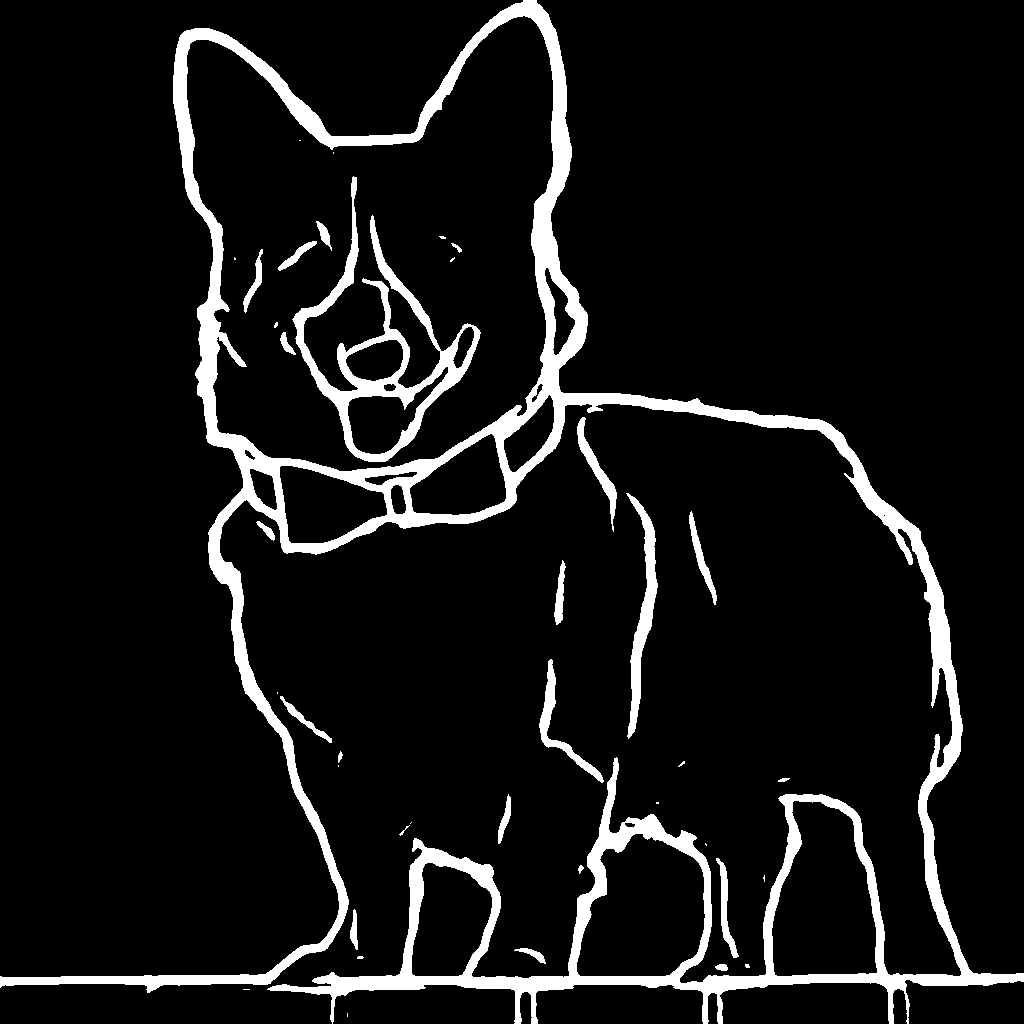
|
||||
|
||||
Then, create the adapter pipeline
|
||||
|
||||
```py
|
||||
import torch
|
||||
from diffusers import (
|
||||
T2IAdapter,
|
||||
StableDiffusionXLAdapterPipeline,
|
||||
DDPMScheduler
|
||||
)
|
||||
|
||||
model_id = "stabilityai/stable-diffusion-xl-base-1.0"
|
||||
adapter = T2IAdapter.from_pretrained("Adapter/t2iadapter", subfolder="sketch_sdxl_1.0", torch_dtype=torch.float16, adapter_type="full_adapter_xl")
|
||||
scheduler = DDPMScheduler.from_pretrained(model_id, subfolder="scheduler")
|
||||
|
||||
pipe = StableDiffusionXLAdapterPipeline.from_pretrained(
|
||||
model_id, adapter=adapter, safety_checker=None, torch_dtype=torch.float16, variant="fp16", scheduler=scheduler
|
||||
)
|
||||
|
||||
pipe.to("cuda")
|
||||
```
|
||||
|
||||
Finally, pass the prompt and control image to the pipeline
|
||||
|
||||
```py
|
||||
# fix the random seed, so you will get the same result as the example
|
||||
generator = torch.Generator().manual_seed(42)
|
||||
|
||||
sketch_image_out = pipe(
|
||||
prompt="a photo of a dog in real world, high quality",
|
||||
negative_prompt="extra digit, fewer digits, cropped, worst quality, low quality",
|
||||
image=sketch_image,
|
||||
generator=generator,
|
||||
guidance_scale=7.5
|
||||
).images[0]
|
||||
make_image_grid([sketch_image, sketch_image_out], rows=1, cols=2)
|
||||
```
|
||||
|
||||
|
||||
|
||||
## Available checkpoints
|
||||
|
||||
Non-diffusers checkpoints can be found under [TencentARC/T2I-Adapter](https://huggingface.co/TencentARC/T2I-Adapter/tree/main/models).
|
||||
|
||||
### T2I-Adapter with Stable Diffusion 1.4
|
||||
|
||||
| Model Name | Control Image Overview| Control Image Example | Generated Image Example |
|
||||
|---|---|---|---|
|
||||
|[TencentARC/t2iadapter_color_sd14v1](https://huggingface.co/TencentARC/t2iadapter_color_sd14v1)<br/> *Trained with spatial color palette* | An image with 8x8 color palette.|<a href="https://huggingface.co/datasets/diffusers/docs-images/resolve/main/t2i-adapter/color_sample_input.png"><img width="64" style="margin:0;padding:0;" src="https://huggingface.co/datasets/diffusers/docs-images/resolve/main/t2i-adapter/color_sample_input.png"/></a>|<a href="https://huggingface.co/datasets/diffusers/docs-images/resolve/main/t2i-adapter/color_sample_output.png"><img width="64" src="https://huggingface.co/datasets/diffusers/docs-images/resolve/main/t2i-adapter/color_sample_output.png"/></a>|
|
||||
|[TencentARC/t2iadapter_canny_sd14v1](https://huggingface.co/TencentARC/t2iadapter_canny_sd14v1)<br/> *Trained with canny edge detection* | A monochrome image with white edges on a black background.|<a href="https://huggingface.co/datasets/diffusers/docs-images/resolve/main/t2i-adapter/canny_sample_input.png"><img width="64" style="margin:0;padding:0;" src="https://huggingface.co/datasets/diffusers/docs-images/resolve/main/t2i-adapter/canny_sample_input.png"/></a>|<a href="https://huggingface.co/datasets/diffusers/docs-images/resolve/main/t2i-adapter/canny_sample_output.png"><img width="64" src="https://huggingface.co/datasets/diffusers/docs-images/resolve/main/t2i-adapter/canny_sample_output.png"/></a>|
|
||||
|[TencentARC/t2iadapter_sketch_sd14v1](https://huggingface.co/TencentARC/t2iadapter_sketch_sd14v1)<br/> *Trained with [PidiNet](https://github.com/zhuoinoulu/pidinet) edge detection* | A hand-drawn monochrome image with white outlines on a black background.|<a href="https://huggingface.co/datasets/diffusers/docs-images/resolve/main/t2i-adapter/sketch_sample_input.png"><img width="64" style="margin:0;padding:0;" src="https://huggingface.co/datasets/diffusers/docs-images/resolve/main/t2i-adapter/sketch_sample_input.png"/></a>|<a href="https://huggingface.co/datasets/diffusers/docs-images/resolve/main/t2i-adapter/sketch_sample_output.png"><img width="64" src="https://huggingface.co/datasets/diffusers/docs-images/resolve/main/t2i-adapter/sketch_sample_output.png"/></a>|
|
||||
|[TencentARC/t2iadapter_depth_sd14v1](https://huggingface.co/TencentARC/t2iadapter_depth_sd14v1)<br/> *Trained with Midas depth estimation* | A grayscale image with black representing deep areas and white representing shallow areas.|<a href="https://huggingface.co/datasets/diffusers/docs-images/resolve/main/t2i-adapter/depth_sample_input.png"><img width="64" src="https://huggingface.co/datasets/diffusers/docs-images/resolve/main/t2i-adapter/depth_sample_input.png"/></a>|<a href="https://huggingface.co/datasets/diffusers/docs-images/resolve/main/t2i-adapter/depth_sample_output.png"><img width="64" src="https://huggingface.co/datasets/diffusers/docs-images/resolve/main/t2i-adapter/depth_sample_output.png"/></a>|
|
||||
|[TencentARC/t2iadapter_openpose_sd14v1](https://huggingface.co/TencentARC/t2iadapter_openpose_sd14v1)<br/> *Trained with OpenPose bone image* | A [OpenPose bone](https://github.com/CMU-Perceptual-Computing-Lab/openpose) image.|<a href="https://huggingface.co/datasets/diffusers/docs-images/resolve/main/t2i-adapter/openpose_sample_input.png"><img width="64" src="https://huggingface.co/datasets/diffusers/docs-images/resolve/main/t2i-adapter/openpose_sample_input.png"/></a>|<a href="https://huggingface.co/datasets/diffusers/docs-images/resolve/main/t2i-adapter/openpose_sample_output.png"><img width="64" src="https://huggingface.co/datasets/diffusers/docs-images/resolve/main/t2i-adapter/openpose_sample_output.png"/></a>|
|
||||
|[TencentARC/t2iadapter_keypose_sd14v1](https://huggingface.co/TencentARC/t2iadapter_keypose_sd14v1)<br/> *Trained with mmpose skeleton image* | A [mmpose skeleton](https://github.com/open-mmlab/mmpose) image.|<a href="https://huggingface.co/datasets/diffusers/docs-images/resolve/main/t2i-adapter/keypose_sample_input.png"><img width="64" src="https://huggingface.co/datasets/diffusers/docs-images/resolve/main/t2i-adapter/keypose_sample_input.png"/></a>|<a href="https://huggingface.co/datasets/diffusers/docs-images/resolve/main/t2i-adapter/keypose_sample_output.png"><img width="64" src="https://huggingface.co/datasets/diffusers/docs-images/resolve/main/t2i-adapter/keypose_sample_output.png"/></a>|
|
||||
|[TencentARC/t2iadapter_seg_sd14v1](https://huggingface.co/TencentARC/t2iadapter_seg_sd14v1)<br/>*Trained with semantic segmentation* | An [custom](https://github.com/TencentARC/T2I-Adapter/discussions/25) segmentation protocol image.|<a href="https://huggingface.co/datasets/diffusers/docs-images/resolve/main/t2i-adapter/seg_sample_input.png"><img width="64" src="https://huggingface.co/datasets/diffusers/docs-images/resolve/main/t2i-adapter/seg_sample_input.png"/></a>|<a href="https://huggingface.co/datasets/diffusers/docs-images/resolve/main/t2i-adapter/seg_sample_output.png"><img width="64" src="https://huggingface.co/datasets/diffusers/docs-images/resolve/main/t2i-adapter/seg_sample_output.png"/></a> |
|
||||
|[TencentARC/t2iadapter_canny_sd15v2](https://huggingface.co/TencentARC/t2iadapter_canny_sd15v2)||
|
||||
|[TencentARC/t2iadapter_depth_sd15v2](https://huggingface.co/TencentARC/t2iadapter_depth_sd15v2)||
|
||||
|[TencentARC/t2iadapter_sketch_sd15v2](https://huggingface.co/TencentARC/t2iadapter_sketch_sd15v2)||
|
||||
|[TencentARC/t2iadapter_zoedepth_sd15v1](https://huggingface.co/TencentARC/t2iadapter_zoedepth_sd15v1)||
|
||||
|[Adapter/t2iadapter, subfolder='sketch_sdxl_1.0'](https://huggingface.co/Adapter/t2iadapter/tree/main/sketch_sdxl_1.0)||
|
||||
|[Adapter/t2iadapter, subfolder='canny_sdxl_1.0'](https://huggingface.co/Adapter/t2iadapter/tree/main/canny_sdxl_1.0)||
|
||||
|[Adapter/t2iadapter, subfolder='openpose_sdxl_1.0'](https://huggingface.co/Adapter/t2iadapter/tree/main/openpose_sdxl_1.0)||
|
||||
|
||||
## Combining multiple adapters
|
||||
|
||||
[`MultiAdapter`] can be used for applying multiple conditionings at once.
|
||||
|
||||
Here we use the keypose adapter for the character posture and the depth adapter for creating the scene.
|
||||
|
||||
```py
|
||||
from diffusers.utils import load_image, make_image_grid
|
||||
|
||||
cond_keypose = load_image(
|
||||
"https://huggingface.co/datasets/diffusers/docs-images/resolve/main/t2i-adapter/keypose_sample_input.png"
|
||||
)
|
||||
cond_depth = load_image(
|
||||
"https://huggingface.co/datasets/diffusers/docs-images/resolve/main/t2i-adapter/depth_sample_input.png"
|
||||
)
|
||||
cond = [cond_keypose, cond_depth]
|
||||
|
||||
prompt = ["A man walking in an office room with a nice view"]
|
||||
```
|
||||
|
||||
The two control images look as such:
|
||||
|
||||
|
||||
|
||||
|
||||
|
||||
`MultiAdapter` combines keypose and depth adapters.
|
||||
|
||||
`adapter_conditioning_scale` balances the relative influence of the different adapters.
|
||||
|
||||
```py
|
||||
import torch
|
||||
from diffusers import StableDiffusionAdapterPipeline, MultiAdapter, T2IAdapter
|
||||
|
||||
adapters = MultiAdapter(
|
||||
[
|
||||
T2IAdapter.from_pretrained("TencentARC/t2iadapter_keypose_sd14v1"),
|
||||
T2IAdapter.from_pretrained("TencentARC/t2iadapter_depth_sd14v1"),
|
||||
]
|
||||
)
|
||||
adapters = adapters.to(torch.float16)
|
||||
|
||||
pipe = StableDiffusionAdapterPipeline.from_pretrained(
|
||||
"CompVis/stable-diffusion-v1-4",
|
||||
torch_dtype=torch.float16,
|
||||
adapter=adapters,
|
||||
).to("cuda")
|
||||
|
||||
image = pipe(prompt, cond, adapter_conditioning_scale=[0.8, 0.8]).images[0]
|
||||
make_image_grid([cond_keypose, cond_depth, image], rows=1, cols=3)
|
||||
```
|
||||
|
||||

|
||||
|
||||
|
||||
## T2I-Adapter vs ControlNet
|
||||
|
||||
T2I-Adapter is similar to [ControlNet](https://huggingface.co/docs/diffusers/main/en/api/pipelines/controlnet).
|
||||
T2I-Adapter uses a smaller auxiliary network which is only run once for the entire diffusion process.
|
||||
However, T2I-Adapter performs slightly worse than ControlNet.
|
||||
|
||||
## StableDiffusionAdapterPipeline
|
||||
[[autodoc]] StableDiffusionAdapterPipeline
|
||||
- all
|
||||
- __call__
|
||||
- enable_attention_slicing
|
||||
- disable_attention_slicing
|
||||
- enable_vae_slicing
|
||||
- disable_vae_slicing
|
||||
- enable_xformers_memory_efficient_attention
|
||||
- disable_xformers_memory_efficient_attention
|
||||
- all
|
||||
- __call__
|
||||
- enable_attention_slicing
|
||||
- disable_attention_slicing
|
||||
- enable_vae_slicing
|
||||
- disable_vae_slicing
|
||||
- enable_xformers_memory_efficient_attention
|
||||
- disable_xformers_memory_efficient_attention
|
||||
|
||||
## StableDiffusionXLAdapterPipeline
|
||||
|
||||
[[autodoc]] StableDiffusionXLAdapterPipeline
|
||||
- all
|
||||
- __call__
|
||||
- enable_attention_slicing
|
||||
- disable_attention_slicing
|
||||
- enable_vae_slicing
|
||||
- disable_vae_slicing
|
||||
- enable_xformers_memory_efficient_attention
|
||||
- disable_xformers_memory_efficient_attention
|
||||
- all
|
||||
- __call__
|
||||
- enable_attention_slicing
|
||||
- disable_attention_slicing
|
||||
- enable_vae_slicing
|
||||
- disable_vae_slicing
|
||||
- enable_xformers_memory_efficient_attention
|
||||
- disable_xformers_memory_efficient_attention
|
||||
|
||||
@@ -0,0 +1,17 @@
|
||||
<!--Copyright 2024 The HuggingFace Team. All rights reserved.
|
||||
|
||||
Licensed under the Apache License, Version 2.0 (the "License"); you may not use this file except in compliance with
|
||||
the License. You may obtain a copy of the License at
|
||||
|
||||
http://www.apache.org/licenses/LICENSE-2.0
|
||||
|
||||
Unless required by applicable law or agreed to in writing, software distributed under the License is distributed on
|
||||
an "AS IS" BASIS, WITHOUT WARRANTIES OR CONDITIONS OF ANY KIND, either express or implied. See the License for the
|
||||
specific language governing permissions and limitations under the License.
|
||||
-->
|
||||
|
||||
# Overview
|
||||
|
||||
Generating high-quality outputs is computationally intensive, especially during each iterative step where you go from a noisy output to a less noisy output. One of 🤗 Diffuser's goals is to make this technology widely accessible to everyone, which includes enabling fast inference on consumer and specialized hardware.
|
||||
|
||||
This section will cover tips and tricks - like half-precision weights and sliced attention - for optimizing inference speed and reducing memory-consumption. You'll also learn how to speed up your PyTorch code with [`torch.compile`](https://pytorch.org/tutorials/intermediate/torch_compile_tutorial.html) or [ONNX Runtime](https://onnxruntime.ai/docs/), and enable memory-efficient attention with [xFormers](https://facebookresearch.github.io/xformers/). There are also guides for running inference on specific hardware like Apple Silicon, and Intel or Habana processors.
|
||||
@@ -1,182 +0,0 @@
|
||||
# T-GATE
|
||||
|
||||
[T-GATE](https://github.com/HaozheLiu-ST/T-GATE/tree/main) accelerates inference for [Stable Diffusion](../api/pipelines/stable_diffusion/overview), [PixArt](../api/pipelines/pixart), and [Latency Consistency Model](../api/pipelines/latent_consistency_models.md) pipelines by skipping the cross-attention calculation once it converges. This method doesn't require any additional training and it can speed up inference from 10-50%. T-GATE is also compatible with other optimization methods like [DeepCache](./deepcache).
|
||||
|
||||
Before you begin, make sure you install T-GATE.
|
||||
|
||||
```bash
|
||||
pip install tgate
|
||||
pip install -U pytorch diffusers transformers accelerate DeepCache
|
||||
```
|
||||
|
||||
|
||||
To use T-GATE with a pipeline, you need to use its corresponding loader.
|
||||
|
||||
| Pipeline | T-GATE Loader |
|
||||
|---|---|
|
||||
| PixArt | TgatePixArtLoader |
|
||||
| Stable Diffusion XL | TgateSDXLLoader |
|
||||
| Stable Diffusion XL + DeepCache | TgateSDXLDeepCacheLoader |
|
||||
| Stable Diffusion | TgateSDLoader |
|
||||
| Stable Diffusion + DeepCache | TgateSDDeepCacheLoader |
|
||||
|
||||
Next, create a `TgateLoader` with a pipeline, the gate step (the time step to stop calculating the cross attention), and the number of inference steps. Then call the `tgate` method on the pipeline with a prompt, gate step, and the number of inference steps.
|
||||
|
||||
Let's see how to enable this for several different pipelines.
|
||||
|
||||
<hfoptions id="pipelines">
|
||||
<hfoption id="PixArt">
|
||||
|
||||
Accelerate `PixArtAlphaPipeline` with T-GATE:
|
||||
|
||||
```py
|
||||
import torch
|
||||
from diffusers import PixArtAlphaPipeline
|
||||
from tgate import TgatePixArtLoader
|
||||
|
||||
pipe = PixArtAlphaPipeline.from_pretrained("PixArt-alpha/PixArt-XL-2-1024-MS", torch_dtype=torch.float16)
|
||||
|
||||
gate_step = 8
|
||||
inference_step = 25
|
||||
pipe = TgatePixArtLoader(
|
||||
pipe,
|
||||
gate_step=gate_step,
|
||||
num_inference_steps=inference_step,
|
||||
).to("cuda")
|
||||
|
||||
image = pipe.tgate(
|
||||
"An alpaca made of colorful building blocks, cyberpunk.",
|
||||
gate_step=gate_step,
|
||||
num_inference_steps=inference_step,
|
||||
).images[0]
|
||||
```
|
||||
</hfoption>
|
||||
<hfoption id="Stable Diffusion XL">
|
||||
|
||||
Accelerate `StableDiffusionXLPipeline` with T-GATE:
|
||||
|
||||
```py
|
||||
import torch
|
||||
from diffusers import StableDiffusionXLPipeline
|
||||
from diffusers import DPMSolverMultistepScheduler
|
||||
from tgate import TgateSDXLLoader
|
||||
|
||||
pipe = StableDiffusionXLPipeline.from_pretrained(
|
||||
"stabilityai/stable-diffusion-xl-base-1.0",
|
||||
torch_dtype=torch.float16,
|
||||
variant="fp16",
|
||||
use_safetensors=True,
|
||||
)
|
||||
pipe.scheduler = DPMSolverMultistepScheduler.from_config(pipe.scheduler.config)
|
||||
|
||||
gate_step = 10
|
||||
inference_step = 25
|
||||
pipe = TgateSDXLLoader(
|
||||
pipe,
|
||||
gate_step=gate_step,
|
||||
num_inference_steps=inference_step,
|
||||
).to("cuda")
|
||||
|
||||
image = pipe.tgate(
|
||||
"Astronaut in a jungle, cold color palette, muted colors, detailed, 8k.",
|
||||
gate_step=gate_step,
|
||||
num_inference_steps=inference_step
|
||||
).images[0]
|
||||
```
|
||||
</hfoption>
|
||||
<hfoption id="StableDiffusionXL with DeepCache">
|
||||
|
||||
Accelerate `StableDiffusionXLPipeline` with [DeepCache](https://github.com/horseee/DeepCache) and T-GATE:
|
||||
|
||||
```py
|
||||
import torch
|
||||
from diffusers import StableDiffusionXLPipeline
|
||||
from diffusers import DPMSolverMultistepScheduler
|
||||
from tgate import TgateSDXLDeepCacheLoader
|
||||
|
||||
pipe = StableDiffusionXLPipeline.from_pretrained(
|
||||
"stabilityai/stable-diffusion-xl-base-1.0",
|
||||
torch_dtype=torch.float16,
|
||||
variant="fp16",
|
||||
use_safetensors=True,
|
||||
)
|
||||
pipe.scheduler = DPMSolverMultistepScheduler.from_config(pipe.scheduler.config)
|
||||
|
||||
gate_step = 10
|
||||
inference_step = 25
|
||||
pipe = TgateSDXLDeepCacheLoader(
|
||||
pipe,
|
||||
cache_interval=3,
|
||||
cache_branch_id=0,
|
||||
).to("cuda")
|
||||
|
||||
image = pipe.tgate(
|
||||
"Astronaut in a jungle, cold color palette, muted colors, detailed, 8k.",
|
||||
gate_step=gate_step,
|
||||
num_inference_steps=inference_step
|
||||
).images[0]
|
||||
```
|
||||
</hfoption>
|
||||
<hfoption id="Latent Consistency Model">
|
||||
|
||||
Accelerate `latent-consistency/lcm-sdxl` with T-GATE:
|
||||
|
||||
```py
|
||||
import torch
|
||||
from diffusers import StableDiffusionXLPipeline
|
||||
from diffusers import UNet2DConditionModel, LCMScheduler
|
||||
from diffusers import DPMSolverMultistepScheduler
|
||||
from tgate import TgateSDXLLoader
|
||||
|
||||
unet = UNet2DConditionModel.from_pretrained(
|
||||
"latent-consistency/lcm-sdxl",
|
||||
torch_dtype=torch.float16,
|
||||
variant="fp16",
|
||||
)
|
||||
pipe = StableDiffusionXLPipeline.from_pretrained(
|
||||
"stabilityai/stable-diffusion-xl-base-1.0",
|
||||
unet=unet,
|
||||
torch_dtype=torch.float16,
|
||||
variant="fp16",
|
||||
)
|
||||
pipe.scheduler = LCMScheduler.from_config(pipe.scheduler.config)
|
||||
|
||||
gate_step = 1
|
||||
inference_step = 4
|
||||
pipe = TgateSDXLLoader(
|
||||
pipe,
|
||||
gate_step=gate_step,
|
||||
num_inference_steps=inference_step,
|
||||
lcm=True
|
||||
).to("cuda")
|
||||
|
||||
image = pipe.tgate(
|
||||
"Astronaut in a jungle, cold color palette, muted colors, detailed, 8k.",
|
||||
gate_step=gate_step,
|
||||
num_inference_steps=inference_step
|
||||
).images[0]
|
||||
```
|
||||
</hfoption>
|
||||
</hfoptions>
|
||||
|
||||
T-GATE also supports [`StableDiffusionPipeline`] and [PixArt-alpha/PixArt-LCM-XL-2-1024-MS](https://hf.co/PixArt-alpha/PixArt-LCM-XL-2-1024-MS).
|
||||
|
||||
## Benchmarks
|
||||
| Model | MACs | Param | Latency | Zero-shot 10K-FID on MS-COCO |
|
||||
|-----------------------|----------|-----------|---------|---------------------------|
|
||||
| SD-1.5 | 16.938T | 859.520M | 7.032s | 23.927 |
|
||||
| SD-1.5 w/ T-GATE | 9.875T | 815.557M | 4.313s | 20.789 |
|
||||
| SD-2.1 | 38.041T | 865.785M | 16.121s | 22.609 |
|
||||
| SD-2.1 w/ T-GATE | 22.208T | 815.433 M | 9.878s | 19.940 |
|
||||
| SD-XL | 149.438T | 2.570B | 53.187s | 24.628 |
|
||||
| SD-XL w/ T-GATE | 84.438T | 2.024B | 27.932s | 22.738 |
|
||||
| Pixart-Alpha | 107.031T | 611.350M | 61.502s | 38.669 |
|
||||
| Pixart-Alpha w/ T-GATE | 65.318T | 462.585M | 37.867s | 35.825 |
|
||||
| DeepCache (SD-XL) | 57.888T | - | 19.931s | 23.755 |
|
||||
| DeepCache w/ T-GATE | 43.868T | - | 14.666s | 23.999 |
|
||||
| LCM (SD-XL) | 11.955T | 2.570B | 3.805s | 25.044 |
|
||||
| LCM w/ T-GATE | 11.171T | 2.024B | 3.533s | 25.028 |
|
||||
| LCM (Pixart-Alpha) | 8.563T | 611.350M | 4.733s | 36.086 |
|
||||
| LCM w/ T-GATE | 7.623T | 462.585M | 4.543s | 37.048 |
|
||||
|
||||
The latency is tested on an NVIDIA 1080TI, MACs and Params are calculated with [calflops](https://github.com/MrYxJ/calculate-flops.pytorch), and the FID is calculated with [PytorchFID](https://github.com/mseitzer/pytorch-fid).
|
||||
@@ -88,7 +88,7 @@ accelerate config default
|
||||
|
||||
Or if your environment doesn't support an interactive shell, like a notebook, you can use:
|
||||
|
||||
```py
|
||||
```bash
|
||||
from accelerate.utils import write_basic_config
|
||||
|
||||
write_basic_config()
|
||||
|
||||
@@ -54,7 +54,7 @@ accelerate config default
|
||||
|
||||
Or if your environment doesn't support an interactive shell, like a notebook, you can use:
|
||||
|
||||
```py
|
||||
```bash
|
||||
from accelerate.utils import write_basic_config
|
||||
|
||||
write_basic_config()
|
||||
@@ -84,7 +84,7 @@ Many of the basic parameters are described in the [DreamBooth](dreambooth#script
|
||||
- `--freeze_model`: freezes the key and value parameters in the cross-attention layer; the default is `crossattn_kv`, but you can set it to `crossattn` to train all the parameters in the cross-attention layer
|
||||
- `--concepts_list`: to learn multiple concepts, provide a path to a JSON file containing the concepts
|
||||
- `--modifier_token`: a special word used to represent the learned concept
|
||||
- `--initializer_token`: a special word used to initialize the embeddings of the `modifier_token`
|
||||
- `--initializer_token`:
|
||||
|
||||
### Prior preservation loss
|
||||
|
||||
|
||||
@@ -52,76 +52,6 @@ To learn more, take a look at the [Distributed Inference with 🤗 Accelerate](h
|
||||
|
||||
</Tip>
|
||||
|
||||
### Device placement
|
||||
|
||||
> [!WARNING]
|
||||
> This feature is experimental and its APIs might change in the future.
|
||||
|
||||
With Accelerate, you can use the `device_map` to determine how to distribute the models of a pipeline across multiple devices. This is useful in situations where you have more than one GPU.
|
||||
|
||||
For example, if you have two 8GB GPUs, then using [`~DiffusionPipeline.enable_model_cpu_offload`] may not work so well because:
|
||||
|
||||
* it only works on a single GPU
|
||||
* a single model might not fit on a single GPU ([`~DiffusionPipeline.enable_sequential_cpu_offload`] might work but it will be extremely slow and it is also limited to a single GPU)
|
||||
|
||||
To make use of both GPUs, you can use the "balanced" device placement strategy which splits the models across all available GPUs.
|
||||
|
||||
> [!WARNING]
|
||||
> Only the "balanced" strategy is supported at the moment, and we plan to support additional mapping strategies in the future.
|
||||
|
||||
```diff
|
||||
from diffusers import DiffusionPipeline
|
||||
import torch
|
||||
|
||||
pipeline = DiffusionPipeline.from_pretrained(
|
||||
- "runwayml/stable-diffusion-v1-5", torch_dtype=torch.float16, use_safetensors=True,
|
||||
+ "runwayml/stable-diffusion-v1-5", torch_dtype=torch.float16, use_safetensors=True, device_map="balanced"
|
||||
)
|
||||
image = pipeline("a dog").images[0]
|
||||
image
|
||||
```
|
||||
|
||||
You can also pass a dictionary to enforce the maximum GPU memory that can be used on each device:
|
||||
|
||||
```diff
|
||||
from diffusers import DiffusionPipeline
|
||||
import torch
|
||||
|
||||
max_memory = {0:"1GB", 1:"1GB"}
|
||||
pipeline = DiffusionPipeline.from_pretrained(
|
||||
"runwayml/stable-diffusion-v1-5",
|
||||
torch_dtype=torch.float16,
|
||||
use_safetensors=True,
|
||||
device_map="balanced",
|
||||
+ max_memory=max_memory
|
||||
)
|
||||
image = pipeline("a dog").images[0]
|
||||
image
|
||||
```
|
||||
|
||||
If a device is not present in `max_memory`, then it will be completely ignored and will not participate in the device placement.
|
||||
|
||||
By default, Diffusers uses the maximum memory of all devices. If the models don't fit on the GPUs, they are offloaded to the CPU. If the CPU doesn't have enough memory, then you might see an error. In that case, you could defer to using [`~DiffusionPipeline.enable_sequential_cpu_offload`] and [`~DiffusionPipeline.enable_model_cpu_offload`].
|
||||
|
||||
Call [`~DiffusionPipeline.reset_device_map`] to reset the `device_map` of a pipeline. This is also necessary if you want to use methods like `to()`, [`~DiffusionPipeline.enable_sequential_cpu_offload`], and [`~DiffusionPipeline.enable_model_cpu_offload`] on a pipeline that was device-mapped.
|
||||
|
||||
```py
|
||||
pipeline.reset_device_map()
|
||||
```
|
||||
|
||||
Once a pipeline has been device-mapped, you can also access its device map via `hf_device_map`:
|
||||
|
||||
```py
|
||||
print(pipeline.hf_device_map)
|
||||
```
|
||||
|
||||
An example device map would look like so:
|
||||
|
||||
|
||||
```bash
|
||||
{'unet': 1, 'vae': 1, 'safety_checker': 0, 'text_encoder': 0}
|
||||
```
|
||||
|
||||
## PyTorch Distributed
|
||||
|
||||
PyTorch supports [`DistributedDataParallel`](https://pytorch.org/docs/stable/generated/torch.nn.parallel.DistributedDataParallel.html) which enables data parallelism.
|
||||
|
||||
@@ -67,7 +67,7 @@ accelerate config default
|
||||
|
||||
Or if your environment doesn't support an interactive shell, like a notebook, you can use:
|
||||
|
||||
```py
|
||||
```bash
|
||||
from accelerate.utils import write_basic_config
|
||||
|
||||
write_basic_config()
|
||||
@@ -180,7 +180,7 @@ elif args.pretrained_model_name_or_path:
|
||||
revision=args.revision,
|
||||
use_fast=False,
|
||||
)
|
||||
|
||||
|
||||
# Load scheduler and models
|
||||
noise_scheduler = DDPMScheduler.from_pretrained(args.pretrained_model_name_or_path, subfolder="scheduler")
|
||||
text_encoder = text_encoder_cls.from_pretrained(
|
||||
|
||||
@@ -51,7 +51,7 @@ accelerate config default
|
||||
|
||||
Or if your environment doesn't support an interactive shell, like a notebook, you can use:
|
||||
|
||||
```py
|
||||
```bash
|
||||
from accelerate.utils import write_basic_config
|
||||
|
||||
write_basic_config()
|
||||
@@ -89,7 +89,7 @@ The dataset preprocessing code and training loop are found in the [`main()`](htt
|
||||
|
||||
As with the script parameters, a walkthrough of the training script is provided in the [Text-to-image](text2image#training-script) training guide. Instead, this guide takes a look at the InstructPix2Pix relevant parts of the script.
|
||||
|
||||
The script begins by modifying the [number of input channels](https://github.com/huggingface/diffusers/blob/64603389da01082055a901f2883c4810d1144edb/examples/instruct_pix2pix/train_instruct_pix2pix.py#L445) in the first convolutional layer of the UNet to account for InstructPix2Pix's additional conditioning image:
|
||||
The script begins by modifing the [number of input channels](https://github.com/huggingface/diffusers/blob/64603389da01082055a901f2883c4810d1144edb/examples/instruct_pix2pix/train_instruct_pix2pix.py#L445) in the first convolutional layer of the UNet to account for InstructPix2Pix's additional conditioning image:
|
||||
|
||||
```py
|
||||
in_channels = 8
|
||||
|
||||
@@ -59,7 +59,7 @@ accelerate config default
|
||||
|
||||
Or if your environment doesn't support an interactive shell, like a notebook, you can use:
|
||||
|
||||
```py
|
||||
```bash
|
||||
from accelerate.utils import write_basic_config
|
||||
|
||||
write_basic_config()
|
||||
@@ -235,7 +235,7 @@ accelerate launch --mixed_precision="fp16" train_text_to_image_prior.py \
|
||||
--validation_prompts="A robot pokemon, 4k photo" \
|
||||
--report_to="wandb" \
|
||||
--push_to_hub \
|
||||
--output_dir="kandi2-prior-pokemon-model"
|
||||
--output_dir="kandi2-prior-pokemon-model"
|
||||
```
|
||||
|
||||
</hfoption>
|
||||
@@ -259,7 +259,7 @@ accelerate launch --mixed_precision="fp16" train_text_to_image_decoder.py \
|
||||
--validation_prompts="A robot pokemon, 4k photo" \
|
||||
--report_to="wandb" \
|
||||
--push_to_hub \
|
||||
--output_dir="kandi2-decoder-pokemon-model"
|
||||
--output_dir="kandi2-decoder-pokemon-model"
|
||||
```
|
||||
|
||||
</hfoption>
|
||||
|
||||
@@ -53,7 +53,7 @@ accelerate config default
|
||||
|
||||
Or if your environment doesn't support an interactive shell, like a notebook, you can use:
|
||||
|
||||
```py
|
||||
```bash
|
||||
from accelerate.utils import write_basic_config
|
||||
|
||||
write_basic_config()
|
||||
@@ -252,4 +252,4 @@ The SDXL training script is discussed in more detail in the [SDXL training](sdxl
|
||||
Congratulations on distilling a LCM model! To learn more about LCM, the following may be helpful:
|
||||
|
||||
- Learn how to use [LCMs for inference](../using-diffusers/lcm) for text-to-image, image-to-image, and with LoRA checkpoints.
|
||||
- Read the [SDXL in 4 steps with Latent Consistency LoRAs](https://huggingface.co/blog/lcm_lora) blog post to learn more about SDXL LCM-LoRA's for super fast inference, quality comparisons, benchmarks, and more.
|
||||
- Read the [SDXL in 4 steps with Latent Consistency LoRAs](https://huggingface.co/blog/lcm_lora) blog post to learn more about SDXL LCM-LoRA's for super fast inference, quality comparisons, benchmarks, and more.
|
||||
@@ -59,7 +59,7 @@ accelerate config default
|
||||
|
||||
Or if your environment doesn't support an interactive shell, like a notebook, you can use:
|
||||
|
||||
```py
|
||||
```bash
|
||||
from accelerate.utils import write_basic_config
|
||||
|
||||
write_basic_config()
|
||||
|
||||
@@ -53,7 +53,7 @@ accelerate config default
|
||||
|
||||
Or if your environment doesn't support an interactive shell, like a notebook, you can use:
|
||||
|
||||
```py
|
||||
```bash
|
||||
from accelerate.utils import write_basic_config
|
||||
|
||||
write_basic_config()
|
||||
|
||||
@@ -69,7 +69,7 @@ accelerate config default
|
||||
|
||||
Or if your environment doesn't support an interactive shell, like a notebook, you can use:
|
||||
|
||||
```py
|
||||
```bash
|
||||
from accelerate.utils import write_basic_config
|
||||
|
||||
write_basic_config()
|
||||
|
||||
@@ -67,7 +67,7 @@ accelerate config default
|
||||
|
||||
Or if your environment doesn't support an interactive shell, like a notebook, you can use:
|
||||
|
||||
```py
|
||||
```bash
|
||||
from accelerate.utils import write_basic_config
|
||||
|
||||
write_basic_config()
|
||||
|
||||
@@ -51,7 +51,7 @@ accelerate config default
|
||||
|
||||
Or if your environment doesn't support an interactive shell like a notebook, you can use:
|
||||
|
||||
```py
|
||||
```bash
|
||||
from accelerate.utils import write_basic_config
|
||||
|
||||
write_basic_config()
|
||||
|
||||
@@ -53,7 +53,7 @@ accelerate config default
|
||||
|
||||
Or if your environment doesn't support an interactive shell, like a notebook, you can use:
|
||||
|
||||
```py
|
||||
```bash
|
||||
from accelerate.utils import write_basic_config
|
||||
|
||||
write_basic_config()
|
||||
@@ -173,7 +173,7 @@ pipeline = AutoPipelineForText2Image.from_pretrained("path/to/saved/model", torc
|
||||
|
||||
caption = "A cute bird pokemon holding a shield"
|
||||
images = pipeline(
|
||||
caption,
|
||||
caption,
|
||||
width=1024,
|
||||
height=1536,
|
||||
prior_timesteps=DEFAULT_STAGE_C_TIMESTEPS,
|
||||
|
||||
@@ -12,74 +12,75 @@ specific language governing permissions and limitations under the License.
|
||||
|
||||
# AutoPipeline
|
||||
|
||||
Diffusers provides many pipelines for basic tasks like generating images, videos, audio, and inpainting. On top of these, there are specialized pipelines for adapters and features like upscaling, super-resolution, and more. Different pipeline classes can even use the same checkpoint because they share the same pretrained model! With so many different pipelines, it can be overwhelming to know which pipeline class to use.
|
||||
🤗 Diffusers is able to complete many different tasks, and you can often reuse the same pretrained weights for multiple tasks such as text-to-image, image-to-image, and inpainting. If you're new to the library and diffusion models though, it may be difficult to know which pipeline to use for a task. For example, if you're using the [runwayml/stable-diffusion-v1-5](https://huggingface.co/runwayml/stable-diffusion-v1-5) checkpoint for text-to-image, you might not know that you could also use it for image-to-image and inpainting by loading the checkpoint with the [`StableDiffusionImg2ImgPipeline`] and [`StableDiffusionInpaintPipeline`] classes respectively.
|
||||
|
||||
The [AutoPipeline](../api/pipelines/auto_pipeline) class is designed to simplify the variety of pipelines in Diffusers. It is a generic *task-first* pipeline that lets you focus on a task ([`AutoPipelineForText2Image`], [`AutoPipelineForImage2Image`], and [`AutoPipelineForInpainting`]) without needing to know the specific pipeline class. The [AutoPipeline](../api/pipelines/auto_pipeline) automatically detects the correct pipeline class to use.
|
||||
The `AutoPipeline` class is designed to simplify the variety of pipelines in 🤗 Diffusers. It is a generic, *task-first* pipeline that lets you focus on the task. The `AutoPipeline` automatically detects the correct pipeline class to use, which makes it easier to load a checkpoint for a task without knowing the specific pipeline class name.
|
||||
|
||||
For example, let's use the [dreamlike-art/dreamlike-photoreal-2.0](https://hf.co/dreamlike-art/dreamlike-photoreal-2.0) checkpoint.
|
||||
<Tip>
|
||||
|
||||
Under the hood, [AutoPipeline](../api/pipelines/auto_pipeline):
|
||||
Take a look at the [AutoPipeline](../api/pipelines/auto_pipeline) reference to see which tasks are supported. Currently, it supports text-to-image, image-to-image, and inpainting.
|
||||
|
||||
1. Detects a `"stable-diffusion"` class from the [model_index.json](https://hf.co/dreamlike-art/dreamlike-photoreal-2.0/blob/main/model_index.json) file.
|
||||
2. Depending on the task you're interested in, it loads the [`StableDiffusionPipeline`], [`StableDiffusionImg2ImgPipeline`], or [`StableDiffusionInpaintPipeline`]. Any parameter (`strength`, `num_inference_steps`, etc.) you would pass to these specific pipelines can also be passed to the [AutoPipeline](../api/pipelines/auto_pipeline).
|
||||
</Tip>
|
||||
|
||||
<hfoptions id="autopipeline">
|
||||
<hfoption id="text-to-image">
|
||||
This tutorial shows you how to use an `AutoPipeline` to automatically infer the pipeline class to load for a specific task, given the pretrained weights.
|
||||
|
||||
## Choose an AutoPipeline for your task
|
||||
|
||||
Start by picking a checkpoint. For example, if you're interested in text-to-image with the [runwayml/stable-diffusion-v1-5](https://huggingface.co/runwayml/stable-diffusion-v1-5) checkpoint, use [`AutoPipelineForText2Image`]:
|
||||
|
||||
```py
|
||||
from diffusers import AutoPipelineForText2Image
|
||||
import torch
|
||||
|
||||
pipe_txt2img = AutoPipelineForText2Image.from_pretrained(
|
||||
"dreamlike-art/dreamlike-photoreal-2.0", torch_dtype=torch.float16, use_safetensors=True
|
||||
pipeline = AutoPipelineForText2Image.from_pretrained(
|
||||
"runwayml/stable-diffusion-v1-5", torch_dtype=torch.float16, use_safetensors=True
|
||||
).to("cuda")
|
||||
prompt = "peasant and dragon combat, wood cutting style, viking era, bevel with rune"
|
||||
|
||||
prompt = "cinematic photo of Godzilla eating sushi with a cat in a izakaya, 35mm photograph, film, professional, 4k, highly detailed"
|
||||
generator = torch.Generator(device="cpu").manual_seed(37)
|
||||
image = pipe_txt2img(prompt, generator=generator).images[0]
|
||||
image = pipeline(prompt, num_inference_steps=25).images[0]
|
||||
image
|
||||
```
|
||||
|
||||
<div class="flex justify-center">
|
||||
<img src="https://huggingface.co/datasets/huggingface/documentation-images/resolve/main/diffusers/autopipeline-text2img.png"/>
|
||||
<img src="https://huggingface.co/datasets/huggingface/documentation-images/resolve/main/diffusers/autopipeline-text2img.png" alt="generated image of peasant fighting dragon in wood cutting style"/>
|
||||
</div>
|
||||
|
||||
</hfoption>
|
||||
<hfoption id="image-to-image">
|
||||
Under the hood, [`AutoPipelineForText2Image`]:
|
||||
|
||||
1. automatically detects a `"stable-diffusion"` class from the [`model_index.json`](https://huggingface.co/runwayml/stable-diffusion-v1-5/blob/main/model_index.json) file
|
||||
2. loads the corresponding text-to-image [`StableDiffusionPipeline`] based on the `"stable-diffusion"` class name
|
||||
|
||||
Likewise, for image-to-image, [`AutoPipelineForImage2Image`] detects a `"stable-diffusion"` checkpoint from the `model_index.json` file and it'll load the corresponding [`StableDiffusionImg2ImgPipeline`] behind the scenes. You can also pass any additional arguments specific to the pipeline class such as `strength`, which determines the amount of noise or variation added to an input image:
|
||||
|
||||
```py
|
||||
from diffusers import AutoPipelineForImage2Image
|
||||
from diffusers.utils import load_image
|
||||
import torch
|
||||
import requests
|
||||
from PIL import Image
|
||||
from io import BytesIO
|
||||
|
||||
pipe_img2img = AutoPipelineForImage2Image.from_pretrained(
|
||||
"dreamlike-art/dreamlike-photoreal-2.0", torch_dtype=torch.float16, use_safetensors=True
|
||||
pipeline = AutoPipelineForImage2Image.from_pretrained(
|
||||
"runwayml/stable-diffusion-v1-5",
|
||||
torch_dtype=torch.float16,
|
||||
use_safetensors=True,
|
||||
).to("cuda")
|
||||
prompt = "a portrait of a dog wearing a pearl earring"
|
||||
|
||||
init_image = load_image("https://huggingface.co/datasets/huggingface/documentation-images/resolve/main/diffusers/autopipeline-text2img.png")
|
||||
url = "https://upload.wikimedia.org/wikipedia/commons/thumb/0/0f/1665_Girl_with_a_Pearl_Earring.jpg/800px-1665_Girl_with_a_Pearl_Earring.jpg"
|
||||
|
||||
prompt = "cinematic photo of Godzilla eating burgers with a cat in a fast food restaurant, 35mm photograph, film, professional, 4k, highly detailed"
|
||||
generator = torch.Generator(device="cpu").manual_seed(53)
|
||||
image = pipe_img2img(prompt, image=init_image, generator=generator).images[0]
|
||||
response = requests.get(url)
|
||||
image = Image.open(BytesIO(response.content)).convert("RGB")
|
||||
image.thumbnail((768, 768))
|
||||
|
||||
image = pipeline(prompt, image, num_inference_steps=200, strength=0.75, guidance_scale=10.5).images[0]
|
||||
image
|
||||
```
|
||||
|
||||
Notice how the [dreamlike-art/dreamlike-photoreal-2.0](https://hf.co/dreamlike-art/dreamlike-photoreal-2.0) checkpoint is used for both text-to-image and image-to-image tasks? To save memory and avoid loading the checkpoint twice, use the [`~DiffusionPipeline.from_pipe`] method.
|
||||
|
||||
```py
|
||||
pipe_img2img = AutoPipelineForImage2Image.from_pipe(pipe_txt2img).to("cuda")
|
||||
image = pipeline(prompt, image=init_image, generator=generator).images[0]
|
||||
image
|
||||
```
|
||||
|
||||
You can learn more about the [`~DiffusionPipeline.from_pipe`] method in the [Reuse a pipeline](../using-diffusers/loading#reuse-a-pipeline) guide.
|
||||
|
||||
<div class="flex justify-center">
|
||||
<img src="https://huggingface.co/datasets/huggingface/documentation-images/resolve/main/diffusers/autopipeline-img2img.png"/>
|
||||
<img src="https://huggingface.co/datasets/huggingface/documentation-images/resolve/main/diffusers/autopipeline-img2img.png" alt="generated image of a vermeer portrait of a dog wearing a pearl earring"/>
|
||||
</div>
|
||||
|
||||
</hfoption>
|
||||
<hfoption id="inpainting">
|
||||
And if you want to do inpainting, then [`AutoPipelineForInpainting`] loads the underlying [`StableDiffusionInpaintPipeline`] class in the same way:
|
||||
|
||||
```py
|
||||
from diffusers import AutoPipelineForInpainting
|
||||
@@ -90,27 +91,22 @@ pipeline = AutoPipelineForInpainting.from_pretrained(
|
||||
"stabilityai/stable-diffusion-xl-base-1.0", torch_dtype=torch.float16, use_safetensors=True
|
||||
).to("cuda")
|
||||
|
||||
init_image = load_image("https://huggingface.co/datasets/huggingface/documentation-images/resolve/main/diffusers/autopipeline-img2img.png")
|
||||
mask_image = load_image("https://huggingface.co/datasets/huggingface/documentation-images/resolve/main/diffusers/autopipeline-mask.png")
|
||||
img_url = "https://raw.githubusercontent.com/CompVis/latent-diffusion/main/data/inpainting_examples/overture-creations-5sI6fQgYIuo.png"
|
||||
mask_url = "https://raw.githubusercontent.com/CompVis/latent-diffusion/main/data/inpainting_examples/overture-creations-5sI6fQgYIuo_mask.png"
|
||||
|
||||
prompt = "cinematic photo of a owl, 35mm photograph, film, professional, 4k, highly detailed"
|
||||
generator = torch.Generator(device="cpu").manual_seed(38)
|
||||
image = pipeline(prompt, image=init_image, mask_image=mask_image, generator=generator, strength=0.4).images[0]
|
||||
init_image = load_image(img_url).convert("RGB")
|
||||
mask_image = load_image(mask_url).convert("RGB")
|
||||
|
||||
prompt = "A majestic tiger sitting on a bench"
|
||||
image = pipeline(prompt, image=init_image, mask_image=mask_image, num_inference_steps=50, strength=0.80).images[0]
|
||||
image
|
||||
```
|
||||
|
||||
<div class="flex justify-center">
|
||||
<img src="https://huggingface.co/datasets/huggingface/documentation-images/resolve/main/diffusers/autopipeline-inpaint.png"/>
|
||||
<img src="https://huggingface.co/datasets/huggingface/documentation-images/resolve/main/diffusers/autopipeline-inpaint.png" alt="generated image of a tiger sitting on a bench"/>
|
||||
</div>
|
||||
|
||||
</hfoption>
|
||||
</hfoptions>
|
||||
|
||||
## Unsupported checkpoints
|
||||
|
||||
The [AutoPipeline](../api/pipelines/auto_pipeline) supports [Stable Diffusion](../api/pipelines/stable_diffusion/overview), [Stable Diffusion XL](../api/pipelines/stable_diffusion/stable_diffusion_xl), [ControlNet](../api/pipelines/controlnet), [Kandinsky 2.1](../api/pipelines/kandinsky.md), [Kandinsky 2.2](../api/pipelines/kandinsky_v22), and [DeepFloyd IF](../api/pipelines/deepfloyd_if) checkpoints.
|
||||
|
||||
If you try to load an unsupported checkpoint, you'll get an error.
|
||||
If you try to load an unsupported checkpoint, it'll throw an error:
|
||||
|
||||
```py
|
||||
from diffusers import AutoPipelineForImage2Image
|
||||
@@ -121,3 +117,54 @@ pipeline = AutoPipelineForImage2Image.from_pretrained(
|
||||
)
|
||||
"ValueError: AutoPipeline can't find a pipeline linked to ShapEImg2ImgPipeline for None"
|
||||
```
|
||||
|
||||
## Use multiple pipelines
|
||||
|
||||
For some workflows or if you're loading many pipelines, it is more memory-efficient to reuse the same components from a checkpoint instead of reloading them which would unnecessarily consume additional memory. For example, if you're using a checkpoint for text-to-image and you want to use it again for image-to-image, use the [`~AutoPipelineForImage2Image.from_pipe`] method. This method creates a new pipeline from the components of a previously loaded pipeline at no additional memory cost.
|
||||
|
||||
The [`~AutoPipelineForImage2Image.from_pipe`] method detects the original pipeline class and maps it to the new pipeline class corresponding to the task you want to do. For example, if you load a `"stable-diffusion"` class pipeline for text-to-image:
|
||||
|
||||
```py
|
||||
from diffusers import AutoPipelineForText2Image, AutoPipelineForImage2Image
|
||||
import torch
|
||||
|
||||
pipeline_text2img = AutoPipelineForText2Image.from_pretrained(
|
||||
"runwayml/stable-diffusion-v1-5", torch_dtype=torch.float16, use_safetensors=True
|
||||
)
|
||||
print(type(pipeline_text2img))
|
||||
"<class 'diffusers.pipelines.stable_diffusion.pipeline_stable_diffusion.StableDiffusionPipeline'>"
|
||||
```
|
||||
|
||||
Then [`~AutoPipelineForImage2Image.from_pipe`] maps the original `"stable-diffusion"` pipeline class to [`StableDiffusionImg2ImgPipeline`]:
|
||||
|
||||
```py
|
||||
pipeline_img2img = AutoPipelineForImage2Image.from_pipe(pipeline_text2img)
|
||||
print(type(pipeline_img2img))
|
||||
"<class 'diffusers.pipelines.stable_diffusion.pipeline_stable_diffusion_img2img.StableDiffusionImg2ImgPipeline'>"
|
||||
```
|
||||
|
||||
If you passed an optional argument - like disabling the safety checker - to the original pipeline, this argument is also passed on to the new pipeline:
|
||||
|
||||
```py
|
||||
from diffusers import AutoPipelineForText2Image, AutoPipelineForImage2Image
|
||||
import torch
|
||||
|
||||
pipeline_text2img = AutoPipelineForText2Image.from_pretrained(
|
||||
"runwayml/stable-diffusion-v1-5",
|
||||
torch_dtype=torch.float16,
|
||||
use_safetensors=True,
|
||||
requires_safety_checker=False,
|
||||
).to("cuda")
|
||||
|
||||
pipeline_img2img = AutoPipelineForImage2Image.from_pipe(pipeline_text2img)
|
||||
print(pipeline_img2img.config.requires_safety_checker)
|
||||
"False"
|
||||
```
|
||||
|
||||
You can overwrite any of the arguments and even configuration from the original pipeline if you want to change the behavior of the new pipeline. For example, to turn the safety checker back on and add the `strength` argument:
|
||||
|
||||
```py
|
||||
pipeline_img2img = AutoPipelineForImage2Image.from_pipe(pipeline_text2img, requires_safety_checker=True, strength=0.3)
|
||||
print(pipeline_img2img.config.requires_safety_checker)
|
||||
"True"
|
||||
```
|
||||
|
||||
@@ -133,62 +133,6 @@ image
|
||||
|
||||
|
||||
|
||||
### Customize adapters strength
|
||||
For even more customization, you can control how strongly the adapter affects each part of the pipeline. For this, pass a dictionary with the control strengths (called "scales") to [`~diffusers.loaders.UNet2DConditionLoadersMixin.set_adapters`].
|
||||
|
||||
For example, here's how you can turn on the adapter for the `down` parts, but turn it off for the `mid` and `up` parts:
|
||||
```python
|
||||
pipe.enable_lora() # enable lora again, after we disabled it above
|
||||
prompt = "toy_face of a hacker with a hoodie, pixel art"
|
||||
adapter_weight_scales = { "unet": { "down": 1, "mid": 0, "up": 0} }
|
||||
pipe.set_adapters("pixel", adapter_weight_scales)
|
||||
image = pipe(prompt, num_inference_steps=30, generator=torch.manual_seed(0)).images[0]
|
||||
image
|
||||
```
|
||||
|
||||
|
||||
|
||||
Let's see how turning off the `down` part and turning on the `mid` and `up` part respectively changes the image.
|
||||
```python
|
||||
adapter_weight_scales = { "unet": { "down": 0, "mid": 1, "up": 0} }
|
||||
pipe.set_adapters("pixel", adapter_weight_scales)
|
||||
image = pipe(prompt, num_inference_steps=30, generator=torch.manual_seed(0)).images[0]
|
||||
image
|
||||
```
|
||||
|
||||
|
||||
|
||||
```python
|
||||
adapter_weight_scales = { "unet": { "down": 0, "mid": 0, "up": 1} }
|
||||
pipe.set_adapters("pixel", adapter_weight_scales)
|
||||
image = pipe(prompt, num_inference_steps=30, generator=torch.manual_seed(0)).images[0]
|
||||
image
|
||||
```
|
||||
|
||||
|
||||
|
||||
Looks cool!
|
||||
|
||||
This is a really powerful feature. You can use it to control the adapter strengths down to per-transformer level. And you can even use it for multiple adapters.
|
||||
```python
|
||||
adapter_weight_scales_toy = 0.5
|
||||
adapter_weight_scales_pixel = {
|
||||
"unet": {
|
||||
"down": 0.9, # all transformers in the down-part will use scale 0.9
|
||||
# "mid" # because, in this example, "mid" is not given, all transformers in the mid part will use the default scale 1.0
|
||||
"up": {
|
||||
"block_0": 0.6, # all 3 transformers in the 0th block in the up-part will use scale 0.6
|
||||
"block_1": [0.4, 0.8, 1.0], # the 3 transformers in the 1st block in the up-part will use scales 0.4, 0.8 and 1.0 respectively
|
||||
}
|
||||
}
|
||||
}
|
||||
pipe.set_adapters(["toy", "pixel"], [adapter_weight_scales_toy, adapter_weight_scales_pixel])
|
||||
image = pipe(prompt, num_inference_steps=30, generator=torch.manual_seed(0)).images[0]
|
||||
image
|
||||
```
|
||||
|
||||
|
||||
|
||||
## Manage active adapters
|
||||
|
||||
You have attached multiple adapters in this tutorial, and if you're feeling a bit lost on what adapters have been attached to the pipeline's components, use the [`~diffusers.loaders.LoraLoaderMixin.get_active_adapters`] method to check the list of active adapters:
|
||||
|
||||
@@ -148,9 +148,9 @@ pipeline = AutoPipelineForText2Image.from_pretrained(
|
||||
use_safetensors=True
|
||||
).to("cuda")
|
||||
|
||||
image = pipeline(
|
||||
prompt="A croissant shaped like a cute bear.",
|
||||
negative_prompt="Deformed, ugly, bad anatomy",
|
||||
image = pipe(
|
||||
prompt = "A croissant shaped like a cute bear."
|
||||
negative_prompt = "Deformed, ugly, bad anatomy"
|
||||
callback_on_step_end=decode_tensors,
|
||||
callback_on_step_end_tensor_inputs=["latents"],
|
||||
).images[0]
|
||||
|
||||
@@ -16,19 +16,17 @@ specific language governing permissions and limitations under the License.
|
||||
|
||||
## Community pipelines
|
||||
|
||||
Community pipelines are any [`DiffusionPipeline`] class that are different from the original paper implementation (for example, the [`StableDiffusionControlNetPipeline`] corresponds to the [Text-to-Image Generation with ControlNet Conditioning](https://arxiv.org/abs/2302.05543) paper). They provide additional functionality or extend the original implementation of a pipeline.
|
||||
Community pipelines are any [`DiffusionPipeline`] class that are different from the original implementation as specified in their paper (for example, the [`StableDiffusionControlNetPipeline`] corresponds to the [Text-to-Image Generation with ControlNet Conditioning](https://arxiv.org/abs/2302.05543) paper). They provide additional functionality or extend the original implementation of a pipeline.
|
||||
|
||||
There are many cool community pipelines like [Marigold Depth Estimation](https://github.com/huggingface/diffusers/tree/main/examples/community#marigold-depth-estimation) or [InstantID](https://github.com/huggingface/diffusers/tree/main/examples/community#instantid-pipeline), and you can find all the official community pipelines [here](https://github.com/huggingface/diffusers/tree/main/examples/community).
|
||||
There are many cool community pipelines like [Speech to Image](https://github.com/huggingface/diffusers/tree/main/examples/community#speech-to-image) or [Composable Stable Diffusion](https://github.com/huggingface/diffusers/tree/main/examples/community#composable-stable-diffusion), and you can find all the official community pipelines [here](https://github.com/huggingface/diffusers/tree/main/examples/community).
|
||||
|
||||
There are two types of community pipelines, those stored on the Hugging Face Hub and those stored on Diffusers GitHub repository. Hub pipelines are completely customizable (scheduler, models, pipeline code, etc.) while Diffusers GitHub pipelines are only limited to custom pipeline code. Refer to this [table](./contribute_pipeline#share-your-pipeline) for a more detailed comparison of Hub vs GitHub community pipelines.
|
||||
To load any community pipeline on the Hub, pass the repository id of the community pipeline to the `custom_pipeline` argument and the model repository where you'd like to load the pipeline weights and components from. For example, the example below loads a dummy pipeline from [`hf-internal-testing/diffusers-dummy-pipeline`](https://huggingface.co/hf-internal-testing/diffusers-dummy-pipeline/blob/main/pipeline.py) and the pipeline weights and components from [`google/ddpm-cifar10-32`](https://huggingface.co/google/ddpm-cifar10-32):
|
||||
|
||||
<hfoptions id="community">
|
||||
<hfoption id="Hub pipelines">
|
||||
<Tip warning={true}>
|
||||
|
||||
To load a Hugging Face Hub community pipeline, pass the repository id of the community pipeline to the `custom_pipeline` argument and the model repository where you'd like to load the pipeline weights and components from. For example, the example below loads a dummy pipeline from [hf-internal-testing/diffusers-dummy-pipeline](https://huggingface.co/hf-internal-testing/diffusers-dummy-pipeline/blob/main/pipeline.py) and the pipeline weights and components from [google/ddpm-cifar10-32](https://huggingface.co/google/ddpm-cifar10-32):
|
||||
🔒 By loading a community pipeline from the Hugging Face Hub, you are trusting that the code you are loading is safe. Make sure to inspect the code online before loading and running it automatically!
|
||||
|
||||
> [!WARNING]
|
||||
> By loading a community pipeline from the Hugging Face Hub, you are trusting that the code you are loading is safe. Make sure to inspect the code online before loading and running it automatically!
|
||||
</Tip>
|
||||
|
||||
```py
|
||||
from diffusers import DiffusionPipeline
|
||||
@@ -38,10 +36,7 @@ pipeline = DiffusionPipeline.from_pretrained(
|
||||
)
|
||||
```
|
||||
|
||||
</hfoption>
|
||||
<hfoption id="GitHub pipelines">
|
||||
|
||||
To load a GitHub community pipeline, pass the repository id of the community pipeline to the `custom_pipeline` argument and the model repository where you you'd like to load the pipeline weights and components from. You can also load model components directly. The example below loads the community [CLIP Guided Stable Diffusion](https://github.com/huggingface/diffusers/tree/main/examples/community#clip-guided-stable-diffusion) pipeline and the CLIP model components.
|
||||
Loading an official community pipeline is similar, but you can mix loading weights from an official repository id and pass pipeline components directly. The example below loads the community [CLIP Guided Stable Diffusion](https://github.com/huggingface/diffusers/tree/main/examples/community#clip-guided-stable-diffusion) pipeline, and you can pass the CLIP model components directly to it:
|
||||
|
||||
```py
|
||||
from diffusers import DiffusionPipeline
|
||||
@@ -61,12 +56,9 @@ pipeline = DiffusionPipeline.from_pretrained(
|
||||
)
|
||||
```
|
||||
|
||||
</hfoption>
|
||||
</hfoptions>
|
||||
|
||||
### Load from a local file
|
||||
|
||||
Community pipelines can also be loaded from a local file if you pass a file path instead. The path to the passed directory must contain a pipeline.py file that contains the pipeline class.
|
||||
Community pipelines can also be loaded from a local file if you pass a file path instead. The path to the passed directory must contain a `pipeline.py` file that contains the pipeline class in order to successfully load it.
|
||||
|
||||
```py
|
||||
pipeline = DiffusionPipeline.from_pretrained(
|
||||
@@ -85,7 +77,7 @@ By default, community pipelines are loaded from the latest stable version of Dif
|
||||
<hfoptions id="version">
|
||||
<hfoption id="main">
|
||||
|
||||
For example, to load from the main branch:
|
||||
For example, to load from the `main` branch:
|
||||
|
||||
```py
|
||||
pipeline = DiffusionPipeline.from_pretrained(
|
||||
@@ -101,7 +93,7 @@ pipeline = DiffusionPipeline.from_pretrained(
|
||||
</hfoption>
|
||||
<hfoption id="older version">
|
||||
|
||||
For example, to load from a previous version of Diffusers like v0.25.0:
|
||||
For example, to load from a previous version of Diffusers like `v0.25.0`:
|
||||
|
||||
```py
|
||||
pipeline = DiffusionPipeline.from_pretrained(
|
||||
@@ -117,49 +109,8 @@ pipeline = DiffusionPipeline.from_pretrained(
|
||||
</hfoption>
|
||||
</hfoptions>
|
||||
|
||||
### Load with from_pipe
|
||||
|
||||
Community pipelines can also be loaded with the [`~DiffusionPipeline.from_pipe`] method which allows you to load and reuse multiple pipelines without any additional memory overhead (learn more in the [Reuse a pipeline](./loading#reuse-a-pipeline) guide). The memory requirement is determined by the largest single pipeline loaded.
|
||||
|
||||
For example, let's load a community pipeline that supports [long prompts with weighting](https://github.com/huggingface/diffusers/tree/main/examples/community#long-prompt-weighting-stable-diffusion) from a Stable Diffusion pipeline.
|
||||
|
||||
```py
|
||||
import torch
|
||||
from diffusers import DiffusionPipeline
|
||||
|
||||
pipe_sd = DiffusionPipeline.from_pretrained("emilianJR/CyberRealistic_V3", torch_dtype=torch.float16)
|
||||
pipe_sd.to("cuda")
|
||||
# load long prompt weighting pipeline
|
||||
pipe_lpw = DiffusionPipeline.from_pipe(
|
||||
pipe_sd,
|
||||
custom_pipeline="lpw_stable_diffusion",
|
||||
).to("cuda")
|
||||
|
||||
prompt = "cat, hiding in the leaves, ((rain)), zazie rainyday, beautiful eyes, macro shot, colorful details, natural lighting, amazing composition, subsurface scattering, amazing textures, filmic, soft light, ultra-detailed eyes, intricate details, detailed texture, light source contrast, dramatic shadows, cinematic light, depth of field, film grain, noise, dark background, hyperrealistic dslr film still, dim volumetric cinematic lighting"
|
||||
neg_prompt = "(deformed iris, deformed pupils, semi-realistic, cgi, 3d, render, sketch, cartoon, drawing, anime, mutated hands and fingers:1.4), (deformed, distorted, disfigured:1.3), poorly drawn, bad anatomy, wrong anatomy, extra limb, missing limb, floating limbs, disconnected limbs, mutation, mutated, ugly, disgusting, amputation"
|
||||
generator = torch.Generator(device="cpu").manual_seed(20)
|
||||
out_lpw = pipe_lpw(
|
||||
prompt,
|
||||
negative_prompt=neg_prompt,
|
||||
width=512,
|
||||
height=512,
|
||||
max_embeddings_multiples=3,
|
||||
num_inference_steps=50,
|
||||
generator=generator,
|
||||
).images[0]
|
||||
out_lpw
|
||||
```
|
||||
|
||||
<div class="flex gap-4">
|
||||
<div>
|
||||
<img class="rounded-xl" src="https://huggingface.co/datasets/huggingface/documentation-images/resolve/main/diffusers/from_pipe_lpw.png" />
|
||||
<figcaption class="mt-2 text-center text-sm text-gray-500">Stable Diffusion with long prompt weighting</figcaption>
|
||||
</div>
|
||||
<div>
|
||||
<img class="rounded-xl" src="https://huggingface.co/datasets/huggingface/documentation-images/resolve/main/diffusers/from_pipe_non_lpw.png" />
|
||||
<figcaption class="mt-2 text-center text-sm text-gray-500">Stable Diffusion</figcaption>
|
||||
</div>
|
||||
</div>
|
||||
For more information about community pipelines, take a look at the [Community pipelines](custom_pipeline_examples) guide for how to use them and if you're interested in adding a community pipeline check out the [How to contribute a community pipeline](contribute_pipeline) guide!
|
||||
|
||||
## Community components
|
||||
|
||||
@@ -167,7 +118,7 @@ Community components allow users to build pipelines that may have customized com
|
||||
|
||||
This section shows how users should use community components to build a community pipeline.
|
||||
|
||||
You'll use the [showlab/show-1-base](https://huggingface.co/showlab/show-1-base) pipeline checkpoint as an example.
|
||||
You'll use the [showlab/show-1-base](https://huggingface.co/showlab/show-1-base) pipeline checkpoint as an example. So, let's start loading the components:
|
||||
|
||||
1. Import and load the text encoder from Transformers:
|
||||
|
||||
@@ -201,17 +152,17 @@ In steps 4 and 5, the custom [UNet](https://github.com/showlab/Show-1/blob/main/
|
||||
|
||||
</Tip>
|
||||
|
||||
4. Now you'll load a [custom UNet](https://github.com/showlab/Show-1/blob/main/showone/models/unet_3d_condition.py), which in this example, has already been implemented in [showone_unet_3d_condition.py](https://huggingface.co/sayakpaul/show-1-base-with-code/blob/main/unet/showone_unet_3d_condition.py) for your convenience. You'll notice the [`UNet3DConditionModel`] class name is changed to `ShowOneUNet3DConditionModel` because [`UNet3DConditionModel`] already exists in Diffusers. Any components needed for the `ShowOneUNet3DConditionModel` class should be placed in showone_unet_3d_condition.py.
|
||||
4. Now you'll load a [custom UNet](https://github.com/showlab/Show-1/blob/main/showone/models/unet_3d_condition.py), which in this example, has already been implemented in the `showone_unet_3d_condition.py` [script](https://huggingface.co/sayakpaul/show-1-base-with-code/blob/main/unet/showone_unet_3d_condition.py) for your convenience. You'll notice the `UNet3DConditionModel` class name is changed to `ShowOneUNet3DConditionModel` because [`UNet3DConditionModel`] already exists in Diffusers. Any components needed for the `ShowOneUNet3DConditionModel` class should be placed in the `showone_unet_3d_condition.py` script.
|
||||
|
||||
Once this is done, you can initialize the UNet:
|
||||
Once this is done, you can initialize the UNet:
|
||||
|
||||
```python
|
||||
from showone_unet_3d_condition import ShowOneUNet3DConditionModel
|
||||
```python
|
||||
from showone_unet_3d_condition import ShowOneUNet3DConditionModel
|
||||
|
||||
unet = ShowOneUNet3DConditionModel.from_pretrained(pipe_id, subfolder="unet")
|
||||
```
|
||||
unet = ShowOneUNet3DConditionModel.from_pretrained(pipe_id, subfolder="unet")
|
||||
```
|
||||
|
||||
5. Finally, you'll load the custom pipeline code. For this example, it has already been created for you in [pipeline_t2v_base_pixel.py](https://huggingface.co/sayakpaul/show-1-base-with-code/blob/main/pipeline_t2v_base_pixel.py). This script contains a custom `TextToVideoIFPipeline` class for generating videos from text. Just like the custom UNet, any code needed for the custom pipeline to work should go in pipeline_t2v_base_pixel.py.
|
||||
5. Finally, you'll load the custom pipeline code. For this example, it has already been created for you in the `pipeline_t2v_base_pixel.py` [script](https://huggingface.co/sayakpaul/show-1-base-with-code/blob/main/pipeline_t2v_base_pixel.py). This script contains a custom `TextToVideoIFPipeline` class for generating videos from text. Just like the custom UNet, any code needed for the custom pipeline to work should go in the `pipeline_t2v_base_pixel.py` script.
|
||||
|
||||
Once everything is in place, you can initialize the `TextToVideoIFPipeline` with the `ShowOneUNet3DConditionModel`:
|
||||
|
||||
@@ -236,16 +187,13 @@ Push the pipeline to the Hub to share with the community!
|
||||
pipeline.push_to_hub("custom-t2v-pipeline")
|
||||
```
|
||||
|
||||
After the pipeline is successfully pushed, you need to make a few changes:
|
||||
After the pipeline is successfully pushed, you need a couple of changes:
|
||||
|
||||
1. Change the `_class_name` attribute in [model_index.json](https://huggingface.co/sayakpaul/show-1-base-with-code/blob/main/model_index.json#L2) to `"pipeline_t2v_base_pixel"` and `"TextToVideoIFPipeline"`.
|
||||
2. Upload `showone_unet_3d_condition.py` to the [unet](https://huggingface.co/sayakpaul/show-1-base-with-code/blob/main/unet/showone_unet_3d_condition.py) subfolder.
|
||||
3. Upload `pipeline_t2v_base_pixel.py` to the pipeline [repository](https://huggingface.co/sayakpaul/show-1-base-with-code/tree/main).
|
||||
1. Change the `_class_name` attribute in [`model_index.json`](https://huggingface.co/sayakpaul/show-1-base-with-code/blob/main/model_index.json#L2) to `"pipeline_t2v_base_pixel"` and `"TextToVideoIFPipeline"`.
|
||||
2. Upload `showone_unet_3d_condition.py` to the `unet` [directory](https://huggingface.co/sayakpaul/show-1-base-with-code/blob/main/unet/showone_unet_3d_condition.py).
|
||||
3. Upload `pipeline_t2v_base_pixel.py` to the pipeline base [directory](https://huggingface.co/sayakpaul/show-1-base-with-code/blob/main/unet/showone_unet_3d_condition.py).
|
||||
|
||||
To run inference, add the `trust_remote_code` argument while initializing the pipeline to handle all the "magic" behind the scenes.
|
||||
|
||||
> [!WARNING]
|
||||
> As an additional precaution with `trust_remote_code=True`, we strongly encourage you to pass a commit hash to the `revision` parameter in [`~DiffusionPipeline.from_pretrained`] to make sure the code hasn't been updated with some malicious new lines of code (unless you fully trust the model owners).
|
||||
To run inference, simply add the `trust_remote_code` argument while initializing the pipeline to handle all the "magic" behind the scenes.
|
||||
|
||||
```python
|
||||
from diffusers import DiffusionPipeline
|
||||
@@ -273,9 +221,10 @@ video_frames = pipeline(
|
||||
).frames
|
||||
```
|
||||
|
||||
As an additional reference, take a look at the repository structure of [stabilityai/japanese-stable-diffusion-xl](https://huggingface.co/stabilityai/japanese-stable-diffusion-xl/) which also uses the `trust_remote_code` feature.
|
||||
As an additional reference example, you can refer to the repository structure of [stabilityai/japanese-stable-diffusion-xl](https://huggingface.co/stabilityai/japanese-stable-diffusion-xl/), that makes use of the `trust_remote_code` feature:
|
||||
|
||||
```python
|
||||
|
||||
from diffusers import DiffusionPipeline
|
||||
import torch
|
||||
|
||||
@@ -283,4 +232,14 @@ pipeline = DiffusionPipeline.from_pretrained(
|
||||
"stabilityai/japanese-stable-diffusion-xl", trust_remote_code=True
|
||||
)
|
||||
pipeline.to("cuda")
|
||||
|
||||
# if using torch < 2.0
|
||||
# pipeline.enable_xformers_memory_efficient_attention()
|
||||
|
||||
prompt = "柴犬、カラフルアート"
|
||||
|
||||
image = pipeline(prompt=prompt).images[0]
|
||||
```
|
||||
|
||||
> [!TIP]
|
||||
> When using `trust_remote_code=True`, it is also strongly encouraged to pass a commit hash as a `revision` to make sure the author of the models did not update the code with some malicious new lines (unless you fully trust the authors of the models).
|
||||
@@ -362,12 +362,14 @@ IP-Adapter's image prompting and compatibility with other adapters and models ma
|
||||
|
||||
### Face model
|
||||
|
||||
Generating accurate faces is challenging because they are complex and nuanced. Diffusers supports two IP-Adapter checkpoints specifically trained to generate faces from the [h94/IP-Adapter](https://huggingface.co/h94/IP-Adapter) repository:
|
||||
Generating accurate faces is challenging because they are complex and nuanced. Diffusers supports two IP-Adapter checkpoints specifically trained to generate faces:
|
||||
|
||||
* [ip-adapter-full-face_sd15.safetensors](https://huggingface.co/h94/IP-Adapter/blob/main/models/ip-adapter-full-face_sd15.safetensors) is conditioned with images of cropped faces and removed backgrounds
|
||||
* [ip-adapter-plus-face_sd15.safetensors](https://huggingface.co/h94/IP-Adapter/blob/main/models/ip-adapter-plus-face_sd15.safetensors) uses patch embeddings and is conditioned with images of cropped faces
|
||||
|
||||
Additionally, Diffusers supports all IP-Adapter checkpoints trained with face embeddings extracted by `insightface` face models. Supported models are from the [h94/IP-Adapter-FaceID](https://huggingface.co/h94/IP-Adapter-FaceID) repository.
|
||||
> [!TIP]
|
||||
>
|
||||
> [IP-Adapter-FaceID](https://huggingface.co/h94/IP-Adapter-FaceID) is a face-specific IP-Adapter trained with face ID embeddings instead of CLIP image embeddings, allowing you to generate more consistent faces in different contexts and styles. Try out this popular [community pipeline](https://github.com/huggingface/diffusers/tree/main/examples/community#ip-adapter-face-id) and see how it compares to the other face IP-Adapters.
|
||||
|
||||
For face models, use the [h94/IP-Adapter](https://huggingface.co/h94/IP-Adapter) checkpoint. It is also recommended to use [`DDIMScheduler`] or [`EulerDiscreteScheduler`] for face models.
|
||||
|
||||
@@ -409,56 +411,6 @@ image
|
||||
</div>
|
||||
</div>
|
||||
|
||||
To use IP-Adapter FaceID models, first extract face embeddings with `insightface`. Then pass the list of tensors to the pipeline as `ip_adapter_image_embeds`.
|
||||
|
||||
```py
|
||||
import torch
|
||||
from diffusers import StableDiffusionPipeline, DDIMScheduler
|
||||
from diffusers.utils import load_image
|
||||
from insightface.app import FaceAnalysis
|
||||
|
||||
pipeline = StableDiffusionPipeline.from_pretrained(
|
||||
"runwayml/stable-diffusion-v1-5",
|
||||
torch_dtype=torch.float16,
|
||||
).to("cuda")
|
||||
pipeline.scheduler = DDIMScheduler.from_config(pipeline.scheduler.config)
|
||||
pipeline.load_ip_adapter("h94/IP-Adapter-FaceID", subfolder=None, weight_name="ip-adapter-faceid_sd15.bin", image_encoder_folder=None)
|
||||
pipeline.set_ip_adapter_scale(0.6)
|
||||
|
||||
image = load_image("https://huggingface.co/datasets/huggingface/documentation-images/resolve/main/diffusers/ip_mask_girl1.png")
|
||||
|
||||
ref_images_embeds = []
|
||||
app = FaceAnalysis(name="buffalo_l", providers=['CUDAExecutionProvider', 'CPUExecutionProvider'])
|
||||
app.prepare(ctx_id=0, det_size=(640, 640))
|
||||
image = cv2.cvtColor(np.asarray(image), cv2.COLOR_BGR2RGB)
|
||||
faces = app.get(image)
|
||||
image = torch.from_numpy(faces[0].normed_embedding)
|
||||
ref_images_embeds.append(image.unsqueeze(0))
|
||||
ref_images_embeds = torch.stack(ref_images_embeds, dim=0).unsqueeze(0)
|
||||
neg_ref_images_embeds = torch.zeros_like(ref_images_embeds)
|
||||
id_embeds = torch.cat([neg_ref_images_embeds, ref_images_embeds]).to(dtype=torch.float16, device="cuda"))
|
||||
|
||||
generator = torch.Generator(device="cpu").manual_seed(42)
|
||||
|
||||
images = pipeline(
|
||||
prompt="A photo of a girl",
|
||||
ip_adapter_image_embeds=[id_embeds],
|
||||
negative_prompt="monochrome, lowres, bad anatomy, worst quality, low quality",
|
||||
num_inference_steps=20, num_images_per_prompt=1,
|
||||
generator=generator
|
||||
).images
|
||||
```
|
||||
|
||||
Both IP-Adapter FaceID Plus and Plus v2 models require CLIP image embeddings. You can prepare face embeddings as shown previously, then you can extract and pass CLIP embeddings to the hidden image projection layers.
|
||||
|
||||
```py
|
||||
clip_embeds = pipeline.prepare_ip_adapter_image_embeds([ip_adapter_images], None, torch.device("cuda"), num_images, True)[0]
|
||||
|
||||
pipeline.unet.encoder_hid_proj.image_projection_layers[0].clip_embeds = clip_embeds.to(dtype=torch.float16)
|
||||
pipeline.unet.encoder_hid_proj.image_projection_layers[0].shortcut = False # True if Plus v2
|
||||
```
|
||||
|
||||
|
||||
### Multi IP-Adapter
|
||||
|
||||
More than one IP-Adapter can be used at the same time to generate specific images in more diverse styles. For example, you can use IP-Adapter-Face to generate consistent faces and characters, and IP-Adapter Plus to generate those faces in a specific style.
|
||||
@@ -640,87 +592,3 @@ image
|
||||
<div class="flex justify-center">
|
||||
<img src="https://huggingface.co/datasets/YiYiXu/testing-images/resolve/main/ipa-controlnet-out.png" />
|
||||
</div>
|
||||
|
||||
### Style & layout control
|
||||
|
||||
[InstantStyle](https://arxiv.org/abs/2404.02733) is a plug-and-play method on top of IP-Adapter, which disentangles style and layout from image prompt to control image generation. This is achieved by only inserting IP-Adapters to some specific part of the model.
|
||||
|
||||
By default IP-Adapters are inserted to all layers of the model. Use the [`~loaders.IPAdapterMixin.set_ip_adapter_scale`] method with a dictionary to assign scales to IP-Adapter at different layers.
|
||||
|
||||
```py
|
||||
from diffusers import AutoPipelineForImage2Image
|
||||
from diffusers.utils import load_image
|
||||
import torch
|
||||
|
||||
pipeline = AutoPipelineForImage2Image.from_pretrained("stabilityai/stable-diffusion-xl-base-1.0", torch_dtype=torch.float16).to("cuda")
|
||||
pipeline.load_ip_adapter("h94/IP-Adapter", subfolder="sdxl_models", weight_name="ip-adapter_sdxl.bin")
|
||||
|
||||
scale = {
|
||||
"down": {"block_2": [0.0, 1.0]},
|
||||
"up": {"block_0": [0.0, 1.0, 0.0]},
|
||||
}
|
||||
pipeline.set_ip_adapter_scale(scale)
|
||||
```
|
||||
|
||||
This will activate IP-Adapter at the second layer in the model's down-part block 2 and up-part block 0. The former is the layer where IP-Adapter injects layout information and the latter injects style. Inserting IP-Adapter to these two layers you can generate images following the style and layout of image prompt, but with contents more aligned to text prompt.
|
||||
|
||||
```py
|
||||
style_image = load_image("https://huggingface.co/datasets/huggingface/documentation-images/resolve/0052a70beed5bf71b92610a43a52df6d286cd5f3/diffusers/rabbit.jpg")
|
||||
|
||||
generator = torch.Generator(device="cpu").manual_seed(42)
|
||||
image = pipeline(
|
||||
prompt="a cat, masterpiece, best quality, high quality",
|
||||
image=style_image,
|
||||
negative_prompt="text, watermark, lowres, low quality, worst quality, deformed, glitch, low contrast, noisy, saturation, blurry",
|
||||
guidance_scale=5,
|
||||
num_inference_steps=30,
|
||||
generator=generator,
|
||||
).images[0]
|
||||
image
|
||||
```
|
||||
|
||||
<div class="flex flex-row gap-4">
|
||||
<div class="flex-1">
|
||||
<img class="rounded-xl" src="https://huggingface.co/datasets/huggingface/documentation-images/resolve/0052a70beed5bf71b92610a43a52df6d286cd5f3/diffusers/rabbit.jpg"/>
|
||||
<figcaption class="mt-2 text-center text-sm text-gray-500">IP-Adapter image</figcaption>
|
||||
</div>
|
||||
<div class="flex-1">
|
||||
<img class="rounded-xl" src="https://huggingface.co/datasets/huggingface/documentation-images/resolve/0052a70beed5bf71b92610a43a52df6d286cd5f3/diffusers/rabbit_style_layout_cat.png"/>
|
||||
<figcaption class="mt-2 text-center text-sm text-gray-500">generated image</figcaption>
|
||||
</div>
|
||||
</div>
|
||||
|
||||
In contrast, inserting IP-Adapter to all layers will often generate images that overly focus on image prompt and diminish diversity.
|
||||
|
||||
Activate IP-Adapter only in the style layer and then call the pipeline again.
|
||||
|
||||
```py
|
||||
scale = {
|
||||
"up": {"block_0": [0.0, 1.0, 0.0]},
|
||||
}
|
||||
pipeline.set_ip_adapter_scale(scale)
|
||||
|
||||
generator = torch.Generator(device="cpu").manual_seed(42)
|
||||
image = pipeline(
|
||||
prompt="a cat, masterpiece, best quality, high quality",
|
||||
image=style_image,
|
||||
negative_prompt="text, watermark, lowres, low quality, worst quality, deformed, glitch, low contrast, noisy, saturation, blurry",
|
||||
guidance_scale=5,
|
||||
num_inference_steps=30,
|
||||
generator=generator,
|
||||
).images[0]
|
||||
image
|
||||
```
|
||||
|
||||
<div class="flex flex-row gap-4">
|
||||
<div class="flex-1">
|
||||
<img class="rounded-xl" src="https://huggingface.co/datasets/huggingface/documentation-images/resolve/0052a70beed5bf71b92610a43a52df6d286cd5f3/diffusers/rabbit_style_cat.png"/>
|
||||
<figcaption class="mt-2 text-center text-sm text-gray-500">IP-Adapter only in style layer</figcaption>
|
||||
</div>
|
||||
<div class="flex-1">
|
||||
<img class="rounded-xl" src="https://huggingface.co/datasets/huggingface/documentation-images/resolve/30518dfe089e6bf50008875077b44cb98fb2065c/diffusers/default_out.png"/>
|
||||
<figcaption class="mt-2 text-center text-sm text-gray-500">IP-Adapter in all layers</figcaption>
|
||||
</div>
|
||||
</div>
|
||||
|
||||
Note that you don't have to specify all layers in the dictionary. Those not included in the dictionary will be set to scale 0 which means disable IP-Adapter by default.
|
||||
|
||||
@@ -10,75 +10,57 @@ an "AS IS" BASIS, WITHOUT WARRANTIES OR CONDITIONS OF ANY KIND, either express o
|
||||
specific language governing permissions and limitations under the License.
|
||||
-->
|
||||
|
||||
# Load pipelines
|
||||
# Load pipelines, models, and schedulers
|
||||
|
||||
[[open-in-colab]]
|
||||
|
||||
Diffusion systems consist of multiple components like parameterized models and schedulers that interact in complex ways. That is why we designed the [`DiffusionPipeline`] to wrap the complexity of the entire diffusion system into an easy-to-use API. At the same time, the [`DiffusionPipeline`] is entirely customizable so you can modify each component to build a diffusion system for your use case.
|
||||
Having an easy way to use a diffusion system for inference is essential to 🧨 Diffusers. Diffusion systems often consist of multiple components like parameterized models, tokenizers, and schedulers that interact in complex ways. That is why we designed the [`DiffusionPipeline`] to wrap the complexity of the entire diffusion system into an easy-to-use API, while remaining flexible enough to be adapted for other use cases, such as loading each component individually as building blocks to assemble your own diffusion system.
|
||||
|
||||
Everything you need for inference or training is accessible with the `from_pretrained()` method.
|
||||
|
||||
This guide will show you how to load:
|
||||
|
||||
- pipelines from the Hub and locally
|
||||
- different components into a pipeline
|
||||
- multiple pipelines without increasing memory usage
|
||||
- checkpoint variants such as different floating point types or non-exponential mean averaged (EMA) weights
|
||||
- models and schedulers
|
||||
|
||||
## Load a pipeline
|
||||
## Diffusion Pipeline
|
||||
|
||||
> [!TIP]
|
||||
> Skip to the [DiffusionPipeline explained](#diffusionpipeline-explained) section if you're interested in an explanation about how the [`DiffusionPipeline`] class works.
|
||||
<Tip>
|
||||
|
||||
There are two ways to load a pipeline for a task:
|
||||
💡 Skip to the [DiffusionPipeline explained](#diffusionpipeline-explained) section if you are interested in learning in more detail about how the [`DiffusionPipeline`] class works.
|
||||
|
||||
1. Load the generic [`DiffusionPipeline`] class and allow it to automatically detect the correct pipeline class from the checkpoint.
|
||||
2. Load a specific pipeline class for a specific task.
|
||||
</Tip>
|
||||
|
||||
<hfoptions id="pipelines">
|
||||
<hfoption id="generic pipeline">
|
||||
|
||||
The [`DiffusionPipeline`] class is a simple and generic way to load the latest trending diffusion model from the [Hub](https://huggingface.co/models?library=diffusers&sort=trending). It uses the [`~DiffusionPipeline.from_pretrained`] method to automatically detect the correct pipeline class for a task from the checkpoint, downloads and caches all the required configuration and weight files, and returns a pipeline ready for inference.
|
||||
The [`DiffusionPipeline`] class is the simplest and most generic way to load the latest trending diffusion model from the [Hub](https://huggingface.co/models?library=diffusers&sort=trending). The [`DiffusionPipeline.from_pretrained`] method automatically detects the correct pipeline class from the checkpoint, downloads, and caches all the required configuration and weight files, and returns a pipeline instance ready for inference.
|
||||
|
||||
```python
|
||||
from diffusers import DiffusionPipeline
|
||||
|
||||
pipeline = DiffusionPipeline.from_pretrained("runwayml/stable-diffusion-v1-5", use_safetensors=True)
|
||||
repo_id = "runwayml/stable-diffusion-v1-5"
|
||||
pipe = DiffusionPipeline.from_pretrained(repo_id, use_safetensors=True)
|
||||
```
|
||||
|
||||
This same checkpoint can also be used for an image-to-image task. The [`DiffusionPipeline`] class can handle any task as long as you provide the appropriate inputs. For example, for an image-to-image task, you need to pass an initial image to the pipeline.
|
||||
|
||||
```py
|
||||
from diffusers import DiffusionPipeline
|
||||
|
||||
pipeline = DiffusionPipeline.from_pretrained("runwayml/stable-diffusion-v1-5", use_safetensors=True)
|
||||
|
||||
init_image = load_image("https://huggingface.co/datasets/huggingface/documentation-images/resolve/main/diffusers/img2img-init.png")
|
||||
prompt = "Astronaut in a jungle, cold color palette, muted colors, detailed, 8k"
|
||||
image = pipeline("Astronaut in a jungle, cold color palette, muted colors, detailed, 8k", image=init_image).images[0]
|
||||
```
|
||||
|
||||
</hfoption>
|
||||
<hfoption id="specific pipeline">
|
||||
|
||||
Checkpoints can be loaded by their specific pipeline class if you already know it. For example, to load a Stable Diffusion model, use the [`StableDiffusionPipeline`] class.
|
||||
You can also load a checkpoint with its specific pipeline class. The example above loaded a Stable Diffusion model; to get the same result, use the [`StableDiffusionPipeline`] class:
|
||||
|
||||
```python
|
||||
from diffusers import StableDiffusionPipeline
|
||||
|
||||
pipeline = StableDiffusionPipeline.from_pretrained("runwayml/stable-diffusion-v1-5", use_safetensors=True)
|
||||
repo_id = "runwayml/stable-diffusion-v1-5"
|
||||
pipe = StableDiffusionPipeline.from_pretrained(repo_id, use_safetensors=True)
|
||||
```
|
||||
|
||||
This same checkpoint may also be used for another task like image-to-image. To differentiate what task you want to use the checkpoint for, you have to use the corresponding task-specific pipeline class. For example, to use the same checkpoint for image-to-image, use the [`StableDiffusionImg2ImgPipeline`] class.
|
||||
A checkpoint (such as [`CompVis/stable-diffusion-v1-4`](https://huggingface.co/CompVis/stable-diffusion-v1-4) or [`runwayml/stable-diffusion-v1-5`](https://huggingface.co/runwayml/stable-diffusion-v1-5)) may also be used for more than one task, like text-to-image or image-to-image. To differentiate what task you want to use the checkpoint for, you have to load it directly with its corresponding task-specific pipeline class:
|
||||
|
||||
```py
|
||||
```python
|
||||
from diffusers import StableDiffusionImg2ImgPipeline
|
||||
|
||||
pipeline = StableDiffusionImg2ImgPipeline.from_pretrained("runwayml/stable-diffusion-v1-5", use_safetensors=True)
|
||||
repo_id = "runwayml/stable-diffusion-v1-5"
|
||||
pipe = StableDiffusionImg2ImgPipeline.from_pretrained(repo_id)
|
||||
```
|
||||
|
||||
</hfoption>
|
||||
</hfoptions>
|
||||
|
||||
Use the Space below to gauge a pipeline's memory requirements before you download and load it to see if it runs on your hardware.
|
||||
You can use the Space below to gauge the memory requirements of a pipeline you want to load beforehand without downloading the pipeline checkpoints:
|
||||
|
||||
<div class="block dark:hidden">
|
||||
<iframe
|
||||
@@ -97,310 +79,264 @@ Use the Space below to gauge a pipeline's memory requirements before you downloa
|
||||
|
||||
### Local pipeline
|
||||
|
||||
To load a pipeline locally, use [git-lfs](https://git-lfs.github.com/) to manually download a checkpoint to your local disk.
|
||||
To load a diffusion pipeline locally, use [`git-lfs`](https://git-lfs.github.com/) to manually download the checkpoint (in this case, [`runwayml/stable-diffusion-v1-5`](https://huggingface.co/runwayml/stable-diffusion-v1-5)) to your local disk. This creates a local folder, `./stable-diffusion-v1-5`, on your disk:
|
||||
|
||||
```bash
|
||||
git-lfs install
|
||||
git clone https://huggingface.co/runwayml/stable-diffusion-v1-5
|
||||
```
|
||||
|
||||
This creates a local folder, ./stable-diffusion-v1-5, on your disk and you should pass its path to [`~DiffusionPipeline.from_pretrained`].
|
||||
Then pass the local path to [`~DiffusionPipeline.from_pretrained`]:
|
||||
|
||||
```python
|
||||
from diffusers import DiffusionPipeline
|
||||
|
||||
stable_diffusion = DiffusionPipeline.from_pretrained("./stable-diffusion-v1-5", use_safetensors=True)
|
||||
repo_id = "./stable-diffusion-v1-5"
|
||||
stable_diffusion = DiffusionPipeline.from_pretrained(repo_id, use_safetensors=True)
|
||||
```
|
||||
|
||||
The [`~DiffusionPipeline.from_pretrained`] method won't download files from the Hub when it detects a local path, but this also means it won't download and cache the latest changes to a checkpoint.
|
||||
The [`~DiffusionPipeline.from_pretrained`] method won't download any files from the Hub when it detects a local path, but this also means it won't download and cache the latest changes to a checkpoint.
|
||||
|
||||
## Customize a pipeline
|
||||
### Swap components in a pipeline
|
||||
|
||||
You can customize a pipeline by loading different components into it. This is important because you can:
|
||||
You can customize the default components of any pipeline with another compatible component. Customization is important because:
|
||||
|
||||
- change to a scheduler with faster generation speed or higher generation quality depending on your needs (call the `scheduler.compatibles` method on your pipeline to see compatible schedulers)
|
||||
- change a default pipeline component to a newer and better performing one
|
||||
- Changing the scheduler is important for exploring the trade-off between generation speed and quality.
|
||||
- Different components of a model are typically trained independently and you can swap out a component with a better-performing one.
|
||||
- During finetuning, usually only some components - like the UNet or text encoder - are trained.
|
||||
|
||||
For example, let's customize the default [stabilityai/stable-diffusion-xl-base-1.0](https://hf.co/stabilityai/stable-diffusion-xl-base-1.0) checkpoint with:
|
||||
|
||||
- The [`HeunDiscreteScheduler`] to generate higher quality images at the expense of slower generation speed. You must pass the `subfolder="scheduler"` parameter in [`~HeunDiscreteScheduler.from_pretrained`] to load the scheduler configuration into the correct [subfolder](https://hf.co/stabilityai/stable-diffusion-xl-base-1.0/tree/main/scheduler) of the pipeline repository.
|
||||
- A more stable VAE that runs in fp16.
|
||||
To find out which schedulers are compatible for customization, you can use the `compatibles` method:
|
||||
|
||||
```py
|
||||
from diffusers import StableDiffusionXLPipeline, HeunDiscreteScheduler, AutoencoderKL
|
||||
import torch
|
||||
from diffusers import DiffusionPipeline
|
||||
|
||||
scheduler = HeunDiscreteScheduler.from_pretrained("stabilityai/stable-diffusion-xl-base-1.0", subfolder="scheduler")
|
||||
vae = AutoencoderKL.from_pretrained("madebyollin/sdxl-vae-fp16-fix", torch_dtype=torch.float16, use_safetensors=True)
|
||||
repo_id = "runwayml/stable-diffusion-v1-5"
|
||||
stable_diffusion = DiffusionPipeline.from_pretrained(repo_id, use_safetensors=True)
|
||||
stable_diffusion.scheduler.compatibles
|
||||
```
|
||||
|
||||
Now pass the new scheduler and VAE to the [`StableDiffusionXLPipeline`].
|
||||
Let's use the [`SchedulerMixin.from_pretrained`] method to replace the default [`PNDMScheduler`] with a more performant scheduler, [`EulerDiscreteScheduler`]. The `subfolder="scheduler"` argument is required to load the scheduler configuration from the correct [subfolder](https://huggingface.co/runwayml/stable-diffusion-v1-5/tree/main/scheduler) of the pipeline repository.
|
||||
|
||||
```py
|
||||
pipeline = StableDiffusionXLPipeline.from_pretrained(
|
||||
"stabilityai/stable-diffusion-xl-base-1.0",
|
||||
scheduler=scheduler,
|
||||
vae=vae,
|
||||
torch_dtype=torch.float16,
|
||||
variant="fp16",
|
||||
use_safetensors=True
|
||||
).to("cuda")
|
||||
```
|
||||
|
||||
## Reuse a pipeline
|
||||
|
||||
When you load multiple pipelines that share the same model components, it makes sense to reuse the shared components instead of reloading everything into memory again, especially if your hardware is memory-constrained. For example:
|
||||
|
||||
1. You generated an image with the [`StableDiffusionPipeline`] but you want to improve its quality with the [`StableDiffusionSAGPipeline`]. Both of these pipelines share the same pretrained model, so it'd be a waste of memory to load the same model twice.
|
||||
2. You want to add a model component, like a [`MotionAdapter`](../api/pipelines/animatediff#animatediffpipeline), to [`AnimateDiffPipeline`] which was instantiated from an existing [`StableDiffusionPipeline`]. Again, both pipelines share the same pretrained model, so it'd be a waste of memory to load an entirely new pipeline again.
|
||||
|
||||
With the [`DiffusionPipeline.from_pipe`] API, you can switch between multiple pipelines to take advantage of their different features without increasing memory-usage. It is similar to turning on and off a feature in your pipeline.
|
||||
|
||||
> [!TIP]
|
||||
> To switch between tasks (rather than features), use the [`~DiffusionPipeline.from_pipe`] method with the [AutoPipeline](../api/pipelines/auto_pipeline) class, which automatically identifies the pipeline class based on the task (learn more in the [AutoPipeline](../tutorials/autopipeline) tutorial).
|
||||
|
||||
Let's start with a [`StableDiffusionPipeline`] and then reuse the loaded model components to create a [`StableDiffusionSAGPipeline`] to increase generation quality. You'll use the [`StableDiffusionPipeline`] with an [IP-Adapter](./ip_adapter) to generate a bear eating pizza.
|
||||
Then you can pass the new [`EulerDiscreteScheduler`] instance to the `scheduler` argument in [`DiffusionPipeline`]:
|
||||
|
||||
```python
|
||||
from diffusers import DiffusionPipeline, StableDiffusionSAGPipeline
|
||||
import torch
|
||||
import gc
|
||||
from diffusers.utils import load_image
|
||||
from accelerate.utils import compute_module_sizes
|
||||
from diffusers import DiffusionPipeline, EulerDiscreteScheduler
|
||||
|
||||
image = load_image("https://huggingface.co/datasets/huggingface/documentation-images/resolve/main/diffusers/load_neg_embed.png")
|
||||
|
||||
pipe_sd = DiffusionPipeline.from_pretrained("SG161222/Realistic_Vision_V6.0_B1_noVAE", torch_dtype=torch.float16)
|
||||
pipe_sd.load_ip_adapter("h94/IP-Adapter", subfolder="models", weight_name="ip-adapter_sd15.bin")
|
||||
pipe_sd.set_ip_adapter_scale(0.6)
|
||||
pipe_sd.to("cuda")
|
||||
|
||||
generator = torch.Generator(device="cpu").manual_seed(33)
|
||||
out_sd = pipe_sd(
|
||||
prompt="bear eats pizza",
|
||||
negative_prompt="wrong white balance, dark, sketches,worst quality,low quality",
|
||||
ip_adapter_image=image,
|
||||
num_inference_steps=50,
|
||||
generator=generator,
|
||||
).images[0]
|
||||
out_sd
|
||||
repo_id = "runwayml/stable-diffusion-v1-5"
|
||||
scheduler = EulerDiscreteScheduler.from_pretrained(repo_id, subfolder="scheduler")
|
||||
stable_diffusion = DiffusionPipeline.from_pretrained(repo_id, scheduler=scheduler, use_safetensors=True)
|
||||
```
|
||||
|
||||
<div class="flex justify-center">
|
||||
<img class="rounded-xl" src="https://huggingface.co/datasets/YiYiXu/testing-images/resolve/main/from_pipe_out_sd_0.png"/>
|
||||
</div>
|
||||
### Safety checker
|
||||
|
||||
For reference, you can check how much memory this process consumed.
|
||||
|
||||
```python
|
||||
def bytes_to_giga_bytes(bytes):
|
||||
return bytes / 1024 / 1024 / 1024
|
||||
print(f"Max memory allocated: {bytes_to_giga_bytes(torch.cuda.max_memory_allocated())} GB")
|
||||
"Max memory allocated: 4.406213283538818 GB"
|
||||
```
|
||||
|
||||
Now, reuse the same pipeline components from [`StableDiffusionPipeline`] in [`StableDiffusionSAGPipeline`] with the [`~DiffusionPipeline.from_pipe`] method.
|
||||
|
||||
> [!WARNING]
|
||||
> Some pipeline methods may not function properly on new pipelines created with [`~DiffusionPipeline.from_pipe`]. For instance, the [`~DiffusionPipeline.enable_model_cpu_offload`] method installs hooks on the model components based on a unique offloading sequence for each pipeline. If the models are executed in a different order in the new pipeline, the CPU offloading may not work correctly.
|
||||
>
|
||||
> To ensure everything works as expected, we recommend re-applying a pipeline method on a new pipeline created with [`~DiffusionPipeline.from_pipe`].
|
||||
|
||||
```python
|
||||
pipe_sag = StableDiffusionSAGPipeline.from_pipe(
|
||||
pipe_sd
|
||||
)
|
||||
|
||||
generator = torch.Generator(device="cpu").manual_seed(33)
|
||||
out_sag = pipe_sag(
|
||||
prompt="bear eats pizza",
|
||||
negative_prompt="wrong white balance, dark, sketches,worst quality,low quality",
|
||||
ip_adapter_image=image,
|
||||
num_inference_steps=50,
|
||||
generator=generator,
|
||||
guidance_scale=1.0,
|
||||
sag_scale=0.75
|
||||
).images[0]
|
||||
out_sag
|
||||
```
|
||||
|
||||
<div class="flex justify-center">
|
||||
<img class="rounded-xl" src="https://huggingface.co/datasets/YiYiXu/testing-images/resolve/main/from_pipe_out_sag_1.png"/>
|
||||
</div>
|
||||
|
||||
If you check the memory usage, you'll see it remains the same as before because [`StableDiffusionPipeline`] and [`StableDiffusionSAGPipeline`] are sharing the same pipeline components. This allows you to use them interchangeably without any additional memory overhead.
|
||||
|
||||
```py
|
||||
print(f"Max memory allocated: {bytes_to_giga_bytes(torch.cuda.max_memory_allocated())} GB")
|
||||
"Max memory allocated: 4.406213283538818 GB"
|
||||
```
|
||||
|
||||
Let's animate the image with the [`AnimateDiffPipeline`] and also add a [`MotionAdapter`] module to the pipeline. For the [`AnimateDiffPipeline`], you need to unload the IP-Adapter first and reload it *after* you've created your new pipeline (this only applies to the [`AnimateDiffPipeline`]).
|
||||
|
||||
```py
|
||||
from diffusers import AnimateDiffPipeline, MotionAdapter, DDIMScheduler
|
||||
from diffusers.utils import export_to_gif
|
||||
|
||||
pipe_sag.unload_ip_adapter()
|
||||
adapter = MotionAdapter.from_pretrained("guoyww/animatediff-motion-adapter-v1-5-2", torch_dtype=torch.float16)
|
||||
|
||||
pipe_animate = AnimateDiffPipeline.from_pipe(pipe_sd, motion_adapter=adapter)
|
||||
pipe_animate.scheduler = DDIMScheduler.from_config(pipe_animate.scheduler.config, beta_schedule="linear")
|
||||
# load IP-Adapter and LoRA weights again
|
||||
pipe_animate.load_ip_adapter("h94/IP-Adapter", subfolder="models", weight_name="ip-adapter_sd15.bin")
|
||||
pipe_animate.load_lora_weights("guoyww/animatediff-motion-lora-zoom-out", adapter_name="zoom-out")
|
||||
pipe_animate.to("cuda")
|
||||
|
||||
generator = torch.Generator(device="cpu").manual_seed(33)
|
||||
pipe_animate.set_adapters("zoom-out", adapter_weights=0.75)
|
||||
out = pipe_animate(
|
||||
prompt="bear eats pizza",
|
||||
num_frames=16,
|
||||
num_inference_steps=50,
|
||||
ip_adapter_image=image,
|
||||
generator=generator,
|
||||
).frames[0]
|
||||
export_to_gif(out, "out_animate.gif")
|
||||
```
|
||||
|
||||
<div class="flex justify-center">
|
||||
<img class="rounded-xl" src="https://huggingface.co/datasets/YiYiXu/testing-images/resolve/main/from_pipe_out_animate_3.gif"/>
|
||||
</div>
|
||||
|
||||
The [`AnimateDiffPipeline`] is more memory-intensive and consumes 15GB of memory (see the [Memory-usage of from_pipe](#memory-usage-of-from_pipe) section to learn what this means for your memory-usage).
|
||||
|
||||
```py
|
||||
print(f"Max memory allocated: {bytes_to_giga_bytes(torch.cuda.max_memory_allocated())} GB")
|
||||
"Max memory allocated: 15.178664207458496 GB"
|
||||
```
|
||||
|
||||
### Modify from_pipe components
|
||||
|
||||
Pipelines loaded with [`~DiffusionPipeline.from_pipe`] can be customized with different model components or methods. However, whenever you modify the *state* of the model components, it affects all the other pipelines that share the same components. For example, if you call [`~diffusers.loaders.IPAdapterMixin.unload_ip_adapter`] on the [`StableDiffusionSAGPipeline`], you won't be able to use IP-Adapter with the [`StableDiffusionPipeline`] because it's been removed from their shared components.
|
||||
|
||||
```py
|
||||
pipe.sag_unload_ip_adapter()
|
||||
|
||||
generator = torch.Generator(device="cpu").manual_seed(33)
|
||||
out_sd = pipe_sd(
|
||||
prompt="bear eats pizza",
|
||||
negative_prompt="wrong white balance, dark, sketches,worst quality,low quality",
|
||||
ip_adapter_image=image,
|
||||
num_inference_steps=50,
|
||||
generator=generator,
|
||||
).images[0]
|
||||
"AttributeError: 'NoneType' object has no attribute 'image_projection_layers'"
|
||||
```
|
||||
|
||||
### Memory usage of from_pipe
|
||||
|
||||
The memory requirement of loading multiple pipelines with [`~DiffusionPipeline.from_pipe`] is determined by the pipeline with the highest memory-usage regardless of the number of pipelines you create.
|
||||
|
||||
| Pipeline | Memory usage (GB) |
|
||||
|---|---|
|
||||
| StableDiffusionPipeline | 4.400 |
|
||||
| StableDiffusionSAGPipeline | 4.400 |
|
||||
| AnimateDiffPipeline | 15.178 |
|
||||
|
||||
The [`AnimateDiffPipeline`] has the highest memory requirement, so the *total memory-usage* is based only on the [`AnimateDiffPipeline`]. Your memory-usage will not increase if you create additional pipelines as long as their memory requirements doesn't exceed that of the [`AnimateDiffPipeline`]. Each pipeline can be used interchangeably without any additional memory overhead.
|
||||
|
||||
## Safety checker
|
||||
|
||||
Diffusers implements a [safety checker](https://github.com/huggingface/diffusers/blob/main/src/diffusers/pipelines/stable_diffusion/safety_checker.py) for Stable Diffusion models which can generate harmful content. The safety checker screens the generated output against known hardcoded not-safe-for-work (NSFW) content. If for whatever reason you'd like to disable the safety checker, pass `safety_checker=None` to the [`~DiffusionPipeline.from_pretrained`] method.
|
||||
Diffusion models like Stable Diffusion can generate harmful content, which is why 🧨 Diffusers has a [safety checker](https://github.com/huggingface/diffusers/blob/main/src/diffusers/pipelines/stable_diffusion/safety_checker.py) to check generated outputs against known hardcoded NSFW content. If you'd like to disable the safety checker for whatever reason, pass `None` to the `safety_checker` argument:
|
||||
|
||||
```python
|
||||
from diffusers import DiffusionPipeline
|
||||
|
||||
pipeline = DiffusionPipeline.from_pretrained("runwayml/stable-diffusion-v1-5", safety_checker=None, use_safetensors=True)
|
||||
repo_id = "runwayml/stable-diffusion-v1-5"
|
||||
stable_diffusion = DiffusionPipeline.from_pretrained(repo_id, safety_checker=None, use_safetensors=True)
|
||||
"""
|
||||
You have disabled the safety checker for <class 'diffusers.pipelines.stable_diffusion.pipeline_stable_diffusion.StableDiffusionPipeline'> by passing `safety_checker=None`. Ensure that you abide by the conditions of the Stable Diffusion license and do not expose unfiltered results in services or applications open to the public. Both the diffusers team and Hugging Face strongly recommend keeping the safety filter enabled in all public-facing circumstances, disabling it only for use cases that involve analyzing network behavior or auditing its results. For more information, please have a look at https://github.com/huggingface/diffusers/pull/254 .
|
||||
"""
|
||||
```
|
||||
|
||||
### Reuse components across pipelines
|
||||
|
||||
You can also reuse the same components in multiple pipelines to avoid loading the weights into RAM twice. Use the [`~DiffusionPipeline.components`] method to save the components:
|
||||
|
||||
```python
|
||||
from diffusers import StableDiffusionPipeline, StableDiffusionImg2ImgPipeline
|
||||
|
||||
model_id = "runwayml/stable-diffusion-v1-5"
|
||||
stable_diffusion_txt2img = StableDiffusionPipeline.from_pretrained(model_id, use_safetensors=True)
|
||||
|
||||
components = stable_diffusion_txt2img.components
|
||||
```
|
||||
|
||||
Then you can pass the `components` to another pipeline without reloading the weights into RAM:
|
||||
|
||||
```py
|
||||
stable_diffusion_img2img = StableDiffusionImg2ImgPipeline(**components)
|
||||
```
|
||||
|
||||
You can also pass the components individually to the pipeline if you want more flexibility over which components to reuse or disable. For example, to reuse the same components in the text-to-image pipeline, except for the safety checker and feature extractor, in the image-to-image pipeline:
|
||||
|
||||
```py
|
||||
from diffusers import StableDiffusionPipeline, StableDiffusionImg2ImgPipeline
|
||||
|
||||
model_id = "runwayml/stable-diffusion-v1-5"
|
||||
stable_diffusion_txt2img = StableDiffusionPipeline.from_pretrained(model_id, use_safetensors=True)
|
||||
stable_diffusion_img2img = StableDiffusionImg2ImgPipeline(
|
||||
vae=stable_diffusion_txt2img.vae,
|
||||
text_encoder=stable_diffusion_txt2img.text_encoder,
|
||||
tokenizer=stable_diffusion_txt2img.tokenizer,
|
||||
unet=stable_diffusion_txt2img.unet,
|
||||
scheduler=stable_diffusion_txt2img.scheduler,
|
||||
safety_checker=None,
|
||||
feature_extractor=None,
|
||||
requires_safety_checker=False,
|
||||
)
|
||||
```
|
||||
|
||||
## Checkpoint variants
|
||||
|
||||
A checkpoint variant is usually a checkpoint whose weights are:
|
||||
|
||||
- Stored in a different floating point type, such as [torch.float16](https://pytorch.org/docs/stable/tensors.html#data-types), because it only requires half the bandwidth and storage to download. You can't use this variant if you're continuing training or using a CPU.
|
||||
- Non-exponential mean averaged (EMA) weights which shouldn't be used for inference. You should use this variant to continue finetuning a model.
|
||||
- Stored in a different floating point type for lower precision and lower storage, such as [`torch.float16`](https://pytorch.org/docs/stable/tensors.html#data-types), because it only requires half the bandwidth and storage to download. You can't use this variant if you're continuing training or using a CPU.
|
||||
- Non-exponential mean averaged (EMA) weights, which shouldn't be used for inference. You should use these to continue fine-tuning a model.
|
||||
|
||||
> [!TIP]
|
||||
> When the checkpoints have identical model structures, but they were trained on different datasets and with a different training setup, they should be stored in separate repositories. For example, [stabilityai/stable-diffusion-2](https://hf.co/stabilityai/stable-diffusion-2) and [stabilityai/stable-diffusion-2-1](https://hf.co/stabilityai/stable-diffusion-2-1) are stored in separate repositories.
|
||||
<Tip>
|
||||
|
||||
Otherwise, a variant is **identical** to the original checkpoint. They have exactly the same serialization format (like [safetensors](./using_safetensors)), model structure, and their weights have identical tensor shapes.
|
||||
💡 When the checkpoints have identical model structures, but they were trained on different datasets and with a different training setup, they should be stored in separate repositories instead of variations (for example, [`stable-diffusion-v1-4`] and [`stable-diffusion-v1-5`]).
|
||||
|
||||
| **checkpoint type** | **weight name** | **argument for loading weights** |
|
||||
|---------------------|---------------------------------------------|----------------------------------|
|
||||
| original | diffusion_pytorch_model.safetensors | |
|
||||
| floating point | diffusion_pytorch_model.fp16.safetensors | `variant`, `torch_dtype` |
|
||||
| non-EMA | diffusion_pytorch_model.non_ema.safetensors | `variant` |
|
||||
</Tip>
|
||||
|
||||
There are two important arguments for loading variants:
|
||||
Otherwise, a variant is **identical** to the original checkpoint. They have exactly the same serialization format (like [Safetensors](./using_safetensors)), model structure, and weights that have identical tensor shapes.
|
||||
|
||||
- `torch_dtype` specifies the floating point precision of the loaded checkpoint. For example, if you want to save bandwidth by loading a fp16 variant, you should set `variant="fp16"` and `torch_dtype=torch.float16` to *convert the weights* to fp16. Otherwise, the fp16 weights are converted to the default fp32 precision.
|
||||
| **checkpoint type** | **weight name** | **argument for loading weights** |
|
||||
|---------------------|-------------------------------------|----------------------------------|
|
||||
| original | diffusion_pytorch_model.bin | |
|
||||
| floating point | diffusion_pytorch_model.fp16.bin | `variant`, `torch_dtype` |
|
||||
| non-EMA | diffusion_pytorch_model.non_ema.bin | `variant` |
|
||||
|
||||
If you only set `torch_dtype=torch.float16`, the default fp32 weights are downloaded first and then converted to fp16.
|
||||
There are two important arguments to know for loading variants:
|
||||
|
||||
- `variant` specifies which files should be loaded from the repository. For example, if you want to load a non-EMA variant of a UNet from [runwayml/stable-diffusion-v1-5](https://hf.co/runwayml/stable-diffusion-v1-5/tree/main/unet), set `variant="non_ema"` to download the `non_ema` file.
|
||||
- `torch_dtype` defines the floating point precision of the loaded checkpoints. For example, if you want to save bandwidth by loading a `fp16` variant, you should specify `torch_dtype=torch.float16` to *convert the weights* to `fp16`. Otherwise, the `fp16` weights are converted to the default `fp32` precision. You can also load the original checkpoint without defining the `variant` argument, and convert it to `fp16` with `torch_dtype=torch.float16`. In this case, the default `fp32` weights are downloaded first, and then they're converted to `fp16` after loading.
|
||||
|
||||
<hfoptions id="variants">
|
||||
<hfoption id="fp16">
|
||||
- `variant` defines which files should be loaded from the repository. For example, if you want to load a `non_ema` variant from the [`diffusers/stable-diffusion-variants`](https://huggingface.co/diffusers/stable-diffusion-variants/tree/main/unet) repository, you should specify `variant="non_ema"` to download the `non_ema` files.
|
||||
|
||||
```py
|
||||
```python
|
||||
from diffusers import DiffusionPipeline
|
||||
import torch
|
||||
|
||||
pipeline = DiffusionPipeline.from_pretrained(
|
||||
# load fp16 variant
|
||||
stable_diffusion = DiffusionPipeline.from_pretrained(
|
||||
"runwayml/stable-diffusion-v1-5", variant="fp16", torch_dtype=torch.float16, use_safetensors=True
|
||||
)
|
||||
```
|
||||
|
||||
</hfoption>
|
||||
<hfoption id="non-EMA">
|
||||
|
||||
```py
|
||||
pipeline = DiffusionPipeline.from_pretrained(
|
||||
# load non_ema variant
|
||||
stable_diffusion = DiffusionPipeline.from_pretrained(
|
||||
"runwayml/stable-diffusion-v1-5", variant="non_ema", use_safetensors=True
|
||||
)
|
||||
```
|
||||
|
||||
</hfoption>
|
||||
</hfoptions>
|
||||
|
||||
Use the `variant` parameter in the [`DiffusionPipeline.save_pretrained`] method to save a checkpoint as a different floating point type or as a non-EMA variant. You should try save a variant to the same folder as the original checkpoint, so you have the option of loading both from the same folder.
|
||||
|
||||
<hfoptions id="save">
|
||||
<hfoption id="fp16">
|
||||
To save a checkpoint stored in a different floating-point type or as a non-EMA variant, use the [`DiffusionPipeline.save_pretrained`] method and specify the `variant` argument. You should try and save a variant to the same folder as the original checkpoint, so you can load both from the same folder:
|
||||
|
||||
```python
|
||||
from diffusers import DiffusionPipeline
|
||||
|
||||
pipeline.save_pretrained("runwayml/stable-diffusion-v1-5", variant="fp16")
|
||||
# save as fp16 variant
|
||||
stable_diffusion.save_pretrained("runwayml/stable-diffusion-v1-5", variant="fp16")
|
||||
# save as non-ema variant
|
||||
stable_diffusion.save_pretrained("runwayml/stable-diffusion-v1-5", variant="non_ema")
|
||||
```
|
||||
|
||||
</hfoption>
|
||||
<hfoption id="non_ema">
|
||||
|
||||
```py
|
||||
pipeline.save_pretrained("runwayml/stable-diffusion-v1-5", variant="non_ema")
|
||||
```
|
||||
|
||||
</hfoption>
|
||||
</hfoptions>
|
||||
|
||||
If you don't save the variant to an existing folder, you must specify the `variant` argument otherwise it'll throw an `Exception` because it can't find the original checkpoint.
|
||||
If you don't save the variant to an existing folder, you must specify the `variant` argument otherwise it'll throw an `Exception` because it can't find the original checkpoint:
|
||||
|
||||
```python
|
||||
# 👎 this won't work
|
||||
pipeline = DiffusionPipeline.from_pretrained(
|
||||
stable_diffusion = DiffusionPipeline.from_pretrained(
|
||||
"./stable-diffusion-v1-5", torch_dtype=torch.float16, use_safetensors=True
|
||||
)
|
||||
# 👍 this works
|
||||
pipeline = DiffusionPipeline.from_pretrained(
|
||||
stable_diffusion = DiffusionPipeline.from_pretrained(
|
||||
"./stable-diffusion-v1-5", variant="fp16", torch_dtype=torch.float16, use_safetensors=True
|
||||
)
|
||||
```
|
||||
|
||||
<!--
|
||||
TODO(Patrick) - Make sure to uncomment this part as soon as things are deprecated.
|
||||
|
||||
#### Using `revision` to load pipeline variants is deprecated
|
||||
|
||||
Previously the `revision` argument of [`DiffusionPipeline.from_pretrained`] was heavily used to
|
||||
load model variants, e.g.:
|
||||
|
||||
```python
|
||||
from diffusers import DiffusionPipeline
|
||||
|
||||
pipe = DiffusionPipeline.from_pretrained("CompVis/stable-diffusion-v1-4", revision="fp16", use_safetensors=True)
|
||||
```
|
||||
|
||||
However, this behavior is now deprecated since the "revision" argument should (just as it's done in GitHub) better be used to load model checkpoints from a specific commit or branch in development.
|
||||
|
||||
The above example is therefore deprecated and won't be supported anymore for `diffusers >= 1.0.0`.
|
||||
|
||||
<Tip warning={true}>
|
||||
|
||||
If you load diffusers pipelines or models with `revision="fp16"` or `revision="non_ema"`,
|
||||
please make sure to update the code and use `variant="fp16"` or `variation="non_ema"` respectively
|
||||
instead.
|
||||
|
||||
</Tip>
|
||||
-->
|
||||
|
||||
## Models
|
||||
|
||||
Models are loaded from the [`ModelMixin.from_pretrained`] method, which downloads and caches the latest version of the model weights and configurations. If the latest files are available in the local cache, [`~ModelMixin.from_pretrained`] reuses files in the cache instead of re-downloading them.
|
||||
|
||||
Models can be loaded from a subfolder with the `subfolder` argument. For example, the model weights for `runwayml/stable-diffusion-v1-5` are stored in the [`unet`](https://huggingface.co/runwayml/stable-diffusion-v1-5/tree/main/unet) subfolder:
|
||||
|
||||
```python
|
||||
from diffusers import UNet2DConditionModel
|
||||
|
||||
repo_id = "runwayml/stable-diffusion-v1-5"
|
||||
model = UNet2DConditionModel.from_pretrained(repo_id, subfolder="unet", use_safetensors=True)
|
||||
```
|
||||
|
||||
Or directly from a repository's [directory](https://huggingface.co/google/ddpm-cifar10-32/tree/main):
|
||||
|
||||
```python
|
||||
from diffusers import UNet2DModel
|
||||
|
||||
repo_id = "google/ddpm-cifar10-32"
|
||||
model = UNet2DModel.from_pretrained(repo_id, use_safetensors=True)
|
||||
```
|
||||
|
||||
You can also load and save model variants by specifying the `variant` argument in [`ModelMixin.from_pretrained`] and [`ModelMixin.save_pretrained`]:
|
||||
|
||||
```python
|
||||
from diffusers import UNet2DConditionModel
|
||||
|
||||
model = UNet2DConditionModel.from_pretrained(
|
||||
"runwayml/stable-diffusion-v1-5", subfolder="unet", variant="non_ema", use_safetensors=True
|
||||
)
|
||||
model.save_pretrained("./local-unet", variant="non_ema")
|
||||
```
|
||||
|
||||
## Schedulers
|
||||
|
||||
Schedulers are loaded from the [`SchedulerMixin.from_pretrained`] method, and unlike models, schedulers are **not parameterized** or **trained**; they are defined by a configuration file.
|
||||
|
||||
Loading schedulers does not consume any significant amount of memory and the same configuration file can be used for a variety of different schedulers.
|
||||
For example, the following schedulers are compatible with [`StableDiffusionPipeline`], which means you can load the same scheduler configuration file in any of these classes:
|
||||
|
||||
```python
|
||||
from diffusers import StableDiffusionPipeline
|
||||
from diffusers import (
|
||||
DDPMScheduler,
|
||||
DDIMScheduler,
|
||||
PNDMScheduler,
|
||||
LMSDiscreteScheduler,
|
||||
EulerAncestralDiscreteScheduler,
|
||||
EulerDiscreteScheduler,
|
||||
DPMSolverMultistepScheduler,
|
||||
)
|
||||
|
||||
repo_id = "runwayml/stable-diffusion-v1-5"
|
||||
|
||||
ddpm = DDPMScheduler.from_pretrained(repo_id, subfolder="scheduler")
|
||||
ddim = DDIMScheduler.from_pretrained(repo_id, subfolder="scheduler")
|
||||
pndm = PNDMScheduler.from_pretrained(repo_id, subfolder="scheduler")
|
||||
lms = LMSDiscreteScheduler.from_pretrained(repo_id, subfolder="scheduler")
|
||||
euler_anc = EulerAncestralDiscreteScheduler.from_pretrained(repo_id, subfolder="scheduler")
|
||||
euler = EulerDiscreteScheduler.from_pretrained(repo_id, subfolder="scheduler")
|
||||
dpm = DPMSolverMultistepScheduler.from_pretrained(repo_id, subfolder="scheduler")
|
||||
|
||||
# replace `dpm` with any of `ddpm`, `ddim`, `pndm`, `lms`, `euler_anc`, `euler`
|
||||
pipeline = StableDiffusionPipeline.from_pretrained(repo_id, scheduler=dpm, use_safetensors=True)
|
||||
```
|
||||
|
||||
## DiffusionPipeline explained
|
||||
|
||||
As a class method, [`DiffusionPipeline.from_pretrained`] is responsible for two things:
|
||||
|
||||
@@ -153,43 +153,18 @@ image
|
||||
<img src="https://huggingface.co/datasets/huggingface/documentation-images/resolve/main/diffusers/load_attn_proc.png" />
|
||||
</div>
|
||||
|
||||
<Tip>
|
||||
|
||||
For both [`~loaders.LoraLoaderMixin.load_lora_weights`] and [`~loaders.UNet2DConditionLoadersMixin.load_attn_procs`], you can pass the `cross_attention_kwargs={"scale": 0.5}` parameter to adjust how much of the LoRA weights to use. A value of `0` is the same as only using the base model weights, and a value of `1` is equivalent to using the fully finetuned LoRA.
|
||||
|
||||
</Tip>
|
||||
|
||||
To unload the LoRA weights, use the [`~loaders.LoraLoaderMixin.unload_lora_weights`] method to discard the LoRA weights and restore the model to its original weights:
|
||||
|
||||
```py
|
||||
pipeline.unload_lora_weights()
|
||||
```
|
||||
|
||||
### Adjust LoRA weight scale
|
||||
|
||||
For both [`~loaders.LoraLoaderMixin.load_lora_weights`] and [`~loaders.UNet2DConditionLoadersMixin.load_attn_procs`], you can pass the `cross_attention_kwargs={"scale": 0.5}` parameter to adjust how much of the LoRA weights to use. A value of `0` is the same as only using the base model weights, and a value of `1` is equivalent to using the fully finetuned LoRA.
|
||||
|
||||
For more granular control on the amount of LoRA weights used per layer, you can use [`~loaders.LoraLoaderMixin.set_adapters`] and pass a dictionary specifying by how much to scale the weights in each layer by.
|
||||
```python
|
||||
pipe = ... # create pipeline
|
||||
pipe.load_lora_weights(..., adapter_name="my_adapter")
|
||||
scales = {
|
||||
"text_encoder": 0.5,
|
||||
"text_encoder_2": 0.5, # only usable if pipe has a 2nd text encoder
|
||||
"unet": {
|
||||
"down": 0.9, # all transformers in the down-part will use scale 0.9
|
||||
# "mid" # in this example "mid" is not given, therefore all transformers in the mid part will use the default scale 1.0
|
||||
"up": {
|
||||
"block_0": 0.6, # all 3 transformers in the 0th block in the up-part will use scale 0.6
|
||||
"block_1": [0.4, 0.8, 1.0], # the 3 transformers in the 1st block in the up-part will use scales 0.4, 0.8 and 1.0 respectively
|
||||
}
|
||||
}
|
||||
}
|
||||
pipe.set_adapters("my_adapter", scales)
|
||||
```
|
||||
|
||||
This also works with multiple adapters - see [this guide](https://huggingface.co/docs/diffusers/tutorials/using_peft_for_inference#customize-adapters-strength) for how to do it.
|
||||
|
||||
<Tip warning={true}>
|
||||
|
||||
Currently, [`~loaders.LoraLoaderMixin.set_adapters`] only supports scaling attention weights. If a LoRA has other parts (e.g., resnets or down-/upsamplers), they will keep a scale of 1.0.
|
||||
|
||||
</Tip>
|
||||
|
||||
### Kohya and TheLastBen
|
||||
|
||||
Other popular LoRA trainers from the community include those by [Kohya](https://github.com/kohya-ss/sd-scripts/) and [TheLastBen](https://github.com/TheLastBen/fast-stable-diffusion). These trainers create different LoRA checkpoints than those trained by 🤗 Diffusers, but they can still be loaded in the same way.
|
||||
@@ -320,40 +295,3 @@ pipeline = AutoPipelineForText2Image.from_pretrained(
|
||||
|
||||
pipeline.load_ip_adapter("h94/IP-Adapter", subfolder="sdxl_models", weight_name="ip-adapter-plus_sdxl_vit-h.safetensors")
|
||||
```
|
||||
|
||||
### IP-Adapter Face ID models
|
||||
|
||||
The IP-Adapter FaceID models are experimental IP Adapters that use image embeddings generated by `insightface` instead of CLIP image embeddings. Some of these models also use LoRA to improve ID consistency.
|
||||
You need to install `insightface` and all its requirements to use these models.
|
||||
|
||||
<Tip warning={true}>
|
||||
As InsightFace pretrained models are available for non-commercial research purposes, IP-Adapter-FaceID models are released exclusively for research purposes and are not intended for commercial use.
|
||||
</Tip>
|
||||
|
||||
```py
|
||||
pipeline = AutoPipelineForText2Image.from_pretrained(
|
||||
"stabilityai/stable-diffusion-xl-base-1.0",
|
||||
torch_dtype=torch.float16
|
||||
).to("cuda")
|
||||
|
||||
pipeline.load_ip_adapter("h94/IP-Adapter-FaceID", subfolder=None, weight_name="ip-adapter-faceid_sdxl.bin", image_encoder_folder=None)
|
||||
```
|
||||
|
||||
If you want to use one of the two IP-Adapter FaceID Plus models, you must also load the CLIP image encoder, as this models use both `insightface` and CLIP image embeddings to achieve better photorealism.
|
||||
|
||||
```py
|
||||
from transformers import CLIPVisionModelWithProjection
|
||||
|
||||
image_encoder = CLIPVisionModelWithProjection.from_pretrained(
|
||||
"laion/CLIP-ViT-H-14-laion2B-s32B-b79K",
|
||||
torch_dtype=torch.float16,
|
||||
)
|
||||
|
||||
pipeline = AutoPipelineForText2Image.from_pretrained(
|
||||
"runwayml/stable-diffusion-v1-5",
|
||||
image_encoder=image_encoder,
|
||||
torch_dtype=torch.float16
|
||||
).to("cuda")
|
||||
|
||||
pipeline.load_ip_adapter("h94/IP-Adapter-FaceID", subfolder=None, weight_name="ip-adapter-faceid-plus_sd15.bin")
|
||||
```
|
||||
|
||||
@@ -0,0 +1,17 @@
|
||||
<!--Copyright 2024 The HuggingFace Team. All rights reserved.
|
||||
|
||||
Licensed under the Apache License, Version 2.0 (the "License"); you may not use this file except in compliance with
|
||||
the License. You may obtain a copy of the License at
|
||||
|
||||
http://www.apache.org/licenses/LICENSE-2.0
|
||||
|
||||
Unless required by applicable law or agreed to in writing, software distributed under the License is distributed on
|
||||
an "AS IS" BASIS, WITHOUT WARRANTIES OR CONDITIONS OF ANY KIND, either express or implied. See the License for the
|
||||
specific language governing permissions and limitations under the License.
|
||||
-->
|
||||
|
||||
# Overview
|
||||
|
||||
🧨 Diffusers offers many pipelines, models, and schedulers for generative tasks. To make loading these components as simple as possible, we provide a single and unified method - `from_pretrained()` - that loads any of these components from either the Hugging Face [Hub](https://huggingface.co/models?library=diffusers&sort=downloads) or your local machine. Whenever you load a pipeline or model, the latest files are automatically downloaded and cached so you can quickly reuse them next time without redownloading the files.
|
||||
|
||||
This section will show you everything you need to know about loading pipelines, how to load different components in a pipeline, how to load checkpoint variants, and how to load community pipelines. You'll also learn how to load schedulers and compare the speed and quality trade-offs of using different schedulers. Finally, you'll see how to convert and load KerasCV checkpoints so you can use them in PyTorch with 🧨 Diffusers.
|
||||
@@ -0,0 +1,21 @@
|
||||
<!--Copyright 2024 The HuggingFace Team. All rights reserved.
|
||||
|
||||
Licensed under the Apache License, Version 2.0 (the "License"); you may not use this file except in compliance with
|
||||
the License. You may obtain a copy of the License at
|
||||
|
||||
http://www.apache.org/licenses/LICENSE-2.0
|
||||
|
||||
Unless required by applicable law or agreed to in writing, software distributed under the License is distributed on
|
||||
an "AS IS" BASIS, WITHOUT WARRANTIES OR CONDITIONS OF ANY KIND, either express or implied. See the License for the
|
||||
specific language governing permissions and limitations under the License.
|
||||
-->
|
||||
|
||||
# Using Diffusers with other modalities
|
||||
|
||||
Diffusers is in the process of expanding to modalities other than images.
|
||||
|
||||
Example type | Colab | Pipeline |
|
||||
:-------------------------:|:-------------------------:|:-------------------------:|
|
||||
[Molecule conformation](https://www.nature.com/subjects/molecular-conformation#:~:text=Definition,to%20changes%20in%20their%20environment.) generation | [](https://colab.research.google.com/github/huggingface/notebooks/blob/main/diffusers/geodiff_molecule_conformation.ipynb) | ❌
|
||||
|
||||
More coming soon!
|
||||
@@ -1,18 +0,0 @@
|
||||
<!--Copyright 2024 The HuggingFace Team. All rights reserved.
|
||||
|
||||
Licensed under the Apache License, Version 2.0 (the "License"); you may not use this file except in compliance with
|
||||
the License. You may obtain a copy of the License at
|
||||
|
||||
http://www.apache.org/licenses/LICENSE-2.0
|
||||
|
||||
Unless required by applicable law or agreed to in writing, software distributed under the License is distributed on
|
||||
an "AS IS" BASIS, WITHOUT WARRANTIES OR CONDITIONS OF ANY KIND, either express or implied. See the License for the
|
||||
specific language governing permissions and limitations under the License.
|
||||
-->
|
||||
|
||||
# Overview
|
||||
|
||||
The inference pipeline supports and enables a wide range of techniques that are divided into two categories:
|
||||
|
||||
* Pipeline functionality: these techniques modify the pipeline or extend it for other applications. For example, pipeline callbacks add new features to a pipeline and a pipeline can also be extended for distributed inference.
|
||||
* Improve inference quality: these techniques increase the visual quality of the generated images. For example, you can enhance your prompts with GPT2 to create better images with lower effort.
|
||||
@@ -0,0 +1,17 @@
|
||||
<!--Copyright 2024 The HuggingFace Team. All rights reserved.
|
||||
|
||||
Licensed under the Apache License, Version 2.0 (the "License"); you may not use this file except in compliance with
|
||||
the License. You may obtain a copy of the License at
|
||||
|
||||
http://www.apache.org/licenses/LICENSE-2.0
|
||||
|
||||
Unless required by applicable law or agreed to in writing, software distributed under the License is distributed on
|
||||
an "AS IS" BASIS, WITHOUT WARRANTIES OR CONDITIONS OF ANY KIND, either express or implied. See the License for the
|
||||
specific language governing permissions and limitations under the License.
|
||||
-->
|
||||
|
||||
# Overview
|
||||
|
||||
A pipeline is an end-to-end class that provides a quick and easy way to use a diffusion system for inference by bundling independently trained models and schedulers together. Certain combinations of models and schedulers define specific pipeline types, like [`StableDiffusionXLPipeline`] or [`StableDiffusionControlNetPipeline`], with specific capabilities. All pipeline types inherit from the base [`DiffusionPipeline`] class; pass it any checkpoint, and it'll automatically detect the pipeline type and load the necessary components.
|
||||
|
||||
This section demonstrates how to use specific pipelines such as Stable Diffusion XL, ControlNet, and DiffEdit. You'll also learn how to use a distilled version of the Stable Diffusion model to speed up inference, how to create reproducible pipelines, and how to use and contribute community pipelines.
|
||||
@@ -10,27 +10,57 @@ an "AS IS" BASIS, WITHOUT WARRANTIES OR CONDITIONS OF ANY KIND, either express o
|
||||
specific language governing permissions and limitations under the License.
|
||||
-->
|
||||
|
||||
# Load schedulers and models
|
||||
# Schedulers
|
||||
|
||||
[[open-in-colab]]
|
||||
|
||||
Diffusion pipelines are a collection of interchangeable schedulers and models that can be mixed and matched to tailor a pipeline to a specific use case. The scheduler encapsulates the entire denoising process such as the number of denoising steps and the algorithm for finding the denoised sample. A scheduler is not parameterized or trained so they don't take very much memory. The model is usually only concerned with the forward pass of going from a noisy input to a less noisy sample.
|
||||
Diffusion pipelines are inherently a collection of diffusion models and schedulers that are partly independent from each other. This means that one is able to switch out parts of the pipeline to better customize
|
||||
a pipeline to one's use case. The best example of this is the [Schedulers](../api/schedulers/overview).
|
||||
|
||||
This guide will show you how to load schedulers and models to customize a pipeline. You'll use the [runwayml/stable-diffusion-v1-5](https://hf.co/runwayml/stable-diffusion-v1-5) checkpoint throughout this guide, so let's load it first.
|
||||
Whereas diffusion models usually simply define the forward pass from noise to a less noisy sample,
|
||||
schedulers define the whole denoising process, *i.e.*:
|
||||
- How many denoising steps?
|
||||
- Stochastic or deterministic?
|
||||
- What algorithm to use to find the denoised sample?
|
||||
|
||||
```py
|
||||
import torch
|
||||
They can be quite complex and often define a trade-off between **denoising speed** and **denoising quality**.
|
||||
It is extremely difficult to measure quantitatively which scheduler works best for a given diffusion pipeline, so it is often recommended to simply try out which works best.
|
||||
|
||||
The following paragraphs show how to do so with the 🧨 Diffusers library.
|
||||
|
||||
## Load pipeline
|
||||
|
||||
Let's start by loading the [`runwayml/stable-diffusion-v1-5`](https://huggingface.co/runwayml/stable-diffusion-v1-5) model in the [`DiffusionPipeline`]:
|
||||
|
||||
```python
|
||||
from huggingface_hub import login
|
||||
from diffusers import DiffusionPipeline
|
||||
import torch
|
||||
|
||||
login()
|
||||
|
||||
pipeline = DiffusionPipeline.from_pretrained(
|
||||
"runwayml/stable-diffusion-v1-5", torch_dtype=torch.float16, use_safetensors=True
|
||||
).to("cuda")
|
||||
)
|
||||
```
|
||||
|
||||
You can see what scheduler this pipeline uses with the `pipeline.scheduler` attribute.
|
||||
Next, we move it to GPU:
|
||||
|
||||
```py
|
||||
```python
|
||||
pipeline.to("cuda")
|
||||
```
|
||||
|
||||
## Access the scheduler
|
||||
|
||||
The scheduler is always one of the components of the pipeline and is usually called `"scheduler"`.
|
||||
So it can be accessed via the `"scheduler"` property.
|
||||
|
||||
```python
|
||||
pipeline.scheduler
|
||||
```
|
||||
|
||||
**Output**:
|
||||
```
|
||||
PNDMScheduler {
|
||||
"_class_name": "PNDMScheduler",
|
||||
"_diffusers_version": "0.21.4",
|
||||
@@ -47,156 +77,235 @@ PNDMScheduler {
|
||||
}
|
||||
```
|
||||
|
||||
## Load a scheduler
|
||||
|
||||
Schedulers are defined by a configuration file that can be used by a variety of schedulers. Load a scheduler with the [`SchedulerMixin.from_pretrained`] method, and specify the `subfolder` parameter to load the configuration file into the correct subfolder of the pipeline repository.
|
||||
|
||||
For example, to load the [`DDIMScheduler`]:
|
||||
|
||||
```py
|
||||
from diffusers import DDIMScheduler, DiffusionPipeline
|
||||
|
||||
ddim = DDIMScheduler.from_pretrained("runwayml/stable-diffusion-v1-5", subfolder="scheduler")
|
||||
```
|
||||
|
||||
Then you can pass the newly loaded scheduler to the pipeline.
|
||||
We can see that the scheduler is of type [`PNDMScheduler`].
|
||||
Cool, now let's compare the scheduler in its performance to other schedulers.
|
||||
First we define a prompt on which we will test all the different schedulers:
|
||||
|
||||
```python
|
||||
pipeline = DiffusionPipeline.from_pretrained(
|
||||
"runwayml/stable-diffusion-v1-5", scheduler=ddim, torch_dtype=torch.float16, use_safetensors=True
|
||||
).to("cuda")
|
||||
prompt = "A photograph of an astronaut riding a horse on Mars, high resolution, high definition."
|
||||
```
|
||||
|
||||
Next, we create a generator from a random seed that will ensure that we can generate similar images as well as run the pipeline:
|
||||
|
||||
```python
|
||||
generator = torch.Generator(device="cuda").manual_seed(8)
|
||||
image = pipeline(prompt, generator=generator).images[0]
|
||||
image
|
||||
```
|
||||
|
||||
<p align="center">
|
||||
<br>
|
||||
<img src="https://huggingface.co/datasets/patrickvonplaten/images/resolve/main/diffusers_docs/astronaut_pndm.png" width="400"/>
|
||||
<br>
|
||||
</p>
|
||||
|
||||
|
||||
## Changing the scheduler
|
||||
|
||||
Now we show how easy it is to change the scheduler of a pipeline. Every scheduler has a property [`~SchedulerMixin.compatibles`]
|
||||
which defines all compatible schedulers. You can take a look at all available, compatible schedulers for the Stable Diffusion pipeline as follows.
|
||||
|
||||
```python
|
||||
pipeline.scheduler.compatibles
|
||||
```
|
||||
|
||||
**Output**:
|
||||
```
|
||||
[diffusers.utils.dummy_torch_and_torchsde_objects.DPMSolverSDEScheduler,
|
||||
diffusers.schedulers.scheduling_euler_discrete.EulerDiscreteScheduler,
|
||||
diffusers.schedulers.scheduling_lms_discrete.LMSDiscreteScheduler,
|
||||
diffusers.schedulers.scheduling_ddim.DDIMScheduler,
|
||||
diffusers.schedulers.scheduling_ddpm.DDPMScheduler,
|
||||
diffusers.schedulers.scheduling_heun_discrete.HeunDiscreteScheduler,
|
||||
diffusers.schedulers.scheduling_dpmsolver_multistep.DPMSolverMultistepScheduler,
|
||||
diffusers.schedulers.scheduling_deis_multistep.DEISMultistepScheduler,
|
||||
diffusers.schedulers.scheduling_pndm.PNDMScheduler,
|
||||
diffusers.schedulers.scheduling_euler_ancestral_discrete.EulerAncestralDiscreteScheduler,
|
||||
diffusers.schedulers.scheduling_unipc_multistep.UniPCMultistepScheduler,
|
||||
diffusers.schedulers.scheduling_k_dpm_2_discrete.KDPM2DiscreteScheduler,
|
||||
diffusers.schedulers.scheduling_dpmsolver_singlestep.DPMSolverSinglestepScheduler,
|
||||
diffusers.schedulers.scheduling_k_dpm_2_ancestral_discrete.KDPM2AncestralDiscreteScheduler]
|
||||
```
|
||||
|
||||
Cool, lots of schedulers to look at. Feel free to have a look at their respective class definitions:
|
||||
|
||||
- [`EulerDiscreteScheduler`],
|
||||
- [`LMSDiscreteScheduler`],
|
||||
- [`DDIMScheduler`],
|
||||
- [`DDPMScheduler`],
|
||||
- [`HeunDiscreteScheduler`],
|
||||
- [`DPMSolverMultistepScheduler`],
|
||||
- [`DEISMultistepScheduler`],
|
||||
- [`PNDMScheduler`],
|
||||
- [`EulerAncestralDiscreteScheduler`],
|
||||
- [`UniPCMultistepScheduler`],
|
||||
- [`KDPM2DiscreteScheduler`],
|
||||
- [`DPMSolverSinglestepScheduler`],
|
||||
- [`KDPM2AncestralDiscreteScheduler`].
|
||||
|
||||
We will now compare the input prompt with all other schedulers. To change the scheduler of the pipeline you can make use of the
|
||||
convenient [`~ConfigMixin.config`] property in combination with the [`~ConfigMixin.from_config`] function.
|
||||
|
||||
```python
|
||||
pipeline.scheduler.config
|
||||
```
|
||||
|
||||
returns a dictionary of the configuration of the scheduler:
|
||||
|
||||
**Output**:
|
||||
```py
|
||||
FrozenDict([('num_train_timesteps', 1000),
|
||||
('beta_start', 0.00085),
|
||||
('beta_end', 0.012),
|
||||
('beta_schedule', 'scaled_linear'),
|
||||
('trained_betas', None),
|
||||
('skip_prk_steps', True),
|
||||
('set_alpha_to_one', False),
|
||||
('prediction_type', 'epsilon'),
|
||||
('timestep_spacing', 'leading'),
|
||||
('steps_offset', 1),
|
||||
('_use_default_values', ['timestep_spacing', 'prediction_type']),
|
||||
('_class_name', 'PNDMScheduler'),
|
||||
('_diffusers_version', '0.21.4'),
|
||||
('clip_sample', False)])
|
||||
```
|
||||
|
||||
This configuration can then be used to instantiate a scheduler
|
||||
of a different class that is compatible with the pipeline. Here,
|
||||
we change the scheduler to the [`DDIMScheduler`].
|
||||
|
||||
```python
|
||||
from diffusers import DDIMScheduler
|
||||
|
||||
pipeline.scheduler = DDIMScheduler.from_config(pipeline.scheduler.config)
|
||||
```
|
||||
|
||||
Cool, now we can run the pipeline again to compare the generation quality.
|
||||
|
||||
```python
|
||||
generator = torch.Generator(device="cuda").manual_seed(8)
|
||||
image = pipeline(prompt, generator=generator).images[0]
|
||||
image
|
||||
```
|
||||
|
||||
<p align="center">
|
||||
<br>
|
||||
<img src="https://huggingface.co/datasets/patrickvonplaten/images/resolve/main/diffusers_docs/astronaut_ddim.png" width="400"/>
|
||||
<br>
|
||||
</p>
|
||||
|
||||
If you are a JAX/Flax user, please check [this section](#changing-the-scheduler-in-flax) instead.
|
||||
|
||||
## Compare schedulers
|
||||
|
||||
Schedulers have their own unique strengths and weaknesses, making it difficult to quantitatively compare which scheduler works best for a pipeline. You typically have to make a trade-off between denoising speed and denoising quality. We recommend trying out different schedulers to find one that works best for your use case. Call the `pipeline.scheduler.compatibles` attribute to see what schedulers are compatible with a pipeline.
|
||||
So far we have tried running the stable diffusion pipeline with two schedulers: [`PNDMScheduler`] and [`DDIMScheduler`].
|
||||
A number of better schedulers have been released that can be run with much fewer steps; let's compare them here:
|
||||
|
||||
Let's compare the [`LMSDiscreteScheduler`], [`EulerDiscreteScheduler`], [`EulerAncestralDiscreteScheduler`], and the [`DPMSolverMultistepScheduler`] on the following prompt and seed.
|
||||
[`LMSDiscreteScheduler`] usually leads to better results:
|
||||
|
||||
```py
|
||||
import torch
|
||||
from diffusers import DiffusionPipeline
|
||||
|
||||
pipeline = DiffusionPipeline.from_pretrained(
|
||||
"runwayml/stable-diffusion-v1-5", torch_dtype=torch.float16, use_safetensors=True
|
||||
).to("cuda")
|
||||
|
||||
prompt = "A photograph of an astronaut riding a horse on Mars, high resolution, high definition."
|
||||
generator = torch.Generator(device="cuda").manual_seed(8)
|
||||
```
|
||||
|
||||
To change the pipelines scheduler, use the [`~ConfigMixin.from_config`] method to load a different scheduler's `pipeline.scheduler.config` into the pipeline.
|
||||
|
||||
<hfoptions id="schedulers">
|
||||
<hfoption id="LMSDiscreteScheduler">
|
||||
|
||||
[`LMSDiscreteScheduler`] typically generates higher quality images than the default scheduler.
|
||||
|
||||
```py
|
||||
```python
|
||||
from diffusers import LMSDiscreteScheduler
|
||||
|
||||
pipeline.scheduler = LMSDiscreteScheduler.from_config(pipeline.scheduler.config)
|
||||
|
||||
generator = torch.Generator(device="cuda").manual_seed(8)
|
||||
image = pipeline(prompt, generator=generator).images[0]
|
||||
image
|
||||
```
|
||||
|
||||
</hfoption>
|
||||
<hfoption id="EulerDiscreteScheduler">
|
||||
<p align="center">
|
||||
<br>
|
||||
<img src="https://huggingface.co/datasets/patrickvonplaten/images/resolve/main/diffusers_docs/astronaut_lms.png" width="400"/>
|
||||
<br>
|
||||
</p>
|
||||
|
||||
[`EulerDiscreteScheduler`] can generate higher quality images in just 30 steps.
|
||||
|
||||
```py
|
||||
[`EulerDiscreteScheduler`] and [`EulerAncestralDiscreteScheduler`] can generate high quality results with as little as 30 steps.
|
||||
|
||||
```python
|
||||
from diffusers import EulerDiscreteScheduler
|
||||
|
||||
pipeline.scheduler = EulerDiscreteScheduler.from_config(pipeline.scheduler.config)
|
||||
image = pipeline(prompt, generator=generator).images[0]
|
||||
|
||||
generator = torch.Generator(device="cuda").manual_seed(8)
|
||||
image = pipeline(prompt, generator=generator, num_inference_steps=30).images[0]
|
||||
image
|
||||
```
|
||||
|
||||
</hfoption>
|
||||
<hfoption id="EulerAncestralDiscreteScheduler">
|
||||
<p align="center">
|
||||
<br>
|
||||
<img src="https://huggingface.co/datasets/patrickvonplaten/images/resolve/main/diffusers_docs/astronaut_euler_discrete.png" width="400"/>
|
||||
<br>
|
||||
</p>
|
||||
|
||||
[`EulerAncestralDiscreteScheduler`] can generate higher quality images in just 30 steps.
|
||||
|
||||
```py
|
||||
and:
|
||||
|
||||
```python
|
||||
from diffusers import EulerAncestralDiscreteScheduler
|
||||
|
||||
pipeline.scheduler = EulerAncestralDiscreteScheduler.from_config(pipeline.scheduler.config)
|
||||
image = pipeline(prompt, generator=generator).images[0]
|
||||
|
||||
generator = torch.Generator(device="cuda").manual_seed(8)
|
||||
image = pipeline(prompt, generator=generator, num_inference_steps=30).images[0]
|
||||
image
|
||||
```
|
||||
|
||||
</hfoption>
|
||||
<hfoption id="DPMSolverMultistepScheduler">
|
||||
<p align="center">
|
||||
<br>
|
||||
<img src="https://huggingface.co/datasets/patrickvonplaten/images/resolve/main/diffusers_docs/astronaut_euler_ancestral.png" width="400"/>
|
||||
<br>
|
||||
</p>
|
||||
|
||||
[`DPMSolverMultistepScheduler`] provides a balance between speed and quality and can generate higher quality images in just 20 steps.
|
||||
|
||||
```py
|
||||
[`DPMSolverMultistepScheduler`] gives a reasonable speed/quality trade-off and can be run with as little as 20 steps.
|
||||
|
||||
```python
|
||||
from diffusers import DPMSolverMultistepScheduler
|
||||
|
||||
pipeline.scheduler = DPMSolverMultistepScheduler.from_config(pipeline.scheduler.config)
|
||||
image = pipeline(prompt, generator=generator).images[0]
|
||||
|
||||
generator = torch.Generator(device="cuda").manual_seed(8)
|
||||
image = pipeline(prompt, generator=generator, num_inference_steps=20).images[0]
|
||||
image
|
||||
```
|
||||
|
||||
</hfoption>
|
||||
</hfoptions>
|
||||
<p align="center">
|
||||
<br>
|
||||
<img src="https://huggingface.co/datasets/patrickvonplaten/images/resolve/main/diffusers_docs/astronaut_dpm.png" width="400"/>
|
||||
<br>
|
||||
</p>
|
||||
|
||||
<div class="flex gap-4">
|
||||
<div>
|
||||
<img class="rounded-xl" src="https://huggingface.co/datasets/patrickvonplaten/images/resolve/main/diffusers_docs/astronaut_lms.png" />
|
||||
<figcaption class="mt-2 text-center text-sm text-gray-500">LMSDiscreteScheduler</figcaption>
|
||||
</div>
|
||||
<div>
|
||||
<img class="rounded-xl" src="https://huggingface.co/datasets/patrickvonplaten/images/resolve/main/diffusers_docs/astronaut_euler_discrete.png" />
|
||||
<figcaption class="mt-2 text-center text-sm text-gray-500">EulerDiscreteScheduler</figcaption>
|
||||
</div>
|
||||
</div>
|
||||
<div class="flex gap-4">
|
||||
<div>
|
||||
<img class="rounded-xl" src="https://huggingface.co/datasets/patrickvonplaten/images/resolve/main/diffusers_docs/astronaut_euler_ancestral.png" />
|
||||
<figcaption class="mt-2 text-center text-sm text-gray-500">EulerAncestralDiscreteScheduler</figcaption>
|
||||
</div>
|
||||
<div>
|
||||
<img class="rounded-xl" src="https://huggingface.co/datasets/patrickvonplaten/images/resolve/main/diffusers_docs/astronaut_dpm.png" />
|
||||
<figcaption class="mt-2 text-center text-sm text-gray-500">DPMSolverMultistepScheduler</figcaption>
|
||||
</div>
|
||||
</div>
|
||||
As you can see, most images look very similar and are arguably of very similar quality. It often really depends on the specific use case which scheduler to choose. A good approach is always to run multiple different
|
||||
schedulers to compare results.
|
||||
|
||||
Most images look very similar and are comparable in quality. Again, it often comes down to your specific use case so a good approach is to run multiple different schedulers and compare the results.
|
||||
## Changing the Scheduler in Flax
|
||||
|
||||
### Flax schedulers
|
||||
If you are a JAX/Flax user, you can also change the default pipeline scheduler. This is a complete example of how to run inference using the Flax Stable Diffusion pipeline and the super-fast [DPM-Solver++ scheduler](../api/schedulers/multistep_dpm_solver):
|
||||
|
||||
To compare Flax schedulers, you need to additionally load the scheduler state into the model parameters. For example, let's change the default scheduler in [`FlaxStableDiffusionPipeline`] to use the super fast [`FlaxDPMSolverMultistepScheduler`].
|
||||
|
||||
> [!WARNING]
|
||||
> The [`FlaxLMSDiscreteScheduler`] and [`FlaxDDPMScheduler`] are not compatible with the [`FlaxStableDiffusionPipeline`] yet.
|
||||
|
||||
```py
|
||||
```Python
|
||||
import jax
|
||||
import numpy as np
|
||||
from flax.jax_utils import replicate
|
||||
from flax.training.common_utils import shard
|
||||
|
||||
from diffusers import FlaxStableDiffusionPipeline, FlaxDPMSolverMultistepScheduler
|
||||
|
||||
model_id = "runwayml/stable-diffusion-v1-5"
|
||||
scheduler, scheduler_state = FlaxDPMSolverMultistepScheduler.from_pretrained(
|
||||
"runwayml/stable-diffusion-v1-5",
|
||||
model_id,
|
||||
subfolder="scheduler"
|
||||
)
|
||||
pipeline, params = FlaxStableDiffusionPipeline.from_pretrained(
|
||||
"runwayml/stable-diffusion-v1-5",
|
||||
model_id,
|
||||
scheduler=scheduler,
|
||||
revision="bf16",
|
||||
dtype=jax.numpy.bfloat16,
|
||||
)
|
||||
params["scheduler"] = scheduler_state
|
||||
```
|
||||
|
||||
Then you can take advantage of Flax's compatibility with TPUs to generate a number of images in parallel. You'll need to make a copy of the model parameters for each available device and then split the inputs across them to generate your desired number of images.
|
||||
|
||||
```py
|
||||
# Generate 1 image per parallel device (8 on TPUv2-8 or TPUv3-8)
|
||||
prompt = "A photograph of an astronaut riding a horse on Mars, high resolution, high definition."
|
||||
prompt = "a photo of an astronaut riding a horse on mars"
|
||||
num_samples = jax.device_count()
|
||||
prompt_ids = pipeline.prepare_inputs([prompt] * num_samples)
|
||||
|
||||
@@ -212,33 +321,11 @@ images = pipeline(prompt_ids, params, prng_seed, num_inference_steps, jit=True).
|
||||
images = pipeline.numpy_to_pil(np.asarray(images.reshape((num_samples,) + images.shape[-3:])))
|
||||
```
|
||||
|
||||
## Models
|
||||
<Tip warning={true}>
|
||||
|
||||
Models are loaded from the [`ModelMixin.from_pretrained`] method, which downloads and caches the latest version of the model weights and configurations. If the latest files are available in the local cache, [`~ModelMixin.from_pretrained`] reuses files in the cache instead of re-downloading them.
|
||||
The following Flax schedulers are _not yet compatible_ with the Flax Stable Diffusion Pipeline:
|
||||
|
||||
Models can be loaded from a subfolder with the `subfolder` argument. For example, the model weights for [runwayml/stable-diffusion-v1-5](https://hf.co/runwayml/stable-diffusion-v1-5) are stored in the [unet](https://hf.co/runwayml/stable-diffusion-v1-5/tree/main/unet) subfolder.
|
||||
- `FlaxLMSDiscreteScheduler`
|
||||
- `FlaxDDPMScheduler`
|
||||
|
||||
```python
|
||||
from diffusers import UNet2DConditionModel
|
||||
|
||||
unet = UNet2DConditionModel.from_pretrained("runwayml/stable-diffusion-v1-5", subfolder="unet", use_safetensors=True)
|
||||
```
|
||||
|
||||
They can also be directly loaded from a [repository](https://huggingface.co/google/ddpm-cifar10-32/tree/main).
|
||||
|
||||
```python
|
||||
from diffusers import UNet2DModel
|
||||
|
||||
unet = UNet2DModel.from_pretrained("google/ddpm-cifar10-32", use_safetensors=True)
|
||||
```
|
||||
|
||||
To load and save model variants, specify the `variant` argument in [`ModelMixin.from_pretrained`] and [`ModelMixin.save_pretrained`].
|
||||
|
||||
```python
|
||||
from diffusers import UNet2DConditionModel
|
||||
|
||||
unet = UNet2DConditionModel.from_pretrained(
|
||||
"runwayml/stable-diffusion-v1-5", subfolder="unet", variant="non_ema", use_safetensors=True
|
||||
)
|
||||
unet.save_pretrained("./local-unet", variant="non_ema")
|
||||
```
|
||||
</Tip>
|
||||
|
||||
@@ -1,219 +0,0 @@
|
||||
<!--Copyright 2024 The HuggingFace Team. All rights reserved.
|
||||
|
||||
Licensed under the Apache License, Version 2.0 (the "License"); you may not use this file except in compliance with
|
||||
the License. You may obtain a copy of the License at
|
||||
|
||||
http://www.apache.org/licenses/LICENSE-2.0
|
||||
|
||||
Unless required by applicable law or agreed to in writing, software distributed under the License is distributed on
|
||||
an "AS IS" BASIS, WITHOUT WARRANTIES OR CONDITIONS OF ANY KIND, either express or implied. See the License for the
|
||||
specific language governing permissions and limitations under the License.
|
||||
-->
|
||||
|
||||
# T2I-Adapter
|
||||
|
||||
[T2I-Adapter](https://hf.co/papers/2302.08453) is a lightweight adapter for controlling and providing more accurate
|
||||
structure guidance for text-to-image models. It works by learning an alignment between the internal knowledge of the
|
||||
text-to-image model and an external control signal, such as edge detection or depth estimation.
|
||||
|
||||
The T2I-Adapter design is simple, the condition is passed to four feature extraction blocks and three downsample
|
||||
blocks. This makes it fast and easy to train different adapters for different conditions which can be plugged into the
|
||||
text-to-image model. T2I-Adapter is similar to [ControlNet](controlnet) except it is smaller (~77M parameters) and
|
||||
faster because it only runs once during the diffusion process. The downside is that performance may be slightly worse
|
||||
than ControlNet.
|
||||
|
||||
This guide will show you how to use T2I-Adapter with different Stable Diffusion models and how you can compose multiple
|
||||
T2I-Adapters to impose more than one condition.
|
||||
|
||||
> [!TIP]
|
||||
> There are several T2I-Adapters available for different conditions, such as color palette, depth, sketch, pose, and
|
||||
> segmentation. Check out the [TencentARC](https://hf.co/TencentARC) repository to try them out!
|
||||
|
||||
Before you begin, make sure you have the following libraries installed.
|
||||
|
||||
```py
|
||||
# uncomment to install the necessary libraries in Colab
|
||||
#!pip install -q diffusers accelerate controlnet-aux==0.0.7
|
||||
```
|
||||
|
||||
## Text-to-image
|
||||
|
||||
Text-to-image models rely on a prompt to generate an image, but sometimes, text alone may not be enough to provide more
|
||||
accurate structural guidance. T2I-Adapter allows you to provide an additional control image to guide the generation
|
||||
process. For example, you can provide a canny image (a white outline of an image on a black background) to guide the
|
||||
model to generate an image with a similar structure.
|
||||
|
||||
<hfoptions id="stablediffusion">
|
||||
<hfoption id="Stable Diffusion 1.5">
|
||||
|
||||
Create a canny image with the [opencv-library](https://github.com/opencv/opencv-python).
|
||||
|
||||
```py
|
||||
import cv2
|
||||
import numpy as np
|
||||
from PIL import Image
|
||||
from diffusers.utils import load_image
|
||||
|
||||
image = load_image("https://huggingface.co/datasets/hf-internal-testing/diffusers-images/resolve/main/sd_controlnet/hf-logo.png")
|
||||
image = np.array(image)
|
||||
|
||||
low_threshold = 100
|
||||
high_threshold = 200
|
||||
|
||||
image = cv2.Canny(image, low_threshold, high_threshold)
|
||||
image = Image.fromarray(image)
|
||||
```
|
||||
|
||||
Now load a T2I-Adapter conditioned on [canny images](https://hf.co/TencentARC/t2iadapter_canny_sd15v2) and pass it to
|
||||
the [`StableDiffusionAdapterPipeline`].
|
||||
|
||||
```py
|
||||
import torch
|
||||
from diffusers import StableDiffusionAdapterPipeline, T2IAdapter
|
||||
|
||||
adapter = T2IAdapter.from_pretrained("TencentARC/t2iadapter_canny_sd15v2", torch_dtype=torch.float16)
|
||||
pipeline = StableDiffusionAdapterPipeline.from_pretrained(
|
||||
"runwayml/stable-diffusion-v1-5",
|
||||
adapter=adapter,
|
||||
torch_dtype=torch.float16,
|
||||
)
|
||||
pipeline.to("cuda")
|
||||
```
|
||||
|
||||
Finally, pass your prompt and control image to the pipeline.
|
||||
|
||||
```py
|
||||
generator = torch.Generator("cuda").manual_seed(0)
|
||||
|
||||
image = pipeline(
|
||||
prompt="cinematic photo of a plush and soft midcentury style rug on a wooden floor, 35mm photograph, film, professional, 4k, highly detailed",
|
||||
image=image,
|
||||
generator=generator,
|
||||
).images[0]
|
||||
image
|
||||
```
|
||||
|
||||
<div class="flex justify-center">
|
||||
<img class="rounded-xl" src="https://huggingface.co/datasets/huggingface/documentation-images/resolve/main/diffusers/t2i-sd1.5.png"/>
|
||||
</div>
|
||||
|
||||
</hfoption>
|
||||
<hfoption id="Stable Diffusion XL">
|
||||
|
||||
Create a canny image with the [controlnet-aux](https://github.com/huggingface/controlnet_aux) library.
|
||||
|
||||
```py
|
||||
from controlnet_aux.canny import CannyDetector
|
||||
from diffusers.utils import load_image
|
||||
|
||||
canny_detector = CannyDetector()
|
||||
|
||||
image = load_image("https://huggingface.co/datasets/hf-internal-testing/diffusers-images/resolve/main/sd_controlnet/hf-logo.png")
|
||||
image = canny_detector(image, detect_resolution=384, image_resolution=1024)
|
||||
```
|
||||
|
||||
Now load a T2I-Adapter conditioned on [canny images](https://hf.co/TencentARC/t2i-adapter-canny-sdxl-1.0) and pass it
|
||||
to the [`StableDiffusionXLAdapterPipeline`].
|
||||
|
||||
```py
|
||||
import torch
|
||||
from diffusers import StableDiffusionXLAdapterPipeline, T2IAdapter, EulerAncestralDiscreteScheduler, AutoencoderKL
|
||||
|
||||
scheduler = EulerAncestralDiscreteScheduler.from_pretrained("stabilityai/stable-diffusion-xl-base-1.0", subfolder="scheduler")
|
||||
vae = AutoencoderKL.from_pretrained("madebyollin/sdxl-vae-fp16-fix", torch_dtype=torch.float16)
|
||||
adapter = T2IAdapter.from_pretrained("TencentARC/t2i-adapter-canny-sdxl-1.0", torch_dtype=torch.float16)
|
||||
pipeline = StableDiffusionXLAdapterPipeline.from_pretrained(
|
||||
"stabilityai/stable-diffusion-xl-base-1.0",
|
||||
adapter=adapter,
|
||||
vae=vae,
|
||||
scheduler=scheduler,
|
||||
torch_dtype=torch.float16,
|
||||
variant="fp16",
|
||||
)
|
||||
pipeline.to("cuda")
|
||||
```
|
||||
|
||||
Finally, pass your prompt and control image to the pipeline.
|
||||
|
||||
```py
|
||||
generator = torch.Generator("cuda").manual_seed(0)
|
||||
|
||||
image = pipeline(
|
||||
prompt="cinematic photo of a plush and soft midcentury style rug on a wooden floor, 35mm photograph, film, professional, 4k, highly detailed",
|
||||
image=image,
|
||||
generator=generator,
|
||||
).images[0]
|
||||
image
|
||||
```
|
||||
|
||||
<div class="flex justify-center">
|
||||
<img class="rounded-xl" src="https://huggingface.co/datasets/huggingface/documentation-images/resolve/main/diffusers/t2i-sdxl.png"/>
|
||||
</div>
|
||||
|
||||
</hfoption>
|
||||
</hfoptions>
|
||||
|
||||
## MultiAdapter
|
||||
|
||||
T2I-Adapters are also composable, allowing you to use more than one adapter to impose multiple control conditions on an
|
||||
image. For example, you can use a pose map to provide structural control and a depth map for depth control. This is
|
||||
enabled by the [`MultiAdapter`] class.
|
||||
|
||||
Let's condition a text-to-image model with a pose and depth adapter. Create and place your depth and pose image and in a list.
|
||||
|
||||
```py
|
||||
from diffusers.utils import load_image
|
||||
|
||||
pose_image = load_image(
|
||||
"https://huggingface.co/datasets/diffusers/docs-images/resolve/main/t2i-adapter/keypose_sample_input.png"
|
||||
)
|
||||
depth_image = load_image(
|
||||
"https://huggingface.co/datasets/diffusers/docs-images/resolve/main/t2i-adapter/depth_sample_input.png"
|
||||
)
|
||||
cond = [pose_image, depth_image]
|
||||
prompt = ["Santa Claus walking into an office room with a beautiful city view"]
|
||||
```
|
||||
|
||||
<div class="flex gap-4">
|
||||
<div>
|
||||
<img class="rounded-xl" src="https://huggingface.co/datasets/diffusers/docs-images/resolve/main/t2i-adapter/depth_sample_input.png"/>
|
||||
<figcaption class="mt-2 text-center text-sm text-gray-500">depth image</figcaption>
|
||||
</div>
|
||||
<div>
|
||||
<img class="rounded-xl" src="https://huggingface.co/datasets/diffusers/docs-images/resolve/main/t2i-adapter/keypose_sample_input.png"/>
|
||||
<figcaption class="mt-2 text-center text-sm text-gray-500">pose image</figcaption>
|
||||
</div>
|
||||
</div>
|
||||
|
||||
Load the corresponding pose and depth adapters as a list in the [`MultiAdapter`] class.
|
||||
|
||||
```py
|
||||
import torch
|
||||
from diffusers import StableDiffusionAdapterPipeline, MultiAdapter, T2IAdapter
|
||||
|
||||
adapters = MultiAdapter(
|
||||
[
|
||||
T2IAdapter.from_pretrained("TencentARC/t2iadapter_keypose_sd14v1"),
|
||||
T2IAdapter.from_pretrained("TencentARC/t2iadapter_depth_sd14v1"),
|
||||
]
|
||||
)
|
||||
adapters = adapters.to(torch.float16)
|
||||
```
|
||||
|
||||
Finally, load a [`StableDiffusionAdapterPipeline`] with the adapters, and pass your prompt and conditioned images to
|
||||
it. Use the [`adapter_conditioning_scale`] to adjust the weight of each adapter on the image.
|
||||
|
||||
```py
|
||||
pipeline = StableDiffusionAdapterPipeline.from_pretrained(
|
||||
"CompVis/stable-diffusion-v1-4",
|
||||
torch_dtype=torch.float16,
|
||||
adapter=adapters,
|
||||
).to("cuda")
|
||||
|
||||
image = pipeline(prompt, cond, adapter_conditioning_scale=[0.7, 0.7]).images[0]
|
||||
image
|
||||
```
|
||||
|
||||
<div class="flex justify-center">
|
||||
<img class="rounded-xl" src="https://huggingface.co/datasets/huggingface/documentation-images/resolve/main/diffusers/t2i-multi.png"/>
|
||||
</div>
|
||||
@@ -10,209 +10,10 @@ an "AS IS" BASIS, WITHOUT WARRANTIES OR CONDITIONS OF ANY KIND, either express o
|
||||
specific language governing permissions and limitations under the License.
|
||||
-->
|
||||
|
||||
# Prompt techniques
|
||||
# Prompt weighting
|
||||
|
||||
[[open-in-colab]]
|
||||
|
||||
Prompts are important because they describe what you want a diffusion model to generate. The best prompts are detailed, specific, and well-structured to help the model realize your vision. But crafting a great prompt takes time and effort and sometimes it may not be enough because language and words can be imprecise. This is where you need to boost your prompt with other techniques, such as prompt enhancing and prompt weighting, to get the results you want.
|
||||
|
||||
This guide will show you how you can use these prompt techniques to generate high-quality images with lower effort and adjust the weight of certain keywords in a prompt.
|
||||
|
||||
## Prompt engineering
|
||||
|
||||
> [!TIP]
|
||||
> This is not an exhaustive guide on prompt engineering, but it will help you understand the necessary parts of a good prompt. We encourage you to continue experimenting with different prompts and combine them in new ways to see what works best. As you write more prompts, you'll develop an intuition for what works and what doesn't!
|
||||
|
||||
New diffusion models do a pretty good job of generating high-quality images from a basic prompt, but it is still important to create a well-written prompt to get the best results. Here are a few tips for writing a good prompt:
|
||||
|
||||
1. What is the image *medium*? Is it a photo, a painting, a 3D illustration, or something else?
|
||||
2. What is the image *subject*? Is it a person, animal, object, or scene?
|
||||
3. What *details* would you like to see in the image? This is where you can get really creative and have a lot of fun experimenting with different words to bring your image to life. For example, what is the lighting like? What is the vibe and aesthetic? What kind of art or illustration style are you looking for? The more specific and precise words you use, the better the model will understand what you want to generate.
|
||||
|
||||
<div class="flex gap-4">
|
||||
<div>
|
||||
<img class="rounded-xl" src="https://huggingface.co/datasets/huggingface/documentation-images/resolve/main/diffusers/plain-prompt.png"/>
|
||||
<figcaption class="mt-2 text-center text-sm text-gray-500">"A photo of a banana-shaped couch in a living room"</figcaption>
|
||||
</div>
|
||||
<div>
|
||||
<img class="rounded-xl" src="https://huggingface.co/datasets/huggingface/documentation-images/resolve/main/diffusers/detail-prompt.png"/>
|
||||
<figcaption class="mt-2 text-center text-sm text-gray-500">"A vibrant yellow banana-shaped couch sits in a cozy living room, its curve cradling a pile of colorful cushions. on the wooden floor, a patterned rug adds a touch of eclectic charm, and a potted plant sits in the corner, reaching towards the sunlight filtering through the windows"</figcaption>
|
||||
</div>
|
||||
</div>
|
||||
|
||||
## Prompt enhancing with GPT2
|
||||
|
||||
Prompt enhancing is a technique for quickly improving prompt quality without spending too much effort constructing one. It uses a model like GPT2 pretrained on Stable Diffusion text prompts to automatically enrich a prompt with additional important keywords to generate high-quality images.
|
||||
|
||||
The technique works by curating a list of specific keywords and forcing the model to generate those words to enhance the original prompt. This way, your prompt can be "a cat" and GPT2 can enhance the prompt to "cinematic film still of a cat basking in the sun on a roof in Turkey, highly detailed, high budget hollywood movie, cinemascope, moody, epic, gorgeous, film grain quality sharp focus beautiful detailed intricate stunning amazing epic".
|
||||
|
||||
> [!TIP]
|
||||
> You should also use a [*offset noise*](https://www.crosslabs.org//blog/diffusion-with-offset-noise) LoRA to improve the contrast in bright and dark images and create better lighting overall. This [LoRA](https://hf.co/stabilityai/stable-diffusion-xl-base-1.0/blob/main/sd_xl_offset_example-lora_1.0.safetensors) is available from [stabilityai/stable-diffusion-xl-base-1.0](https://hf.co/stabilityai/stable-diffusion-xl-base-1.0).
|
||||
|
||||
Start by defining certain styles and a list of words (you can check out a more comprehensive list of [words](https://hf.co/LykosAI/GPT-Prompt-Expansion-Fooocus-v2/blob/main/positive.txt) and [styles](https://github.com/lllyasviel/Fooocus/tree/main/sdxl_styles) used by Fooocus) to enhance a prompt with.
|
||||
|
||||
```py
|
||||
import torch
|
||||
from transformers import GenerationConfig, GPT2LMHeadModel, GPT2Tokenizer, LogitsProcessor, LogitsProcessorList
|
||||
from diffusers import StableDiffusionXLPipeline
|
||||
|
||||
styles = {
|
||||
"cinematic": "cinematic film still of {prompt}, highly detailed, high budget hollywood movie, cinemascope, moody, epic, gorgeous, film grain",
|
||||
"anime": "anime artwork of {prompt}, anime style, key visual, vibrant, studio anime, highly detailed",
|
||||
"photographic": "cinematic photo of {prompt}, 35mm photograph, film, professional, 4k, highly detailed",
|
||||
"comic": "comic of {prompt}, graphic illustration, comic art, graphic novel art, vibrant, highly detailed",
|
||||
"lineart": "line art drawing {prompt}, professional, sleek, modern, minimalist, graphic, line art, vector graphics",
|
||||
"pixelart": " pixel-art {prompt}, low-res, blocky, pixel art style, 8-bit graphics",
|
||||
}
|
||||
|
||||
words = [
|
||||
"aesthetic", "astonishing", "beautiful", "breathtaking", "composition", "contrasted", "epic", "moody", "enhanced",
|
||||
"exceptional", "fascinating", "flawless", "glamorous", "glorious", "illumination", "impressive", "improved",
|
||||
"inspirational", "magnificent", "majestic", "hyperrealistic", "smooth", "sharp", "focus", "stunning", "detailed",
|
||||
"intricate", "dramatic", "high", "quality", "perfect", "light", "ultra", "highly", "radiant", "satisfying",
|
||||
"soothing", "sophisticated", "stylish", "sublime", "terrific", "touching", "timeless", "wonderful", "unbelievable",
|
||||
"elegant", "awesome", "amazing", "dynamic", "trendy",
|
||||
]
|
||||
```
|
||||
|
||||
You may have noticed in the `words` list, there are certain words that can be paired together to create something more meaningful. For example, the words "high" and "quality" can be combined to create "high quality". Let's pair these words together and remove the words that can't be paired.
|
||||
|
||||
```py
|
||||
word_pairs = ["highly detailed", "high quality", "enhanced quality", "perfect composition", "dynamic light"]
|
||||
|
||||
def find_and_order_pairs(s, pairs):
|
||||
words = s.split()
|
||||
found_pairs = []
|
||||
for pair in pairs:
|
||||
pair_words = pair.split()
|
||||
if pair_words[0] in words and pair_words[1] in words:
|
||||
found_pairs.append(pair)
|
||||
words.remove(pair_words[0])
|
||||
words.remove(pair_words[1])
|
||||
|
||||
for word in words[:]:
|
||||
for pair in pairs:
|
||||
if word in pair.split():
|
||||
words.remove(word)
|
||||
break
|
||||
ordered_pairs = ", ".join(found_pairs)
|
||||
remaining_s = ", ".join(words)
|
||||
return ordered_pairs, remaining_s
|
||||
```
|
||||
|
||||
Next, implement a custom [`~transformers.LogitsProcessor`] class that assigns tokens in the `words` list a value of 0 and assigns tokens not in the `words` list a negative value so they aren't picked during generation. This way, generation is biased towards words in the `words` list. After a word from the list is used, it is also assigned a negative value so it isn't picked again.
|
||||
|
||||
```py
|
||||
class CustomLogitsProcessor(LogitsProcessor):
|
||||
def __init__(self, bias):
|
||||
super().__init__()
|
||||
self.bias = bias
|
||||
|
||||
def __call__(self, input_ids, scores):
|
||||
if len(input_ids.shape) == 2:
|
||||
last_token_id = input_ids[0, -1]
|
||||
self.bias[last_token_id] = -1e10
|
||||
return scores + self.bias
|
||||
|
||||
word_ids = [tokenizer.encode(word, add_prefix_space=True)[0] for word in words]
|
||||
bias = torch.full((tokenizer.vocab_size,), -float("Inf")).to("cuda")
|
||||
bias[word_ids] = 0
|
||||
processor = CustomLogitsProcessor(bias)
|
||||
processor_list = LogitsProcessorList([processor])
|
||||
```
|
||||
|
||||
Combine the prompt and the `cinematic` style prompt defined in the `styles` dictionary earlier.
|
||||
|
||||
```py
|
||||
prompt = "a cat basking in the sun on a roof in Turkey"
|
||||
style = "cinematic"
|
||||
|
||||
prompt = styles[style].format(prompt=prompt)
|
||||
prompt
|
||||
"cinematic film still of a cat basking in the sun on a roof in Turkey, highly detailed, high budget hollywood movie, cinemascope, moody, epic, gorgeous, film grain"
|
||||
```
|
||||
|
||||
Load a GPT2 tokenizer and model from the [Gustavosta/MagicPrompt-Stable-Diffusion](https://huggingface.co/Gustavosta/MagicPrompt-Stable-Diffusion) checkpoint (this specific checkpoint is trained to generate prompts) to enhance the prompt.
|
||||
|
||||
```py
|
||||
tokenizer = GPT2Tokenizer.from_pretrained("Gustavosta/MagicPrompt-Stable-Diffusion")
|
||||
model = GPT2LMHeadModel.from_pretrained("Gustavosta/MagicPrompt-Stable-Diffusion", torch_dtype=torch.float16).to(
|
||||
"cuda"
|
||||
)
|
||||
model.eval()
|
||||
|
||||
inputs = tokenizer(prompt, return_tensors="pt").to("cuda")
|
||||
token_count = inputs["input_ids"].shape[1]
|
||||
max_new_tokens = 50 - token_count
|
||||
|
||||
generation_config = GenerationConfig(
|
||||
penalty_alpha=0.7,
|
||||
top_k=50,
|
||||
eos_token_id=model.config.eos_token_id,
|
||||
pad_token_id=model.config.eos_token_id,
|
||||
pad_token=model.config.pad_token_id,
|
||||
do_sample=True,
|
||||
)
|
||||
|
||||
with torch.no_grad():
|
||||
generated_ids = model.generate(
|
||||
input_ids=inputs["input_ids"],
|
||||
attention_mask=inputs["attention_mask"],
|
||||
max_new_tokens=max_new_tokens,
|
||||
generation_config=generation_config,
|
||||
logits_processor=proccesor_list,
|
||||
)
|
||||
```
|
||||
|
||||
Then you can combine the input prompt and the generated prompt. Feel free to take a look at what the generated prompt (`generated_part`) is, the word pairs that were found (`pairs`), and the remaining words (`words`). This is all packed together in the `enhanced_prompt`.
|
||||
|
||||
```py
|
||||
output_tokens = [tokenizer.decode(generated_id, skip_special_tokens=True) for generated_id in generated_ids]
|
||||
input_part, generated_part = output_tokens[0][: len(prompt)], output_tokens[0][len(prompt) :]
|
||||
pairs, words = find_and_order_pairs(generated_part, word_pairs)
|
||||
formatted_generated_part = pairs + ", " + words
|
||||
enhanced_prompt = input_part + ", " + formatted_generated_part
|
||||
enhanced_prompt
|
||||
["cinematic film still of a cat basking in the sun on a roof in Turkey, highly detailed, high budget hollywood movie, cinemascope, moody, epic, gorgeous, film grain quality sharp focus beautiful detailed intricate stunning amazing epic"]
|
||||
```
|
||||
|
||||
Finally, load a pipeline and the offset noise LoRA with a *low weight* to generate an image with the enhanced prompt.
|
||||
|
||||
```py
|
||||
pipeline = StableDiffusionXLPipeline.from_pretrained(
|
||||
"RunDiffusion/Juggernaut-XL-v9", torch_dtype=torch.float16, variant="fp16"
|
||||
).to("cuda")
|
||||
|
||||
pipeline.load_lora_weights(
|
||||
"stabilityai/stable-diffusion-xl-base-1.0",
|
||||
weight_name="sd_xl_offset_example-lora_1.0.safetensors",
|
||||
adapter_name="offset",
|
||||
)
|
||||
pipeline.set_adapters(["offset"], adapter_weights=[0.2])
|
||||
|
||||
image = pipeline(
|
||||
enhanced_prompt,
|
||||
width=1152,
|
||||
height=896,
|
||||
guidance_scale=7.5,
|
||||
num_inference_steps=25,
|
||||
).images[0]
|
||||
image
|
||||
```
|
||||
|
||||
<div class="flex gap-4">
|
||||
<div>
|
||||
<img class="rounded-xl" src="https://huggingface.co/datasets/huggingface/documentation-images/resolve/main/diffusers/non-enhanced-prompt.png"/>
|
||||
<figcaption class="mt-2 text-center text-sm text-gray-500">"a cat basking in the sun on a roof in Turkey"</figcaption>
|
||||
</div>
|
||||
<div>
|
||||
<img class="rounded-xl" src="https://huggingface.co/datasets/huggingface/documentation-images/resolve/main/diffusers/enhanced-prompt.png"/>
|
||||
<figcaption class="mt-2 text-center text-sm text-gray-500">"cinematic film still of a cat basking in the sun on a roof in Turkey, highly detailed, high budget hollywood movie, cinemascope, moody, epic, gorgeous, film grain"</figcaption>
|
||||
</div>
|
||||
</div>
|
||||
|
||||
## Prompt weighting
|
||||
|
||||
Prompt weighting provides a way to emphasize or de-emphasize certain parts of a prompt, allowing for more control over the generated image. A prompt can include several concepts, which gets turned into contextualized text embeddings. The embeddings are used by the model to condition its cross-attention layers to generate an image (read the Stable Diffusion [blog post](https://huggingface.co/blog/stable_diffusion) to learn more about how it works).
|
||||
|
||||
Prompt weighting works by increasing or decreasing the scale of the text embedding vector that corresponds to its concept in the prompt because you may not necessarily want the model to focus on all concepts equally. The easiest way to prepare the prompt-weighted embeddings is to use [Compel](https://github.com/damian0815/compel), a text prompt-weighting and blending library. Once you have the prompt-weighted embeddings, you can pass them to any pipeline that has a [`prompt_embeds`](https://huggingface.co/docs/diffusers/en/api/pipelines/stable_diffusion/text2img#diffusers.StableDiffusionPipeline.__call__.prompt_embeds) (and optionally [`negative_prompt_embeds`](https://huggingface.co/docs/diffusers/en/api/pipelines/stable_diffusion/text2img#diffusers.StableDiffusionPipeline.__call__.negative_prompt_embeds)) parameter, such as [`StableDiffusionPipeline`], [`StableDiffusionControlNetPipeline`], and [`StableDiffusionXLPipeline`].
|
||||
@@ -254,7 +55,7 @@ image
|
||||
<img class="rounded-xl" src="https://huggingface.co/datasets/hf-internal-testing/diffusers-images/resolve/main/compel/forest_0.png"/>
|
||||
</div>
|
||||
|
||||
### Weighting
|
||||
## Weighting
|
||||
|
||||
You'll notice there is no "ball" in the image! Let's use compel to upweight the concept of "ball" in the prompt. Create a [`Compel`](https://github.com/damian0815/compel/blob/main/doc/compel.md#compel-objects) object, and pass it a tokenizer and text encoder:
|
||||
|
||||
@@ -322,7 +123,7 @@ image
|
||||
<img class="rounded-xl" src="https://huggingface.co/datasets/huggingface/documentation-images/resolve/main/diffusers/compel-pos-neg.png"/>
|
||||
</div>
|
||||
|
||||
### Blending
|
||||
## Blending
|
||||
|
||||
You can also create a weighted *blend* of prompts by adding `.blend()` to a list of prompts and passing it some weights. Your blend may not always produce the result you expect because it breaks some assumptions about how the text encoder functions, so just have fun and experiment with it!
|
||||
|
||||
@@ -338,7 +139,7 @@ image
|
||||
<img class="rounded-xl" src="https://huggingface.co/datasets/huggingface/documentation-images/resolve/main/diffusers/compel-blend.png"/>
|
||||
</div>
|
||||
|
||||
### Conjunction
|
||||
## Conjunction
|
||||
|
||||
A conjunction diffuses each prompt independently and concatenates their results by their weighted sum. Add `.and()` to the end of a list of prompts to create a conjunction:
|
||||
|
||||
@@ -354,7 +155,7 @@ image
|
||||
<img class="rounded-xl" src="https://huggingface.co/datasets/huggingface/documentation-images/resolve/main/diffusers/compel-conj.png"/>
|
||||
</div>
|
||||
|
||||
### Textual inversion
|
||||
## Textual inversion
|
||||
|
||||
[Textual inversion](../training/text_inversion) is a technique for learning a specific concept from some images which you can use to generate new images conditioned on that concept.
|
||||
|
||||
@@ -394,7 +195,7 @@ image
|
||||
<img class="rounded-xl" src="https://huggingface.co/datasets/huggingface/documentation-images/resolve/main/diffusers/compel-text-inversion.png"/>
|
||||
</div>
|
||||
|
||||
### DreamBooth
|
||||
## DreamBooth
|
||||
|
||||
[DreamBooth](../training/dreambooth) is a technique for generating contextualized images of a subject given just a few images of the subject to train on. It is similar to textual inversion, but DreamBooth trains the full model whereas textual inversion only fine-tunes the text embeddings. This means you should use [`~DiffusionPipeline.from_pretrained`] to load the DreamBooth model (feel free to browse the [Stable Diffusion Dreambooth Concepts Library](https://huggingface.co/sd-dreambooth-library) for 100+ trained models):
|
||||
|
||||
@@ -420,7 +221,7 @@ image
|
||||
<img class="rounded-xl" src="https://huggingface.co/datasets/huggingface/documentation-images/resolve/main/diffusers/compel-dreambooth.png"/>
|
||||
</div>
|
||||
|
||||
### Stable Diffusion XL
|
||||
## Stable Diffusion XL
|
||||
|
||||
Stable Diffusion XL (SDXL) has two tokenizers and text encoders so it's usage is a bit different. To address this, you should pass both tokenizers and encoders to the `Compel` class:
|
||||
|
||||
|
||||
+1
-1
@@ -42,7 +42,7 @@ Training examples show how to pretrain or fine-tune diffusion models for a varie
|
||||
| [**Dreambooth**](./dreambooth) | ✅ | - | [](https://colab.research.google.com/github/huggingface/notebooks/blob/main/diffusers/sd_dreambooth_training.ipynb)
|
||||
| [**ControlNet**](./controlnet) | ✅ | ✅ | -
|
||||
| [**InstructPix2Pix**](./instruct_pix2pix) | ✅ | ✅ | -
|
||||
| [**Reinforcement Learning for Control**](./reinforcement_learning) | - | - | coming soon.
|
||||
| [**Reinforcement Learning for Control**](https://github.com/huggingface/diffusers/blob/main/examples/reinforcement_learning/run_diffusers_locomotion.py) | - | - | coming soon.
|
||||
|
||||
## Community
|
||||
|
||||
|
||||
@@ -308,6 +308,6 @@ accelerate launch train_dreambooth_lora_sdxl_advanced.py \
|
||||
Check out [these recommended practices](https://huggingface.co/blog/sdxl_lora_advanced_script#additional-good-practices)
|
||||
|
||||
## Running on Colab Notebook
|
||||
Check out [this notebook](https://colab.research.google.com/github/huggingface/notebooks/blob/main/diffusers/SDXL_Dreambooth_LoRA_advanced_example.ipynb).
|
||||
Check out [this notebook](https://colab.research.google.com/github/huggingface/notebooks/blob/main/diffusers/SDXL_DreamBooth_LoRA_advanced_example.ipynb).
|
||||
to train using the advanced features (including pivotal tuning), and [this notebook](https://colab.research.google.com/github/huggingface/notebooks/blob/main/diffusers/SDXL_DreamBooth_LoRA_.ipynb) to train on a free colab, using some of the advanced features (excluding pivotal tuning)
|
||||
|
||||
|
||||
@@ -23,7 +23,6 @@ import os
|
||||
import re
|
||||
import shutil
|
||||
import warnings
|
||||
from contextlib import nullcontext
|
||||
from pathlib import Path
|
||||
from typing import List, Optional
|
||||
|
||||
@@ -657,6 +656,7 @@ def parse_args(input_args=None):
|
||||
)
|
||||
parser.add_argument(
|
||||
"--use_dora",
|
||||
type=bool,
|
||||
action="store_true",
|
||||
default=False,
|
||||
help=(
|
||||
@@ -1845,12 +1845,7 @@ def main(args):
|
||||
generator = torch.Generator(device=accelerator.device).manual_seed(args.seed) if args.seed else None
|
||||
pipeline_args = {"prompt": args.validation_prompt}
|
||||
|
||||
if torch.backends.mps.is_available():
|
||||
autocast_ctx = nullcontext()
|
||||
else:
|
||||
autocast_ctx = torch.autocast(accelerator.device.type)
|
||||
|
||||
with autocast_ctx:
|
||||
with torch.cuda.amp.autocast():
|
||||
images = [
|
||||
pipeline(**pipeline_args, generator=generator).images[0]
|
||||
for _ in range(args.num_validation_images)
|
||||
|
||||
@@ -14,6 +14,7 @@
|
||||
# See the License for the specific language governing permissions and
|
||||
|
||||
import argparse
|
||||
import contextlib
|
||||
import gc
|
||||
import hashlib
|
||||
import itertools
|
||||
@@ -25,7 +26,6 @@ import random
|
||||
import re
|
||||
import shutil
|
||||
import warnings
|
||||
from contextlib import nullcontext
|
||||
from pathlib import Path
|
||||
from typing import List, Optional
|
||||
|
||||
@@ -2192,12 +2192,13 @@ def main(args):
|
||||
# run inference
|
||||
generator = torch.Generator(device=accelerator.device).manual_seed(args.seed) if args.seed else None
|
||||
pipeline_args = {"prompt": args.validation_prompt}
|
||||
if torch.backends.mps.is_available() or "playground" in args.pretrained_model_name_or_path:
|
||||
autocast_ctx = nullcontext()
|
||||
else:
|
||||
autocast_ctx = torch.autocast(accelerator.device.type)
|
||||
inference_ctx = (
|
||||
contextlib.nullcontext()
|
||||
if "playground" in args.pretrained_model_name_or_path
|
||||
else torch.cuda.amp.autocast()
|
||||
)
|
||||
|
||||
with autocast_ctx:
|
||||
with inference_ctx:
|
||||
images = [
|
||||
pipeline(**pipeline_args, generator=generator).images[0]
|
||||
for _ in range(args.num_validation_images)
|
||||
|
||||
@@ -430,9 +430,6 @@ def main(args):
|
||||
log_with=args.report_to,
|
||||
project_config=accelerator_project_config,
|
||||
)
|
||||
# Disable AMP for MPS.
|
||||
if torch.backends.mps.is_available():
|
||||
accelerator.native_amp = False
|
||||
|
||||
if accelerator.is_main_process:
|
||||
os.makedirs(args.output_dir, exist_ok=True)
|
||||
|
||||
+69
-374
File diff suppressed because it is too large
Load Diff
@@ -103,7 +103,7 @@ class CheckpointMergerPipeline(DiffusionPipeline):
|
||||
print(f"Combining with alpha={alpha}, interpolation mode={interp}")
|
||||
|
||||
checkpoint_count = len(pretrained_model_name_or_path_list)
|
||||
# Ignore result from model_index_json comparison of the two checkpoints
|
||||
# Ignore result from model_index_json comparision of the two checkpoints
|
||||
force = kwargs.pop("force", False)
|
||||
|
||||
# If less than 2 checkpoints, nothing to merge. If more than 3, not supported for now.
|
||||
@@ -217,7 +217,7 @@ class CheckpointMergerPipeline(DiffusionPipeline):
|
||||
]
|
||||
checkpoint_path_2 = files[0] if len(files) > 0 else None
|
||||
# For an attr if both checkpoint_path_1 and 2 are None, ignore.
|
||||
# If at least one is present, deal with it according to interp method, of course only if the state_dict keys match.
|
||||
# If atleast one is present, deal with it according to interp method, of course only if the state_dict keys match.
|
||||
if checkpoint_path_1 is None and checkpoint_path_2 is None:
|
||||
print(f"Skipping {attr}: not present in 2nd or 3d model")
|
||||
continue
|
||||
|
||||
@@ -321,12 +321,7 @@ class ComposableStableDiffusionPipeline(DiffusionPipeline, StableDiffusionMixin)
|
||||
)
|
||||
|
||||
def prepare_latents(self, batch_size, num_channels_latents, height, width, dtype, device, generator, latents=None):
|
||||
shape = (
|
||||
batch_size,
|
||||
num_channels_latents,
|
||||
int(height) // self.vae_scale_factor,
|
||||
int(width) // self.vae_scale_factor,
|
||||
)
|
||||
shape = (batch_size, num_channels_latents, height // self.vae_scale_factor, width // self.vae_scale_factor)
|
||||
if latents is None:
|
||||
if device.type == "mps":
|
||||
# randn does not work reproducibly on mps
|
||||
|
||||
@@ -500,12 +500,7 @@ class GlueGenStableDiffusionPipeline(DiffusionPipeline, StableDiffusionMixin, Lo
|
||||
)
|
||||
|
||||
def prepare_latents(self, batch_size, num_channels_latents, height, width, dtype, device, generator, latents=None):
|
||||
shape = (
|
||||
batch_size,
|
||||
num_channels_latents,
|
||||
int(height) // self.vae_scale_factor,
|
||||
int(width) // self.vae_scale_factor,
|
||||
)
|
||||
shape = (batch_size, num_channels_latents, height // self.vae_scale_factor, width // self.vae_scale_factor)
|
||||
if isinstance(generator, list) and len(generator) != batch_size:
|
||||
raise ValueError(
|
||||
f"You have passed a list of generators of length {len(generator)}, but requested an effective batch"
|
||||
|
||||
@@ -1,994 +0,0 @@
|
||||
import math
|
||||
import numbers
|
||||
from typing import Any, Callable, Dict, List, Optional, Union
|
||||
|
||||
import torch
|
||||
import torch.nn.functional as F
|
||||
from torch import nn
|
||||
|
||||
from diffusers.image_processor import PipelineImageInput
|
||||
from diffusers.models import AsymmetricAutoencoderKL, ImageProjection
|
||||
from diffusers.models.attention_processor import Attention, AttnProcessor
|
||||
from diffusers.pipelines.stable_diffusion import StableDiffusionPipelineOutput
|
||||
from diffusers.pipelines.stable_diffusion.pipeline_stable_diffusion_inpaint import (
|
||||
StableDiffusionInpaintPipeline,
|
||||
retrieve_timesteps,
|
||||
)
|
||||
from diffusers.utils import deprecate
|
||||
|
||||
|
||||
class RASGAttnProcessor:
|
||||
def __init__(self, mask, token_idx, scale_factor):
|
||||
self.attention_scores = None # Stores the last output of the similarity matrix here. Each layer will get its own RASGAttnProcessor assigned
|
||||
self.mask = mask
|
||||
self.token_idx = token_idx
|
||||
self.scale_factor = scale_factor
|
||||
self.mask_resoltuion = mask.shape[-1] * mask.shape[-2] # 64 x 64 if the image is 512x512
|
||||
|
||||
def __call__(
|
||||
self,
|
||||
attn: Attention,
|
||||
hidden_states: torch.FloatTensor,
|
||||
encoder_hidden_states: Optional[torch.FloatTensor] = None,
|
||||
attention_mask: Optional[torch.FloatTensor] = None,
|
||||
temb: Optional[torch.FloatTensor] = None,
|
||||
scale: float = 1.0,
|
||||
) -> torch.Tensor:
|
||||
# Same as the default AttnProcessor up untill the part where similarity matrix gets saved
|
||||
downscale_factor = self.mask_resoltuion // hidden_states.shape[1]
|
||||
residual = hidden_states
|
||||
|
||||
if attn.spatial_norm is not None:
|
||||
hidden_states = attn.spatial_norm(hidden_states, temb)
|
||||
|
||||
input_ndim = hidden_states.ndim
|
||||
|
||||
if input_ndim == 4:
|
||||
batch_size, channel, height, width = hidden_states.shape
|
||||
hidden_states = hidden_states.view(batch_size, channel, height * width).transpose(1, 2)
|
||||
|
||||
batch_size, sequence_length, _ = (
|
||||
hidden_states.shape if encoder_hidden_states is None else encoder_hidden_states.shape
|
||||
)
|
||||
attention_mask = attn.prepare_attention_mask(attention_mask, sequence_length, batch_size)
|
||||
|
||||
if attn.group_norm is not None:
|
||||
hidden_states = attn.group_norm(hidden_states.transpose(1, 2)).transpose(1, 2)
|
||||
|
||||
query = attn.to_q(hidden_states)
|
||||
|
||||
if encoder_hidden_states is None:
|
||||
encoder_hidden_states = hidden_states
|
||||
elif attn.norm_cross:
|
||||
encoder_hidden_states = attn.norm_encoder_hidden_states(encoder_hidden_states)
|
||||
|
||||
key = attn.to_k(encoder_hidden_states)
|
||||
value = attn.to_v(encoder_hidden_states)
|
||||
|
||||
query = attn.head_to_batch_dim(query)
|
||||
key = attn.head_to_batch_dim(key)
|
||||
value = attn.head_to_batch_dim(value)
|
||||
|
||||
# Automatically recognize the resolution and save the attention similarity values
|
||||
# We need to use the values before the softmax function, hence the rewritten get_attention_scores function.
|
||||
if downscale_factor == self.scale_factor**2:
|
||||
self.attention_scores = get_attention_scores(attn, query, key, attention_mask)
|
||||
attention_probs = self.attention_scores.softmax(dim=-1)
|
||||
attention_probs = attention_probs.to(query.dtype)
|
||||
else:
|
||||
attention_probs = attn.get_attention_scores(query, key, attention_mask) # Original code
|
||||
|
||||
hidden_states = torch.bmm(attention_probs, value)
|
||||
hidden_states = attn.batch_to_head_dim(hidden_states)
|
||||
|
||||
# linear proj
|
||||
hidden_states = attn.to_out[0](hidden_states)
|
||||
# dropout
|
||||
hidden_states = attn.to_out[1](hidden_states)
|
||||
|
||||
if input_ndim == 4:
|
||||
hidden_states = hidden_states.transpose(-1, -2).reshape(batch_size, channel, height, width)
|
||||
|
||||
if attn.residual_connection:
|
||||
hidden_states = hidden_states + residual
|
||||
|
||||
hidden_states = hidden_states / attn.rescale_output_factor
|
||||
|
||||
return hidden_states
|
||||
|
||||
|
||||
class PAIntAAttnProcessor:
|
||||
def __init__(self, transformer_block, mask, token_idx, do_classifier_free_guidance, scale_factors):
|
||||
self.transformer_block = transformer_block # Stores the parent transformer block.
|
||||
self.mask = mask
|
||||
self.scale_factors = scale_factors
|
||||
self.do_classifier_free_guidance = do_classifier_free_guidance
|
||||
self.token_idx = token_idx
|
||||
self.shape = mask.shape[2:]
|
||||
self.mask_resoltuion = mask.shape[-1] * mask.shape[-2] # 64 x 64
|
||||
self.default_processor = AttnProcessor()
|
||||
|
||||
def __call__(
|
||||
self,
|
||||
attn: Attention,
|
||||
hidden_states: torch.FloatTensor,
|
||||
encoder_hidden_states: Optional[torch.FloatTensor] = None,
|
||||
attention_mask: Optional[torch.FloatTensor] = None,
|
||||
temb: Optional[torch.FloatTensor] = None,
|
||||
scale: float = 1.0,
|
||||
) -> torch.Tensor:
|
||||
# Automatically recognize the resolution of the current attention layer and resize the masks accordingly
|
||||
downscale_factor = self.mask_resoltuion // hidden_states.shape[1]
|
||||
|
||||
mask = None
|
||||
for factor in self.scale_factors:
|
||||
if downscale_factor == factor**2:
|
||||
shape = (self.shape[0] // factor, self.shape[1] // factor)
|
||||
mask = F.interpolate(self.mask, shape, mode="bicubic") # B, 1, H, W
|
||||
break
|
||||
if mask is None:
|
||||
return self.default_processor(attn, hidden_states, encoder_hidden_states, attention_mask, temb, scale)
|
||||
|
||||
# STARTS HERE
|
||||
residual = hidden_states
|
||||
# Save the input hidden_states for later use
|
||||
input_hidden_states = hidden_states
|
||||
|
||||
# ================================================== #
|
||||
# =============== SELF ATTENTION 1 ================= #
|
||||
# ================================================== #
|
||||
|
||||
if attn.spatial_norm is not None:
|
||||
hidden_states = attn.spatial_norm(hidden_states, temb)
|
||||
|
||||
input_ndim = hidden_states.ndim
|
||||
|
||||
if input_ndim == 4:
|
||||
batch_size, channel, height, width = hidden_states.shape
|
||||
hidden_states = hidden_states.view(batch_size, channel, height * width).transpose(1, 2)
|
||||
|
||||
batch_size, sequence_length, _ = (
|
||||
hidden_states.shape if encoder_hidden_states is None else encoder_hidden_states.shape
|
||||
)
|
||||
attention_mask = attn.prepare_attention_mask(attention_mask, sequence_length, batch_size)
|
||||
|
||||
if attn.group_norm is not None:
|
||||
hidden_states = attn.group_norm(hidden_states.transpose(1, 2)).transpose(1, 2)
|
||||
|
||||
query = attn.to_q(hidden_states)
|
||||
|
||||
if encoder_hidden_states is None:
|
||||
encoder_hidden_states = hidden_states
|
||||
elif attn.norm_cross:
|
||||
encoder_hidden_states = attn.norm_encoder_hidden_states(encoder_hidden_states)
|
||||
|
||||
key = attn.to_k(encoder_hidden_states)
|
||||
value = attn.to_v(encoder_hidden_states)
|
||||
|
||||
query = attn.head_to_batch_dim(query)
|
||||
key = attn.head_to_batch_dim(key)
|
||||
value = attn.head_to_batch_dim(value)
|
||||
|
||||
# self_attention_probs = attn.get_attention_scores(query, key, attention_mask) # We can't use post-softmax attention scores in this case
|
||||
self_attention_scores = get_attention_scores(
|
||||
attn, query, key, attention_mask
|
||||
) # The custom function returns pre-softmax probabilities
|
||||
self_attention_probs = self_attention_scores.softmax(
|
||||
dim=-1
|
||||
) # Manually compute the probabilities here, the scores will be reused in the second part of PAIntA
|
||||
self_attention_probs = self_attention_probs.to(query.dtype)
|
||||
|
||||
hidden_states = torch.bmm(self_attention_probs, value)
|
||||
hidden_states = attn.batch_to_head_dim(hidden_states)
|
||||
|
||||
# linear proj
|
||||
hidden_states = attn.to_out[0](hidden_states)
|
||||
# dropout
|
||||
hidden_states = attn.to_out[1](hidden_states)
|
||||
|
||||
# x = x + self.attn1(self.norm1(x))
|
||||
|
||||
if input_ndim == 4:
|
||||
hidden_states = hidden_states.transpose(-1, -2).reshape(batch_size, channel, height, width)
|
||||
|
||||
if attn.residual_connection: # So many residuals everywhere
|
||||
hidden_states = hidden_states + residual
|
||||
|
||||
self_attention_output_hidden_states = hidden_states / attn.rescale_output_factor
|
||||
|
||||
# ================================================== #
|
||||
# ============ BasicTransformerBlock =============== #
|
||||
# ================================================== #
|
||||
# We use a hack by running the code from the BasicTransformerBlock that is between Self and Cross attentions here
|
||||
# The other option would've been modifying the BasicTransformerBlock and adding this functionality here.
|
||||
# I assumed that changing the BasicTransformerBlock would have been a bigger deal and decided to use this hack isntead.
|
||||
|
||||
# The SelfAttention block recieves the normalized latents from the BasicTransformerBlock,
|
||||
# But the residual of the output is the non-normalized version.
|
||||
# Therefore we unnormalize the input hidden state here
|
||||
unnormalized_input_hidden_states = (
|
||||
input_hidden_states + self.transformer_block.norm1.bias
|
||||
) * self.transformer_block.norm1.weight
|
||||
|
||||
# TODO: return if neccessary
|
||||
# if self.use_ada_layer_norm_zero:
|
||||
# attn_output = gate_msa.unsqueeze(1) * attn_output
|
||||
# elif self.use_ada_layer_norm_single:
|
||||
# attn_output = gate_msa * attn_output
|
||||
|
||||
transformer_hidden_states = self_attention_output_hidden_states + unnormalized_input_hidden_states
|
||||
if transformer_hidden_states.ndim == 4:
|
||||
transformer_hidden_states = transformer_hidden_states.squeeze(1)
|
||||
|
||||
# TODO: return if neccessary
|
||||
# 2.5 GLIGEN Control
|
||||
# if gligen_kwargs is not None:
|
||||
# transformer_hidden_states = self.fuser(transformer_hidden_states, gligen_kwargs["objs"])
|
||||
# NOTE: we experimented with using GLIGEN and HDPainter together, the results were not that great
|
||||
|
||||
# 3. Cross-Attention
|
||||
if self.transformer_block.use_ada_layer_norm:
|
||||
# transformer_norm_hidden_states = self.transformer_block.norm2(transformer_hidden_states, timestep)
|
||||
raise NotImplementedError()
|
||||
elif self.transformer_block.use_ada_layer_norm_zero or self.transformer_block.use_layer_norm:
|
||||
transformer_norm_hidden_states = self.transformer_block.norm2(transformer_hidden_states)
|
||||
elif self.transformer_block.use_ada_layer_norm_single:
|
||||
# For PixArt norm2 isn't applied here:
|
||||
# https://github.com/PixArt-alpha/PixArt-alpha/blob/0f55e922376d8b797edd44d25d0e7464b260dcab/diffusion/model/nets/PixArtMS.py#L70C1-L76C103
|
||||
transformer_norm_hidden_states = transformer_hidden_states
|
||||
elif self.transformer_block.use_ada_layer_norm_continuous:
|
||||
# transformer_norm_hidden_states = self.transformer_block.norm2(transformer_hidden_states, added_cond_kwargs["pooled_text_emb"])
|
||||
raise NotImplementedError()
|
||||
else:
|
||||
raise ValueError("Incorrect norm")
|
||||
|
||||
if self.transformer_block.pos_embed is not None and self.transformer_block.use_ada_layer_norm_single is False:
|
||||
transformer_norm_hidden_states = self.transformer_block.pos_embed(transformer_norm_hidden_states)
|
||||
|
||||
# ================================================== #
|
||||
# ================= CROSS ATTENTION ================ #
|
||||
# ================================================== #
|
||||
|
||||
# We do an initial pass of the CrossAttention up to obtaining the similarity matrix here.
|
||||
# The similarity matrix is used to obtain scaling coefficients for the attention matrix of the self attention
|
||||
# We reuse the previously computed self-attention matrix, and only repeat the steps after the softmax
|
||||
|
||||
cross_attention_input_hidden_states = (
|
||||
transformer_norm_hidden_states # Renaming the variable for the sake of readability
|
||||
)
|
||||
|
||||
# TODO: check if classifier_free_guidance is being used before splitting here
|
||||
if self.do_classifier_free_guidance:
|
||||
# Our scaling coefficients depend only on the conditional part, so we split the inputs
|
||||
(
|
||||
_cross_attention_input_hidden_states_unconditional,
|
||||
cross_attention_input_hidden_states_conditional,
|
||||
) = cross_attention_input_hidden_states.chunk(2)
|
||||
|
||||
# Same split for the encoder_hidden_states i.e. the tokens
|
||||
# Since the SelfAttention processors don't get the encoder states as input, we inject them into the processor in the begining.
|
||||
_encoder_hidden_states_unconditional, encoder_hidden_states_conditional = self.encoder_hidden_states.chunk(
|
||||
2
|
||||
)
|
||||
else:
|
||||
cross_attention_input_hidden_states_conditional = cross_attention_input_hidden_states
|
||||
encoder_hidden_states_conditional = self.encoder_hidden_states.chunk(2)
|
||||
|
||||
# Rename the variables for the sake of readability
|
||||
# The part below is the beginning of the __call__ function of the following CrossAttention layer
|
||||
cross_attention_hidden_states = cross_attention_input_hidden_states_conditional
|
||||
cross_attention_encoder_hidden_states = encoder_hidden_states_conditional
|
||||
|
||||
attn2 = self.transformer_block.attn2
|
||||
|
||||
if attn2.spatial_norm is not None:
|
||||
cross_attention_hidden_states = attn2.spatial_norm(cross_attention_hidden_states, temb)
|
||||
|
||||
input_ndim = cross_attention_hidden_states.ndim
|
||||
|
||||
if input_ndim == 4:
|
||||
batch_size, channel, height, width = cross_attention_hidden_states.shape
|
||||
cross_attention_hidden_states = cross_attention_hidden_states.view(
|
||||
batch_size, channel, height * width
|
||||
).transpose(1, 2)
|
||||
|
||||
(
|
||||
batch_size,
|
||||
sequence_length,
|
||||
_,
|
||||
) = cross_attention_hidden_states.shape # It is definitely a cross attention, so no need for an if block
|
||||
# TODO: change the attention_mask here
|
||||
attention_mask = attn2.prepare_attention_mask(
|
||||
None, sequence_length, batch_size
|
||||
) # I assume the attention mask is the same...
|
||||
|
||||
if attn2.group_norm is not None:
|
||||
cross_attention_hidden_states = attn2.group_norm(cross_attention_hidden_states.transpose(1, 2)).transpose(
|
||||
1, 2
|
||||
)
|
||||
|
||||
query2 = attn2.to_q(cross_attention_hidden_states)
|
||||
|
||||
if attn2.norm_cross:
|
||||
cross_attention_encoder_hidden_states = attn2.norm_encoder_hidden_states(
|
||||
cross_attention_encoder_hidden_states
|
||||
)
|
||||
|
||||
key2 = attn2.to_k(cross_attention_encoder_hidden_states)
|
||||
query2 = attn2.head_to_batch_dim(query2)
|
||||
key2 = attn2.head_to_batch_dim(key2)
|
||||
|
||||
cross_attention_probs = attn2.get_attention_scores(query2, key2, attention_mask)
|
||||
|
||||
# CrossAttention ends here, the remaining part is not used
|
||||
|
||||
# ================================================== #
|
||||
# ================ SELF ATTENTION 2 ================ #
|
||||
# ================================================== #
|
||||
# DEJA VU!
|
||||
|
||||
mask = (mask > 0.5).to(self_attention_output_hidden_states.dtype)
|
||||
m = mask.to(self_attention_output_hidden_states.device)
|
||||
# m = rearrange(m, 'b c h w -> b (h w) c').contiguous()
|
||||
m = m.permute(0, 2, 3, 1).reshape((m.shape[0], -1, m.shape[1])).contiguous() # B HW 1
|
||||
m = torch.matmul(m, m.permute(0, 2, 1)) + (1 - m)
|
||||
|
||||
# # Compute scaling coefficients for the similarity matrix
|
||||
# # Select the cross attention values for the correct tokens only!
|
||||
# cross_attention_probs = cross_attention_probs.mean(dim = 0)
|
||||
# cross_attention_probs = cross_attention_probs[:, self.token_idx].sum(dim=1)
|
||||
|
||||
# cross_attention_probs = cross_attention_probs.reshape(shape)
|
||||
# gaussian_smoothing = GaussianSmoothing(channels=1, kernel_size=3, sigma=0.5, dim=2).to(self_attention_output_hidden_states.device)
|
||||
# cross_attention_probs = gaussian_smoothing(cross_attention_probs.unsqueeze(0))[0] # optional smoothing
|
||||
# cross_attention_probs = cross_attention_probs.reshape(-1)
|
||||
# cross_attention_probs = ((cross_attention_probs - torch.median(cross_attention_probs.ravel())) / torch.max(cross_attention_probs.ravel())).clip(0, 1)
|
||||
|
||||
# c = (1 - m) * cross_attention_probs.reshape(1, 1, -1) + m # PAIntA scaling coefficients
|
||||
|
||||
# Compute scaling coefficients for the similarity matrix
|
||||
# Select the cross attention values for the correct tokens only!
|
||||
|
||||
batch_size, dims, channels = cross_attention_probs.shape
|
||||
batch_size = batch_size // attn.heads
|
||||
cross_attention_probs = cross_attention_probs.reshape((batch_size, attn.heads, dims, channels)) # B, D, HW, T
|
||||
|
||||
cross_attention_probs = cross_attention_probs.mean(dim=1) # B, HW, T
|
||||
cross_attention_probs = cross_attention_probs[..., self.token_idx].sum(dim=-1) # B, HW
|
||||
cross_attention_probs = cross_attention_probs.reshape((batch_size,) + shape) # , B, H, W
|
||||
|
||||
gaussian_smoothing = GaussianSmoothing(channels=1, kernel_size=3, sigma=0.5, dim=2).to(
|
||||
self_attention_output_hidden_states.device
|
||||
)
|
||||
cross_attention_probs = gaussian_smoothing(cross_attention_probs[:, None])[:, 0] # optional smoothing B, H, W
|
||||
|
||||
# Median normalization
|
||||
cross_attention_probs = cross_attention_probs.reshape(batch_size, -1) # B, HW
|
||||
cross_attention_probs = (
|
||||
cross_attention_probs - cross_attention_probs.median(dim=-1, keepdim=True).values
|
||||
) / cross_attention_probs.max(dim=-1, keepdim=True).values
|
||||
cross_attention_probs = cross_attention_probs.clip(0, 1)
|
||||
|
||||
c = (1 - m) * cross_attention_probs.reshape(batch_size, 1, -1) + m
|
||||
c = c.repeat_interleave(attn.heads, 0) # BD, HW
|
||||
if self.do_classifier_free_guidance:
|
||||
c = torch.cat([c, c]) # 2BD, HW
|
||||
|
||||
# Rescaling the original self-attention matrix
|
||||
self_attention_scores_rescaled = self_attention_scores * c
|
||||
self_attention_probs_rescaled = self_attention_scores_rescaled.softmax(dim=-1)
|
||||
|
||||
# Continuing the self attention normally using the new matrix
|
||||
hidden_states = torch.bmm(self_attention_probs_rescaled, value)
|
||||
hidden_states = attn.batch_to_head_dim(hidden_states)
|
||||
|
||||
# linear proj
|
||||
hidden_states = attn.to_out[0](hidden_states)
|
||||
# dropout
|
||||
hidden_states = attn.to_out[1](hidden_states)
|
||||
|
||||
if input_ndim == 4:
|
||||
hidden_states = hidden_states.transpose(-1, -2).reshape(batch_size, channel, height, width)
|
||||
|
||||
if attn.residual_connection:
|
||||
hidden_states = hidden_states + input_hidden_states
|
||||
|
||||
hidden_states = hidden_states / attn.rescale_output_factor
|
||||
|
||||
return hidden_states
|
||||
|
||||
|
||||
class StableDiffusionHDPainterPipeline(StableDiffusionInpaintPipeline):
|
||||
def get_tokenized_prompt(self, prompt):
|
||||
out = self.tokenizer(prompt)
|
||||
return [self.tokenizer.decode(x) for x in out["input_ids"]]
|
||||
|
||||
def init_attn_processors(
|
||||
self,
|
||||
mask,
|
||||
token_idx,
|
||||
use_painta=True,
|
||||
use_rasg=True,
|
||||
painta_scale_factors=[2, 4], # 64x64 -> [16x16, 32x32]
|
||||
rasg_scale_factor=4, # 64x64 -> 16x16
|
||||
self_attention_layer_name="attn1",
|
||||
cross_attention_layer_name="attn2",
|
||||
list_of_painta_layer_names=None,
|
||||
list_of_rasg_layer_names=None,
|
||||
):
|
||||
default_processor = AttnProcessor()
|
||||
width, height = mask.shape[-2:]
|
||||
width, height = width // self.vae_scale_factor, height // self.vae_scale_factor
|
||||
|
||||
painta_scale_factors = [x * self.vae_scale_factor for x in painta_scale_factors]
|
||||
rasg_scale_factor = self.vae_scale_factor * rasg_scale_factor
|
||||
|
||||
attn_processors = {}
|
||||
for x in self.unet.attn_processors:
|
||||
if (list_of_painta_layer_names is None and self_attention_layer_name in x) or (
|
||||
list_of_painta_layer_names is not None and x in list_of_painta_layer_names
|
||||
):
|
||||
if use_painta:
|
||||
transformer_block = self.unet.get_submodule(x.replace(".attn1.processor", ""))
|
||||
attn_processors[x] = PAIntAAttnProcessor(
|
||||
transformer_block, mask, token_idx, self.do_classifier_free_guidance, painta_scale_factors
|
||||
)
|
||||
else:
|
||||
attn_processors[x] = default_processor
|
||||
elif (list_of_rasg_layer_names is None and cross_attention_layer_name in x) or (
|
||||
list_of_rasg_layer_names is not None and x in list_of_rasg_layer_names
|
||||
):
|
||||
if use_rasg:
|
||||
attn_processors[x] = RASGAttnProcessor(mask, token_idx, rasg_scale_factor)
|
||||
else:
|
||||
attn_processors[x] = default_processor
|
||||
|
||||
self.unet.set_attn_processor(attn_processors)
|
||||
# import json
|
||||
# with open('/home/hayk.manukyan/repos/diffusers/debug.txt', 'a') as f:
|
||||
# json.dump({x:str(y) for x,y in self.unet.attn_processors.items()}, f, indent=4)
|
||||
|
||||
@torch.no_grad()
|
||||
def __call__(
|
||||
self,
|
||||
prompt: Union[str, List[str]] = None,
|
||||
image: PipelineImageInput = None,
|
||||
mask_image: PipelineImageInput = None,
|
||||
masked_image_latents: torch.FloatTensor = None,
|
||||
height: Optional[int] = None,
|
||||
width: Optional[int] = None,
|
||||
padding_mask_crop: Optional[int] = None,
|
||||
strength: float = 1.0,
|
||||
num_inference_steps: int = 50,
|
||||
timesteps: List[int] = None,
|
||||
guidance_scale: float = 7.5,
|
||||
positive_prompt: Optional[str] = "",
|
||||
negative_prompt: Optional[Union[str, List[str]]] = None,
|
||||
num_images_per_prompt: Optional[int] = 1,
|
||||
eta: float = 0.01,
|
||||
generator: Optional[Union[torch.Generator, List[torch.Generator]]] = None,
|
||||
latents: Optional[torch.FloatTensor] = None,
|
||||
prompt_embeds: Optional[torch.FloatTensor] = None,
|
||||
negative_prompt_embeds: Optional[torch.FloatTensor] = None,
|
||||
ip_adapter_image: Optional[PipelineImageInput] = None,
|
||||
output_type: Optional[str] = "pil",
|
||||
return_dict: bool = True,
|
||||
cross_attention_kwargs: Optional[Dict[str, Any]] = None,
|
||||
clip_skip: int = None,
|
||||
callback_on_step_end: Optional[Callable[[int, int, Dict], None]] = None,
|
||||
callback_on_step_end_tensor_inputs: List[str] = ["latents"],
|
||||
use_painta=True,
|
||||
use_rasg=True,
|
||||
self_attention_layer_name=".attn1",
|
||||
cross_attention_layer_name=".attn2",
|
||||
painta_scale_factors=[2, 4], # 16 x 16 and 32 x 32
|
||||
rasg_scale_factor=4, # 16x16 by default
|
||||
list_of_painta_layer_names=None,
|
||||
list_of_rasg_layer_names=None,
|
||||
**kwargs,
|
||||
):
|
||||
callback = kwargs.pop("callback", None)
|
||||
callback_steps = kwargs.pop("callback_steps", None)
|
||||
|
||||
if callback is not None:
|
||||
deprecate(
|
||||
"callback",
|
||||
"1.0.0",
|
||||
"Passing `callback` as an input argument to `__call__` is deprecated, consider use `callback_on_step_end`",
|
||||
)
|
||||
if callback_steps is not None:
|
||||
deprecate(
|
||||
"callback_steps",
|
||||
"1.0.0",
|
||||
"Passing `callback_steps` as an input argument to `__call__` is deprecated, consider use `callback_on_step_end`",
|
||||
)
|
||||
|
||||
# 0. Default height and width to unet
|
||||
height = height or self.unet.config.sample_size * self.vae_scale_factor
|
||||
width = width or self.unet.config.sample_size * self.vae_scale_factor
|
||||
|
||||
#
|
||||
prompt_no_positives = prompt
|
||||
if isinstance(prompt, list):
|
||||
prompt = [x + positive_prompt for x in prompt]
|
||||
else:
|
||||
prompt = prompt + positive_prompt
|
||||
|
||||
# 1. Check inputs
|
||||
self.check_inputs(
|
||||
prompt,
|
||||
image,
|
||||
mask_image,
|
||||
height,
|
||||
width,
|
||||
strength,
|
||||
callback_steps,
|
||||
negative_prompt,
|
||||
prompt_embeds,
|
||||
negative_prompt_embeds,
|
||||
callback_on_step_end_tensor_inputs,
|
||||
padding_mask_crop,
|
||||
)
|
||||
|
||||
self._guidance_scale = guidance_scale
|
||||
self._clip_skip = clip_skip
|
||||
self._cross_attention_kwargs = cross_attention_kwargs
|
||||
self._interrupt = False
|
||||
|
||||
# 2. Define call parameters
|
||||
if prompt is not None and isinstance(prompt, str):
|
||||
batch_size = 1
|
||||
elif prompt is not None and isinstance(prompt, list):
|
||||
batch_size = len(prompt)
|
||||
else:
|
||||
batch_size = prompt_embeds.shape[0]
|
||||
|
||||
# assert batch_size == 1, "Does not work with batch size > 1 currently"
|
||||
|
||||
device = self._execution_device
|
||||
|
||||
# 3. Encode input prompt
|
||||
text_encoder_lora_scale = (
|
||||
cross_attention_kwargs.get("scale", None) if cross_attention_kwargs is not None else None
|
||||
)
|
||||
prompt_embeds, negative_prompt_embeds = self.encode_prompt(
|
||||
prompt,
|
||||
device,
|
||||
num_images_per_prompt,
|
||||
self.do_classifier_free_guidance,
|
||||
negative_prompt,
|
||||
prompt_embeds=prompt_embeds,
|
||||
negative_prompt_embeds=negative_prompt_embeds,
|
||||
lora_scale=text_encoder_lora_scale,
|
||||
clip_skip=self.clip_skip,
|
||||
)
|
||||
# For classifier free guidance, we need to do two forward passes.
|
||||
# Here we concatenate the unconditional and text embeddings into a single batch
|
||||
# to avoid doing two forward passes
|
||||
if self.do_classifier_free_guidance:
|
||||
prompt_embeds = torch.cat([negative_prompt_embeds, prompt_embeds])
|
||||
|
||||
if ip_adapter_image is not None:
|
||||
output_hidden_state = False if isinstance(self.unet.encoder_hid_proj, ImageProjection) else True
|
||||
image_embeds, negative_image_embeds = self.encode_image(
|
||||
ip_adapter_image, device, num_images_per_prompt, output_hidden_state
|
||||
)
|
||||
if self.do_classifier_free_guidance:
|
||||
image_embeds = torch.cat([negative_image_embeds, image_embeds])
|
||||
|
||||
# 4. set timesteps
|
||||
timesteps, num_inference_steps = retrieve_timesteps(self.scheduler, num_inference_steps, device, timesteps)
|
||||
timesteps, num_inference_steps = self.get_timesteps(
|
||||
num_inference_steps=num_inference_steps, strength=strength, device=device
|
||||
)
|
||||
# check that number of inference steps is not < 1 - as this doesn't make sense
|
||||
if num_inference_steps < 1:
|
||||
raise ValueError(
|
||||
f"After adjusting the num_inference_steps by strength parameter: {strength}, the number of pipeline"
|
||||
f"steps is {num_inference_steps} which is < 1 and not appropriate for this pipeline."
|
||||
)
|
||||
# at which timestep to set the initial noise (n.b. 50% if strength is 0.5)
|
||||
latent_timestep = timesteps[:1].repeat(batch_size * num_images_per_prompt)
|
||||
# create a boolean to check if the strength is set to 1. if so then initialise the latents with pure noise
|
||||
is_strength_max = strength == 1.0
|
||||
|
||||
# 5. Preprocess mask and image
|
||||
|
||||
if padding_mask_crop is not None:
|
||||
crops_coords = self.mask_processor.get_crop_region(mask_image, width, height, pad=padding_mask_crop)
|
||||
resize_mode = "fill"
|
||||
else:
|
||||
crops_coords = None
|
||||
resize_mode = "default"
|
||||
|
||||
original_image = image
|
||||
init_image = self.image_processor.preprocess(
|
||||
image, height=height, width=width, crops_coords=crops_coords, resize_mode=resize_mode
|
||||
)
|
||||
init_image = init_image.to(dtype=torch.float32)
|
||||
|
||||
# 6. Prepare latent variables
|
||||
num_channels_latents = self.vae.config.latent_channels
|
||||
num_channels_unet = self.unet.config.in_channels
|
||||
return_image_latents = num_channels_unet == 4
|
||||
|
||||
latents_outputs = self.prepare_latents(
|
||||
batch_size * num_images_per_prompt,
|
||||
num_channels_latents,
|
||||
height,
|
||||
width,
|
||||
prompt_embeds.dtype,
|
||||
device,
|
||||
generator,
|
||||
latents,
|
||||
image=init_image,
|
||||
timestep=latent_timestep,
|
||||
is_strength_max=is_strength_max,
|
||||
return_noise=True,
|
||||
return_image_latents=return_image_latents,
|
||||
)
|
||||
|
||||
if return_image_latents:
|
||||
latents, noise, image_latents = latents_outputs
|
||||
else:
|
||||
latents, noise = latents_outputs
|
||||
|
||||
# 7. Prepare mask latent variables
|
||||
mask_condition = self.mask_processor.preprocess(
|
||||
mask_image, height=height, width=width, resize_mode=resize_mode, crops_coords=crops_coords
|
||||
)
|
||||
|
||||
if masked_image_latents is None:
|
||||
masked_image = init_image * (mask_condition < 0.5)
|
||||
else:
|
||||
masked_image = masked_image_latents
|
||||
|
||||
mask, masked_image_latents = self.prepare_mask_latents(
|
||||
mask_condition,
|
||||
masked_image,
|
||||
batch_size * num_images_per_prompt,
|
||||
height,
|
||||
width,
|
||||
prompt_embeds.dtype,
|
||||
device,
|
||||
generator,
|
||||
self.do_classifier_free_guidance,
|
||||
)
|
||||
|
||||
# 7.5 Setting up HD-Painter
|
||||
|
||||
# Get the indices of the tokens to be modified by both RASG and PAIntA
|
||||
token_idx = list(range(1, self.get_tokenized_prompt(prompt_no_positives).index("<|endoftext|>"))) + [
|
||||
self.get_tokenized_prompt(prompt).index("<|endoftext|>")
|
||||
]
|
||||
|
||||
# Setting up the attention processors
|
||||
self.init_attn_processors(
|
||||
mask_condition,
|
||||
token_idx,
|
||||
use_painta,
|
||||
use_rasg,
|
||||
painta_scale_factors=painta_scale_factors,
|
||||
rasg_scale_factor=rasg_scale_factor,
|
||||
self_attention_layer_name=self_attention_layer_name,
|
||||
cross_attention_layer_name=cross_attention_layer_name,
|
||||
list_of_painta_layer_names=list_of_painta_layer_names,
|
||||
list_of_rasg_layer_names=list_of_rasg_layer_names,
|
||||
)
|
||||
|
||||
# 8. Check that sizes of mask, masked image and latents match
|
||||
if num_channels_unet == 9:
|
||||
# default case for runwayml/stable-diffusion-inpainting
|
||||
num_channels_mask = mask.shape[1]
|
||||
num_channels_masked_image = masked_image_latents.shape[1]
|
||||
if num_channels_latents + num_channels_mask + num_channels_masked_image != self.unet.config.in_channels:
|
||||
raise ValueError(
|
||||
f"Incorrect configuration settings! The config of `pipeline.unet`: {self.unet.config} expects"
|
||||
f" {self.unet.config.in_channels} but received `num_channels_latents`: {num_channels_latents} +"
|
||||
f" `num_channels_mask`: {num_channels_mask} + `num_channels_masked_image`: {num_channels_masked_image}"
|
||||
f" = {num_channels_latents+num_channels_masked_image+num_channels_mask}. Please verify the config of"
|
||||
" `pipeline.unet` or your `mask_image` or `image` input."
|
||||
)
|
||||
elif num_channels_unet != 4:
|
||||
raise ValueError(
|
||||
f"The unet {self.unet.__class__} should have either 4 or 9 input channels, not {self.unet.config.in_channels}."
|
||||
)
|
||||
|
||||
# 9. Prepare extra step kwargs. TODO: Logic should ideally just be moved out of the pipeline
|
||||
extra_step_kwargs = self.prepare_extra_step_kwargs(generator, eta)
|
||||
|
||||
if use_rasg:
|
||||
extra_step_kwargs["generator"] = None
|
||||
|
||||
# 9.1 Add image embeds for IP-Adapter
|
||||
added_cond_kwargs = {"image_embeds": image_embeds} if ip_adapter_image is not None else None
|
||||
|
||||
# 9.2 Optionally get Guidance Scale Embedding
|
||||
timestep_cond = None
|
||||
if self.unet.config.time_cond_proj_dim is not None:
|
||||
guidance_scale_tensor = torch.tensor(self.guidance_scale - 1).repeat(batch_size * num_images_per_prompt)
|
||||
timestep_cond = self.get_guidance_scale_embedding(
|
||||
guidance_scale_tensor, embedding_dim=self.unet.config.time_cond_proj_dim
|
||||
).to(device=device, dtype=latents.dtype)
|
||||
|
||||
# 10. Denoising loop
|
||||
num_warmup_steps = len(timesteps) - num_inference_steps * self.scheduler.order
|
||||
self._num_timesteps = len(timesteps)
|
||||
painta_active = True
|
||||
|
||||
with self.progress_bar(total=num_inference_steps) as progress_bar:
|
||||
for i, t in enumerate(timesteps):
|
||||
if self.interrupt:
|
||||
continue
|
||||
|
||||
if t < 500 and painta_active:
|
||||
self.init_attn_processors(
|
||||
mask_condition,
|
||||
token_idx,
|
||||
False,
|
||||
use_rasg,
|
||||
painta_scale_factors=painta_scale_factors,
|
||||
rasg_scale_factor=rasg_scale_factor,
|
||||
self_attention_layer_name=self_attention_layer_name,
|
||||
cross_attention_layer_name=cross_attention_layer_name,
|
||||
list_of_painta_layer_names=list_of_painta_layer_names,
|
||||
list_of_rasg_layer_names=list_of_rasg_layer_names,
|
||||
)
|
||||
painta_active = False
|
||||
|
||||
with torch.enable_grad():
|
||||
self.unet.zero_grad()
|
||||
latents = latents.detach()
|
||||
latents.requires_grad = True
|
||||
|
||||
# expand the latents if we are doing classifier free guidance
|
||||
latent_model_input = torch.cat([latents] * 2) if self.do_classifier_free_guidance else latents
|
||||
|
||||
# concat latents, mask, masked_image_latents in the channel dimension
|
||||
latent_model_input = self.scheduler.scale_model_input(latent_model_input, t)
|
||||
|
||||
if num_channels_unet == 9:
|
||||
latent_model_input = torch.cat([latent_model_input, mask, masked_image_latents], dim=1)
|
||||
|
||||
self.scheduler.latents = latents
|
||||
self.encoder_hidden_states = prompt_embeds
|
||||
for attn_processor in self.unet.attn_processors.values():
|
||||
attn_processor.encoder_hidden_states = prompt_embeds
|
||||
|
||||
# predict the noise residual
|
||||
noise_pred = self.unet(
|
||||
latent_model_input,
|
||||
t,
|
||||
encoder_hidden_states=prompt_embeds,
|
||||
timestep_cond=timestep_cond,
|
||||
cross_attention_kwargs=self.cross_attention_kwargs,
|
||||
added_cond_kwargs=added_cond_kwargs,
|
||||
return_dict=False,
|
||||
)[0]
|
||||
|
||||
# perform guidance
|
||||
if self.do_classifier_free_guidance:
|
||||
noise_pred_uncond, noise_pred_text = noise_pred.chunk(2)
|
||||
noise_pred = noise_pred_uncond + self.guidance_scale * (noise_pred_text - noise_pred_uncond)
|
||||
|
||||
if use_rasg:
|
||||
# Perform RASG
|
||||
_, _, height, width = mask_condition.shape # 512 x 512
|
||||
scale_factor = self.vae_scale_factor * rasg_scale_factor # 8 * 4 = 32
|
||||
|
||||
# TODO: Fix for > 1 batch_size
|
||||
rasg_mask = F.interpolate(
|
||||
mask_condition, (height // scale_factor, width // scale_factor), mode="bicubic"
|
||||
)[0, 0] # mode is nearest by default, B, H, W
|
||||
|
||||
# Aggregate the saved attention maps
|
||||
attn_map = []
|
||||
for processor in self.unet.attn_processors.values():
|
||||
if hasattr(processor, "attention_scores") and processor.attention_scores is not None:
|
||||
if self.do_classifier_free_guidance:
|
||||
attn_map.append(processor.attention_scores.chunk(2)[1]) # (B/2) x H, 256, 77
|
||||
else:
|
||||
attn_map.append(processor.attention_scores) # B x H, 256, 77 ?
|
||||
|
||||
attn_map = (
|
||||
torch.cat(attn_map)
|
||||
.mean(0)
|
||||
.permute(1, 0)
|
||||
.reshape((-1, height // scale_factor, width // scale_factor))
|
||||
) # 77, 16, 16
|
||||
|
||||
# Compute the attention score
|
||||
attn_score = -sum(
|
||||
[
|
||||
F.binary_cross_entropy_with_logits(x - 1.0, rasg_mask.to(device))
|
||||
for x in attn_map[token_idx]
|
||||
]
|
||||
)
|
||||
|
||||
# Backward the score and compute the gradients
|
||||
attn_score.backward()
|
||||
|
||||
# Normalzie the gradients and compute the noise component
|
||||
variance_noise = latents.grad.detach()
|
||||
# print("VARIANCE SHAPE", variance_noise.shape)
|
||||
variance_noise -= torch.mean(variance_noise, [1, 2, 3], keepdim=True)
|
||||
variance_noise /= torch.std(variance_noise, [1, 2, 3], keepdim=True)
|
||||
else:
|
||||
variance_noise = None
|
||||
|
||||
# compute the previous noisy sample x_t -> x_t-1
|
||||
latents = self.scheduler.step(
|
||||
noise_pred, t, latents, **extra_step_kwargs, return_dict=False, variance_noise=variance_noise
|
||||
)[0]
|
||||
|
||||
if num_channels_unet == 4:
|
||||
init_latents_proper = image_latents
|
||||
if self.do_classifier_free_guidance:
|
||||
init_mask, _ = mask.chunk(2)
|
||||
else:
|
||||
init_mask = mask
|
||||
|
||||
if i < len(timesteps) - 1:
|
||||
noise_timestep = timesteps[i + 1]
|
||||
init_latents_proper = self.scheduler.add_noise(
|
||||
init_latents_proper, noise, torch.tensor([noise_timestep])
|
||||
)
|
||||
|
||||
latents = (1 - init_mask) * init_latents_proper + init_mask * latents
|
||||
|
||||
if callback_on_step_end is not None:
|
||||
callback_kwargs = {}
|
||||
for k in callback_on_step_end_tensor_inputs:
|
||||
callback_kwargs[k] = locals()[k]
|
||||
callback_outputs = callback_on_step_end(self, i, t, callback_kwargs)
|
||||
|
||||
latents = callback_outputs.pop("latents", latents)
|
||||
prompt_embeds = callback_outputs.pop("prompt_embeds", prompt_embeds)
|
||||
negative_prompt_embeds = callback_outputs.pop("negative_prompt_embeds", negative_prompt_embeds)
|
||||
mask = callback_outputs.pop("mask", mask)
|
||||
masked_image_latents = callback_outputs.pop("masked_image_latents", masked_image_latents)
|
||||
|
||||
# call the callback, if provided
|
||||
if i == len(timesteps) - 1 or ((i + 1) > num_warmup_steps and (i + 1) % self.scheduler.order == 0):
|
||||
progress_bar.update()
|
||||
if callback is not None and i % callback_steps == 0:
|
||||
step_idx = i // getattr(self.scheduler, "order", 1)
|
||||
callback(step_idx, t, latents)
|
||||
|
||||
if not output_type == "latent":
|
||||
condition_kwargs = {}
|
||||
if isinstance(self.vae, AsymmetricAutoencoderKL):
|
||||
init_image = init_image.to(device=device, dtype=masked_image_latents.dtype)
|
||||
init_image_condition = init_image.clone()
|
||||
init_image = self._encode_vae_image(init_image, generator=generator)
|
||||
mask_condition = mask_condition.to(device=device, dtype=masked_image_latents.dtype)
|
||||
condition_kwargs = {"image": init_image_condition, "mask": mask_condition}
|
||||
image = self.vae.decode(
|
||||
latents / self.vae.config.scaling_factor, return_dict=False, generator=generator, **condition_kwargs
|
||||
)[0]
|
||||
image, has_nsfw_concept = self.run_safety_checker(image, device, prompt_embeds.dtype)
|
||||
else:
|
||||
image = latents
|
||||
has_nsfw_concept = None
|
||||
|
||||
if has_nsfw_concept is None:
|
||||
do_denormalize = [True] * image.shape[0]
|
||||
else:
|
||||
do_denormalize = [not has_nsfw for has_nsfw in has_nsfw_concept]
|
||||
|
||||
image = self.image_processor.postprocess(image, output_type=output_type, do_denormalize=do_denormalize)
|
||||
|
||||
if padding_mask_crop is not None:
|
||||
image = [self.image_processor.apply_overlay(mask_image, original_image, i, crops_coords) for i in image]
|
||||
|
||||
# Offload all models
|
||||
self.maybe_free_model_hooks()
|
||||
|
||||
if not return_dict:
|
||||
return (image, has_nsfw_concept)
|
||||
|
||||
return StableDiffusionPipelineOutput(images=image, nsfw_content_detected=has_nsfw_concept)
|
||||
|
||||
|
||||
# ============= Utility Functions ============== #
|
||||
|
||||
|
||||
class GaussianSmoothing(nn.Module):
|
||||
"""
|
||||
Apply gaussian smoothing on a
|
||||
1d, 2d or 3d tensor. Filtering is performed seperately for each channel
|
||||
in the input using a depthwise convolution.
|
||||
Arguments:
|
||||
channels (int, sequence): Number of channels of the input tensors. Output will
|
||||
have this number of channels as well.
|
||||
kernel_size (int, sequence): Size of the gaussian kernel.
|
||||
sigma (float, sequence): Standard deviation of the gaussian kernel.
|
||||
dim (int, optional): The number of dimensions of the data.
|
||||
Default value is 2 (spatial).
|
||||
"""
|
||||
|
||||
def __init__(self, channels, kernel_size, sigma, dim=2):
|
||||
super(GaussianSmoothing, self).__init__()
|
||||
if isinstance(kernel_size, numbers.Number):
|
||||
kernel_size = [kernel_size] * dim
|
||||
if isinstance(sigma, numbers.Number):
|
||||
sigma = [sigma] * dim
|
||||
|
||||
# The gaussian kernel is the product of the
|
||||
# gaussian function of each dimension.
|
||||
kernel = 1
|
||||
meshgrids = torch.meshgrid([torch.arange(size, dtype=torch.float32) for size in kernel_size])
|
||||
for size, std, mgrid in zip(kernel_size, sigma, meshgrids):
|
||||
mean = (size - 1) / 2
|
||||
kernel *= 1 / (std * math.sqrt(2 * math.pi)) * torch.exp(-(((mgrid - mean) / (2 * std)) ** 2))
|
||||
|
||||
# Make sure sum of values in gaussian kernel equals 1.
|
||||
kernel = kernel / torch.sum(kernel)
|
||||
|
||||
# Reshape to depthwise convolutional weight
|
||||
kernel = kernel.view(1, 1, *kernel.size())
|
||||
kernel = kernel.repeat(channels, *[1] * (kernel.dim() - 1))
|
||||
|
||||
self.register_buffer("weight", kernel)
|
||||
self.groups = channels
|
||||
|
||||
if dim == 1:
|
||||
self.conv = F.conv1d
|
||||
elif dim == 2:
|
||||
self.conv = F.conv2d
|
||||
elif dim == 3:
|
||||
self.conv = F.conv3d
|
||||
else:
|
||||
raise RuntimeError("Only 1, 2 and 3 dimensions are supported. Received {}.".format(dim))
|
||||
|
||||
def forward(self, input):
|
||||
"""
|
||||
Apply gaussian filter to input.
|
||||
Arguments:
|
||||
input (torch.Tensor): Input to apply gaussian filter on.
|
||||
Returns:
|
||||
filtered (torch.Tensor): Filtered output.
|
||||
"""
|
||||
return self.conv(input, weight=self.weight.to(input.dtype), groups=self.groups, padding="same")
|
||||
|
||||
|
||||
def get_attention_scores(
|
||||
self, query: torch.Tensor, key: torch.Tensor, attention_mask: torch.Tensor = None
|
||||
) -> torch.Tensor:
|
||||
r"""
|
||||
Compute the attention scores.
|
||||
|
||||
Args:
|
||||
query (`torch.Tensor`): The query tensor.
|
||||
key (`torch.Tensor`): The key tensor.
|
||||
attention_mask (`torch.Tensor`, *optional*): The attention mask to use. If `None`, no mask is applied.
|
||||
|
||||
Returns:
|
||||
`torch.Tensor`: The attention probabilities/scores.
|
||||
"""
|
||||
if self.upcast_attention:
|
||||
query = query.float()
|
||||
key = key.float()
|
||||
|
||||
if attention_mask is None:
|
||||
baddbmm_input = torch.empty(
|
||||
query.shape[0], query.shape[1], key.shape[1], dtype=query.dtype, device=query.device
|
||||
)
|
||||
beta = 0
|
||||
else:
|
||||
baddbmm_input = attention_mask
|
||||
beta = 1
|
||||
|
||||
attention_scores = torch.baddbmm(
|
||||
baddbmm_input,
|
||||
query,
|
||||
key.transpose(-1, -2),
|
||||
beta=beta,
|
||||
alpha=self.scale,
|
||||
)
|
||||
del baddbmm_input
|
||||
|
||||
if self.upcast_softmax:
|
||||
attention_scores = attention_scores.float()
|
||||
|
||||
return attention_scores
|
||||
@@ -468,12 +468,7 @@ class InstaFlowPipeline(
|
||||
)
|
||||
|
||||
def prepare_latents(self, batch_size, num_channels_latents, height, width, dtype, device, generator, latents=None):
|
||||
shape = (
|
||||
batch_size,
|
||||
num_channels_latents,
|
||||
int(height) // self.vae_scale_factor,
|
||||
int(width) // self.vae_scale_factor,
|
||||
)
|
||||
shape = (batch_size, num_channels_latents, height // self.vae_scale_factor, width // self.vae_scale_factor)
|
||||
if isinstance(generator, list) and len(generator) != batch_size:
|
||||
raise ValueError(
|
||||
f"You have passed a list of generators of length {len(generator)}, but requested an effective batch"
|
||||
|
||||
@@ -26,14 +26,7 @@ from diffusers.configuration_utils import FrozenDict
|
||||
from diffusers.image_processor import VaeImageProcessor
|
||||
from diffusers.loaders import FromSingleFileMixin, IPAdapterMixin, LoraLoaderMixin, TextualInversionLoaderMixin
|
||||
from diffusers.models import AutoencoderKL, UNet2DConditionModel
|
||||
from diffusers.models.attention_processor import (
|
||||
AttnProcessor,
|
||||
AttnProcessor2_0,
|
||||
IPAdapterAttnProcessor,
|
||||
IPAdapterAttnProcessor2_0,
|
||||
)
|
||||
from diffusers.models.embeddings import MultiIPAdapterImageProjection
|
||||
from diffusers.models.lora import adjust_lora_scale_text_encoder
|
||||
from diffusers.models.lora import LoRALinearLayer, adjust_lora_scale_text_encoder
|
||||
from diffusers.pipelines.pipeline_utils import DiffusionPipeline, StableDiffusionMixin
|
||||
from diffusers.pipelines.stable_diffusion.pipeline_output import StableDiffusionPipelineOutput
|
||||
from diffusers.pipelines.stable_diffusion.safety_checker import StableDiffusionSafetyChecker
|
||||
@@ -52,6 +45,300 @@ from diffusers.utils.torch_utils import randn_tensor
|
||||
logger = logging.get_logger(__name__) # pylint: disable=invalid-name
|
||||
|
||||
|
||||
class LoRAIPAdapterAttnProcessor(nn.Module):
|
||||
r"""
|
||||
Attention processor for IP-Adapater.
|
||||
Args:
|
||||
hidden_size (`int`):
|
||||
The hidden size of the attention layer.
|
||||
cross_attention_dim (`int`):
|
||||
The number of channels in the `encoder_hidden_states`.
|
||||
rank (`int`, defaults to 4):
|
||||
The dimension of the LoRA update matrices.
|
||||
network_alpha (`int`, *optional*):
|
||||
Equivalent to `alpha` but it's usage is specific to Kohya (A1111) style LoRAs.
|
||||
lora_scale (`float`, defaults to 1.0):
|
||||
the weight scale of LoRA.
|
||||
scale (`float`, defaults to 1.0):
|
||||
the weight scale of image prompt.
|
||||
num_tokens (`int`, defaults to 4 when do ip_adapter_plus it should be 16):
|
||||
The context length of the image features.
|
||||
"""
|
||||
|
||||
def __init__(
|
||||
self,
|
||||
hidden_size,
|
||||
cross_attention_dim=None,
|
||||
rank=4,
|
||||
network_alpha=None,
|
||||
lora_scale=1.0,
|
||||
scale=1.0,
|
||||
num_tokens=4,
|
||||
):
|
||||
super().__init__()
|
||||
|
||||
self.rank = rank
|
||||
self.lora_scale = lora_scale
|
||||
|
||||
self.to_q_lora = LoRALinearLayer(hidden_size, hidden_size, rank, network_alpha)
|
||||
self.to_k_lora = LoRALinearLayer(cross_attention_dim or hidden_size, hidden_size, rank, network_alpha)
|
||||
self.to_v_lora = LoRALinearLayer(cross_attention_dim or hidden_size, hidden_size, rank, network_alpha)
|
||||
self.to_out_lora = LoRALinearLayer(hidden_size, hidden_size, rank, network_alpha)
|
||||
|
||||
self.hidden_size = hidden_size
|
||||
self.cross_attention_dim = cross_attention_dim
|
||||
self.scale = scale
|
||||
self.num_tokens = num_tokens
|
||||
|
||||
self.to_k_ip = nn.Linear(cross_attention_dim or hidden_size, hidden_size, bias=False)
|
||||
self.to_v_ip = nn.Linear(cross_attention_dim or hidden_size, hidden_size, bias=False)
|
||||
|
||||
def __call__(
|
||||
self,
|
||||
attn,
|
||||
hidden_states,
|
||||
encoder_hidden_states=None,
|
||||
attention_mask=None,
|
||||
temb=None,
|
||||
):
|
||||
residual = hidden_states
|
||||
|
||||
# separate ip_hidden_states from encoder_hidden_states
|
||||
if encoder_hidden_states is not None:
|
||||
if isinstance(encoder_hidden_states, tuple):
|
||||
encoder_hidden_states, ip_hidden_states = encoder_hidden_states
|
||||
else:
|
||||
deprecation_message = (
|
||||
"You have passed a tensor as `encoder_hidden_states`.This is deprecated and will be removed in a future release."
|
||||
" Please make sure to update your script to pass `encoder_hidden_states` as a tuple to supress this warning."
|
||||
)
|
||||
deprecate("encoder_hidden_states not a tuple", "1.0.0", deprecation_message, standard_warn=False)
|
||||
end_pos = encoder_hidden_states.shape[1] - self.num_tokens[0]
|
||||
encoder_hidden_states, ip_hidden_states = (
|
||||
encoder_hidden_states[:, :end_pos, :],
|
||||
[encoder_hidden_states[:, end_pos:, :]],
|
||||
)
|
||||
|
||||
if attn.spatial_norm is not None:
|
||||
hidden_states = attn.spatial_norm(hidden_states, temb)
|
||||
|
||||
input_ndim = hidden_states.ndim
|
||||
|
||||
if input_ndim == 4:
|
||||
batch_size, channel, height, width = hidden_states.shape
|
||||
hidden_states = hidden_states.view(batch_size, channel, height * width).transpose(1, 2)
|
||||
|
||||
batch_size, sequence_length, _ = (
|
||||
hidden_states.shape if encoder_hidden_states is None else encoder_hidden_states.shape
|
||||
)
|
||||
attention_mask = attn.prepare_attention_mask(attention_mask, sequence_length, batch_size)
|
||||
|
||||
if attn.group_norm is not None:
|
||||
hidden_states = attn.group_norm(hidden_states.transpose(1, 2)).transpose(1, 2)
|
||||
|
||||
query = attn.to_q(hidden_states) + self.lora_scale * self.to_q_lora(hidden_states)
|
||||
|
||||
if encoder_hidden_states is None:
|
||||
encoder_hidden_states = hidden_states
|
||||
elif attn.norm_cross:
|
||||
encoder_hidden_states = attn.norm_encoder_hidden_states(encoder_hidden_states)
|
||||
|
||||
key = attn.to_k(encoder_hidden_states) + self.lora_scale * self.to_k_lora(encoder_hidden_states)
|
||||
value = attn.to_v(encoder_hidden_states) + self.lora_scale * self.to_v_lora(encoder_hidden_states)
|
||||
|
||||
query = attn.head_to_batch_dim(query)
|
||||
key = attn.head_to_batch_dim(key)
|
||||
value = attn.head_to_batch_dim(value)
|
||||
|
||||
attention_probs = attn.get_attention_scores(query, key, attention_mask)
|
||||
hidden_states = torch.bmm(attention_probs, value)
|
||||
hidden_states = attn.batch_to_head_dim(hidden_states)
|
||||
|
||||
# for ip-adapter
|
||||
ip_key = self.to_k_ip(ip_hidden_states)
|
||||
ip_value = self.to_v_ip(ip_hidden_states)
|
||||
|
||||
ip_key = attn.head_to_batch_dim(ip_key)
|
||||
ip_value = attn.head_to_batch_dim(ip_value)
|
||||
|
||||
ip_attention_probs = attn.get_attention_scores(query, ip_key, None)
|
||||
ip_hidden_states = torch.bmm(ip_attention_probs, ip_value)
|
||||
ip_hidden_states = attn.batch_to_head_dim(ip_hidden_states)
|
||||
|
||||
hidden_states = hidden_states + self.scale * ip_hidden_states
|
||||
|
||||
# linear proj
|
||||
hidden_states = attn.to_out[0](hidden_states) + self.lora_scale * self.to_out_lora(hidden_states)
|
||||
# dropout
|
||||
hidden_states = attn.to_out[1](hidden_states)
|
||||
|
||||
if input_ndim == 4:
|
||||
hidden_states = hidden_states.transpose(-1, -2).reshape(batch_size, channel, height, width)
|
||||
|
||||
if attn.residual_connection:
|
||||
hidden_states = hidden_states + residual
|
||||
|
||||
hidden_states = hidden_states / attn.rescale_output_factor
|
||||
|
||||
return hidden_states
|
||||
|
||||
|
||||
class LoRAIPAdapterAttnProcessor2_0(nn.Module):
|
||||
r"""
|
||||
Attention processor for IP-Adapater for PyTorch 2.0.
|
||||
Args:
|
||||
hidden_size (`int`):
|
||||
The hidden size of the attention layer.
|
||||
cross_attention_dim (`int`):
|
||||
The number of channels in the `encoder_hidden_states`.
|
||||
rank (`int`, defaults to 4):
|
||||
The dimension of the LoRA update matrices.
|
||||
network_alpha (`int`, *optional*):
|
||||
Equivalent to `alpha` but it's usage is specific to Kohya (A1111) style LoRAs.
|
||||
lora_scale (`float`, defaults to 1.0):
|
||||
the weight scale of LoRA.
|
||||
scale (`float`, defaults to 1.0):
|
||||
the weight scale of image prompt.
|
||||
num_tokens (`int`, defaults to 4 when do ip_adapter_plus it should be 16):
|
||||
The context length of the image features.
|
||||
"""
|
||||
|
||||
def __init__(
|
||||
self,
|
||||
hidden_size,
|
||||
cross_attention_dim=None,
|
||||
rank=4,
|
||||
network_alpha=None,
|
||||
lora_scale=1.0,
|
||||
scale=1.0,
|
||||
num_tokens=4,
|
||||
):
|
||||
super().__init__()
|
||||
|
||||
self.rank = rank
|
||||
self.lora_scale = lora_scale
|
||||
|
||||
self.to_q_lora = LoRALinearLayer(hidden_size, hidden_size, rank, network_alpha)
|
||||
self.to_k_lora = LoRALinearLayer(cross_attention_dim or hidden_size, hidden_size, rank, network_alpha)
|
||||
self.to_v_lora = LoRALinearLayer(cross_attention_dim or hidden_size, hidden_size, rank, network_alpha)
|
||||
self.to_out_lora = LoRALinearLayer(hidden_size, hidden_size, rank, network_alpha)
|
||||
|
||||
self.hidden_size = hidden_size
|
||||
self.cross_attention_dim = cross_attention_dim
|
||||
self.scale = scale
|
||||
self.num_tokens = num_tokens
|
||||
|
||||
self.to_k_ip = nn.Linear(cross_attention_dim or hidden_size, hidden_size, bias=False)
|
||||
self.to_v_ip = nn.Linear(cross_attention_dim or hidden_size, hidden_size, bias=False)
|
||||
|
||||
def __call__(
|
||||
self,
|
||||
attn,
|
||||
hidden_states,
|
||||
encoder_hidden_states=None,
|
||||
attention_mask=None,
|
||||
temb=None,
|
||||
):
|
||||
residual = hidden_states
|
||||
|
||||
# separate ip_hidden_states from encoder_hidden_states
|
||||
if encoder_hidden_states is not None:
|
||||
if isinstance(encoder_hidden_states, tuple):
|
||||
encoder_hidden_states, ip_hidden_states = encoder_hidden_states
|
||||
else:
|
||||
deprecation_message = (
|
||||
"You have passed a tensor as `encoder_hidden_states`.This is deprecated and will be removed in a future release."
|
||||
" Please make sure to update your script to pass `encoder_hidden_states` as a tuple to supress this warning."
|
||||
)
|
||||
deprecate("encoder_hidden_states not a tuple", "1.0.0", deprecation_message, standard_warn=False)
|
||||
end_pos = encoder_hidden_states.shape[1] - self.num_tokens[0]
|
||||
encoder_hidden_states, ip_hidden_states = (
|
||||
encoder_hidden_states[:, :end_pos, :],
|
||||
[encoder_hidden_states[:, end_pos:, :]],
|
||||
)
|
||||
|
||||
if attn.spatial_norm is not None:
|
||||
hidden_states = attn.spatial_norm(hidden_states, temb)
|
||||
|
||||
input_ndim = hidden_states.ndim
|
||||
|
||||
if input_ndim == 4:
|
||||
batch_size, channel, height, width = hidden_states.shape
|
||||
hidden_states = hidden_states.view(batch_size, channel, height * width).transpose(1, 2)
|
||||
|
||||
batch_size, sequence_length, _ = (
|
||||
hidden_states.shape if encoder_hidden_states is None else encoder_hidden_states.shape
|
||||
)
|
||||
|
||||
if attention_mask is not None:
|
||||
attention_mask = attn.prepare_attention_mask(attention_mask, sequence_length, batch_size)
|
||||
# scaled_dot_product_attention expects attention_mask shape to be
|
||||
# (batch, heads, source_length, target_length)
|
||||
attention_mask = attention_mask.view(batch_size, attn.heads, -1, attention_mask.shape[-1])
|
||||
|
||||
if attn.group_norm is not None:
|
||||
hidden_states = attn.group_norm(hidden_states.transpose(1, 2)).transpose(1, 2)
|
||||
|
||||
query = attn.to_q(hidden_states) + self.lora_scale * self.to_q_lora(hidden_states)
|
||||
|
||||
if encoder_hidden_states is None:
|
||||
encoder_hidden_states = hidden_states
|
||||
elif attn.norm_cross:
|
||||
encoder_hidden_states = attn.norm_encoder_hidden_states(encoder_hidden_states)
|
||||
|
||||
key = attn.to_k(encoder_hidden_states) + self.lora_scale * self.to_k_lora(encoder_hidden_states)
|
||||
value = attn.to_v(encoder_hidden_states) + self.lora_scale * self.to_v_lora(encoder_hidden_states)
|
||||
|
||||
inner_dim = key.shape[-1]
|
||||
head_dim = inner_dim // attn.heads
|
||||
|
||||
query = query.view(batch_size, -1, attn.heads, head_dim).transpose(1, 2)
|
||||
key = key.view(batch_size, -1, attn.heads, head_dim).transpose(1, 2)
|
||||
value = value.view(batch_size, -1, attn.heads, head_dim).transpose(1, 2)
|
||||
|
||||
# the output of sdp = (batch, num_heads, seq_len, head_dim)
|
||||
# TODO: add support for attn.scale when we move to Torch 2.1
|
||||
hidden_states = F.scaled_dot_product_attention(
|
||||
query, key, value, attn_mask=attention_mask, dropout_p=0.0, is_causal=False
|
||||
)
|
||||
|
||||
hidden_states = hidden_states.transpose(1, 2).reshape(batch_size, -1, attn.heads * head_dim)
|
||||
hidden_states = hidden_states.to(query.dtype)
|
||||
|
||||
# for ip-adapter
|
||||
ip_key = self.to_k_ip(ip_hidden_states)
|
||||
ip_value = self.to_v_ip(ip_hidden_states)
|
||||
|
||||
ip_key = ip_key.view(batch_size, -1, attn.heads, head_dim).transpose(1, 2)
|
||||
ip_value = ip_value.view(batch_size, -1, attn.heads, head_dim).transpose(1, 2)
|
||||
|
||||
# the output of sdp = (batch, num_heads, seq_len, head_dim)
|
||||
# TODO: add support for attn.scale when we move to Torch 2.1
|
||||
ip_hidden_states = F.scaled_dot_product_attention(
|
||||
query, ip_key, ip_value, attn_mask=None, dropout_p=0.0, is_causal=False
|
||||
)
|
||||
|
||||
ip_hidden_states = ip_hidden_states.transpose(1, 2).reshape(batch_size, -1, attn.heads * head_dim)
|
||||
ip_hidden_states = ip_hidden_states.to(query.dtype)
|
||||
|
||||
hidden_states = hidden_states + self.scale * ip_hidden_states
|
||||
|
||||
# linear proj
|
||||
hidden_states = attn.to_out[0](hidden_states) + self.lora_scale * self.to_out_lora(hidden_states)
|
||||
# dropout
|
||||
hidden_states = attn.to_out[1](hidden_states)
|
||||
|
||||
if input_ndim == 4:
|
||||
hidden_states = hidden_states.transpose(-1, -2).reshape(batch_size, channel, height, width)
|
||||
|
||||
if attn.residual_connection:
|
||||
hidden_states = hidden_states + residual
|
||||
|
||||
hidden_states = hidden_states / attn.rescale_output_factor
|
||||
|
||||
return hidden_states
|
||||
|
||||
|
||||
class IPAdapterFullImageProjection(nn.Module):
|
||||
def __init__(self, image_embed_dim=1024, cross_attention_dim=1024, mult=1, num_tokens=1):
|
||||
super().__init__()
|
||||
@@ -328,13 +615,17 @@ class IPAdapterFaceIDStableDiffusionPipeline(
|
||||
return image_projection
|
||||
|
||||
def _load_ip_adapter_weights(self, state_dict):
|
||||
from diffusers.models.attention_processor import (
|
||||
AttnProcessor,
|
||||
AttnProcessor2_0,
|
||||
)
|
||||
|
||||
num_image_text_embeds = 4
|
||||
|
||||
self.unet.encoder_hid_proj = None
|
||||
|
||||
# set ip-adapter cross-attention processors & load state_dict
|
||||
attn_procs = {}
|
||||
lora_dict = {}
|
||||
key_id = 0
|
||||
for name in self.unet.attn_processors.keys():
|
||||
cross_attention_dim = None if name.endswith("attn1.processor") else self.unet.config.cross_attention_dim
|
||||
@@ -351,99 +642,94 @@ class IPAdapterFaceIDStableDiffusionPipeline(
|
||||
AttnProcessor2_0 if hasattr(F, "scaled_dot_product_attention") else AttnProcessor
|
||||
)
|
||||
attn_procs[name] = attn_processor_class()
|
||||
rank = state_dict["ip_adapter"][f"{key_id}.to_q_lora.down.weight"].shape[0]
|
||||
attn_module = self.unet
|
||||
for n in name.split(".")[:-1]:
|
||||
attn_module = getattr(attn_module, n)
|
||||
# Set the `lora_layer` attribute of the attention-related matrices.
|
||||
attn_module.to_q.set_lora_layer(
|
||||
LoRALinearLayer(
|
||||
in_features=attn_module.to_q.in_features,
|
||||
out_features=attn_module.to_q.out_features,
|
||||
rank=rank,
|
||||
)
|
||||
)
|
||||
attn_module.to_k.set_lora_layer(
|
||||
LoRALinearLayer(
|
||||
in_features=attn_module.to_k.in_features,
|
||||
out_features=attn_module.to_k.out_features,
|
||||
rank=rank,
|
||||
)
|
||||
)
|
||||
attn_module.to_v.set_lora_layer(
|
||||
LoRALinearLayer(
|
||||
in_features=attn_module.to_v.in_features,
|
||||
out_features=attn_module.to_v.out_features,
|
||||
rank=rank,
|
||||
)
|
||||
)
|
||||
attn_module.to_out[0].set_lora_layer(
|
||||
LoRALinearLayer(
|
||||
in_features=attn_module.to_out[0].in_features,
|
||||
out_features=attn_module.to_out[0].out_features,
|
||||
rank=rank,
|
||||
)
|
||||
)
|
||||
|
||||
lora_dict.update(
|
||||
{f"unet.{name}.to_k_lora.down.weight": state_dict["ip_adapter"][f"{key_id}.to_k_lora.down.weight"]}
|
||||
)
|
||||
lora_dict.update(
|
||||
{f"unet.{name}.to_q_lora.down.weight": state_dict["ip_adapter"][f"{key_id}.to_q_lora.down.weight"]}
|
||||
)
|
||||
lora_dict.update(
|
||||
{f"unet.{name}.to_v_lora.down.weight": state_dict["ip_adapter"][f"{key_id}.to_v_lora.down.weight"]}
|
||||
)
|
||||
lora_dict.update(
|
||||
{
|
||||
f"unet.{name}.to_out_lora.down.weight": state_dict["ip_adapter"][
|
||||
f"{key_id}.to_out_lora.down.weight"
|
||||
]
|
||||
}
|
||||
)
|
||||
lora_dict.update(
|
||||
{f"unet.{name}.to_k_lora.up.weight": state_dict["ip_adapter"][f"{key_id}.to_k_lora.up.weight"]}
|
||||
)
|
||||
lora_dict.update(
|
||||
{f"unet.{name}.to_q_lora.up.weight": state_dict["ip_adapter"][f"{key_id}.to_q_lora.up.weight"]}
|
||||
)
|
||||
lora_dict.update(
|
||||
{f"unet.{name}.to_v_lora.up.weight": state_dict["ip_adapter"][f"{key_id}.to_v_lora.up.weight"]}
|
||||
)
|
||||
lora_dict.update(
|
||||
{f"unet.{name}.to_out_lora.up.weight": state_dict["ip_adapter"][f"{key_id}.to_out_lora.up.weight"]}
|
||||
)
|
||||
value_dict = {}
|
||||
for k, module in attn_module.named_children():
|
||||
index = "."
|
||||
if not hasattr(module, "set_lora_layer"):
|
||||
index = ".0."
|
||||
module = module[0]
|
||||
lora_layer = getattr(module, "lora_layer")
|
||||
for lora_name, w in lora_layer.state_dict().items():
|
||||
value_dict.update(
|
||||
{
|
||||
f"{k}{index}lora_layer.{lora_name}": state_dict["ip_adapter"][
|
||||
f"{key_id}.{k}_lora.{lora_name}"
|
||||
]
|
||||
}
|
||||
)
|
||||
|
||||
attn_module.load_state_dict(value_dict, strict=False)
|
||||
attn_module.to(dtype=self.dtype, device=self.device)
|
||||
key_id += 1
|
||||
else:
|
||||
rank = state_dict["ip_adapter"][f"{key_id}.to_q_lora.down.weight"].shape[0]
|
||||
attn_processor_class = (
|
||||
IPAdapterAttnProcessor2_0 if hasattr(F, "scaled_dot_product_attention") else IPAdapterAttnProcessor
|
||||
LoRAIPAdapterAttnProcessor2_0
|
||||
if hasattr(F, "scaled_dot_product_attention")
|
||||
else LoRAIPAdapterAttnProcessor
|
||||
)
|
||||
attn_procs[name] = attn_processor_class(
|
||||
hidden_size=hidden_size,
|
||||
cross_attention_dim=cross_attention_dim,
|
||||
scale=1.0,
|
||||
rank=rank,
|
||||
num_tokens=num_image_text_embeds,
|
||||
).to(dtype=self.dtype, device=self.device)
|
||||
|
||||
lora_dict.update(
|
||||
{f"unet.{name}.to_k_lora.down.weight": state_dict["ip_adapter"][f"{key_id}.to_k_lora.down.weight"]}
|
||||
)
|
||||
lora_dict.update(
|
||||
{f"unet.{name}.to_q_lora.down.weight": state_dict["ip_adapter"][f"{key_id}.to_q_lora.down.weight"]}
|
||||
)
|
||||
lora_dict.update(
|
||||
{f"unet.{name}.to_v_lora.down.weight": state_dict["ip_adapter"][f"{key_id}.to_v_lora.down.weight"]}
|
||||
)
|
||||
lora_dict.update(
|
||||
{
|
||||
f"unet.{name}.to_out_lora.down.weight": state_dict["ip_adapter"][
|
||||
f"{key_id}.to_out_lora.down.weight"
|
||||
]
|
||||
}
|
||||
)
|
||||
lora_dict.update(
|
||||
{f"unet.{name}.to_k_lora.up.weight": state_dict["ip_adapter"][f"{key_id}.to_k_lora.up.weight"]}
|
||||
)
|
||||
lora_dict.update(
|
||||
{f"unet.{name}.to_q_lora.up.weight": state_dict["ip_adapter"][f"{key_id}.to_q_lora.up.weight"]}
|
||||
)
|
||||
lora_dict.update(
|
||||
{f"unet.{name}.to_v_lora.up.weight": state_dict["ip_adapter"][f"{key_id}.to_v_lora.up.weight"]}
|
||||
)
|
||||
lora_dict.update(
|
||||
{f"unet.{name}.to_out_lora.up.weight": state_dict["ip_adapter"][f"{key_id}.to_out_lora.up.weight"]}
|
||||
)
|
||||
|
||||
value_dict = {}
|
||||
value_dict.update({"to_k_ip.0.weight": state_dict["ip_adapter"][f"{key_id}.to_k_ip.weight"]})
|
||||
value_dict.update({"to_v_ip.0.weight": state_dict["ip_adapter"][f"{key_id}.to_v_ip.weight"]})
|
||||
for k, w in attn_procs[name].state_dict().items():
|
||||
value_dict.update({f"{k}": state_dict["ip_adapter"][f"{key_id}.{k}"]})
|
||||
|
||||
attn_procs[name].load_state_dict(value_dict)
|
||||
key_id += 1
|
||||
|
||||
self.unet.set_attn_processor(attn_procs)
|
||||
|
||||
self.load_lora_weights(lora_dict, adapter_name="faceid")
|
||||
self.set_adapters(["faceid"], adapter_weights=[1.0])
|
||||
|
||||
# convert IP-Adapter Image Projection layers to diffusers
|
||||
image_projection = self.convert_ip_adapter_image_proj_to_diffusers(state_dict["image_proj"])
|
||||
image_projection_layers = [image_projection.to(device=self.device, dtype=self.dtype)]
|
||||
|
||||
self.unet.encoder_hid_proj = MultiIPAdapterImageProjection(image_projection_layers)
|
||||
self.unet.encoder_hid_proj = image_projection.to(device=self.device, dtype=self.dtype)
|
||||
self.unet.config.encoder_hid_dim_type = "ip_image_proj"
|
||||
|
||||
def set_ip_adapter_scale(self, scale):
|
||||
unet = getattr(self, self.unet_name) if not hasattr(self, "unet") else self.unet
|
||||
for attn_processor in unet.attn_processors.values():
|
||||
if isinstance(attn_processor, (IPAdapterAttnProcessor, IPAdapterAttnProcessor2_0)):
|
||||
attn_processor.scale = [scale]
|
||||
if isinstance(attn_processor, (LoRAIPAdapterAttnProcessor, LoRAIPAdapterAttnProcessor2_0)):
|
||||
attn_processor.scale = scale
|
||||
|
||||
def _encode_prompt(
|
||||
self,
|
||||
@@ -753,12 +1039,7 @@ class IPAdapterFaceIDStableDiffusionPipeline(
|
||||
)
|
||||
|
||||
def prepare_latents(self, batch_size, num_channels_latents, height, width, dtype, device, generator, latents=None):
|
||||
shape = (
|
||||
batch_size,
|
||||
num_channels_latents,
|
||||
int(height) // self.vae_scale_factor,
|
||||
int(width) // self.vae_scale_factor,
|
||||
)
|
||||
shape = (batch_size, num_channels_latents, height // self.vae_scale_factor, width // self.vae_scale_factor)
|
||||
if isinstance(generator, list) and len(generator) != batch_size:
|
||||
raise ValueError(
|
||||
f"You have passed a list of generators of length {len(generator)}, but requested an effective batch"
|
||||
@@ -1017,7 +1298,7 @@ class IPAdapterFaceIDStableDiffusionPipeline(
|
||||
negative_image_embeds = torch.zeros_like(image_embeds)
|
||||
if self.do_classifier_free_guidance:
|
||||
image_embeds = torch.cat([negative_image_embeds, image_embeds])
|
||||
image_embeds = [image_embeds]
|
||||
|
||||
# 4. Prepare timesteps
|
||||
timesteps, num_inference_steps = retrieve_timesteps(self.scheduler, num_inference_steps, device, timesteps)
|
||||
|
||||
@@ -1038,7 +1319,7 @@ class IPAdapterFaceIDStableDiffusionPipeline(
|
||||
extra_step_kwargs = self.prepare_extra_step_kwargs(generator, eta)
|
||||
|
||||
# 6.1 Add image embeds for IP-Adapter
|
||||
added_cond_kwargs = {"image_embeds": image_embeds} if image_embeds is not None else {}
|
||||
added_cond_kwargs = {"image_embeds": image_embeds} if image_embeds is not None else None
|
||||
|
||||
# 6.2 Optionally get Guidance Scale Embedding
|
||||
timestep_cond = None
|
||||
|
||||
@@ -177,12 +177,7 @@ class LatentConsistencyModelImg2ImgPipeline(DiffusionPipeline):
|
||||
latents=None,
|
||||
generator=None,
|
||||
):
|
||||
shape = (
|
||||
batch_size,
|
||||
num_channels_latents,
|
||||
int(height) // self.vae_scale_factor,
|
||||
int(width) // self.vae_scale_factor,
|
||||
)
|
||||
shape = (batch_size, num_channels_latents, height // self.vae_scale_factor, width // self.vae_scale_factor)
|
||||
|
||||
if not isinstance(image, (torch.Tensor, PIL.Image.Image, list)):
|
||||
raise ValueError(
|
||||
|
||||
@@ -472,12 +472,7 @@ class LatentConsistencyModelWalkPipeline(
|
||||
|
||||
# Copied from diffusers.pipelines.stable_diffusion.pipeline_stable_diffusion.StableDiffusionPipeline.prepare_latents
|
||||
def prepare_latents(self, batch_size, num_channels_latents, height, width, dtype, device, generator, latents=None):
|
||||
shape = (
|
||||
batch_size,
|
||||
num_channels_latents,
|
||||
int(height) // self.vae_scale_factor,
|
||||
int(width) // self.vae_scale_factor,
|
||||
)
|
||||
shape = (batch_size, num_channels_latents, height // self.vae_scale_factor, width // self.vae_scale_factor)
|
||||
if isinstance(generator, list) and len(generator) != batch_size:
|
||||
raise ValueError(
|
||||
f"You have passed a list of generators of length {len(generator)}, but requested an effective batch"
|
||||
@@ -731,7 +726,7 @@ class LatentConsistencyModelWalkPipeline(
|
||||
callback_on_step_end_tensor_inputs (`List`, *optional*):
|
||||
The list of tensor inputs for the `callback_on_step_end` function. The tensors specified in the list
|
||||
will be passed as `callback_kwargs` argument. You will only be able to include variables listed in the
|
||||
`._callback_tensor_inputs` attribute of your pipeline class.
|
||||
`._callback_tensor_inputs` attribute of your pipeine class.
|
||||
embedding_interpolation_type (`str`, *optional*, defaults to `"lerp"`):
|
||||
The type of interpolation to use for interpolating between text embeddings. Choose between `"lerp"` and `"slerp"`.
|
||||
latent_interpolation_type (`str`, *optional*, defaults to `"slerp"`):
|
||||
@@ -784,7 +779,7 @@ class LatentConsistencyModelWalkPipeline(
|
||||
else:
|
||||
batch_size = prompt_embeds.shape[0]
|
||||
if batch_size < 2:
|
||||
raise ValueError(f"`prompt` must have length of at least 2 but found {batch_size}")
|
||||
raise ValueError(f"`prompt` must have length of atleast 2 but found {batch_size}")
|
||||
if num_images_per_prompt != 1:
|
||||
raise ValueError("`num_images_per_prompt` must be `1` as no other value is supported yet")
|
||||
if prompt_embeds is not None:
|
||||
@@ -888,7 +883,7 @@ class LatentConsistencyModelWalkPipeline(
|
||||
) as batch_progress_bar:
|
||||
for batch_index in range(0, bs, process_batch_size):
|
||||
batch_inference_latents = inference_latents[batch_index : batch_index + process_batch_size]
|
||||
batch_inference_embeddings = inference_embeddings[
|
||||
batch_inference_embedddings = inference_embeddings[
|
||||
batch_index : batch_index + process_batch_size
|
||||
]
|
||||
|
||||
@@ -897,7 +892,7 @@ class LatentConsistencyModelWalkPipeline(
|
||||
)
|
||||
timesteps = self.scheduler.timesteps
|
||||
|
||||
current_bs = batch_inference_embeddings.shape[0]
|
||||
current_bs = batch_inference_embedddings.shape[0]
|
||||
w = torch.tensor(self.guidance_scale - 1).repeat(current_bs)
|
||||
w_embedding = self.get_guidance_scale_embedding(
|
||||
w, embedding_dim=self.unet.config.time_cond_proj_dim
|
||||
@@ -906,14 +901,14 @@ class LatentConsistencyModelWalkPipeline(
|
||||
# 10. Perform inference for current batch
|
||||
with self.progress_bar(total=num_inference_steps) as progress_bar:
|
||||
for index, t in enumerate(timesteps):
|
||||
batch_inference_latents = batch_inference_latents.to(batch_inference_embeddings.dtype)
|
||||
batch_inference_latents = batch_inference_latents.to(batch_inference_embedddings.dtype)
|
||||
|
||||
# model prediction (v-prediction, eps, x)
|
||||
model_pred = self.unet(
|
||||
batch_inference_latents,
|
||||
t,
|
||||
timestep_cond=w_embedding,
|
||||
encoder_hidden_states=batch_inference_embeddings,
|
||||
encoder_hidden_states=batch_inference_embedddings,
|
||||
cross_attention_kwargs=self.cross_attention_kwargs,
|
||||
return_dict=False,
|
||||
)[0]
|
||||
@@ -929,8 +924,8 @@ class LatentConsistencyModelWalkPipeline(
|
||||
callback_outputs = callback_on_step_end(self, index, t, callback_kwargs)
|
||||
|
||||
batch_inference_latents = callback_outputs.pop("latents", batch_inference_latents)
|
||||
batch_inference_embeddings = callback_outputs.pop(
|
||||
"prompt_embeds", batch_inference_embeddings
|
||||
batch_inference_embedddings = callback_outputs.pop(
|
||||
"prompt_embeds", batch_inference_embedddings
|
||||
)
|
||||
w_embedding = callback_outputs.pop("w_embedding", w_embedding)
|
||||
denoised = callback_outputs.pop("denoised", denoised)
|
||||
@@ -944,7 +939,7 @@ class LatentConsistencyModelWalkPipeline(
|
||||
step_idx = index // getattr(self.scheduler, "order", 1)
|
||||
callback(step_idx, t, batch_inference_latents)
|
||||
|
||||
denoised = denoised.to(batch_inference_embeddings.dtype)
|
||||
denoised = denoised.to(batch_inference_embedddings.dtype)
|
||||
|
||||
# Note: This is not supported because you would get black images in your latent walk if
|
||||
# NSFW concept is detected
|
||||
|
||||
@@ -163,12 +163,7 @@ class LatentConsistencyModelPipeline(DiffusionPipeline):
|
||||
return image, has_nsfw_concept
|
||||
|
||||
def prepare_latents(self, batch_size, num_channels_latents, height, width, dtype, device, latents=None):
|
||||
shape = (
|
||||
batch_size,
|
||||
num_channels_latents,
|
||||
int(height) // self.vae_scale_factor,
|
||||
int(width) // self.vae_scale_factor,
|
||||
)
|
||||
shape = (batch_size, num_channels_latents, height // self.vae_scale_factor, width // self.vae_scale_factor)
|
||||
if latents is None:
|
||||
latents = torch.randn(shape, dtype=dtype).to(device)
|
||||
else:
|
||||
|
||||
@@ -530,7 +530,7 @@ class LLMGroundedDiffusionPipeline(
|
||||
)
|
||||
|
||||
if len(phrases) != len(boxes):
|
||||
raise ValueError(
|
||||
ValueError(
|
||||
"length of `phrases` and `boxes` has to be same, but"
|
||||
f" got: `phrases` {len(phrases)} != `boxes` {len(boxes)}"
|
||||
)
|
||||
|
||||
@@ -439,9 +439,7 @@ class StableDiffusionLongPromptWeightingPipeline(
|
||||
Model that extracts features from generated images to be used as inputs for the `safety_checker`.
|
||||
"""
|
||||
|
||||
model_cpu_offload_seq = "text_encoder-->unet->vae"
|
||||
_optional_components = ["safety_checker", "feature_extractor"]
|
||||
_exclude_from_cpu_offload = ["safety_checker"]
|
||||
|
||||
def __init__(
|
||||
self,
|
||||
@@ -726,12 +724,7 @@ class StableDiffusionLongPromptWeightingPipeline(
|
||||
):
|
||||
if image is None:
|
||||
batch_size = batch_size * num_images_per_prompt
|
||||
shape = (
|
||||
batch_size,
|
||||
num_channels_latents,
|
||||
int(height) // self.vae_scale_factor,
|
||||
int(width) // self.vae_scale_factor,
|
||||
)
|
||||
shape = (batch_size, num_channels_latents, height // self.vae_scale_factor, width // self.vae_scale_factor)
|
||||
if isinstance(generator, list) and len(generator) != batch_size:
|
||||
raise ValueError(
|
||||
f"You have passed a list of generators of length {len(generator)}, but requested an effective batch"
|
||||
|
||||
@@ -164,7 +164,7 @@ def get_prompts_tokens_with_weights(clip_tokenizer: CLIPTokenizer, prompt: str):
|
||||
text_tokens (list)
|
||||
A list contains token ids
|
||||
text_weight (list)
|
||||
A list contains the correspondent weight of token ids
|
||||
A list contains the correspodent weight of token ids
|
||||
|
||||
Example:
|
||||
import torch
|
||||
@@ -1028,7 +1028,7 @@ class SDXLLongPromptWeightingPipeline(
|
||||
# because `num_inference_steps` might be even given that every timestep
|
||||
# (except the highest one) is duplicated. If `num_inference_steps` is even it would
|
||||
# mean that we cut the timesteps in the middle of the denoising step
|
||||
# (between 1st and 2nd derivative) which leads to incorrect results. By adding 1
|
||||
# (between 1st and 2nd devirative) which leads to incorrect results. By adding 1
|
||||
# we ensure that the denoising process always ends after the 2nd derivate step of the scheduler
|
||||
num_inference_steps = num_inference_steps + 1
|
||||
|
||||
@@ -1060,12 +1060,7 @@ class SDXLLongPromptWeightingPipeline(
|
||||
batch_size *= num_images_per_prompt
|
||||
|
||||
if image is None:
|
||||
shape = (
|
||||
batch_size,
|
||||
num_channels_latents,
|
||||
int(height) // self.vae_scale_factor,
|
||||
int(width) // self.vae_scale_factor,
|
||||
)
|
||||
shape = (batch_size, num_channels_latents, height // self.vae_scale_factor, width // self.vae_scale_factor)
|
||||
if isinstance(generator, list) and len(generator) != batch_size:
|
||||
raise ValueError(
|
||||
f"You have passed a list of generators of length {len(generator)}, but requested an effective batch"
|
||||
@@ -1145,12 +1140,7 @@ class SDXLLongPromptWeightingPipeline(
|
||||
return latents
|
||||
|
||||
else:
|
||||
shape = (
|
||||
batch_size,
|
||||
num_channels_latents,
|
||||
int(height) // self.vae_scale_factor,
|
||||
int(width) // self.vae_scale_factor,
|
||||
)
|
||||
shape = (batch_size, num_channels_latents, height // self.vae_scale_factor, width // self.vae_scale_factor)
|
||||
if isinstance(generator, list) and len(generator) != batch_size:
|
||||
raise ValueError(
|
||||
f"You have passed a list of generators of length {len(generator)}, but requested an effective batch"
|
||||
@@ -1541,7 +1531,7 @@ class SDXLLongPromptWeightingPipeline(
|
||||
callback_on_step_end_tensor_inputs (`List`, *optional*):
|
||||
The list of tensor inputs for the `callback_on_step_end` function. The tensors specified in the list
|
||||
will be passed as `callback_kwargs` argument. You will only be able to include variables listed in the
|
||||
`._callback_tensor_inputs` attribute of your pipeline class.
|
||||
`._callback_tensor_inputs` attribute of your pipeine class.
|
||||
|
||||
Examples:
|
||||
|
||||
@@ -2141,7 +2131,7 @@ class SDXLLongPromptWeightingPipeline(
|
||||
**kwargs,
|
||||
)
|
||||
|
||||
# Override to properly handle the loading and unloading of the additional text encoder.
|
||||
# Overrride to properly handle the loading and unloading of the additional text encoder.
|
||||
def load_lora_weights(self, pretrained_model_name_or_path_or_dict: Union[str, Dict[str, torch.Tensor]], **kwargs):
|
||||
# We could have accessed the unet config from `lora_state_dict()` too. We pass
|
||||
# it here explicitly to be able to tell that it's coming from an SDXL
|
||||
|
||||
@@ -18,7 +18,6 @@
|
||||
# --------------------------------------------------------------------------
|
||||
|
||||
|
||||
import logging
|
||||
import math
|
||||
from typing import Dict, Union
|
||||
|
||||
@@ -26,7 +25,6 @@ import matplotlib
|
||||
import numpy as np
|
||||
import torch
|
||||
from PIL import Image
|
||||
from PIL.Image import Resampling
|
||||
from scipy.optimize import minimize
|
||||
from torch.utils.data import DataLoader, TensorDataset
|
||||
from tqdm.auto import tqdm
|
||||
@@ -36,14 +34,13 @@ from diffusers import (
|
||||
AutoencoderKL,
|
||||
DDIMScheduler,
|
||||
DiffusionPipeline,
|
||||
LCMScheduler,
|
||||
UNet2DConditionModel,
|
||||
)
|
||||
from diffusers.utils import BaseOutput, check_min_version
|
||||
|
||||
|
||||
# Will error if the minimal version of diffusers is not installed. Remove at your own risks.
|
||||
check_min_version("0.25.0")
|
||||
check_min_version("0.28.0.dev0")
|
||||
|
||||
|
||||
class MarigoldDepthOutput(BaseOutput):
|
||||
@@ -64,19 +61,6 @@ class MarigoldDepthOutput(BaseOutput):
|
||||
uncertainty: Union[None, np.ndarray]
|
||||
|
||||
|
||||
def get_pil_resample_method(method_str: str) -> Resampling:
|
||||
resample_method_dic = {
|
||||
"bilinear": Resampling.BILINEAR,
|
||||
"bicubic": Resampling.BICUBIC,
|
||||
"nearest": Resampling.NEAREST,
|
||||
}
|
||||
resample_method = resample_method_dic.get(method_str, None)
|
||||
if resample_method is None:
|
||||
raise ValueError(f"Unknown resampling method: {resample_method}")
|
||||
else:
|
||||
return resample_method
|
||||
|
||||
|
||||
class MarigoldPipeline(DiffusionPipeline):
|
||||
"""
|
||||
Pipeline for monocular depth estimation using Marigold: https://marigoldmonodepth.github.io.
|
||||
@@ -129,9 +113,7 @@ class MarigoldPipeline(DiffusionPipeline):
|
||||
ensemble_size: int = 10,
|
||||
processing_res: int = 768,
|
||||
match_input_res: bool = True,
|
||||
resample_method: str = "bilinear",
|
||||
batch_size: int = 0,
|
||||
seed: Union[int, None] = None,
|
||||
color_map: str = "Spectral",
|
||||
show_progress_bar: bool = True,
|
||||
ensemble_kwargs: Dict = None,
|
||||
@@ -147,9 +129,7 @@ class MarigoldPipeline(DiffusionPipeline):
|
||||
If set to 0: will not resize at all.
|
||||
match_input_res (`bool`, *optional*, defaults to `True`):
|
||||
Resize depth prediction to match input resolution.
|
||||
Only valid if `processing_res` > 0.
|
||||
resample_method: (`str`, *optional*, defaults to `bilinear`):
|
||||
Resampling method used to resize images and depth predictions. This can be one of `bilinear`, `bicubic` or `nearest`, defaults to: `bilinear`.
|
||||
Only valid if `limit_input_res` is not None.
|
||||
denoising_steps (`int`, *optional*, defaults to `10`):
|
||||
Number of diffusion denoising steps (DDIM) during inference.
|
||||
ensemble_size (`int`, *optional*, defaults to `10`):
|
||||
@@ -157,8 +137,6 @@ class MarigoldPipeline(DiffusionPipeline):
|
||||
batch_size (`int`, *optional*, defaults to `0`):
|
||||
Inference batch size, no bigger than `num_ensemble`.
|
||||
If set to 0, the script will automatically decide the proper batch size.
|
||||
seed (`int`, *optional*, defaults to `None`)
|
||||
Reproducibility seed.
|
||||
show_progress_bar (`bool`, *optional*, defaults to `True`):
|
||||
Display a progress bar of diffusion denoising.
|
||||
color_map (`str`, *optional*, defaults to `"Spectral"`, pass `None` to skip colorized depth map generation):
|
||||
@@ -168,7 +146,8 @@ class MarigoldPipeline(DiffusionPipeline):
|
||||
Returns:
|
||||
`MarigoldDepthOutput`: Output class for Marigold monocular depth prediction pipeline, including:
|
||||
- **depth_np** (`np.ndarray`) Predicted depth map, with depth values in the range of [0, 1]
|
||||
- **depth_colored** (`PIL.Image.Image`) Colorized depth map, with the shape of [3, H, W] and values in [0, 1], None if `color_map` is `None`
|
||||
- **depth_colored** (`None` or `PIL.Image.Image`) Colorized depth map, with the shape of [3, H, W] and
|
||||
values in [0, 1]. None if `color_map` is `None`
|
||||
- **uncertainty** (`None` or `np.ndarray`) Uncalibrated uncertainty(MAD, median absolute deviation)
|
||||
coming from ensembling. None if `ensemble_size = 1`
|
||||
"""
|
||||
@@ -179,21 +158,13 @@ class MarigoldPipeline(DiffusionPipeline):
|
||||
if not match_input_res:
|
||||
assert processing_res is not None, "Value error: `resize_output_back` is only valid with "
|
||||
assert processing_res >= 0
|
||||
assert denoising_steps >= 1
|
||||
assert ensemble_size >= 1
|
||||
|
||||
# Check if denoising step is reasonable
|
||||
self._check_inference_step(denoising_steps)
|
||||
|
||||
resample_method: Resampling = get_pil_resample_method(resample_method)
|
||||
|
||||
# ----------------- Image Preprocess -----------------
|
||||
# Resize image
|
||||
if processing_res > 0:
|
||||
input_image = self.resize_max_res(
|
||||
input_image,
|
||||
max_edge_resolution=processing_res,
|
||||
resample_method=resample_method,
|
||||
)
|
||||
input_image = self.resize_max_res(input_image, max_edge_resolution=processing_res)
|
||||
# Convert the image to RGB, to 1.remove the alpha channel 2.convert B&W to 3-channel
|
||||
input_image = input_image.convert("RGB")
|
||||
image = np.asarray(input_image)
|
||||
@@ -232,10 +203,9 @@ class MarigoldPipeline(DiffusionPipeline):
|
||||
rgb_in=batched_img,
|
||||
num_inference_steps=denoising_steps,
|
||||
show_pbar=show_progress_bar,
|
||||
seed=seed,
|
||||
)
|
||||
depth_pred_ls.append(depth_pred_raw.detach())
|
||||
depth_preds = torch.concat(depth_pred_ls, dim=0).squeeze()
|
||||
depth_pred_ls.append(depth_pred_raw.detach().clone())
|
||||
depth_preds = torch.concat(depth_pred_ls, axis=0).squeeze()
|
||||
torch.cuda.empty_cache() # clear vram cache for ensembling
|
||||
|
||||
# ----------------- Test-time ensembling -----------------
|
||||
@@ -257,7 +227,7 @@ class MarigoldPipeline(DiffusionPipeline):
|
||||
# Resize back to original resolution
|
||||
if match_input_res:
|
||||
pred_img = Image.fromarray(depth_pred)
|
||||
pred_img = pred_img.resize(input_size, resample=resample_method)
|
||||
pred_img = pred_img.resize(input_size)
|
||||
depth_pred = np.asarray(pred_img)
|
||||
|
||||
# Clip output range
|
||||
@@ -273,32 +243,12 @@ class MarigoldPipeline(DiffusionPipeline):
|
||||
depth_colored_img = Image.fromarray(depth_colored_hwc)
|
||||
else:
|
||||
depth_colored_img = None
|
||||
|
||||
return MarigoldDepthOutput(
|
||||
depth_np=depth_pred,
|
||||
depth_colored=depth_colored_img,
|
||||
uncertainty=pred_uncert,
|
||||
)
|
||||
|
||||
def _check_inference_step(self, n_step: int):
|
||||
"""
|
||||
Check if denoising step is reasonable
|
||||
Args:
|
||||
n_step (`int`): denoising steps
|
||||
"""
|
||||
assert n_step >= 1
|
||||
|
||||
if isinstance(self.scheduler, DDIMScheduler):
|
||||
if n_step < 10:
|
||||
logging.warning(
|
||||
f"Too few denoising steps: {n_step}. Recommended to use the LCM checkpoint for few-step inference."
|
||||
)
|
||||
elif isinstance(self.scheduler, LCMScheduler):
|
||||
if not 1 <= n_step <= 4:
|
||||
logging.warning(f"Non-optimal setting of denoising steps: {n_step}. Recommended setting is 1-4 steps.")
|
||||
else:
|
||||
raise RuntimeError(f"Unsupported scheduler type: {type(self.scheduler)}")
|
||||
|
||||
def _encode_empty_text(self):
|
||||
"""
|
||||
Encode text embedding for empty prompt.
|
||||
@@ -315,13 +265,7 @@ class MarigoldPipeline(DiffusionPipeline):
|
||||
self.empty_text_embed = self.text_encoder(text_input_ids)[0].to(self.dtype)
|
||||
|
||||
@torch.no_grad()
|
||||
def single_infer(
|
||||
self,
|
||||
rgb_in: torch.Tensor,
|
||||
num_inference_steps: int,
|
||||
seed: Union[int, None],
|
||||
show_pbar: bool,
|
||||
) -> torch.Tensor:
|
||||
def single_infer(self, rgb_in: torch.Tensor, num_inference_steps: int, show_pbar: bool) -> torch.Tensor:
|
||||
"""
|
||||
Perform an individual depth prediction without ensembling.
|
||||
|
||||
@@ -342,20 +286,10 @@ class MarigoldPipeline(DiffusionPipeline):
|
||||
timesteps = self.scheduler.timesteps # [T]
|
||||
|
||||
# Encode image
|
||||
rgb_latent = self.encode_rgb(rgb_in)
|
||||
rgb_latent = self._encode_rgb(rgb_in)
|
||||
|
||||
# Initial depth map (noise)
|
||||
if seed is None:
|
||||
rand_num_generator = None
|
||||
else:
|
||||
rand_num_generator = torch.Generator(device=device)
|
||||
rand_num_generator.manual_seed(seed)
|
||||
depth_latent = torch.randn(
|
||||
rgb_latent.shape,
|
||||
device=device,
|
||||
dtype=self.dtype,
|
||||
generator=rand_num_generator,
|
||||
) # [B, 4, h, w]
|
||||
depth_latent = torch.randn(rgb_latent.shape, device=device, dtype=self.dtype) # [B, 4, h, w]
|
||||
|
||||
# Batched empty text embedding
|
||||
if self.empty_text_embed is None:
|
||||
@@ -380,9 +314,9 @@ class MarigoldPipeline(DiffusionPipeline):
|
||||
noise_pred = self.unet(unet_input, t, encoder_hidden_states=batch_empty_text_embed).sample # [B, 4, h, w]
|
||||
|
||||
# compute the previous noisy sample x_t -> x_t-1
|
||||
depth_latent = self.scheduler.step(noise_pred, t, depth_latent, generator=rand_num_generator).prev_sample
|
||||
|
||||
depth = self.decode_depth(depth_latent)
|
||||
depth_latent = self.scheduler.step(noise_pred, t, depth_latent).prev_sample
|
||||
torch.cuda.empty_cache()
|
||||
depth = self._decode_depth(depth_latent)
|
||||
|
||||
# clip prediction
|
||||
depth = torch.clip(depth, -1.0, 1.0)
|
||||
@@ -391,7 +325,7 @@ class MarigoldPipeline(DiffusionPipeline):
|
||||
|
||||
return depth
|
||||
|
||||
def encode_rgb(self, rgb_in: torch.Tensor) -> torch.Tensor:
|
||||
def _encode_rgb(self, rgb_in: torch.Tensor) -> torch.Tensor:
|
||||
"""
|
||||
Encode RGB image into latent.
|
||||
|
||||
@@ -410,7 +344,7 @@ class MarigoldPipeline(DiffusionPipeline):
|
||||
rgb_latent = mean * self.rgb_latent_scale_factor
|
||||
return rgb_latent
|
||||
|
||||
def decode_depth(self, depth_latent: torch.Tensor) -> torch.Tensor:
|
||||
def _decode_depth(self, depth_latent: torch.Tensor) -> torch.Tensor:
|
||||
"""
|
||||
Decode depth latent into depth map.
|
||||
|
||||
@@ -431,7 +365,7 @@ class MarigoldPipeline(DiffusionPipeline):
|
||||
return depth_mean
|
||||
|
||||
@staticmethod
|
||||
def resize_max_res(img: Image.Image, max_edge_resolution: int, resample_method=Resampling.BILINEAR) -> Image.Image:
|
||||
def resize_max_res(img: Image.Image, max_edge_resolution: int) -> Image.Image:
|
||||
"""
|
||||
Resize image to limit maximum edge length while keeping aspect ratio.
|
||||
|
||||
@@ -440,8 +374,6 @@ class MarigoldPipeline(DiffusionPipeline):
|
||||
Image to be resized.
|
||||
max_edge_resolution (`int`):
|
||||
Maximum edge length (pixel).
|
||||
resample_method (`PIL.Image.Resampling`):
|
||||
Resampling method used to resize images.
|
||||
|
||||
Returns:
|
||||
`Image.Image`: Resized image.
|
||||
@@ -452,7 +384,7 @@ class MarigoldPipeline(DiffusionPipeline):
|
||||
new_width = int(original_width * downscale_factor)
|
||||
new_height = int(original_height * downscale_factor)
|
||||
|
||||
resized_img = img.resize((new_width, new_height), resample=resample_method)
|
||||
resized_img = img.resize((new_width, new_height))
|
||||
return resized_img
|
||||
|
||||
@staticmethod
|
||||
|
||||
@@ -196,7 +196,7 @@ class StableDiffusionTilingPipeline(DiffusionPipeline, StableDiffusionExtrasMixi
|
||||
guidance_scale_tiles: specific weights for classifier-free guidance in each tile.
|
||||
guidance_scale_tiles: specific weights for classifier-free guidance in each tile. If None, the value provided in guidance_scale will be used.
|
||||
seed_tiles: specific seeds for the initialization latents in each tile. These will override the latents generated for the whole canvas using the standard seed parameter.
|
||||
seed_tiles_mode: either "full" "exclusive". If "full", all the latents affected by the tile be overriden. If "exclusive", only the latents that are affected exclusively by this tile (and no other tiles) will be overriden.
|
||||
seed_tiles_mode: either "full" "exclusive". If "full", all the latents affected by the tile be overriden. If "exclusive", only the latents that are affected exclusively by this tile (and no other tiles) will be overrriden.
|
||||
seed_reroll_regions: a list of tuples in the form (start row, end row, start column, end column, seed) defining regions in pixel space for which the latents will be overriden using the given seed. Takes priority over seed_tiles.
|
||||
cpu_vae: the decoder from latent space to pixel space can require too mucho GPU RAM for large images. If you find out of memory errors at the end of the generation process, try setting this parameter to True to run the decoder in CPU. Slower, but should run without memory issues.
|
||||
|
||||
@@ -325,7 +325,7 @@ class StableDiffusionTilingPipeline(DiffusionPipeline, StableDiffusionExtrasMixi
|
||||
if accepts_eta:
|
||||
extra_step_kwargs["eta"] = eta
|
||||
|
||||
# Mask for tile weights strength
|
||||
# Mask for tile weights strenght
|
||||
tile_weights = self._gaussian_weights(tile_width, tile_height, batch_size)
|
||||
|
||||
# Diffusion timesteps
|
||||
|
||||
@@ -373,29 +373,18 @@ class AnimateDiffControlNetPipeline(
|
||||
return prompt_embeds, negative_prompt_embeds
|
||||
|
||||
# Copied from diffusers.pipelines.stable_diffusion.pipeline_stable_diffusion.StableDiffusionPipeline.encode_image
|
||||
def encode_image(self, image, device, num_images_per_prompt, output_hidden_states=None):
|
||||
def encode_image(self, image, device, num_images_per_prompt):
|
||||
dtype = next(self.image_encoder.parameters()).dtype
|
||||
|
||||
if not isinstance(image, torch.Tensor):
|
||||
image = self.feature_extractor(image, return_tensors="pt").pixel_values
|
||||
|
||||
image = image.to(device=device, dtype=dtype)
|
||||
if output_hidden_states:
|
||||
image_enc_hidden_states = self.image_encoder(image, output_hidden_states=True).hidden_states[-2]
|
||||
image_enc_hidden_states = image_enc_hidden_states.repeat_interleave(num_images_per_prompt, dim=0)
|
||||
uncond_image_enc_hidden_states = self.image_encoder(
|
||||
torch.zeros_like(image), output_hidden_states=True
|
||||
).hidden_states[-2]
|
||||
uncond_image_enc_hidden_states = uncond_image_enc_hidden_states.repeat_interleave(
|
||||
num_images_per_prompt, dim=0
|
||||
)
|
||||
return image_enc_hidden_states, uncond_image_enc_hidden_states
|
||||
else:
|
||||
image_embeds = self.image_encoder(image).image_embeds
|
||||
image_embeds = image_embeds.repeat_interleave(num_images_per_prompt, dim=0)
|
||||
uncond_image_embeds = torch.zeros_like(image_embeds)
|
||||
image_embeds = self.image_encoder(image).image_embeds
|
||||
image_embeds = image_embeds.repeat_interleave(num_images_per_prompt, dim=0)
|
||||
|
||||
return image_embeds, uncond_image_embeds
|
||||
uncond_image_embeds = torch.zeros_like(image_embeds)
|
||||
return image_embeds, uncond_image_embeds
|
||||
|
||||
# Copied from diffusers.pipelines.stable_diffusion.pipeline_stable_diffusion.StableDiffusionPipeline.prepare_ip_adapter_image_embeds
|
||||
def prepare_ip_adapter_image_embeds(
|
||||
@@ -843,7 +832,7 @@ class AnimateDiffControlNetPipeline(
|
||||
clip_skip (`int`, *optional*):
|
||||
Number of layers to be skipped from CLIP while computing the prompt embeddings. A value of 1 means that
|
||||
the output of the pre-final layer will be used for computing the prompt embeddings.
|
||||
callback_on_step_end (`Callable`, *optional*):
|
||||
allback_on_step_end (`Callable`, *optional*):
|
||||
A function that calls at the end of each denoising steps during the inference. The function is called
|
||||
with the following arguments: `callback_on_step_end(self: DiffusionPipeline, step: int, timestep: int,
|
||||
callback_kwargs: Dict)`. `callback_kwargs` will include a list of all tensors as specified by
|
||||
@@ -851,7 +840,7 @@ class AnimateDiffControlNetPipeline(
|
||||
callback_on_step_end_tensor_inputs (`List`, *optional*):
|
||||
The list of tensor inputs for the `callback_on_step_end` function. The tensors specified in the list
|
||||
will be passed as `callback_kwargs` argument. You will only be able to include variables listed in the
|
||||
`._callback_tensor_inputs` attribute of your pipeline class.
|
||||
`._callback_tensor_inputs` attribute of your pipeine class.
|
||||
|
||||
Examples:
|
||||
|
||||
|
||||
@@ -477,12 +477,7 @@ class DemoFusionSDXLPipeline(
|
||||
|
||||
# Copied from diffusers.pipelines.stable_diffusion.pipeline_stable_diffusion.StableDiffusionPipeline.prepare_latents
|
||||
def prepare_latents(self, batch_size, num_channels_latents, height, width, dtype, device, generator, latents=None):
|
||||
shape = (
|
||||
batch_size,
|
||||
num_channels_latents,
|
||||
int(height) // self.vae_scale_factor,
|
||||
int(width) // self.vae_scale_factor,
|
||||
)
|
||||
shape = (batch_size, num_channels_latents, height // self.vae_scale_factor, width // self.vae_scale_factor)
|
||||
if isinstance(generator, list) and len(generator) != batch_size:
|
||||
raise ValueError(
|
||||
f"You have passed a list of generators of length {len(generator)}, but requested an effective batch"
|
||||
@@ -1285,7 +1280,7 @@ class DemoFusionSDXLPipeline(
|
||||
|
||||
return output_images
|
||||
|
||||
# Override to properly handle the loading and unloading of the additional text encoder.
|
||||
# Overrride to properly handle the loading and unloading of the additional text encoder.
|
||||
def load_lora_weights(self, pretrained_model_name_or_path_or_dict: Union[str, Dict[str, torch.Tensor]], **kwargs):
|
||||
# We could have accessed the unet config from `lora_state_dict()` too. We pass
|
||||
# it here explicitly to be able to tell that it's coming from an SDXL
|
||||
|
||||
@@ -151,7 +151,7 @@ def concat_first(feat: torch.Tensor, dim: int = 2, scale: float = 1.0) -> torch.
|
||||
return torch.cat((feat, feat_style), dim=dim)
|
||||
|
||||
|
||||
def calc_mean_std(feat: torch.Tensor, eps: float = 1e-5) -> Tuple[torch.Tensor, torch.Tensor]:
|
||||
def calc_mean_std(feat: torch.Tensor, eps: float = 1e-5) -> tuple[torch.Tensor, torch.Tensor]:
|
||||
feat_std = (feat.var(dim=-2, keepdims=True) + eps).sqrt()
|
||||
feat_mean = feat.mean(dim=-2, keepdims=True)
|
||||
return feat_mean, feat_std
|
||||
@@ -887,7 +887,7 @@ class StyleAlignedSDXLPipeline(
|
||||
# because `num_inference_steps` might be even given that every timestep
|
||||
# (except the highest one) is duplicated. If `num_inference_steps` is even it would
|
||||
# mean that we cut the timesteps in the middle of the denoising step
|
||||
# (between 1st and 2nd derivative) which leads to incorrect results. By adding 1
|
||||
# (between 1st and 2nd devirative) which leads to incorrect results. By adding 1
|
||||
# we ensure that the denoising process always ends after the 2nd derivate step of the scheduler
|
||||
num_inference_steps = num_inference_steps + 1
|
||||
|
||||
@@ -919,12 +919,7 @@ class StyleAlignedSDXLPipeline(
|
||||
batch_size *= num_images_per_prompt
|
||||
|
||||
if image is None:
|
||||
shape = (
|
||||
batch_size,
|
||||
num_channels_latents,
|
||||
int(height) // self.vae_scale_factor,
|
||||
int(width) // self.vae_scale_factor,
|
||||
)
|
||||
shape = (batch_size, num_channels_latents, height // self.vae_scale_factor, width // self.vae_scale_factor)
|
||||
if isinstance(generator, list) and len(generator) != batch_size:
|
||||
raise ValueError(
|
||||
f"You have passed a list of generators of length {len(generator)}, but requested an effective batch"
|
||||
@@ -1004,12 +999,7 @@ class StyleAlignedSDXLPipeline(
|
||||
return latents
|
||||
|
||||
else:
|
||||
shape = (
|
||||
batch_size,
|
||||
num_channels_latents,
|
||||
int(height) // self.vae_scale_factor,
|
||||
int(width) // self.vae_scale_factor,
|
||||
)
|
||||
shape = (batch_size, num_channels_latents, height // self.vae_scale_factor, width // self.vae_scale_factor)
|
||||
if isinstance(generator, list) and len(generator) != batch_size:
|
||||
raise ValueError(
|
||||
f"You have passed a list of generators of length {len(generator)}, but requested an effective batch"
|
||||
|
||||
File diff suppressed because it is too large
Load Diff
@@ -26,7 +26,7 @@ from diffusers.loaders import FromSingleFileMixin, LoraLoaderMixin, TextualInver
|
||||
from diffusers.models import AutoencoderKL, UNet2DConditionModel
|
||||
from diffusers.models.lora import adjust_lora_scale_text_encoder
|
||||
from diffusers.pipelines.stable_diffusion import StableDiffusionSafetyChecker
|
||||
from diffusers.pipelines.stable_diffusion_ldm3d.pipeline_stable_diffusion_ldm3d import LDM3DPipelineOutput
|
||||
from diffusers.pipelines.stable_diffusion.pipeline_stable_diffusion_ldm3d import LDM3DPipelineOutput
|
||||
from diffusers.schedulers import DDPMScheduler, KarrasDiffusionSchedulers
|
||||
from diffusers.utils import (
|
||||
USE_PEFT_BACKEND,
|
||||
|
||||
@@ -751,12 +751,7 @@ class StableDiffusionXLControlNetAdapterPipeline(
|
||||
|
||||
# Copied from diffusers.pipelines.stable_diffusion.pipeline_stable_diffusion.StableDiffusionPipeline.prepare_latents
|
||||
def prepare_latents(self, batch_size, num_channels_latents, height, width, dtype, device, generator, latents=None):
|
||||
shape = (
|
||||
batch_size,
|
||||
num_channels_latents,
|
||||
int(height) // self.vae_scale_factor,
|
||||
int(width) // self.vae_scale_factor,
|
||||
)
|
||||
shape = (batch_size, num_channels_latents, height // self.vae_scale_factor, width // self.vae_scale_factor)
|
||||
if isinstance(generator, list) and len(generator) != batch_size:
|
||||
raise ValueError(
|
||||
f"You have passed a list of generators of length {len(generator)}, but requested an effective batch"
|
||||
|
||||
@@ -17,7 +17,7 @@
|
||||
|
||||
import inspect
|
||||
from collections.abc import Callable
|
||||
from typing import Any, Dict, List, Optional, Tuple, Union
|
||||
from typing import Any, List, Optional, Union
|
||||
|
||||
import numpy as np
|
||||
import PIL
|
||||
@@ -1073,7 +1073,7 @@ class StableDiffusionXLControlNetAdapterInpaintPipeline(
|
||||
# because `num_inference_steps` might be even given that every timestep
|
||||
# (except the highest one) is duplicated. If `num_inference_steps` is even it would
|
||||
# mean that we cut the timesteps in the middle of the denoising step
|
||||
# (between 1st and 2nd derivative) which leads to incorrect results. By adding 1
|
||||
# (between 1st and 2nd devirative) which leads to incorrect results. By adding 1
|
||||
# we ensure that the denoising process always ends after the 2nd derivate step of the scheduler
|
||||
num_inference_steps = num_inference_steps + 1
|
||||
|
||||
@@ -1211,8 +1211,8 @@ class StableDiffusionXLControlNetAdapterInpaintPipeline(
|
||||
@replace_example_docstring(EXAMPLE_DOC_STRING)
|
||||
def __call__(
|
||||
self,
|
||||
prompt: Optional[Union[str, List[str]]] = None,
|
||||
prompt_2: Optional[Union[str, List[str]]] = None,
|
||||
prompt: Optional[Union[str, list[str]]] = None,
|
||||
prompt_2: Optional[Union[str, list[str]]] = None,
|
||||
image: Optional[Union[torch.Tensor, PIL.Image.Image]] = None,
|
||||
mask_image: Optional[Union[torch.Tensor, PIL.Image.Image]] = None,
|
||||
adapter_image: PipelineImageInput = None,
|
||||
@@ -1224,11 +1224,11 @@ class StableDiffusionXLControlNetAdapterInpaintPipeline(
|
||||
denoising_start: Optional[float] = None,
|
||||
denoising_end: Optional[float] = None,
|
||||
guidance_scale: float = 5.0,
|
||||
negative_prompt: Optional[Union[str, List[str]]] = None,
|
||||
negative_prompt_2: Optional[Union[str, List[str]]] = None,
|
||||
negative_prompt: Optional[Union[str, list[str]]] = None,
|
||||
negative_prompt_2: Optional[Union[str, list[str]]] = None,
|
||||
num_images_per_prompt: Optional[int] = 1,
|
||||
eta: float = 0.0,
|
||||
generator: Optional[Union[torch.Generator, List[torch.Generator]]] = None,
|
||||
generator: Optional[Union[torch.Generator, list[torch.Generator]]] = None,
|
||||
latents: Optional[Union[torch.FloatTensor]] = None,
|
||||
prompt_embeds: Optional[torch.FloatTensor] = None,
|
||||
negative_prompt_embeds: Optional[torch.FloatTensor] = None,
|
||||
@@ -1238,12 +1238,12 @@ class StableDiffusionXLControlNetAdapterInpaintPipeline(
|
||||
return_dict: bool = True,
|
||||
callback: Optional[Callable[[int, int, torch.FloatTensor], None]] = None,
|
||||
callback_steps: int = 1,
|
||||
cross_attention_kwargs: Optional[Dict[str, Any]] = None,
|
||||
cross_attention_kwargs: Optional[dict[str, Any]] = None,
|
||||
guidance_rescale: float = 0.0,
|
||||
original_size: Optional[Tuple[int, int]] = None,
|
||||
crops_coords_top_left: Optional[Tuple[int, int]] = (0, 0),
|
||||
target_size: Optional[Tuple[int, int]] = None,
|
||||
adapter_conditioning_scale: Optional[Union[float, List[float]]] = 1.0,
|
||||
original_size: Optional[tuple[int, int]] = None,
|
||||
crops_coords_top_left: Optional[tuple[int, int]] = (0, 0),
|
||||
target_size: Optional[tuple[int, int]] = None,
|
||||
adapter_conditioning_scale: Optional[Union[float, list[float]]] = 1.0,
|
||||
cond_tau: float = 1.0,
|
||||
aesthetic_score: float = 6.0,
|
||||
negative_aesthetic_score: float = 2.5,
|
||||
|
||||
File diff suppressed because it is too large
Load Diff
File diff suppressed because it is too large
Load Diff
@@ -46,11 +46,6 @@ except Exception:
|
||||
|
||||
logger = logging.get_logger(__name__) # pylint: disable=invalid-name
|
||||
|
||||
logger.warning(
|
||||
"To use instant id pipelines, please make sure you have the `insightface` library installed: `pip install insightface`."
|
||||
"Please refer to: https://huggingface.co/InstantX/InstantID for further instructions regarding inference"
|
||||
)
|
||||
|
||||
|
||||
def FeedForward(dim, mult=4):
|
||||
inner_dim = int(dim * mult)
|
||||
@@ -706,7 +701,7 @@ class StableDiffusionXLInstantIDPipeline(StableDiffusionXLControlNetPipeline):
|
||||
callback_on_step_end_tensor_inputs (`List`, *optional*):
|
||||
The list of tensor inputs for the `callback_on_step_end` function. The tensors specified in the list
|
||||
will be passed as `callback_kwargs` argument. You will only be able to include variables listed in the
|
||||
`._callback_tensor_inputs` attribute of your pipeline class.
|
||||
`._callback_tensor_inputs` attribute of your pipeine class.
|
||||
|
||||
Examples:
|
||||
|
||||
|
||||
@@ -614,12 +614,7 @@ class StableDiffusionXLPipelineIpex(
|
||||
|
||||
# Copied from diffusers.pipelines.stable_diffusion.pipeline_stable_diffusion.StableDiffusionPipeline.prepare_latents
|
||||
def prepare_latents(self, batch_size, num_channels_latents, height, width, dtype, device, generator, latents=None):
|
||||
shape = (
|
||||
batch_size,
|
||||
num_channels_latents,
|
||||
int(height) // self.vae_scale_factor,
|
||||
int(width) // self.vae_scale_factor,
|
||||
)
|
||||
shape = (batch_size, num_channels_latents, height // self.vae_scale_factor, width // self.vae_scale_factor)
|
||||
if isinstance(generator, list) and len(generator) != batch_size:
|
||||
raise ValueError(
|
||||
f"You have passed a list of generators of length {len(generator)}, but requested an effective batch"
|
||||
|
||||
@@ -497,12 +497,7 @@ class Zero1to3StableDiffusionPipeline(DiffusionPipeline, StableDiffusionMixin):
|
||||
)
|
||||
|
||||
def prepare_latents(self, batch_size, num_channels_latents, height, width, dtype, device, generator, latents=None):
|
||||
shape = (
|
||||
batch_size,
|
||||
num_channels_latents,
|
||||
int(height) // self.vae_scale_factor,
|
||||
int(width) // self.vae_scale_factor,
|
||||
)
|
||||
shape = (batch_size, num_channels_latents, height // self.vae_scale_factor, width // self.vae_scale_factor)
|
||||
if isinstance(generator, list) and len(generator) != batch_size:
|
||||
raise ValueError(
|
||||
f"You have passed a list of generators of length {len(generator)}, but requested an effective batch"
|
||||
|
||||
@@ -635,12 +635,7 @@ class StableDiffusionControlNetInpaintPipeline(DiffusionPipeline, StableDiffusio
|
||||
)
|
||||
|
||||
def prepare_latents(self, batch_size, num_channels_latents, height, width, dtype, device, generator, latents=None):
|
||||
shape = (
|
||||
batch_size,
|
||||
num_channels_latents,
|
||||
int(height) // self.vae_scale_factor,
|
||||
int(width) // self.vae_scale_factor,
|
||||
)
|
||||
shape = (batch_size, num_channels_latents, height // self.vae_scale_factor, width // self.vae_scale_factor)
|
||||
if isinstance(generator, list) and len(generator) != batch_size:
|
||||
raise ValueError(
|
||||
f"You have passed a list of generators of length {len(generator)}, but requested an effective batch"
|
||||
|
||||
@@ -533,12 +533,7 @@ class StableDiffusionIPEXPipeline(
|
||||
)
|
||||
|
||||
def prepare_latents(self, batch_size, num_channels_latents, height, width, dtype, device, generator, latents=None):
|
||||
shape = (
|
||||
batch_size,
|
||||
num_channels_latents,
|
||||
int(height) // self.vae_scale_factor,
|
||||
int(width) // self.vae_scale_factor,
|
||||
)
|
||||
shape = (batch_size, num_channels_latents, height // self.vae_scale_factor, width // self.vae_scale_factor)
|
||||
if isinstance(generator, list) and len(generator) != batch_size:
|
||||
raise ValueError(
|
||||
f"You have passed a list of generators of length {len(generator)}, but requested an effective batch"
|
||||
|
||||
@@ -609,12 +609,7 @@ class StableDiffusionReferencePipeline(
|
||||
Returns:
|
||||
torch.Tensor: The prepared latent vectors.
|
||||
"""
|
||||
shape = (
|
||||
batch_size,
|
||||
num_channels_latents,
|
||||
int(height) // self.vae_scale_factor,
|
||||
int(width) // self.vae_scale_factor,
|
||||
)
|
||||
shape = (batch_size, num_channels_latents, height // self.vae_scale_factor, width // self.vae_scale_factor)
|
||||
if isinstance(generator, list) and len(generator) != batch_size:
|
||||
raise ValueError(
|
||||
f"You have passed a list of generators of length {len(generator)}, but requested an effective batch"
|
||||
|
||||
@@ -23,7 +23,6 @@ import math
|
||||
import os
|
||||
import random
|
||||
import shutil
|
||||
from contextlib import nullcontext
|
||||
from pathlib import Path
|
||||
from typing import List, Union
|
||||
|
||||
@@ -239,10 +238,6 @@ class SDText2ImageDataset:
|
||||
|
||||
def log_validation(vae, unet, args, accelerator, weight_dtype, step):
|
||||
logger.info("Running validation... ")
|
||||
if torch.backends.mps.is_available():
|
||||
autocast_ctx = nullcontext()
|
||||
else:
|
||||
autocast_ctx = torch.autocast(accelerator.device.type, dtype=weight_dtype)
|
||||
|
||||
unet = accelerator.unwrap_model(unet)
|
||||
pipeline = StableDiffusionPipeline.from_pretrained(
|
||||
@@ -279,7 +274,7 @@ def log_validation(vae, unet, args, accelerator, weight_dtype, step):
|
||||
|
||||
for _, prompt in enumerate(validation_prompts):
|
||||
images = []
|
||||
with autocast_ctx:
|
||||
with torch.autocast("cuda", dtype=weight_dtype):
|
||||
images = pipeline(
|
||||
prompt=prompt,
|
||||
num_inference_steps=4,
|
||||
@@ -1177,11 +1172,6 @@ def main(args):
|
||||
).input_ids.to(accelerator.device)
|
||||
uncond_prompt_embeds = text_encoder(uncond_input_ids)[0]
|
||||
|
||||
if torch.backends.mps.is_available():
|
||||
autocast_ctx = nullcontext()
|
||||
else:
|
||||
autocast_ctx = torch.autocast(accelerator.device.type)
|
||||
|
||||
# 16. Train!
|
||||
total_batch_size = args.train_batch_size * accelerator.num_processes * args.gradient_accumulation_steps
|
||||
|
||||
@@ -1310,7 +1300,7 @@ def main(args):
|
||||
# estimates to predict the data point in the augmented PF-ODE trajectory corresponding to the next ODE
|
||||
# solver timestep.
|
||||
with torch.no_grad():
|
||||
with autocast_ctx:
|
||||
with torch.autocast("cuda"):
|
||||
# 1. Get teacher model prediction on noisy_model_input z_{t_{n + k}} and conditional embedding c
|
||||
cond_teacher_output = teacher_unet(
|
||||
noisy_model_input.to(weight_dtype),
|
||||
@@ -1369,7 +1359,7 @@ def main(args):
|
||||
# 9. Get target LCM prediction on x_prev, w, c, t_n (timesteps)
|
||||
# Note that we do not use a separate target network for LCM-LoRA distillation.
|
||||
with torch.no_grad():
|
||||
with autocast_ctx:
|
||||
with torch.autocast("cuda", dtype=weight_dtype):
|
||||
target_noise_pred = unet(
|
||||
x_prev.float(),
|
||||
timesteps,
|
||||
|
||||
@@ -22,7 +22,6 @@ import math
|
||||
import os
|
||||
import random
|
||||
import shutil
|
||||
from contextlib import nullcontext
|
||||
from pathlib import Path
|
||||
|
||||
import accelerate
|
||||
@@ -147,12 +146,7 @@ def log_validation(vae, args, accelerator, weight_dtype, step, unet=None, is_fin
|
||||
|
||||
for _, prompt in enumerate(validation_prompts):
|
||||
images = []
|
||||
if torch.backends.mps.is_available():
|
||||
autocast_ctx = nullcontext()
|
||||
else:
|
||||
autocast_ctx = torch.autocast(accelerator.device.type, dtype=weight_dtype)
|
||||
|
||||
with autocast_ctx:
|
||||
with torch.autocast("cuda", dtype=weight_dtype):
|
||||
images = pipeline(
|
||||
prompt=prompt,
|
||||
num_inference_steps=4,
|
||||
|
||||
@@ -24,7 +24,6 @@ import math
|
||||
import os
|
||||
import random
|
||||
import shutil
|
||||
from contextlib import nullcontext
|
||||
from pathlib import Path
|
||||
from typing import List, Union
|
||||
|
||||
@@ -257,10 +256,6 @@ class SDXLText2ImageDataset:
|
||||
|
||||
def log_validation(vae, unet, args, accelerator, weight_dtype, step):
|
||||
logger.info("Running validation... ")
|
||||
if torch.backends.mps.is_available():
|
||||
autocast_ctx = nullcontext()
|
||||
else:
|
||||
autocast_ctx = torch.autocast(accelerator.device.type, dtype=weight_dtype)
|
||||
|
||||
unet = accelerator.unwrap_model(unet)
|
||||
pipeline = StableDiffusionXLPipeline.from_pretrained(
|
||||
@@ -296,7 +291,7 @@ def log_validation(vae, unet, args, accelerator, weight_dtype, step):
|
||||
|
||||
for _, prompt in enumerate(validation_prompts):
|
||||
images = []
|
||||
with autocast_ctx:
|
||||
with torch.autocast("cuda", dtype=weight_dtype):
|
||||
images = pipeline(
|
||||
prompt=prompt,
|
||||
num_inference_steps=4,
|
||||
@@ -1358,12 +1353,7 @@ def main(args):
|
||||
# estimates to predict the data point in the augmented PF-ODE trajectory corresponding to the next ODE
|
||||
# solver timestep.
|
||||
with torch.no_grad():
|
||||
if torch.backends.mps.is_available() or "playground" in args.pretrained_model_name_or_path:
|
||||
autocast_ctx = nullcontext()
|
||||
else:
|
||||
autocast_ctx = torch.autocast(accelerator.device.type)
|
||||
|
||||
with autocast_ctx:
|
||||
with torch.autocast("cuda"):
|
||||
# 1. Get teacher model prediction on noisy_model_input z_{t_{n + k}} and conditional embedding c
|
||||
cond_teacher_output = teacher_unet(
|
||||
noisy_model_input.to(weight_dtype),
|
||||
@@ -1426,12 +1416,7 @@ def main(args):
|
||||
# 9. Get target LCM prediction on x_prev, w, c, t_n (timesteps)
|
||||
# Note that we do not use a separate target network for LCM-LoRA distillation.
|
||||
with torch.no_grad():
|
||||
if torch.backends.mps.is_available():
|
||||
autocast_ctx = nullcontext()
|
||||
else:
|
||||
autocast_ctx = torch.autocast(accelerator.device.type, dtype=weight_dtype)
|
||||
|
||||
with autocast_ctx:
|
||||
with torch.autocast("cuda", enabled=True, dtype=weight_dtype):
|
||||
target_noise_pred = unet(
|
||||
x_prev.float(),
|
||||
timesteps,
|
||||
|
||||
@@ -23,7 +23,6 @@ import math
|
||||
import os
|
||||
import random
|
||||
import shutil
|
||||
from contextlib import nullcontext
|
||||
from pathlib import Path
|
||||
from typing import List, Union
|
||||
|
||||
@@ -253,12 +252,7 @@ def log_validation(vae, unet, args, accelerator, weight_dtype, step, name="targe
|
||||
|
||||
for _, prompt in enumerate(validation_prompts):
|
||||
images = []
|
||||
if torch.backends.mps.is_available():
|
||||
autocast_ctx = nullcontext()
|
||||
else:
|
||||
autocast_ctx = torch.autocast(accelerator.device.type)
|
||||
|
||||
with autocast_ctx:
|
||||
with torch.autocast("cuda"):
|
||||
images = pipeline(
|
||||
prompt=prompt,
|
||||
num_inference_steps=4,
|
||||
@@ -945,7 +939,7 @@ def main(args):
|
||||
|
||||
# 8. Create target student U-Net. This will be updated via EMA updates (polyak averaging).
|
||||
# Initialize from (online) unet
|
||||
target_unet = UNet2DConditionModel.from_config(unet.config)
|
||||
target_unet = UNet2DConditionModel(**teacher_unet.config)
|
||||
target_unet.load_state_dict(unet.state_dict())
|
||||
target_unet.train()
|
||||
target_unet.requires_grad_(False)
|
||||
@@ -1263,12 +1257,7 @@ def main(args):
|
||||
# estimates to predict the data point in the augmented PF-ODE trajectory corresponding to the next ODE
|
||||
# solver timestep.
|
||||
with torch.no_grad():
|
||||
if torch.backends.mps.is_available():
|
||||
autocast_ctx = nullcontext()
|
||||
else:
|
||||
autocast_ctx = torch.autocast(accelerator.device.type)
|
||||
|
||||
with autocast_ctx:
|
||||
with torch.autocast("cuda"):
|
||||
# 1. Get teacher model prediction on noisy_model_input z_{t_{n + k}} and conditional embedding c
|
||||
cond_teacher_output = teacher_unet(
|
||||
noisy_model_input.to(weight_dtype),
|
||||
@@ -1326,12 +1315,7 @@ def main(args):
|
||||
|
||||
# 9. Get target LCM prediction on x_prev, w, c, t_n (timesteps)
|
||||
with torch.no_grad():
|
||||
if torch.backends.mps.is_available():
|
||||
autocast_ctx = nullcontext()
|
||||
else:
|
||||
autocast_ctx = torch.autocast(accelerator.device.type, dtype=weight_dtype)
|
||||
|
||||
with autocast_ctx:
|
||||
with torch.autocast("cuda", dtype=weight_dtype):
|
||||
target_noise_pred = target_unet(
|
||||
x_prev.float(),
|
||||
timesteps,
|
||||
|
||||
@@ -24,7 +24,6 @@ import math
|
||||
import os
|
||||
import random
|
||||
import shutil
|
||||
from contextlib import nullcontext
|
||||
from pathlib import Path
|
||||
from typing import List, Union
|
||||
|
||||
@@ -271,12 +270,7 @@ def log_validation(vae, unet, args, accelerator, weight_dtype, step, name="targe
|
||||
|
||||
for _, prompt in enumerate(validation_prompts):
|
||||
images = []
|
||||
if torch.backends.mps.is_available():
|
||||
autocast_ctx = nullcontext()
|
||||
else:
|
||||
autocast_ctx = torch.autocast(accelerator.device.type)
|
||||
|
||||
with autocast_ctx:
|
||||
with torch.autocast("cuda"):
|
||||
images = pipeline(
|
||||
prompt=prompt,
|
||||
num_inference_steps=4,
|
||||
@@ -1004,7 +998,7 @@ def main(args):
|
||||
|
||||
# 8. Create target student U-Net. This will be updated via EMA updates (polyak averaging).
|
||||
# Initialize from (online) unet
|
||||
target_unet = UNet2DConditionModel.from_config(unet.config)
|
||||
target_unet = UNet2DConditionModel(**teacher_unet.config)
|
||||
target_unet.load_state_dict(unet.state_dict())
|
||||
target_unet.train()
|
||||
target_unet.requires_grad_(False)
|
||||
@@ -1361,12 +1355,7 @@ def main(args):
|
||||
# estimates to predict the data point in the augmented PF-ODE trajectory corresponding to the next ODE
|
||||
# solver timestep.
|
||||
with torch.no_grad():
|
||||
if torch.backends.mps.is_available():
|
||||
autocast_ctx = nullcontext()
|
||||
else:
|
||||
autocast_ctx = torch.autocast(accelerator.device.type)
|
||||
|
||||
with autocast_ctx:
|
||||
with torch.autocast("cuda"):
|
||||
# 1. Get teacher model prediction on noisy_model_input z_{t_{n + k}} and conditional embedding c
|
||||
cond_teacher_output = teacher_unet(
|
||||
noisy_model_input.to(weight_dtype),
|
||||
@@ -1428,12 +1417,7 @@ def main(args):
|
||||
|
||||
# 9. Get target LCM prediction on x_prev, w, c, t_n (timesteps)
|
||||
with torch.no_grad():
|
||||
if torch.backends.mps.is_available():
|
||||
autocast_ctx = nullcontext()
|
||||
else:
|
||||
autocast_ctx = torch.autocast(accelerator.device.type, dtype=weight_dtype)
|
||||
|
||||
with autocast_ctx:
|
||||
with torch.autocast("cuda", dtype=weight_dtype):
|
||||
target_noise_pred = target_unet(
|
||||
x_prev.float(),
|
||||
timesteps,
|
||||
|
||||
@@ -752,10 +752,6 @@ def main(args):
|
||||
project_config=accelerator_project_config,
|
||||
)
|
||||
|
||||
# Disable AMP for MPS.
|
||||
if torch.backends.mps.is_available():
|
||||
accelerator.native_amp = False
|
||||
|
||||
# Make one log on every process with the configuration for debugging.
|
||||
logging.basicConfig(
|
||||
format="%(asctime)s - %(levelname)s - %(name)s - %(message)s",
|
||||
|
||||
@@ -14,6 +14,7 @@
|
||||
# See the License for the specific language governing permissions and
|
||||
|
||||
import argparse
|
||||
import contextlib
|
||||
import functools
|
||||
import gc
|
||||
import logging
|
||||
@@ -21,7 +22,6 @@ import math
|
||||
import os
|
||||
import random
|
||||
import shutil
|
||||
from contextlib import nullcontext
|
||||
from pathlib import Path
|
||||
|
||||
import accelerate
|
||||
@@ -125,10 +125,7 @@ def log_validation(vae, unet, controlnet, args, accelerator, weight_dtype, step,
|
||||
)
|
||||
|
||||
image_logs = []
|
||||
if is_final_validation or torch.backends.mps.is_available():
|
||||
autocast_ctx = nullcontext()
|
||||
else:
|
||||
autocast_ctx = torch.autocast(accelerator.device.type)
|
||||
inference_ctx = contextlib.nullcontext() if is_final_validation else torch.autocast("cuda")
|
||||
|
||||
for validation_prompt, validation_image in zip(validation_prompts, validation_images):
|
||||
validation_image = Image.open(validation_image).convert("RGB")
|
||||
@@ -137,7 +134,7 @@ def log_validation(vae, unet, controlnet, args, accelerator, weight_dtype, step,
|
||||
images = []
|
||||
|
||||
for _ in range(args.num_validation_images):
|
||||
with autocast_ctx:
|
||||
with inference_ctx:
|
||||
image = pipeline(
|
||||
prompt=validation_prompt, image=validation_image, num_inference_steps=20, generator=generator
|
||||
).images[0]
|
||||
@@ -795,12 +792,6 @@ def main(args):
|
||||
|
||||
logging_dir = Path(args.output_dir, args.logging_dir)
|
||||
|
||||
if torch.backends.mps.is_available() and args.mixed_precision == "bf16":
|
||||
# due to pytorch#99272, MPS does not yet support bfloat16.
|
||||
raise ValueError(
|
||||
"Mixed precision training with bfloat16 is not supported on MPS. Please use fp16 (recommended) or fp32 instead."
|
||||
)
|
||||
|
||||
accelerator_project_config = ProjectConfiguration(project_dir=args.output_dir, logging_dir=logging_dir)
|
||||
|
||||
accelerator = Accelerator(
|
||||
@@ -810,10 +801,6 @@ def main(args):
|
||||
project_config=accelerator_project_config,
|
||||
)
|
||||
|
||||
# Disable AMP for MPS.
|
||||
if torch.backends.mps.is_available():
|
||||
accelerator.native_amp = False
|
||||
|
||||
# Make one log on every process with the configuration for debugging.
|
||||
logging.basicConfig(
|
||||
format="%(asctime)s - %(levelname)s - %(name)s - %(message)s",
|
||||
|
||||
@@ -676,10 +676,6 @@ def main(args):
|
||||
project_config=accelerator_project_config,
|
||||
)
|
||||
|
||||
# Disable AMP for MPS.
|
||||
if torch.backends.mps.is_available():
|
||||
accelerator.native_amp = False
|
||||
|
||||
if args.report_to == "wandb":
|
||||
if not is_wandb_available():
|
||||
raise ImportError("Make sure to install wandb if you want to use it for logging during training.")
|
||||
|
||||
@@ -259,17 +259,13 @@ The authors found that by using DoRA, both the learning capacity and training st
|
||||
> This is also aligned with some of the quantitative analysis shown in the paper.
|
||||
|
||||
**Usage**
|
||||
1. To use DoRA you need to upgrade the installation of `peft`:
|
||||
1. To use DoRA you need to install `peft` from main:
|
||||
```bash
|
||||
pip install-U peft
|
||||
pip install git+https://github.com/huggingface/peft.git
|
||||
```
|
||||
2. Enable DoRA training by adding this flag
|
||||
```bash
|
||||
--use_dora
|
||||
```
|
||||
**Inference**
|
||||
The inference is the same as if you train a regular LoRA 🤗
|
||||
|
||||
## Format compatibility
|
||||
|
||||
You can pass `--output_kohya_format` to additionally generate a state dictionary which should be compatible with other platforms and tools such as Automatic 1111, Comfy, Kohya, etc. The `output_dir` will contain a file named "pytorch_lora_weights_kohya.safetensors".
|
||||
The inference is the same as if you train a regular LoRA 🤗
|
||||
@@ -821,10 +821,6 @@ def main(args):
|
||||
project_config=accelerator_project_config,
|
||||
)
|
||||
|
||||
# Disable AMP for MPS.
|
||||
if torch.backends.mps.is_available():
|
||||
accelerator.native_amp = False
|
||||
|
||||
if args.report_to == "wandb":
|
||||
if not is_wandb_available():
|
||||
raise ImportError("Make sure to install wandb if you want to use it for logging during training.")
|
||||
|
||||
@@ -749,10 +749,6 @@ def main(args):
|
||||
project_config=accelerator_project_config,
|
||||
)
|
||||
|
||||
# Disable AMP for MPS.
|
||||
if torch.backends.mps.is_available():
|
||||
accelerator.native_amp = False
|
||||
|
||||
if args.report_to == "wandb":
|
||||
if not is_wandb_available():
|
||||
raise ImportError("Make sure to install wandb if you want to use it for logging during training.")
|
||||
|
||||
@@ -14,6 +14,7 @@
|
||||
# See the License for the specific language governing permissions and
|
||||
|
||||
import argparse
|
||||
import contextlib
|
||||
import gc
|
||||
import itertools
|
||||
import json
|
||||
@@ -23,7 +24,6 @@ import os
|
||||
import random
|
||||
import shutil
|
||||
import warnings
|
||||
from contextlib import nullcontext
|
||||
from pathlib import Path
|
||||
|
||||
import numpy as np
|
||||
@@ -41,7 +41,6 @@ from peft import LoraConfig, set_peft_model_state_dict
|
||||
from peft.utils import get_peft_model_state_dict
|
||||
from PIL import Image
|
||||
from PIL.ImageOps import exif_transpose
|
||||
from safetensors.torch import load_file, save_file
|
||||
from torch.utils.data import Dataset
|
||||
from torchvision import transforms
|
||||
from torchvision.transforms.functional import crop
|
||||
@@ -63,9 +62,7 @@ from diffusers.optimization import get_scheduler
|
||||
from diffusers.training_utils import _set_state_dict_into_text_encoder, cast_training_params, compute_snr
|
||||
from diffusers.utils import (
|
||||
check_min_version,
|
||||
convert_all_state_dict_to_peft,
|
||||
convert_state_dict_to_diffusers,
|
||||
convert_state_dict_to_kohya,
|
||||
convert_unet_state_dict_to_peft,
|
||||
is_wandb_available,
|
||||
)
|
||||
@@ -208,12 +205,11 @@ def log_validation(
|
||||
generator = torch.Generator(device=accelerator.device).manual_seed(args.seed) if args.seed else None
|
||||
# Currently the context determination is a bit hand-wavy. We can improve it in the future if there's a better
|
||||
# way to condition it. Reference: https://github.com/huggingface/diffusers/pull/7126#issuecomment-1968523051
|
||||
if torch.backends.mps.is_available() or "playground" in args.pretrained_model_name_or_path:
|
||||
autocast_ctx = nullcontext()
|
||||
else:
|
||||
autocast_ctx = torch.autocast(accelerator.device.type)
|
||||
inference_ctx = (
|
||||
contextlib.nullcontext() if "playground" in args.pretrained_model_name_or_path else torch.cuda.amp.autocast()
|
||||
)
|
||||
|
||||
with autocast_ctx:
|
||||
with inference_ctx:
|
||||
images = [pipeline(**pipeline_args, generator=generator).images[0] for _ in range(args.num_validation_images)]
|
||||
|
||||
for tracker in accelerator.trackers:
|
||||
@@ -231,8 +227,7 @@ def log_validation(
|
||||
)
|
||||
|
||||
del pipeline
|
||||
if torch.cuda.is_available():
|
||||
torch.cuda.empty_cache()
|
||||
torch.cuda.empty_cache()
|
||||
|
||||
return images
|
||||
|
||||
@@ -401,11 +396,6 @@ def parse_args(input_args=None):
|
||||
default="lora-dreambooth-model",
|
||||
help="The output directory where the model predictions and checkpoints will be written.",
|
||||
)
|
||||
parser.add_argument(
|
||||
"--output_kohya_format",
|
||||
action="store_true",
|
||||
help="Flag to additionally generate final state dict in the Kohya format so that it becomes compatible with A111, Comfy, Kohya, etc.",
|
||||
)
|
||||
parser.add_argument("--seed", type=int, default=None, help="A seed for reproducible training.")
|
||||
parser.add_argument(
|
||||
"--resolution",
|
||||
@@ -969,12 +959,6 @@ def main(args):
|
||||
if args.do_edm_style_training and args.snr_gamma is not None:
|
||||
raise ValueError("Min-SNR formulation is not supported when conducting EDM-style training.")
|
||||
|
||||
if torch.backends.mps.is_available() and args.mixed_precision == "bf16":
|
||||
# due to pytorch#99272, MPS does not yet support bfloat16.
|
||||
raise ValueError(
|
||||
"Mixed precision training with bfloat16 is not supported on MPS. Please use fp16 (recommended) or fp32 instead."
|
||||
)
|
||||
|
||||
logging_dir = Path(args.output_dir, args.logging_dir)
|
||||
|
||||
accelerator_project_config = ProjectConfiguration(project_dir=args.output_dir, logging_dir=logging_dir)
|
||||
@@ -987,10 +971,6 @@ def main(args):
|
||||
kwargs_handlers=[kwargs],
|
||||
)
|
||||
|
||||
# Disable AMP for MPS.
|
||||
if torch.backends.mps.is_available():
|
||||
accelerator.native_amp = False
|
||||
|
||||
if args.report_to == "wandb":
|
||||
if not is_wandb_available():
|
||||
raise ImportError("Make sure to install wandb if you want to use it for logging during training.")
|
||||
@@ -1021,8 +1001,7 @@ def main(args):
|
||||
cur_class_images = len(list(class_images_dir.iterdir()))
|
||||
|
||||
if cur_class_images < args.num_class_images:
|
||||
has_supported_fp16_accelerator = torch.cuda.is_available() or torch.backends.mps.is_available()
|
||||
torch_dtype = torch.float16 if has_supported_fp16_accelerator else torch.float32
|
||||
torch_dtype = torch.float16 if accelerator.device.type == "cuda" else torch.float32
|
||||
if args.prior_generation_precision == "fp32":
|
||||
torch_dtype = torch.float32
|
||||
elif args.prior_generation_precision == "fp16":
|
||||
@@ -1147,12 +1126,6 @@ def main(args):
|
||||
elif accelerator.mixed_precision == "bf16":
|
||||
weight_dtype = torch.bfloat16
|
||||
|
||||
if torch.backends.mps.is_available() and weight_dtype == torch.bfloat16:
|
||||
# due to pytorch#99272, MPS does not yet support bfloat16.
|
||||
raise ValueError(
|
||||
"Mixed precision training with bfloat16 is not supported on MPS. Please use fp16 (recommended) or fp32 instead."
|
||||
)
|
||||
|
||||
# Move unet, vae and text_encoder to device and cast to weight_dtype
|
||||
unet.to(accelerator.device, dtype=weight_dtype)
|
||||
|
||||
@@ -1297,7 +1270,7 @@ def main(args):
|
||||
|
||||
# Enable TF32 for faster training on Ampere GPUs,
|
||||
# cf https://pytorch.org/docs/stable/notes/cuda.html#tensorfloat-32-tf32-on-ampere-devices
|
||||
if args.allow_tf32 and torch.cuda.is_available():
|
||||
if args.allow_tf32:
|
||||
torch.backends.cuda.matmul.allow_tf32 = True
|
||||
|
||||
if args.scale_lr:
|
||||
@@ -1474,8 +1447,7 @@ def main(args):
|
||||
if not args.train_text_encoder and not train_dataset.custom_instance_prompts:
|
||||
del tokenizers, text_encoders
|
||||
gc.collect()
|
||||
if torch.cuda.is_available():
|
||||
torch.cuda.empty_cache()
|
||||
torch.cuda.empty_cache()
|
||||
|
||||
# If custom instance prompts are NOT provided (i.e. the instance prompt is used for all images),
|
||||
# pack the statically computed variables appropriately here. This is so that we don't
|
||||
@@ -1918,11 +1890,6 @@ def main(args):
|
||||
text_encoder_lora_layers=text_encoder_lora_layers,
|
||||
text_encoder_2_lora_layers=text_encoder_2_lora_layers,
|
||||
)
|
||||
if args.output_kohya_format:
|
||||
lora_state_dict = load_file(f"{args.output_dir}/pytorch_lora_weights.safetensors")
|
||||
peft_state_dict = convert_all_state_dict_to_peft(lora_state_dict)
|
||||
kohya_state_dict = convert_state_dict_to_kohya(peft_state_dict)
|
||||
save_file(kohya_state_dict, f"{args.output_dir}/pytorch_lora_weights_kohya.safetensors")
|
||||
|
||||
# Final inference
|
||||
# Load previous pipeline
|
||||
|
||||
@@ -21,7 +21,6 @@ import logging
|
||||
import math
|
||||
import os
|
||||
import shutil
|
||||
from contextlib import nullcontext
|
||||
from pathlib import Path
|
||||
|
||||
import accelerate
|
||||
@@ -53,9 +52,6 @@ from diffusers.utils.import_utils import is_xformers_available
|
||||
from diffusers.utils.torch_utils import is_compiled_module
|
||||
|
||||
|
||||
if is_wandb_available():
|
||||
import wandb
|
||||
|
||||
# Will error if the minimal version of diffusers is not installed. Remove at your own risks.
|
||||
check_min_version("0.28.0.dev0")
|
||||
|
||||
@@ -67,48 +63,6 @@ DATASET_NAME_MAPPING = {
|
||||
WANDB_TABLE_COL_NAMES = ["original_image", "edited_image", "edit_prompt"]
|
||||
|
||||
|
||||
def log_validation(
|
||||
pipeline,
|
||||
args,
|
||||
accelerator,
|
||||
generator,
|
||||
):
|
||||
logger.info(
|
||||
f"Running validation... \n Generating {args.num_validation_images} images with prompt:"
|
||||
f" {args.validation_prompt}."
|
||||
)
|
||||
pipeline = pipeline.to(accelerator.device)
|
||||
pipeline.set_progress_bar_config(disable=True)
|
||||
|
||||
# run inference
|
||||
original_image = download_image(args.val_image_url)
|
||||
edited_images = []
|
||||
if torch.backends.mps.is_available():
|
||||
autocast_ctx = nullcontext()
|
||||
else:
|
||||
autocast_ctx = torch.autocast(accelerator.device.type)
|
||||
|
||||
with autocast_ctx:
|
||||
for _ in range(args.num_validation_images):
|
||||
edited_images.append(
|
||||
pipeline(
|
||||
args.validation_prompt,
|
||||
image=original_image,
|
||||
num_inference_steps=20,
|
||||
image_guidance_scale=1.5,
|
||||
guidance_scale=7,
|
||||
generator=generator,
|
||||
).images[0]
|
||||
)
|
||||
|
||||
for tracker in accelerator.trackers:
|
||||
if tracker.name == "wandb":
|
||||
wandb_table = wandb.Table(columns=WANDB_TABLE_COL_NAMES)
|
||||
for edited_image in edited_images:
|
||||
wandb_table.add_data(wandb.Image(original_image), wandb.Image(edited_image), args.validation_prompt)
|
||||
tracker.log({"validation": wandb_table})
|
||||
|
||||
|
||||
def parse_args():
|
||||
parser = argparse.ArgumentParser(description="Simple example of a training script for InstructPix2Pix.")
|
||||
parser.add_argument(
|
||||
@@ -450,12 +404,13 @@ def main():
|
||||
project_config=accelerator_project_config,
|
||||
)
|
||||
|
||||
# Disable AMP for MPS.
|
||||
if torch.backends.mps.is_available():
|
||||
accelerator.native_amp = False
|
||||
|
||||
generator = torch.Generator(device=accelerator.device).manual_seed(args.seed)
|
||||
|
||||
if args.report_to == "wandb":
|
||||
if not is_wandb_available():
|
||||
raise ImportError("Make sure to install wandb if you want to use it for logging during training.")
|
||||
import wandb
|
||||
|
||||
# Make one log on every process with the configuration for debugging.
|
||||
logging.basicConfig(
|
||||
format="%(asctime)s - %(levelname)s - %(name)s - %(message)s",
|
||||
@@ -557,8 +512,7 @@ def main():
|
||||
model.save_pretrained(os.path.join(output_dir, "unet"))
|
||||
|
||||
# make sure to pop weight so that corresponding model is not saved again
|
||||
if weights:
|
||||
weights.pop()
|
||||
weights.pop()
|
||||
|
||||
def load_model_hook(models, input_dir):
|
||||
if args.use_ema:
|
||||
@@ -964,6 +918,11 @@ def main():
|
||||
and (args.validation_prompt is not None)
|
||||
and (epoch % args.validation_epochs == 0)
|
||||
):
|
||||
logger.info(
|
||||
f"Running validation... \n Generating {args.num_validation_images} images with prompt:"
|
||||
f" {args.validation_prompt}."
|
||||
)
|
||||
# create pipeline
|
||||
if args.use_ema:
|
||||
# Store the UNet parameters temporarily and load the EMA parameters to perform inference.
|
||||
ema_unet.store(unet.parameters())
|
||||
@@ -978,14 +937,35 @@ def main():
|
||||
variant=args.variant,
|
||||
torch_dtype=weight_dtype,
|
||||
)
|
||||
pipeline = pipeline.to(accelerator.device)
|
||||
pipeline.set_progress_bar_config(disable=True)
|
||||
|
||||
log_validation(
|
||||
pipeline,
|
||||
args,
|
||||
accelerator,
|
||||
generator,
|
||||
)
|
||||
# run inference
|
||||
original_image = download_image(args.val_image_url)
|
||||
edited_images = []
|
||||
with torch.autocast(
|
||||
str(accelerator.device).replace(":0", ""), enabled=accelerator.mixed_precision == "fp16"
|
||||
):
|
||||
for _ in range(args.num_validation_images):
|
||||
edited_images.append(
|
||||
pipeline(
|
||||
args.validation_prompt,
|
||||
image=original_image,
|
||||
num_inference_steps=20,
|
||||
image_guidance_scale=1.5,
|
||||
guidance_scale=7,
|
||||
generator=generator,
|
||||
).images[0]
|
||||
)
|
||||
|
||||
for tracker in accelerator.trackers:
|
||||
if tracker.name == "wandb":
|
||||
wandb_table = wandb.Table(columns=WANDB_TABLE_COL_NAMES)
|
||||
for edited_image in edited_images:
|
||||
wandb_table.add_data(
|
||||
wandb.Image(original_image), wandb.Image(edited_image), args.validation_prompt
|
||||
)
|
||||
tracker.log({"validation": wandb_table})
|
||||
if args.use_ema:
|
||||
# Switch back to the original UNet parameters.
|
||||
ema_unet.restore(unet.parameters())
|
||||
@@ -996,6 +976,7 @@ def main():
|
||||
# Create the pipeline using the trained modules and save it.
|
||||
accelerator.wait_for_everyone()
|
||||
if accelerator.is_main_process:
|
||||
unet = unwrap_model(unet)
|
||||
if args.use_ema:
|
||||
ema_unet.copy_to(unet.parameters())
|
||||
|
||||
@@ -1003,7 +984,7 @@ def main():
|
||||
args.pretrained_model_name_or_path,
|
||||
text_encoder=unwrap_model(text_encoder),
|
||||
vae=unwrap_model(vae),
|
||||
unet=unwrap_model(unet),
|
||||
unet=unet,
|
||||
revision=args.revision,
|
||||
variant=args.variant,
|
||||
)
|
||||
@@ -1017,13 +998,31 @@ def main():
|
||||
ignore_patterns=["step_*", "epoch_*"],
|
||||
)
|
||||
|
||||
if (args.val_image_url is not None) and (args.validation_prompt is not None):
|
||||
log_validation(
|
||||
pipeline,
|
||||
args,
|
||||
accelerator,
|
||||
generator,
|
||||
)
|
||||
if args.validation_prompt is not None:
|
||||
edited_images = []
|
||||
pipeline = pipeline.to(accelerator.device)
|
||||
with torch.autocast(str(accelerator.device).replace(":0", "")):
|
||||
for _ in range(args.num_validation_images):
|
||||
edited_images.append(
|
||||
pipeline(
|
||||
args.validation_prompt,
|
||||
image=original_image,
|
||||
num_inference_steps=20,
|
||||
image_guidance_scale=1.5,
|
||||
guidance_scale=7,
|
||||
generator=generator,
|
||||
).images[0]
|
||||
)
|
||||
|
||||
for tracker in accelerator.trackers:
|
||||
if tracker.name == "wandb":
|
||||
wandb_table = wandb.Table(columns=WANDB_TABLE_COL_NAMES)
|
||||
for edited_image in edited_images:
|
||||
wandb_table.add_data(
|
||||
wandb.Image(original_image), wandb.Image(edited_image), args.validation_prompt
|
||||
)
|
||||
tracker.log({"test": wandb_table})
|
||||
|
||||
accelerator.end_training()
|
||||
|
||||
|
||||
|
||||
@@ -20,7 +20,6 @@ import math
|
||||
import os
|
||||
import shutil
|
||||
import warnings
|
||||
from contextlib import nullcontext
|
||||
from pathlib import Path
|
||||
from urllib.parse import urlparse
|
||||
|
||||
@@ -71,7 +70,14 @@ WANDB_TABLE_COL_NAMES = ["file_name", "edited_image", "edit_prompt"]
|
||||
TORCH_DTYPE_MAPPING = {"fp32": torch.float32, "fp16": torch.float16, "bf16": torch.bfloat16}
|
||||
|
||||
|
||||
def log_validation(pipeline, args, accelerator, generator, global_step, is_final_validation=False):
|
||||
def log_validation(
|
||||
pipeline,
|
||||
args,
|
||||
accelerator,
|
||||
generator,
|
||||
global_step,
|
||||
is_final_validation=False,
|
||||
):
|
||||
logger.info(
|
||||
f"Running validation... \n Generating {args.num_validation_images} images with prompt:"
|
||||
f" {args.validation_prompt}."
|
||||
@@ -90,12 +96,7 @@ def log_validation(pipeline, args, accelerator, generator, global_step, is_final
|
||||
else Image.open(image_url_or_path).convert("RGB")
|
||||
)(args.val_image_url_or_path)
|
||||
|
||||
if torch.backends.mps.is_available():
|
||||
autocast_ctx = nullcontext()
|
||||
else:
|
||||
autocast_ctx = torch.autocast(accelerator.device.type)
|
||||
|
||||
with autocast_ctx:
|
||||
with torch.autocast(str(accelerator.device).replace(":0", ""), enabled=accelerator.mixed_precision == "fp16"):
|
||||
edited_images = []
|
||||
# Run inference
|
||||
for val_img_idx in range(args.num_validation_images):
|
||||
@@ -496,13 +497,6 @@ def main():
|
||||
),
|
||||
)
|
||||
logging_dir = os.path.join(args.output_dir, args.logging_dir)
|
||||
|
||||
if torch.backends.mps.is_available() and args.mixed_precision == "bf16":
|
||||
# due to pytorch#99272, MPS does not yet support bfloat16.
|
||||
raise ValueError(
|
||||
"Mixed precision training with bfloat16 is not supported on MPS. Please use fp16 (recommended) or fp32 instead."
|
||||
)
|
||||
|
||||
accelerator_project_config = ProjectConfiguration(project_dir=args.output_dir, logging_dir=logging_dir)
|
||||
accelerator = Accelerator(
|
||||
gradient_accumulation_steps=args.gradient_accumulation_steps,
|
||||
@@ -511,10 +505,6 @@ def main():
|
||||
project_config=accelerator_project_config,
|
||||
)
|
||||
|
||||
# Disable AMP for MPS.
|
||||
if torch.backends.mps.is_available():
|
||||
accelerator.native_amp = False
|
||||
|
||||
generator = torch.Generator(device=accelerator.device).manual_seed(args.seed)
|
||||
|
||||
# Make one log on every process with the configuration for debugging.
|
||||
|
||||
@@ -458,10 +458,6 @@ def main():
|
||||
project_config=accelerator_project_config,
|
||||
)
|
||||
|
||||
# Disable AMP for MPS.
|
||||
if torch.backends.mps.is_available():
|
||||
accelerator.native_amp = False
|
||||
|
||||
# Make one log on every process with the configuration for debugging.
|
||||
logging.basicConfig(
|
||||
format="%(asctime)s - %(levelname)s - %(name)s - %(message)s",
|
||||
|
||||
@@ -343,11 +343,6 @@ def main():
|
||||
log_with=args.report_to,
|
||||
project_config=accelerator_project_config,
|
||||
)
|
||||
|
||||
# Disable AMP for MPS.
|
||||
if torch.backends.mps.is_available():
|
||||
accelerator.native_amp = False
|
||||
|
||||
if args.report_to == "wandb":
|
||||
if not is_wandb_available():
|
||||
raise ImportError("Make sure to install wandb if you want to use it for logging during training.")
|
||||
|
||||
@@ -356,11 +356,6 @@ def main():
|
||||
log_with=args.report_to,
|
||||
project_config=accelerator_project_config,
|
||||
)
|
||||
|
||||
# Disable AMP for MPS.
|
||||
if torch.backends.mps.is_available():
|
||||
accelerator.native_amp = False
|
||||
|
||||
if args.report_to == "wandb":
|
||||
if not is_wandb_available():
|
||||
raise ImportError("Make sure to install wandb if you want to use it for logging during training.")
|
||||
|
||||
@@ -459,10 +459,6 @@ def main():
|
||||
project_config=accelerator_project_config,
|
||||
)
|
||||
|
||||
# Disable AMP for MPS.
|
||||
if torch.backends.mps.is_available():
|
||||
accelerator.native_amp = False
|
||||
|
||||
# Make one log on every process with the configuration for debugging.
|
||||
logging.basicConfig(
|
||||
format="%(asctime)s - %(levelname)s - %(name)s - %(message)s",
|
||||
|
||||
Some files were not shown because too many files have changed in this diff Show More
Reference in New Issue
Block a user