Compare commits
19 Commits
| Author | SHA1 | Date | |
|---|---|---|---|
 Patrick von Platen Patrick von Platen
|
a5bdb678c0 | ||
|
M. Tolga Cangöz
|
c43356267b | ||
|
M. Tolga Cangöz
|
89b23d9869 | ||
|
Guspan Tanadi
|
419660c99b | ||
|
Patrick von Platen
|
d36103a089 | ||
|
Nipun Jindal
|
b3c437e009 | ||
|
mengfei25
|
7b6caca9eb | ||
|
Sandeep
|
f3fbf9bfc0 | ||
|
Patrick von Platen
|
e1144ac20c | ||
|
Guillermo Cique
|
1055175a18 | ||
|
Takuma Mori
|
0df4ad541f | ||
|
YiYi Xu
|
51d970d60d | ||
|
Pi Esposito
|
a937e1b594 | ||
|
Michael Gartsbein
|
1d033a95f6 | ||
|
Patrick von Platen
|
49609768b4 | ||
|
Alon Burg
|
9062b2847d | ||
|
YiYi Xu
|
b3d5cc4a36 | ||
|
Sayak Paul
|
b2021273eb | ||
|
Steven Liu
|
e47459c80f |
@@ -4,7 +4,7 @@
|
||||
- local: quicktour
|
||||
title: Quicktour
|
||||
- local: stable_diffusion
|
||||
title: Stable Diffusion
|
||||
title: Effective and efficient diffusion
|
||||
- local: installation
|
||||
title: Installation
|
||||
title: Get started
|
||||
@@ -52,6 +52,8 @@
|
||||
title: How to contribute a Pipeline
|
||||
- local: using-diffusers/using_safetensors
|
||||
title: Using safetensors
|
||||
- local: using-diffusers/stable_diffusion_jax_how_to
|
||||
title: Stable Diffusion in JAX/Flax
|
||||
- local: using-diffusers/weighted_prompts
|
||||
title: Weighting Prompts
|
||||
title: Pipelines for Inference
|
||||
|
||||
@@ -24,11 +24,11 @@ The abstract of the paper is the following:
|
||||
|
||||
| Pipeline | Tasks | Colab | Demo
|
||||
|---|---|:---:|:---:|
|
||||
| [pipeline_semantic_stable_diffusion.py](https://github.com/huggingface/diffusers/blob/main/src/diffusers/pipelines/semantic_stable_diffusion/pipeline_semantic_stable_diffusion) | *Text-to-Image Generation* | [](https://colab.research.google.com/github/ml-research/semantic-image-editing/blob/main/examples/SemanticGuidance.ipynb) | [Coming Soon](https://huggingface.co/AIML-TUDA)
|
||||
| [pipeline_semantic_stable_diffusion.py](https://github.com/huggingface/diffusers/blob/main/src/diffusers/pipelines/semantic_stable_diffusion/pipeline_semantic_stable_diffusion.py) | *Text-to-Image Generation* | [](https://colab.research.google.com/github/ml-research/semantic-image-editing/blob/main/examples/SemanticGuidance.ipynb) | [Coming Soon](https://huggingface.co/AIML-TUDA)
|
||||
|
||||
## Tips
|
||||
|
||||
- The Semantic Guidance pipeline can be used with any [Stable Diffusion](./api/pipelines/stable_diffusion/text2img) checkpoint.
|
||||
- The Semantic Guidance pipeline can be used with any [Stable Diffusion](./stable_diffusion/text2img.mdx) checkpoint.
|
||||
|
||||
### Run Semantic Guidance
|
||||
|
||||
@@ -67,7 +67,7 @@ out = pipe(
|
||||
)
|
||||
```
|
||||
|
||||
For more examples check the colab notebook.
|
||||
For more examples check the Colab notebook.
|
||||
|
||||
## StableDiffusionSafePipelineOutput
|
||||
[[autodoc]] pipelines.semantic_stable_diffusion.SemanticStableDiffusionPipelineOutput
|
||||
|
||||
@@ -131,7 +131,7 @@ This should take only around 3-4 seconds on GPU (depending on hardware). The out
|
||||
|
||||
|
||||
|
||||
**Note**: To see how to run all other ControlNet checkpoints, please have a look at [ControlNet with Stable Diffusion 1.5](#controlnet-with-stable-diffusion-1.5)
|
||||
**Note**: To see how to run all other ControlNet checkpoints, please have a look at [ControlNet with Stable Diffusion 1.5](#controlnet-with-stable-diffusion-1.5).
|
||||
|
||||
<!-- TODO: add space -->
|
||||
|
||||
|
||||
@@ -14,7 +14,7 @@ specific language governing permissions and limitations under the License.
|
||||
|
||||
## StableDiffusionImageVariationPipeline
|
||||
|
||||
[`StableDiffusionImageVariationPipeline`] lets you generate variations from an input image using Stable Diffusion. It uses a fine-tuned version of Stable Diffusion model, trained by [Justin Pinkney](https://www.justinpinkney.com/) (@Buntworthy) at [Lambda](https://lambdalabs.com/)
|
||||
[`StableDiffusionImageVariationPipeline`] lets you generate variations from an input image using Stable Diffusion. It uses a fine-tuned version of Stable Diffusion model, trained by [Justin Pinkney](https://www.justinpinkney.com/) (@Buntworthy) at [Lambda](https://lambdalabs.com/).
|
||||
|
||||
The original codebase can be found here:
|
||||
[Stable Diffusion Image Variations](https://github.com/LambdaLabsML/lambda-diffusers#stable-diffusion-image-variations)
|
||||
@@ -28,4 +28,4 @@ Available Checkpoints are:
|
||||
- enable_attention_slicing
|
||||
- disable_attention_slicing
|
||||
- enable_xformers_memory_efficient_attention
|
||||
- disable_xformers_memory_efficient_attention
|
||||
- disable_xformers_memory_efficient_attention
|
||||
|
||||
@@ -32,12 +32,50 @@ we do not add any additional noise to the image embeddings i.e. `noise_level = 0
|
||||
* [stabilityai/stable-diffusion-2-1-unclip](https://hf.co/stabilityai/stable-diffusion-2-1-unclip)
|
||||
* [stabilityai/stable-diffusion-2-1-unclip-small](https://hf.co/stabilityai/stable-diffusion-2-1-unclip-small)
|
||||
* Text-to-image
|
||||
* Coming soon!
|
||||
* [stabilityai/stable-diffusion-2-1-unclip-small](https://hf.co/stabilityai/stable-diffusion-2-1-unclip-small)
|
||||
|
||||
### Text-to-Image Generation
|
||||
Stable unCLIP can be leveraged for text-to-image generation by pipelining it with the prior model of KakaoBrain's open source DALL-E 2 replication [Karlo](https://huggingface.co/kakaobrain/karlo-v1-alpha)
|
||||
|
||||
Coming soon!
|
||||
```python
|
||||
import torch
|
||||
from diffusers import UnCLIPScheduler, DDPMScheduler, StableUnCLIPPipeline
|
||||
from diffusers.models import PriorTransformer
|
||||
from transformers import CLIPTokenizer, CLIPTextModelWithProjection
|
||||
|
||||
prior_model_id = "kakaobrain/karlo-v1-alpha"
|
||||
data_type = torch.float16
|
||||
prior = PriorTransformer.from_pretrained(prior_model_id, subfolder="prior", torch_dtype=data_type)
|
||||
|
||||
prior_text_model_id = "openai/clip-vit-large-patch14"
|
||||
prior_tokenizer = CLIPTokenizer.from_pretrained(prior_text_model_id)
|
||||
prior_text_model = CLIPTextModelWithProjection.from_pretrained(prior_text_model_id, torch_dtype=data_type)
|
||||
prior_scheduler = UnCLIPScheduler.from_pretrained(prior_model_id, subfolder="prior_scheduler")
|
||||
prior_scheduler = DDPMScheduler.from_config(prior_scheduler.config)
|
||||
|
||||
stable_unclip_model_id = "stabilityai/stable-diffusion-2-1-unclip-small"
|
||||
|
||||
pipe = StableUnCLIPPipeline.from_pretrained(
|
||||
stable_unclip_model_id,
|
||||
torch_dtype=data_type,
|
||||
variant="fp16",
|
||||
prior_tokenizer=prior_tokenizer,
|
||||
prior_text_encoder=prior_text_model,
|
||||
prior=prior,
|
||||
prior_scheduler=prior_scheduler,
|
||||
)
|
||||
|
||||
pipe = pipe.to("cuda")
|
||||
wave_prompt = "dramatic wave, the Oceans roar, Strong wave spiral across the oceans as the waves unfurl into roaring crests; perfect wave form; perfect wave shape; dramatic wave shape; wave shape unbelievable; wave; wave shape spectacular"
|
||||
|
||||
images = pipe(prompt=wave_prompt).images
|
||||
images[0].save("waves.png")
|
||||
```
|
||||
<Tip warning={true}>
|
||||
|
||||
For text-to-image we use `stabilityai/stable-diffusion-2-1-unclip-small` as it was trained on CLIP ViT-L/14 embedding, the same as the Karlo model prior. [stabilityai/stable-diffusion-2-1-unclip](https://hf.co/stabilityai/stable-diffusion-2-1-unclip) was trained on OpenCLIP ViT-H, so we don't recommend its use.
|
||||
|
||||
</Tip>
|
||||
|
||||
### Text guided Image-to-Image Variation
|
||||
|
||||
|
||||
+209
-271
@@ -1,333 +1,271 @@
|
||||
<!--Copyright 2023 The HuggingFace Team. All rights reserved.
|
||||
|
||||
Licensed under the Apache License, Version 2.0 (the "License"); you may not use this file except in compliance with
|
||||
the License. You may obtain a copy of the License at
|
||||
|
||||
http://www.apache.org/licenses/LICENSE-2.0
|
||||
|
||||
Unless required by applicable law or agreed to in writing, software distributed under the License is distributed on
|
||||
an "AS IS" BASIS, WITHOUT WARRANTIES OR CONDITIONS OF ANY KIND, either express or implied. See the License for the
|
||||
specific language governing permissions and limitations under the License.
|
||||
-->
|
||||
|
||||
# The Stable Diffusion Guide 🎨
|
||||
<a target="_blank" href="https://colab.research.google.com/github/huggingface/notebooks/blob/main/diffusers/sd_101_guide.ipynb">
|
||||
<img src="https://colab.research.google.com/assets/colab-badge.svg" alt="Open In Colab"/>
|
||||
</a>
|
||||
|
||||
## Intro
|
||||
|
||||
Stable Diffusion is a [Latent Diffusion model](https://github.com/CompVis/latent-diffusion) developed by researchers from the Machine Vision and Learning group at LMU Munich, *a.k.a* CompVis.
|
||||
Model checkpoints were publicly released at the end of August 2022 by a collaboration of Stability AI, CompVis, and Runway with support from EleutherAI and LAION. For more information, you can check out [the official blog post](https://stability.ai/blog/stable-diffusion-public-release).
|
||||
|
||||
Since its public release the community has done an incredible job at working together to make the stable diffusion checkpoints **faster**, **more memory efficient**, and **more performant**.
|
||||
|
||||
🧨 Diffusers offers a simple API to run stable diffusion with all memory, computing, and quality improvements.
|
||||
|
||||
This notebook walks you through the improvements one-by-one so you can best leverage [`StableDiffusionPipeline`] for **inference**.
|
||||
|
||||
## Prompt Engineering 🎨
|
||||
|
||||
When running *Stable Diffusion* in inference, we usually want to generate a certain type, or style of image and then improve upon it. Improving upon a previously generated image means running inference over and over again with a different prompt and potentially a different seed until we are happy with our generation.
|
||||
|
||||
So to begin with, it is most important to speed up stable diffusion as much as possible to generate as many pictures as possible in a given amount of time.
|
||||
|
||||
This can be done by both improving the **computational efficiency** (speed) and the **memory efficiency** (GPU RAM).
|
||||
|
||||
Let's start by looking into computational efficiency first.
|
||||
|
||||
Throughout the notebook, we will focus on [runwayml/stable-diffusion-v1-5](https://huggingface.co/runwayml/stable-diffusion-v1-5):
|
||||
|
||||
``` python
|
||||
model_id = "runwayml/stable-diffusion-v1-5"
|
||||
```
|
||||
|
||||
Let's load the pipeline.
|
||||
|
||||
## Speed Optimization
|
||||
|
||||
``` python
|
||||
from diffusers import DiffusionPipeline
|
||||
|
||||
pipe = DiffusionPipeline.from_pretrained(model_id)
|
||||
```
|
||||
|
||||
We aim at generating a beautiful photograph of an *old warrior chief* and will later try to find the best prompt to generate such a photograph. For now, let's keep the prompt simple:
|
||||
|
||||
``` python
|
||||
prompt = "portrait photo of a old warrior chief"
|
||||
```
|
||||
|
||||
To begin with, we should make sure we run inference on GPU, so let's move the pipeline to GPU, just like you would with any PyTorch module.
|
||||
|
||||
``` python
|
||||
pipe = pipe.to("cuda")
|
||||
```
|
||||
|
||||
To generate an image, you should use the [~`StableDiffusionPipeline.__call__`] method.
|
||||
|
||||
To make sure we can reproduce more or less the same image in every call, let's make use of the generator. See the documentation on reproducibility [here](./conceptual/reproducibility) for more information.
|
||||
|
||||
``` python
|
||||
generator = torch.Generator("cuda").manual_seed(0)
|
||||
```
|
||||
|
||||
Now, let's take a spin on it.
|
||||
|
||||
``` python
|
||||
image = pipe(prompt, generator=generator).images[0]
|
||||
image
|
||||
```
|
||||
|
||||

|
||||
|
||||
Cool, this now took roughly 30 seconds on a T4 GPU (you might see faster inference if your allocated GPU is better than a T4).
|
||||
|
||||
The default run we did above used full float32 precision and ran the default number of inference steps (50). The easiest speed-ups come from switching to float16 (or half) precision and simply running fewer inference steps. Let's load the model now in float16 instead.
|
||||
|
||||
``` python
|
||||
import torch
|
||||
|
||||
pipe = DiffusionPipeline.from_pretrained(model_id, torch_dtype=torch.float16)
|
||||
pipe = pipe.to("cuda")
|
||||
```
|
||||
|
||||
And we can again call the pipeline to generate an image.
|
||||
|
||||
``` python
|
||||
generator = torch.Generator("cuda").manual_seed(0)
|
||||
|
||||
image = pipe(prompt, generator=generator).images[0]
|
||||
image
|
||||
```
|
||||

|
||||
|
||||
Cool, this is almost three times as fast for arguably the same image quality.
|
||||
|
||||
We strongly suggest always running your pipelines in float16 as so far we have very rarely seen degradations in quality because of it.
|
||||
|
||||
Next, let's see if we need to use 50 inference steps or whether we could use significantly fewer. The number of inference steps is associated with the denoising scheduler we use. Choosing a more efficient scheduler could help us decrease the number of steps.
|
||||
|
||||
Let's have a look at all the schedulers the stable diffusion pipeline is compatible with.
|
||||
|
||||
``` python
|
||||
pipe.scheduler.compatibles
|
||||
```
|
||||
|
||||
```
|
||||
[diffusers.schedulers.scheduling_dpmsolver_singlestep.DPMSolverSinglestepScheduler,
|
||||
diffusers.schedulers.scheduling_lms_discrete.LMSDiscreteScheduler,
|
||||
diffusers.schedulers.scheduling_heun_discrete.HeunDiscreteScheduler,
|
||||
diffusers.schedulers.scheduling_pndm.PNDMScheduler,
|
||||
diffusers.schedulers.scheduling_euler_discrete.EulerDiscreteScheduler,
|
||||
diffusers.schedulers.scheduling_euler_ancestral_discrete.EulerAncestralDiscreteScheduler,
|
||||
diffusers.schedulers.scheduling_dpmsolver_multistep.DPMSolverMultistepScheduler,
|
||||
diffusers.schedulers.scheduling_ddpm.DDPMScheduler,
|
||||
diffusers.schedulers.scheduling_ddim.DDIMScheduler]
|
||||
```
|
||||
|
||||
Cool, that's a lot of schedulers.
|
||||
|
||||
🧨 Diffusers is constantly adding a bunch of novel schedulers/samplers that can be used with Stable Diffusion. For more information, we recommend taking a look at the official documentation [here](https://huggingface.co/docs/diffusers/main/en/api/schedulers/overview).
|
||||
|
||||
Alright, right now Stable Diffusion is using the `PNDMScheduler` which usually requires around 50 inference steps. However, other schedulers such as `DPMSolverMultistepScheduler` or `DPMSolverSinglestepScheduler` seem to get away with just 20 to 25 inference steps. Let's try them out.
|
||||
|
||||
You can set a new scheduler by making use of the [from_config](https://huggingface.co/docs/diffusers/main/en/api/configuration#diffusers.ConfigMixin.from_config) function.
|
||||
|
||||
``` python
|
||||
from diffusers import DPMSolverMultistepScheduler
|
||||
|
||||
pipe.scheduler = DPMSolverMultistepScheduler.from_config(pipe.scheduler.config)
|
||||
```
|
||||
|
||||
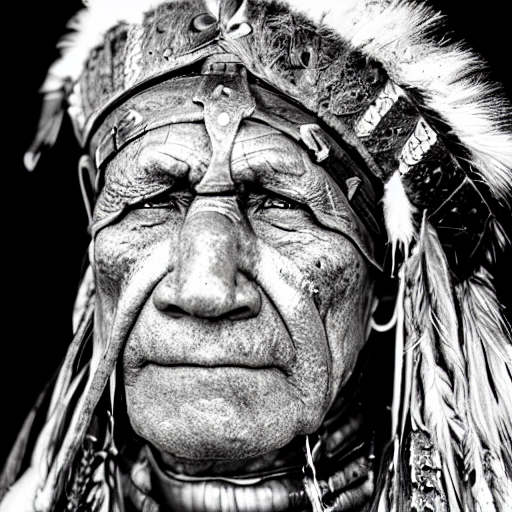
Now, let's try to reduce the number of inference steps to just 20.
|
||||
|
||||
``` python
|
||||
generator = torch.Generator("cuda").manual_seed(0)
|
||||
|
||||
image = pipe(prompt, generator=generator, num_inference_steps=20).images[0]
|
||||
image
|
||||
```
|
||||
|
||||
|
||||
|
||||
The image now does look a little different, but it's arguably still of equally high quality. We now cut inference time to just 4 seconds though 😍.
|
||||
|
||||
## Memory Optimization
|
||||
<!--Copyright 2023 The HuggingFace Team. All rights reserved.
|
||||
|
||||
Less memory used in generation indirectly implies more speed, since we're often trying to maximize how many images we can generate per second. Usually, the more images per inference run, the more images per second too.
|
||||
Licensed under the Apache License, Version 2.0 (the "License"); you may not use this file except in compliance with
|
||||
the License. You may obtain a copy of the License at
|
||||
|
||||
The easiest way to see how many images we can generate at once is to simply try it out, and see when we get a *"Out-of-memory (OOM)"* error.
|
||||
http://www.apache.org/licenses/LICENSE-2.0
|
||||
|
||||
We can run batched inference by simply passing a list of prompts and generators. Let's define a quick function that generates a batch for us.
|
||||
Unless required by applicable law or agreed to in writing, software distributed under the License is distributed on
|
||||
an "AS IS" BASIS, WITHOUT WARRANTIES OR CONDITIONS OF ANY KIND, either express or implied. See the License for the
|
||||
specific language governing permissions and limitations under the License.
|
||||
-->
|
||||
|
||||
# Effective and efficient diffusion
|
||||
|
||||
``` python
|
||||
def get_inputs(batch_size=1):
|
||||
generator = [torch.Generator("cuda").manual_seed(i) for i in range(batch_size)]
|
||||
prompts = batch_size * [prompt]
|
||||
num_inference_steps = 20
|
||||
[[open-in-colab]]
|
||||
|
||||
return {"prompt": prompts, "generator": generator, "num_inference_steps": num_inference_steps}
|
||||
```
|
||||
This function returns a list of prompts and a list of generators, so we can reuse the generator that produced a result we like.
|
||||
Getting the [`DiffusionPipeline`] to generate images in a certain style or include what you want can be tricky. Often times, you have to run the [`DiffusionPipeline`] several times before you end up with an image you're happy with. But generating something out of nothing is a computationally intensive process, especially if you're running inference over and over again.
|
||||
|
||||
We also need a method that allows us to easily display a batch of images.
|
||||
This is why it's important to get the most *computational* (speed) and *memory* (GPU RAM) efficiency from the pipeline to reduce the time between inference cycles so you can iterate faster.
|
||||
|
||||
``` python
|
||||
from PIL import Image
|
||||
This tutorial walks you through how to generate faster and better with the [`DiffusionPipeline`].
|
||||
|
||||
def image_grid(imgs, rows=2, cols=2):
|
||||
w, h = imgs[0].size
|
||||
grid = Image.new('RGB', size=(cols*w, rows*h))
|
||||
|
||||
for i, img in enumerate(imgs):
|
||||
grid.paste(img, box=(i%cols*w, i//cols*h))
|
||||
return grid
|
||||
```
|
||||
Begin by loading the [`runwayml/stable-diffusion-v1-5`](https://huggingface.co/runwayml/stable-diffusion-v1-5) model:
|
||||
|
||||
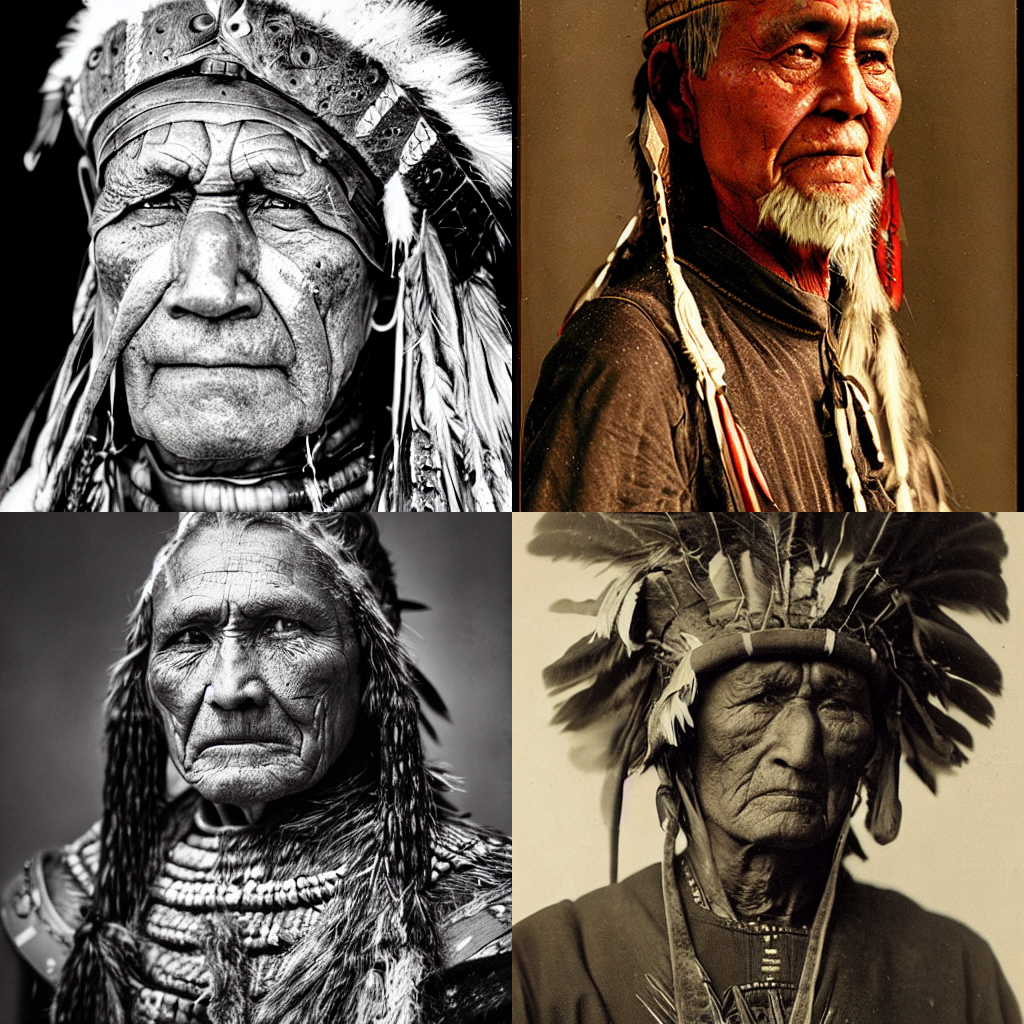
Cool, let's see how much memory we can use starting with `batch_size=4`.
|
||||
```python
|
||||
from diffusers import DiffusionPipeline
|
||||
|
||||
``` python
|
||||
images = pipe(**get_inputs(batch_size=4)).images
|
||||
image_grid(images)
|
||||
```
|
||||
model_id = "runwayml/stable-diffusion-v1-5"
|
||||
pipeline = DiffusionPipeline.from_pretrained(model_id)
|
||||
```
|
||||
|
||||
|
||||
The example prompt you'll use is a portrait of an old warrior chief, but feel free to use your own prompt:
|
||||
|
||||
Going over a batch_size of 4 will error out in this notebook (assuming we are running it on a T4 GPU). Also, we can see we only generate slightly more images per second (3.75s/image) compared to 4s/image previously.
|
||||
```python
|
||||
prompt = "portrait photo of a old warrior chief"
|
||||
```
|
||||
|
||||
However, the community has found some nice tricks to improve the memory constraints further. After stable diffusion was released, the community found improvements within days and shared them freely over GitHub - open-source at its finest! I believe the original idea came from [this](https://github.com/basujindal/stable-diffusion/pull/117) GitHub thread.
|
||||
## Speed
|
||||
|
||||
By far most of the memory is taken up by the cross-attention layers. Instead of running this operation in batch, one can run it sequentially to save a significant amount of memory.
|
||||
<Tip>
|
||||
|
||||
It can easily be enabled by calling `enable_attention_slicing` as is documented [here](https://huggingface.co/docs/diffusers/main/en/api/pipelines/stable_diffusion/text2img#diffusers.StableDiffusionPipeline.enable_attention_slicing).
|
||||
💡 If you don't have access to a GPU, you can use one for free from a GPU provider like [Colab](https://colab.research.google.com/)!
|
||||
|
||||
``` python
|
||||
pipe.enable_attention_slicing()
|
||||
```
|
||||
</Tip>
|
||||
|
||||
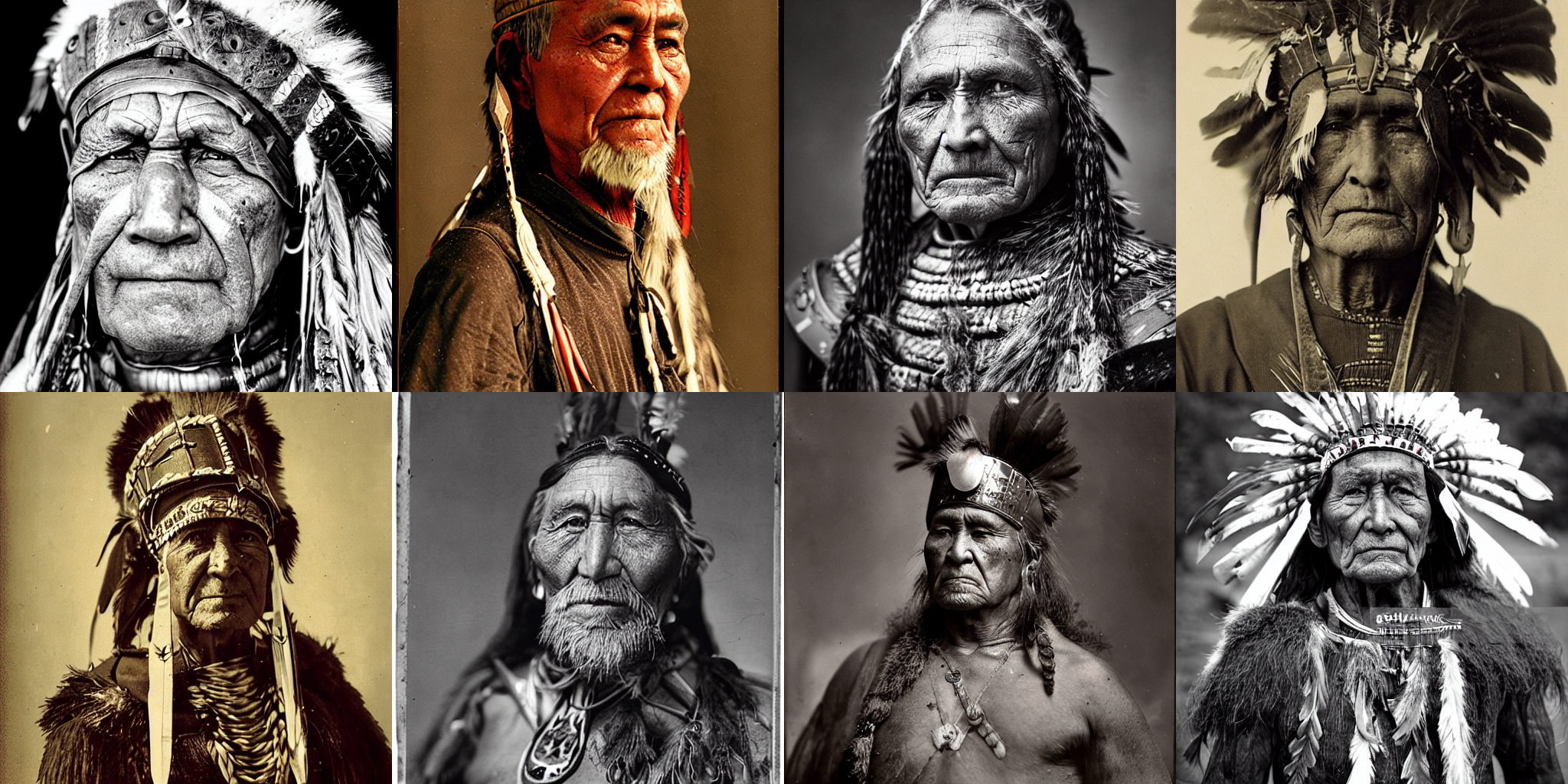
Great, now that attention slicing is enabled, let's try to double the batch size again, going for `batch_size=8`.
|
||||
One of the simplest ways to speed up inference is to place the pipeline on a GPU the same way you would with any PyTorch module:
|
||||
|
||||
``` python
|
||||
images = pipe(**get_inputs(batch_size=8)).images
|
||||
image_grid(images, rows=2, cols=4)
|
||||
```
|
||||
```python
|
||||
pipeline = pipeline.to("cuda")
|
||||
```
|
||||
|
||||
|
||||
To make sure you can use the same image and improve on it, use a [`Generator`](https://pytorch.org/docs/stable/generated/torch.Generator.html) and set a seed for [reproducibility](./using-diffusers/reproducibility):
|
||||
|
||||
Nice, it works. However, the speed gain is again not very big (it might however be much more significant on other GPUs).
|
||||
```python
|
||||
generator = torch.Generator("cuda").manual_seed(0)
|
||||
```
|
||||
|
||||
We're at roughly 3.5 seconds per image 🔥 which is probably the fastest we can be with a simple T4 without sacrificing quality.
|
||||
Now you can generate an image:
|
||||
|
||||
Next, let's look into how to improve the quality!
|
||||
```python
|
||||
image = pipeline(prompt, generator=generator).images[0]
|
||||
image
|
||||
```
|
||||
|
||||
## Quality Improvements
|
||||
<div class="flex justify-center">
|
||||
<img src="https://huggingface.co/datasets/diffusers/docs-images/resolve/main/stable_diffusion_101/sd_101_1.png">
|
||||
</div>
|
||||
|
||||
Now that our image generation pipeline is blazing fast, let's try to get maximum image quality.
|
||||
This process took ~30 seconds on a T4 GPU (it might be faster if your allocated GPU is better than a T4). By default, the [`DiffusionPipeline`] runs inference with full `float32` precision for 50 inference steps. You can speed this up by switching to a lower precision like `float16` or running fewer inference steps.
|
||||
|
||||
First of all, image quality is extremely subjective, so it's difficult to make general claims here.
|
||||
Let's start by loading the model in `float16` and generate an image:
|
||||
|
||||
The most obvious step to take to improve quality is to use *better checkpoints*. Since the release of Stable Diffusion, many improved versions have been released, which are summarized here:
|
||||
```python
|
||||
import torch
|
||||
|
||||
- *Official Release - 22 Aug 2022*: [Stable-Diffusion 1.4](https://huggingface.co/CompVis/stable-diffusion-v1-4)
|
||||
- *20 October 2022*: [Stable-Diffusion 1.5](https://huggingface.co/runwayml/stable-diffusion-v1-5)
|
||||
- *24 Nov 2022*: [Stable-Diffusion 2.0](https://huggingface.co/stabilityai/stable-diffusion-2-0)
|
||||
- *7 Dec 2022*: [Stable-Diffusion 2.1](https://huggingface.co/stabilityai/stable-diffusion-2-1)
|
||||
pipeline = DiffusionPipeline.from_pretrained(model_id, torch_dtype=torch.float16)
|
||||
pipeline = pipeline.to("cuda")
|
||||
generator = torch.Generator("cuda").manual_seed(0)
|
||||
image = pipeline(prompt, generator=generator).images[0]
|
||||
image
|
||||
```
|
||||
|
||||
Newer versions don't necessarily mean better image quality with the same parameters. People mentioned that *2.0* is slightly worse than *1.5* for certain prompts, but given the right prompt engineering *2.0* and *2.1* seem to be better.
|
||||
<div class="flex justify-center">
|
||||
<img src="https://huggingface.co/datasets/diffusers/docs-images/resolve/main/stable_diffusion_101/sd_101_2.png">
|
||||
</div>
|
||||
|
||||
Overall, we strongly recommend just trying the models out and reading up on advice online (e.g. it has been shown that using negative prompts is very important for 2.0 and 2.1 to get the highest possible quality. See for example [this nice blog post](https://minimaxir.com/2022/11/stable-diffusion-negative-prompt/).
|
||||
This time, it only took ~11 seconds to generate the image, which is almost 3x faster than before!
|
||||
|
||||
Additionally, the community has started fine-tuning many of the above versions on certain styles with some of them having an extremely high quality and gaining a lot of traction.
|
||||
<Tip>
|
||||
|
||||
We recommend having a look at all [diffusers checkpoints sorted by downloads and trying out the different checkpoints](https://huggingface.co/models?library=diffusers).
|
||||
💡 We strongly suggest always running your pipelines in `float16`, and so far, we've rarely seen any degradation in output quality.
|
||||
|
||||
For the following, we will stick to v1.5 for simplicity.
|
||||
</Tip>
|
||||
|
||||
Next, we can also try to optimize single components of the pipeline, e.g. switching out the latent decoder. For more details on how the whole Stable Diffusion pipeline works, please have a look at [this blog post](https://huggingface.co/blog/stable_diffusion).
|
||||
Another option is to reduce the number of inference steps. Choosing a more efficient scheduler could help decrease the number of steps without sacrificing output quality. You can find which schedulers are compatible with the current model in the [`DiffusionPipeline`] by calling the `compatibles` method:
|
||||
|
||||
Let's load [stabilityai's newest auto-decoder](https://huggingface.co/stabilityai/stable-diffusion-2-1).
|
||||
```python
|
||||
pipeline.scheduler.compatibles
|
||||
[
|
||||
diffusers.schedulers.scheduling_lms_discrete.LMSDiscreteScheduler,
|
||||
diffusers.schedulers.scheduling_unipc_multistep.UniPCMultistepScheduler,
|
||||
diffusers.schedulers.scheduling_k_dpm_2_discrete.KDPM2DiscreteScheduler,
|
||||
diffusers.schedulers.scheduling_deis_multistep.DEISMultistepScheduler,
|
||||
diffusers.schedulers.scheduling_euler_discrete.EulerDiscreteScheduler,
|
||||
diffusers.schedulers.scheduling_dpmsolver_multistep.DPMSolverMultistepScheduler,
|
||||
diffusers.schedulers.scheduling_ddpm.DDPMScheduler,
|
||||
diffusers.schedulers.scheduling_dpmsolver_singlestep.DPMSolverSinglestepScheduler,
|
||||
diffusers.schedulers.scheduling_k_dpm_2_ancestral_discrete.KDPM2AncestralDiscreteScheduler,
|
||||
diffusers.schedulers.scheduling_heun_discrete.HeunDiscreteScheduler,
|
||||
diffusers.schedulers.scheduling_pndm.PNDMScheduler,
|
||||
diffusers.schedulers.scheduling_euler_ancestral_discrete.EulerAncestralDiscreteScheduler,
|
||||
diffusers.schedulers.scheduling_ddim.DDIMScheduler,
|
||||
]
|
||||
```
|
||||
|
||||
``` python
|
||||
from diffusers import AutoencoderKL
|
||||
The Stable Diffusion model uses the [`PNDMScheduler`] by default which usually requires ~50 inference steps, but more performant schedulers like [`DPMSolverMultistepScheduler`], require only ~20 or 25 inference steps. Use the [`ConfigMixin.from_config`] method to load a new scheduler:
|
||||
|
||||
vae = AutoencoderKL.from_pretrained("stabilityai/sd-vae-ft-mse", torch_dtype=torch.float16).to("cuda")
|
||||
```
|
||||
```python
|
||||
from diffusers import DPMSolverMultistepScheduler
|
||||
|
||||
Now we can set it to the vae of the pipeline to use it.
|
||||
pipeline.scheduler = DPMSolverMultistepScheduler.from_config(pipeline.scheduler.config)
|
||||
```
|
||||
|
||||
``` python
|
||||
pipe.vae = vae
|
||||
```
|
||||
Now set the `num_inference_steps` to 20:
|
||||
|
||||
Let's run the same prompt as before to compare quality.
|
||||
```python
|
||||
generator = torch.Generator("cuda").manual_seed(0)
|
||||
image = pipeline(prompt, generator=generator, num_inference_steps=20).images[0]
|
||||
image
|
||||
```
|
||||
|
||||
``` python
|
||||
images = pipe(**get_inputs(batch_size=8)).images
|
||||
image_grid(images, rows=2, cols=4)
|
||||
```
|
||||
<div class="flex justify-center">
|
||||
<img src="https://huggingface.co/datasets/diffusers/docs-images/resolve/main/stable_diffusion_101/sd_101_3.png">
|
||||
</div>
|
||||
|
||||

|
||||
Great, you've managed to cut the inference time to just 4 seconds! ⚡️
|
||||
|
||||
Seems like the difference is only very minor, but the new generations are arguably a bit *sharper*.
|
||||
## Memory
|
||||
|
||||
Cool, finally, let's look a bit into prompt engineering.
|
||||
The other key to improving pipeline performance is consuming less memory, which indirectly implies more speed, since you're often trying to maximize the number of images generated per second. The easiest way to see how many images you can generate at once is to try out different batch sizes until you get an `OutOfMemoryError` (OOM).
|
||||
|
||||
Our goal was to generate a photo of an old warrior chief. Let's now try to bring a bit more color into the photos and make the look more impressive.
|
||||
Create a function that'll generate a batch of images from a list of prompts and `Generators`. Make sure to assign each `Generator` a seed so you can reuse it if it produces a good result.
|
||||
|
||||
Originally our prompt was "*portrait photo of an old warrior chief*".
|
||||
```python
|
||||
def get_inputs(batch_size=1):
|
||||
generator = [torch.Generator("cuda").manual_seed(i) for i in range(batch_size)]
|
||||
prompts = batch_size * [prompt]
|
||||
num_inference_steps = 20
|
||||
|
||||
To improve the prompt, it often helps to add cues that could have been used online to save high-quality photos, as well as add more details.
|
||||
Essentially, when doing prompt engineering, one has to think:
|
||||
return {"prompt": prompts, "generator": generator, "num_inference_steps": num_inference_steps}
|
||||
```
|
||||
|
||||
- How was the photo or similar photos of the one I want probably stored on the internet?
|
||||
- What additional detail can I give that steers the models into the style that I want?
|
||||
You'll also need a function that'll display each batch of images:
|
||||
|
||||
Cool, let's add more details.
|
||||
```python
|
||||
from PIL import image
|
||||
|
||||
``` python
|
||||
prompt += ", tribal panther make up, blue on red, side profile, looking away, serious eyes"
|
||||
```
|
||||
|
||||
and let's also add some cues that usually help to generate higher quality images.
|
||||
def image_grid(imgs, rows=2, cols=2):
|
||||
w, h = imgs[0].size
|
||||
grid = Image.new("RGB", size=(cols * w, rows * h))
|
||||
|
||||
``` python
|
||||
prompt += " 50mm portrait photography, hard rim lighting photography--beta --ar 2:3 --beta --upbeta"
|
||||
prompt
|
||||
```
|
||||
for i, img in enumerate(imgs):
|
||||
grid.paste(img, box=(i % cols * w, i // cols * h))
|
||||
return grid
|
||||
```
|
||||
|
||||
Cool, let's now try this prompt.
|
||||
Start with `batch_size=4` and see how much memory you've consumed:
|
||||
|
||||
``` python
|
||||
images = pipe(**get_inputs(batch_size=8)).images
|
||||
image_grid(images, rows=2, cols=4)
|
||||
```
|
||||
```python
|
||||
images = pipeline(**get_inputs(batch_size=4)).images
|
||||
image_grid(images)
|
||||
```
|
||||
|
||||
|
||||
Unless you have a GPU with more RAM, the code above probably returned an `OOM` error! Most of the memory is taken up by the cross-attention layers. Instead of running this operation in a batch, you can run it sequentially to save a significant amount of memory. All you have to do is configure the pipeline to use the [`~DiffusionPipeline.enable_attention_slicing`] function:
|
||||
|
||||
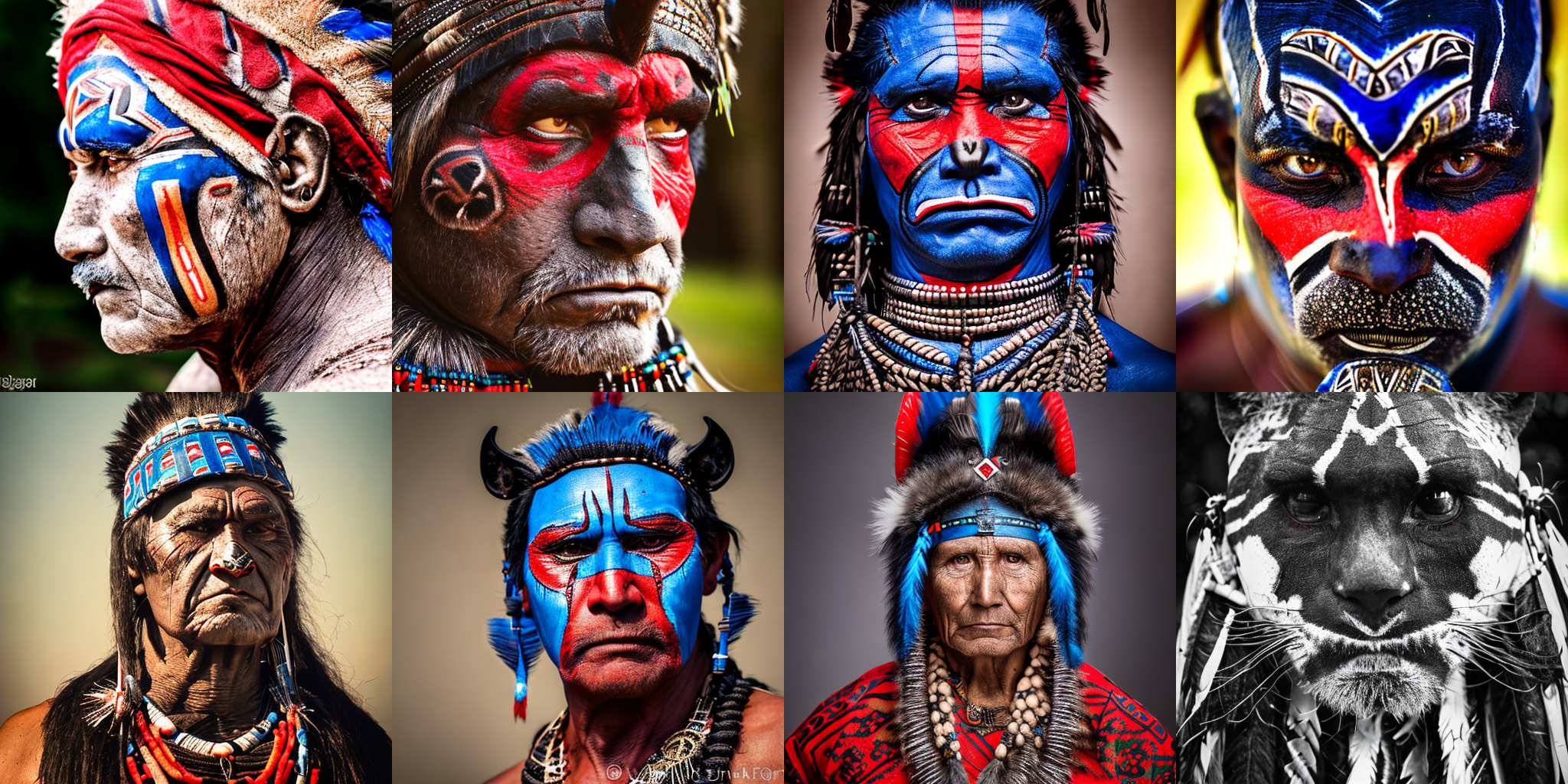
Pretty impressive! We got some very high-quality image generations there. The 2nd image is my personal favorite, so I'll re-use this seed and see whether I can tweak the prompts slightly by using "oldest warrior", "old", "", and "young" instead of "old".
|
||||
```python
|
||||
pipeline.enable_attention_slicing()
|
||||
```
|
||||
|
||||
``` python
|
||||
prompts = [
|
||||
"portrait photo of the oldest warrior chief, tribal panther make up, blue on red, side profile, looking away, serious eyes 50mm portrait photography, hard rim lighting photography--beta --ar 2:3 --beta --upbeta",
|
||||
"portrait photo of a old warrior chief, tribal panther make up, blue on red, side profile, looking away, serious eyes 50mm portrait photography, hard rim lighting photography--beta --ar 2:3 --beta --upbeta",
|
||||
"portrait photo of a warrior chief, tribal panther make up, blue on red, side profile, looking away, serious eyes 50mm portrait photography, hard rim lighting photography--beta --ar 2:3 --beta --upbeta",
|
||||
"portrait photo of a young warrior chief, tribal panther make up, blue on red, side profile, looking away, serious eyes 50mm portrait photography, hard rim lighting photography--beta --ar 2:3 --beta --upbeta",
|
||||
]
|
||||
Now try increasing the `batch_size` to 8!
|
||||
|
||||
generator = [torch.Generator("cuda").manual_seed(1) for _ in range(len(prompts))] # 1 because we want the 2nd image
|
||||
```python
|
||||
images = pipeline(**get_inputs(batch_size=8)).images
|
||||
image_grid(images, rows=2, cols=4)
|
||||
```
|
||||
|
||||
images = pipe(prompt=prompts, generator=generator, num_inference_steps=25).images
|
||||
image_grid(images)
|
||||
```
|
||||
<div class="flex justify-center">
|
||||
<img src="https://huggingface.co/datasets/diffusers/docs-images/resolve/main/stable_diffusion_101/sd_101_5.png">
|
||||
</div>
|
||||
|
||||

|
||||
Whereas before you couldn't even generate a batch of 4 images, now you can generate a batch of 8 images at ~3.5 seconds per image! This is probably the fastest you can go on a T4 GPU without sacrificing quality.
|
||||
|
||||
The first picture looks nice! The eye movement slightly changed and looks nice. This finished up our 101-guide on how to use Stable Diffusion 🤗.
|
||||
## Quality
|
||||
|
||||
For more information on optimization or other guides, I recommend taking a look at the following:
|
||||
In the last two sections, you learned how to optimize the speed of your pipeline by using `fp16`, reducing the number of inference steps by using a more performant scheduler, and enabling attention slicing to reduce memory consumption. Now you're going to focus on how to improve the quality of generated images.
|
||||
|
||||
- [Blog post about Stable Diffusion](https://huggingface.co/blog/stable_diffusion): In-detail blog post explaining Stable Diffusion.
|
||||
- [FlashAttention](https://huggingface.co/docs/diffusers/optimization/xformers): XFormers flash attention can optimize your model even further with more speed and memory improvements.
|
||||
- [Dreambooth](https://huggingface.co/docs/diffusers/training/dreambooth) - Quickly customize the model by fine-tuning it.
|
||||
- [General info on Stable Diffusion](https://huggingface.co/docs/diffusers/main/en/api/pipelines/stable_diffusion/overview) - Info on other tasks that are powered by Stable Diffusion.
|
||||
### Better checkpoints
|
||||
|
||||
The most obvious step is to use better checkpoints. The Stable Diffusion model is a good starting point, and since its official launch, several improved versions have also been released. However, using a newer version doesn't automatically mean you'll get better results. You'll still have to experiment with different checkpoints yourself, and do a little research (such as using [negative prompts](https://minimaxir.com/2022/11/stable-diffusion-negative-prompt/)) to get the best results.
|
||||
|
||||
As the field grows, there are more and more high-quality checkpoints finetuned to produce certain styles. Try exploring the [Hub](https://huggingface.co/models?library=diffusers&sort=downloads) and [Diffusers Gallery](https://huggingface.co/spaces/huggingface-projects/diffusers-gallery) to find one you're interested in!
|
||||
|
||||
### Better pipeline components
|
||||
|
||||
You can also try replacing the current pipeline components with a newer version. Let's try loading the latest [autodecoder](https://huggingface.co/stabilityai/stable-diffusion-2-1/tree/main/vae) from Stability AI into the pipeline, and generate some images:
|
||||
|
||||
```python
|
||||
from diffusers import AutoencoderKL
|
||||
|
||||
vae = AutoencoderKL.from_pretrained("stabilityai/sd-vae-ft-mse", torch_dtype=torch.float16).to("cuda")
|
||||
pipeline.vae = vae
|
||||
images = pipeline(**get_inputs(batch_size=8)).images
|
||||
image_grid(images, rows=2, cols=4)
|
||||
```
|
||||
|
||||
<div class="flex justify-center">
|
||||
<img src="https://huggingface.co/datasets/diffusers/docs-images/resolve/main/stable_diffusion_101/sd_101_6.png">
|
||||
</div>
|
||||
|
||||
### Better prompt engineering
|
||||
|
||||
The text prompt you use to generate an image is super important, so much so that it is called *prompt engineering*. Some considerations to keep during prompt engineering are:
|
||||
|
||||
- How is the image or similar images of the one I want to generate stored on the internet?
|
||||
- What additional detail can I give that steers the model towards the style I want?
|
||||
|
||||
With this in mind, let's improve the prompt to include color and higher quality details:
|
||||
|
||||
```python
|
||||
prompt += ", tribal panther make up, blue on red, side profile, looking away, serious eyes"
|
||||
prompt += " 50mm portrait photography, hard rim lighting photography--beta --ar 2:3 --beta --upbeta"
|
||||
```
|
||||
|
||||
Generate a batch of images with the new prompt:
|
||||
|
||||
```python
|
||||
images = pipeline(**get_inputs(batch_size=8)).images
|
||||
image_grid(images, rows=2, cols=4)
|
||||
```
|
||||
|
||||
<div class="flex justify-center">
|
||||
<img src="https://huggingface.co/datasets/diffusers/docs-images/resolve/main/stable_diffusion_101/sd_101_7.png">
|
||||
</div>
|
||||
|
||||
Pretty impressive! Let's tweak the second image - corresponding to the `Generator` with a seed of `1` - a bit more by adding some text about the age of the subject:
|
||||
|
||||
```python
|
||||
prommpts = [
|
||||
"portrait photo of the oldest warrior chief, tribal panther make up, blue on red, side profile, looking away, serious eyes 50mm portrait photography, hard rim lighting photography--beta --ar 2:3 --beta --upbeta",
|
||||
"portrait photo of a old warrior chief, tribal panther make up, blue on red, side profile, looking away, serious eyes 50mm portrait photography, hard rim lighting photography--beta --ar 2:3 --beta --upbeta",
|
||||
"portrait photo of a warrior chief, tribal panther make up, blue on red, side profile, looking away, serious eyes 50mm portrait photography, hard rim lighting photography--beta --ar 2:3 --beta --upbeta",
|
||||
"portrait photo of a young warrior chief, tribal panther make up, blue on red, side profile, looking away, serious eyes 50mm portrait photography, hard rim lighting photography--beta --ar 2:3 --beta --upbeta",
|
||||
]
|
||||
|
||||
generator = [torch.Generator("cuda").manual_seed(1) for _ in range(len(prompts))]
|
||||
images = pipeline(prompt=prompts, generator=generator, num_inference_steps=25).images
|
||||
image_grid(images)
|
||||
```
|
||||
|
||||
<div class="flex justify-center">
|
||||
<img src="https://huggingface.co/datasets/diffusers/docs-images/resolve/main/stable_diffusion_101/sd_101_8.png">
|
||||
</div>
|
||||
|
||||
## Next steps
|
||||
|
||||
In this tutorial, you learned how to optimize a [`DiffusionPipeline`] for computational and memory efficiency as well as improving the quality of generated outputs. If you're interested in making your pipeline even faster, take a look at the following resources:
|
||||
|
||||
- Enable [xFormers](./optimization/xformers) memory efficient attention mechanism for faster speed and reduced memory consumption.
|
||||
- Learn how in [PyTorch 2.0](./optimization/torch2.0), [`torch.compile`](https://pytorch.org/docs/stable/generated/torch.compile.html) can yield 2-9% faster inference speed.
|
||||
- Many optimization techniques for inference are also included in this memory and speed [guide](./optimization/fp16), such as memory offloading.
|
||||
@@ -0,0 +1,250 @@
|
||||
# 🧨 Stable Diffusion in JAX / Flax !
|
||||
|
||||
[[open-in-colab]]
|
||||
|
||||
🤗 Hugging Face [Diffusers](https://github.com/huggingface/diffusers) supports Flax since version `0.5.1`! This allows for super fast inference on Google TPUs, such as those available in Colab, Kaggle or Google Cloud Platform.
|
||||
|
||||
This notebook shows how to run inference using JAX / Flax. If you want more details about how Stable Diffusion works or want to run it in GPU, please refer to [this notebook](https://huggingface.co/docs/diffusers/stable_diffusion).
|
||||
|
||||
First, make sure you are using a TPU backend. If you are running this notebook in Colab, select `Runtime` in the menu above, then select the option "Change runtime type" and then select `TPU` under the `Hardware accelerator` setting.
|
||||
|
||||
Note that JAX is not exclusive to TPUs, but it shines on that hardware because each TPU server has 8 TPU accelerators working in parallel.
|
||||
|
||||
## Setup
|
||||
|
||||
First make sure diffusers is installed.
|
||||
|
||||
```bash
|
||||
!pip install jax==0.3.25 jaxlib==0.3.25 flax transformers ftfy
|
||||
!pip install diffusers
|
||||
```
|
||||
|
||||
```python
|
||||
import jax.tools.colab_tpu
|
||||
|
||||
jax.tools.colab_tpu.setup_tpu()
|
||||
import jax
|
||||
```
|
||||
|
||||
```python
|
||||
num_devices = jax.device_count()
|
||||
device_type = jax.devices()[0].device_kind
|
||||
|
||||
print(f"Found {num_devices} JAX devices of type {device_type}.")
|
||||
assert (
|
||||
"TPU" in device_type
|
||||
), "Available device is not a TPU, please select TPU from Edit > Notebook settings > Hardware accelerator"
|
||||
```
|
||||
|
||||
```python out
|
||||
Found 8 JAX devices of type Cloud TPU.
|
||||
```
|
||||
|
||||
Then we import all the dependencies.
|
||||
|
||||
```python
|
||||
import numpy as np
|
||||
import jax
|
||||
import jax.numpy as jnp
|
||||
|
||||
from pathlib import Path
|
||||
from jax import pmap
|
||||
from flax.jax_utils import replicate
|
||||
from flax.training.common_utils import shard
|
||||
from PIL import Image
|
||||
|
||||
from huggingface_hub import notebook_login
|
||||
from diffusers import FlaxStableDiffusionPipeline
|
||||
```
|
||||
|
||||
## Model Loading
|
||||
|
||||
TPU devices support `bfloat16`, an efficient half-float type. We'll use it for our tests, but you can also use `float32` to use full precision instead.
|
||||
|
||||
```python
|
||||
dtype = jnp.bfloat16
|
||||
```
|
||||
|
||||
Flax is a functional framework, so models are stateless and parameters are stored outside them. Loading the pre-trained Flax pipeline will return both the pipeline itself and the model weights (or parameters). We are using a `bf16` version of the weights, which leads to type warnings that you can safely ignore.
|
||||
|
||||
```python
|
||||
pipeline, params = FlaxStableDiffusionPipeline.from_pretrained(
|
||||
"CompVis/stable-diffusion-v1-4",
|
||||
revision="bf16",
|
||||
dtype=dtype,
|
||||
)
|
||||
```
|
||||
|
||||
## Inference
|
||||
|
||||
Since TPUs usually have 8 devices working in parallel, we'll replicate our prompt as many times as devices we have. Then we'll perform inference on the 8 devices at once, each responsible for generating one image. Thus, we'll get 8 images in the same amount of time it takes for one chip to generate a single one.
|
||||
|
||||
After replicating the prompt, we obtain the tokenized text ids by invoking the `prepare_inputs` function of the pipeline. The length of the tokenized text is set to 77 tokens, as required by the configuration of the underlying CLIP Text model.
|
||||
|
||||
```python
|
||||
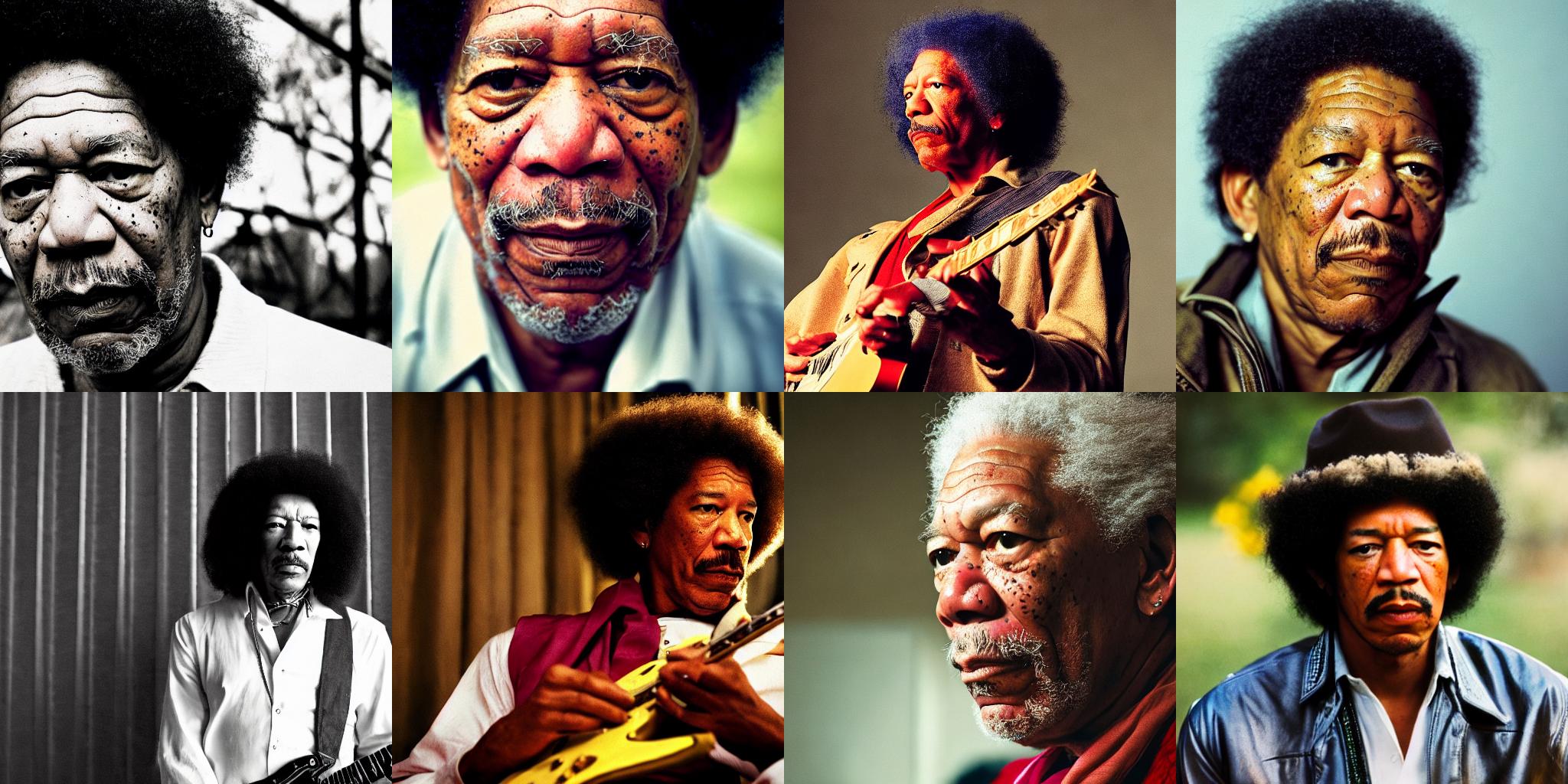
prompt = "A cinematic film still of Morgan Freeman starring as Jimi Hendrix, portrait, 40mm lens, shallow depth of field, close up, split lighting, cinematic"
|
||||
prompt = [prompt] * jax.device_count()
|
||||
prompt_ids = pipeline.prepare_inputs(prompt)
|
||||
prompt_ids.shape
|
||||
```
|
||||
|
||||
```python out
|
||||
(8, 77)
|
||||
```
|
||||
|
||||
### Replication and parallelization
|
||||
|
||||
Model parameters and inputs have to be replicated across the 8 parallel devices we have. The parameters dictionary is replicated using `flax.jax_utils.replicate`, which traverses the dictionary and changes the shape of the weights so they are repeated 8 times. Arrays are replicated using `shard`.
|
||||
|
||||
```python
|
||||
p_params = replicate(params)
|
||||
```
|
||||
|
||||
```python
|
||||
prompt_ids = shard(prompt_ids)
|
||||
prompt_ids.shape
|
||||
```
|
||||
|
||||
```python out
|
||||
(8, 1, 77)
|
||||
```
|
||||
|
||||
That shape means that each one of the `8` devices will receive as an input a `jnp` array with shape `(1, 77)`. `1` is therefore the batch size per device. In TPUs with sufficient memory, it could be larger than `1` if we wanted to generate multiple images (per chip) at once.
|
||||
|
||||
We are almost ready to generate images! We just need to create a random number generator to pass to the generation function. This is the standard procedure in Flax, which is very serious and opinionated about random numbers – all functions that deal with random numbers are expected to receive a generator. This ensures reproducibility, even when we are training across multiple distributed devices.
|
||||
|
||||
The helper function below uses a seed to initialize a random number generator. As long as we use the same seed, we'll get the exact same results. Feel free to use different seeds when exploring results later in the notebook.
|
||||
|
||||
```python
|
||||
def create_key(seed=0):
|
||||
return jax.random.PRNGKey(seed)
|
||||
```
|
||||
|
||||
We obtain a rng and then "split" it 8 times so each device receives a different generator. Therefore, each device will create a different image, and the full process is reproducible.
|
||||
|
||||
```python
|
||||
rng = create_key(0)
|
||||
rng = jax.random.split(rng, jax.device_count())
|
||||
```
|
||||
|
||||
JAX code can be compiled to an efficient representation that runs very fast. However, we need to ensure that all inputs have the same shape in subsequent calls; otherwise, JAX will have to recompile the code, and we wouldn't be able to take advantage of the optimized speed.
|
||||
|
||||
The Flax pipeline can compile the code for us if we pass `jit = True` as an argument. It will also ensure that the model runs in parallel in the 8 available devices.
|
||||
|
||||
The first time we run the following cell it will take a long time to compile, but subequent calls (even with different inputs) will be much faster. For example, it took more than a minute to compile in a TPU v2-8 when I tested, but then it takes about **`7s`** for future inference runs.
|
||||
|
||||
```
|
||||
%%time
|
||||
images = pipeline(prompt_ids, p_params, rng, jit=True)[0]
|
||||
```
|
||||
|
||||
```python out
|
||||
CPU times: user 56.2 s, sys: 42.5 s, total: 1min 38s
|
||||
Wall time: 1min 29s
|
||||
```
|
||||
|
||||
The returned array has shape `(8, 1, 512, 512, 3)`. We reshape it to get rid of the second dimension and obtain 8 images of `512 × 512 × 3` and then convert them to PIL.
|
||||
|
||||
```python
|
||||
images = images.reshape((images.shape[0] * images.shape[1],) + images.shape[-3:])
|
||||
images = pipeline.numpy_to_pil(images)
|
||||
```
|
||||
|
||||
### Visualization
|
||||
|
||||
Let's create a helper function to display images in a grid.
|
||||
|
||||
```python
|
||||
def image_grid(imgs, rows, cols):
|
||||
w, h = imgs[0].size
|
||||
grid = Image.new("RGB", size=(cols * w, rows * h))
|
||||
for i, img in enumerate(imgs):
|
||||
grid.paste(img, box=(i % cols * w, i // cols * h))
|
||||
return grid
|
||||
```
|
||||
|
||||
```python
|
||||
image_grid(images, 2, 4)
|
||||
```
|
||||
|
||||
|
||||
|
||||
|
||||
## Using different prompts
|
||||
|
||||
We don't have to replicate the _same_ prompt in all the devices. We can do whatever we want: generate 2 prompts 4 times each, or even generate 8 different prompts at once. Let's do that!
|
||||
|
||||
First, we'll refactor the input preparation code into a handy function:
|
||||
|
||||
```python
|
||||
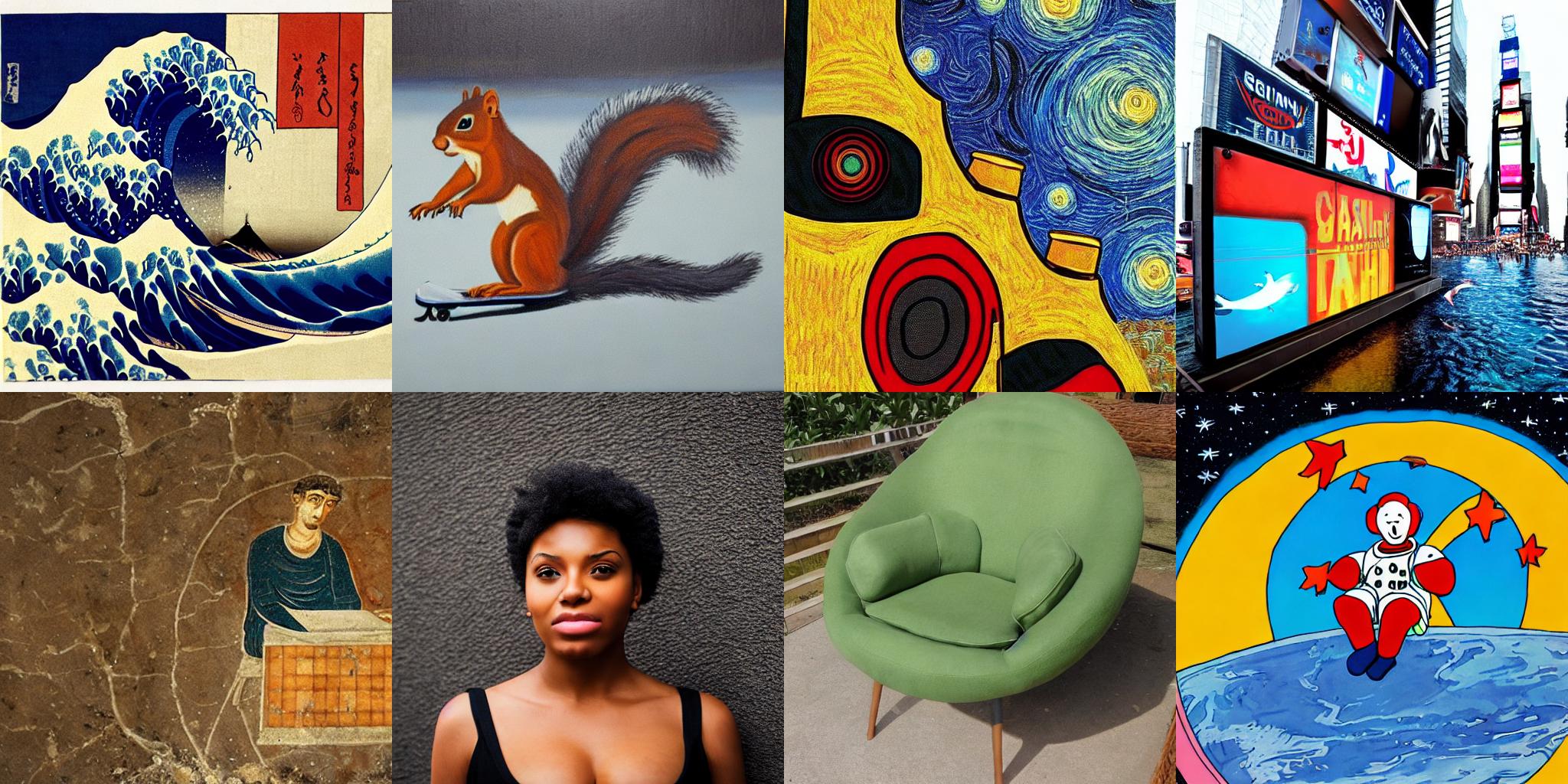
prompts = [
|
||||
"Labrador in the style of Hokusai",
|
||||
"Painting of a squirrel skating in New York",
|
||||
"HAL-9000 in the style of Van Gogh",
|
||||
"Times Square under water, with fish and a dolphin swimming around",
|
||||
"Ancient Roman fresco showing a man working on his laptop",
|
||||
"Close-up photograph of young black woman against urban background, high quality, bokeh",
|
||||
"Armchair in the shape of an avocado",
|
||||
"Clown astronaut in space, with Earth in the background",
|
||||
]
|
||||
```
|
||||
|
||||
```python
|
||||
prompt_ids = pipeline.prepare_inputs(prompts)
|
||||
prompt_ids = shard(prompt_ids)
|
||||
|
||||
images = pipeline(prompt_ids, p_params, rng, jit=True).images
|
||||
images = images.reshape((images.shape[0] * images.shape[1],) + images.shape[-3:])
|
||||
images = pipeline.numpy_to_pil(images)
|
||||
|
||||
image_grid(images, 2, 4)
|
||||
```
|
||||
|
||||
|
||||
|
||||
|
||||
## How does parallelization work?
|
||||
|
||||
We said before that the `diffusers` Flax pipeline automatically compiles the model and runs it in parallel on all available devices. We'll now briefly look inside that process to show how it works.
|
||||
|
||||
JAX parallelization can be done in multiple ways. The easiest one revolves around using the `jax.pmap` function to achieve single-program, multiple-data (SPMD) parallelization. It means we'll run several copies of the same code, each on different data inputs. More sophisticated approaches are possible, we invite you to go over the [JAX documentation](https://jax.readthedocs.io/en/latest/index.html) and the [`pjit` pages](https://jax.readthedocs.io/en/latest/jax-101/08-pjit.html?highlight=pjit) to explore this topic if you are interested!
|
||||
|
||||
`jax.pmap` does two things for us:
|
||||
- Compiles (or `jit`s) the code, as if we had invoked `jax.jit()`. This does not happen when we call `pmap`, but the first time the pmapped function is invoked.
|
||||
- Ensures the compiled code runs in parallel in all the available devices.
|
||||
|
||||
To show how it works we `pmap` the `_generate` method of the pipeline, which is the private method that runs generates images. Please, note that this method may be renamed or removed in future releases of `diffusers`.
|
||||
|
||||
```python
|
||||
p_generate = pmap(pipeline._generate)
|
||||
```
|
||||
|
||||
After we use `pmap`, the prepared function `p_generate` will conceptually do the following:
|
||||
* Invoke a copy of the underlying function `pipeline._generate` in each device.
|
||||
* Send each device a different portion of the input arguments. That's what sharding is used for. In our case, `prompt_ids` has shape `(8, 1, 77, 768)`. This array will be split in `8` and each copy of `_generate` will receive an input with shape `(1, 77, 768)`.
|
||||
|
||||
We can code `_generate` completely ignoring the fact that it will be invoked in parallel. We just care about our batch size (`1` in this example) and the dimensions that make sense for our code, and don't have to change anything to make it work in parallel.
|
||||
|
||||
The same way as when we used the pipeline call, the first time we run the following cell it will take a while, but then it will be much faster.
|
||||
|
||||
```
|
||||
%%time
|
||||
images = p_generate(prompt_ids, p_params, rng)
|
||||
images = images.block_until_ready()
|
||||
images.shape
|
||||
```
|
||||
|
||||
```python out
|
||||
CPU times: user 1min 15s, sys: 18.2 s, total: 1min 34s
|
||||
Wall time: 1min 15s
|
||||
```
|
||||
|
||||
```python
|
||||
images.shape
|
||||
```
|
||||
|
||||
```python out
|
||||
(8, 1, 512, 512, 3)
|
||||
```
|
||||
|
||||
We use `block_until_ready()` to correctly measure inference time, because JAX uses asynchronous dispatch and returns control to the Python loop as soon as it can. You don't need to use that in your code; blocking will occur automatically when you want to use the result of a computation that has not yet been materialized.
|
||||
@@ -1,7 +1,7 @@
|
||||
# Inspired by: https://github.com/haofanwang/ControlNet-for-Diffusers/
|
||||
|
||||
import inspect
|
||||
from typing import Any, Callable, Dict, List, Optional, Union
|
||||
from typing import Any, Callable, Dict, List, Optional, Tuple, Union
|
||||
|
||||
import numpy as np
|
||||
import PIL.Image
|
||||
@@ -10,6 +10,7 @@ from transformers import CLIPImageProcessor, CLIPTextModel, CLIPTokenizer
|
||||
|
||||
from diffusers import AutoencoderKL, ControlNetModel, DiffusionPipeline, UNet2DConditionModel, logging
|
||||
from diffusers.pipelines.stable_diffusion import StableDiffusionPipelineOutput, StableDiffusionSafetyChecker
|
||||
from diffusers.pipelines.stable_diffusion.pipeline_stable_diffusion_controlnet import MultiControlNetModel
|
||||
from diffusers.schedulers import KarrasDiffusionSchedulers
|
||||
from diffusers.utils import (
|
||||
PIL_INTERPOLATION,
|
||||
@@ -86,7 +87,14 @@ def prepare_image(image):
|
||||
|
||||
|
||||
def prepare_controlnet_conditioning_image(
|
||||
controlnet_conditioning_image, width, height, batch_size, num_images_per_prompt, device, dtype
|
||||
controlnet_conditioning_image,
|
||||
width,
|
||||
height,
|
||||
batch_size,
|
||||
num_images_per_prompt,
|
||||
device,
|
||||
dtype,
|
||||
do_classifier_free_guidance,
|
||||
):
|
||||
if not isinstance(controlnet_conditioning_image, torch.Tensor):
|
||||
if isinstance(controlnet_conditioning_image, PIL.Image.Image):
|
||||
@@ -116,6 +124,9 @@ def prepare_controlnet_conditioning_image(
|
||||
|
||||
controlnet_conditioning_image = controlnet_conditioning_image.to(device=device, dtype=dtype)
|
||||
|
||||
if do_classifier_free_guidance:
|
||||
controlnet_conditioning_image = torch.cat([controlnet_conditioning_image] * 2)
|
||||
|
||||
return controlnet_conditioning_image
|
||||
|
||||
|
||||
@@ -132,7 +143,7 @@ class StableDiffusionControlNetImg2ImgPipeline(DiffusionPipeline):
|
||||
text_encoder: CLIPTextModel,
|
||||
tokenizer: CLIPTokenizer,
|
||||
unet: UNet2DConditionModel,
|
||||
controlnet: ControlNetModel,
|
||||
controlnet: Union[ControlNetModel, List[ControlNetModel], Tuple[ControlNetModel], MultiControlNetModel],
|
||||
scheduler: KarrasDiffusionSchedulers,
|
||||
safety_checker: StableDiffusionSafetyChecker,
|
||||
feature_extractor: CLIPImageProcessor,
|
||||
@@ -156,6 +167,9 @@ class StableDiffusionControlNetImg2ImgPipeline(DiffusionPipeline):
|
||||
" checker. If you do not want to use the safety checker, you can pass `'safety_checker=None'` instead."
|
||||
)
|
||||
|
||||
if isinstance(controlnet, (list, tuple)):
|
||||
controlnet = MultiControlNetModel(controlnet)
|
||||
|
||||
self.register_modules(
|
||||
vae=vae,
|
||||
text_encoder=text_encoder,
|
||||
@@ -424,6 +438,42 @@ class StableDiffusionControlNetImg2ImgPipeline(DiffusionPipeline):
|
||||
extra_step_kwargs["generator"] = generator
|
||||
return extra_step_kwargs
|
||||
|
||||
def check_controlnet_conditioning_image(self, image, prompt, prompt_embeds):
|
||||
image_is_pil = isinstance(image, PIL.Image.Image)
|
||||
image_is_tensor = isinstance(image, torch.Tensor)
|
||||
image_is_pil_list = isinstance(image, list) and isinstance(image[0], PIL.Image.Image)
|
||||
image_is_tensor_list = isinstance(image, list) and isinstance(image[0], torch.Tensor)
|
||||
|
||||
if not image_is_pil and not image_is_tensor and not image_is_pil_list and not image_is_tensor_list:
|
||||
raise TypeError(
|
||||
"image must be passed and be one of PIL image, torch tensor, list of PIL images, or list of torch tensors"
|
||||
)
|
||||
|
||||
if image_is_pil:
|
||||
image_batch_size = 1
|
||||
elif image_is_tensor:
|
||||
image_batch_size = image.shape[0]
|
||||
elif image_is_pil_list:
|
||||
image_batch_size = len(image)
|
||||
elif image_is_tensor_list:
|
||||
image_batch_size = len(image)
|
||||
else:
|
||||
raise ValueError("controlnet condition image is not valid")
|
||||
|
||||
if prompt is not None and isinstance(prompt, str):
|
||||
prompt_batch_size = 1
|
||||
elif prompt is not None and isinstance(prompt, list):
|
||||
prompt_batch_size = len(prompt)
|
||||
elif prompt_embeds is not None:
|
||||
prompt_batch_size = prompt_embeds.shape[0]
|
||||
else:
|
||||
raise ValueError("prompt or prompt_embeds are not valid")
|
||||
|
||||
if image_batch_size != 1 and image_batch_size != prompt_batch_size:
|
||||
raise ValueError(
|
||||
f"If image batch size is not 1, image batch size must be same as prompt batch size. image batch size: {image_batch_size}, prompt batch size: {prompt_batch_size}"
|
||||
)
|
||||
|
||||
def check_inputs(
|
||||
self,
|
||||
prompt,
|
||||
@@ -438,6 +488,7 @@ class StableDiffusionControlNetImg2ImgPipeline(DiffusionPipeline):
|
||||
strength=None,
|
||||
controlnet_guidance_start=None,
|
||||
controlnet_guidance_end=None,
|
||||
controlnet_conditioning_scale=None,
|
||||
):
|
||||
if height % 8 != 0 or width % 8 != 0:
|
||||
raise ValueError(f"`height` and `width` have to be divisible by 8 but are {height} and {width}.")
|
||||
@@ -476,58 +527,51 @@ class StableDiffusionControlNetImg2ImgPipeline(DiffusionPipeline):
|
||||
f" {negative_prompt_embeds.shape}."
|
||||
)
|
||||
|
||||
controlnet_cond_image_is_pil = isinstance(controlnet_conditioning_image, PIL.Image.Image)
|
||||
controlnet_cond_image_is_tensor = isinstance(controlnet_conditioning_image, torch.Tensor)
|
||||
controlnet_cond_image_is_pil_list = isinstance(controlnet_conditioning_image, list) and isinstance(
|
||||
controlnet_conditioning_image[0], PIL.Image.Image
|
||||
)
|
||||
controlnet_cond_image_is_tensor_list = isinstance(controlnet_conditioning_image, list) and isinstance(
|
||||
controlnet_conditioning_image[0], torch.Tensor
|
||||
)
|
||||
# check controlnet condition image
|
||||
|
||||
if (
|
||||
not controlnet_cond_image_is_pil
|
||||
and not controlnet_cond_image_is_tensor
|
||||
and not controlnet_cond_image_is_pil_list
|
||||
and not controlnet_cond_image_is_tensor_list
|
||||
):
|
||||
raise TypeError(
|
||||
"image must be passed and be one of PIL image, torch tensor, list of PIL images, or list of torch tensors"
|
||||
)
|
||||
if isinstance(self.controlnet, ControlNetModel):
|
||||
self.check_controlnet_conditioning_image(controlnet_conditioning_image, prompt, prompt_embeds)
|
||||
elif isinstance(self.controlnet, MultiControlNetModel):
|
||||
if not isinstance(controlnet_conditioning_image, list):
|
||||
raise TypeError("For multiple controlnets: `image` must be type `list`")
|
||||
|
||||
if controlnet_cond_image_is_pil:
|
||||
controlnet_cond_image_batch_size = 1
|
||||
elif controlnet_cond_image_is_tensor:
|
||||
controlnet_cond_image_batch_size = controlnet_conditioning_image.shape[0]
|
||||
elif controlnet_cond_image_is_pil_list:
|
||||
controlnet_cond_image_batch_size = len(controlnet_conditioning_image)
|
||||
elif controlnet_cond_image_is_tensor_list:
|
||||
controlnet_cond_image_batch_size = len(controlnet_conditioning_image)
|
||||
if len(controlnet_conditioning_image) != len(self.controlnet.nets):
|
||||
raise ValueError(
|
||||
"For multiple controlnets: `image` must have the same length as the number of controlnets."
|
||||
)
|
||||
|
||||
if prompt is not None and isinstance(prompt, str):
|
||||
prompt_batch_size = 1
|
||||
elif prompt is not None and isinstance(prompt, list):
|
||||
prompt_batch_size = len(prompt)
|
||||
elif prompt_embeds is not None:
|
||||
prompt_batch_size = prompt_embeds.shape[0]
|
||||
for image_ in controlnet_conditioning_image:
|
||||
self.check_controlnet_conditioning_image(image_, prompt, prompt_embeds)
|
||||
else:
|
||||
assert False
|
||||
|
||||
if controlnet_cond_image_batch_size != 1 and controlnet_cond_image_batch_size != prompt_batch_size:
|
||||
raise ValueError(
|
||||
f"If image batch size is not 1, image batch size must be same as prompt batch size. image batch size: {controlnet_cond_image_batch_size}, prompt batch size: {prompt_batch_size}"
|
||||
)
|
||||
# Check `controlnet_conditioning_scale`
|
||||
|
||||
if isinstance(self.controlnet, ControlNetModel):
|
||||
if not isinstance(controlnet_conditioning_scale, float):
|
||||
raise TypeError("For single controlnet: `controlnet_conditioning_scale` must be type `float`.")
|
||||
elif isinstance(self.controlnet, MultiControlNetModel):
|
||||
if isinstance(controlnet_conditioning_scale, list) and len(controlnet_conditioning_scale) != len(
|
||||
self.controlnet.nets
|
||||
):
|
||||
raise ValueError(
|
||||
"For multiple controlnets: When `controlnet_conditioning_scale` is specified as `list`, it must have"
|
||||
" the same length as the number of controlnets"
|
||||
)
|
||||
else:
|
||||
assert False
|
||||
|
||||
if isinstance(image, torch.Tensor):
|
||||
if image.ndim != 3 and image.ndim != 4:
|
||||
raise ValueError("`image` must have 3 or 4 dimensions")
|
||||
|
||||
# if mask_image.ndim != 2 and mask_image.ndim != 3 and mask_image.ndim != 4:
|
||||
# raise ValueError("`mask_image` must have 2, 3, or 4 dimensions")
|
||||
|
||||
if image.ndim == 3:
|
||||
image_batch_size = 1
|
||||
image_channels, image_height, image_width = image.shape
|
||||
elif image.ndim == 4:
|
||||
image_batch_size, image_channels, image_height, image_width = image.shape
|
||||
else:
|
||||
assert False
|
||||
|
||||
if image_channels != 3:
|
||||
raise ValueError("`image` must have 3 channels")
|
||||
@@ -659,7 +703,7 @@ class StableDiffusionControlNetImg2ImgPipeline(DiffusionPipeline):
|
||||
callback: Optional[Callable[[int, int, torch.FloatTensor], None]] = None,
|
||||
callback_steps: int = 1,
|
||||
cross_attention_kwargs: Optional[Dict[str, Any]] = None,
|
||||
controlnet_conditioning_scale: float = 1.0,
|
||||
controlnet_conditioning_scale: Union[float, List[float]] = 1.0,
|
||||
controlnet_guidance_start: float = 0.0,
|
||||
controlnet_guidance_end: float = 1.0,
|
||||
):
|
||||
@@ -759,7 +803,6 @@ class StableDiffusionControlNetImg2ImgPipeline(DiffusionPipeline):
|
||||
self.check_inputs(
|
||||
prompt,
|
||||
image,
|
||||
# mask_image,
|
||||
controlnet_conditioning_image,
|
||||
height,
|
||||
width,
|
||||
@@ -770,6 +813,7 @@ class StableDiffusionControlNetImg2ImgPipeline(DiffusionPipeline):
|
||||
strength,
|
||||
controlnet_guidance_start,
|
||||
controlnet_guidance_end,
|
||||
controlnet_conditioning_scale,
|
||||
)
|
||||
|
||||
# 2. Define call parameters
|
||||
@@ -786,6 +830,9 @@ class StableDiffusionControlNetImg2ImgPipeline(DiffusionPipeline):
|
||||
# corresponds to doing no classifier free guidance.
|
||||
do_classifier_free_guidance = guidance_scale > 1.0
|
||||
|
||||
if isinstance(self.controlnet, MultiControlNetModel) and isinstance(controlnet_conditioning_scale, float):
|
||||
controlnet_conditioning_scale = [controlnet_conditioning_scale] * len(self.controlnet.nets)
|
||||
|
||||
# 3. Encode input prompt
|
||||
prompt_embeds = self._encode_prompt(
|
||||
prompt,
|
||||
@@ -797,22 +844,41 @@ class StableDiffusionControlNetImg2ImgPipeline(DiffusionPipeline):
|
||||
negative_prompt_embeds=negative_prompt_embeds,
|
||||
)
|
||||
|
||||
# 4. Prepare mask, image, and controlnet_conditioning_image
|
||||
# 4. Prepare image, and controlnet_conditioning_image
|
||||
image = prepare_image(image)
|
||||
|
||||
# mask_image = prepare_mask_image(mask_image)
|
||||
# condition image(s)
|
||||
if isinstance(self.controlnet, ControlNetModel):
|
||||
controlnet_conditioning_image = prepare_controlnet_conditioning_image(
|
||||
controlnet_conditioning_image=controlnet_conditioning_image,
|
||||
width=width,
|
||||
height=height,
|
||||
batch_size=batch_size * num_images_per_prompt,
|
||||
num_images_per_prompt=num_images_per_prompt,
|
||||
device=device,
|
||||
dtype=self.controlnet.dtype,
|
||||
do_classifier_free_guidance=do_classifier_free_guidance,
|
||||
)
|
||||
elif isinstance(self.controlnet, MultiControlNetModel):
|
||||
controlnet_conditioning_images = []
|
||||
|
||||
controlnet_conditioning_image = prepare_controlnet_conditioning_image(
|
||||
controlnet_conditioning_image,
|
||||
width,
|
||||
height,
|
||||
batch_size * num_images_per_prompt,
|
||||
num_images_per_prompt,
|
||||
device,
|
||||
self.controlnet.dtype,
|
||||
)
|
||||
for image_ in controlnet_conditioning_image:
|
||||
image_ = prepare_controlnet_conditioning_image(
|
||||
controlnet_conditioning_image=image_,
|
||||
width=width,
|
||||
height=height,
|
||||
batch_size=batch_size * num_images_per_prompt,
|
||||
num_images_per_prompt=num_images_per_prompt,
|
||||
device=device,
|
||||
dtype=self.controlnet.dtype,
|
||||
do_classifier_free_guidance=do_classifier_free_guidance,
|
||||
)
|
||||
|
||||
# masked_image = image * (mask_image < 0.5)
|
||||
controlnet_conditioning_images.append(image_)
|
||||
|
||||
controlnet_conditioning_image = controlnet_conditioning_images
|
||||
else:
|
||||
assert False
|
||||
|
||||
# 5. Prepare timesteps
|
||||
self.scheduler.set_timesteps(num_inference_steps, device=device)
|
||||
@@ -830,9 +896,6 @@ class StableDiffusionControlNetImg2ImgPipeline(DiffusionPipeline):
|
||||
generator,
|
||||
)
|
||||
|
||||
if do_classifier_free_guidance:
|
||||
controlnet_conditioning_image = torch.cat([controlnet_conditioning_image] * 2)
|
||||
|
||||
# 7. Prepare extra step kwargs. TODO: Logic should ideally just be moved out of the pipeline
|
||||
extra_step_kwargs = self.prepare_extra_step_kwargs(generator, eta)
|
||||
|
||||
@@ -862,15 +925,10 @@ class StableDiffusionControlNetImg2ImgPipeline(DiffusionPipeline):
|
||||
t,
|
||||
encoder_hidden_states=prompt_embeds,
|
||||
controlnet_cond=controlnet_conditioning_image,
|
||||
conditioning_scale=controlnet_conditioning_scale,
|
||||
return_dict=False,
|
||||
)
|
||||
|
||||
down_block_res_samples = [
|
||||
down_block_res_sample * controlnet_conditioning_scale
|
||||
for down_block_res_sample in down_block_res_samples
|
||||
]
|
||||
mid_block_res_sample *= controlnet_conditioning_scale
|
||||
|
||||
# predict the noise residual
|
||||
noise_pred = self.unet(
|
||||
latent_model_input,
|
||||
|
||||
@@ -0,0 +1,9 @@
|
||||
transformers>=4.25.1
|
||||
datasets
|
||||
flax
|
||||
optax
|
||||
torch
|
||||
torchvision
|
||||
ftfy
|
||||
tensorboard
|
||||
Jinja2
|
||||
@@ -11,6 +11,26 @@ We accelereate the fine-tuning for textual inversion with Intel Extension for Py
|
||||
## Accelerating the inference for Stable Diffusion using Bfloat16
|
||||
|
||||
We start the inference acceleration with Bfloat16 using Intel Extension for PyTorch. The [script](inference_bf16.py) is generally designed to support standard Stable Diffusion models with Bfloat16 support.
|
||||
```bash
|
||||
pip install diffusers transformers accelerate scipy safetensors
|
||||
|
||||
export KMP_BLOCKTIME=1
|
||||
export KMP_SETTINGS=1
|
||||
export KMP_AFFINITY=granularity=fine,compact,1,0
|
||||
|
||||
# Intel OpenMP
|
||||
export OMP_NUM_THREADS=< Cores to use >
|
||||
export LD_PRELOAD=${LD_PRELOAD}:/path/to/lib/libiomp5.so
|
||||
# Jemalloc is a recommended malloc implementation that emphasizes fragmentation avoidance and scalable concurrency support.
|
||||
export LD_PRELOAD=${LD_PRELOAD}:/path/to/lib/libjemalloc.so
|
||||
export MALLOC_CONF="oversize_threshold:1,background_thread:true,metadata_thp:auto,dirty_decay_ms:-1,muzzy_decay_ms:9000000000"
|
||||
|
||||
# Launch with default DDIM
|
||||
numactl --membind <node N> -C <cpu list> python python inference_bf16.py
|
||||
# Launch with DPMSolverMultistepScheduler
|
||||
numactl --membind <node N> -C <cpu list> python python inference_bf16.py --dpm
|
||||
|
||||
```
|
||||
|
||||
## Accelerating the inference for Stable Diffusion using INT8
|
||||
|
||||
|
||||
@@ -1,49 +1,56 @@
|
||||
import argparse
|
||||
|
||||
import intel_extension_for_pytorch as ipex
|
||||
import torch
|
||||
from PIL import Image
|
||||
|
||||
from diffusers import StableDiffusionPipeline
|
||||
from diffusers import DPMSolverMultistepScheduler, StableDiffusionPipeline
|
||||
|
||||
|
||||
def image_grid(imgs, rows, cols):
|
||||
assert len(imgs) == rows * cols
|
||||
parser = argparse.ArgumentParser("Stable Diffusion script with intel optimization", add_help=False)
|
||||
parser.add_argument("--dpm", action="store_true", help="Enable DPMSolver or not")
|
||||
parser.add_argument("--steps", default=None, type=int, help="Num inference steps")
|
||||
args = parser.parse_args()
|
||||
|
||||
w, h = imgs[0].size
|
||||
grid = Image.new("RGB", size=(cols * w, rows * h))
|
||||
grid_w, grid_h = grid.size
|
||||
|
||||
for i, img in enumerate(imgs):
|
||||
grid.paste(img, box=(i % cols * w, i // cols * h))
|
||||
return grid
|
||||
|
||||
|
||||
prompt = ["a lovely <dicoo> in red dress and hat, in the snowly and brightly night, with many brighly buildings"]
|
||||
batch_size = 8
|
||||
prompt = prompt * batch_size
|
||||
|
||||
device = "cpu"
|
||||
prompt = "a lovely <dicoo> in red dress and hat, in the snowly and brightly night, with many brighly buildings"
|
||||
|
||||
model_id = "path-to-your-trained-model"
|
||||
model = StableDiffusionPipeline.from_pretrained(model_id)
|
||||
model = model.to(device)
|
||||
pipe = StableDiffusionPipeline.from_pretrained(model_id)
|
||||
if args.dpm:
|
||||
pipe.scheduler = DPMSolverMultistepScheduler.from_config(pipe.scheduler.config)
|
||||
pipe = pipe.to(device)
|
||||
|
||||
# to channels last
|
||||
model.unet = model.unet.to(memory_format=torch.channels_last)
|
||||
model.vae = model.vae.to(memory_format=torch.channels_last)
|
||||
model.text_encoder = model.text_encoder.to(memory_format=torch.channels_last)
|
||||
model.safety_checker = model.safety_checker.to(memory_format=torch.channels_last)
|
||||
pipe.unet = pipe.unet.to(memory_format=torch.channels_last)
|
||||
pipe.vae = pipe.vae.to(memory_format=torch.channels_last)
|
||||
pipe.text_encoder = pipe.text_encoder.to(memory_format=torch.channels_last)
|
||||
if pipe.requires_safety_checker:
|
||||
pipe.safety_checker = pipe.safety_checker.to(memory_format=torch.channels_last)
|
||||
|
||||
# optimize with ipex
|
||||
model.unet = ipex.optimize(model.unet.eval(), dtype=torch.bfloat16, inplace=True)
|
||||
model.vae = ipex.optimize(model.vae.eval(), dtype=torch.bfloat16, inplace=True)
|
||||
model.text_encoder = ipex.optimize(model.text_encoder.eval(), dtype=torch.bfloat16, inplace=True)
|
||||
model.safety_checker = ipex.optimize(model.safety_checker.eval(), dtype=torch.bfloat16, inplace=True)
|
||||
sample = torch.randn(2, 4, 64, 64)
|
||||
timestep = torch.rand(1) * 999
|
||||
encoder_hidden_status = torch.randn(2, 77, 768)
|
||||
input_example = (sample, timestep, encoder_hidden_status)
|
||||
try:
|
||||
pipe.unet = ipex.optimize(pipe.unet.eval(), dtype=torch.bfloat16, inplace=True, sample_input=input_example)
|
||||
except Exception:
|
||||
pipe.unet = ipex.optimize(pipe.unet.eval(), dtype=torch.bfloat16, inplace=True)
|
||||
pipe.vae = ipex.optimize(pipe.vae.eval(), dtype=torch.bfloat16, inplace=True)
|
||||
pipe.text_encoder = ipex.optimize(pipe.text_encoder.eval(), dtype=torch.bfloat16, inplace=True)
|
||||
if pipe.requires_safety_checker:
|
||||
pipe.safety_checker = ipex.optimize(pipe.safety_checker.eval(), dtype=torch.bfloat16, inplace=True)
|
||||
|
||||
# compute
|
||||
seed = 666
|
||||
generator = torch.Generator(device).manual_seed(seed)
|
||||
with torch.cpu.amp.autocast(enabled=True, dtype=torch.bfloat16):
|
||||
images = model(prompt, guidance_scale=7.5, num_inference_steps=50, generator=generator).images
|
||||
generate_kwargs = {"generator": generator}
|
||||
if args.steps is not None:
|
||||
generate_kwargs["num_inference_steps"] = args.steps
|
||||
|
||||
# save image
|
||||
grid = image_grid(images, rows=2, cols=4)
|
||||
grid.save(model_id + ".png")
|
||||
with torch.cpu.amp.autocast(enabled=True, dtype=torch.bfloat16):
|
||||
image = pipe(prompt, **generate_kwargs).images[0]
|
||||
|
||||
# save image
|
||||
image.save("generated.png")
|
||||
|
||||
@@ -16,6 +16,8 @@
|
||||
|
||||
import argparse
|
||||
|
||||
import torch
|
||||
|
||||
from diffusers.pipelines.stable_diffusion.convert_from_ckpt import download_from_original_stable_diffusion_ckpt
|
||||
|
||||
|
||||
@@ -123,6 +125,7 @@ if __name__ == "__main__":
|
||||
parser.add_argument(
|
||||
"--controlnet", action="store_true", default=None, help="Set flag if this is a controlnet checkpoint."
|
||||
)
|
||||
parser.add_argument("--half", action="store_true", help="Save weights in half precision.")
|
||||
args = parser.parse_args()
|
||||
|
||||
pipe = download_from_original_stable_diffusion_ckpt(
|
||||
@@ -143,6 +146,9 @@ if __name__ == "__main__":
|
||||
controlnet=args.controlnet,
|
||||
)
|
||||
|
||||
if args.half:
|
||||
pipe.to(torch_dtype=torch.float16)
|
||||
|
||||
if args.controlnet:
|
||||
# only save the controlnet model
|
||||
pipe.controlnet.save_pretrained(args.dump_path, safe_serialization=args.to_safetensors)
|
||||
|
||||
@@ -109,6 +109,7 @@ try:
|
||||
except OptionalDependencyNotAvailable:
|
||||
from .utils.dummy_torch_and_transformers_objects import * # noqa F403
|
||||
else:
|
||||
from .loaders import TextualInversionLoaderMixin
|
||||
from .pipelines import (
|
||||
AltDiffusionImg2ImgPipeline,
|
||||
AltDiffusionPipeline,
|
||||
@@ -177,10 +178,10 @@ else:
|
||||
from .pipelines import AudioDiffusionPipeline, Mel
|
||||
|
||||
try:
|
||||
if not (is_torch_available() and is_note_seq_available()):
|
||||
if not (is_transformers_available() and is_torch_available() and is_note_seq_available()):
|
||||
raise OptionalDependencyNotAvailable()
|
||||
except OptionalDependencyNotAvailable:
|
||||
from .utils.dummy_torch_and_note_seq_objects import * # noqa F403
|
||||
from .utils.dummy_transformers_and_torch_and_note_seq_objects import * # noqa F403
|
||||
else:
|
||||
from .pipelines import SpectrogramDiffusionPipeline
|
||||
|
||||
|
||||
+284
-11
@@ -13,18 +13,28 @@
|
||||
# limitations under the License.
|
||||
import os
|
||||
from collections import defaultdict
|
||||
from typing import Callable, Dict, Union
|
||||
from typing import Callable, Dict, List, Optional, Union
|
||||
|
||||
import torch
|
||||
|
||||
from .models.attention_processor import LoRAAttnProcessor
|
||||
from .models.modeling_utils import _get_model_file
|
||||
from .utils import DIFFUSERS_CACHE, HF_HUB_OFFLINE, deprecate, is_safetensors_available, logging
|
||||
from .utils import (
|
||||
DIFFUSERS_CACHE,
|
||||
HF_HUB_OFFLINE,
|
||||
_get_model_file,
|
||||
deprecate,
|
||||
is_safetensors_available,
|
||||
is_transformers_available,
|
||||
logging,
|
||||
)
|
||||
|
||||
|
||||
if is_safetensors_available():
|
||||
import safetensors
|
||||
|
||||
if is_transformers_available():
|
||||
from transformers import PreTrainedModel, PreTrainedTokenizer
|
||||
|
||||
|
||||
logger = logging.get_logger(__name__)
|
||||
|
||||
@@ -32,6 +42,9 @@ logger = logging.get_logger(__name__)
|
||||
LORA_WEIGHT_NAME = "pytorch_lora_weights.bin"
|
||||
LORA_WEIGHT_NAME_SAFE = "pytorch_lora_weights.safetensors"
|
||||
|
||||
TEXT_INVERSION_NAME = "learned_embeds.bin"
|
||||
TEXT_INVERSION_NAME_SAFE = "learned_embeds.safetensors"
|
||||
|
||||
|
||||
class AttnProcsLayers(torch.nn.Module):
|
||||
def __init__(self, state_dict: Dict[str, torch.Tensor]):
|
||||
@@ -123,13 +136,6 @@ class UNet2DConditionLoadersMixin:
|
||||
It is required to be logged in (`huggingface-cli login`) when you want to use private or [gated
|
||||
models](https://huggingface.co/docs/hub/models-gated#gated-models).
|
||||
|
||||
</Tip>
|
||||
|
||||
<Tip>
|
||||
|
||||
Activate the special ["offline-mode"](https://huggingface.co/diffusers/installation.html#offline-mode) to use
|
||||
this method in a firewalled environment.
|
||||
|
||||
</Tip>
|
||||
"""
|
||||
|
||||
@@ -292,5 +298,272 @@ class UNet2DConditionLoadersMixin:
|
||||
|
||||
# Save the model
|
||||
save_function(state_dict, os.path.join(save_directory, weight_name))
|
||||
|
||||
logger.info(f"Model weights saved in {os.path.join(save_directory, weight_name)}")
|
||||
|
||||
|
||||
class TextualInversionLoaderMixin:
|
||||
r"""
|
||||
Mixin class for loading textual inversion tokens and embeddings to the tokenizer and text encoder.
|
||||
"""
|
||||
|
||||
def maybe_convert_prompt(self, prompt: Union[str, List[str]], tokenizer: "PreTrainedTokenizer"):
|
||||
r"""
|
||||
Maybe convert a prompt into a "multi vector"-compatible prompt. If the prompt includes a token that corresponds
|
||||
to a multi-vector textual inversion embedding, this function will process the prompt so that the special token
|
||||
is replaced with multiple special tokens each corresponding to one of the vectors. If the prompt has no textual
|
||||
inversion token or a textual inversion token that is a single vector, the input prompt is simply returned.
|
||||
|
||||
Parameters:
|
||||
prompt (`str` or list of `str`):
|
||||
The prompt or prompts to guide the image generation.
|
||||
tokenizer (`PreTrainedTokenizer`):
|
||||
The tokenizer responsible for encoding the prompt into input tokens.
|
||||
|
||||
Returns:
|
||||
`str` or list of `str`: The converted prompt
|
||||
"""
|
||||
if not isinstance(prompt, List):
|
||||
prompts = [prompt]
|
||||
else:
|
||||
prompts = prompt
|
||||
|
||||
prompts = [self._maybe_convert_prompt(p, tokenizer) for p in prompts]
|
||||
|
||||
if not isinstance(prompt, List):
|
||||
return prompts[0]
|
||||
|
||||
return prompts
|
||||
|
||||
def _maybe_convert_prompt(self, prompt: str, tokenizer: "PreTrainedTokenizer"):
|
||||
r"""
|
||||
Maybe convert a prompt into a "multi vector"-compatible prompt. If the prompt includes a token that corresponds
|
||||
to a multi-vector textual inversion embedding, this function will process the prompt so that the special token
|
||||
is replaced with multiple special tokens each corresponding to one of the vectors. If the prompt has no textual
|
||||
inversion token or a textual inversion token that is a single vector, the input prompt is simply returned.
|
||||
|
||||
Parameters:
|
||||
prompt (`str`):
|
||||
The prompt to guide the image generation.
|
||||
tokenizer (`PreTrainedTokenizer`):
|
||||
The tokenizer responsible for encoding the prompt into input tokens.
|
||||
|
||||
Returns:
|
||||
`str`: The converted prompt
|
||||
"""
|
||||
tokens = tokenizer.tokenize(prompt)
|
||||
for token in tokens:
|
||||
if token in tokenizer.added_tokens_encoder:
|
||||
replacement = token
|
||||
i = 1
|
||||
while f"{token}_{i}" in tokenizer.added_tokens_encoder:
|
||||
replacement += f"{token}_{i}"
|
||||
i += 1
|
||||
|
||||
prompt = prompt.replace(token, replacement)
|
||||
|
||||
return prompt
|
||||
|
||||
def load_textual_inversion(
|
||||
self, pretrained_model_name_or_path: Union[str, Dict[str, torch.Tensor]], token: Optional[str] = None, **kwargs
|
||||
):
|
||||
r"""
|
||||
Load textual inversion embeddings into the text encoder of stable diffusion pipelines. Both `diffusers` and
|
||||
`Automatic1111` formats are supported.
|
||||
|
||||
<Tip warning={true}>
|
||||
|
||||
This function is experimental and might change in the future.
|
||||
|
||||
</Tip>
|
||||
|
||||
Parameters:
|
||||
pretrained_model_name_or_path (`str` or `os.PathLike`):
|
||||
Can be either:
|
||||
|
||||
- A string, the *model id* of a pretrained model hosted inside a model repo on huggingface.co.
|
||||
Valid model ids should have an organization name, like
|
||||
`"sd-concepts-library/low-poly-hd-logos-icons"`.
|
||||
- A path to a *directory* containing textual inversion weights, e.g.
|
||||
`./my_text_inversion_directory/`.
|
||||
weight_name (`str`, *optional*):
|
||||
Name of a custom weight file. This should be used in two cases:
|
||||
|
||||
- The saved textual inversion file is in `diffusers` format, but was saved under a specific weight
|
||||
name, such as `text_inv.bin`.
|
||||
- The saved textual inversion file is in the "Automatic1111" form.
|
||||
cache_dir (`Union[str, os.PathLike]`, *optional*):
|
||||
Path to a directory in which a downloaded pretrained model configuration should be cached if the
|
||||
standard cache should not be used.
|
||||
force_download (`bool`, *optional*, defaults to `False`):
|
||||
Whether or not to force the (re-)download of the model weights and configuration files, overriding the
|
||||
cached versions if they exist.
|
||||
resume_download (`bool`, *optional*, defaults to `False`):
|
||||
Whether or not to delete incompletely received files. Will attempt to resume the download if such a
|
||||
file exists.
|
||||
proxies (`Dict[str, str]`, *optional*):
|
||||
A dictionary of proxy servers to use by protocol or endpoint, e.g., `{'http': 'foo.bar:3128',
|
||||
'http://hostname': 'foo.bar:4012'}`. The proxies are used on each request.
|
||||
local_files_only(`bool`, *optional*, defaults to `False`):
|
||||
Whether or not to only look at local files (i.e., do not try to download the model).
|
||||
use_auth_token (`str` or *bool*, *optional*):
|
||||
The token to use as HTTP bearer authorization for remote files. If `True`, will use the token generated
|
||||
when running `diffusers-cli login` (stored in `~/.huggingface`).
|
||||
revision (`str`, *optional*, defaults to `"main"`):
|
||||
The specific model version to use. It can be a branch name, a tag name, or a commit id, since we use a
|
||||
git-based system for storing models and other artifacts on huggingface.co, so `revision` can be any
|
||||
identifier allowed by git.
|
||||
subfolder (`str`, *optional*, defaults to `""`):
|
||||
In case the relevant files are located inside a subfolder of the model repo (either remote in
|
||||
huggingface.co or downloaded locally), you can specify the folder name here.
|
||||
|
||||
mirror (`str`, *optional*):
|
||||
Mirror source to accelerate downloads in China. If you are from China and have an accessibility
|
||||
problem, you can set this option to resolve it. Note that we do not guarantee the timeliness or safety.
|
||||
Please refer to the mirror site for more information.
|
||||
|
||||
<Tip>
|
||||
|
||||
It is required to be logged in (`huggingface-cli login`) when you want to use private or [gated
|
||||
models](https://huggingface.co/docs/hub/models-gated#gated-models).
|
||||
|
||||
</Tip>
|
||||
"""
|
||||
if not hasattr(self, "tokenizer") or not isinstance(self.tokenizer, PreTrainedTokenizer):
|
||||
raise ValueError(
|
||||
f"{self.__class__.__name__} requires `self.tokenizer` of type `PreTrainedTokenizer` for calling"
|
||||
f" `{self.load_textual_inversion.__name__}`"
|
||||
)
|
||||
|
||||
if not hasattr(self, "text_encoder") or not isinstance(self.text_encoder, PreTrainedModel):
|
||||
raise ValueError(
|
||||
f"{self.__class__.__name__} requires `self.text_encoder` of type `PreTrainedModel` for calling"
|
||||
f" `{self.load_textual_inversion.__name__}`"
|
||||
)
|
||||
|
||||
cache_dir = kwargs.pop("cache_dir", DIFFUSERS_CACHE)
|
||||
force_download = kwargs.pop("force_download", False)
|
||||
resume_download = kwargs.pop("resume_download", False)
|
||||
proxies = kwargs.pop("proxies", None)
|
||||
local_files_only = kwargs.pop("local_files_only", HF_HUB_OFFLINE)
|
||||
use_auth_token = kwargs.pop("use_auth_token", None)
|
||||
revision = kwargs.pop("revision", None)
|
||||
subfolder = kwargs.pop("subfolder", None)
|
||||
weight_name = kwargs.pop("weight_name", None)
|
||||
use_safetensors = kwargs.pop("use_safetensors", None)
|
||||
|
||||
if use_safetensors and not is_safetensors_available():
|
||||
raise ValueError(
|
||||
"`use_safetensors`=True but safetensors is not installed. Please install safetensors with `pip install safetenstors"
|
||||
)
|
||||
|
||||
allow_pickle = False
|
||||
if use_safetensors is None:
|
||||
use_safetensors = is_safetensors_available()
|
||||
allow_pickle = True
|
||||
|
||||
user_agent = {
|
||||
"file_type": "text_inversion",
|
||||
"framework": "pytorch",
|
||||
}
|
||||
|
||||
# 1. Load textual inversion file
|
||||
model_file = None
|
||||
# Let's first try to load .safetensors weights
|
||||
if (use_safetensors and weight_name is None) or (
|
||||
weight_name is not None and weight_name.endswith(".safetensors")
|
||||
):
|
||||
try:
|
||||
model_file = _get_model_file(
|
||||
pretrained_model_name_or_path,
|
||||
weights_name=weight_name or TEXT_INVERSION_NAME_SAFE,
|
||||
cache_dir=cache_dir,
|
||||
force_download=force_download,
|
||||
resume_download=resume_download,
|
||||
proxies=proxies,
|
||||
local_files_only=local_files_only,
|
||||
use_auth_token=use_auth_token,
|
||||
revision=revision,
|
||||
subfolder=subfolder,
|
||||
user_agent=user_agent,
|
||||
)
|
||||
state_dict = safetensors.torch.load_file(model_file, device="cpu")
|
||||
except Exception as e:
|
||||
if not allow_pickle:
|
||||
raise e
|
||||
|
||||
model_file = None
|
||||
|
||||
if model_file is None:
|
||||
model_file = _get_model_file(
|
||||
pretrained_model_name_or_path,
|
||||
weights_name=weight_name or TEXT_INVERSION_NAME,
|
||||
cache_dir=cache_dir,
|
||||
force_download=force_download,
|
||||
resume_download=resume_download,
|
||||
proxies=proxies,
|
||||
local_files_only=local_files_only,
|
||||
use_auth_token=use_auth_token,
|
||||
revision=revision,
|
||||
subfolder=subfolder,
|
||||
user_agent=user_agent,
|
||||
)
|
||||
state_dict = torch.load(model_file, map_location="cpu")
|
||||
|
||||
# 2. Load token and embedding correcly from file
|
||||
if isinstance(state_dict, torch.Tensor):
|
||||
if token is None:
|
||||
raise ValueError(
|
||||
"You are trying to load a textual inversion embedding that has been saved as a PyTorch tensor. Make sure to pass the name of the corresponding token in this case: `token=...`."
|
||||
)
|
||||
embedding = state_dict
|
||||
elif len(state_dict) == 1:
|
||||
# diffusers
|
||||
loaded_token, embedding = next(iter(state_dict.items()))
|
||||
elif "string_to_param" in state_dict:
|
||||
# A1111
|
||||
loaded_token = state_dict["name"]
|
||||
embedding = state_dict["string_to_param"]["*"]
|
||||
|
||||
if token is not None and loaded_token != token:
|
||||
logger.warn(f"The loaded token: {loaded_token} is overwritten by the passed token {token}.")
|
||||
else:
|
||||
token = loaded_token
|
||||
|
||||
embedding = embedding.to(dtype=self.text_encoder.dtype, device=self.text_encoder.device)
|
||||
|
||||
# 3. Make sure we don't mess up the tokenizer or text encoder
|
||||
vocab = self.tokenizer.get_vocab()
|
||||
if token in vocab:
|
||||
raise ValueError(
|
||||
f"Token {token} already in tokenizer vocabulary. Please choose a different token name or remove {token} and embedding from the tokenizer and text encoder."
|
||||
)
|
||||
elif f"{token}_1" in vocab:
|
||||
multi_vector_tokens = [token]
|
||||
i = 1
|
||||
while f"{token}_{i}" in self.tokenizer.added_tokens_encoder:
|
||||
multi_vector_tokens.append(f"{token}_{i}")
|
||||
i += 1
|
||||
|
||||
raise ValueError(
|
||||
f"Multi-vector Token {multi_vector_tokens} already in tokenizer vocabulary. Please choose a different token name or remove the {multi_vector_tokens} and embedding from the tokenizer and text encoder."
|
||||
)
|
||||
|
||||
is_multi_vector = len(embedding.shape) > 1 and embedding.shape[0] > 1
|
||||
|
||||
if is_multi_vector:
|
||||
tokens = [token] + [f"{token}_{i}" for i in range(1, embedding.shape[0])]
|
||||
embeddings = [e for e in embedding] # noqa: C416
|
||||
else:
|
||||
tokens = [token]
|
||||
embeddings = [embedding[0]] if len(embedding.shape) > 1 else [embedding]
|
||||
|
||||
# add tokens and get ids
|
||||
self.tokenizer.add_tokens(tokens)
|
||||
token_ids = self.tokenizer.convert_tokens_to_ids(tokens)
|
||||
|
||||
# resize token embeddings and set new embeddings
|
||||
self.text_encoder.resize_token_embeddings(len(self.tokenizer))
|
||||
for token_id, embedding in zip(token_ids, embeddings):
|
||||
self.text_encoder.get_input_embeddings().weight.data[token_id] = embedding
|
||||
|
||||
logger.info("Loaded textual inversion embedding for {token}.")
|
||||
|
||||
@@ -16,27 +16,22 @@
|
||||
|
||||
import inspect
|
||||
import os
|
||||
import warnings
|
||||
from functools import partial
|
||||
from typing import Callable, List, Optional, Tuple, Union
|
||||
|
||||
import torch
|
||||
from huggingface_hub import hf_hub_download
|
||||
from huggingface_hub.utils import EntryNotFoundError, RepositoryNotFoundError, RevisionNotFoundError
|
||||
from packaging import version
|
||||
from requests import HTTPError
|
||||
from torch import Tensor, device
|
||||
|
||||
from .. import __version__
|
||||
from ..utils import (
|
||||
CONFIG_NAME,
|
||||
DEPRECATED_REVISION_ARGS,
|
||||
DIFFUSERS_CACHE,
|
||||
FLAX_WEIGHTS_NAME,
|
||||
HF_HUB_OFFLINE,
|
||||
HUGGINGFACE_CO_RESOLVE_ENDPOINT,
|
||||
SAFETENSORS_WEIGHTS_NAME,
|
||||
WEIGHTS_NAME,
|
||||
_add_variant,
|
||||
_get_model_file,
|
||||
is_accelerate_available,
|
||||
is_safetensors_available,
|
||||
is_torch_version,
|
||||
@@ -144,15 +139,6 @@ def _load_state_dict_into_model(model_to_load, state_dict):
|
||||
return error_msgs
|
||||
|
||||
|
||||
def _add_variant(weights_name: str, variant: Optional[str] = None) -> str:
|
||||
if variant is not None:
|
||||
splits = weights_name.split(".")
|
||||
splits = splits[:-1] + [variant] + splits[-1:]
|
||||
weights_name = ".".join(splits)
|
||||
|
||||
return weights_name
|
||||
|
||||
|
||||
class ModelMixin(torch.nn.Module):
|
||||
r"""
|
||||
Base class for all models.
|
||||
@@ -789,121 +775,3 @@ class ModelMixin(torch.nn.Module):
|
||||
return sum(p.numel() for p in non_embedding_parameters if p.requires_grad or not only_trainable)
|
||||
else:
|
||||
return sum(p.numel() for p in self.parameters() if p.requires_grad or not only_trainable)
|
||||
|
||||
|
||||
def _get_model_file(
|
||||
pretrained_model_name_or_path,
|
||||
*,
|
||||
weights_name,
|
||||
subfolder,
|
||||
cache_dir,
|
||||
force_download,
|
||||
proxies,
|
||||
resume_download,
|
||||
local_files_only,
|
||||
use_auth_token,
|
||||
user_agent,
|
||||
revision,
|
||||
commit_hash=None,
|
||||
):
|
||||
pretrained_model_name_or_path = str(pretrained_model_name_or_path)
|
||||
if os.path.isfile(pretrained_model_name_or_path):
|
||||
return pretrained_model_name_or_path
|
||||
elif os.path.isdir(pretrained_model_name_or_path):
|
||||
if os.path.isfile(os.path.join(pretrained_model_name_or_path, weights_name)):
|
||||
# Load from a PyTorch checkpoint
|
||||
model_file = os.path.join(pretrained_model_name_or_path, weights_name)
|
||||
return model_file
|
||||
elif subfolder is not None and os.path.isfile(
|
||||
os.path.join(pretrained_model_name_or_path, subfolder, weights_name)
|
||||
):
|
||||
model_file = os.path.join(pretrained_model_name_or_path, subfolder, weights_name)
|
||||
return model_file
|
||||
else:
|
||||
raise EnvironmentError(
|
||||
f"Error no file named {weights_name} found in directory {pretrained_model_name_or_path}."
|
||||
)
|
||||
else:
|
||||
# 1. First check if deprecated way of loading from branches is used
|
||||
if (
|
||||
revision in DEPRECATED_REVISION_ARGS
|
||||
and (weights_name == WEIGHTS_NAME or weights_name == SAFETENSORS_WEIGHTS_NAME)
|
||||
and version.parse(version.parse(__version__).base_version) >= version.parse("0.17.0")
|
||||
):
|
||||
try:
|
||||
model_file = hf_hub_download(
|
||||
pretrained_model_name_or_path,
|
||||
filename=_add_variant(weights_name, revision),
|
||||
cache_dir=cache_dir,
|
||||
force_download=force_download,
|
||||
proxies=proxies,
|
||||
resume_download=resume_download,
|
||||
local_files_only=local_files_only,
|
||||
use_auth_token=use_auth_token,
|
||||
user_agent=user_agent,
|
||||
subfolder=subfolder,
|
||||
revision=revision or commit_hash,
|
||||
)
|
||||
warnings.warn(
|
||||
f"Loading the variant {revision} from {pretrained_model_name_or_path} via `revision='{revision}'` is deprecated. Loading instead from `revision='main'` with `variant={revision}`. Loading model variants via `revision='{revision}'` will be removed in diffusers v1. Please use `variant='{revision}'` instead.",
|
||||
FutureWarning,
|
||||
)
|
||||
return model_file
|
||||
except: # noqa: E722
|
||||
warnings.warn(
|
||||
f"You are loading the variant {revision} from {pretrained_model_name_or_path} via `revision='{revision}'`. This behavior is deprecated and will be removed in diffusers v1. One should use `variant='{revision}'` instead. However, it appears that {pretrained_model_name_or_path} currently does not have a {_add_variant(weights_name, revision)} file in the 'main' branch of {pretrained_model_name_or_path}. \n The Diffusers team and community would be very grateful if you could open an issue: https://github.com/huggingface/diffusers/issues/new with the title '{pretrained_model_name_or_path} is missing {_add_variant(weights_name, revision)}' so that the correct variant file can be added.",
|
||||
FutureWarning,
|
||||
)
|
||||
try:
|
||||
# 2. Load model file as usual
|
||||
model_file = hf_hub_download(
|
||||
pretrained_model_name_or_path,
|
||||
filename=weights_name,
|
||||
cache_dir=cache_dir,
|
||||
force_download=force_download,
|
||||
proxies=proxies,
|
||||
resume_download=resume_download,
|
||||
local_files_only=local_files_only,
|
||||
use_auth_token=use_auth_token,
|
||||
user_agent=user_agent,
|
||||
subfolder=subfolder,
|
||||
revision=revision or commit_hash,
|
||||
)
|
||||
return model_file
|
||||
|
||||
except RepositoryNotFoundError:
|
||||
raise EnvironmentError(
|
||||
f"{pretrained_model_name_or_path} is not a local folder and is not a valid model identifier "
|
||||
"listed on 'https://huggingface.co/models'\nIf this is a private repository, make sure to pass a "
|
||||
"token having permission to this repo with `use_auth_token` or log in with `huggingface-cli "
|
||||
"login`."
|
||||
)
|
||||
except RevisionNotFoundError:
|
||||
raise EnvironmentError(
|
||||
f"{revision} is not a valid git identifier (branch name, tag name or commit id) that exists for "
|
||||
"this model name. Check the model page at "
|
||||
f"'https://huggingface.co/{pretrained_model_name_or_path}' for available revisions."
|
||||
)
|
||||
except EntryNotFoundError:
|
||||
raise EnvironmentError(
|
||||
f"{pretrained_model_name_or_path} does not appear to have a file named {weights_name}."
|
||||
)
|
||||
except HTTPError as err:
|
||||
raise EnvironmentError(
|
||||
f"There was a specific connection error when trying to load {pretrained_model_name_or_path}:\n{err}"
|
||||
)
|
||||
except ValueError:
|
||||
raise EnvironmentError(
|
||||
f"We couldn't connect to '{HUGGINGFACE_CO_RESOLVE_ENDPOINT}' to load this model, couldn't find it"
|
||||
f" in the cached files and it looks like {pretrained_model_name_or_path} is not the path to a"
|
||||
f" directory containing a file named {weights_name} or"
|
||||
" \nCheckout your internet connection or see how to run the library in"
|
||||
" offline mode at 'https://huggingface.co/docs/diffusers/installation#offline-mode'."
|
||||
)
|
||||
except EnvironmentError:
|
||||
raise EnvironmentError(
|
||||
f"Can't load the model for '{pretrained_model_name_or_path}'. If you were trying to load it from "
|
||||
"'https://huggingface.co/models', make sure you don't have a local directory with the same name. "
|
||||
f"Otherwise, make sure '{pretrained_model_name_or_path}' is the correct path to a directory "
|
||||
f"containing a file named {weights_name}"
|
||||
)
|
||||
|
||||
@@ -26,7 +26,6 @@ else:
|
||||
from .pndm import PNDMPipeline
|
||||
from .repaint import RePaintPipeline
|
||||
from .score_sde_ve import ScoreSdeVePipeline
|
||||
from .spectrogram_diffusion import SpectrogramDiffusionPipeline
|
||||
from .stochastic_karras_ve import KarrasVePipeline
|
||||
|
||||
try:
|
||||
@@ -132,9 +131,9 @@ else:
|
||||
FlaxStableDiffusionPipeline,
|
||||
)
|
||||
try:
|
||||
if not (is_note_seq_available()):
|
||||
if not (is_transformers_available() and is_torch_available() and is_note_seq_available()):
|
||||
raise OptionalDependencyNotAvailable()
|
||||
except OptionalDependencyNotAvailable:
|
||||
from ..utils.dummy_note_seq_objects import * # noqa F403
|
||||
from ..utils.dummy_transformers_and_torch_and_note_seq_objects import * # noqa F403
|
||||
else:
|
||||
from .spectrogram_diffusion import MidiProcessor
|
||||
from .spectrogram_diffusion import SpectrogramDiffusionPipeline
|
||||
|
||||
@@ -22,6 +22,7 @@ from transformers import CLIPImageProcessor, XLMRobertaTokenizer
|
||||
from diffusers.utils import is_accelerate_available, is_accelerate_version
|
||||
|
||||
from ...configuration_utils import FrozenDict
|
||||
from ...loaders import TextualInversionLoaderMixin
|
||||
from ...models import AutoencoderKL, UNet2DConditionModel
|
||||
from ...schedulers import KarrasDiffusionSchedulers
|
||||
from ...utils import deprecate, logging, randn_tensor, replace_example_docstring
|
||||
@@ -49,7 +50,7 @@ EXAMPLE_DOC_STRING = """
|
||||
|
||||
|
||||
# Copied from diffusers.pipelines.stable_diffusion.pipeline_stable_diffusion.StableDiffusionPipeline with Stable->Alt, CLIPTextModel->RobertaSeriesModelWithTransformation, CLIPTokenizer->XLMRobertaTokenizer, AltDiffusionSafetyChecker->StableDiffusionSafetyChecker
|
||||
class AltDiffusionPipeline(DiffusionPipeline):
|
||||
class AltDiffusionPipeline(DiffusionPipeline, TextualInversionLoaderMixin):
|
||||
r"""
|
||||
Pipeline for text-to-image generation using Alt Diffusion.
|
||||
|
||||
@@ -312,6 +313,10 @@ class AltDiffusionPipeline(DiffusionPipeline):
|
||||
batch_size = prompt_embeds.shape[0]
|
||||
|
||||
if prompt_embeds is None:
|
||||
# textual inversion: procecss multi-vector tokens if necessary
|
||||
if isinstance(self, TextualInversionLoaderMixin):
|
||||
prompt = self.maybe_convert_prompt(prompt, self.tokenizer)
|
||||
|
||||
text_inputs = self.tokenizer(
|
||||
prompt,
|
||||
padding="max_length",
|
||||
@@ -372,6 +377,10 @@ class AltDiffusionPipeline(DiffusionPipeline):
|
||||
else:
|
||||
uncond_tokens = negative_prompt
|
||||
|
||||
# textual inversion: procecss multi-vector tokens if necessary
|
||||
if isinstance(self, TextualInversionLoaderMixin):
|
||||
uncond_tokens = self.maybe_convert_prompt(uncond_tokens, self.tokenizer)
|
||||
|
||||
max_length = prompt_embeds.shape[1]
|
||||
uncond_input = self.tokenizer(
|
||||
uncond_tokens,
|
||||
|
||||
@@ -13,7 +13,7 @@
|
||||
# limitations under the License.
|
||||
|
||||
import inspect
|
||||
from typing import Callable, List, Optional, Union
|
||||
from typing import Any, Callable, Dict, List, Optional, Union
|
||||
|
||||
import numpy as np
|
||||
import PIL
|
||||
@@ -25,6 +25,7 @@ from diffusers.utils import is_accelerate_available, is_accelerate_version
|
||||
|
||||
from ...configuration_utils import FrozenDict
|
||||
from ...image_processor import VaeImageProcessor
|
||||
from ...loaders import TextualInversionLoaderMixin
|
||||
from ...models import AutoencoderKL, UNet2DConditionModel
|
||||
from ...schedulers import KarrasDiffusionSchedulers
|
||||
from ...utils import PIL_INTERPOLATION, deprecate, logging, randn_tensor, replace_example_docstring
|
||||
@@ -88,7 +89,7 @@ def preprocess(image):
|
||||
|
||||
|
||||
# Copied from diffusers.pipelines.stable_diffusion.pipeline_stable_diffusion_img2img.StableDiffusionImg2ImgPipeline with Stable->Alt, CLIPTextModel->RobertaSeriesModelWithTransformation, CLIPTokenizer->XLMRobertaTokenizer, AltDiffusionSafetyChecker->StableDiffusionSafetyChecker
|
||||
class AltDiffusionImg2ImgPipeline(DiffusionPipeline):
|
||||
class AltDiffusionImg2ImgPipeline(DiffusionPipeline, TextualInversionLoaderMixin):
|
||||
r"""
|
||||
Pipeline for text-guided image to image generation using Alt Diffusion.
|
||||
|
||||
@@ -322,6 +323,10 @@ class AltDiffusionImg2ImgPipeline(DiffusionPipeline):
|
||||
batch_size = prompt_embeds.shape[0]
|
||||
|
||||
if prompt_embeds is None:
|
||||
# textual inversion: procecss multi-vector tokens if necessary
|
||||
if isinstance(self, TextualInversionLoaderMixin):
|
||||
prompt = self.maybe_convert_prompt(prompt, self.tokenizer)
|
||||
|
||||
text_inputs = self.tokenizer(
|
||||
prompt,
|
||||
padding="max_length",
|
||||
@@ -382,6 +387,10 @@ class AltDiffusionImg2ImgPipeline(DiffusionPipeline):
|
||||
else:
|
||||
uncond_tokens = negative_prompt
|
||||
|
||||
# textual inversion: procecss multi-vector tokens if necessary
|
||||
if isinstance(self, TextualInversionLoaderMixin):
|
||||
uncond_tokens = self.maybe_convert_prompt(uncond_tokens, self.tokenizer)
|
||||
|
||||
max_length = prompt_embeds.shape[1]
|
||||
uncond_input = self.tokenizer(
|
||||
uncond_tokens,
|
||||
@@ -569,6 +578,7 @@ class AltDiffusionImg2ImgPipeline(DiffusionPipeline):
|
||||
return_dict: bool = True,
|
||||
callback: Optional[Callable[[int, int, torch.FloatTensor], None]] = None,
|
||||
callback_steps: int = 1,
|
||||
cross_attention_kwargs: Optional[Dict[str, Any]] = None,
|
||||
):
|
||||
r"""
|
||||
Function invoked when calling the pipeline for generation.
|
||||
@@ -626,6 +636,10 @@ class AltDiffusionImg2ImgPipeline(DiffusionPipeline):
|
||||
callback_steps (`int`, *optional*, defaults to 1):
|
||||
The frequency at which the `callback` function will be called. If not specified, the callback will be
|
||||
called at every step.
|
||||
cross_attention_kwargs (`dict`, *optional*):
|
||||
A kwargs dictionary that if specified is passed along to the `AttentionProcessor` as defined under
|
||||
`self.processor` in
|
||||
[diffusers.cross_attention](https://github.com/huggingface/diffusers/blob/main/src/diffusers/models/cross_attention.py).
|
||||
Examples:
|
||||
|
||||
Returns:
|
||||
@@ -687,7 +701,12 @@ class AltDiffusionImg2ImgPipeline(DiffusionPipeline):
|
||||
latent_model_input = self.scheduler.scale_model_input(latent_model_input, t)
|
||||
|
||||
# predict the noise residual
|
||||
noise_pred = self.unet(latent_model_input, t, encoder_hidden_states=prompt_embeds).sample
|
||||
noise_pred = self.unet(
|
||||
latent_model_input,
|
||||
t,
|
||||
encoder_hidden_states=prompt_embeds,
|
||||
cross_attention_kwargs=cross_attention_kwargs,
|
||||
).sample
|
||||
|
||||
# perform guidance
|
||||
if do_classifier_free_guidance:
|
||||
|
||||
@@ -1,13 +1,26 @@
|
||||
# flake8: noqa
|
||||
from ...utils import is_note_seq_available
|
||||
from ...utils import is_note_seq_available, is_transformers_available
|
||||
from ...utils import OptionalDependencyNotAvailable
|
||||
|
||||
from .notes_encoder import SpectrogramNotesEncoder
|
||||
from .continous_encoder import SpectrogramContEncoder
|
||||
from .pipeline_spectrogram_diffusion import (
|
||||
SpectrogramContEncoder,
|
||||
SpectrogramDiffusionPipeline,
|
||||
T5FilmDecoder,
|
||||
)
|
||||
|
||||
if is_note_seq_available():
|
||||
try:
|
||||
if not (is_transformers_available() and is_torch_available()):
|
||||
raise OptionalDependencyNotAvailable()
|
||||
except OptionalDependencyNotAvailable:
|
||||
from ...utils.dummy_torch_and_transformers_objects import * # noqa F403
|
||||
else:
|
||||
from .notes_encoder import SpectrogramNotesEncoder
|
||||
from .continous_encoder import SpectrogramContEncoder
|
||||
from .pipeline_spectrogram_diffusion import (
|
||||
SpectrogramContEncoder,
|
||||
SpectrogramDiffusionPipeline,
|
||||
T5FilmDecoder,
|
||||
)
|
||||
|
||||
try:
|
||||
if not (is_transformers_available() and is_torch_available() and is_note_seq_available()):
|
||||
raise OptionalDependencyNotAvailable()
|
||||
except OptionalDependencyNotAvailable:
|
||||
from ...utils.dummy_transformers_and_torch_and_note_seq_objects import * # noqa F403
|
||||
else:
|
||||
from .midi_utils import MidiProcessor
|
||||
|
||||
@@ -24,6 +24,7 @@ from transformers import CLIPImageProcessor, CLIPTextModel, CLIPTokenizer
|
||||
from diffusers.utils import is_accelerate_available, is_accelerate_version
|
||||
|
||||
from ...configuration_utils import FrozenDict
|
||||
from ...loaders import TextualInversionLoaderMixin
|
||||
from ...models import AutoencoderKL, UNet2DConditionModel
|
||||
from ...schedulers import DDIMScheduler
|
||||
from ...utils import PIL_INTERPOLATION, deprecate, logging, randn_tensor
|
||||
@@ -118,7 +119,7 @@ def compute_noise(scheduler, prev_latents, latents, timestep, noise_pred, eta):
|
||||
return noise
|
||||
|
||||
|
||||
class CycleDiffusionPipeline(DiffusionPipeline):
|
||||
class CycleDiffusionPipeline(DiffusionPipeline, TextualInversionLoaderMixin):
|
||||
r"""
|
||||
Pipeline for text-guided image to image generation using Stable Diffusion.
|
||||
|
||||
@@ -338,6 +339,10 @@ class CycleDiffusionPipeline(DiffusionPipeline):
|
||||
batch_size = prompt_embeds.shape[0]
|
||||
|
||||
if prompt_embeds is None:
|
||||
# textual inversion: procecss multi-vector tokens if necessary
|
||||
if isinstance(self, TextualInversionLoaderMixin):
|
||||
prompt = self.maybe_convert_prompt(prompt, self.tokenizer)
|
||||
|
||||
text_inputs = self.tokenizer(
|
||||
prompt,
|
||||
padding="max_length",
|
||||
@@ -398,6 +403,10 @@ class CycleDiffusionPipeline(DiffusionPipeline):
|
||||
else:
|
||||
uncond_tokens = negative_prompt
|
||||
|
||||
# textual inversion: procecss multi-vector tokens if necessary
|
||||
if isinstance(self, TextualInversionLoaderMixin):
|
||||
uncond_tokens = self.maybe_convert_prompt(uncond_tokens, self.tokenizer)
|
||||
|
||||
max_length = prompt_embeds.shape[1]
|
||||
uncond_input = self.tokenizer(
|
||||
uncond_tokens,
|
||||
|
||||
@@ -20,6 +20,7 @@ from packaging import version
|
||||
from transformers import CLIPImageProcessor, CLIPTextModel, CLIPTokenizer
|
||||
|
||||
from ...configuration_utils import FrozenDict
|
||||
from ...loaders import TextualInversionLoaderMixin
|
||||
from ...models import AutoencoderKL, UNet2DConditionModel
|
||||
from ...schedulers import KarrasDiffusionSchedulers
|
||||
from ...utils import (
|
||||
@@ -52,7 +53,7 @@ EXAMPLE_DOC_STRING = """
|
||||
"""
|
||||
|
||||
|
||||
class StableDiffusionPipeline(DiffusionPipeline):
|
||||
class StableDiffusionPipeline(DiffusionPipeline, TextualInversionLoaderMixin):
|
||||
r"""
|
||||
Pipeline for text-to-image generation using Stable Diffusion.
|
||||
|
||||
@@ -315,6 +316,10 @@ class StableDiffusionPipeline(DiffusionPipeline):
|
||||
batch_size = prompt_embeds.shape[0]
|
||||
|
||||
if prompt_embeds is None:
|
||||
# textual inversion: procecss multi-vector tokens if necessary
|
||||
if isinstance(self, TextualInversionLoaderMixin):
|
||||
prompt = self.maybe_convert_prompt(prompt, self.tokenizer)
|
||||
|
||||
text_inputs = self.tokenizer(
|
||||
prompt,
|
||||
padding="max_length",
|
||||
@@ -375,6 +380,10 @@ class StableDiffusionPipeline(DiffusionPipeline):
|
||||
else:
|
||||
uncond_tokens = negative_prompt
|
||||
|
||||
# textual inversion: procecss multi-vector tokens if necessary
|
||||
if isinstance(self, TextualInversionLoaderMixin):
|
||||
uncond_tokens = self.maybe_convert_prompt(uncond_tokens, self.tokenizer)
|
||||
|
||||
max_length = prompt_embeds.shape[1]
|
||||
uncond_input = self.tokenizer(
|
||||
uncond_tokens,
|
||||
|
||||
+10
-1
@@ -21,6 +21,7 @@ import torch
|
||||
from torch.nn import functional as F
|
||||
from transformers import CLIPImageProcessor, CLIPTextModel, CLIPTokenizer
|
||||
|
||||
from ...loaders import TextualInversionLoaderMixin
|
||||
from ...models import AutoencoderKL, UNet2DConditionModel
|
||||
from ...models.attention_processor import Attention
|
||||
from ...schedulers import KarrasDiffusionSchedulers
|
||||
@@ -159,7 +160,7 @@ class AttendExciteAttnProcessor:
|
||||
return hidden_states
|
||||
|
||||
|
||||
class StableDiffusionAttendAndExcitePipeline(DiffusionPipeline):
|
||||
class StableDiffusionAttendAndExcitePipeline(DiffusionPipeline, TextualInversionLoaderMixin):
|
||||
r"""
|
||||
Pipeline for text-to-image generation using Stable Diffusion and Attend and Excite.
|
||||
|
||||
@@ -335,6 +336,10 @@ class StableDiffusionAttendAndExcitePipeline(DiffusionPipeline):
|
||||
batch_size = prompt_embeds.shape[0]
|
||||
|
||||
if prompt_embeds is None:
|
||||
# textual inversion: procecss multi-vector tokens if necessary
|
||||
if isinstance(self, TextualInversionLoaderMixin):
|
||||
prompt = self.maybe_convert_prompt(prompt, self.tokenizer)
|
||||
|
||||
text_inputs = self.tokenizer(
|
||||
prompt,
|
||||
padding="max_length",
|
||||
@@ -395,6 +400,10 @@ class StableDiffusionAttendAndExcitePipeline(DiffusionPipeline):
|
||||
else:
|
||||
uncond_tokens = negative_prompt
|
||||
|
||||
# textual inversion: procecss multi-vector tokens if necessary
|
||||
if isinstance(self, TextualInversionLoaderMixin):
|
||||
uncond_tokens = self.maybe_convert_prompt(uncond_tokens, self.tokenizer)
|
||||
|
||||
max_length = prompt_embeds.shape[1]
|
||||
uncond_input = self.tokenizer(
|
||||
uncond_tokens,
|
||||
|
||||
@@ -23,6 +23,7 @@ import torch
|
||||
from torch import nn
|
||||
from transformers import CLIPImageProcessor, CLIPTextModel, CLIPTokenizer
|
||||
|
||||
from ...loaders import TextualInversionLoaderMixin
|
||||
from ...models import AutoencoderKL, ControlNetModel, UNet2DConditionModel
|
||||
from ...models.controlnet import ControlNetOutput
|
||||
from ...models.modeling_utils import ModelMixin
|
||||
@@ -146,7 +147,7 @@ class MultiControlNetModel(ModelMixin):
|
||||
return down_block_res_samples, mid_block_res_sample
|
||||
|
||||
|
||||
class StableDiffusionControlNetPipeline(DiffusionPipeline):
|
||||
class StableDiffusionControlNetPipeline(DiffusionPipeline, TextualInversionLoaderMixin):
|
||||
r"""
|
||||
Pipeline for text-to-image generation using Stable Diffusion with ControlNet guidance.
|
||||
|
||||
@@ -354,6 +355,10 @@ class StableDiffusionControlNetPipeline(DiffusionPipeline):
|
||||
batch_size = prompt_embeds.shape[0]
|
||||
|
||||
if prompt_embeds is None:
|
||||
# textual inversion: procecss multi-vector tokens if necessary
|
||||
if isinstance(self, TextualInversionLoaderMixin):
|
||||
prompt = self.maybe_convert_prompt(prompt, self.tokenizer)
|
||||
|
||||
text_inputs = self.tokenizer(
|
||||
prompt,
|
||||
padding="max_length",
|
||||
@@ -414,6 +419,10 @@ class StableDiffusionControlNetPipeline(DiffusionPipeline):
|
||||
else:
|
||||
uncond_tokens = negative_prompt
|
||||
|
||||
# textual inversion: procecss multi-vector tokens if necessary
|
||||
if isinstance(self, TextualInversionLoaderMixin):
|
||||
uncond_tokens = self.maybe_convert_prompt(uncond_tokens, self.tokenizer)
|
||||
|
||||
max_length = prompt_embeds.shape[1]
|
||||
uncond_input = self.tokenizer(
|
||||
uncond_tokens,
|
||||
|
||||
@@ -23,6 +23,7 @@ from packaging import version
|
||||
from transformers import CLIPTextModel, CLIPTokenizer, DPTFeatureExtractor, DPTForDepthEstimation
|
||||
|
||||
from ...configuration_utils import FrozenDict
|
||||
from ...loaders import TextualInversionLoaderMixin
|
||||
from ...models import AutoencoderKL, UNet2DConditionModel
|
||||
from ...schedulers import KarrasDiffusionSchedulers
|
||||
from ...utils import PIL_INTERPOLATION, deprecate, is_accelerate_available, logging, randn_tensor
|
||||
@@ -54,7 +55,7 @@ def preprocess(image):
|
||||
return image
|
||||
|
||||
|
||||
class StableDiffusionDepth2ImgPipeline(DiffusionPipeline):
|
||||
class StableDiffusionDepth2ImgPipeline(DiffusionPipeline, TextualInversionLoaderMixin):
|
||||
r"""
|
||||
Pipeline for text-guided image to image generation using Stable Diffusion.
|
||||
|
||||
@@ -200,6 +201,10 @@ class StableDiffusionDepth2ImgPipeline(DiffusionPipeline):
|
||||
batch_size = prompt_embeds.shape[0]
|
||||
|
||||
if prompt_embeds is None:
|
||||
# textual inversion: procecss multi-vector tokens if necessary
|
||||
if isinstance(self, TextualInversionLoaderMixin):
|
||||
prompt = self.maybe_convert_prompt(prompt, self.tokenizer)
|
||||
|
||||
text_inputs = self.tokenizer(
|
||||
prompt,
|
||||
padding="max_length",
|
||||
@@ -260,6 +265,10 @@ class StableDiffusionDepth2ImgPipeline(DiffusionPipeline):
|
||||
else:
|
||||
uncond_tokens = negative_prompt
|
||||
|
||||
# textual inversion: procecss multi-vector tokens if necessary
|
||||
if isinstance(self, TextualInversionLoaderMixin):
|
||||
uncond_tokens = self.maybe_convert_prompt(uncond_tokens, self.tokenizer)
|
||||
|
||||
max_length = prompt_embeds.shape[1]
|
||||
uncond_input = self.tokenizer(
|
||||
uncond_tokens,
|
||||
|
||||
@@ -13,7 +13,7 @@
|
||||
# limitations under the License.
|
||||
|
||||
import inspect
|
||||
from typing import Callable, List, Optional, Union
|
||||
from typing import Any, Callable, Dict, List, Optional, Union
|
||||
|
||||
import numpy as np
|
||||
import PIL
|
||||
@@ -23,6 +23,7 @@ from transformers import CLIPImageProcessor, CLIPTextModel, CLIPTokenizer
|
||||
|
||||
from ...configuration_utils import FrozenDict
|
||||
from ...image_processor import VaeImageProcessor
|
||||
from ...loaders import TextualInversionLoaderMixin
|
||||
from ...models import AutoencoderKL, UNet2DConditionModel
|
||||
from ...schedulers import KarrasDiffusionSchedulers
|
||||
from ...utils import (
|
||||
@@ -91,7 +92,7 @@ def preprocess(image):
|
||||
return image
|
||||
|
||||
|
||||
class StableDiffusionImg2ImgPipeline(DiffusionPipeline):
|
||||
class StableDiffusionImg2ImgPipeline(DiffusionPipeline, TextualInversionLoaderMixin):
|
||||
r"""
|
||||
Pipeline for text-guided image to image generation using Stable Diffusion.
|
||||
|
||||
@@ -329,6 +330,10 @@ class StableDiffusionImg2ImgPipeline(DiffusionPipeline):
|
||||
batch_size = prompt_embeds.shape[0]
|
||||
|
||||
if prompt_embeds is None:
|
||||
# textual inversion: procecss multi-vector tokens if necessary
|
||||
if isinstance(self, TextualInversionLoaderMixin):
|
||||
prompt = self.maybe_convert_prompt(prompt, self.tokenizer)
|
||||
|
||||
text_inputs = self.tokenizer(
|
||||
prompt,
|
||||
padding="max_length",
|
||||
@@ -389,6 +394,10 @@ class StableDiffusionImg2ImgPipeline(DiffusionPipeline):
|
||||
else:
|
||||
uncond_tokens = negative_prompt
|
||||
|
||||
# textual inversion: procecss multi-vector tokens if necessary
|
||||
if isinstance(self, TextualInversionLoaderMixin):
|
||||
uncond_tokens = self.maybe_convert_prompt(uncond_tokens, self.tokenizer)
|
||||
|
||||
max_length = prompt_embeds.shape[1]
|
||||
uncond_input = self.tokenizer(
|
||||
uncond_tokens,
|
||||
@@ -577,6 +586,7 @@ class StableDiffusionImg2ImgPipeline(DiffusionPipeline):
|
||||
return_dict: bool = True,
|
||||
callback: Optional[Callable[[int, int, torch.FloatTensor], None]] = None,
|
||||
callback_steps: int = 1,
|
||||
cross_attention_kwargs: Optional[Dict[str, Any]] = None,
|
||||
):
|
||||
r"""
|
||||
Function invoked when calling the pipeline for generation.
|
||||
@@ -634,6 +644,10 @@ class StableDiffusionImg2ImgPipeline(DiffusionPipeline):
|
||||
callback_steps (`int`, *optional*, defaults to 1):
|
||||
The frequency at which the `callback` function will be called. If not specified, the callback will be
|
||||
called at every step.
|
||||
cross_attention_kwargs (`dict`, *optional*):
|
||||
A kwargs dictionary that if specified is passed along to the `AttentionProcessor` as defined under
|
||||
`self.processor` in
|
||||
[diffusers.cross_attention](https://github.com/huggingface/diffusers/blob/main/src/diffusers/models/cross_attention.py).
|
||||
Examples:
|
||||
|
||||
Returns:
|
||||
@@ -695,7 +709,12 @@ class StableDiffusionImg2ImgPipeline(DiffusionPipeline):
|
||||
latent_model_input = self.scheduler.scale_model_input(latent_model_input, t)
|
||||
|
||||
# predict the noise residual
|
||||
noise_pred = self.unet(latent_model_input, t, encoder_hidden_states=prompt_embeds).sample
|
||||
noise_pred = self.unet(
|
||||
latent_model_input,
|
||||
t,
|
||||
encoder_hidden_states=prompt_embeds,
|
||||
cross_attention_kwargs=cross_attention_kwargs,
|
||||
).sample
|
||||
|
||||
# perform guidance
|
||||
if do_classifier_free_guidance:
|
||||
|
||||
@@ -22,6 +22,7 @@ from packaging import version
|
||||
from transformers import CLIPImageProcessor, CLIPTextModel, CLIPTokenizer
|
||||
|
||||
from ...configuration_utils import FrozenDict
|
||||
from ...loaders import TextualInversionLoaderMixin
|
||||
from ...models import AutoencoderKL, UNet2DConditionModel
|
||||
from ...schedulers import KarrasDiffusionSchedulers
|
||||
from ...utils import deprecate, is_accelerate_available, is_accelerate_version, logging, randn_tensor
|
||||
@@ -137,7 +138,7 @@ def prepare_mask_and_masked_image(image, mask):
|
||||
return mask, masked_image
|
||||
|
||||
|
||||
class StableDiffusionInpaintPipeline(DiffusionPipeline):
|
||||
class StableDiffusionInpaintPipeline(DiffusionPipeline, TextualInversionLoaderMixin):
|
||||
r"""
|
||||
Pipeline for text-guided image inpainting using Stable Diffusion. *This is an experimental feature*.
|
||||
|
||||
@@ -381,6 +382,10 @@ class StableDiffusionInpaintPipeline(DiffusionPipeline):
|
||||
batch_size = prompt_embeds.shape[0]
|
||||
|
||||
if prompt_embeds is None:
|
||||
# textual inversion: procecss multi-vector tokens if necessary
|
||||
if isinstance(self, TextualInversionLoaderMixin):
|
||||
prompt = self.maybe_convert_prompt(prompt, self.tokenizer)
|
||||
|
||||
text_inputs = self.tokenizer(
|
||||
prompt,
|
||||
padding="max_length",
|
||||
@@ -441,6 +446,10 @@ class StableDiffusionInpaintPipeline(DiffusionPipeline):
|
||||
else:
|
||||
uncond_tokens = negative_prompt
|
||||
|
||||
# textual inversion: procecss multi-vector tokens if necessary
|
||||
if isinstance(self, TextualInversionLoaderMixin):
|
||||
uncond_tokens = self.maybe_convert_prompt(uncond_tokens, self.tokenizer)
|
||||
|
||||
max_length = prompt_embeds.shape[1]
|
||||
uncond_input = self.tokenizer(
|
||||
uncond_tokens,
|
||||
|
||||
+10
-1
@@ -22,6 +22,7 @@ from packaging import version
|
||||
from transformers import CLIPImageProcessor, CLIPTextModel, CLIPTokenizer
|
||||
|
||||
from ...configuration_utils import FrozenDict
|
||||
from ...loaders import TextualInversionLoaderMixin
|
||||
from ...models import AutoencoderKL, UNet2DConditionModel
|
||||
from ...schedulers import KarrasDiffusionSchedulers
|
||||
from ...utils import (
|
||||
@@ -81,7 +82,7 @@ def preprocess_mask(mask, scale_factor=8):
|
||||
return mask
|
||||
|
||||
|
||||
class StableDiffusionInpaintPipelineLegacy(DiffusionPipeline):
|
||||
class StableDiffusionInpaintPipelineLegacy(DiffusionPipeline, TextualInversionLoaderMixin):
|
||||
r"""
|
||||
Pipeline for text-guided image inpainting using Stable Diffusion. *This is an experimental feature*.
|
||||
|
||||
@@ -317,6 +318,10 @@ class StableDiffusionInpaintPipelineLegacy(DiffusionPipeline):
|
||||
batch_size = prompt_embeds.shape[0]
|
||||
|
||||
if prompt_embeds is None:
|
||||
# textual inversion: procecss multi-vector tokens if necessary
|
||||
if isinstance(self, TextualInversionLoaderMixin):
|
||||
prompt = self.maybe_convert_prompt(prompt, self.tokenizer)
|
||||
|
||||
text_inputs = self.tokenizer(
|
||||
prompt,
|
||||
padding="max_length",
|
||||
@@ -377,6 +382,10 @@ class StableDiffusionInpaintPipelineLegacy(DiffusionPipeline):
|
||||
else:
|
||||
uncond_tokens = negative_prompt
|
||||
|
||||
# textual inversion: procecss multi-vector tokens if necessary
|
||||
if isinstance(self, TextualInversionLoaderMixin):
|
||||
uncond_tokens = self.maybe_convert_prompt(uncond_tokens, self.tokenizer)
|
||||
|
||||
max_length = prompt_embeds.shape[1]
|
||||
uncond_input = self.tokenizer(
|
||||
uncond_tokens,
|
||||
|
||||
+10
-1
@@ -20,6 +20,7 @@ import PIL
|
||||
import torch
|
||||
from transformers import CLIPImageProcessor, CLIPTextModel, CLIPTokenizer
|
||||
|
||||
from ...loaders import TextualInversionLoaderMixin
|
||||
from ...models import AutoencoderKL, UNet2DConditionModel
|
||||
from ...schedulers import KarrasDiffusionSchedulers
|
||||
from ...utils import (
|
||||
@@ -60,7 +61,7 @@ def preprocess(image):
|
||||
return image
|
||||
|
||||
|
||||
class StableDiffusionInstructPix2PixPipeline(DiffusionPipeline):
|
||||
class StableDiffusionInstructPix2PixPipeline(DiffusionPipeline, TextualInversionLoaderMixin):
|
||||
r"""
|
||||
Pipeline for pixel-level image editing by following text instructions. Based on Stable Diffusion.
|
||||
|
||||
@@ -511,6 +512,10 @@ class StableDiffusionInstructPix2PixPipeline(DiffusionPipeline):
|
||||
batch_size = prompt_embeds.shape[0]
|
||||
|
||||
if prompt_embeds is None:
|
||||
# textual inversion: procecss multi-vector tokens if necessary
|
||||
if isinstance(self, TextualInversionLoaderMixin):
|
||||
prompt = self.maybe_convert_prompt(prompt, self.tokenizer)
|
||||
|
||||
text_inputs = self.tokenizer(
|
||||
prompt,
|
||||
padding="max_length",
|
||||
@@ -571,6 +576,10 @@ class StableDiffusionInstructPix2PixPipeline(DiffusionPipeline):
|
||||
else:
|
||||
uncond_tokens = negative_prompt
|
||||
|
||||
# textual inversion: procecss multi-vector tokens if necessary
|
||||
if isinstance(self, TextualInversionLoaderMixin):
|
||||
uncond_tokens = self.maybe_convert_prompt(uncond_tokens, self.tokenizer)
|
||||
|
||||
max_length = prompt_embeds.shape[1]
|
||||
uncond_input = self.tokenizer(
|
||||
uncond_tokens,
|
||||
|
||||
@@ -17,7 +17,9 @@ from typing import Callable, List, Optional, Union
|
||||
|
||||
import torch
|
||||
from k_diffusion.external import CompVisDenoiser, CompVisVDenoiser
|
||||
from k_diffusion.sampling import get_sigmas_karras
|
||||
|
||||
from ...loaders import TextualInversionLoaderMixin
|
||||
from ...pipelines import DiffusionPipeline
|
||||
from ...schedulers import LMSDiscreteScheduler
|
||||
from ...utils import is_accelerate_available, is_accelerate_version, logging, randn_tensor
|
||||
@@ -41,7 +43,7 @@ class ModelWrapper:
|
||||
return self.model(*args, encoder_hidden_states=encoder_hidden_states, **kwargs).sample
|
||||
|
||||
|
||||
class StableDiffusionKDiffusionPipeline(DiffusionPipeline):
|
||||
class StableDiffusionKDiffusionPipeline(DiffusionPipeline, TextualInversionLoaderMixin):
|
||||
r"""
|
||||
Pipeline for text-to-image generation using Stable Diffusion.
|
||||
|
||||
@@ -238,6 +240,10 @@ class StableDiffusionKDiffusionPipeline(DiffusionPipeline):
|
||||
batch_size = prompt_embeds.shape[0]
|
||||
|
||||
if prompt_embeds is None:
|
||||
# textual inversion: procecss multi-vector tokens if necessary
|
||||
if isinstance(self, TextualInversionLoaderMixin):
|
||||
prompt = self.maybe_convert_prompt(prompt, self.tokenizer)
|
||||
|
||||
text_inputs = self.tokenizer(
|
||||
prompt,
|
||||
padding="max_length",
|
||||
@@ -298,6 +304,10 @@ class StableDiffusionKDiffusionPipeline(DiffusionPipeline):
|
||||
else:
|
||||
uncond_tokens = negative_prompt
|
||||
|
||||
# textual inversion: procecss multi-vector tokens if necessary
|
||||
if isinstance(self, TextualInversionLoaderMixin):
|
||||
uncond_tokens = self.maybe_convert_prompt(uncond_tokens, self.tokenizer)
|
||||
|
||||
max_length = prompt_embeds.shape[1]
|
||||
uncond_input = self.tokenizer(
|
||||
uncond_tokens,
|
||||
@@ -400,6 +410,7 @@ class StableDiffusionKDiffusionPipeline(DiffusionPipeline):
|
||||
return_dict: bool = True,
|
||||
callback: Optional[Callable[[int, int, torch.FloatTensor], None]] = None,
|
||||
callback_steps: int = 1,
|
||||
use_karras_sigmas: Optional[bool] = False,
|
||||
):
|
||||
r"""
|
||||
Function invoked when calling the pipeline for generation.
|
||||
@@ -456,7 +467,10 @@ class StableDiffusionKDiffusionPipeline(DiffusionPipeline):
|
||||
callback_steps (`int`, *optional*, defaults to 1):
|
||||
The frequency at which the `callback` function will be called. If not specified, the callback will be
|
||||
called at every step.
|
||||
|
||||
use_karras_sigmas (`bool`, *optional*, defaults to `False`):
|
||||
Use karras sigmas. For example, specifying `sample_dpmpp_2m` to `set_scheduler` will be equivalent to
|
||||
`DPM++2M` in stable-diffusion-webui. On top of that, setting this option to True will make it `DPM++2M
|
||||
Karras`.
|
||||
Returns:
|
||||
[`~pipelines.stable_diffusion.StableDiffusionPipelineOutput`] or `tuple`:
|
||||
[`~pipelines.stable_diffusion.StableDiffusionPipelineOutput`] if `return_dict` is True, otherwise a `tuple.
|
||||
@@ -494,10 +508,18 @@ class StableDiffusionKDiffusionPipeline(DiffusionPipeline):
|
||||
|
||||
# 4. Prepare timesteps
|
||||
self.scheduler.set_timesteps(num_inference_steps, device=prompt_embeds.device)
|
||||
sigmas = self.scheduler.sigmas
|
||||
|
||||
# 5. Prepare sigmas
|
||||
if use_karras_sigmas:
|
||||
sigma_min: float = self.k_diffusion_model.sigmas[0].item()
|
||||
sigma_max: float = self.k_diffusion_model.sigmas[-1].item()
|
||||
sigmas = get_sigmas_karras(n=num_inference_steps, sigma_min=sigma_min, sigma_max=sigma_max)
|
||||
sigmas = sigmas.to(device)
|
||||
else:
|
||||
sigmas = self.scheduler.sigmas
|
||||
sigmas = sigmas.to(prompt_embeds.dtype)
|
||||
|
||||
# 5. Prepare latent variables
|
||||
# 6. Prepare latent variables
|
||||
num_channels_latents = self.unet.in_channels
|
||||
latents = self.prepare_latents(
|
||||
batch_size * num_images_per_prompt,
|
||||
@@ -513,7 +535,7 @@ class StableDiffusionKDiffusionPipeline(DiffusionPipeline):
|
||||
self.k_diffusion_model.sigmas = self.k_diffusion_model.sigmas.to(latents.device)
|
||||
self.k_diffusion_model.log_sigmas = self.k_diffusion_model.log_sigmas.to(latents.device)
|
||||
|
||||
# 6. Define model function
|
||||
# 7. Define model function
|
||||
def model_fn(x, t):
|
||||
latent_model_input = torch.cat([x] * 2)
|
||||
t = torch.cat([t] * 2)
|
||||
@@ -524,16 +546,16 @@ class StableDiffusionKDiffusionPipeline(DiffusionPipeline):
|
||||
noise_pred = noise_pred_uncond + guidance_scale * (noise_pred_text - noise_pred_uncond)
|
||||
return noise_pred
|
||||
|
||||
# 7. Run k-diffusion solver
|
||||
# 8. Run k-diffusion solver
|
||||
latents = self.sampler(model_fn, latents, sigmas)
|
||||
|
||||
# 8. Post-processing
|
||||
# 9. Post-processing
|
||||
image = self.decode_latents(latents)
|
||||
|
||||
# 9. Run safety checker
|
||||
# 10. Run safety checker
|
||||
image, has_nsfw_concept = self.run_safety_checker(image, device, prompt_embeds.dtype)
|
||||
|
||||
# 10. Convert to PIL
|
||||
# 11. Convert to PIL
|
||||
if output_type == "pil":
|
||||
image = self.numpy_to_pil(image)
|
||||
|
||||
|
||||
+10
-1
@@ -18,6 +18,7 @@ from typing import Any, Callable, Dict, List, Optional, Union
|
||||
import torch
|
||||
from transformers import CLIPFeatureExtractor, CLIPTextModel, CLIPTokenizer
|
||||
|
||||
from ...loaders import TextualInversionLoaderMixin
|
||||
from ...models import AutoencoderKL, UNet2DConditionModel
|
||||
from ...schedulers import PNDMScheduler
|
||||
from ...schedulers.scheduling_utils import SchedulerMixin
|
||||
@@ -52,7 +53,7 @@ EXAMPLE_DOC_STRING = """
|
||||
"""
|
||||
|
||||
|
||||
class StableDiffusionModelEditingPipeline(DiffusionPipeline):
|
||||
class StableDiffusionModelEditingPipeline(DiffusionPipeline, TextualInversionLoaderMixin):
|
||||
r"""
|
||||
Pipeline for text-to-image model editing using "Editing Implicit Assumptions in Text-to-Image Diffusion Models".
|
||||
|
||||
@@ -266,6 +267,10 @@ class StableDiffusionModelEditingPipeline(DiffusionPipeline):
|
||||
batch_size = prompt_embeds.shape[0]
|
||||
|
||||
if prompt_embeds is None:
|
||||
# textual inversion: procecss multi-vector tokens if necessary
|
||||
if isinstance(self, TextualInversionLoaderMixin):
|
||||
prompt = self.maybe_convert_prompt(prompt, self.tokenizer)
|
||||
|
||||
text_inputs = self.tokenizer(
|
||||
prompt,
|
||||
padding="max_length",
|
||||
@@ -326,6 +331,10 @@ class StableDiffusionModelEditingPipeline(DiffusionPipeline):
|
||||
else:
|
||||
uncond_tokens = negative_prompt
|
||||
|
||||
# textual inversion: procecss multi-vector tokens if necessary
|
||||
if isinstance(self, TextualInversionLoaderMixin):
|
||||
uncond_tokens = self.maybe_convert_prompt(uncond_tokens, self.tokenizer)
|
||||
|
||||
max_length = prompt_embeds.shape[1]
|
||||
uncond_input = self.tokenizer(
|
||||
uncond_tokens,
|
||||
|
||||
@@ -17,6 +17,7 @@ from typing import Any, Callable, Dict, List, Optional, Union
|
||||
import torch
|
||||
from transformers import CLIPImageProcessor, CLIPTextModel, CLIPTokenizer
|
||||
|
||||
from ...loaders import TextualInversionLoaderMixin
|
||||
from ...models import AutoencoderKL, UNet2DConditionModel
|
||||
from ...schedulers import DDIMScheduler, PNDMScheduler
|
||||
from ...utils import is_accelerate_available, is_accelerate_version, logging, randn_tensor, replace_example_docstring
|
||||
@@ -47,7 +48,7 @@ EXAMPLE_DOC_STRING = """
|
||||
"""
|
||||
|
||||
|
||||
class StableDiffusionPanoramaPipeline(DiffusionPipeline):
|
||||
class StableDiffusionPanoramaPipeline(DiffusionPipeline, TextualInversionLoaderMixin):
|
||||
r"""
|
||||
Pipeline for text-to-image generation using "MultiDiffusion: Fusing Diffusion Paths for Controlled Image
|
||||
Generation".
|
||||
@@ -230,6 +231,10 @@ class StableDiffusionPanoramaPipeline(DiffusionPipeline):
|
||||
batch_size = prompt_embeds.shape[0]
|
||||
|
||||
if prompt_embeds is None:
|
||||
# textual inversion: procecss multi-vector tokens if necessary
|
||||
if isinstance(self, TextualInversionLoaderMixin):
|
||||
prompt = self.maybe_convert_prompt(prompt, self.tokenizer)
|
||||
|
||||
text_inputs = self.tokenizer(
|
||||
prompt,
|
||||
padding="max_length",
|
||||
@@ -290,6 +295,10 @@ class StableDiffusionPanoramaPipeline(DiffusionPipeline):
|
||||
else:
|
||||
uncond_tokens = negative_prompt
|
||||
|
||||
# textual inversion: procecss multi-vector tokens if necessary
|
||||
if isinstance(self, TextualInversionLoaderMixin):
|
||||
uncond_tokens = self.maybe_convert_prompt(uncond_tokens, self.tokenizer)
|
||||
|
||||
max_length = prompt_embeds.shape[1]
|
||||
uncond_input = self.tokenizer(
|
||||
uncond_tokens,
|
||||
|
||||
@@ -28,6 +28,7 @@ from transformers import (
|
||||
CLIPTokenizer,
|
||||
)
|
||||
|
||||
from ...loaders import TextualInversionLoaderMixin
|
||||
from ...models import AutoencoderKL, UNet2DConditionModel
|
||||
from ...models.attention_processor import Attention
|
||||
from ...schedulers import DDIMScheduler, DDPMScheduler, EulerAncestralDiscreteScheduler, LMSDiscreteScheduler
|
||||
@@ -50,7 +51,7 @@ logger = logging.get_logger(__name__) # pylint: disable=invalid-name
|
||||
|
||||
|
||||
@dataclass
|
||||
class Pix2PixInversionPipelineOutput(BaseOutput):
|
||||
class Pix2PixInversionPipelineOutput(BaseOutput, TextualInversionLoaderMixin):
|
||||
"""
|
||||
Output class for Stable Diffusion pipelines.
|
||||
|
||||
@@ -470,6 +471,10 @@ class StableDiffusionPix2PixZeroPipeline(DiffusionPipeline):
|
||||
batch_size = prompt_embeds.shape[0]
|
||||
|
||||
if prompt_embeds is None:
|
||||
# textual inversion: procecss multi-vector tokens if necessary
|
||||
if isinstance(self, TextualInversionLoaderMixin):
|
||||
prompt = self.maybe_convert_prompt(prompt, self.tokenizer)
|
||||
|
||||
text_inputs = self.tokenizer(
|
||||
prompt,
|
||||
padding="max_length",
|
||||
@@ -530,6 +535,10 @@ class StableDiffusionPix2PixZeroPipeline(DiffusionPipeline):
|
||||
else:
|
||||
uncond_tokens = negative_prompt
|
||||
|
||||
# textual inversion: procecss multi-vector tokens if necessary
|
||||
if isinstance(self, TextualInversionLoaderMixin):
|
||||
uncond_tokens = self.maybe_convert_prompt(uncond_tokens, self.tokenizer)
|
||||
|
||||
max_length = prompt_embeds.shape[1]
|
||||
uncond_input = self.tokenizer(
|
||||
uncond_tokens,
|
||||
|
||||
@@ -19,6 +19,7 @@ import torch
|
||||
import torch.nn.functional as F
|
||||
from transformers import CLIPImageProcessor, CLIPTextModel, CLIPTokenizer
|
||||
|
||||
from ...loaders import TextualInversionLoaderMixin
|
||||
from ...models import AutoencoderKL, UNet2DConditionModel
|
||||
from ...schedulers import KarrasDiffusionSchedulers
|
||||
from ...utils import is_accelerate_available, is_accelerate_version, logging, randn_tensor, replace_example_docstring
|
||||
@@ -87,7 +88,7 @@ class CrossAttnStoreProcessor:
|
||||
|
||||
|
||||
# Modified to get self-attention guidance scale in this paper (https://arxiv.org/pdf/2210.00939.pdf) as an input
|
||||
class StableDiffusionSAGPipeline(DiffusionPipeline):
|
||||
class StableDiffusionSAGPipeline(DiffusionPipeline, TextualInversionLoaderMixin):
|
||||
r"""
|
||||
Pipeline for text-to-image generation using Stable Diffusion.
|
||||
|
||||
@@ -247,6 +248,10 @@ class StableDiffusionSAGPipeline(DiffusionPipeline):
|
||||
batch_size = prompt_embeds.shape[0]
|
||||
|
||||
if prompt_embeds is None:
|
||||
# textual inversion: procecss multi-vector tokens if necessary
|
||||
if isinstance(self, TextualInversionLoaderMixin):
|
||||
prompt = self.maybe_convert_prompt(prompt, self.tokenizer)
|
||||
|
||||
text_inputs = self.tokenizer(
|
||||
prompt,
|
||||
padding="max_length",
|
||||
@@ -307,6 +312,10 @@ class StableDiffusionSAGPipeline(DiffusionPipeline):
|
||||
else:
|
||||
uncond_tokens = negative_prompt
|
||||
|
||||
# textual inversion: procecss multi-vector tokens if necessary
|
||||
if isinstance(self, TextualInversionLoaderMixin):
|
||||
uncond_tokens = self.maybe_convert_prompt(uncond_tokens, self.tokenizer)
|
||||
|
||||
max_length = prompt_embeds.shape[1]
|
||||
uncond_input = self.tokenizer(
|
||||
uncond_tokens,
|
||||
|
||||
@@ -20,6 +20,7 @@ import PIL
|
||||
import torch
|
||||
from transformers import CLIPTextModel, CLIPTokenizer
|
||||
|
||||
from ...loaders import TextualInversionLoaderMixin
|
||||
from ...models import AutoencoderKL, UNet2DConditionModel
|
||||
from ...schedulers import DDPMScheduler, KarrasDiffusionSchedulers
|
||||
from ...utils import deprecate, is_accelerate_available, logging, randn_tensor
|
||||
@@ -50,7 +51,7 @@ def preprocess(image):
|
||||
return image
|
||||
|
||||
|
||||
class StableDiffusionUpscalePipeline(DiffusionPipeline):
|
||||
class StableDiffusionUpscalePipeline(DiffusionPipeline, TextualInversionLoaderMixin):
|
||||
r"""
|
||||
Pipeline for text-guided image super-resolution using Stable Diffusion 2.
|
||||
|
||||
@@ -194,6 +195,10 @@ class StableDiffusionUpscalePipeline(DiffusionPipeline):
|
||||
batch_size = prompt_embeds.shape[0]
|
||||
|
||||
if prompt_embeds is None:
|
||||
# textual inversion: procecss multi-vector tokens if necessary
|
||||
if isinstance(self, TextualInversionLoaderMixin):
|
||||
prompt = self.maybe_convert_prompt(prompt, self.tokenizer)
|
||||
|
||||
text_inputs = self.tokenizer(
|
||||
prompt,
|
||||
padding="max_length",
|
||||
@@ -254,6 +259,10 @@ class StableDiffusionUpscalePipeline(DiffusionPipeline):
|
||||
else:
|
||||
uncond_tokens = negative_prompt
|
||||
|
||||
# textual inversion: procecss multi-vector tokens if necessary
|
||||
if isinstance(self, TextualInversionLoaderMixin):
|
||||
uncond_tokens = self.maybe_convert_prompt(uncond_tokens, self.tokenizer)
|
||||
|
||||
max_length = prompt_embeds.shape[1]
|
||||
uncond_input = self.tokenizer(
|
||||
uncond_tokens,
|
||||
@@ -317,10 +326,50 @@ class StableDiffusionUpscalePipeline(DiffusionPipeline):
|
||||
image = image.cpu().permute(0, 2, 3, 1).float().numpy()
|
||||
return image
|
||||
|
||||
def check_inputs(self, prompt, image, noise_level, callback_steps):
|
||||
if not isinstance(prompt, str) and not isinstance(prompt, list):
|
||||
def check_inputs(
|
||||
self,
|
||||
prompt,
|
||||
image,
|
||||
noise_level,
|
||||
callback_steps,
|
||||
negative_prompt=None,
|
||||
prompt_embeds=None,
|
||||
negative_prompt_embeds=None,
|
||||
):
|
||||
if (callback_steps is None) or (
|
||||
callback_steps is not None and (not isinstance(callback_steps, int) or callback_steps <= 0)
|
||||
):
|
||||
raise ValueError(
|
||||
f"`callback_steps` has to be a positive integer but is {callback_steps} of type"
|
||||
f" {type(callback_steps)}."
|
||||
)
|
||||
|
||||
if prompt is not None and prompt_embeds is not None:
|
||||
raise ValueError(
|
||||
f"Cannot forward both `prompt`: {prompt} and `prompt_embeds`: {prompt_embeds}. Please make sure to"
|
||||
" only forward one of the two."
|
||||
)
|
||||
elif prompt is None and prompt_embeds is None:
|
||||
raise ValueError(
|
||||
"Provide either `prompt` or `prompt_embeds`. Cannot leave both `prompt` and `prompt_embeds` undefined."
|
||||
)
|
||||
elif prompt is not None and (not isinstance(prompt, str) and not isinstance(prompt, list)):
|
||||
raise ValueError(f"`prompt` has to be of type `str` or `list` but is {type(prompt)}")
|
||||
|
||||
if negative_prompt is not None and negative_prompt_embeds is not None:
|
||||
raise ValueError(
|
||||
f"Cannot forward both `negative_prompt`: {negative_prompt} and `negative_prompt_embeds`:"
|
||||
f" {negative_prompt_embeds}. Please make sure to only forward one of the two."
|
||||
)
|
||||
|
||||
if prompt_embeds is not None and negative_prompt_embeds is not None:
|
||||
if prompt_embeds.shape != negative_prompt_embeds.shape:
|
||||
raise ValueError(
|
||||
"`prompt_embeds` and `negative_prompt_embeds` must have the same shape when passed directly, but"
|
||||
f" got: `prompt_embeds` {prompt_embeds.shape} != `negative_prompt_embeds`"
|
||||
f" {negative_prompt_embeds.shape}."
|
||||
)
|
||||
|
||||
if (
|
||||
not isinstance(image, torch.Tensor)
|
||||
and not isinstance(image, PIL.Image.Image)
|
||||
@@ -480,13 +529,27 @@ class StableDiffusionUpscalePipeline(DiffusionPipeline):
|
||||
"""
|
||||
|
||||
# 1. Check inputs
|
||||
self.check_inputs(prompt, image, noise_level, callback_steps)
|
||||
self.check_inputs(
|
||||
prompt,
|
||||
image,
|
||||
noise_level,
|
||||
callback_steps,
|
||||
negative_prompt,
|
||||
prompt_embeds,
|
||||
negative_prompt_embeds,
|
||||
)
|
||||
|
||||
if image is None:
|
||||
raise ValueError("`image` input cannot be undefined.")
|
||||
|
||||
# 2. Define call parameters
|
||||
batch_size = 1 if isinstance(prompt, str) else len(prompt)
|
||||
if prompt is not None and isinstance(prompt, str):
|
||||
batch_size = 1
|
||||
elif prompt is not None and isinstance(prompt, list):
|
||||
batch_size = len(prompt)
|
||||
else:
|
||||
batch_size = prompt_embeds.shape[0]
|
||||
|
||||
device = self._execution_device
|
||||
# here `guidance_scale` is defined analog to the guidance weight `w` of equation (2)
|
||||
# of the Imagen paper: https://arxiv.org/pdf/2205.11487.pdf . `guidance_scale = 1`
|
||||
|
||||
@@ -19,6 +19,7 @@ import torch
|
||||
from transformers import CLIPTextModel, CLIPTextModelWithProjection, CLIPTokenizer
|
||||
from transformers.models.clip.modeling_clip import CLIPTextModelOutput
|
||||
|
||||
from ...loaders import TextualInversionLoaderMixin
|
||||
from ...models import AutoencoderKL, PriorTransformer, UNet2DConditionModel
|
||||
from ...models.embeddings import get_timestep_embedding
|
||||
from ...schedulers import KarrasDiffusionSchedulers
|
||||
@@ -47,7 +48,7 @@ EXAMPLE_DOC_STRING = """
|
||||
"""
|
||||
|
||||
|
||||
class StableUnCLIPPipeline(DiffusionPipeline):
|
||||
class StableUnCLIPPipeline(DiffusionPipeline, TextualInversionLoaderMixin):
|
||||
"""
|
||||
Pipeline for text-to-image generation using stable unCLIP.
|
||||
|
||||
@@ -367,6 +368,10 @@ class StableUnCLIPPipeline(DiffusionPipeline):
|
||||
batch_size = prompt_embeds.shape[0]
|
||||
|
||||
if prompt_embeds is None:
|
||||
# textual inversion: procecss multi-vector tokens if necessary
|
||||
if isinstance(self, TextualInversionLoaderMixin):
|
||||
prompt = self.maybe_convert_prompt(prompt, self.tokenizer)
|
||||
|
||||
text_inputs = self.tokenizer(
|
||||
prompt,
|
||||
padding="max_length",
|
||||
@@ -427,6 +432,10 @@ class StableUnCLIPPipeline(DiffusionPipeline):
|
||||
else:
|
||||
uncond_tokens = negative_prompt
|
||||
|
||||
# textual inversion: procecss multi-vector tokens if necessary
|
||||
if isinstance(self, TextualInversionLoaderMixin):
|
||||
uncond_tokens = self.maybe_convert_prompt(uncond_tokens, self.tokenizer)
|
||||
|
||||
max_length = prompt_embeds.shape[1]
|
||||
uncond_input = self.tokenizer(
|
||||
uncond_tokens,
|
||||
|
||||
@@ -21,6 +21,7 @@ from transformers import CLIPImageProcessor, CLIPTextModel, CLIPTokenizer, CLIPV
|
||||
|
||||
from diffusers.utils.import_utils import is_accelerate_available
|
||||
|
||||
from ...loaders import TextualInversionLoaderMixin
|
||||
from ...models import AutoencoderKL, UNet2DConditionModel
|
||||
from ...models.embeddings import get_timestep_embedding
|
||||
from ...schedulers import KarrasDiffusionSchedulers
|
||||
@@ -60,7 +61,7 @@ EXAMPLE_DOC_STRING = """
|
||||
"""
|
||||
|
||||
|
||||
class StableUnCLIPImg2ImgPipeline(DiffusionPipeline):
|
||||
class StableUnCLIPImg2ImgPipeline(DiffusionPipeline, TextualInversionLoaderMixin):
|
||||
"""
|
||||
Pipeline for text-guided image to image generation using stable unCLIP.
|
||||
|
||||
@@ -267,6 +268,10 @@ class StableUnCLIPImg2ImgPipeline(DiffusionPipeline):
|
||||
batch_size = prompt_embeds.shape[0]
|
||||
|
||||
if prompt_embeds is None:
|
||||
# textual inversion: procecss multi-vector tokens if necessary
|
||||
if isinstance(self, TextualInversionLoaderMixin):
|
||||
prompt = self.maybe_convert_prompt(prompt, self.tokenizer)
|
||||
|
||||
text_inputs = self.tokenizer(
|
||||
prompt,
|
||||
padding="max_length",
|
||||
@@ -327,6 +332,10 @@ class StableUnCLIPImg2ImgPipeline(DiffusionPipeline):
|
||||
else:
|
||||
uncond_tokens = negative_prompt
|
||||
|
||||
# textual inversion: procecss multi-vector tokens if necessary
|
||||
if isinstance(self, TextualInversionLoaderMixin):
|
||||
uncond_tokens = self.maybe_convert_prompt(uncond_tokens, self.tokenizer)
|
||||
|
||||
max_length = prompt_embeds.shape[1]
|
||||
uncond_input = self.tokenizer(
|
||||
uncond_tokens,
|
||||
|
||||
@@ -19,6 +19,7 @@ import numpy as np
|
||||
import torch
|
||||
from transformers import CLIPTextModel, CLIPTokenizer
|
||||
|
||||
from ...loaders import TextualInversionLoaderMixin
|
||||
from ...models import AutoencoderKL, UNet3DConditionModel
|
||||
from ...schedulers import KarrasDiffusionSchedulers
|
||||
from ...utils import (
|
||||
@@ -72,7 +73,7 @@ def tensor2vid(video: torch.Tensor, mean=[0.5, 0.5, 0.5], std=[0.5, 0.5, 0.5]) -
|
||||
return images
|
||||
|
||||
|
||||
class TextToVideoSDPipeline(DiffusionPipeline):
|
||||
class TextToVideoSDPipeline(DiffusionPipeline, TextualInversionLoaderMixin):
|
||||
r"""
|
||||
Pipeline for text-to-video generation.
|
||||
|
||||
@@ -256,6 +257,10 @@ class TextToVideoSDPipeline(DiffusionPipeline):
|
||||
batch_size = prompt_embeds.shape[0]
|
||||
|
||||
if prompt_embeds is None:
|
||||
# textual inversion: procecss multi-vector tokens if necessary
|
||||
if isinstance(self, TextualInversionLoaderMixin):
|
||||
prompt = self.maybe_convert_prompt(prompt, self.tokenizer)
|
||||
|
||||
text_inputs = self.tokenizer(
|
||||
prompt,
|
||||
padding="max_length",
|
||||
@@ -316,6 +321,10 @@ class TextToVideoSDPipeline(DiffusionPipeline):
|
||||
else:
|
||||
uncond_tokens = negative_prompt
|
||||
|
||||
# textual inversion: procecss multi-vector tokens if necessary
|
||||
if isinstance(self, TextualInversionLoaderMixin):
|
||||
uncond_tokens = self.maybe_convert_prompt(uncond_tokens, self.tokenizer)
|
||||
|
||||
max_length = prompt_embeds.shape[1]
|
||||
uncond_input = self.tokenizer(
|
||||
uncond_tokens,
|
||||
|
||||
@@ -37,6 +37,8 @@ from .doc_utils import replace_example_docstring
|
||||
from .dynamic_modules_utils import get_class_from_dynamic_module
|
||||
from .hub_utils import (
|
||||
HF_HUB_OFFLINE,
|
||||
_add_variant,
|
||||
_get_model_file,
|
||||
extract_commit_hash,
|
||||
http_user_agent,
|
||||
)
|
||||
|
||||
@@ -2,6 +2,21 @@
|
||||
from ..utils import DummyObject, requires_backends
|
||||
|
||||
|
||||
class TextualInversionLoaderMixin(metaclass=DummyObject):
|
||||
_backends = ["torch", "transformers"]
|
||||
|
||||
def __init__(self, *args, **kwargs):
|
||||
requires_backends(self, ["torch", "transformers"])
|
||||
|
||||
@classmethod
|
||||
def from_config(cls, *args, **kwargs):
|
||||
requires_backends(cls, ["torch", "transformers"])
|
||||
|
||||
@classmethod
|
||||
def from_pretrained(cls, *args, **kwargs):
|
||||
requires_backends(cls, ["torch", "transformers"])
|
||||
|
||||
|
||||
class AltDiffusionImg2ImgPipeline(metaclass=DummyObject):
|
||||
_backends = ["torch", "transformers"]
|
||||
|
||||
|
||||
+4
-4
@@ -3,15 +3,15 @@ from ..utils import DummyObject, requires_backends
|
||||
|
||||
|
||||
class SpectrogramDiffusionPipeline(metaclass=DummyObject):
|
||||
_backends = ["torch", "note_seq"]
|
||||
_backends = ["transformers", "torch", "note_seq"]
|
||||
|
||||
def __init__(self, *args, **kwargs):
|
||||
requires_backends(self, ["torch", "note_seq"])
|
||||
requires_backends(self, ["transformers", "torch", "note_seq"])
|
||||
|
||||
@classmethod
|
||||
def from_config(cls, *args, **kwargs):
|
||||
requires_backends(cls, ["torch", "note_seq"])
|
||||
requires_backends(cls, ["transformers", "torch", "note_seq"])
|
||||
|
||||
@classmethod
|
||||
def from_pretrained(cls, *args, **kwargs):
|
||||
requires_backends(cls, ["torch", "note_seq"])
|
||||
requires_backends(cls, ["transformers", "torch", "note_seq"])
|
||||
@@ -18,16 +18,30 @@ import os
|
||||
import re
|
||||
import sys
|
||||
import traceback
|
||||
import warnings
|
||||
from pathlib import Path
|
||||
from typing import Dict, Optional, Union
|
||||
from uuid import uuid4
|
||||
|
||||
from huggingface_hub import HfFolder, ModelCard, ModelCardData, whoami
|
||||
from huggingface_hub import HfFolder, ModelCard, ModelCardData, hf_hub_download, whoami
|
||||
from huggingface_hub.file_download import REGEX_COMMIT_HASH
|
||||
from huggingface_hub.utils import is_jinja_available
|
||||
from huggingface_hub.utils import (
|
||||
EntryNotFoundError,
|
||||
RepositoryNotFoundError,
|
||||
RevisionNotFoundError,
|
||||
is_jinja_available,
|
||||
)
|
||||
from packaging import version
|
||||
from requests import HTTPError
|
||||
|
||||
from .. import __version__
|
||||
from .constants import DIFFUSERS_CACHE, HUGGINGFACE_CO_RESOLVE_ENDPOINT
|
||||
from .constants import (
|
||||
DEPRECATED_REVISION_ARGS,
|
||||
DIFFUSERS_CACHE,
|
||||
HUGGINGFACE_CO_RESOLVE_ENDPOINT,
|
||||
SAFETENSORS_WEIGHTS_NAME,
|
||||
WEIGHTS_NAME,
|
||||
)
|
||||
from .import_utils import (
|
||||
ENV_VARS_TRUE_VALUES,
|
||||
_flax_version,
|
||||
@@ -215,3 +229,130 @@ if cache_version < 1:
|
||||
f"There was a problem when trying to write in your cache folder ({DIFFUSERS_CACHE}). Please, ensure "
|
||||
"the directory exists and can be written to."
|
||||
)
|
||||
|
||||
|
||||
def _add_variant(weights_name: str, variant: Optional[str] = None) -> str:
|
||||
if variant is not None:
|
||||
splits = weights_name.split(".")
|
||||
splits = splits[:-1] + [variant] + splits[-1:]
|
||||
weights_name = ".".join(splits)
|
||||
|
||||
return weights_name
|
||||
|
||||
|
||||
def _get_model_file(
|
||||
pretrained_model_name_or_path,
|
||||
*,
|
||||
weights_name,
|
||||
subfolder,
|
||||
cache_dir,
|
||||
force_download,
|
||||
proxies,
|
||||
resume_download,
|
||||
local_files_only,
|
||||
use_auth_token,
|
||||
user_agent,
|
||||
revision,
|
||||
commit_hash=None,
|
||||
):
|
||||
pretrained_model_name_or_path = str(pretrained_model_name_or_path)
|
||||
if os.path.isfile(pretrained_model_name_or_path):
|
||||
return pretrained_model_name_or_path
|
||||
elif os.path.isdir(pretrained_model_name_or_path):
|
||||
if os.path.isfile(os.path.join(pretrained_model_name_or_path, weights_name)):
|
||||
# Load from a PyTorch checkpoint
|
||||
model_file = os.path.join(pretrained_model_name_or_path, weights_name)
|
||||
return model_file
|
||||
elif subfolder is not None and os.path.isfile(
|
||||
os.path.join(pretrained_model_name_or_path, subfolder, weights_name)
|
||||
):
|
||||
model_file = os.path.join(pretrained_model_name_or_path, subfolder, weights_name)
|
||||
return model_file
|
||||
else:
|
||||
raise EnvironmentError(
|
||||
f"Error no file named {weights_name} found in directory {pretrained_model_name_or_path}."
|
||||
)
|
||||
else:
|
||||
# 1. First check if deprecated way of loading from branches is used
|
||||
if (
|
||||
revision in DEPRECATED_REVISION_ARGS
|
||||
and (weights_name == WEIGHTS_NAME or weights_name == SAFETENSORS_WEIGHTS_NAME)
|
||||
and version.parse(version.parse(__version__).base_version) >= version.parse("0.17.0")
|
||||
):
|
||||
try:
|
||||
model_file = hf_hub_download(
|
||||
pretrained_model_name_or_path,
|
||||
filename=_add_variant(weights_name, revision),
|
||||
cache_dir=cache_dir,
|
||||
force_download=force_download,
|
||||
proxies=proxies,
|
||||
resume_download=resume_download,
|
||||
local_files_only=local_files_only,
|
||||
use_auth_token=use_auth_token,
|
||||
user_agent=user_agent,
|
||||
subfolder=subfolder,
|
||||
revision=revision or commit_hash,
|
||||
)
|
||||
warnings.warn(
|
||||
f"Loading the variant {revision} from {pretrained_model_name_or_path} via `revision='{revision}'` is deprecated. Loading instead from `revision='main'` with `variant={revision}`. Loading model variants via `revision='{revision}'` will be removed in diffusers v1. Please use `variant='{revision}'` instead.",
|
||||
FutureWarning,
|
||||
)
|
||||
return model_file
|
||||
except: # noqa: E722
|
||||
warnings.warn(
|
||||
f"You are loading the variant {revision} from {pretrained_model_name_or_path} via `revision='{revision}'`. This behavior is deprecated and will be removed in diffusers v1. One should use `variant='{revision}'` instead. However, it appears that {pretrained_model_name_or_path} currently does not have a {_add_variant(weights_name, revision)} file in the 'main' branch of {pretrained_model_name_or_path}. \n The Diffusers team and community would be very grateful if you could open an issue: https://github.com/huggingface/diffusers/issues/new with the title '{pretrained_model_name_or_path} is missing {_add_variant(weights_name, revision)}' so that the correct variant file can be added.",
|
||||
FutureWarning,
|
||||
)
|
||||
try:
|
||||
# 2. Load model file as usual
|
||||
model_file = hf_hub_download(
|
||||
pretrained_model_name_or_path,
|
||||
filename=weights_name,
|
||||
cache_dir=cache_dir,
|
||||
force_download=force_download,
|
||||
proxies=proxies,
|
||||
resume_download=resume_download,
|
||||
local_files_only=local_files_only,
|
||||
use_auth_token=use_auth_token,
|
||||
user_agent=user_agent,
|
||||
subfolder=subfolder,
|
||||
revision=revision or commit_hash,
|
||||
)
|
||||
return model_file
|
||||
|
||||
except RepositoryNotFoundError:
|
||||
raise EnvironmentError(
|
||||
f"{pretrained_model_name_or_path} is not a local folder and is not a valid model identifier "
|
||||
"listed on 'https://huggingface.co/models'\nIf this is a private repository, make sure to pass a "
|
||||
"token having permission to this repo with `use_auth_token` or log in with `huggingface-cli "
|
||||
"login`."
|
||||
)
|
||||
except RevisionNotFoundError:
|
||||
raise EnvironmentError(
|
||||
f"{revision} is not a valid git identifier (branch name, tag name or commit id) that exists for "
|
||||
"this model name. Check the model page at "
|
||||
f"'https://huggingface.co/{pretrained_model_name_or_path}' for available revisions."
|
||||
)
|
||||
except EntryNotFoundError:
|
||||
raise EnvironmentError(
|
||||
f"{pretrained_model_name_or_path} does not appear to have a file named {weights_name}."
|
||||
)
|
||||
except HTTPError as err:
|
||||
raise EnvironmentError(
|
||||
f"There was a specific connection error when trying to load {pretrained_model_name_or_path}:\n{err}"
|
||||
)
|
||||
except ValueError:
|
||||
raise EnvironmentError(
|
||||
f"We couldn't connect to '{HUGGINGFACE_CO_RESOLVE_ENDPOINT}' to load this model, couldn't find it"
|
||||
f" in the cached files and it looks like {pretrained_model_name_or_path} is not the path to a"
|
||||
f" directory containing a file named {weights_name} or"
|
||||
" \nCheckout your internet connection or see how to run the library in"
|
||||
" offline mode at 'https://huggingface.co/docs/diffusers/installation#offline-mode'."
|
||||
)
|
||||
except EnvironmentError:
|
||||
raise EnvironmentError(
|
||||
f"Can't load the model for '{pretrained_model_name_or_path}'. If you were trying to load it from "
|
||||
"'https://huggingface.co/models', make sure you don't have a local directory with the same name. "
|
||||
f"Otherwise, make sure '{pretrained_model_name_or_path}' is the correct path to a directory "
|
||||
f"containing a file named {weights_name}"
|
||||
)
|
||||
|
||||
@@ -88,19 +88,17 @@ class UNet3DConditionModelTests(ModelTesterMixin, unittest.TestCase):
|
||||
|
||||
def prepare_init_args_and_inputs_for_common(self):
|
||||
init_dict = {
|
||||
"block_out_channels": (32, 64, 64, 64),
|
||||
"block_out_channels": (32, 64),
|
||||
"down_block_types": (
|
||||
"CrossAttnDownBlock3D",
|
||||
"CrossAttnDownBlock3D",
|
||||
"CrossAttnDownBlock3D",
|
||||
"DownBlock3D",
|
||||
),
|
||||
"up_block_types": ("UpBlock3D", "CrossAttnUpBlock3D", "CrossAttnUpBlock3D", "CrossAttnUpBlock3D"),
|
||||
"up_block_types": ("UpBlock3D", "CrossAttnUpBlock3D"),
|
||||
"cross_attention_dim": 32,
|
||||
"attention_head_dim": 4,
|
||||
"attention_head_dim": 8,
|
||||
"out_channels": 4,
|
||||
"in_channels": 4,
|
||||
"layers_per_block": 2,
|
||||
"layers_per_block": 1,
|
||||
"sample_size": 32,
|
||||
}
|
||||
inputs_dict = self.dummy_input
|
||||
|
||||
@@ -21,6 +21,7 @@ import unittest
|
||||
|
||||
import numpy as np
|
||||
import torch
|
||||
from huggingface_hub import hf_hub_download
|
||||
from transformers import CLIPTextConfig, CLIPTextModel, CLIPTokenizer
|
||||
|
||||
from diffusers import (
|
||||
@@ -886,6 +887,31 @@ class StableDiffusionPipelineSlowTests(unittest.TestCase):
|
||||
assert mem_bytes_slicing < mem_bytes_offloaded
|
||||
assert mem_bytes_slicing < 3 * 10**9
|
||||
|
||||
def test_stable_diffusion_textual_inversion(self):
|
||||
pipe = StableDiffusionPipeline.from_pretrained("CompVis/stable-diffusion-v1-4")
|
||||
pipe.load_textual_inversion("sd-concepts-library/low-poly-hd-logos-icons")
|
||||
|
||||
a111_file = hf_hub_download("hf-internal-testing/text_inv_embedding_a1111_format", "winter_style.pt")
|
||||
a111_file_neg = hf_hub_download(
|
||||
"hf-internal-testing/text_inv_embedding_a1111_format", "winter_style_negative.pt"
|
||||
)
|
||||
pipe.load_textual_inversion(a111_file)
|
||||
pipe.load_textual_inversion(a111_file_neg)
|
||||
pipe.to("cuda")
|
||||
|
||||
generator = torch.Generator(device="cpu").manual_seed(1)
|
||||
|
||||
prompt = "An logo of a turtle in strong Style-Winter with <low-poly-hd-logos-icons>"
|
||||
neg_prompt = "Style-Winter-neg"
|
||||
|
||||
image = pipe(prompt=prompt, negative_prompt=neg_prompt, generator=generator, output_type="np").images[0]
|
||||
expected_image = load_numpy(
|
||||
"https://huggingface.co/datasets/hf-internal-testing/diffusers-images/resolve/main/text_inv/winter_logo_style.npy"
|
||||
)
|
||||
|
||||
max_diff = np.abs(expected_image - image).max()
|
||||
assert max_diff < 5e-2
|
||||
|
||||
|
||||
@nightly
|
||||
@require_torch_gpu
|
||||
|
||||
@@ -75,3 +75,32 @@ class StableDiffusionPipelineIntegrationTests(unittest.TestCase):
|
||||
expected_slice = np.array([0.1237, 0.1320, 0.1438, 0.1359, 0.1390, 0.1132, 0.1277, 0.1175, 0.1112])
|
||||
|
||||
assert np.abs(image_slice.flatten() - expected_slice).max() < 5e-1
|
||||
|
||||
def test_stable_diffusion_karras_sigmas(self):
|
||||
sd_pipe = StableDiffusionKDiffusionPipeline.from_pretrained("stabilityai/stable-diffusion-2-1-base")
|
||||
sd_pipe = sd_pipe.to(torch_device)
|
||||
sd_pipe.set_progress_bar_config(disable=None)
|
||||
|
||||
sd_pipe.set_scheduler("sample_dpmpp_2m")
|
||||
|
||||
prompt = "A painting of a squirrel eating a burger"
|
||||
generator = torch.manual_seed(0)
|
||||
output = sd_pipe(
|
||||
[prompt],
|
||||
generator=generator,
|
||||
guidance_scale=7.5,
|
||||
num_inference_steps=15,
|
||||
output_type="np",
|
||||
use_karras_sigmas=True,
|
||||
)
|
||||
|
||||
image = output.images
|
||||
|
||||
image_slice = image[0, -3:, -3:, -1]
|
||||
|
||||
assert image.shape == (1, 512, 512, 3)
|
||||
expected_slice = np.array(
|
||||
[0.11381689, 0.12112921, 0.1389457, 0.12549606, 0.1244964, 0.10831517, 0.11562866, 0.10867816, 0.10499048]
|
||||
)
|
||||
|
||||
assert np.abs(image_slice.flatten() - expected_slice).max() < 1e-2
|
||||
|
||||
@@ -362,6 +362,97 @@ class DownloadTests(unittest.TestCase):
|
||||
|
||||
diffusers.utils.import_utils._safetensors_available = True
|
||||
|
||||
def test_text_inversion_download(self):
|
||||
pipe = StableDiffusionPipeline.from_pretrained(
|
||||
"hf-internal-testing/tiny-stable-diffusion-torch", safety_checker=None
|
||||
)
|
||||
pipe = pipe.to(torch_device)
|
||||
|
||||
num_tokens = len(pipe.tokenizer)
|
||||
|
||||
# single token load local
|
||||
with tempfile.TemporaryDirectory() as tmpdirname:
|
||||
ten = {"<*>": torch.ones((32,))}
|
||||
torch.save(ten, os.path.join(tmpdirname, "learned_embeds.bin"))
|
||||
|
||||
pipe.load_textual_inversion(tmpdirname)
|
||||
|
||||
token = pipe.tokenizer.convert_tokens_to_ids("<*>")
|
||||
assert token == num_tokens, "Added token must be at spot `num_tokens`"
|
||||
assert pipe.text_encoder.get_input_embeddings().weight[-1].sum().item() == 32
|
||||
assert pipe._maybe_convert_prompt("<*>", pipe.tokenizer) == "<*>"
|
||||
|
||||
prompt = "hey <*>"
|
||||
out = pipe(prompt, num_inference_steps=1, output_type="numpy").images
|
||||
assert out.shape == (1, 128, 128, 3)
|
||||
|
||||
# single token load local with weight name
|
||||
with tempfile.TemporaryDirectory() as tmpdirname:
|
||||
ten = {"<**>": 2 * torch.ones((1, 32))}
|
||||
torch.save(ten, os.path.join(tmpdirname, "learned_embeds.bin"))
|
||||
|
||||
pipe.load_textual_inversion(tmpdirname, weight_name="learned_embeds.bin")
|
||||
|
||||
token = pipe.tokenizer.convert_tokens_to_ids("<**>")
|
||||
assert token == num_tokens + 1, "Added token must be at spot `num_tokens`"
|
||||
assert pipe.text_encoder.get_input_embeddings().weight[-1].sum().item() == 64
|
||||
assert pipe._maybe_convert_prompt("<**>", pipe.tokenizer) == "<**>"
|
||||
|
||||
prompt = "hey <**>"
|
||||
out = pipe(prompt, num_inference_steps=1, output_type="numpy").images
|
||||
assert out.shape == (1, 128, 128, 3)
|
||||
|
||||
# multi token load
|
||||
with tempfile.TemporaryDirectory() as tmpdirname:
|
||||
ten = {"<***>": torch.cat([3 * torch.ones((1, 32)), 4 * torch.ones((1, 32)), 5 * torch.ones((1, 32))])}
|
||||
torch.save(ten, os.path.join(tmpdirname, "learned_embeds.bin"))
|
||||
|
||||
pipe.load_textual_inversion(tmpdirname)
|
||||
|
||||
token = pipe.tokenizer.convert_tokens_to_ids("<***>")
|
||||
token_1 = pipe.tokenizer.convert_tokens_to_ids("<***>_1")
|
||||
token_2 = pipe.tokenizer.convert_tokens_to_ids("<***>_2")
|
||||
|
||||
assert token == num_tokens + 2, "Added token must be at spot `num_tokens`"
|
||||
assert token_1 == num_tokens + 3, "Added token must be at spot `num_tokens`"
|
||||
assert token_2 == num_tokens + 4, "Added token must be at spot `num_tokens`"
|
||||
assert pipe.text_encoder.get_input_embeddings().weight[-3].sum().item() == 96
|
||||
assert pipe.text_encoder.get_input_embeddings().weight[-2].sum().item() == 128
|
||||
assert pipe.text_encoder.get_input_embeddings().weight[-1].sum().item() == 160
|
||||
assert pipe._maybe_convert_prompt("<***>", pipe.tokenizer) == "<***><***>_1<***>_2"
|
||||
|
||||
prompt = "hey <***>"
|
||||
out = pipe(prompt, num_inference_steps=1, output_type="numpy").images
|
||||
assert out.shape == (1, 128, 128, 3)
|
||||
|
||||
# multi token load a1111
|
||||
with tempfile.TemporaryDirectory() as tmpdirname:
|
||||
ten = {
|
||||
"string_to_param": {
|
||||
"*": torch.cat([3 * torch.ones((1, 32)), 4 * torch.ones((1, 32)), 5 * torch.ones((1, 32))])
|
||||
},
|
||||
"name": "<****>",
|
||||
}
|
||||
torch.save(ten, os.path.join(tmpdirname, "a1111.bin"))
|
||||
|
||||
pipe.load_textual_inversion(tmpdirname, weight_name="a1111.bin")
|
||||
|
||||
token = pipe.tokenizer.convert_tokens_to_ids("<****>")
|
||||
token_1 = pipe.tokenizer.convert_tokens_to_ids("<****>_1")
|
||||
token_2 = pipe.tokenizer.convert_tokens_to_ids("<****>_2")
|
||||
|
||||
assert token == num_tokens + 5, "Added token must be at spot `num_tokens`"
|
||||
assert token_1 == num_tokens + 6, "Added token must be at spot `num_tokens`"
|
||||
assert token_2 == num_tokens + 7, "Added token must be at spot `num_tokens`"
|
||||
assert pipe.text_encoder.get_input_embeddings().weight[-3].sum().item() == 96
|
||||
assert pipe.text_encoder.get_input_embeddings().weight[-2].sum().item() == 128
|
||||
assert pipe.text_encoder.get_input_embeddings().weight[-1].sum().item() == 160
|
||||
assert pipe._maybe_convert_prompt("<****>", pipe.tokenizer) == "<****><****>_1<****>_2"
|
||||
|
||||
prompt = "hey <****>"
|
||||
out = pipe(prompt, num_inference_steps=1, output_type="numpy").images
|
||||
assert out.shape == (1, 128, 128, 3)
|
||||
|
||||
|
||||
class CustomPipelineTests(unittest.TestCase):
|
||||
def test_load_custom_pipeline(self):
|
||||
|
||||
Reference in New Issue
Block a user